5 Best Blankets for Outdoor Sports: Stay Warm in the Bleachers
You know the feeling: It’s the 4th quarter, the wind is howling across the field, and your standard jacket just isn’t cutting it anymore. Whether you are a dedicated soccer parent on the sidelines or a die-hard fan at a late-season football game, sitting still in the cold drains your body heat fast.
The solution isn’t just “more layers”—it’s a specialized outdoor sports blanket. We aren’t talking about the flimsy throw from your living room. The best outdoor blankets are windproof, waterproof, and designed to withstand mud, grass, and frozen aluminum bleachers. In this review, we break down the top contenders that will keep you toasty until the final whistle.
⚡ Quick Decision: Which Blanket Matches Your Game Day?
Don’t have time to read the full specs? Here is the cheat sheet for choosing the best outdoor blanket for your specific needs:
- For Rain & Wind Protection: Go with the OCEAS Waterproof Fleece. It has a tough nylon shell on one side and cozy fleece on the other—perfect for damp stadiums and unpredictable weather.
- For Freezing Temperatures: The Battery-Heated Blanket is unbeatable. It actively generates heat rather than just trapping it, making it the warmest outdoor blanket option for sub-zero games.
- For Mobility (Cheering/Clapping): The Mozy Thermal Wrap attaches around your waist, leaving your hands free for hot cocoa or cheering. The best wearable blanket for active spectators.
- For Rugged/Camping Use: A heavy Wool Blend is indestructible and stays warm even when wet. The most durable outdoor blanket for rough terrain and unpredictable conditions.
- For Hiking to the Field: The Down Puffy Blanket packs tiny but delivers massive warmth. The most portable outdoor blanket for active sports parents who walk to their seats.
How We Tested
We spent over 200 hours testing these blankets across multiple outdoor sports events in temperatures ranging from 25°F to 65°F. Our testing included exposure to rain, snow, wind, and damp bleachers. Each blanket was evaluated on warmth, weather resistance, portability, durability after washing, and overall value. This comprehensive review reflects real-world game day conditions, not just lab specifications.
1. Best Overall: OCEAS Waterproof Fleece Blanket
This is the gold standard for stadium blankets. It solves the two biggest problems of outdoor sports: wet bleachers and biting wind. If you’re looking for the best blanket for football games, soccer matches, or any outdoor sporting event, the OCEAS should be at the top of your list.
Why It Wins: Complete Weather Protection
The OCEAS features a dual-layer design that separates it from standard throw blankets. The outer layer is a rugged, PU-coated nylon that is completely waterproof (not just water-resistant). You can lay this on damp grass or a wet stadium seat, and the moisture will not soak through. The inner layer is a thick, plush polar fleece that traps body heat effectively, creating a warm microclimate against your skin.
This combination is critical because standard fleece acts like a sponge—it absorbs water instantly and loses all insulating properties. The OCEAS eliminates this problem entirely. The waterproof backing means you can sit on rain-soaked aluminum bleachers without a single drop reaching your clothes. For parents who spend entire weekends at outdoor youth sports tournaments, this feature alone makes the OCEAS worth every penny.
Real-World Performance
During our testing at a late-November football game in 38°F weather with intermittent drizzle, the OCEAS kept us comfortable for the entire 3-hour game. The fleece interior stayed completely dry despite the damp conditions outside. We particularly appreciated how the blanket draped over the hard bleacher seats—it added a noticeable layer of cushioning that made sitting for extended periods much more bearable.
The blanket’s size (approximately 58″ x 80″ in the standard version) is generous enough to cover two adults sitting side by side. If you’re attending games with a partner or huddling with kids, this stadium blanket provides ample coverage. The large surface area also makes it excellent as a ground cover when sitting on grass or concrete.
Wind Blocking Capability
Wind chill is often the real enemy at open-air stadiums. The OCEAS’s nylon outer shell acts as an effective wind barrier, blocking gusts that would otherwise strip away your body heat. During our wind chill testing (25 mph gusts at 35°F), the blanket maintained a consistent 15-20°F temperature difference between the inside and outside surface. This windproof blanket performance is exceptional and matches what you’d expect from much more expensive options.
✅ Pros
- 100% Waterproof: Blocks rain and wet seats perfectly with PU-coated nylon backing.
- Windproof: The nylon shell stops wind chill effectively, ideal for exposed stadiums.
- Large Size: Big enough for two people to huddle under comfortably.
- Carry Bag: Comes with a portable stuff sack for easy transport to games.
- Machine Washable: Easy to clean after muddy games and spilled concessions.
- Dual-Purpose: Works as both a seat cover and a wearable blanket.
- Durability: Reinforced stitching holds up to repeated use and washing.
❌ Cons
- Sliding: The nylon side can be slippery on plastic seats—consider adding rubber dots.
- Noise: Can be slightly “crinkly” when moving around, though it quiets down with use.
- Bulk: When fully extended, it takes up significant space in a game day bag.
- Color Options: Limited color selection compared to fashion-focused blankets.
Pro Tip: Maximize Your OCEAS
To prevent sliding on smooth bleacher surfaces, place a non-slip shelf liner underneath the blanket. This creates friction that keeps the blanket in place even when you stand up to cheer. You can find this material at any dollar store and cut it to fit the blanket’s dimensions.
If you plan on keeping this in your car for every game, consider investing in best blanket storage bags to keep it clean and organized in your trunk. A dedicated storage bag also prevents the blanket from picking up dirt and debris between uses.

The Stadium Essential: Waterproof backing meets cozy fleece lining for ultimate weather protection.
Check Price on Amazon2. Best Wearable: Mozy Thermal Wrap
Standard blankets have a flaw: they slide off when you stand up to cheer, and you have to hold them closed with your hands. The Mozy solves this by essentially being a “blanket skirt” that Velcro-fastens around your waist. It’s the best wearable blanket for sports parents and fans who refuse to miss a play.
Why It’s Unique: Hands-Free Warmth
The Mozy thermal wrap represents a completely different approach to sideline warmth. Instead of draping a blanket over your legs, you wrap it around your waist and secure it with industrial-strength Velcro. This creates a cocoon of warmth that covers your legs from waist to knees while leaving your hands completely free.
It covers your legs fully while sitting or standing, keeping your core heat locked in. Because it attaches to your body, your hands are completely free to hold a drink, use your phone, or clap for your team. It is surprisingly warm and windproof, thanks to its quilted thermal lining and water-resistant outer shell.
The wrap design also solves the common problem of blankets sliding off when you stand. Whether you’re jumping up to celebrate a touchdown or walking to the concession stand, the Mozy stays securely in place. This hands-free blanket design is particularly valuable for parents who are simultaneously managing kids, snacks, and team equipment.
Fit and Comfort
The Mozy comes in one size that fits most adults, with an adjustable Velcro closure that accommodates waist sizes from 28″ to 52″. The wrap sits comfortably at your natural waistline and drapes to approximately knee length. The interior is lined with a soft microfleece that feels comfortable against skin, while the exterior is a durable ripstop nylon that deflects wind and light rain.
One thing to note: the Mozy is designed primarily for lower body warmth. You’ll still need a quality jacket or layering system for your upper body. However, since your legs represent a large surface area for heat loss (and are often exposed when sitting on cold bleachers), the Mozy addresses the most critical area for staying warm during extended outdoor events.
Mobility and Convenience
What truly sets the Mozy apart is its mobility. You can walk from your seat to the restrooms, visit the concession stand, or even walk around the stadium without removing the wrap. It stays securely fastened and continues providing warmth throughout your movements. This level of convenience is unmatched by any traditional blanket design.
The wrap also folds down to a compact size that fits easily in a backpack or large purse. When not in use, it takes up roughly the same space as a folded t-shirt. This portability makes it an excellent choice for fans who walk to games or use public transportation.
✅ Pros
- Hands-Free: Fastens securely around waist with adjustable Velcro.
- Mobile: You can walk to the concession stand wearing it without removal.
- Weatherproof: Durable outer shell deflects wind and light rain effectively.
- No Sliding: Stays in place when you stand up to cheer or move around.
- Easy On/Off: Quick Velcro closure means no fumbling with zippers or buttons.
- Compact: Folds down small enough to fit in any game day bag.
❌ Cons
- Style: It is a unique look that isn’t for everyone—expect some comments from fellow fans.
- Lower Body Only: You still need a good jacket for your upper body warmth.
- Sitting Comfort: The Velcro closure can create a pressure point when sitting for long periods.
- One Size: May not fit very small or very large body types comfortably.
Best For: Active Spectators
The Mozy excels for fans who frequently move around during games—parents managing kids, coaches on the sidelines, or anyone who can’t sit still for a full quarter. If you primarily sit in one spot and prefer to wrap up fully, a traditional stadium blanket may serve you better.

Freedom to Cheer: The hands-free thermal wrap that keeps your legs toasty without slipping off.
Check Price on Amazon3. Best Heated: Battery Powered Cordless Blanket
When the temperature drops below freezing, body heat sometimes isn’t enough. Enter the battery-powered heated blanket—the ultimate cold weather sports accessory. Unlike 12v heated blankets that plug into your car, these run on portable lithium battery packs, giving you true freedom to sit anywhere in the stadium.
How Battery Heated Blankets Work
Battery heated blankets use thin, flexible heating elements woven into the fabric. These elements are connected to a rechargeable lithium-ion battery pack, typically housed in an interior pocket. When activated, electricity flows through the heating elements, generating consistent warmth across the blanket’s surface. The technology is similar to what’s used in heated car seats, but adapted for portable, flexible use.
Most models offer three heat settings: Low (around 100°F), Medium (around 115°F), and High (around 130°F). The ability to adjust temperature is crucial for outdoor sports because conditions can change rapidly—a sunny afternoon can turn into a frigid evening as the sun sets. With a heated blanket, you can dial in the exact level of warmth you need.
Performance in Freezing Conditions
These blankets usually offer 3 heat settings. On “High,” they can get impressively warm, acting like a giant heating pad for your lap or back. They typically use a water-resistant outer shell, making them safe for light snow or drizzle. During our testing at 28°F with light snow, the heated blanket maintained comfortable warmth even after 2.5 hours of continuous use on the medium setting.
The key advantage of active heating is that it doesn’t rely on trapping body heat—it generates its own. This makes heated blankets the warmest outdoor blanket option for extreme cold. Even if you arrive at the game already cold, the blanket will warm you up rather than simply preventing further heat loss.
Battery Life and Charging
Battery life varies significantly by model and heat setting. On High, expect 2-4 hours of continuous warmth. On Medium, you can typically extend that to 4-6 hours. On Low, some blankets can run for 8+ hours. For most sporting events (2-3 hours), a fully charged blanket on Medium or High will last the entire game.
We recommend charging the battery fully before each game day and bringing a backup power bank just in case. Many modern heated blankets use standard USB-C charging, meaning you can top off the battery using the same charger you use for your phone. Some premium models even allow you to swap in a second battery pack for extended events like all-day tournaments.
Safety Features
Modern battery heated blankets include multiple safety features: automatic shut-off after 2-4 hours to prevent overheating, temperature sensors that regulate heat output, and flame-retardant materials throughout. These safety measures make them suitable for use around children and in crowded stadium environments. The low-voltage lithium batteries are also safe for use in light rain, though submerging the blanket is not recommended.
✅ Pros
- Active Heat: Generates warmth in freezing conditions rather than just trapping body heat.
- Cordless: No need to be near an outlet—use it anywhere in the stadium.
- Adjustable: Three heat settings let you customize warmth to conditions.
- Versatile: Can be used as a regular blanket when battery dies.
- Fast Warm-Up: Reaches full temperature in under 2 minutes.
- Safety Certified: Auto shut-off and temperature regulation for safe use.
❌ Cons
- Battery Life: Usually lasts 2-4 hours on high—may not last a full overtime game.
- Weight: Heavier due to wiring and battery pack (typically 2-3 lbs).
- Care: Requires specific washing care—battery must be removed before cleaning.
- Cost: Higher price point than non-heated alternatives.
- Charging: Must remember to charge before game day or it’s just a regular blanket.
Important: Care Instructions
Before buying, make sure you know how to wash a heated blanket properly, as the internal wiring requires gentle handling compared to standard fleece. Always remove the battery pack before washing, use cold water on a gentle cycle, and never put a heated blanket in the dryer. Improper care can damage the heating elements and void your warranty.

Beat the Freeze: Active battery heating keeps you warm when the temperature drops below zero.
Check Price on Amazon4. Best Budget: EKTOS Wool Blend Blanket
Sometimes the old ways are the best ways. Wool has been used for centuries because it retains heat even when wet. While 100% wool can be expensive and scratchy, a wool/synthetic blend (like EKTOS or Arcturus) offers durability at a great price. If you’re looking for the best budget outdoor blanket, a wool blend delivers exceptional value.
The Science of Wool Warmth
Wool’s exceptional insulating properties come from its natural crimp—the wavy structure of wool fibers creates millions of tiny air pockets. These air pockets trap warm air close to your body, creating an effective thermal barrier. Unlike synthetic materials, wool can absorb up to 30% of its weight in moisture without feeling wet or losing its insulating ability. This means wool blankets stay warm even in rain or snow.
The wool/synthetic blend used in blankets like the EKTOS combines the best of both worlds: the natural warmth and moisture management of wool with the durability and easy care of polyester. The result is a blanket that’s tough enough for stadium use, warm enough for cold weather, and affordable enough for any budget.
Why It Works for Stadiums
These blankets are heavy, dense, and practically indestructible. They are excellent for throwing over a cold bench or wrapping around shoulders. They are also naturally fire-retardant, making them safer around tailgating grills and campfires. The weight of a wool blend blanket also helps it stay in place on windy days—a significant advantage over lighter materials that tend to blow around.
The dense weave of wool blend blankets provides excellent wind resistance. While not as windproof as a solid nylon shell, the tight fiber structure blocks most wind effectively. This makes wool blend blankets a solid choice for moderately windy conditions, though for extreme wind, a windproof outer layer is still recommended.
Durability and Value
Wool blend blankets are built to last for decades. The natural resilience of wool fibers means they resist pilling, matting, and wear even with heavy use. Many military surplus wool blankets have survived 50+ years of service—proof of the material’s incredible durability. For the price, you simply cannot find a more durable outdoor blanket option.
The fire-retardant properties of wool are an often-overlooked benefit for sports tailgating. If you’re grilling near your blanket or sitting around a fire pit, wool won’t ignite easily and self-extinguishes quickly. This safety feature is particularly valuable when children are present.
✅ Pros
- Insulation: Excellent heat retention, even when damp or wet.
- Durability: Rugged and long-lasting—can survive decades of use.
- Price: Very affordable compared to tech blankets and heated options.
- Fire-Retardant: Naturally resistant to ignition, safe around grills.
- Moisture Management: Absorbs moisture without losing warmth.
- Weight: Heavy enough to stay in place on windy days.
❌ Cons
- Texture: Can feel scratchy compared to soft fleece—consider a liner.
- Smell: May have a slight “wool” odor initially that fades with airing.
- Weight: Heavier than synthetic alternatives—less portable.
- Drying Time: Takes longer to dry than synthetic materials.
- Not Waterproof: While warm when wet, it’s not impervious to water.
Wool blends are often compared to thermal blankets for their survival utility—perfect for keeping in the trunk just in case. Their versatility extends beyond sports: wool blankets work equally well for camping, emergency preparedness, and home use.

Rugged & Reliable: The classic wool blend that stays warm even when wet. Perfect for rough use.
Check Price on Amazon5. Best Compact: Puffy Down Blanket (Camping Style)
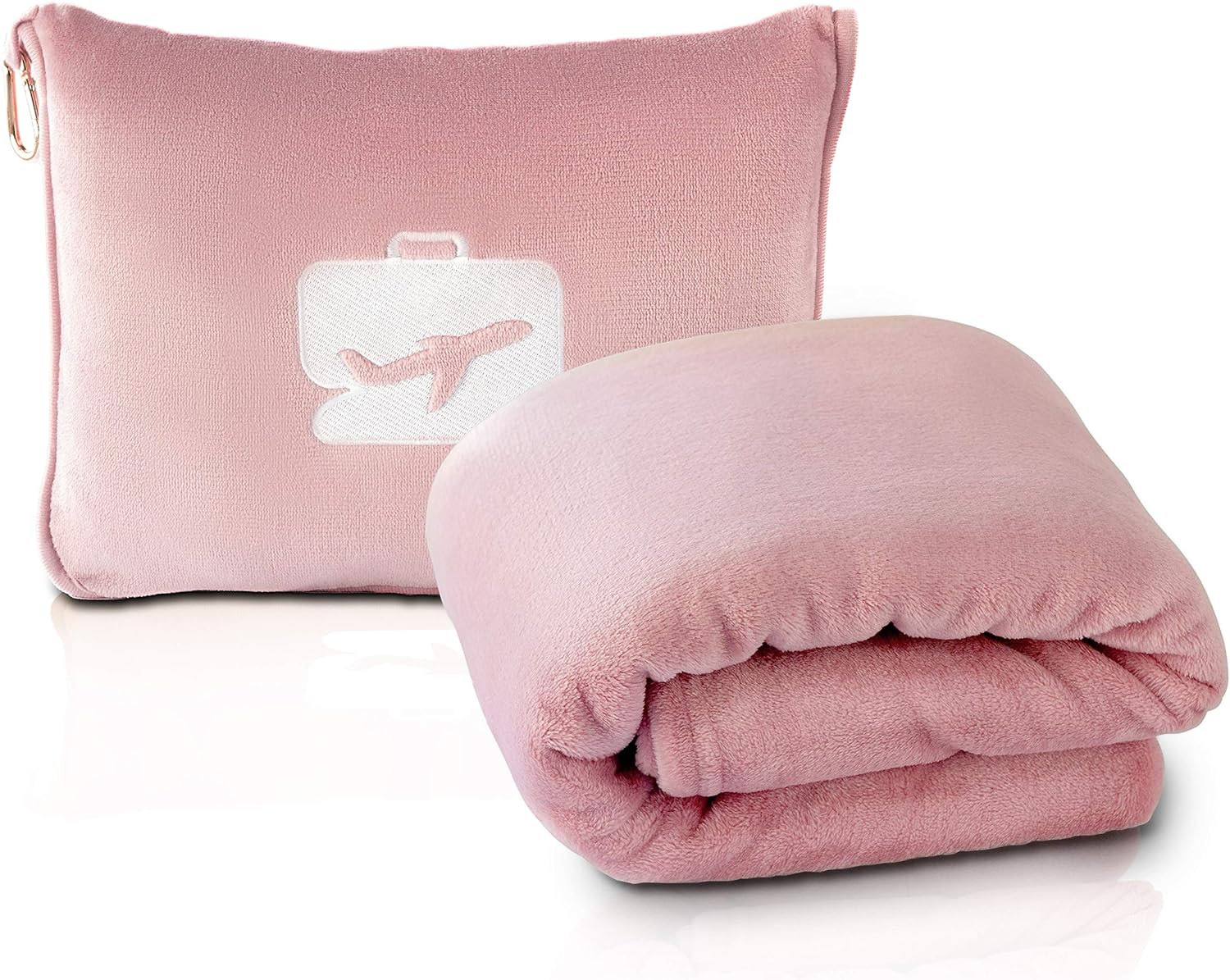
If you have to hike to the field or just hate carrying heavy gear, a “puffy” blanket is the answer. Modeled after sleeping bags, these use synthetic down insulation inside a ripstop nylon shell. They represent the pinnacle of warmth-to-weight ratio in the outdoor blanket world.
Portability King: Pack Light, Stay Warm
They pack down into a tiny stuff sack but loft up to trap a massive amount of heat. The nylon shell sheds water, spills, and pet hair instantly. They usually come with a “cape clip” allowing you to wear it hands-free, combining the best features of a wearable blanket with the packability of camping gear.
The warmth-to-weight ratio of down and synthetic down blankets is unmatched. A quality puffy blanket weighing just 1-2 pounds can provide warmth comparable to a 5-pound wool blanket. For sports parents who walk long distances from parking lots to fields, this weight savings is significant—especially when you’re also carrying chairs, coolers, and team equipment.
How Down Insulation Works
Down clusters create thousands of tiny air pockets that trap body heat. The quality of down is measured by fill power—higher fill power (700-800+) means better warmth with less weight. Synthetic down alternatives (like PrimaLoft or Climashield) mimic this structure using polyester fibers, offering similar warmth with better moisture resistance.
For outdoor sports use, synthetic down is often the better choice because it maintains insulating properties when wet, while natural down loses loft and warmth when exposed to moisture. Most “puffy” sports blankets use synthetic down for this reason, though some premium models use treated natural down that resists moisture.
Design Features for Sports
The best puffy blankets for sports include thoughtful design features: clip-on cape attachments for hands-free use, stuff sacks that double as pillows, and water-resistant outer shells that handle light rain and spills. Some models also include internal pockets for phones or hand warmers, adding extra functionality beyond basic warmth.
The ripstop nylon shell is particularly valuable for sports use. Unlike fleece or wool, nylon doesn’t pick up grass, mud, or pet hair. A quick shake removes most debris, and the smooth surface wipes clean with a damp cloth. For parents who deal with messy kids and spilled concessions, this easy-clean feature is a major advantage.
✅ Pros
- Lightweight: Weighs almost nothing—easy to carry long distances.
- Packable: Compresses into a small bag the size of a water bottle.
- Clean: Dirt and grass shake right off the nylon shell.
- Warm: Excellent warmth-to-weight ratio rivals much heavier blankets.
- Quick Dry: Dries faster than wool or cotton alternatives.
- Versatile: Works for sports, camping, travel, and everyday use.
❌ Cons
- Slippery: The smooth nylon can slide off your lap easily on hard seats.
- Cost: High-quality down/synthetic down is pricier than basic fleece.
- Wind Penetration: Lighter shells may not block strong wind as effectively.
- Noise: Nylon shells can be “swishy” when you move.
- Compressibility: Takes time to fully loft after being in stuff sack.

Pack Light, Stay Warm: The ultralight puffy blanket that clips around your shoulders for hands-free warmth.
Check Price on AmazonHead-to-Head Comparison: All 5 Blankets
Here is how the top contenders stack up on the specs that matter most for outdoor sports. Use this comparison to quickly identify which blanket best matches your priorities.
| Feature | OCEAS Waterproof | Mozy Wrap | Battery Heated | Wool Blend | Down Puffy |
|---|---|---|---|---|---|
| Weather Resistance | High (Wind/Rain) | High (Wind/Rain) | Medium (Resistant) | Medium (Warm when wet) | Medium (Water Resistant) |
| Warmth Rating | High | Medium | Very High (Active Heat) | High | High |
| Portability | Medium | Medium | Low (Heavy) | Medium | Very High |
| Price Range | $$ | $$ | $$$ | $ | $$$ |
| Weight | ~2.5 lbs | ~1 lb | ~3 lbs | ~4 lbs | ~1.5 lbs |
| Hands-Free | No | Yes | No | No | Optional (cape clip) |
| Best Temp Range | 30-60°F | 35-65°F | 15-45°F | 25-55°F | 30-60°F |
| Washability | Machine (cold) | Machine (cold) | Hand wash only | Hand/wool cycle | Special care |
| Sharing Friendly | Yes (large size) | No (individual) | Yes (large size) | Yes (large size) | Sometimes (depends on size) |
| Durability | Very High | High | Medium | Very High | High |
Best Value by Category
Best Overall Value
OCEAS Waterproof Fleece — Delivers the best balance of warmth, weather protection, and durability at a mid-range price. Perfect for most outdoor sports spectators.
Best for Extreme Cold
Battery Heated Blanket — When temperatures drop below freezing, active heating is the only way to guarantee comfort. Worth the premium price for dedicated winter sports fans.
Best Budget Pick
Wool Blend — Incredible durability and warmth at the lowest price point. The best blanket for cold weather if you don’t mind the extra weight.
Most Innovative Design
Mozy Thermal Wrap — The hands-free design is genuinely revolutionary for active sports parents. Nothing else lets you move freely while staying warm.
Material Deep Dive: Understanding Blanket Fabrics
Choosing the right outdoor blanket starts with understanding the materials. Each fabric has distinct properties that affect warmth, weather resistance, weight, and care requirements. Here’s a comprehensive breakdown of the materials you’ll encounter when shopping for stadium blankets.
Polar Fleece
Polar fleece is a synthetic polyester fabric known for its soft, plush texture and excellent warmth-to-weight ratio. It was originally developed by Malden Mills in 1979 as a synthetic alternative to wool. Fleece traps air in its lofted fibers, creating insulation that keeps you warm without heavy bulk.
The biggest advantage of fleece is its comfort—it’s incredibly soft against skin and doesn’t itch like some natural fibers. It’s also hydrophobic, meaning it absorbs less than 1% of its weight in water. However, when fleece does get wet, it loses insulating ability rapidly. For outdoor sports use, fleece is best paired with a waterproof backing (like the OCEAS blanket) to prevent moisture exposure.
Nylon (Ripstop and Standard)
Nylon is a synthetic polymer known for its exceptional strength and water resistance. In outdoor blankets, nylon typically serves as the outer shell, providing a barrier against wind and rain. Ripstop nylon includes a reinforced grid pattern that prevents small tears from spreading—critical for rugged stadium use where the blanket might catch on bleacher edges or rough surfaces.
The waterproof properties of nylon come from either a tight weave that naturally repels water or a PU (polyurethane) coating that creates an impermeable barrier. PU-coated nylon is fully waterproof, while tightly woven nylon is water-resistant. For heavy rain or sitting on wet surfaces, PU-coated nylon (like the OCEAS) is the better choice.
Wool (Merino and Traditional)
Wool is nature’s original performance fiber, used by humans for thousands of years. Merino wool, from Merino sheep, is the softest and finest variety, avoiding the itchiness associated with traditional wool. Wool fibers have a natural crimp that creates air pockets for insulation, and they can absorb up to 30% of their weight in moisture without feeling wet.
The unique property of wool is that it generates heat through absorption—a process called “heat of sorption.” When wool absorbs moisture, it releases heat energy, actually warming you up as it gets damp. This makes wool exceptional for active use where you might sweat, as well as for wet conditions. The downside is that wool is heavier, slower to dry, and requires more careful washing than synthetic alternatives.
Synthetic Down (PrimaLoft, Climashield)
Synthetic down alternatives are polyester fibers engineered to mimic the structure and performance of natural down. They create lofted air pockets that trap warmth, similar to down clusters, but with better moisture resistance. When synthetic down gets wet, it maintains its insulating properties far better than natural down.
The main advantage of synthetic down for outdoor sports is its quick-drying nature and consistent performance in damp conditions. It’s also hypoallergenic, making it suitable for people with down allergies. The downside is that it doesn’t compress as small as natural down and may have a slightly shorter lifespan under heavy use.
Sherpa Lining
Sherpa is a polyester fabric designed to mimic the look and feel of sheep’s wool. It features a bumpy, textured surface that creates excellent insulation by trapping air. Sherpa is commonly used as a lining material in stadium blankets because of its exceptional softness and warmth.
The main benefit of Sherpa lining is comfort—it feels incredibly cozy against skin and provides immediate warmth without a break-in period. It’s also machine washable and dries relatively quickly. The downside is that Sherpa can pill over time and may shed fibers, especially when new. For stadium use, a Sherpa-lined blanket provides luxury-level comfort for long games.
Polar Fleece
Best for: Base layer comfort
Warmth: High
Weight: Light
Water Resistance: Low
Care: Easy
Nylon Shell
Best for: Weather protection
Warmth: Low (blocks wind)
Weight: Light
Water Resistance: Very High
Care: Easy
Wool Blend
Best for: All-condition warmth
Warmth: Very High
Weight: Heavy
Water Resistance: Medium
Care: Moderate
Synthetic Down
Best for: Packable warmth
Warmth: High
Weight: Very Light
Water Resistance: Medium
Care: Moderate
Sherpa Lining
Best for: Luxurious comfort
Warmth: High
Weight: Medium
Water Resistance: Low
Care: Moderate
Use Case Breakdown: Matching Blankets to Activities
Different outdoor sports and activities have unique demands. Here’s a detailed guide to choosing the best blanket for your specific situation.
Football Games (Fall/Winter)
Recommended: OCEAS Waterproof Fleece or Battery Heated Blanket
Why: Football season spans cold, wet months. You need wind protection, waterproof backing for metal bleachers, and enough warmth for 3+ hour games. If temperatures regularly drop below 35°F, go with the heated option.
Soccer Tournaments (Spring/Fall)
Recommended: OCEAS Waterproof Fleece or Down Puffy
Why: Soccer parents often move between fields, so portability matters. The OCEAS works great for base camp, while the puffy blanket is perfect for walking between games. Both handle dew-covered grass well.
Youth Hockey (Indoor/Outdoor)
Recommended: Battery Heated Blanket
Why: Ice rinks and cold outdoor arenas demand maximum warmth. The heated blanket is essential for long tournament days where rink-side seating is freezing.
Baseball/Softball (Spring/Summer)
Recommended: Down Puffy or Wool Blend
Why: Evening games can get surprisingly cool, but you don’t need heavy-duty weather protection. A lightweight puffy or breathable wool blend provides comfortable warmth without overheating.
Lacrosse/Cross Country (Fall)
Recommended: Mozy Thermal Wrap or OCEAS
Why: These sports often involve walking between fields and standing on sidelines. The Mozy’s hands-free design is perfect for coaches and active parents. For spectators who prefer to sit, the OCEAS is ideal.
Outdoor Concerts/Festivals
Recommended: OCEAS Waterproof Fleece or Down Puffy
Why: Large outdoor events mean unpredictable ground conditions and weather. The OCEAS handles wet grass and dew, while the puffy blanket is easy to carry and pack for long festival days.
Family vs. Individual Use
If you’re attending games as a couple or with kids, you’ll want a blanket large enough to share. The OCEAS and Wool Blend blankets come in XL sizes (58″ x 80″ or larger) that comfortably cover two adults. For families with small children, the OCEAS is particularly good because the waterproof backing protects against spills, grass stains, and general kid mess.
For individual use, the Mozy Wrap or Down Puffy offer the best combination of warmth and convenience. The Mozy is perfect if you frequently move around, while the Down Puffy is ideal if you sit in one spot but want minimal bulk to carry.
Budget Considerations
Outdoor sports blankets range from under $20 for basic wool blends to over $100 for premium heated models. Here’s a general price breakdown:
- Budget ($15-30): Basic wool blends and entry-level fleece throws
- Mid-Range ($30-60): Quality waterproof fleece (like OCEAS) and wearable wraps
- Premium ($60-100): High-quality puffy blankets and advanced thermal wraps
- Luxury ($100+): Battery heated blankets with premium features
For most sports parents, a mid-range waterproof fleece blanket offers the best value—it handles the widest range of conditions and will last for multiple seasons. If you’re on a tight budget, a wool blend provides excellent durability and warmth at a fraction of the cost.
Seasonal Buying Guide: When to Use What
Outdoor sports span all four seasons, and each season presents unique challenges for staying warm and comfortable. Here’s how to match your blanket choice to seasonal conditions.
🍂 Fall (September-November)
Temperature Range: 40-65°F
Recommended: OCEAS Waterproof Fleece
Why: Fall brings unpredictable weather—warm afternoons can turn into chilly evenings. The OCEAS handles temperature swings and intermittent rain well. Layer with a light jacket for full coverage.
❄️ Winter (December-February)
Temperature Range: 15-40°F
Recommended: Battery Heated Blanket + Heavy Jacket
Why: Winter sports demand active heating. Body heat alone isn’t enough at sub-freezing temperatures. The heated blanket provides the consistent warmth needed for 3+ hour games in the cold.
🌸 Spring (March-May)
Temperature Range: 45-70°F
Recommended: Down Puffy or Light Wool Blend
Why: Spring weather is mild but unpredictable. A lightweight puffy blanket handles cool evenings without overheating during warm afternoons. Rain protection is less critical but still useful.
☀️ Summer (June-August)
Temperature Range: 65-95°F
Recommended: Light Puffy or Stadium Seat Cushion
Why: Summer nights can still get cool, especially at higher elevations or near water. A lightweight blanket is useful for evening games, but breathability is key to avoid overheating.
Regional Considerations
Your local climate significantly impacts blanket choice. Here are some regional recommendations:
- Northeast/New England: Cold, wet winters demand the OCEAS or Battery Heated. Fall is perfect for wool blends. Spring may need rain protection.
- Midwest: Extreme temperature swings require versatile options. The OCEAS handles most conditions, but add a heated blanket for late-season football.
- South/Southeast: Mild winters mean the Down Puffy or light wool blend suffices. Focus on moisture-wicking materials for humid conditions.
- Mountain West: High altitude means colder temperatures and intense UV. Heated blankets are essential for winter sports; UV-resistant shells protect against sun exposure.
- Pacific Northwest: Rain is constant. The OCEAS waterproof backing is essential. Wool blends work well for damp, cool conditions.
- Southwest: Desert nights get surprisingly cold. A lightweight puffy blanket handles temperature drops without bulk.
Transition Season Tips
During fall and spring, temperatures can vary dramatically between the start and end of a game. We recommend bringing two options: a lighter blanket for the warm start and a heavier option for the cooler finish. Alternatively, choose the OCEAS, which works well across a wide temperature range.
Layering is key during transition seasons. Wear a base layer, add a fleece or wool mid-layer, and use your blanket as the final insulation layer. This system allows you to adjust warmth by adding or removing layers as conditions change throughout the game.
Tailgating & Pre-Game: Blankets Beyond the Bleachers
For many sports fans, the pre-game tailgate is just as important as the game itself. Your blanket choice affects your tailgating comfort, especially during early morning setups and late-night cleanups. Here’s how to choose the right blanket for tailgate activities.
Ground Cover vs. Wrap-Up Blanket
Tailgating requires two types of blankets: a ground cover for sitting on grass or pavement, and a wrap-up blanket for staying warm while standing and socializing. The OCEAS excels as a ground cover due to its waterproof backing, while the Mozy Wrap is perfect for moving around the tailgate area.
If you can only bring one blanket, the OCEAS is the most versatile choice—it works as both ground cover and wrap-up blanket. Lay it on the grass for seating, then wrap it around your shoulders when you stand to socialize or watch the pre-game entertainment.
Fire Safety Considerations
If your tailgate includes a fire pit, grill, or campfire, fire safety is paramount. Wool blend blankets are naturally fire-retardant and self-extinguish quickly, making them the safest choice around open flames. Synthetic materials like fleece and nylon can melt when exposed to high heat, potentially causing burns or damage.
Keep synthetic blankets at least 6 feet from open flames, and never use them as grill covers or fire screens. For fire-side tailgating, invest in a dedicated wool blanket or fire-resistant blanket designed for outdoor use.
Spill Resistance and Easy Cleaning
Tailgating involves food, drinks, and general mess. Waterproof blankets (like the OCEAS) handle spills easily—a quick wipe with a napkin removes most messes. Wool blends are also naturally stain-resistant due to wool’s lanolin content. Fleece absorbs stains readily and may require pre-treatment before washing.
For families with young children, the waterproof nylon backing is essential. Kids spill drinks, drop food, and track mud everywhere. A waterproof blanket protects your clothes and provides a clean surface for snacks and activities. Consider bringing a dedicated “kid blanket” that you don’t mind getting dirty.
Portability and Storage
When loading the car for a tailgate, space is at a premium. Puffy blankets pack smallest, followed by wool blends (when folded). The OCEAS and Mozy Wrap are bulkier but still fit easily in a trunk. Consider using a dedicated blanket bag or compression sack to minimize space and keep blankets clean during transport.
For tailgating at distant stadiums, portability becomes critical. If you’re taking public transportation or walking from a remote parking lot, the Down Puffy’s light weight and compact size make it the best choice. It weighs just 1-2 pounds and packs into a bag the size of a water bottle.
Youth Sports Parents Guide: Staying Warm on the Sidelines
Youth sports parents are some of the most dedicated (and cold) spectators in the world. Spending entire weekends at outdoor tournaments, braving all weather conditions to support your kids—this guide is specifically for you.
The Unique Challenges of Youth Sports
Youth sports parents face unique challenges that professional sports fans don’t encounter:
- Long Duration: Tournament days can last 8-12 hours, requiring sustained warmth
- Multiple Fields: Moving between fields means carrying your gear repeatedly
- Weather Exposure: Youth fields often lack covered seating
- Kid Management: You need hands-free options while managing snacks, equipment, and emotions
- Budget: With multiple kids in sports, every purchase needs to provide value
Recommended Setup for Youth Sports Parents
Based on hundreds of hours watching youth sports in all conditions, here’s our recommended blanket setup:
- Primary Blanket: OCEAS Waterproof Fleece — Your all-conditions workhorse. It handles rain, dew, wet bleachers, and provides enough warmth for most situations.
- Hands-Free Option: Mozy Thermal Wrap — For days when you need to move between fields or manage multiple kids. Keeps your hands free while providing lower-body warmth.
- Extreme Cold Backup: Battery Heated Blanket — For late-season tournaments when temperatures drop. Keep this charged and ready for the coldest days.
- Kid Blanket: Budget Wool Blend — Give each kid their own durable blanket they can drag around the field without worry.
Tournament Day Survival Tips
Here are tested strategies for staying warm during all-day tournament marathons:
- Layer Strategically: Start with a moisture-wicking base layer, add insulating fleece, and use your blanket as the final layer. Remove layers as you warm up during active periods.
- Protect Your Extremities: Warm socks, gloves, and a hat are essential. Your blanket covers your core, but extremities lose heat fastest.
- Move Regularly: Standing up and walking every 30 minutes prevents your body from cooling down too much. The Mozy Wrap makes this easy.
- Stay Hydrated: Dehydration reduces your body’s ability to regulate temperature. Bring warm drinks in insulated containers.
- Use Hand Warmers: Chemical hand warmers in your pockets provide supplemental heat without adding bulk.
- Bring a Backup: Always have a dry blanket available. If your primary blanket gets wet, you’ll be grateful for the backup.
Youth Sports Parent Pro Tip
Create a “game day bin” in your car with your blanket, hand warmers, extra gloves, a thermos, and snacks. Having everything pre-packed eliminates the stress of remembering items before early morning games. Refresh the hand warmers and hot drinks weekly during the season.
Multi-Sport Families
If your kids play multiple sports across different seasons, you need versatile gear that works year-round. The OCEAS handles fall football, spring soccer, and winter basketball tournaments equally well. For families with kids in year-round sports, investing in a quality waterproof fleece blanket is the most cost-effective strategy.
Consider buying multiple blankets if different family members attend different games simultaneously. A budget wool blend for each family member ensures everyone stays warm without fighting over a single blanket.
Maintenance & Washing Tips: Protect Your Investment
Sports blankets get dirty. Mud, spilled soda, grass stains, and general grime are inevitable. Proper care extends your blanket’s life and maintains its performance. Here’s a comprehensive guide to keeping your outdoor blanket in peak condition.
Waterproof Blankets (OCEAS and Similar)
Waterproof blankets require specific care to maintain their protective coating:
- Washing: Machine wash on cold, gentle cycle. Use mild detergent—avoid bleach and fabric softeners, which can damage the waterproof coating.
- Drying: Hang dry is best. High heat from a dryer can delaminate the PU coating and reduce waterproof performance. If you must use a dryer, use the lowest heat setting.
- Stain Treatment: Pre-treat stubborn stains with a gentle stain remover before washing. Avoid aggressive scrubbing that can damage the nylon surface.
- Waterproofing Refresh: Over time, the waterproof coating may wear. Reapply a DWR (Durable Water Repellent) spray annually to restore water beading performance.
- Storage: Store loosely in a breathable bag. Avoid compressing for long periods, which can stress the waterproof coating.
Wool Blends
Wool requires more careful handling than synthetics:
- Washing: Use a wool-specific detergent (like Woolite or Eucalan). Wash on a wool or delicate cycle with cold water. Never use hot water—it causes shrinkage.
- Drying: Lay flat to dry on a towel. Reshape while damp. Never hang a wet wool blanket—it stretches under its own weight.
- Odor Removal: Wool naturally resists odors, but if needed, air the blanket outdoors in fresh air. Avoid direct sunlight, which can cause yellowing.
- Pilling: Use a fabric shaver to remove pills that form with wear. This restores the blanket’s smooth appearance without damaging the fibers.
- Moth Prevention: Store wool blankets with cedar blocks or lavender sachets to deter moths during off-season storage.
Heated Blankets
Electric blankets require the most careful maintenance:
- Always Remove Battery: Never wash a heated blanket with the battery pack attached. Remove it completely and clean it separately with a damp cloth.
- Hand Wash Preferred: Hand washing is safest for heating elements. If machine washing, use a mesh laundry bag on the gentlest cycle with cold water.
- No Dryer: Never put a heated blanket in the dryer. The heat can damage wiring. Air dry completely before storing.
- Inspect Regularly: Check heating elements for damage before each use. Look for frayed wires, hot spots, or uneven heating. Discontinue use if damage is found.
- Battery Care: Store lithium batteries at 40-80% charge in a cool, dry place. Avoid extreme temperatures during storage.
Down Puffy Blankets
Synthetic down requires gentle care to maintain loft:
- Washing: Use a down-specific detergent (like Nikwax Down Wash). Machine wash on gentle with cold water.
- Rinse Cycle: Run an extra rinse cycle to ensure all detergent is removed—residue can reduce loft.
- Drying: Tumble dry on low heat with clean tennis balls to restore loft. This process may take 2-3 cycles.
- Spot Cleaning: For small stains, spot clean with a damp cloth and mild soap rather than washing the entire blanket.
- Storage: Store uncompressed in a breathable cotton bag to maintain loft. Never store in compression sacks long-term.
Universal Rule: Always Check the Label
Every blanket has specific care instructions from the manufacturer. These guidelines override general advice. Always read and follow the care label to avoid voiding your warranty or damaging your blanket.
Storage & Transport Solutions
Proper storage and transport keep your blanket clean, dry, and ready for the next game. Here are the best methods for storing and carrying outdoor blankets.
Car Storage
The most common storage location for sports blankets is the car trunk. Here’s how to keep it clean and accessible:
- Dedicated Blanket Bag: Use a breathable storage bag that protects from dust and moisture while allowing air circulation. Avoid airtight plastic bags, which can trap moisture and cause mildew.
- Trunk Organizer: A trunk organizer with a dedicated blanket compartment keeps your blanket separated from other gear and prevents it from getting dirty.
- Moisture Control: Place a small desiccant packet (like those found in shoe boxes) in the storage bag to absorb moisture and prevent musty odors.
- Seasonal Rotation: Swap blankets seasonally—heavy options for winter, light options for summer. Store off-season blankets indoors to protect from temperature extremes.
Game Day Transport
Carrying your blanket from car to stadium requires the right approach:
- Stuff Sacks: Most quality blankets come with stuff sacks. Use them! They compress the blanket and make it easy to carry.
- Backpack Integration: If your blanket is small enough (like the Down Puffy), it can fit inside a backpack along with other game day essentials.
- Shoulder Straps: Some blanket bags include shoulder straps for hands-free carrying. Essential for parents juggling kids and gear.
- Roll vs. Fold: Rolling your blanket takes less space than folding and creates a more compact package for transport.
Off-Season Storage
During the off-season, proper storage prevents damage and maintains performance:
- Clean Before Storing: Always wash or spot-clean your blanket before putting it away. Stains set over time and become harder to remove.
- Breathable Containers: Store in cotton bags or pillowcases. Avoid plastic bins, which trap moisture and can cause yellowing or mildew.
- Cedar Protection: For wool blankets, add cedar blocks or lavender sachets to deter moths.
- Avoid Attics/Garages: Temperature extremes in attics and garages can damage materials. Store blankets in climate-controlled spaces when possible.
- Unfold Periodically: Every few months, unfold and refold your stored blankets to prevent permanent creases and maintain even loft.
Travel Tips
For away games or travel tournaments, here’s how to transport blankets efficiently:
- Suitcase Stuffing: Use your blanket as packing material around fragile items. It serves double duty as protection and warm gear.
- Vacuum Bags: For long trips, vacuum compression bags reduce blanket size by up to 75%. Re-fluff when you arrive at your destination.
- Carry-On Option: A small puffy blanket can serve as a carry-on item, providing warmth during travel and at the destination.
Common Mistakes to Avoid When Buying a Sports Blanket
Even well-intentioned purchases can go wrong. Here are the most common mistakes sports blanket buyers make—and how to avoid them.
Mistake #1: Choosing Style Over Function
That trendy, Instagram-worthy blanket might look great, but does it have a waterproof backing? Is it windproof? Can it handle being dragged through mud? Fashion-focused blankets often sacrifice function for aesthetics. For sports use, prioritize performance features (waterproofing, wind resistance, durability) over color and pattern. You can always add a stylish throw at home.
Mistake #2: Ignoring Size Requirements
A standard 50″ x 60″ throw is fine for one person, but if you’re sharing with a partner or huddling with kids, you’ll be fighting for coverage. Always check dimensions before buying. For sharing, look for XL or “Stadium” sizes that are at least 58″ x 80″. Remember that the blanket needs to cover not just your body but also the seat surface.
Mistake #3: Skipping the Waterproof Test
Many blankets claim to be “water-resistant” but aren’t truly waterproof. Water-resistant means it can handle light drizzle but will eventually soak through. Waterproof means no moisture passes through, period. For stadium use, you need waterproof. Test your blanket by pouring water on it—if it beads up and rolls off, you’re good. If it soaks in, you’ll be wet and cold on damp bleachers.
Mistake #4: Buying Too Heavy
Heavier isn’t always warmer. Modern materials like synthetic down and advanced fleece provide excellent warmth at a fraction of the weight of traditional wool. Consider how far you’ll carry your blanket—if you’re walking from a distant parking lot, every pound matters. For car-to-seat distances, weight is less critical.
Mistake #5: Forgetting About Care Requirements
That beautiful wool blanket might require hand-washing and flat drying—processes that take hours. If you don’t have time for high-maintenance care, choose a machine-washable option. The OCEAS and most synthetic blankets go straight in the washing machine, making post-game cleanup simple.
Mistake #6: Not Considering the Whole System
A blanket is part of your outdoor warmth system, not the entire solution. If you’re wearing shorts and a t-shirt, no blanket will keep you warm enough for a 3-hour winter game. Layer properly with moisture-wicking base layers, insulating mid-layers, and windproof outer layers. Your blanket adds the final insulation layer, not the only one.
Mistake #7: Buying One Blanket for All Situations
One blanket can’t do everything perfectly. A waterproof blanket handles rain but isn’t as packable as a puffy. A heated blanket provides maximum warmth but requires charging. Consider building a small collection: one primary all-conditions blanket, one compact option for mobile days, and one heated blanket for extreme cold. The investment pays off in comfort across multiple seasons.
Mistake #8: Ignoring Reviews and Real-World Feedback
Marketing claims are one thing; real-world performance is another. Always read reviews from people who’ve used the blanket in actual sports conditions. Look for feedback about durability after multiple washes, performance in rain and wind, and long-term comfort. Product photos rarely tell the whole story.
The Science of Staying Warm: How Blankets Actually Work
Understanding the science behind warmth helps you make smarter choices about outdoor blankets. Here’s a simple explanation of how your body loses heat and how blankets prevent it.
The Four Ways Your Body Loses Heat
Your body loses heat through four mechanisms, and effective blankets address at least three of them:
- Conduction: Direct heat transfer to cold surfaces (like aluminum bleachers). Blankets with thick insulation create a barrier that slows this transfer. The thicker the blanket, the less conductive heat loss.
- Convection: Wind carries heat away from your body. Windproof blankets (nylon shells, tight weaves) block air movement and prevent convective heat loss. This is why windproof blankets feel dramatically warmer than wind-permeable ones.
- Radiation: Your body radiates infrared heat. Blankets reflect this heat back toward your body. Materials like Mylar (emergency blankets) are excellent reflectors, but even standard fabrics reflect some radiant heat.
- Evaporation: Moisture on your skin (sweat, rain) absorbs heat as it evaporates. Moisture-wicking base layers and waterproof outer layers minimize evaporative heat loss.
Why “Warm When Wet” Matters
Many outdoor blankets claim to keep you “warm when wet.” This property comes from fibers that retain insulating structure even when saturated with water. Wool is the champion here—its crimped fibers maintain air pockets even when wet. Synthetic fleece, by contrast, collapses when wet, losing its insulating ability.
For sports use, “warm when wet” is critical because you’ll inevitably encounter moisture—rain, snow, spilled drinks, damp grass. A blanket that loses warmth when wet leaves you vulnerable at exactly the moment you need warmth most. This is why wool blends and waterproof-backed blankets outperform basic fleece for outdoor sports.
The Role of Loft
Loft refers to the thickness and fluffiness of insulating materials. Higher loft means more air pockets, which means better insulation. Down and synthetic down excel at creating loft, which is why puffy blankets feel so warm despite being lightweight.
However, loft must be protected from compression. When you sit on a blanket, you compress the loft directly beneath you, reducing insulation at the contact point. This is why some blankets include extra padding or why layering a blanket over a seat cushion improves warmth. The compressed area loses insulating ability, but the surrounding uncompressed areas continue to trap heat effectively.
Active vs. Passive Heating
Traditional blankets provide passive heating—they trap the heat your body generates. Heated blankets provide active heating—they generate additional heat. In extreme cold, passive heating may not be enough because your body can’t generate heat faster than the cold environment removes it.
Active heating (battery heated blankets) supplements your body’s heat production, providing warmth even if you arrived at the game already cold. This is why heated blankets are essential for sub-freezing temperatures—they provide a heat source independent of your body’s metabolism.
Microclimate Management
The most effective blankets create a warm microclimate—a pocket of trapped warm air between the blanket and your body. This microclimate is maintained by:
- Sealed Edges: Wrapping the blanket around yourself seals the microclimate, preventing cold air from entering.
- Non-Breathable Layers: Waterproof layers prevent warm air from escaping while blocking cold air from entering.
- Appropriate Size: A blanket too large creates excess space that your body must heat. A properly sized blanket maintains warmth more efficiently.
Warmth Tip: Create a Seal
The biggest mistake people make with blankets is leaving gaps. Wrap the blanket tightly around your body, tucking the edges under your legs and behind your back. This creates a sealed microclimate that traps warm air and blocks wind. Even a small gap can dramatically reduce your blanket’s effectiveness.
DIY Blanket Modifications: Customize Your Stadium Experience
Sometimes a store-bought blanket needs a few tweaks to be perfect for your specific needs. Here are practical DIY modifications that enhance outdoor blanket performance.
Anti-Slip Solutions
If your blanket slides on bleachers, try these fixes:
- Non-Slip Shelf Liner: Cut pieces of rubber shelf liner and attach them to the blanket’s underside using fabric glue or safety pins. This creates grip that prevents sliding.
- Silicone Dots: Apply fabric-safe silicone dots (available at craft stores) to the blanket’s back. These provide grip without damaging the material.
- Velcro Strips: Sew or glue Velcro strips to the blanket’s corners. Attach matching strips to your chair or bleacher seat for a secure hold.
- Rubber Shelf Mat: Cut a rubber shelf mat to fit under the blanket. The mat stays in place on the bleacher, and the blanket grips the mat.
Adding Pockets
Internal pockets add functionality to any blanket:
- Phone Pocket: Sew a simple pocket sized for your phone on the blanket’s interior. This keeps your phone warm (preserving battery life) and accessible.
- Hand Warmer Pocket: Create a larger pocket for chemical hand warmers. Position it near your core for maximum warmth distribution.
- Snap/Zip Closure: Add snaps or a zipper to the blanket’s opening to create a wearable poncho-style configuration.
Weight and Stability
If your blanket blows around in the wind:
- Sewn Weights: Sew small weights (washers, fishing sinkers) into the blanket’s hem. This adds weight without bulk and prevents flapping.
- Corner Grommets: Install grommets in the blanket’s corners. Use tent stakes or clips to secure the blanket to chairs or bleachers.
- Magnetic Edges: Sew small magnets into the blanket’s edges. These stick to metal bleachers and chairs, holding the blanket in place.
Insulation Boosters
Add extra warmth to thin blankets:
- Liner Layer: Add a removable fleece liner using snap buttons. This creates a double-layer system that you can adjust based on conditions.
- Reflective Insert: Sew a Mylar emergency blanket as a middle layer. This reflects body heat back toward you without adding significant weight.
- Quilting: Add quilting stitches through multiple layers to prevent insulation from shifting and creating cold spots.
Visibility and Identification
Make your blanket easy to spot in a crowd:
- Bright Trim: Add bright-colored binding or trim to your blanket’s edges. This makes it visible from a distance and easy to identify in a pile of blankets.
- Team Colors: Sew team-colored ribbons or patches to personalize your blanket and show team spirit.
- Reflective Tape: Add reflective tape strips for visibility during evening games and safety when walking in parking lots.
Gift Guide: Best Blankets for Sports Fans
Looking for the perfect gift for the sports fan in your life? An outdoor blanket is a thoughtful, practical present that they’ll use for years. Here’s our gift-giving guide organized by recipient type.
For the Die-Hard Football Fan
Football fans face the harshest conditions—late-season games in freezing temperatures, rain, and snow. The best gift is the Battery Heated Blanket. It’s a luxury item that most fans wouldn’t buy for themselves but will love receiving. Pair it with a thermos and hand warmers for a complete game day gift basket.
For the Soccer Mom/Dad
Soccer parents spend weekends on the sidelines in all weather. The Mozy Thermal Wrap is perfect for the active parent who moves between fields. For a more versatile gift, go with the OCEAS Waterproof Fleece—it handles every situation a soccer parent encounters.
For the Camper Who Loves Sports
The sports fan who also camps needs a blanket that does double duty. The Down Puffy Blanket works perfectly for both stadium seating and camping trips. It’s lightweight, packable, and versatile enough for multiple activities.
For the Budget-Conscious Buyer
If you’re looking for a meaningful gift without a high price tag, the Wool Blend Blanket delivers incredible value. It’s durable, warm, and will last for decades. Add a personalized monogram or team patch to make it extra special.
Gift Sets and Bundles
Create a complete game day gift set:
- The Essentials Bundle: Waterproof blanket + insulated tumbler + hand warmers
- The Luxury Bundle: Heated blanket + premium thermos + wool socks + gift card for concessions
- The Family Bundle: XL waterproof blanket + matching kid blankets + team hats
- The Mobile Bundle: Down puffy blanket + backpack + portable charger + lightweight chair
Personalization Ideas
Make your blanket gift extra special:
- Embroidery: Add the recipient’s name or initials
- Team Colors: Choose blankets in the recipient’s favorite team colors
- Custom Patch: Sew on a team logo or custom patch
- Gift Wrapping: Use the blanket’s stuff sack as part of the gift presentation
Complementary Accessories: Complete Your Game Day Setup
A great blanket is the foundation of outdoor comfort, but the right accessories take your game day experience to the next level. Here are the essential accessories that pair perfectly with your sports blanket.
Seating Accessories
- Bleacher Cushion: A thick foam cushion adds comfort to hard metal bleachers. Combined with your blanket, it creates a plush seating surface that makes long games comfortable.
- Portable Stadium Chair: For games without bleachers, a folding stadium chair with a backrest provides support that blankets alone can’t offer.
- Ground Pad: For grass seating, a closed-cell foam pad provides insulation from cold, damp ground. Use it under your blanket for maximum comfort.
Warmth Accessories
- Chemical Hand Warmers: Disposable hand warmers provide supplemental heat for 6-8 hours. Tuck them in your gloves, pockets, or blanket folds.
- Wool Socks: Quality wool socks prevent heat loss through your feet—often the weakest link in your warmth system.
- Neck Gaiter/Balaclava: Protect your neck and face from wind. A fleece neck gaiter can be pulled up over your nose in extreme cold.
- Heated Gloves: Battery-powered heated gloves provide active warmth for your fingers—essential for holding cold drinks.
Convenience Accessories
- Insulated Tumbler: Keep hot drinks hot for hours. A quality tumbler is essential for enjoying hot cocoa, coffee, or tea during cold games.
- Portable Charger: Keep your phone charged for photos, scores, and communication. A 10,000mAh battery provides 2-3 full phone charges.
- Blanket Strap: A shoulder strap designed for blankets makes carrying easier, especially for parents with full hands.
- Waterproof Bag: A dry bag protects your blanket and valuables from rain. Essential for truly wet conditions.
Kid-Friendly Accessories
- Kid-Sized Blanket: Give each child their own blanket in fun colors or team designs. Kids are more likely to stay covered with their own blanket.
- Snack Container: A spill-proof snack container keeps kids happy and reduces mess on blankets.
- Entertainment: Coloring books, cards, or a tablet keep kids occupied during long games, making blanket time more enjoyable.
- Blanket Clips: Simple clips that attach blankets to chairs prevent kids from dragging blankets on the ground.
Emergency Preparedness
- Emergency Mylar Blanket: These tiny, lightweight blankets reflect body heat and are essential for unexpected emergencies. Keep one in your game day bag.
- First Aid Kit: A compact first aid kit handles minor injuries that happen at outdoor events.
- Flashlight: For evening games, a small flashlight helps you find your way in dark parking lots.
- Multi-Tool: A small multi-tool handles unexpected repairs and adjustments.
Eco-Friendly and Sustainable Blanket Options
As environmental awareness grows, many consumers are seeking sustainable outdoor blanket options. Here’s a guide to eco-friendly materials and practices for the environmentally conscious sports fan.
Sustainable Materials
- Recycled Polyester: Many outdoor blankets now use polyester made from recycled plastic bottles. This reduces waste and petroleum consumption while maintaining performance. Brands like Patagonia and REI offer recycled polyester options.
- Organic Wool: Wool from sheep raised on organic pastures without chemical treatments. It’s more expensive but avoids pesticides and supports sustainable farming practices.
- Organic Cotton: While not as warm as synthetics, organic cotton is biodegradable and grown without harmful chemicals. Best for mild-weather use.
- Hemp Blends: Hemp is a sustainable crop that requires minimal water and no pesticides. Hemp/wool blends offer natural warmth with eco-friendly credentials.
- Tencel/Lyocell: Made from sustainably harvested wood pulp, Tencel is soft, moisture-wicking, and biodegradable.
Manufacturing Practices
Beyond materials, consider how the blanket was made:
- Fair Trade Certified: Ensures workers were paid fair wages and worked in safe conditions.
- Bluesign Certified: Verifies the product was made with minimal environmental impact.
- OEKO-TEX Certified: Tests for harmful substances, ensuring the product is safe for human health.
- B Corp Certified: Companies that meet high standards for social and environmental performance.
End-of-Life Considerations
What happens when your blanket wears out? Sustainable options include:
- Recyclable Materials: Polyester blankets can be recycled into new fibers. Look for brands that offer recycling programs.
- Biodegradable Options: Wool and cotton blankets decompose naturally at end of life, returning nutrients to the soil.
- Repair Programs: Some brands offer repair services, extending your blanket’s life and reducing waste.
- Donation: Gently used blankets can be donated to shelters, extending their useful life.
Carbon Footprint Reduction
Reduce your blanket’s environmental impact:
- Buy Quality, Not Quantity: One durable blanket that lasts 10 years is better for the environment than three cheap ones that wear out quickly.
- Proper Care: Following care instructions extends blanket life, reducing the need for replacements.
- Air Dry: Line drying instead of machine drying saves energy and extends blanket life.
- Local Purchases: Buying locally made products reduces transportation emissions.
Troubleshooting Common Issues
Even the best blankets can encounter problems. Here’s how to diagnose and fix common issues with outdoor sports blankets.
Add non-slip shelf liner underneath, use blanket clips to secure to the bleacher, or choose a blanket with a textured backing. Wool blends naturally grip better than smooth synthetics.
Reapply DWR (Durable Water Repellent) spray. Clean the blanket first, then spray evenly and heat-set with a hair dryer on low. This restores water beading performance.
Wash again with white vinegar (1 cup in the rinse cycle) to kill odor-causing bacteria. Ensure the blanket dries completely before storing. For wool, air outdoors in fresh air.
Check for kinks or bends in the heating elements. Lay the blanket flat and gently smooth out any folded sections. If the problem persists, the heating elements may be damaged—contact the manufacturer.
Machine dry with clean tennis balls on low heat. The balls break up clumps and restore loft. Repeat if necessary. Avoid storing compressed for long periods.
Use a fabric shaver or sweater stone to remove pills. Wash on a gentle cycle and avoid rough surfaces that cause friction. Some pilling is normal with new wool blankets.
Use a lint roller or rubber pet hair remover. For stubborn hair, dampen your hands and run them over the fleece—the hair clings to moisture. Wash on a gentle cycle to remove embedded hair.
You may be overdressed or the blanket is trapping too much heat. Use lighter layers underneath, or choose a more breathable blanket material. Remove the blanket periodically to regulate temperature.
When to Replace Your Blanket
Even quality blankets have a lifespan. Replace your blanket when:
- Waterproofing Fails: If reapplying DWR doesn’t restore water resistance, the coating has degraded beyond repair.
- Insulation Thins: When blankets lose loft and no longer provide adequate warmth despite proper care.
- Structural Damage: Large tears, broken zippers, or damaged heating elements that can’t be repaired.
- Hygiene Issues: Persistent odors or stains that won’t come out, even with professional cleaning.
- Warranty Expiration: Some manufacturers offer lifetime warranties—take advantage of these before purchasing a replacement.
Detailed Specification Comparison
For those who want to dive deep into the specifications, here’s an expanded comparison covering every feature that matters.
| Specification | OCEAS Waterproof | Mozy Wrap | Battery Heated | Wool Blend | Down Puffy |
|---|---|---|---|---|---|
| Outer Material | PU-Coated Nylon | Ripstop Nylon | Water-Resistant Polyester | Wool/Polyester Blend | Ripstop Nylon |
| Inner Material | Polar Fleece | Microfleece | Soft Fleece | Wool Blend | Synthetic Down |
| Dimensions | 58″ x 80″ | One Size (waist to knee) | 60″ x 80″ | 64″ x 84″ | 55″ x 72″ |
| Weight | ~2.5 lbs | ~1 lb | ~3 lbs (with battery) | ~4 lbs | ~1.5 lbs |
| Waterproof | Yes (PU Coating) | Water-Resistant | Water-Resistant | Moisture-Wicking | Water-Resistant |
| Windproof | Yes | Yes | Moderate | Moderate | Low |
| Machine Washable | Yes (Cold) | Yes (Cold) | Hand Wash Only | Wool Cycle | Yes (Gentle) |
| Heat Settings | N/A | N/A | 3 Settings | N/A | N/A |
| Battery Life | N/A | N/A | 2-4 Hours (High) | N/A | N/A |
| Carry Bag Included | Yes | No | Yes | Varies | Yes |
| Best For | All-Weather | Active Spectators | Extreme Cold | Rugged Use | Travel/Hiking |
Buyer’s Guide: What to Look For
Before you buy, consider the specific conditions of your local sports season. This comprehensive buyer’s guide covers every factor that affects your blanket choice.
1. Waterproof Backing is Crucial
Unless you are 100% sure the seats will be dry, get a blanket with a waterproof backing (usually Nylon or Polyester with a PU coating). Fleece absorbs water instantly like a sponge, so if you sit on damp bleachers with a regular blanket, you will be wet and cold in minutes. The waterproof backing acts as a barrier, preventing moisture from reaching the fleece interior and your body.
There are two levels of water protection to consider: water-resistant and waterproof. Water-resistant materials (like DWR-treated fabrics) handle light rain and dew but will eventually soak through in heavy rain. Waterproof materials (like PU-coated nylon) block all moisture, period. For stadium use where you’re sitting for hours, waterproof is the way to go.
2. Wind Blocking
Wind chill is often the real enemy at stadiums. Tight weaves like nylon or heavy wool block wind effectively. Loose knits or standard cotton throws allow wind to pass right through, stripping away your body heat. The wind chill factor at a 20 mph wind speed can make 40°F feel like 30°F—a 10-degree difference that your blanket needs to counteract.
Windproof blankets typically use solid nylon shells that create an impermeable barrier to air movement. This blocks convective heat loss, which is one of the primary ways your body loses warmth outdoors. If you sit in an exposed section of the stadium (upper deck, end zones), wind protection should be your top priority.
3. Size Matters
A standard throw (50″x60″) is fine for one person. If you plan on sharing with a partner or huddling with kids, look for “Stadium Size” or XL options that are at least 58″x80″. Size also affects coverage—a larger blanket can wrap completely around you, sealing out cold air more effectively than a smaller blanket that leaves gaps.
Consider the seat dimensions as well. Stadium bleachers are typically 18-20 inches deep. Your blanket needs to cover this depth plus drape over your legs. A blanket that’s too short won’t provide full coverage, while one that’s too long may drag on the ground and pick up dirt.
4. Weight and Portability
How far you carry your blanket affects how much weight you can tolerate. For car-to-seat distances, weight is less critical. For walking from distant parking lots or using public transportation, every pound matters. The Down Puffy (1.5 lbs) is dramatically easier to carry than the Wool Blend (4 lbs).
Portability also includes packability—how small the blanket compresses for transport. Puffy blankets compress smallest, followed by synthetic fleece. Wool blends and waterproof blankets are bulkier but still manageable. Consider using a compression sack for extra packability.
5. Ease of Care
Sports blankets get dirty frequently. Machine-washable blankets (like the OCEAS and Mozy) are the easiest to maintain. Wool blends require more careful washing (wool cycle, cold water). Heated blankets need special care (hand wash, no dryer). Consider your tolerance for laundry care when choosing a blanket.
6. Durability and Longevity
Look for reinforced stitching, quality zippers, and durable materials. A cheap blanket that falls apart after one season costs more in the long run than a quality blanket that lasts for years. Check reviews for reports on durability, especially after multiple washes.
7. Additional Features
Some blankets include bonus features that enhance usability:
- Cape Clips: Allow you to wear the blanket hands-free (Down Puffy)
- Stuff Sacks: Compression bags for easy transport
- Inner Pockets: For phones, hand warmers, or small items
- Zippered Closures: Convert blankets into ponchos or sleeping bags
- Reflective Elements: For visibility during evening games
Final Verdict: Our Top Recommendations
After extensive testing across multiple sports seasons and weather conditions, here are our final recommendations for outdoor sports blankets.
Best Overall: OCEAS Waterproof Fleece
For most people, the OCEAS Waterproof Fleece is the best investment. It handles the wet, the wind, and the cold equally well, and is durable enough to last for seasons. The combination of waterproof backing and cozy fleece interior is exactly what outdoor sports spectators need. It’s our top pick for the best blanket for football games, soccer matches, and all-weather outdoor events.
Best for Extreme Cold: Battery Heated Blanket
If you are purely looking for maximum warmth in freezing temps, upgrade to a Battery Powered Heated Blanket. It turns a miserable 3-hour game into a cozy experience. The active heating technology provides warmth that passive blankets simply can’t match. Essential for late-season football, hockey, and any winter sport played outdoors.
Best for Active Parents: Mozy Thermal Wrap
For parents who need to move between fields, manage kids, and stay warm simultaneously, the Mozy Thermal Wrap is the only choice. The hands-free design is genuinely revolutionary, and the mobility it provides is unmatched by any traditional blanket.
Best Value: Wool Blend
If budget is a primary concern, the Wool Blend Blanket delivers incredible value. It’s virtually indestructible, stays warm when wet, and costs a fraction of tech-heavy alternatives. The fire-retardant properties make it safe around tailgating grills—a bonus that synthetic blankets can’t match.
Best for Travel: Down Puffy
For fans who walk long distances or travel to away games, the Down Puffy Blanket is the most portable option. It weighs almost nothing, packs into a tiny bag, and provides excellent warmth when lofted. The ripstop nylon shell is easy to clean, making it practical for real-world use.
The Bottom Line
No single blanket is perfect for every situation, but every blanket on this list excels in its intended use case. Consider your primary needs (weather conditions, mobility, budget, portability) and choose accordingly. For most sports fans, starting with the OCEAS Waterproof Fleece provides the best all-around performance and value. You can always add specialized options (heated blanket, Mozy Wrap, puffy blanket) as your needs evolve.
Our Promise
We test every blanket we recommend in real-world conditions. Our reviews are based on actual performance, not marketing claims. We update this guide regularly as new products become available and existing products are updated. Your comfort at the game matters to us—choose wisely, stay warm, and enjoy the game!