What Is a Mink Blanket — and Is It Actually Worth Buying?
They’re in every department store, gifted at every holiday, and coveted for their velvet-soft touch. But what exactly is a mink blanket made of, how does it hold up over time, and when does the premium price actually buy you something real?
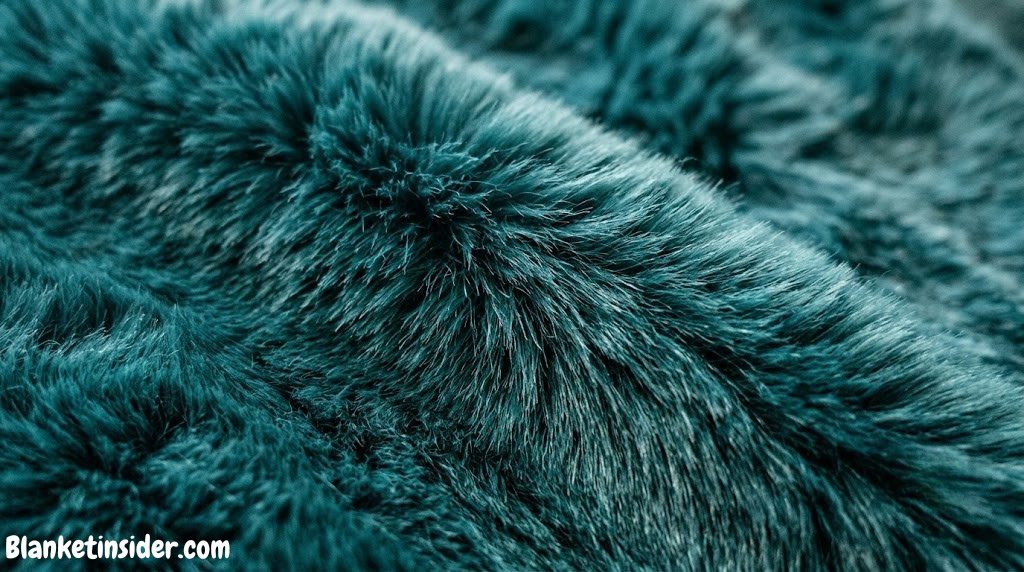
The characteristic dense, directional pile of a mink-style blanket — engineered to mimic the layered texture of real mink fur without using any animal products.
What Is a Mink Blanket? Clearing Up the Biggest Misconception
The name “mink blanket” raises an immediate and important question: does it actually contain mink? For the overwhelming majority of blankets sold under this name, the answer is no — and understanding this distinction is the essential starting point for everything else in this guide.
A mink blanket, as it is sold in virtually every retail channel from department stores to online marketplaces, is a synthetic blanket designed to mimic the luxurious texture and appearance of real mink fur. The term “mink” in the name refers to the aesthetic and tactile qualities the fabric is engineered to replicate — the deep, directional pile, the dense fiber structure, the high sheen, and the distinctive weightedness that comes from that pile density — not the animal itself.
This matters because “mink blanket” is a loose, descriptive category rather than a regulated fabric standard. You won’t find a labeling requirement that tells a manufacturer they can only call their product a mink blanket if it meets certain specifications. As a result, blankets sold under this name can vary considerably in quality, fiber composition, pile depth, weight, and longevity — and knowing how to read those differences is exactly what this guide is for.
The category sits in a fascinating position in the blanket market. Mink-style blankets are simultaneously one of the most popular gift blankets in the world and one of the least understood in terms of what buyers are actually getting. The word “mink” conjures associations with luxury fur — real mink coats cost thousands of dollars — and that association elevates the perceived value of synthetic mink blankets well above what the underlying materials would otherwise suggest. Whether that premium is justified is the central question this guide answers.
Before we go deeper, a note on where mink blankets sit in the broader landscape of plush and luxury blanket options. If you’ve been exploring alternatives, our guides on what a sherpa blanket is and how it’s made, the sherpa vs fleece comparison, and the fleece vs sherpa showdown all touch on adjacent synthetic plush fabrics that compete with mink in the cozy-luxury space. The differences between these fabrics are meaningful and worth understanding before you commit to any single option.
The term “mink blanket” is purely aesthetic shorthand for a synthetic fabric engineered to resemble mink fur. No regulated definition exists. When you see it on a product label, it describes the fabric’s visual and tactile qualities — not its fiber content. Always read the fiber content label (usually 100% acrylic or 100% polyester) for the actual material.
What Are Mink Blankets Actually Made Of? The Fiber Science
Pull back the marketing language and look at the fiber content label on most mink blankets and you’ll find one of two things: 100% acrylic, or 100% polyester (sometimes listed as microfiber). A small number of premium options use a polyester-acrylic blend. Understanding what these materials actually are and why they were chosen explains both the blanket’s appeal and its limitations.
Acrylic: The Dominant Fiber in Mink Blankets
Acrylic is a synthetic polymer fiber derived from acrylonitrile, a petroleum-based compound. It was developed specifically to replicate the soft, lightweight qualities of wool and fur at a fraction of the cost. In the blanket industry, acrylic is the go-to fiber for anything labeled “mink,” “velvety,” “plush,” or “fur-like” because of specific properties that no other synthetic matches at its price point.
The defining characteristic of acrylic fiber for mink applications is its ability to be engineered into very fine, soft filaments that have a natural-feeling hand. Unlike polyester, which has a smooth, plasticky surface, acrylic fibers have a slightly irregular surface texture that feels more organic — closer to natural hair fibers. When these fibers are cut and looped into a pile structure (the process called “tufting”), the resulting surface has the layered, directional quality that characterizes high-quality mink-style fabric.
Acrylic is also naturally pill-resistant compared to standard polyester and has good color vibrancy — mink blankets’ notoriously rich, saturated colors (deep purples, burgundies, royal blues, forest greens) are partly a product of acrylic’s excellent dye absorption and color retention. When you wonder why a mink blanket’s colors look so much richer than a standard fleece at the same price, the fiber chemistry is part of the answer.
Polyester Microfiber: The Alternative Base
Some mink-style blankets use polyester microfiber rather than acrylic. Microfiber polyester is polyester extruded into filaments finer than a human hair — typically less than one denier in diameter. The extreme fineness of these fibers, when woven into a dense pile, creates a surface that is extraordinarily soft to the touch, even if it doesn’t replicate the exact character of real fur as closely as acrylic does.
Polyester microfiber mink blankets tend to be slightly more durable and easier to wash than acrylic versions, and they dry faster. However, they can feel slightly more “synthetic” and are more prone to static electricity than acrylic. The choice between the two often comes down to price point and intended use — microfiber versions tend to perform better in high-wash scenarios like children’s blankets or pet-owner households, while acrylic excels for low-wash, maximum-softness applications like decorative throws and gift blankets.
Why Not Natural Fibers?
The question naturally arises: could a mink-style texture be achieved with natural fibers? In theory, yes — and some ultra-premium textile producers have done exactly that with alpaca or angora blends. But the pile density and directional structure that defines mink-style fabric is extraordinarily difficult and expensive to produce with natural fibers. The process requires very fine, very consistent fibers at high volume — conditions that synthetic production handles efficiently but that natural fiber processing cannot match at consumer-accessible prices.
This is partly why mink blankets occupy their unique market position: they deliver a luxury aesthetic that would genuinely cost hundreds more to achieve with natural materials, at price points that make them broadly accessible. For a sense of what natural luxury fiber alternatives look and feel like, our guide to best blanket materials covers the full spectrum from alpaca to cashmere.
Always check the fiber content label before purchasing. A quality mink blanket will clearly list its fiber content — 100% acrylic, 100% polyester microfiber, or a specific blend. Any blanket that lists “mink” or “faux mink” as a fiber without specifying the actual polymer type is using non-standard labeling. In regulated markets (US, EU, UK), all textiles must disclose fiber content by percentage.

Top-Rated Mink Throw Blankets on Amazon
Rich colors, dense pile, and excellent gift presentation — see the best-selling mink blankets shoppers keep coming back to.
🛒 Shop Mink Blankets on AmazonReal Mink Fur vs Synthetic Mink Blankets: An Honest Comparison
While this guide is primarily concerned with the synthetic mink blankets that dominate the market, it’s worth spending some time on authentic mink fur blankets — what they actually are, who makes them, what they cost, and whether any of those properties are relevant to the typical blanket buyer.
Authentic Mink Fur Blankets
Real mink fur blankets are made from the pelts of American mink (Neovison vison) or European mink, farm-raised specifically for their fur. A single full-size mink blanket requires dozens of pelts — the exact number varies depending on the blanket size and the pelt-joining technique used, but fifty to over a hundred pelts for a full bedding-sized piece is not unusual.
The result is a blanket that is genuinely extraordinary in its tactile qualities. Real mink fur has a depth, warmth, and biological specificity — the guard hairs, the underfur, the way the pile changes with brushing direction — that no synthetic has ever fully replicated. It is also extraordinarily warm, genuinely lightweight for its warmth level, and in terms of sheer material quality, in a completely different category from any synthetic product.
The price reflects this. A quality real mink fur blanket starts at $1,500 and escalates quickly to $5,000, $10,000, and beyond for full-bed sizes, premium breeding lines, or pieces by established fur houses. This places authentic mink entirely outside the consideration set for almost every consumer reading a blanket buying guide.
The Ethical and Legal Landscape
Beyond price, real mink fur carries significant ethical weight. Mink farming has been documented as involving severe animal welfare concerns — mink are semi-aquatic wild animals whose natural behavioral needs cannot be met in cage environments. Several countries have banned mink farming outright (the Netherlands, Czech Republic, and others). Major fashion brands have largely abandoned real fur. If you care about animal welfare, real mink is essentially a non-starter, regardless of price.
Interestingly, the term “faux mink” — used on many synthetic mink product labels — emerged partly as a conscious ethical marker, distinguishing synthetic products from real-fur ones during the period when animal-free fashion was becoming mainstream.
| Attribute | Real Mink Fur | Synthetic Mink |
|---|---|---|
| Fiber source | Animal pelt (farmed mink) | Acrylic or polyester polymer |
| Price range | $1,500–$15,000+ | $20–$150 (typical retail) |
| Softness | Exceptional — unmatched by synthetics | Very soft — close approximation |
| Warmth | Exceptional — natural thermoregulation | Very good — excellent heat retention |
| Weight | Surprisingly light for warmth level | Moderately heavy for warmth level |
| Washability | Specialist dry-cleaning only | Machine washable Advantage |
| Durability | Decades with proper care | 5–10 years typical |
| Ethics | Significant concerns | Animal-free Advantage |
| Color options | Limited natural tones; dyeing possible | Unlimited — full color spectrum Advantage |
| Practical accessibility | Rare, niche, specialist purchase | Widely available everywhere Advantage |
The Practical Verdict
For any normal consumer reading this guide, “mink blanket” means synthetic acrylic or polyester. Real mink is a separate, specialist luxury category entirely outside this conversation. The name’s association with real fur is marketing heritage — the actual product you’re buying is engineered synthetic, and should be evaluated as such.
Texture, Feel & Pile Science: Why Mink Blankets Feel the Way They Do
The defining characteristic of a mink blanket is its texture — specifically the way the dense, directional pile creates a sensory experience that most people find deeply satisfying in a way that generic fleece or microfiber doesn’t quite match. Understanding what creates this sensation helps you evaluate whether a specific blanket will deliver it.
Pile Construction: The Foundation of Mink Texture
The term “pile” refers to the loops or cut fibers that stand up from the base fabric, creating the soft surface. In mink-style blankets, the pile is specifically engineered to be cut (rather than looped), directional (meaning the fibers have a natural lie direction, like fur), and high-density (meaning the fibers are packed closely together, minimizing any visible gaps in the surface).
The cut pile structure is what distinguishes mink fabric from velvet, velour, and many standard fleeces. In a velvet pile, the fibers are very short and uniform. In mink fabric, the fibers are longer (typically 5–15mm) and slightly varied in length, creating a surface depth that gives the impression of real fur layers. Run your hand one direction and the pile smooths flat; brush it back and the individual fiber tips catch the light differently.
This directionality is the single most distinctive tactile property of a quality mink blanket, and it’s the feature that makes them instantly recognizable in a way that polyester fleece never quite achieves.
GSM and What It Tells You About Quality
GSM (grams per square meter) is the standard fabric weight measurement, and in mink blankets it is the most reliable single indicator of quality. Higher GSM means more fiber per area — which translates directly to deeper pile, greater density, heavier weight, and better warmth and durability.
Budget mink blankets typically register at 200–350 GSM. These feel soft initially but tend to flatten with washing because the pile has insufficient density to spring back. Mid-range quality mink starts at around 400 GSM. Premium mink blankets — the ones that maintain their pile for years — typically run 500–700 GSM or higher. If a product listing doesn’t specify GSM and won’t provide it on request, treat it as budget tier.
When handling a mink blanket in a store or examining a product photo, look for three signs of quality pile: visible fiber depth (you should see distinct individual fibers rather than a flat surface), clear directionality when you run your finger across it, and recovery after compression — press your palm in and release; quality pile springs back quickly. Flat-recovery pile has low GSM and will flatten permanently within a few months of regular use.
Single-Sided vs Double-Sided Construction
Mink blankets come in two primary constructions: single-sided, where the pile is on one face and a flat fabric (often polyester satin or a smooth woven backing) is on the reverse; and double-sided, where both faces have the pile surface.
Double-sided mink blankets are generally considered the quality benchmark. They’re heavier, warmer, and maintain their character even when flipped. Single-sided versions are lighter and more affordable but sacrifice that sense of total envelopment that makes a truly luxurious blanket. For gift purposes especially, double-sided construction is worth the additional cost — the difference in presentation and initial impression is significant.

Double-Sided Mink Blankets — The Premium Standard
Both faces fully plush, heavier weight, richer feel — double-sided mink blankets are the benchmark for quality in this category.
🛒 Shop Double-Sided Mink Blankets on AmazonWarmth & Insulation: How Well Do Mink Blankets Actually Keep You Warm?
Warmth is the question most buyers have after softness — and the answer for mink blankets is more nuanced than a simple rating suggests.
Mink-style blankets are genuinely warm. The dense, tightly packed pile structure creates substantial dead-air space — the primary mechanism of all thermal insulation. More pile density means more trapped air, and more trapped air means more insulation. A high-GSM mink blanket at 600+ GSM is meaningfully warmer than a standard 200 GSM polar fleece, and provides warmth broadly comparable to a heavy sherpa at equivalent weights.
However, the warmth story has a critical caveat: mink blankets are not breathable. The dense synthetic pile that makes them warm also makes them poor at moisture management. If you sleep hot or generate significant body heat overnight, a mink blanket can create an uncomfortably warm and damp microenvironment. This is not a flaw of low-quality blankets — it’s an intrinsic property of the dense synthetic pile construction.
Warmth Compared to Other Common Blanket Types
The comparison with merino wool is instructive: a quality merino blanket achieves similar warmth levels to a high-GSM mink blanket but with dramatically better breathability. The trade-off is price — good merino costs significantly more. If you’re torn between the two, our guide to merino wool’s thermoregulation properties explains exactly how the two materials differ in practice for different sleeper types.
Mink blankets perform best as couch throws in cool rooms and as bed blankets in cold climates during winter. They are poor choices for warm-climate use, for people who sleep hot, or as year-round bedding in temperate climates. Think of them as seasonal warmth blankets rather than all-year solutions.
Types of Mink Blankets: Navigating the Full Range
The mink blanket category is broader than most buyers realize. Understanding the main types and their typical applications helps you identify the right fit for your situation rather than defaulting to whatever appears first in search results.
Full, queen, or king dimensions. Used as a primary bed blanket or layered over a duvet. Usually single-sided to control weight. Available in solid colors, prints, and reversible designs.
50×60″ to 60×80″ — the gift-and-couch staple. Most commonly double-sided at this size. The sweet spot between portability and generous coverage. The dominant retail format.
Small-format receiving or swaddle-adjacent blankets in mink fabric. Important note: mink pile is generally not appropriate for infant sleep safety — use as a stroller or play-mat overlay only.
Sized for dog beds, cat perches, or crate liners. The dense pile provides warmth and a comforting texture for animals. Usually single-sided for easier washing.
Sublimation-printed designs on the mink face — one of the most popular gift personalization formats. Photos, custom designs, and illustrative patterns can be printed with vibrant results on mink fabric.
Mink pile on one side, sherpa (looped synthetic fleece) on the other. A popular hybrid that offers the look of mink with the additional warmth structure of sherpa backing. Heavier and warmer than single-face.
Understanding Weight Categories
Mink blankets are generally sold in three implicit weight tiers, though manufacturers rarely label them this way explicitly. Lightweight mink throws (under 2 lbs for a standard throw) are typically low-GSM single-sided options suitable for decorative purposes or mild weather. Medium-weight (2–4 lbs) covers the mid-range quality sweet spot and represents most of what the gifting and everyday-use market buys. Heavy mink blankets (4–8 lbs for full-bed sizes) are high-GSM, often double-sided options that function as genuine winter bedding.
If you’re comparing mink blankets to other types for specific applications — like the best couch throw, the best gift option, or the best winter bed blanket — our best cozy blankets for the living room roundup and the comprehensive blanket gift guide cover the specific context comparisons that category pages like this one can’t fully address.
Mink Blanket Pros & Cons: The Honest Assessment
Mink blankets have a genuine and distinct set of strengths that explain their enduring popularity — and real limitations that deserve as much attention. Here’s the unvarnished picture.
- ✓ Exceptionally soft to the touch — often the softest synthetic available at this price
- ✓ Dense pile creates excellent warmth retention for cold climates
- ✓ Visually luxurious — looks significantly more expensive than it is
- ✓ Outstanding gift presentation — rich colors and deep pile read as premium
- ✓ Very affordable relative to natural luxury alternatives
- ✓ Available in a huge range of colors, prints, and custom designs
- ✓ Machine washable — unlike many natural luxury fabrics
- ✓ Animal-free — no ethical concerns with the standard synthetic product
- ✓ Available in virtually every retail channel and price point
- ✓ Resists wrinkling — always looks neat when folded or displayed
- ✗ Poor breathability — traps heat and moisture against the body
- ✗ Static-prone — particularly in dry climates
- ✗ Pile can flatten with washing if low-GSM or washed incorrectly
- ✗ Sheds fibers initially — first few washes release loose pile fibers
- ✗ Not appropriate for sensitive or eczema-prone skin
- ✗ Microplastic shedding during washing — environmental concern
- ✗ Not biodegradable — long environmental end-of-life
- ✗ Budget versions lose softness quickly — quality tier matters enormously
- ✗ Heavier than cotton for equivalent warmth levels
- ✗ Can feel clammy in warm weather — purely a cold-weather product
The breathability limitation is the one most likely to affect everyday satisfaction. If you’re using a mink blanket as a couch throw or a supplemental winter bed blanket — scenarios where you can kick it off if you get too warm — it’s a non-issue. If you’re planning to sleep under it all night as a primary blanket, the heat-trapping will be noticeable for anyone who doesn’t sleep ice-cold. For those situations, cotton alternatives or a bamboo blanket would serve you better.

Mink Blanket Gift Sets — The Gift That Always Lands
Beautiful packaging, stunning colors, and instant “wow” factor — mink blanket gift sets are perennial bestsellers for good reason.
🛒 Shop Mink Blanket Gift Sets on AmazonMink vs Other Blanket Fabrics: Where It Wins, Where It Loses
Understanding where mink blankets sit in the broader blanket fabric landscape helps you decide whether they’re the right choice for your specific needs — or whether a different fabric type serves you better.
| Fabric | Softness | Warmth | Breathability | Price | Best For |
|---|---|---|---|---|---|
| Mink (synthetic) | Excellent | Very Good | Poor | Budget–Mid | Cold weather throws, gifting |
| Sherpa Fleece | Very Good | Excellent | Low–Moderate | Budget–Mid | Maximum warmth, outdoor use |
| Standard Fleece | Good | Good | Low | Budget | Everyday use, travel, pets |
| Cotton Thermal | Good | Moderate | Excellent | Mid | Hot sleepers, summer use |
| Merino Wool | Very Good | Excellent | Excellent | Premium | Year-round use, all sleeper types |
| Bamboo | Very Good | Moderate | Very Good | Mid–Premium | Warm climates, sensitive skin |
| Velvet/Velour | Excellent | Moderate | Poor | Mid | Decorative throws, formal settings |
Mink vs Sherpa: The Closest Competitor
The most direct competitor to mink in the “warm, plush, couch-throw” category is sherpa. Sherpa has a looped rather than cut pile, giving it a different texture — more like sheared wool, less like fur — and slightly better breathability than mink because the looped structure allows more airflow. Sherpa also tends to be more durable because the looped pile structure is harder to flatten than cut pile. If durability is a priority, sherpa often wins at equivalent price points.
The trade-off: mink’s cut pile, directional texture, and higher sheen looks significantly more luxurious in visual presentation — particularly important for gifts. If you’re choosing between the two for a gift, mink’s visual appeal wins. If you’re choosing for everyday use where longevity matters, sherpa may serve you better. Our dedicated sherpa vs fleece comparison covers this territory in depth.
Mink vs Velvet: The Luxury Sibling
Velvet blankets and mink blankets are often compared because both aim for a luxury aesthetic with a dense synthetic pile. The key distinction is pile length and texture character: velvet has an extremely short, uniform, smooth pile that lies flat and creates a lustrous, formal-looking surface. Mink has a longer, directional pile with more depth and variation.
Velvet blankets are generally better suited for decorative and formal settings — draped over the arm of an expensive sofa, used as a bedspread topper, or in formal living spaces. Mink blankets lean more casual-luxe — appropriate for snuggling on a couch, wrapping around a person for warmth, or adding warmth to a bedroom without being fussy.
If you’re also comparing within the broader acrylic and wool landscape, our acrylic vs wool throw comparison covers the fundamental trade-offs between synthetic and natural luxury in the throw category — directly applicable to evaluating where mink fits.
How to Wash and Care for a Mink Blanket Without Ruining the Pile
Mink blankets are machine washable — a significant advantage over natural luxury alternatives — but they require more care than standard polyester fleece to maintain their pile quality over time. The critical principle is: everything that is good for synthetic pile (cold water, gentle agitation, low heat drying) is the opposite of what standard machine washing defaults to.
Washing: The Non-Negotiable Rules
Cold water only
Hot or warm water causes the synthetic pile fibers to lose their crimp and structure, flattening the surface and reducing that characteristic mink texture. Cold water is essential for maintaining pile depth through multiple washes.
Gentle or delicate cycle
Normal and heavy wash cycles agitate the blanket with sufficient force to tangle and mat the pile. A gentle cycle reduces this significantly. If your machine has a dedicated “delicates” or “wool/silk” cycle, use that.
No fabric softener
Fabric softener coats synthetic fibers with a chemical film that, counterintuitively, makes the pile feel less soft over time and reduces its ability to spring back after compression. Skip it entirely for mink blankets.
Mild detergent, small amount
Standard laundry detergent works well. Use a slightly smaller amount than normal — excessive detergent residue in pile fabric is difficult to fully rinse out and can contribute to pile matting.
Wash separately or with similar fabrics
Mink pile will shed fibers initially, which can attach to other items in the wash. Wash separately for the first 2–3 washes. After that, wash with similar soft items only — not with towels, jeans, or items with zippers that can snag pile.
Low heat drying or air dry
The dryer’s tumble action can mat pile — use the lowest heat setting and remove slightly damp for air finishing, or air dry flat. Avoid high heat, which can melt or distort synthetic pile fibers permanently.
Restoring Flattened Pile
If a mink blanket’s pile has become matted from washing or heavy use, partial restoration is often possible. After washing, while the blanket is still slightly damp, use a wide-tooth pet slicker brush (a soft-bristle variety designed for animal grooming) and brush the pile gently in its natural lie direction. This can restore significant pile depth and directionality. Do not use a stiff-bristle brush — it will damage the pile base fabric.
Cold water → gentle cycle → no fabric softener → low-heat or air dry → occasional gentle brushing while damp. Following this routine extends a quality mink blanket’s plush texture for years. Neglecting it — especially using hot water or high dryer heat — can permanently flatten the pile within a handful of washes.
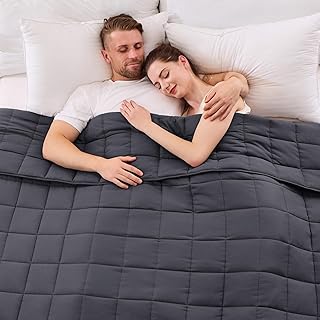
Large Format Mink Blankets for Beds & Living Rooms
Full-coverage mink blankets in king, queen, and oversized throw formats — generous dimensions, dense pile, rich colors.
🛒 Shop Large Mink Blankets on AmazonWho Should Buy a Mink Blanket? A Honest Scenario Guide
Mink blankets aren’t universally the best choice — but they’re the clear best choice in specific situations. Here’s an honest scenario-by-scenario guide.
| Scenario | Mink Blanket? | Better Alternative |
|---|---|---|
| You’re buying a gift for someone you know likes cozy things | Excellent choice ✅ | — |
| You want a couch throw for cold evenings while watching TV | Ideal ✅ | — |
| You sleep hot or have night sweats | Avoid ✗ | Cotton or bamboo blanket |
| You have eczema or very sensitive skin | Not recommended ✗ | Organic cotton blanket |
| You want winter bed coverage in a cold room | Good option ⚠️ | Sherpa for cold climates, wool for thermoregulation |
| You want a decorative living room accent throw | Very strong choice ✅ | Velvet for formal rooms |
| You’re furnishing a dorm room on a budget | Great value ✅ | — |
| You want year-round bedding | Too warm in summer ✗ | Merino wool or cotton thermal |
| You need a travel blanket | Too bulky and heavy ✗ | Compact travel blanket |
| You want a blanket for an elderly relative | Excellent — warmth and soft texture ✅ | Ensure low-heat washing instructions are followed |
| You’re looking for a pet blanket | Workable but not ideal | Purpose-made pet blanket or sherpa pet throw |
| You care deeply about environmental impact | Consider alternatives ✗ | Organic cotton or bamboo |
The Sweet Spot: Gift + Couch Throw
The scenario where mink blankets are most unambiguously the right choice is the intersection of gifting and couch use. No other blanket at its price point offers the visual luxury, the tactile “wow” of first touch, and the practical warmth-on-a-couch functionality that mink delivers. If someone asks what blanket to buy as a gift for someone who hasn’t specified a preference, the answer is often a high-GSM mink throw — it will rarely disappoint, and the presentation is always impressive.
Our detailed blanket gift guide covers the mink throw in context alongside other gifting categories, including how to choose between mink, weighted, and personalized options depending on the recipient.
What to Look For When Buying a Mink Blanket: The Complete Checklist
Given the wide quality range in the mink blanket market, knowing what to look for before you buy is essential. These are the factors that reliably predict whether a mink blanket will maintain its character through regular use — or flatten and disappoint within a season.
- GSM (grams per square meter): The most important single quality indicator. Look for 400 GSM minimum for everyday use; 500+ for premium quality; 600+ for the most indulgent pile. If not listed, ask — a reputable seller will know and share it.
- Fiber content clearly labeled: Must specify 100% acrylic or 100% polyester microfiber (or a specific percentage blend). “Mink” or “faux mink” alone is not adequate fiber disclosure. Avoid products that won’t specify.
- Double-sided vs single-sided: Double-sided is the quality standard for throws used as primary blankets. Single-sided is acceptable for decorative or lightweight use. For gifts, double-sided almost always justifies the price difference.
- Actual dimensions: Verify dimensions against the label. “Throw” blankets vary widely from 48″×60″ to 60″×80″. If you’re using it as a bed blanket, verify it’s sized for your mattress with adequate overhang.
- Brand reputation: Established brands (Bedsure, Chanasya, Berkshire Blanket, Waive Blanket) have track records of consistent quality. Generic no-name products from marketplace sellers are far more variable.
- Review quality and recency: Look for verified buyer reviews that specifically mention pile quality after multiple washes, not just initial softness. Initial softness is almost universal — long-term pile retention is the differentiator.
- Color and pattern for purpose: Solid, deep jewel tones look the most luxurious and photograph best for gifts. Printed versions are better for personalization. If buying for a specific room, verify the color against a physical swatch if possible — screen colors rarely match exactly.
- Care instructions on label: A quality manufacturer provides clear, specific care instructions — not just generic “machine wash.” If care instructions are absent or vague, that suggests lower QC investment overall.
- Price as a quality signal: In the mink blanket category, you tend to get what you pay for in a fairly direct way. A throw under $20 will almost certainly be low-GSM single-sided material that will flatten quickly. The $40–$80 range covers the quality sweet spot. Above $80 you start buying brand premium rather than pure material quality.
The $40–$75 price range represents the strongest value zone in the mink blanket market. At these prices, you’ll typically find 450–600 GSM construction, reputable brand manufacturing, double-sided options, and consistent pile quality across multiple washes. Below $25, pile longevity drops off significantly. Above $100 for a standard throw, you’re mostly paying for premium branding.

Best-Value Mink Blankets — The $40–$75 Sweet Spot
Quality pile that lasts, rich colors, and the right GSM — these are the mink blankets that earn five-star reviews after 50 washes, not just on unboxing.
🛒 Shop Best-Value Mink Blankets on AmazonIs a Mink Blanket Worth Buying? The Definitive Verdict
This is the question the article title promises to answer — and the honest answer is: yes, under specific conditions, and no, under others. Let’s be precise about which is which.
Yes — A Mink Blanket Is Worth Buying When:
You’re buying it as a gift
Mink blankets are among the best gift-to-price-ratio purchases in the blanket category. The visual luxury and first-touch softness create an impression of significantly more expense than the actual cost. For birthdays, holidays, housewarmings, and “thank you” gestures, a quality mink throw reliably lands well across almost all demographics and preferences.
You want a couch throw for cold evenings
The couch throw is the perfect use case for mink. You’re not sleeping under it for eight hours (avoiding the breathability problem), you want immediate warmth and comfort when you sit down, and you want something that looks good as a living room accent. Mink delivers all three better than most alternatives at equivalent prices.
You live somewhere genuinely cold
For cold climates where you never overheat during sleep and the primary concern is maximum warmth, a high-GSM mink or mink-sherpa blanket provides excellent thermal performance at accessible prices. The breathability limitation becomes moot when ambient temperatures prevent overheating.
You care about aesthetics and visual warmth
If you’re furnishing a bedroom or living room and want the visual richness of a deeply colored, plush blanket as part of the room’s aesthetic — draped over a chair, folded at the end of the bed, displayed on a blanket ladder — mink’s combination of rich color vibrancy and pile depth is hard to match at its price point.
No — Consider Something Else When:
- You sleep hot or experience night sweats — a breathable cotton alternative will meaningfully improve your sleep quality
- You have eczema or reactive skin — natural fiber alternatives are substantially better suited to your needs
- You’re buying for year-round use as a primary blanket — the heat-trapping will be problematic for 4–5 months of the year
- Environmental impact is a significant concern — synthetic materials shed microplastics; organic cotton or bamboo are more responsible choices
- Longevity over softness is the priority — wool and high-quality cotton will outlast mink significantly with proper care
Bottom Line
A quality mink blanket — 450+ GSM, reputable brand, double-sided construction, in the $40–$80 range — is genuinely worth buying for gifting, couch use, and cold-climate bedrooms. It delivers exceptional perceived value, a distinctive and satisfying texture, and visual luxury that punches well above its price point. Buy a budget version and you’ll be disappointed quickly; buy in the right quality tier and you’ll understand exactly why this category remains perpetually popular.
If you’re still deciding between mink and other soft luxury options, the comparisons worth reading alongside this guide are our chenille blanket guide (another luxe-feel synthetic), the waffle blanket buying guide for a very different texture aesthetic, and our broader best blanket materials roundup which puts all the major fabric options side by side.
Mink Blanket Frequently Asked Questions
-
The vast majority of blankets sold as “mink blankets” are made from acrylic or polyester microfiber — synthetic materials engineered to mimic the texture and appearance of real mink fur. True mink blankets made from actual mink pelts exist but are extremely rare, prohibitively expensive, and largely outside the mainstream market. When you see a mink blanket in a normal retail price range ($20–$150), it is synthetic.
-
Yes. Mink-style blankets are among the warmer synthetic blanket options available. Their dense, tightly packed synthetic pile creates excellent loft and traps a significant amount of still air — the primary mechanism of thermal insulation. They are warmer than standard fleece and comparable to high-GSM sherpa at equivalent thicknesses.
-
Yes, most synthetic mink blankets can be machine washed. Use a gentle or delicate cycle with cold water and a mild detergent. Avoid fabric softener on acrylic and polyester mink — it coats the fibers and reduces their texture over time. Tumble dry on low heat or air dry flat to preserve the pile structure. Avoid high heat, which can mat or melt the synthetic fibers.
-
Not exactly. While both can be made from synthetic fibers, mink blankets have a longer, denser pile than standard fleece, giving them a more plush, fur-like texture. Standard fleece is a flat-nap fabric; mink fabric has a pronounced directional pile that resembles real animal fur. Mink blankets are generally heavier and warmer than standard fleece at comparable sizes.
-
New mink-style blankets often shed some fiber during the first few washes — this is normal and diminishes significantly after 2–3 wash cycles. Persistent, heavy shedding after multiple washes indicates a low-quality blanket with poorly anchored fibers. Higher-quality mink blankets shed very little after the initial break-in period.
-
Synthetic mink blankets (the vast majority on the market) are made from acrylic or polyester and involve no animal products. They are ethically equivalent to any other synthetic fabric. Real mink fur blankets, however, are made from mink pelts and carry significant animal welfare concerns — mink farming has been widely documented as inhumane. If ethics are a concern, verify the blanket is labeled synthetic and carries no real fur content.
-
With proper care, a quality synthetic mink blanket can last 5–10 years before the pile significantly degrades. Budget mink blankets may flatten and lose their plush texture within 1–3 years. The key longevity factors are washing with cold water and low heat, avoiding fabric softener, and air drying or using the lowest dryer setting.
-
Mink blankets have a dense, directional pile that stands up from the fabric surface, resembling fur. Velvet blankets have a shorter, more uniform cut pile that lies flat, creating a smooth, lustrous surface. Mink is warmer and fluffier; velvet is smoother and more formal-looking. Both are available in synthetic versions for everyday use.
-
This depends on the person. Synthetic mink (acrylic or polyester) can irritate some sensitive skin types because synthetic fibers don’t breathe as well as natural fibers and can trap heat and moisture. People with eczema or reactive skin generally do better with cotton or bamboo. However, many people find the soft texture of mink-style blankets comfortable even with sensitive skin — it’s worth a test before committing.
-
Mink blankets are typically heavier than standard fleece but lighter than weighted blankets. A throw-sized mink blanket (50×60 inches) commonly weighs between 2 and 4 pounds. A full-bed-sized mink blanket can weigh 5–8 pounds. This weight gives them a “substantial” feel that many users associate with luxury and quality.
-
Mink-style blankets are among the most popular blanket gift choices for good reason: they look luxurious and expensive even at moderate prices, have wide appeal across ages, come in a huge range of colors and patterns, and have an immediate “wow” factor when unwrapped. They’re especially suitable as gifts for people who enjoy couch comfort, elderly recipients who appreciate warmth, or as housewarming and holiday gifts.
-
Single-sided mink blankets have the plush mink-style pile on one face and a plain, flat fabric (often polyester satin or a smooth microfiber backing) on the reverse. Double-sided mink blankets have the plush pile on both sides, making them heavier, warmer, and more luxurious-feeling but also more expensive and slower to dry. Double-sided versions are generally considered higher quality.
Mink Blankets: Worth Buying — With the Right Expectations
A mink blanket is one of the most successful products in the history of the blanket category — not because it deceives buyers, but because it genuinely delivers something that feels far more expensive than it is. The dense, directional pile, rich color saturation, and immediate softness create a sensory experience that most people find deeply satisfying, and at $40–$80 for quality construction, that’s difficult to argue with.
The key is going in with accurate expectations. You’re buying a synthetic blanket engineered to look and feel like luxury fur — and it does that job excellently. You’re not buying a breathable, skin-sensitive, or environmentally neutral product. For people who sleep hot, have reactive skin, or are prioritizing sustainability, there are better choices. For everyone else who wants a warm, beautiful, gift-worthy, couch-ready blanket at accessible prices, mink delivers reliably.
Buy at 450 GSM or above, double-sided if it’s a gift or primary use piece, from a brand with track record reviews that mention pile retention after multiple washes — and you’ll get a blanket that will stay plush, stay soft, and stay impressive for years.
For more fabric comparisons and buying guides: explore our best blanket materials guide, compare acrylic vs wool throws, or find the perfect blanket for your living room in our best cozy blankets for living rooms roundup.
🛒 Shop Premium Mink Blankets on Amazon