Washing a Weighted Blanket: A Complete Guide
Your weighted blanket is an investment in better sleep and relaxation. But its special construction requires special care. Learn how to wash your weighted blanket safely to protect its fabric, filling, and comforting magic for years to come.
A weighted blanket can be a game-changer for anxiety, insomnia, and sensory needs. But that comforting heft also makes laundry day a little more complicated. You can’t just toss it in the machine like a regular comforter. Incorrect washing can lead to ripped seams, melted filling, and a lumpy, uncomfortable mess.
Here at Blanket Insider, we’ve washed, dried, and tested dozens of weighted blankets of all types and sizes. We understand the hesitation and the questions you have. This guide distills our hands-on experience into a simple, step-by-step process you can trust. By following these instructions, you’ll not only keep your blanket fresh and hygienic but also protect your valuable investment.
The Quick Answer: Can You Wash a Weighted Blanket?
Yes, most weighted blankets are washable, but you must follow specific rules. Here are the key takeaways before you start:
- Always read the care label first. It’s your most important guide.
- Spot clean small stains to reduce the need for full washes.
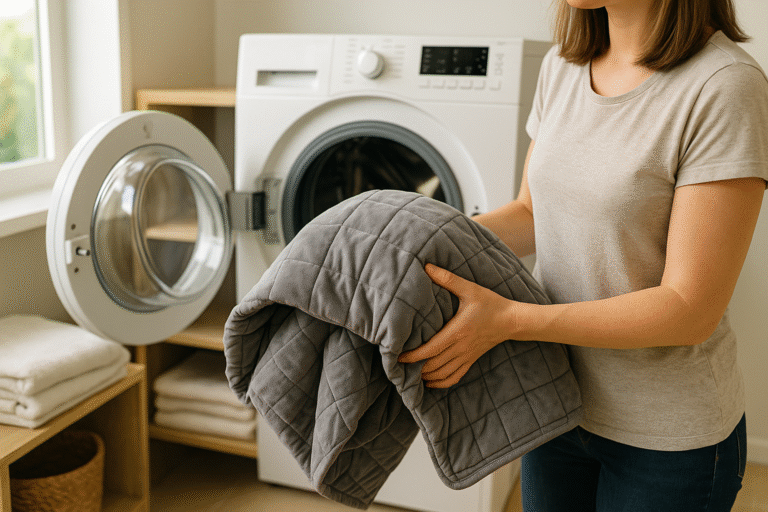
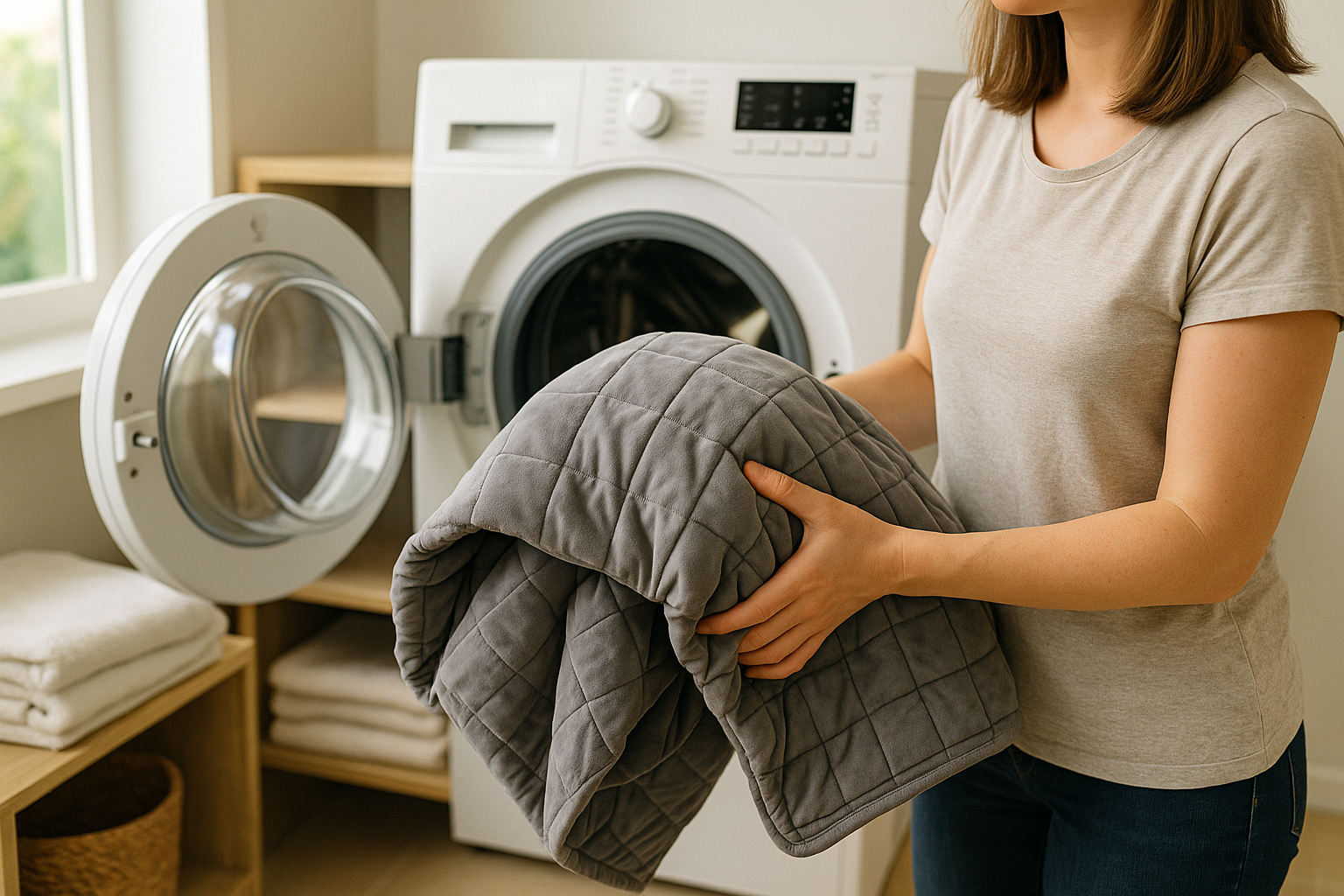
- Use a large, front-loading washer on a gentle, cold water cycle. Avoid top-loaders with agitators.
- If the blanket is over 15-20 lbs, use a commercial washer at a laundromat to protect your home machine.
- Air drying flat is the safest method. If the label allows, tumble dry on the lowest possible heat setting. Never use high heat.
Table of Contents
- Before You Wash: The 3 Golden Rules
- Understanding Your Blanket’s Filling: Glass Beads vs. Plastic Pellets
- How to Spot Clean a Weighted Blanket
- Removing Specific Stains from a Weighted Blanket
- The Washing Process: Machine vs. Hand Washing
- Material-Specific Washing Guides
- How to Wash a Weighted Blanket Duvet Cover
- The Crucial Drying Step: Patience is Key
- How to Fluff and Restore Your Weighted Blanket After Washing
- How to Freshen a Weighted Blanket Without Washing
- How to Sanitize and Disinfect a Weighted Blanket
- Weighted Blanket Care for Allergy Sufferers
- Washing a Weighted Blanket in an Apartment
- Common Mistakes When Washing Weighted Blankets
- How to Store a Weighted Blanket Properly
- Choosing a Weighted Blanket That’s Easy to Wash
- Recommended Cleaning Tools & Detergents
- Troubleshooting Common Weighted Blanket Problems
- Special Cases: Different Types of Weighted Blankets
- Frequently Asked Questions
- Beyond the Wash: Total Blanket Care
Before You Wash: The 3 Golden Rules
Before your blanket even touches water, a few minutes of prep can save you from a laundry disaster. Think of this as your pre-flight check. Skipping even one of these steps can result in damage that’s expensive or impossible to reverse, so read carefully and don’t cut corners.
Rule #1: Check the Care Label (Always!)
This is the most critical step. The manufacturer’s label is the ultimate source of truth for your specific blanket. It will tell you the exact water temperature, cycle type, and drying method that is safe for its materials and construction. Ignoring it is the fastest way to cause irreversible damage.
Most care labels will be sewn into a seam along the edge of the blanket. If you’ve already cut it off (we’ve all been there), try to find the original product listing online or contact the manufacturer directly. Many brands now include digital care guides on their websites. Some even have QR codes on their packaging that link to video tutorials showing you exactly how to wash their specific product.
Pay particular attention to symbols on the care label. A tub icon means machine washable, a hand in a tub means hand wash only, and a triangle with an X through it means do not bleach. A circle icon indicates dry cleaning, and a square with a circle inside represents tumble drying. The number of dots inside these symbols indicates temperature settings — one dot for low, two for medium, and three for high heat.
Rule #2: Know Your Materials
Understanding what your blanket is made of helps you understand the *why* behind the care instructions. The two key components are the cover and the filling.
- Cover Material: Cotton and Minky are typically machine washable in cold water, while delicate fabrics like bamboo or wool may require hand washing.
- Filler Type: The inner weights are crucial. Glass beads and plastic poly pellets are the most common and are generally machine washable. However, plastic pellets can melt in high heat. Blankets with organic fillers (like rice or sand) are almost always spot-clean only, as moisture can lead to mold and rot.
Some weighted blankets use a combination of fillers, or they have a quilted construction that keeps the filling evenly distributed in small pockets. This quilting actually helps the blanket survive washing better because the filling can’t all pool in one corner. However, it also means you need to be extra careful not to damage the stitching, as a single torn seam can release thousands of tiny glass beads or pellets into your washing machine — a mess that’s as frustrating as it is difficult to clean up.
Rule #3: Check the Weight Limit of Your Washer
A standard home washing machine is not designed to handle the intense weight of a heavy, waterlogged blanket. As a general rule, if your weighted blanket is over 15-20 lbs, do not use your home washer. The strain can damage the washer’s motor and drum. For heavier blankets, your best and safest option is to use a large-capacity, commercial washing machine at a laundromat.
It’s not just about the dry weight of the blanket, either. Once saturated with water, a 20-pound blanket can easily weigh 40 pounds or more. That’s far beyond the capacity of most residential machines, which are typically rated for loads of 12-15 pounds of dry laundry. Overloading the washer doesn’t just risk mechanical failure — it also prevents the blanket from being cleaned properly, as there isn’t enough room for water and detergent to circulate freely.
If you’re unsure about your washer’s capacity, check the owner’s manual or look up the model number online. Front-loading machines generally handle heavy loads better than top-loading machines because they don’t have a central agitator that can snag and damage the blanket. When in doubt, head to the laundromat — it’s a small investment of time and money compared to replacing a ruined blanket or a broken washing machine.
Understanding Your Blanket’s Filling: Glass Beads vs. Plastic Pellets
Not all weighted blanket fillings are created equal, and the type of filler inside your blanket significantly affects how you should wash and dry it. Taking the time to understand what’s inside your blanket will help you make smarter decisions during every step of the cleaning process and avoid costly mistakes.
| Feature | Glass Beads | Plastic Poly Pellets | Organic Fillers (Rice, Sand, Grain) |
|---|---|---|---|
| Machine Washable? | Yes (gentle cycle) | Yes (cold water only) | No — spot clean only |
| Heat Tolerance | High — won’t melt | Low — can melt or deform | Low — can spoil or mold |
| Weight When Wet | Does not absorb water | Does not absorb water | Absorbs water, becomes very heavy |
| Drying Concerns | Minimal — safe on low heat | Moderate — must use lowest heat or air dry | Severe — may never fully dry without mold risk |
| Longevity After Washing | Excellent — beads stay intact | Good — but repeated high heat causes degradation | Poor — moisture breaks down organic material |
| Feel / Texture | Fine, smooth, quiet | Slightly crunchy, audible when shifting | Variable, can clump when wet |
| Best For | Frequent washing, sensitive skin | Budget-friendly option, occasional washing | DIY blankets, not recommended for regular washing |
Glass Beads: The Premium Choice for Easy Care
Glass beads are the most popular filling in higher-quality weighted blankets, and for good reason. These tiny, smooth beads are similar to the glass sand used in aquariums. They’re non-toxic, hypoallergenic, and don’t absorb water, which means your blanket won’t become impossibly heavy when wet. Glass beads also distribute weight more evenly than plastic pellets because of their smaller size and smoother shape, giving you that sought-after “hug” effect.
When washing a glass bead weighted blanket, you can use a gentle or delicate cycle with cold or lukewarm water. The beads themselves are incredibly durable and won’t be damaged by water or mild detergent. However, the pouches or quilted cells that contain the beads are only as strong as their stitching, so always handle the blanket gently and avoid aggressive agitation. After washing, glass beads settle to the bottom of their cells, so you’ll want to redistribute them while the blanket is still damp by gently shaking and massaging the fabric.
Plastic Poly Pellets: Budget-Friendly but Heat-Sensitive
Plastic poly pellets (also called polypropylene pellets) are the most common filling in budget-friendly weighted blankets. They’re small, round, and feel a bit like tiny pebbles. While they work well for providing weight, they have one critical weakness: they can melt, deform, or release chemicals when exposed to high heat. This makes the drying step especially important for these blankets.
When washing a blanket with plastic pellets, always use cold water and the gentlest cycle available. Avoid warm or hot water settings entirely. During drying, either air dry the blanket flat or use the absolute lowest heat setting on your dryer — and check the blanket every 15 to 20 minutes. If the pellets overheat, they can clump together, creating hard lumps in your blanket that are impossible to fix. They can also release a chemical odor that’s difficult to eliminate from both the blanket and your dryer.
Organic Fillers: Spot Clean Only
Some DIY and artisanal weighted blankets use organic materials like rice, dried beans, sand, or cherry pits as filling. While these materials are natural and affordable, they are absolutely not suitable for machine or hand washing. Organic fillers absorb moisture, which means they become breeding grounds for mold, mildew, and bacteria when wet. They can also swell, rot, and create a sour or musty smell that’s nearly impossible to eliminate.
If your weighted blanket has organic fillers, your only cleaning options are spot cleaning the surface fabric with a damp cloth and mild soap, or using a fabric-safe disinfectant spray. You should also consider transferring the blanket to a duvet cover that can be washed separately, which protects the inner blanket from direct exposure to body oils, sweat, and spills. If you’re in the market for a new weighted blanket and easy maintenance is a priority, we strongly recommend choosing one filled with glass beads.
How to Spot Clean a Weighted Blanket
Spot cleaning is your first line of defense against dirt and stains, and it should be your go-to method for small messes. Full washes put stress on the blanket’s seams, stitching, and filling, so the less often you need to do a complete wash, the longer your blanket will last. Learning to spot clean effectively can easily extend the time between full washes from weeks to months, saving you time, effort, and wear on the blanket.
Step-by-Step Spot Cleaning
- Act Quickly: The sooner you address a stain, the easier it will be to remove. Fresh stains sit on the surface of the fabric, while old stains penetrate deeper into the fibers and may become permanent.
- Blot, Don’t Rub: Use a clean, white cloth or paper towel to blot the stain gently. Rubbing pushes the stain deeper into the fabric and can spread it to a larger area. Work from the outside of the stain inward to prevent spreading.
- Prepare a Cleaning Solution: Mix a small amount of mild detergent (about one teaspoon) with a cup of cool water. You can also use a mixture of equal parts white vinegar and water for a natural alternative. Avoid using hot water, as this can set certain stains permanently.
- Apply the Solution: Dip a clean cloth into the solution and gently dab it onto the stained area. Let it sit for 5-10 minutes to give the detergent time to break down the stain molecules.
- Rinse the Area: Use a separate cloth dampened with plain cool water to remove the soap residue. Again, blot rather than rub. You may need to repeat this step two or three times to ensure all the detergent is removed, as leftover soap can attract dirt and create a new stain.
- Air Dry the Spot: Allow the cleaned area to air dry completely. You can speed up the process by placing the blanket in a well-ventilated area or using a fan. Avoid using a hair dryer or placing the blanket near a heat source, as this can damage the fabric or cause the filling to shift.
Pro Tip: Use a Protective Duvet Cover
The single best thing you can do to minimize how often you need to wash your weighted blanket is to use a removable duvet cover. A good duvet cover acts as a barrier between your body and the weighted insert, catching sweat, oils, skin cells, and minor stains before they reach the blanket itself. Most duvet covers can be tossed in the washing machine on a regular cycle without any special considerations, making laundry day dramatically easier. We recommend having at least two duvet covers so you can rotate them while one is being washed.
Removing Specific Stains from a Weighted Blanket
Different stains require different approaches. Using the wrong technique can actually make a stain worse or permanently set it into the fabric. Here’s how to handle the most common types of stains you’re likely to encounter on your weighted blanket.
Sweat and Body Oil Stains
Sweat stains are the most common type of stain on weighted blankets, especially if you use yours every night. Over time, sweat and body oils can cause yellowing and a persistent musty odor. To address sweat stains, create a paste using baking soda and water (about three parts baking soda to one part water). Apply the paste to the stained area and let it sit for 30 minutes to an hour. The baking soda will absorb the oils and neutralize odors. After the paste has dried, brush it off gently and spot clean the area with a damp cloth. For stubborn yellowing, you can add a small amount of hydrogen peroxide to the paste, but test this on a hidden area first to make sure it doesn’t bleach the fabric.
Urine Stains (Including Pet Accidents)
Urine stains are among the most challenging to deal with because they contain uric acid crystals that bond to fabric fibers and continue to produce odor even after surface cleaning. For fresh urine stains, blot up as much liquid as possible immediately, then apply an enzymatic cleaner specifically designed for pet stains or urine. These cleaners contain enzymes that break down uric acid at the molecular level, completely eliminating both the stain and the odor. Let the enzymatic cleaner sit for the time recommended on the product label — usually 10 to 15 minutes — then blot the area with a damp cloth. For old or set-in urine stains, you may need to apply the enzymatic cleaner multiple times or allow it to soak for several hours.
Food and Beverage Spills
Coffee, wine, juice, and food spills are inevitable, especially if you enjoy snuggling under your weighted blanket on the couch. For liquid spills, blot up as much as possible immediately — the key is speed. Then apply a mixture of one tablespoon of dish soap, one tablespoon of white vinegar, and two cups of cool water. Dab this solution onto the stain with a clean cloth, working from the outside in. For greasy food stains, sprinkle cornstarch or baking soda on the spot and let it sit for 15 to 20 minutes to absorb the grease before brushing it off and spot cleaning with the soap solution.
Blood Stains
Blood stains should always be treated with cold water — never hot, as heat causes the proteins in blood to coagulate and bond permanently with fabric fibers. Rinse the stained area under cold running water as soon as possible. If the stain persists, apply hydrogen peroxide directly to the spot (test on a hidden area first) or make a paste of salt and cold water. Let it sit for 10 to 15 minutes, then rinse again with cold water. For dried blood stains, soak the area in cold water for 30 minutes before treating with hydrogen peroxide or an enzymatic cleaner.
Ink and Dye Transfer
Ink stains from pens or dye transfer from other fabrics can be tricky. For ink stains, dab the area with rubbing alcohol using a cotton ball or clean white cloth. Work from the outside of the stain inward, replacing the cloth frequently as the ink transfers to it. Avoid rubbing, as this will spread the ink. For dye transfer (for example, if a red sock ended up in the wash with your white blanket), a color-safe oxygen bleach soak may help, but you should test this on a hidden area first and follow the product instructions carefully.
The Washing Process: Machine vs. Hand Washing
Once you’ve done your prep work, it’s time to wash. First, always remove and wash the duvet cover separately if your blanket has one. Then, choose your method based on the care label and the blanket’s weight.
🧼 How to Machine Wash
This is for blankets under 15-20 lbs with a “machine washable” label.
- Wash the Blanket Alone: This ensures a balanced load and allows for proper cleaning. Never wash the weighted blanket with other items, as the weight imbalance can cause the machine to vibrate excessively or even become damaged.
- Use a Front-Loading Machine: Top-loaders with a central agitator can snag, rip, and stretch the blanket’s seams. If you only have access to a top-loader, make sure it’s an HE (high-efficiency) model without a center post agitator.
- Select a Gentle Cycle: Choose the “delicate,” “gentle,” or “hand wash” setting on your machine. These cycles use slower agitation and shorter spin times, which reduces stress on the blanket’s seams and filling.
- Use Cold Water: Always use cold or lukewarm water. Hot water can damage fibers and melt plastic pellets. Cold water also prevents shrinkage, especially in cotton-based blankets.
- Add a Mild Detergent: Use a small amount of a gentle, bleach-free detergent like the ones recommended below. Avoid fabric softener, as it can leave a residue that reduces the breathability of the fabric and may cause skin irritation.
- Run an Extra Rinse Cycle: This helps ensure all soap residue is washed away, preventing skin irritation and fabric stiffness. Weighted blankets tend to trap detergent in their dense construction, so an extra rinse is especially important.
🛁 How to Hand Wash
This is the best method for delicate materials or blankets over 20 lbs (if you can’t get to a laundromat).
- Fill a Bathtub: Use a clean bathtub or a large basin filled with cold or lukewarm water. Make sure the tub is thoroughly clean before you begin — any residue from bath products could transfer to your blanket.
- Add Mild Detergent: Mix in a small amount of gentle soap, swishing it around to dissolve. About two tablespoons of liquid detergent should be sufficient for a full bathtub of water.
- Submerge and Soak: Gently press the blanket down into the water until it’s fully submerged. Let it soak for about 30 minutes. This gives the detergent time to penetrate the dense fabric and loosen dirt and oils.
- Gently Agitate: Swish the blanket around with your hands. Press and squeeze sections to work the soapy water through. Do not twist or wring it — this can tear the internal compartments and release the filling.
- Drain and Rinse: Drain the soapy water and refill the tub with clean, cool water. Press on the blanket to rinse out the soap. Repeat this step until the water runs clear and free of suds. You may need to drain and refill three to five times, depending on how dirty the blanket was.
- Remove Excess Water: Do not wring the blanket. Gently fold and press it against the side of the tub to push out as much water as possible. You can also roll it tightly in a few large, dry towels to absorb more moisture. This step significantly reduces drying time.
Material-Specific Washing Guides
The outer fabric of your weighted blanket plays a huge role in determining the best washing approach. Different materials have different sensitivities to water temperature, agitation, and detergent types. Here’s how to care for the most common weighted blanket fabrics.
How to Wash a Minky Weighted Blanket
Minky fabric — that incredibly soft, plush, velvety material — is one of the most popular cover choices for weighted blankets. It feels luxurious against the skin and provides an extra layer of sensory comfort. However, minky requires careful handling to maintain its signature softness. Always wash minky blankets in cold water on the gentlest cycle available. Hot water and aggressive agitation can damage the fine fibers that give minky its plush texture, causing it to become rough, matted, or pilled over time.
Never use fabric softener on minky blankets. While it might seem counterintuitive, fabric softener actually coats the fibers with a chemical residue that reduces their softness over time. Instead, add half a cup of white vinegar to the rinse cycle — it naturally softens fabric without leaving residue and also helps remove detergent buildup. When drying, use the lowest heat setting or air dry. High heat is the number one enemy of minky fabric, as it can permanently flatten the pile and ruin the texture.
How to Wash a Cotton Weighted Blanket
Cotton is one of the most forgiving weighted blanket fabrics. It’s durable, breathable, and generally handles machine washing well. You can typically wash cotton weighted blankets in warm or cold water on a regular gentle cycle. Cotton is also less prone to pilling than synthetic fabrics, so you don’t need to worry as much about surface damage from agitation.
However, cotton does have one notable weakness: shrinkage. If you wash a cotton blanket in hot water and then dry it on high heat, you may notice it comes out noticeably smaller than when it went in. To prevent this, always use cold or lukewarm water and either air dry or tumble dry on low. Cotton also wrinkles easily, so if appearance matters to you, remove the blanket from the dryer promptly and lay it flat or fold it immediately while it’s still slightly warm.
How to Wash a Bamboo Weighted Blanket
Bamboo fabric has surged in popularity due to its natural temperature-regulating properties, silky smooth feel, and eco-friendly reputation. It’s an excellent choice for hot sleepers or those living in warm climates. However, bamboo is more delicate than cotton and requires gentler handling. Always wash bamboo weighted blankets in cold water on a delicate cycle. Avoid warm or hot water, which can cause the fibers to break down and lose their silky texture.
Use a pH-neutral, plant-based detergent for bamboo fabric. Harsh chemical detergents can strip the natural oils from bamboo fibers, leaving them dry and brittle. When drying, air drying is strongly preferred. If you must use a dryer, use the lowest heat setting and remove the blanket while it’s still slightly damp to prevent over-drying. Bamboo fabric naturally resists odor and bacteria, so it typically needs less frequent washing than other materials — another reason it’s a great choice for weighted blankets.
How to Wash a Chenille Weighted Blanket
Chenille is another popular plush fabric option for weighted blankets. Its fuzzy, caterpillar-like texture is incredibly cozy, but it’s also one of the more fragile fabrics to wash. Chenille is highly susceptible to snagging, pulling, and pilling, especially when exposed to rough surfaces or aggressive agitation. Always place chenille weighted blankets in a large mesh laundry bag before putting them in the washing machine. This creates a protective barrier between the fabric and the machine’s drum.
Wash chenille in cold water on the most gentle cycle available, and use only a small amount of mild detergent. Never wash chenille with items that have zippers, hooks, or rough textures, as these can catch on the chenille fibers and pull them. When drying, lay the blanket flat on a clean surface and reshape it gently while damp. If you use a dryer, choose the air-only or lowest heat setting and add a few clean tennis balls or wool dryer balls to prevent the fabric from matting.
How to Wash a Weighted Blanket Duvet Cover
If your weighted blanket came with or uses a separate duvet cover, you’re in luck — the cover is by far the easier piece to maintain. The duvet cover serves as the first line of defense against dirt, sweat, and stains, so it’s the piece that needs the most frequent cleaning. Most weighted blanket duvet covers are made from cotton, bamboo, or microfiber, all of which are typically safe for regular machine washing.
Before washing the cover, remove it from the weighted insert. Most covers have ties, snaps, or zipper closures that attach to loops on the insert. Take note of how they’re connected so you can reassemble them easily. Turn the cover inside out to protect the outer surface from friction and pilling during the wash cycle. Wash in warm or cold water with a regular gentle cycle and your usual mild detergent. You can wash the cover with other similar-colored bedding items — there’s no need to wash it alone like the weighted insert.
Duvet covers can typically be tumble dried on medium heat without issue. Remove them promptly to minimize wrinkles, and reattach them to the weighted insert while the cover is still very slightly damp — this helps the cover conform to the insert’s shape and makes the reassembly process smoother. Having two or three duvet covers in rotation ensures you always have a clean one ready to go, dramatically reducing how often you need to wash the weighted insert itself.
The Crucial Drying Step: Patience is Key
Improper drying is just as risky as improper washing. High heat can destroy your blanket’s filling, and insufficient drying can lead to mildew. Here are the two safe methods.
Method 1: Air Drying (Safest & Recommended)
This is the best method for all weighted blankets. Lay the blanket out flat over a large, clean, dry surface. You can use a bed of clean towels, several drying racks pushed together, or a clean sheet on the grass on a sunny day. Flip the blanket every few hours to ensure even drying. Be prepared — this can take 24 to 48 hours.
For faster air drying, position a fan to blow across the surface of the blanket. This circulating air dramatically speeds up evaporation without introducing any heat damage. If the weather permits, hanging the blanket over a sturdy clothesline or drying rack outdoors is ideal — the combination of sunlight and fresh air not only dries the blanket faster but also provides natural UV sanitization and a fresh, clean scent. Just make sure the blanket is supported evenly to avoid stretching, and don’t leave it in direct sunlight for more than a few hours to prevent fading on darker-colored fabrics.
Method 2: Tumble Drying (Only if the Label Allows)
Some blankets can be machine dried, but you must be extremely careful.
- Use the Lowest Heat Setting Possible: Select “air fluff” or the lowest temperature setting available. Never use medium or high heat. Even blankets with glass bead filling can be damaged by excessive heat if the cover fabric is synthetic, as the fabric can melt or shrink around the beads, creating an uneven, lumpy texture.
- Add Dryer Balls: Toss in a few wool dryer balls or clean tennis balls to help the blanket tumble, prevent clumping, and speed up drying time. The dryer balls physically bounce against the blanket, breaking up any filling that’s started to clump together and improving air circulation around the fabric. We recommend using at least four to six dryer balls for a weighted blanket, compared to the two or three you’d use for a regular load of laundry.
- Check Frequently: Pause the dryer every 30 minutes to check on the blanket, fluff it out, and ensure no part of it is overheating. Feel the blanket’s surface — if any area feels hot to the touch, let it cool before continuing. Use this checkpoint to redistribute the filling by gently shaking and massaging the blanket.
- Don’t Overload the Dryer: The weighted blanket should be the only item in the dryer. It needs plenty of room to tumble freely and for air to circulate around it. An overloaded dryer will take much longer and may result in a blanket that’s damp in the center but dry on the edges.
Signs Your Weighted Blanket Isn’t Fully Dry
A weighted blanket that’s been dried on the outside but remains damp on the inside is a recipe for mold, mildew, and unpleasant odors. Given the blanket’s dense, layered construction, this is a common problem. Here’s how to check if your blanket is truly dry throughout:
- The Touch Test: Press your hand firmly against the center of the blanket, not just the edges. If it feels cool or damp, it needs more drying time.
- The Smell Test: Give the blanket a sniff, particularly near the seams and folds. A musty or sour odor indicates trapped moisture.
- The Weight Test: Pick up the blanket. If it feels heavier than usual, it’s likely still holding water internally even if the surface feels dry.
- The Bend Test: Fold the blanket in half. If the folded crease feels cool or damp, the interior is still wet.
How to Fluff and Restore Your Weighted Blanket After Washing
After washing and drying, your weighted blanket may look and feel a bit flat, lumpy, or uneven. This is completely normal — the washing process compresses the filling and can cause it to shift or clump. The good news is that with a few minutes of effort, you can restore your blanket to its original, evenly distributed glory.
Start by laying the blanket flat on a large surface like your bed or the floor. Starting from one end, gently massage and knead the blanket with your hands, working your way across the entire surface. Focus on any areas that feel lumpy or empty. If your blanket has a quilted or grid pattern, pay attention to each individual cell and make sure the filling is distributed evenly within it. Next, pick up the blanket by two corners on one short end and shake it vigorously, like you’re shaking out a tablecloth. This helps the filling settle naturally. Repeat this process from all four sides.
Finally, lay the blanket flat again and run your hands across the surface one more time to check for any remaining clumps. If you notice persistent lumps that won’t break apart, they may be caused by the filling becoming compacted inside its cells. In this case, try gently pulling and stretching the fabric on either side of the lump to create more space for the filling to redistribute. With glass bead blankets, you can also try draping the blanket over a chair or drying rack and letting gravity help pull the beads downward into their proper position.
How to Freshen a Weighted Blanket Without Washing
Sometimes your weighted blanket doesn’t need a full wash — it just needs a refresh. Maybe it’s picked up a stale smell from being stored for a while, or it’s absorbed cooking odors from the kitchen. In these cases, a full wash is unnecessary and can actually shorten the blanket’s lifespan. Here are some effective ways to freshen your weighted blanket without water.
Baking Soda Method
Sprinkle a generous amount of baking soda over the entire surface of the blanket. Baking soda is a natural odor absorber that neutralizes smells at the molecular level rather than just masking them. Let the baking soda sit on the blanket for at least one hour, or ideally overnight for stronger odors. Then, vacuum the baking soda off using the upholstery attachment on your vacuum cleaner. Make sure to vacuum both sides of the blanket thoroughly. This method is safe for all fabrics and filling types and leaves no residue or scent behind.
Fabric Freshening Spray
A homemade fabric freshening spray is another excellent option. Mix one cup of distilled water, one tablespoon of baking soda, and five to ten drops of your favorite essential oil (lavender is particularly popular for bedding due to its calming properties) in a clean spray bottle. Shake well and lightly mist the surface of the blanket from about 12 inches away. Don’t saturate the fabric — a light misting is all you need. Allow the blanket to air dry completely before using it. This method adds a pleasant, subtle scent while neutralizing odors. Always test the spray on a small, hidden area of the blanket first to make sure the essential oil doesn’t stain or discolor the fabric.
Sunlight and Fresh Air
Sometimes the simplest solution is the most effective. Hang your weighted blanket outside on a clothesline or drape it over a railing on a dry, breezy day. The ultraviolet rays in sunlight are a natural disinfectant that kills odor-causing bacteria, while the moving air carries away stale smells. Two to four hours of outdoor airing can work wonders. This method is completely free, requires no products, and leaves your blanket smelling naturally fresh. Just be mindful of prolonged direct sunlight on dark-colored fabrics, as it can cause fading over time.
Steam Refresh
If you have a handheld garment steamer, you can use it to freshen your weighted blanket. The steam penetrates the fabric and kills odor-causing bacteria without soaking the filling. Hold the steamer a few inches from the blanket’s surface and move it slowly across the entire blanket, working in sections. This method also helps remove light wrinkles and refreshes the texture of plush fabrics like minky and chenille. Allow the blanket to air dry for 30 minutes after steaming before using it or folding it for storage.
How to Sanitize and Disinfect a Weighted Blanket
There are times when a simple wash isn’t enough — perhaps someone in your household has been ill, you’ve purchased a second-hand weighted blanket, or you’re dealing with a persistent odor that regular washing hasn’t resolved. In these cases, you need to go beyond basic cleaning and actually sanitize or disinfect the blanket.
The most reliable sanitization method for machine-washable weighted blankets is to wash them with a cup of white vinegar added to the rinse cycle. White vinegar is a natural disinfectant that kills most bacteria, mold, and mildew without damaging fabrics or leaving harmful chemical residues. It also acts as a natural fabric softener and helps remove detergent buildup. If the vinegar smell bothers you, don’t worry — it dissipates completely once the blanket is dry.
For a stronger disinfection, you can use an oxygen-based bleach (sodium percarbonate) such as OxiClean. Unlike chlorine bleach, oxygen bleach is color-safe and gentle on fabrics while still being effective against bacteria and viruses. Dissolve the recommended amount in warm water and soak the blanket for one to two hours before washing as usual. For blankets that can’t be machine washed, a UV-C sanitizing wand can be passed over the surface to kill germs without any moisture. Steam cleaning is another moisture-free option that effectively sanitizes fabric surfaces at temperatures above 212°F (100°C).
Weighted Blanket Care for Allergy Sufferers
If you suffer from allergies, your weighted blanket can be either a comfort or a trigger, depending on how well you maintain it. Over time, weighted blankets accumulate dust mites, pet dander, pollen, and other allergens deep within their dense fabric layers. These microscopic particles can trigger sneezing, congestion, itchy eyes, and disrupted sleep — exactly the opposite of what a weighted blanket is supposed to provide.
Allergy sufferers should wash their weighted blankets more frequently than the general recommendation of two to four times per year. Aim for once every four to six weeks during peak allergy season, and at least once every two months during the rest of the year. Always wash in hot water (if the care label permits) to kill dust mites, which survive in all temperatures below 130°F (54°C). If the blanket can only be washed in cold water, adding a cup of white vinegar or an anti-allergen laundry additive to the wash cycle can help neutralize allergens.
Between washes, vacuum your weighted blanket weekly using a vacuum with a HEPA filter, which traps allergen particles instead of recirculating them into the air. Encasing your weighted blanket in an allergen-proof duvet cover is another highly effective strategy. These covers have a tightly woven fabric that prevents dust mites and their waste products from passing through while still allowing the blanket to be comfortable and breathable. When storing the blanket during the off-season, use a sealed, allergen-proof storage bag rather than leaving it exposed in a closet.
Washing a Weighted Blanket in an Apartment
Living in an apartment often means dealing with smaller machines, shared laundry facilities, and limited space for air drying. But don’t let these challenges discourage you from keeping your weighted blanket clean. With a bit of planning and creativity, apartment dwellers can maintain their blankets just as effectively as anyone else.
If your apartment has its own washer and dryer, check the machine’s capacity before attempting to wash your weighted blanket. Many apartment-sized machines have smaller drums and lower weight capacities than standard residential models. If your blanket exceeds the machine’s capacity, your best option is to find a nearby laundromat with large-capacity commercial machines. Most laundromats have machines rated for 30 to 50 pounds, which can handle even the heaviest weighted blankets with ease. A wash and dry cycle at a laundromat typically costs between $5 and $10 — a small price to protect both your blanket and your home appliance.
For drying in an apartment, air drying flat is often the most practical option. Clear a space on your bed, the floor, or a large table, and lay the blanket flat on clean towels. Open windows to improve air circulation and position a fan to blow across the blanket’s surface. If floor space is limited, you can drape the blanket over the back of a couch, over several door frames (with clean towels underneath to catch drips), or across a collapsible drying rack. Just make sure the blanket is fully supported and not hanging in a way that could stretch or damage it. In a pinch, you can also hand wash the blanket in your bathtub and then air dry it — this method requires no machine at all and gives you complete control over the process.
Common Mistakes When Washing Weighted Blankets
Even well-intentioned blanket owners make mistakes that can damage their weighted blankets. Awareness is the first step to prevention. Here are the most common errors we see and how to avoid them.
Mistake #1: Using Hot Water
Hot water is one of the most damaging things you can expose a weighted blanket to. It can melt plastic pellets, shrink cotton and bamboo covers, set stains permanently, and break down delicate fibers in plush fabrics like minky and chenille. Unless the care label specifically states that hot water is safe, always default to cold water. Cold water is effective at cleaning with modern detergents and is gentle on every type of fabric and filling.
Mistake #2: Using Too Much Detergent
More soap doesn’t mean cleaner laundry. Excess detergent leaves a residue in the dense fabric of a weighted blanket that’s difficult to rinse out completely. This residue can cause skin irritation, attract dirt, make the fabric feel stiff, and create a musty smell over time. Use about half the amount of detergent you’d use for a regular load of laundry, and always run an extra rinse cycle to ensure all soap is removed.
Mistake #3: Using Chlorine Bleach
Chlorine bleach is far too harsh for weighted blankets. It weakens fabric fibers, causes discoloration, and can damage or degrade the filling material. It can also leave a strong chemical odor that’s difficult to eliminate. If you need to brighten or disinfect your blanket, use oxygen bleach (sodium percarbonate) instead, which is color-safe and much gentler on fabrics.
Mistake #4: Wringing or Twisting the Blanket
After washing, it’s tempting to wring out a heavy, waterlogged blanket to speed up drying. Resist this urge. Wringing and twisting puts enormous stress on the blanket’s internal seams and can cause them to tear, releasing the filling. Instead, gently press the blanket against the sides of the tub or roll it in dry towels to remove excess water.
Mistake #5: Skipping the Duvet Cover
Many weighted blanket owners don’t bother with a duvet cover, figuring the blanket’s outer fabric is durable enough on its own. While it’s true that most weighted blankets can handle washing, every wash cycle puts some degree of wear on the blanket. Using a duvet cover dramatically reduces how often you need to wash the insert, extending the blanket’s lifespan by years. Think of it like using a mattress protector — it’s a small investment that pays big dividends over time.
Mistake #6: Putting a Damp Blanket in Storage
Storing a weighted blanket that isn’t completely dry is one of the most damaging mistakes you can make. Even a slightly damp blanket can develop mold and mildew within 24 to 48 hours in an enclosed space. The resulting musty smell can be extremely difficult to remove, and mold growth can permanently stain and degrade the fabric. Always verify that your blanket is 100% dry — inside and out — before folding it for storage.
How to Store a Weighted Blanket Properly
Proper storage is just as important as proper washing when it comes to maintaining your weighted blanket. Whether you’re storing it for the summer months or simply putting it away between uses, the right storage technique prevents damage, odors, and pest infestations.
The number one rule of weighted blanket storage: never use a vacuum-sealed bag. While vacuum bags are great for regular bedding, they compress the filling in a weighted blanket into dense, hard clumps that can be extremely difficult to redistribute later. The compression can also damage the internal stitching and cells over time, creating permanent unevenness in the weight distribution.
Instead, fold the blanket loosely and place it in a breathable cotton or canvas storage bag. These fabrics allow air to circulate, preventing moisture buildup and the musty smell that comes with it. Avoid plastic bags or bins with tight-fitting lids, as these trap moisture and create a perfect environment for mold growth. If you must use a plastic bin, leave the lid slightly ajar or poke a few small ventilation holes in the sides.
Store the blanket in a cool, dry place away from direct sunlight. Closets, under-bed storage drawers, and linen cabinets are all excellent options. Avoid storing in attics, basements, or garages where temperature and humidity fluctuations are common. Adding a few cedar balls or lavender sachets to the storage bag helps repel moths and other pests while keeping the blanket smelling fresh. Before using the blanket again after storage, give it a good shake and let it air out for a few hours to freshen it up.
Choosing a Weighted Blanket That’s Easy to Wash
If you’re in the market for a new weighted blanket and easy maintenance is a priority, there are several features to look for that will make your life significantly easier when laundry day comes around. Not all weighted blankets are designed with washability in mind, and choosing wisely upfront can save you a lot of headaches down the road.
Look for a removable duvet cover with a secure closure system. The best designs use a combination of internal ties and a full-length zipper to keep the insert firmly in place while still allowing easy removal for washing. Buttons and snaps are less reliable and can come undone during use or washing. A high-quality duvet cover is the single most important easy-care feature you can choose.
Choose glass bead filling over plastic pellets. As we discussed earlier, glass beads are more heat-tolerant, don’t absorb water, and maintain their shape better through multiple wash cycles. They’re also quieter and feel smoother against the body. While blankets with glass bead filling tend to cost a bit more upfront, the long-term savings in care and replacement costs make them a better value overall.
Select a machine-washable weight. If you don’t want to deal with laundromat trips, choose a blanket that weighs 15 pounds or less. This ensures it will fit comfortably in a standard home washing machine. If you need a heavier blanket, look for one with a very well-made duvet cover so you can wash the cover frequently at home and only need to wash the heavy insert occasionally at a laundromat.
Consider the fabric carefully. Cotton is the easiest fabric to wash and care for — it’s durable, machine-washable, and tolerates a range of water temperatures. Bamboo is slightly more delicate but naturally resists odor and bacteria, reducing the need for frequent washing. Minky and chenille are the coziest options but require the most careful handling. Think about your lifestyle and how much effort you’re willing to put into blanket care when making your decision.
Recommended Cleaning Tools & Detergents
Using the right products is just as important as using the right machine. Harsh chemicals can degrade the fabric and irritate your skin. Here are our top picks for safe and effective cleaning.

Tide Free & Gentle Detergent
This detergent is free of dyes and perfumes, making it perfect for sensitive skin and delicate fabrics. It cleans effectively in cold water without harsh chemicals.
Check Price on Amazon
Woolite Delicates
A classic choice for hand washing or delicate cycles. Woolite is specially formulated to not cause shrinking, stretching, or fading, protecting your blanket’s fabric.
Check Price on Amazon
Smart Sheep Wool Dryer Balls
If you tumble dry, these are a must-have. They help circulate air for faster drying, prevent clumping, and soften fabric naturally without chemicals.
Check Price on AmazonPro Tip: Why Wool Dryer Balls Make a Difference
Wool dryer balls aren’t just a nice-to-have accessory when drying weighted blankets — they’re practically essential. When you place a heavy, dense blanket in the dryer, it tends to ball up and wrap around itself, creating thick layers that the warm air can’t penetrate. This results in a blanket that’s dry on the outside but damp in the middle, which can lead to mildew and odors. Wool dryer balls physically bounce between the layers of the blanket, separating them and allowing air to circulate freely. They also absorb some moisture from the blanket, which further speeds up drying time. Most users report that adding dryer balls reduces their weighted blanket drying time by 25-40%, which is a significant reduction in energy costs and wear on the blanket.
Troubleshooting Common Weighted Blanket Problems
Even with careful washing, issues can arise. Here’s how to fix common problems:
Problem: Blanket Becomes Lumpy After Washing
Solution: This usually happens when the inner filling clumps together. While the blanket is still damp, gently massage and redistribute the beads or pellets through the fabric. If using a dryer, add dryer balls to help break up clumps during the drying process. For persistent clumps, lay the blanket flat and use a rolling pin to gently press and redistribute the filling within each quilted cell. This works particularly well for glass bead blankets, as the small, smooth beads respond well to gentle pressure and will naturally flow into empty areas within their compartments.
Problem: Musty Smell After Storage
Solution: This indicates moisture was trapped. Wash immediately with a cup of white vinegar added to the rinse cycle (if safe for your fabric). Ensure thorough drying before storing. For future storage, use breathable cotton bags instead of plastic. If the smell persists after one wash, repeat the vinegar rinse cycle, or try soaking the blanket overnight in a bathtub with cold water and one cup of baking soda dissolved in it. The baking soda will neutralize the odor molecules rather than just masking them. After soaking, drain the tub and proceed with a normal gentle wash.
Problem: Blanket Feels Stiff After Drying
Solution: Stiffness is almost always caused by detergent residue that wasn’t fully rinsed out of the dense fabric. Re-wash the blanket using only water (no detergent) and run two extra rinse cycles. You can also add half a cup of white vinegar to the rinse cycle to help break down and remove the residue. If you’re drying the blanket in a dryer, the stiffness may also be caused by over-drying — try removing the blanket while it’s still very slightly damp and allowing it to finish drying flat. For future washes, use less detergent (about half the normal amount) and always run that extra rinse cycle.
Problem: Filling Leaking from Seams
Solution: If you notice small beads or pellets leaking from your blanket, you have a seam that’s been compromised. This can happen from normal wear and tear, aggressive washing, or snagging on a sharp object. For a small leak, you can repair it by hand-sewing the opening with a tight, reinforced stitch using heavy-duty thread. Use a thimble, as you’ll be sewing through multiple layers of dense fabric. Apply a small amount of clear fabric glue over the repair for extra security. For larger tears or multiple leak points, consider placing the blanket inside a duvet cover to contain the filling, and contact the manufacturer about warranty coverage or professional repair options.
Problem: Blanket Has Lost Its Weight or Feels Lighter
Solution: Over many wash cycles, a weighted blanket can gradually lose some of its filling through micro-leaks in the fabric weave or seams. While this is a slow process, it can add up over years of use. First, check all seams for any visible holes or thin spots and repair them. If the blanket still feels noticeably lighter than when you bought it, the filling loss may be significant. Some manufacturers sell refill beads that you can add through an opening in the blanket’s inner liner. Alternatively, placing the blanket inside a slightly heavier duvet cover can compensate for some weight loss. If the blanket has lost more than 10-15% of its original weight, it may be time to consider a replacement, as the therapeutic pressure effect depends on having the right weight for your body.
Problem: Blanket Shrunk After Washing
Solution: Shrinkage typically occurs when the blanket was washed or dried at too high a temperature. Unfortunately, once fabric has shrunk, the damage is difficult to fully reverse. You can try soaking the blanket in lukewarm water with a tablespoon of baby shampoo or hair conditioner for 30 minutes, which can sometimes relax and stretch the fibers slightly. After soaking, gently stretch the blanket back to its original dimensions while it’s still wet, then pin or weigh down the edges while it air dries. This may recover some of the lost size, but results vary. To prevent shrinkage in the future, always wash in cold water and air dry or use only the lowest heat setting in the dryer.
Special Cases: Washing Different Types of Weighted Blankets
Not all weighted blankets are created equal. Here’s how to handle specific scenarios:
Washing Weighted Blankets for Adults vs. Kids
Adult weighted blankets (typically 15-25 lbs) often require commercial machines or hand washing due to their weight. Kids weighted blankets (5-15 lbs) are more likely to fit in home machines, but always check the label first. Children’s blankets may also have more sensitive fabrics that require gentler detergents. It’s also worth noting that children’s blankets may need more frequent washing — kids are more likely to have accidents, spills, and snack-related messes. For very young children, look for weighted blankets specifically designed for kids that feature waterproof or water-resistant inner liners, which protect the filling from liquid damage.
Washing a Cooling Weighted Blanket
Cooling weighted blankets are designed with breathable fabrics and moisture-wicking technologies to prevent overheating during sleep. These blankets often use specialized materials like Tencel, Outlast, or performance fabrics with phase-change materials woven into the fibers. While these advanced fabrics are great for temperature regulation, they can be more sensitive to washing chemicals and heat than standard materials. Always use a mild, fragrance-free detergent and cold water. Avoid fabric softener entirely, as it can clog the moisture-wicking channels in the fabric and significantly reduce the cooling effect. Air drying is strongly preferred for cooling blankets, as even low dryer heat can affect the performance of temperature-regulating fibers.
Washing a Weighted Blanket with Removable Inserts
Some innovative weighted blanket designs feature removable weight inserts — small individual pouches of beads or pellets that can be taken out of the blanket before washing. This design is a game-changer for maintenance, as it allows you to wash the blanket cover and inner liner at a much lighter weight that’s safe for any home washing machine. Simply remove the weight inserts, place them in a safe container, wash the blanket on a regular cycle, and reinsert the weights once everything is completely dry. If your blanket has this design, take advantage of it — it makes the washing process dramatically simpler and safer for both the blanket and your machine.
Weighted Blanket Care for Those with Sensory Processing Needs
Many people who use weighted blankets do so because of sensory processing disorder, autism, ADHD, or anxiety. For these individuals, any change in the blanket’s texture, weight distribution, or smell can significantly impact its effectiveness and comfort. If you’re washing a weighted blanket for someone with sensory sensitivities, take extra care to maintain the blanket’s original feel. Use the same detergent each time (switching detergents can leave different residues that affect texture), avoid fabric softener entirely (it changes the hand-feel of the fabric), and ensure the filling is perfectly redistributed after washing so the weight feels the same across the entire blanket. Some people with sensory needs are also sensitive to smells, so the vinegar rinse method for removing odors may not be ideal — if the vinegar scent lingers even slightly, switch to an unscented oxygen bleach for disinfection instead.
Seasonal Weighted Blanket Care
Summer Care: During warmer months, weighted blankets may need more frequent washing due to increased perspiration. Consider using a removable, washable duvet cover for easier maintenance. Switching to a lighter-weight or cooling-fabric cover during summer can also reduce the need for frequent washes by minimizing sweat absorption.
Winter Storage: Before storing your weighted blanket for the season, ensure it’s completely clean and dry to prevent mildew. Store in a breathable cotton storage bag, not plastic. If you use your weighted blanket year-round, winter is actually the easiest season for blanket care — cooler temperatures mean less sweat, less frequent washing, and less wear on the fabric.
Washing a King-Size Weighted Blanket
King-size weighted blankets present unique challenges due to their sheer size and weight. These blankets can weigh 25 to 35 pounds or more, and when wet, they can exceed 50 pounds — far beyond the capacity of any home washing machine. For king-size blankets, hand washing in a bathtub is often the most practical home option. Fill the tub with cold water and mild detergent, submerge the blanket, and gently agitate it by pressing and squeezing sections. Drain, refill with clean water, and repeat until all soap is removed. For machine washing, you’ll almost certainly need to visit a laundromat with extra-large commercial machines. Look for machines rated for at least 50 pounds of capacity.
Drying a king-size weighted blanket is equally challenging. Air drying flat may require an entire room’s worth of floor space. Consider using multiple drying racks placed side by side, or drape the blanket over a clean table. If weather permits, outdoor drying on a sturdy clothesline is ideal, though you’ll need to support the blanket along its full length to prevent stretching. Plan for a drying time of 48 to 72 hours for air-drying a king-size blanket. If using a commercial dryer, add several dryer balls and check the blanket every 20 minutes.
Frequently Asked Questions About Washing Weighted Blankets
How often should I wash my weighted blanket?
Unless visibly soiled, most weighted blankets only need washing 2-4 times per year. However, always wash removable covers monthly. More frequent washing may be needed for those with allergies or if the blanket is used by children. If you use your weighted blanket every night, you may want to wash it every two to three months to keep it fresh and hygienic. The key is to use your senses — if the blanket looks dirty, smells off, or feels less fresh than it should, it’s time for a wash regardless of the schedule.
Can I dry clean my weighted blanket?
Generally, no. Most weighted blankets are not dry clean safe because the chemicals can damage the inner filling and void the warranty. The solvents used in dry cleaning (typically perchloroethylene) can degrade both glass bead and plastic pellet fillings, and they can break down the adhesives used in some blanket constructions. Always check the care label, but assume dry cleaning is not an option unless explicitly stated. If you’re concerned about cleaning effectiveness, a thorough hand wash in the bathtub with a gentle detergent will do a far better job of cleaning a weighted blanket than dry cleaning, and it’s much safer for the blanket’s internal components.
What if my weighted blanket has no care label?
If the care label is missing, err on the side of caution. Spot clean when possible, and if you must fully wash, use the gentlest hand washing method with cold water. Contact the manufacturer for specific instructions if possible. You can also try to identify the materials by examining the blanket closely — cotton has a distinctive weave pattern and natural feel, minky is unmistakably plush and velvety, and bamboo has a silky, slightly cool texture. For the filling, you can usually feel glass beads through the fabric (they feel fine and smooth) versus plastic pellets (slightly larger and more granular). When in doubt, the most conservative approach — cold water, gentle hand wash, air dry flat — will be safe for virtually any weighted blanket.
Can I use bleach or stain removers?
Avoid chlorine bleach completely as it can weaken fibers and damage filling. For stains, use a gentle stain remover designed for delicate fabrics, and always test on an inconspicuous area first. Oxygen bleach (such as OxiClean) is a safe alternative that can be used for whitening and disinfecting without the harsh effects of chlorine bleach. For targeted stain treatment, enzymatic cleaners are generally the safest and most effective option, as they work by breaking down organic stain compounds rather than using harsh chemical reactions. Always check the stain remover’s label to ensure it’s safe for use on the specific fabric your blanket is made of.
Can I wash my weighted blanket with other laundry?
It’s strongly recommended to wash the weighted blanket insert by itself. The blanket’s weight, combined with the weight of other items and water, can create an imbalanced load that stresses your washing machine’s motor and drum. An unbalanced load also causes the machine to vibrate excessively, which can damage both the machine and the blanket. However, the duvet cover can absolutely be washed with other bedding items — sheets, pillowcases, and regular blankets are all fine to wash alongside your weighted blanket cover.
Will washing my weighted blanket void the warranty?
Not if you follow the care instructions provided by the manufacturer. Most weighted blanket warranties cover defects in materials and workmanship but do not cover damage caused by improper care. This is another reason why the care label is so important — it’s not just a guide, it’s your warranty’s terms of acceptable care. Document your washing process (take photos of the care label before cutting it off, save the original product page with care instructions) so you have evidence of proper care if you ever need to file a warranty claim.
My weighted blanket says “spot clean only.” Can I ever fully wash it?
If the care label explicitly states “spot clean only,” you should respect that instruction. This designation typically means the blanket has filling materials (like organic fillers) or construction methods that don’t withstand full submersion in water. Attempting to machine wash or hand wash such a blanket could result in mold growth in the filling, structural damage, or an irreversibly waterlogged blanket. Instead, focus on spot cleaning stains as they occur, using a fabric freshening spray between cleanings, and protecting the blanket with a washable duvet cover. If you want a fully washable weighted blanket, consider replacing the spot-clean-only blanket with one designed for machine washing.
How long does it take to dry a weighted blanket?
Drying time varies significantly based on the method used and the blanket’s size and weight. Air drying flat typically takes 24 to 48 hours for a standard-sized blanket, and up to 72 hours for king-size blankets. Tumble drying on the lowest heat setting with dryer balls takes approximately 2 to 4 hours, but requires frequent checking. Factors that affect drying time include the blanket’s weight, the filling type (glass beads dry faster than pellets since they don’t retain moisture), the ambient humidity and temperature, and the airflow around the blanket. Using fans to circulate air during air drying can reduce drying time by 30-50%.
Can I use essential oils on my weighted blanket?
You can use essential oils on your weighted blanket, but with caution. Never apply essential oils directly to the fabric, as they can stain or degrade certain materials. Instead, add a few drops of diluted essential oil to a fabric freshening spray, or place essential oil-infused sachets near the blanket during storage. Lavender, chamomile, and eucalyptus are popular choices that complement the relaxing purpose of a weighted blanket. If you’re using the blanket with children or individuals with sensitive skin, always consult with a healthcare provider before introducing essential oils, as some oils can cause allergic reactions or skin irritation.
Beyond the Wash: Total Blanket Care
Proper cleaning is just one part of blanket maintenance. A little upkeep goes a long way for all the comfort items in your home. While you’re learning if you can wash a weighted blanket, you might also be curious about how to care for a specialized heated blanket. The principles of gentle care extend to all your family’s favorites, from the best swaddle blanket for your newborn to the rugged blanket you take to the beach. And when they’re all clean, storing them neatly on a blanket ladder keeps them fresh and ready for the next snuggle session.
Remember that regular maintenance of your weighted blanket extends its lifespan significantly. Between washes, air it out regularly, spot clean immediately when spills occur, and consider using a protective duvet cover to minimize how often you need to deep clean the blanket itself.
Building a Weighted Blanket Care Routine
The best way to keep your weighted blanket in excellent condition is to build a consistent care routine rather than waiting until it’s visibly dirty or smelly. Here’s a simple, sustainable schedule that covers all the bases without being overwhelming:
Daily
Shake out your weighted blanket each morning to redistribute the filling evenly and air out overnight moisture. Fold it neatly or drape it over the foot of the bed rather than leaving it crumpled up, which can create permanent creases and compress the filling unevenly.
Weekly
Air out the blanket outdoors or near an open window for a few hours. If you have allergies, vacuum the surface with an upholstery attachment and HEPA filter. Spot clean any stains that have accumulated during the week.
Monthly
Wash the duvet cover (if you use one). Inspect the blanket for any signs of wear, loose seams, or filling leaks. Freshen the blanket with a baking soda treatment or fabric spray if needed.
Quarterly
Wash the weighted insert following the care instructions in this guide. Inspect the blanket thoroughly for any damage that needs repair. After washing, take the opportunity to redistribute the filling thoroughly while the blanket is still damp.
When to Replace Your Weighted Blanket
Even with the best care, weighted blankets don’t last forever. Most high-quality weighted blankets have a lifespan of three to five years with regular use, though some can last longer with exceptional care. Here are the signs that it’s time for a replacement:
- Significant weight loss: If the blanket has lost more than 10-15% of its original weight due to filling leakage, it won’t provide the therapeutic pressure it was designed for.
- Persistent odors: If the blanket retains a musty, sour, or unpleasant smell even after thorough washing and drying, it may have mold or bacteria growing deep within the filling that can’t be reached by surface cleaning.
- Irreversible lumpiness: If the filling has clumped into hard, uneven masses that can’t be redistributed despite your best efforts, the blanket’s comfort and effectiveness are compromised.
- Fabric degradation: If the outer fabric has become thin, threadbare, or full of holes, the filling will continue to leak and the blanket will be difficult to keep clean.
- Seam failure: If multiple seams have failed and the blanket is leaking from several locations, the cost of repair may exceed the cost of replacement.
The Environmental Impact of Weighted Blanket Care
As more people adopt weighted blankets for better sleep and mental health, it’s worth considering the environmental impact of caring for them. Washing a weighted blanket uses significant amounts of water and energy, especially if you’re using a commercial machine at a laundromat. The good news is that by following the advice in this guide — using a duvet cover, spot cleaning stains promptly, and freshening the blanket between washes — you can dramatically reduce how often the blanket needs a full wash, which saves water, energy, and detergent.
When it is time to wash, choose an eco-friendly, biodegradable detergent that’s free from phosphates and synthetic fragrances. Wash in cold water whenever possible (this alone can reduce a washing machine’s energy consumption by up to 90% compared to hot water). Air drying is the most environmentally friendly drying option, using zero electricity. When your weighted blanket eventually reaches the end of its life, consider recycling the filling separately from the fabric — glass beads can be repurposed for craft projects, aquarium substrate, or as fill for new textile products. Some weighted blanket brands also offer take-back or recycling programs, so check with the manufacturer before discarding an old blanket.
Final Checklist: Washing Your Weighted Blanket
Feeling ready? Run through this quick checklist before you begin.
- Read the care label
- Check blanket weight (under 15 lbs for home washer)
- Remove and wash the duvet cover
- Spot clean any major stains first
- Use a front-loading washer (or bathtub)
- Wash the blanket by itself
- Select a gentle cycle with cold water
- Use a small amount of mild detergent
- Run an extra rinse cycle
- Air dry flat (preferred) or tumble dry on low heat
- Ensure it’s 100% dry before use or storage
- Redistribute the filling while still damp
- Inspect for any damage or wear before storing
By following these steps, you can confidently and safely wash your weighted blanket, ensuring it remains a clean, comforting, and effective tool for relaxation for many years. With proper weighted blanket maintenance and regular cleaning, your investment will continue to provide therapeutic benefits. Remember that seasonal care and proper storage solutions are just as important as the washing process itself. Whether you own a plush minky blanket, a cooling bamboo design, or a classic cotton quilted model, the principles outlined in this guide will help you keep it in peak condition. Your weighted blanket was designed to help you rest easier — and with the right care, it will keep doing exactly that for years to come. You’ve got this!