Bedding Guides • Skin-Friendly Sleep
Best Blankets for Eczema: Top Picks Reviewed
Five blankets that put breathable fibres, gentle weaves and irritation-free comfort first — and how to choose the one that will actually calm your skin at night.
If you live with eczema, you already know that the wrong blanket can undo an entire evening of careful skincare in about ten minutes. Rough seams, trapped heat, scratchy fibres and detergent residue are all it takes to turn a restful night into an itchy, broken-sleep marathon.
The good news is that bedding is one of the few environmental triggers you can completely control. You cannot change the weather, the pollen count or your skin barrier, but you can decide exactly what touches your skin from the moment you lie down until you wake up. That decision matters more than most people realise. A blanket sits in direct contact with your arms, neck and face for six, eight, sometimes ten hours at a stretch, and reactive skin notices every one of those hours.
After working through dozens of fabric types, weave styles and fibre blends, we narrowed the field to five blankets that consistently do the three things eczema-prone skin needs: they breathe, they move moisture away instead of holding it against you, and they stay soft without relying on chemical softeners. Some are cool-to-the-touch for hot sleepers. Others are gently textured cotton for people who prefer a little weight and warmth. All of them share the same core promise — less irritation, fewer interruptions, more restorative sleep.
This guide walks you through why blanket choice matters, what each of these five picks does best, and how to build a whole sleep setup that supports your skin rather than fighting it. Along the way you will find care instructions, layering strategies, a comparison table, and honest notes on where each product is not the right fit.
A quick note on our approach: We describe materials, weave construction and care behaviour in general terms rather than quoting exact weights, prices or star ratings, because those figures change frequently and vary by size and colour. Where a spec is not certain, we say so instead of guessing.
Looking for a Skin-Friendly Blanket Right Now?
Start with breathable bamboo and cotton weaves.
Filter by material, size and season on Amazon.
At a Glance
Quick Comparison: Our Top Picks
Here is every blanket in this guide side by side. Use the table to shortlist two or three options, then read the full review blocks below for the detail that matters to your skin type.
| # | Image | Product | Key Specs | Verdict | Check Price |
|---|---|---|---|---|---|
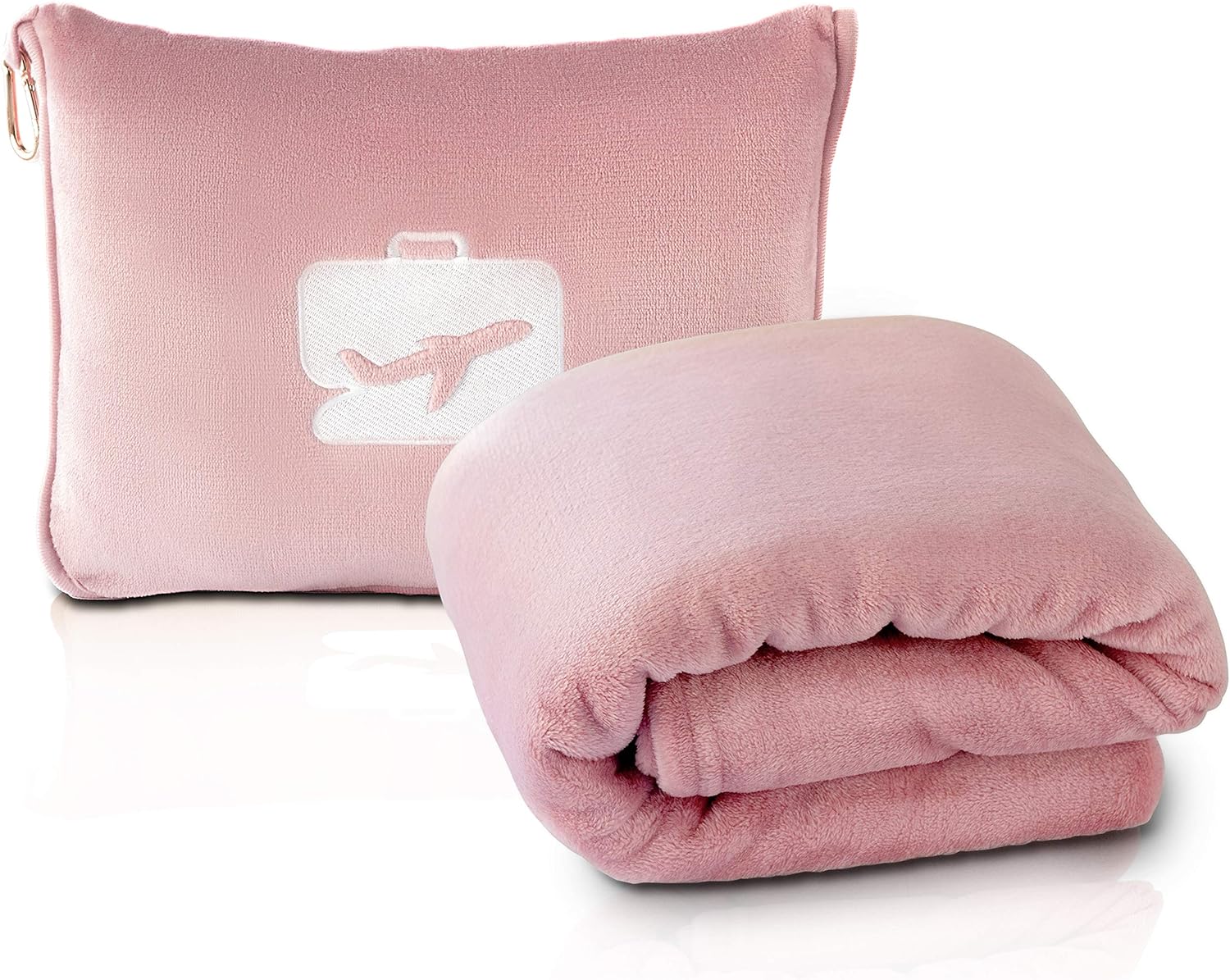
| 1 |  |
DANGTOP Cooling Blankets, 100% Bamboo Best Overall for Itchy Nights Top Pick |
|
Breathable, silky and kind to reactive skin. | Check Price on Amazon |
| 2 |  |
REST Evercool Cooling Comforter Best Premium Cooling Layer |
|
Serious heat relief for night sweats. | Check Price on Amazon |
| 3 |  |
Cariloha Plush Bamboo Throw Blanket Best Plush Bamboo Throw |
|
Cuddly softness without the scratch factor. | Check Price on Amazon |
| 4 | 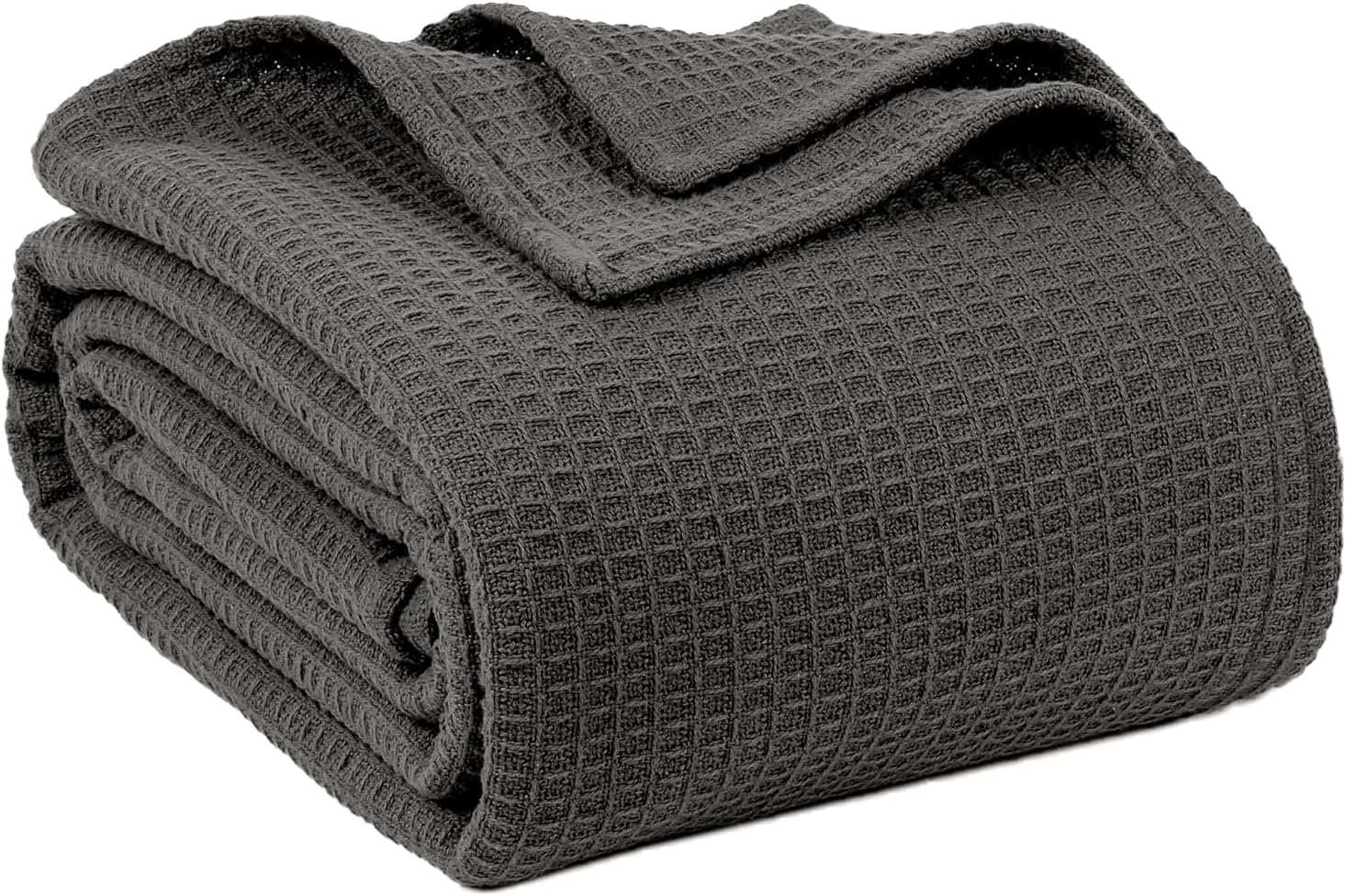 |
QUBA LINEN Cotton Blanket, Luxury Waffle Weave Best Breathable Cotton Layer |
|
Airy texture that never feels clammy. | Check Price on Amazon |
| 5 |  |
PHF Ultra Soft Waffle Weave Blanket Best Lightweight Everyday Pick |
|
A gentle everyday layer that washes well. | Check Price on Amazon |
Every product listed here appears in this guide with a full review. Short on time? The DANGTOP bamboo blanket is our all-round favourite for eczema-prone skin, while the REST Evercool is the one to beat if overheating is your main trigger.
Compare the Full Range
See current colours, sizes and availability.
Every pick above ships through Amazon.
Section 01
Why Your Blanket Choice Matters More Than You Think
Eczema is, at its core, a barrier problem. The outermost layer of skin does not hold moisture well and does not block irritants effectively, so anything that rubs, heats, dries or chemically touches the skin can start a flare. Most people focus on cleansers and creams and treat bedding as an afterthought. In practice, bedding is one of the largest surface areas your skin contacts every day, and it is in contact for longer than almost anything else.
Think about the mechanics of a night in bed. You turn over several times an hour. Each turn creates friction between fabric and skin. If that fabric has a rough weave, protruding fibres or stiff seams, it delivers a tiny mechanical insult each time. Multiply that by eight hours and dozens of turns and you begin to see why some people wake up with scratch marks they cannot explain.
Then there is heat. Warmth increases blood flow to the skin and amplifies the itch signal. A blanket that traps body heat — typically a dense synthetic pile or an over-insulated comforter — raises skin temperature and makes an existing itch dramatically worse. This is why so many eczema sufferers describe the same pattern: fine all evening, then unbearable itching twenty minutes after getting under the covers.
Moisture is the third factor. Skin that sweats under a non-breathable blanket is skin sitting in a warm, damp, slightly acidic environment. Perspiration itself is irritating to broken or inflamed skin, and damp fabric clings and creates more friction. A blanket that moves moisture away and lets air circulate keeps the microclimate next to your skin closer to neutral.
Finally, there is chemistry. Residual detergent, fabric softener, optical brighteners and anti-wrinkle finishes can all sit in the fibres of a blanket and transfer to skin. New blankets in particular may carry factory finishes that wash out over time. This is an underrated trigger, and it is completely fixable with the right wash routine — which we cover in detail later in this guide.
If you also struggle with overheating at night, our guide to the best blankets for night sweats goes deeper on temperature management, and the cooling blanket guide explains how different cooling technologies actually work.
Start With a Breathable Fabric
Bamboo and cotton weaves are the safest first step.
Explore skin-friendly options on Amazon.
Section 02
How We Selected These Blankets
There is no official “eczema blanket” category, so we built our own filter and applied it consistently. Every blanket on this list had to pass five checks before we considered recommending it.
Fibre behaviour against reactive skin
We prioritised fibres with a naturally smooth surface profile: bamboo-derived viscose, high-quality cotton and engineered cooling fabrics. These glide rather than grab. We avoided anything with a coarse, hairy or heavily textured surface that would create friction on contact.
Breathability and heat release
A blanket can feel soft and still trap heat. We looked at weave openness, air permeability and how the fabric behaves when layered. Waffle weaves and open knits score well here because the raised structure keeps fabric slightly lifted off the skin, leaving channels for air to move.
Moisture management
We favoured fabrics that absorb and release moisture quickly rather than holding it. Bamboo-derived fabrics and cotton both do this well, which is why they dominate this list. Dense synthetics that stay damp after a hot night did not make the cut.
Care simplicity
An eczema-friendly blanket is only useful if you can wash it frequently without destroying it. All five picks can be machine washed on gentle cycles with mild detergent and air dried or tumble dried on low. Frequent washing matters because it removes sweat salts, skin cells, dust mite residue and detergent build-up.
Finish and construction quality
We checked for smooth seams, low-profile stitching and edges that will not rub. We also preferred blankets from brands that are transparent about their fabric content, since “bamboo” can describe several different manufacturing processes and blends.
For a broader education on how fibres compare across the whole category, the blanket materials guide and the cotton vs polyester comparison are useful background reading before you commit to a purchase.
Shortlist Before You Shop
Filter for bamboo, cotton or waffle weave.
Then match size and season to your needs.
Section 03 • Top Pick
DANGTOP Cooling Blankets, 100% Bamboo Blanket for All-Season
Best Overall for Itchy, Overheated Nights
If we could only recommend one blanket for eczema-prone skin, it would be this one. The DANGTOP cooling blanket is made from bamboo-derived fabric, which gives it the two qualities that matter most when your skin is reactive: an exceptionally smooth surface and genuinely impressive breathability.
What sets it apart is the way it feels in the first thirty seconds of contact. Bamboo-derived viscose has a naturally sleek fibre profile, so it glides over skin rather than dragging across it. For someone with inflamed patches on the arms, neck or legs, that difference is not subtle — it is the difference between settling down comfortably and immediately wanting to scratch.
The “all-season” positioning in the product name is accurate in practice. It is light enough to use alone in warm weather and works well as a top layer over a sheet when temperatures drop. Because it does not hold heat the way a plush synthetic throw does, it is particularly well suited to people who wake up hot and sweaty — a common complaint among eczema sufferers.
Key Features
- 100% bamboo-derived construction — smooth fibres with minimal surface friction against skin.
- Cool-to-the-touch feel — helps lower skin temperature at the surface, which can quiet the itch signal.
- All-season weight — usable alone in summer and layered in cooler months.
- Open, breathable drape — air circulates through rather than pooling underneath.
- Easy-care — machine washable on a gentle cycle, which supports the frequent laundering eczema care requires.
- Neutral styling — works on beds, sofas and as a travel layer.
What We Like
- Extremely smooth surface that reduces friction
- Breathes well and resists clamminess
- Light enough for warm sleepers
- Simple to wash frequently
- Versatile across seasons and rooms
Keep in Mind
- Not the choice if you want a heavy, cosy feel
- Smooth fabric can slide off restless sleepers
- Benefits increase after the first wash
Who It’s Best For
This blanket is the strongest match for people whose eczema is triggered or worsened by heat and sweating at night. It is also a great first purchase for anyone newly diagnosed who wants to overhaul their bedding without overthinking it. Hot sleepers, combination sleepers who move around, and anyone who dislikes the sticky feel of synthetic throws will get on well with it.
DANGTOP 100% Bamboo Cooling Blanket
Our top overall pick for eczema-prone skin.
Check current sizes and colours.
Section 04 • Premium Pick
REST Evercool Cooling Comforter
Best Premium Cooling Comforter
For sleepers whose main battle is temperature, the REST Evercool takes a different approach. Instead of a thin summer layer, it gives you the full, enveloping feel of a proper comforter while still pulling heat away from the body. That combination is surprisingly rare and genuinely useful for eczema sufferers who want coverage without the flare.
Many people with eczema face an awkward trade-off: a heavy blanket feels comforting psychologically but triggers sweating, while a light blanket leaves them feeling exposed and restless. The Evercool sits in the middle. It drapes with real weight and body, but the fabric is engineered to move heat and moisture away rather than lock them against the skin.
The surface deserves special mention. It has a fluid, almost liquid drape that settles around the body without clinging or bunching. That matters for skin comfort, because folds and rucked-up fabric create pressure points and friction ridges that can aggravate patches on the legs and hips.
Key Features
- Engineered cooling fabric — designed to draw heat away from the body rather than reflect it back.
- Comforter-level coverage — full, even layering without the bulk of a traditional duvet.
- Fluid drape — hugs the body without pressure ridges or bunching.
- Smooth contact surface — low friction against arms, shoulders and face.
- Moisture-friendly — helps keep the sleep surface drier through the night.
- Easy-care construction — machine washable for frequent laundering.
What We Like
- Real cooling performance for hot sleepers
- Comforting weight without trapped heat
- Even coverage that stays in place
- Very smooth, gentle contact feel
Keep in Mind
- Sits at a higher price point than simple throws
- Overkill if your room is already cool
- Feels different from a traditional cotton blanket
Who It’s Best For
Choose the Evercool if overheating is your dominant trigger and you want a single, complete sleep layer rather than a stack of blankets. It is also well suited to couples, since it covers evenly and behaves consistently across the bed. If you are comparing this against a regular comforter, our cooling blanket vs regular blanket comparison explains where the performance differences actually come from.
REST Evercool Cooling Comforter
Premium cooling coverage for hot, restless nights.
See available sizes and colours.
Section 05 • Best Throw
Cariloha Plush Bamboo Throw Blanket
Best Plush Bamboo Throw
Sometimes you do not want a technical sleep layer — you want something soft to pull over your legs while you read, watch television or sit with a cup of tea. The Cariloha plush bamboo throw fills that role beautifully, and it does so without the itch risk that comes with many “cosy” blankets.
The word plush worries anyone with eczema, and understandably so. Plush usually means a raised pile, and raised piles can trap heat, hold dust and rub against skin. What makes this throw different is that the plushness comes from a bamboo-based fabric that stays smooth and breathable rather than becoming a dense, fuzzy trap.
The result is softness you can actually use. It has a gentle, cushioned hand feel and a relaxed drape that settles over the body without clinging. Because it is a throw rather than a full bed blanket, it is ideal for daytime contact — and daytime is when many people notice their skin reacting to rougher textiles.
Key Features
- Plush bamboo-based fabric — soft and cushioned with a smooth fibre surface.
- Throw sizing — perfect for sofas, laps, chairs and travel.
- Breathable softness — warm enough for comfort without building up heat.
- Gentle drape — conforms to the body without pressure points.
- Low-odour, low-finish feel — feels clean and natural out of the package.
- Machine washable — practical for a blanket used daily in shared spaces.
What We Like
- Genuinely soft without the scratch risk
- Excellent for daytime and sofa use
- Breathable for a plush fabric
- Attractive enough to leave on display
Keep in Mind
- Throw size, not full bed coverage
- Plush feel will not suit those who sleep hot
- Soft surface benefits from gentle washing
Who It’s Best For
This is the pick for people whose skin reacts to the scratchy wool and acrylic throws that dominate the market, but who still want a genuinely comforting texture. It is also a lovely option for children with eczema who need a soft, familiar blanket for the living room. If you are weighing plush textures against smoother ones, our bamboo vs cotton blanket breakdown is a helpful companion read.
Cariloha Plush Bamboo Throw
Soft, breathable bamboo comfort for laps and lounging.
Check colours and availability.
Section 06 • Best Cotton
QUBA LINEN Cotton Blankets Queen Size, Luxury Waffle Weave
Best Breathable Cotton Layer
If you prefer natural cotton and a little texture in your bedding, the QUBA LINEN waffle weave is the standout. The honeycomb structure is not just decorative — it is the reason this blanket breathes so effectively, and that airflow is exactly what inflamed skin needs.
A waffle weave works by lifting the bulk of the fabric into small raised pockets, which means less fabric sits flat against your skin and more air can circulate in the channels between. For eczema sufferers, that translates into two practical benefits: less trapped heat and less surface contact overall.
The queen sizing is generous enough to cover a double or queen mattress properly, so you are not fighting over fabric in the night. Cotton also softens with every wash, which means this blanket actually improves with the frequent laundering that eczema care demands — a genuinely important point, since a blanket that must be babied is a blanket you will stop washing often enough.
Key Features
- Waffle weave construction — raised texture creates airflow channels between fabric and skin.
- Cotton build — breathable, absorbent and naturally softening over time.
- Queen size coverage — full, even coverage on larger beds.
- Year-round versatility — works alone in warm months and as a layer in cool ones.
- Textured but not scratchy — gentle interest without coarse fibres.
- Wash-friendly — holds up to repeated gentle cycles and gets softer as it goes.
What We Like
- Excellent airflow from the waffle structure
- Natural cotton feel, softens with washing
- Generous queen sizing
- Layers beautifully with sheets and duvets
Keep in Mind
- Texture will not suit those wanting pure smoothness
- Cotton holds more moisture than cooling knits
- Waffle weave can snag on jewellery
Who It’s Best For
This is the blanket for people who find purely smooth fabrics a little cold or clinical and want bedding that feels like proper bedding. It is also a strong choice for anyone building a natural-fibre bedroom. Our best waffle weave blankets guide covers the category in more depth if you want to compare structures.
QUBA LINEN Waffle Weave Cotton Blanket
Airy queen-size cotton coverage for sensitive skin.
See current pricing and colours.
Section 07 • Best Value Layer
PHF Ultra Soft Waffle Weave Blanket
Best Lightweight Everyday Pick
Rounding out the list is the PHF ultra soft waffle weave, the lightest and most low-maintenance of the five. It is the blanket you keep folded at the end of the bed for warm nights, layer over a sheet in spring, or throw in the wash midweek without a second thought.
Lightweight blankets are underrated for eczema care. When a blanket is heavy, people tend to leave it on even when they are getting too warm, because the effort of switching feels disruptive. A light layer makes it easy to adjust your temperature the moment you feel that familiar heat building — and catching it early is one of the simplest ways to prevent a flare.
The waffle structure here behaves much like the QUBA above, with airflow channels and a gentle surface texture. The difference is the weight and the finish: the PHF feels noticeably lighter and softer to the touch, which makes it a good option for people who find even mild texture irritating.
Key Features
- Waffle weave structure — promotes airflow and reduces flat fabric contact with skin.
- Ultra-soft surface — gentle hand feel that suits sensitive and reactive skin.
- Light layering weight — easy to add or remove as your temperature shifts.
- Quick-drying behaviour — dries faster after washing than denser blankets.
- Neutral, unfussy design — works across bedrooms, sofas and guest rooms.
- Practical care — machine washable and tolerant of frequent cycles.
What We Like
- Very soft without any scratch
- Light enough to adjust on the fly
- Dries quickly after washing
- Easy, everyday practicality
Keep in Mind
- Too light for genuinely cold rooms on its own
- Less plush than bamboo options
- Waffle weave needs gentle snag care
Who It’s Best For
This is the everyday workhorse for warm sleepers, guest rooms and anyone who wants a second skin-friendly blanket in the rotation. Having more than one blanket is genuinely useful for eczema management, because it means you always have a clean one ready while the other is in the wash.
PHF Ultra Soft Waffle Weave Blanket
A lightweight, easy-care layer for everyday comfort.
Check sizes and colours on Amazon.
Section 08
Fabric Face-Off: Bamboo, Cooling Knit, Cotton and Waffle Weave
Once you have seen the individual picks, the real question becomes a fabric question. Four fabric families appear in this guide, and each behaves differently against eczema-prone skin. Understanding those differences makes it far easier to choose the right one for your particular pattern of symptoms.
| Fabric | Surface Feel | Breathability | Best For | Watch Out For |
|---|---|---|---|---|
| Bamboo-derived viscose | Silky, very low friction | Excellent | Heat triggers, sensitive arms and neck | Can feel slippery on the bed |
| Engineered cooling knit | Smooth, fluid drape | Excellent | Night sweats and overheating | Feels unlike traditional bedding |
| Waffle weave cotton | Gentle texture, airy | Very good | Year-round layering | Texture can snag on jewellery |
| Plush bamboo blend | Cushioned, soft | Good | Daytime comfort, laps and sofas | Warm for very hot sleepers |
Bamboo-derived fabric: the friction champion
Bamboo-derived viscose earns its place at the top of most eczema bedding discussions because of how its fibres behave at a microscopic level. They are smooth and round, with no scale-like edges to catch on dry skin. In practice this means less mechanical irritation per turn during the night, which adds up to fewer scratch marks and calmer mornings.
Bamboo also handles moisture thoughtfully. It absorbs readily and releases quickly, so it does not stay clammy the way some synthetics do. For a deeper look at the category, see our best bamboo blankets roundup and the bamboo vs cotton in humid climates comparison.
Engineered cooling fabrics: the temperature solution
When overheating is the dominant trigger, purpose-built cooling textiles outperform natural fibres on heat transfer alone. They feel noticeably cooler on first contact and continue to move warmth away through the night. The trade-off is texture: they feel modern and fluid rather than traditional, which some people love and others find unfamiliar.
Waffle weave: the airflow answer
Waffle weaves win on structure. The raised pockets hold the main body of fabric slightly away from the skin, creating ventilation channels and reducing the total contact area. They also layer beautifully, which is helpful if you like to adjust warmth during the night.
Plush blends: the comfort answer
Plush is not automatically bad for eczema — badly made plush is. A plush fabric built on smooth, breathable fibres gives you the softness people crave without turning into a heat trap. The key is to feel the fabric before committing and to avoid dense, fuzzy piles that trap dust.
For more on synthetic versus natural behaviour, the microfiber vs cotton blanket and fleece vs cotton blanket comparisons are worth reading alongside this section.
Pick Your Fabric, Then Your Blanket
Bamboo for smoothness, waffle weave for airflow.
Browse both categories on Amazon.
Section 09
Buying Guide: What to Look For in an Eczema-Friendly Blanket
Shopping for bedding with a skin condition in mind means looking at products slightly differently. Marketing copy will tell you about softness and style; you need to know about fibre surface, weave openness, finishing chemistry and care tolerance. Here is the checklist we would use.
1. Start with the fibre, not the brand
The single most important line on the label is the fabric content. Bamboo-derived viscose, cotton, linen and well-made engineered cooling fabrics are the safest starting points. Blends are not automatically poor, but you should understand what you are getting. Our blanket materials guide explains how the common options behave.
2. Choose weave over weight
People instinctively shop by thickness. For eczema, weave matters more. Open, breathable weaves such as waffle, gauze and loose knits allow air movement; dense, tightly packed surfaces hold heat and moisture. A lighter blanket with a good weave often outperforms a heavier one with a poor one.
3. Inspect seams and edges
Run your fingers along the hem. Thick, stiff binding and raised stitching lines are exactly where fabric rubs against wrists and ankles. Look for soft, low-profile finishing and seams that lie flat.
4. Consider the size you actually need
A blanket that is too small pulls and drags across the body, creating friction. A blanket that is too large bunches and creates heat pockets. Match the blanket to your mattress and how you sleep. Our blanket size chart by bed size takes the guesswork out of this, and the best king size blanket guide covers larger beds specifically.
5. Think about layering from the start
The most skin-friendly setup is rarely a single heavy blanket. It is two or three breathable layers you can add or remove as your temperature changes through the night. Buying with layering in mind gives you far more control than buying one thick layer and hoping for the best.
6. Plan your wash routine before you buy
Any blanket you buy should tolerate weekly washing in warm water with a gentle, fragrance-free detergent. If a blanket requires dry cleaning or delicate hand care, it will not survive the maintenance schedule that eczema management demands.
| Priority | Look For | Avoid |
|---|---|---|
| Fibre | Bamboo-derived viscose, cotton, engineered cooling fabric | Coarse, hairy or heavily treated synthetics |
| Weave | Waffle, open knit, smooth sateen-style surfaces | Dense, non-breathable pile that traps heat |
| Finish | Soft hems, flat seams, minimal decorative stitching | Stiff binding, thick lace, rough labels |
| Care | Machine washable, gentle cycle, low tumble dry | Dry-clean-only or hand-wash-only fabrics |
Ready to Choose?
Use the checklist above, then compare options.
Start your search on Amazon.
Section 10
Care and Washing Routine for Skin-Friendly Blankets
Buying the right blanket is half the job. Keeping it truly clean and free of residues is the other half, and this is where many eczema management plans quietly fail. Blankets accumulate sweat salts, skin cells, body oils, dust mite residue and — crucially — detergent and softener deposits that continue to release against skin long after the wash cycle ends.
A well-maintained blanket feels subtly different: it drapes cleanly, has no lingering fragrance, and does not feel stiff or coated. If yours feels waxy or smells perfumed after drying, that residue is exactly what reactive skin is reacting to.
Wash weekly, not monthly
For eczema-prone skin, weekly washing is a sensible baseline, and more often during flares or hot weather. It sounds like a lot until you have two blankets in rotation and the routine settles into a rhythm.
Use a gentle, fragrance-free detergent
This is the most common fix and often the most effective. Skip fabric softener entirely — it works by coating fibres with a thin film, and that film is precisely what sensitive skin does not want. Dryer sheets have the same effect and should go too.
Choose warm water and a gentle cycle
Warm water removes oils and residues more effectively than cold, while a gentle cycle protects weave structure. Very hot water can set stains and stress fibres, so save it for occasional deep cleans where the care label permits.
Rinse thoroughly
An extra rinse cycle is a small change with a big payoff. It flushes out detergent that would otherwise remain in the fibres and transfer to skin all week.
Dry completely
Any residual dampness invites dust mites and mildew, both of which are common triggers. Air dry in good ventilation or tumble dry on low, and make sure the blanket is dry through every layer before folding it away.
Because different fabrics have different needs, it is worth reading the specific guidance for your blanket type: our articles on washing cooling blankets, washing wool blankets and washing minky blankets each cover the nuances. If you also own a weighted blanket for comfort, the weighted blanket washing guide will keep it in good condition.
Store it properly
Clean, dry and breathable is the rule. Avoid plastic bins that trap moisture, and keep blankets away from dusty attics. Our guide to the best blanket storage bags covers breathable options that protect bedding between seasons.
Build a Skin-Safe Laundry Routine
Pair your blanket with a gentle, fragrance-free detergent.
Find options on Amazon.
Section 11
Bedroom Setup and Layering Strategies That Calm Skin
A blanket does not work in isolation. The sheets beneath it, the air around it and the way you layer all influence how your skin feels by morning. Think of it as building a small, controlled environment where temperature, moisture and friction stay as close to neutral as possible.
Start with the sheet
Your sheet is the layer in closest contact with your skin, so it deserves as much attention as the blanket. Smooth, breathable fabrics behave best; a rough or heavily treated sheet will undo the benefits of a beautiful blanket. If you are choosing between bedding fabrics, our silk vs satin pillowcase comparison is relevant for face and neck contact.
Layer instead of piling
Rather than one heavy cover, use a sheet plus one or two breathable blankets. When you feel warmth building, push back a layer before the sweat starts. This simple habit prevents many heat-driven flares.
Understand the vocabulary
Comforters, duvets, quilts, coverlets and blankets behave differently, and choosing the wrong type can leave you either too hot or under-covered. Our comforter vs duvet vs blanket explainer sorts out the differences quickly.
Control temperature and humidity
A cool bedroom is one of the most reliable allies for itchy skin. Many people find that lowering the thermostat slightly and keeping air circulating makes a noticeable difference within a few nights. If your climate is humid, the same logic applies to fabric choice — see our notes on bamboo vs cotton in humid climates.
Keep the sleep surface uncluttered
Decorative throws, cushions and heavy quilts all collect dust and reduce airflow. Keep the bed simple: sheet, one or two breathable layers, and pillows in smooth protective covers. Everything else is surface area for triggers to accumulate.
Have a second blanket in rotation
This is the small habit that makes the biggest practical difference. With two blankets, you can always sleep on something freshly washed, and you never have to choose between a flare and an unmade bed.
For people dealing with anxiety alongside eczema, comfort layering matters emotionally too. Our guide to the best blankets for anxiety and the weighted blanket guide explore comfort-focused options, and many readers find that a well-chosen throw helps them wind down without irritating their skin.
Finish Your Sleep Setup
Pair your blanket with breathable bedding layers.
Explore bedroom essentials on Amazon.
Section 12
Safety, Sensitivities and the Mistakes to Avoid
Even with the best blanket in the world, a few common habits can undo your progress. Here are the mistakes we see most often, and what to do instead.
Using fabric softener or dryer sheets
As mentioned earlier, these products coat fibres. That coating builds up over successive washes and stays in constant contact with skin. Removing them is often the single highest-impact change you can make to your bedding routine.
Washing new blankets before first use
New bedding often carries factory finishes, sizing agents and dust from storage and shipping. One wash before first use removes most of this. It is a ten-minute step that prevents an avoidable flare.
Overheating instead of adjusting layers
Pushing through the heat “because the blanket is nice” is a reliable way to trigger a flare. Keep layers light and adjustable, and treat the first hint of warmth as a signal to act.
Ignoring rough edges, labels and seams
If a tag or hem catches on your skin, remove it or fold it flat. Small mechanical irritants add up over hundreds of hours of contact.
Choosing wool for warmth without considering texture
Wool is a wonderful fibre for many people, but its surface texture is a common irritant for eczema sufferers. If you want warmth without risk, look at smoother alternatives. Our wool vs fleece blanket comparison helps explain where the difference lies.
Being careless with heated bedding
Heated blankets can dry the skin and raise its temperature, both of which aggravate itching. If you use one, keep the setting low and use it to warm the bed before you get in rather than all night. Our electric blanket safety guide covers the practical points.
Assuming all softness is equal
Softness in a shop and softness against inflamed skin are two different things. Always think about how a fabric behaves after washing and after several hours of contact, not just how it feels in the first five seconds.
A note on medical care: Bedding changes are a supportive measure, not a treatment. If your eczema is worsening, spreading, infected or disrupting your sleep regularly, speak to a doctor or dermatologist. The right bedding works alongside professional care, never in place of it.
If you are shopping for the whole household, it is also worth knowing that babies and young children need different bedding rules entirely. Our guides on when a baby can sleep with a blanket and the best baby blankets cover the safety essentials.
Keep It Simple and Skin-Safe
Gentle fibres, gentle detergent, no softeners.
Find hypoallergenic bedding on Amazon.
Questions
Frequently Asked Questions
QWhat is the best blanket material for eczema?
Bamboo-derived viscose is widely considered the strongest all-round choice because its fibres are exceptionally smooth, which reduces friction against the skin, and it breathes well, which keeps heat and moisture down. Cotton and open waffle weaves are excellent alternatives, especially for people who prefer a more traditional bedding feel. The best material is ultimately the one that does not irritate your particular skin, so it is worth testing one blanket before overhauling your whole bed.
QAre cooling blankets good for eczema?
Yes, very often. Heat is a major itch amplifier, so anything that lowers skin temperature at the surface tends to help. Cooling blankets work by moving warmth away from the body rather than trapping it, which keeps the sleep environment more comfortable. If night sweats are one of your triggers, a cooling blanket can make a visible difference within a few nights.
QShould I avoid wool blankets if I have eczema?
Wool is a common irritant for eczema-prone skin because of its textured fibre surface, which can create friction and a prickling sensation. Many people with sensitive skin do better with smoother fibres such as bamboo-derived viscose or cotton. That said, some people tolerate fine, well-finished wool perfectly well, so it is a personal judgement rather than a universal rule.
QHow often should I wash my blanket for eczema?
Weekly is a sensible baseline, and more often during flares or warm weather. Frequent washing removes sweat salts, skin cells, dust mite residue and detergent build-up, all of which can irritate sensitive skin. Use a gentle, fragrance-free detergent, skip fabric softener, and add an extra rinse cycle to remove residues completely.
QCan fabric softener make eczema worse?
It can. Fabric softeners and dryer sheets work by leaving a thin coating on fibres, and that coating sits in direct contact with your skin for hours every night. Many people notice their skin improves simply by removing softeners from their laundry routine and switching to a fragrance-free detergent with a thorough rinse.
QIs a waffle weave blanket suitable for sensitive skin?
Generally yes. The raised structure of a waffle weave creates airflow channels between fabric and skin, which helps keep the surface cool and dry. The texture is gentle rather than coarse, so most people with sensitive skin find it comfortable. If your skin is extremely reactive or broken, a smoother bamboo fabric may feel better in the short term.
QShould I choose a light or heavy blanket for eczema?
Light to medium is usually better. Heavy blankets trap more heat and make you less likely to adjust when you get warm, which encourages sweating and itching. A lighter layer — or two lighter layers you can remove individually — gives you much better control over your temperature through the night.
QDo I need to wash a new blanket before using it?
Yes, it is well worth doing. New blankets can carry factory finishes, sizing agents and dust from manufacturing and shipping. One gentle wash before first use removes most of this and gives you a much cleaner starting point for sensitive skin.
QCan a blanket actually reduce itching at night?
A blanket will not treat eczema, but the right one can reduce one of the biggest environmental contributors to night-time itching. By keeping skin cooler, drier and less irritated by friction, a well-chosen blanket often helps people sleep more soundly and scratch less — which in turn supports the skin’s natural healing.
QAre weighted blankets a good idea for eczema?
Weighted blankets can be wonderfully calming for anxiety and restlessness, which helps many people sleep better. However, the extra weight and warmth can be uncomfortable during a flare. If you want the calming effect without the heat, use a weighted blanket over the lower body only and keep a breathable layer next to your skin.
QWhat size blanket should I buy for my bed?
Match the blanket to your mattress and how you sleep. A blanket that is too small pulls and creates friction; one that is too large bunches and traps heat. As a general guide, the blanket should drape over the sides of the mattress comfortably without excessive pooling at the foot of the bed.
Still Deciding?
Start with the top-rated bamboo option.
Then adjust based on your sleep temperature.
The Bottom Line
Conclusion: Choose the Blanket That Works With Your Skin
Eczema-friendly bedding is not about finding a miracle product. It is about removing friction, heat and chemical irritation from the place where your skin spends a third of its life. Every blanket in this guide does that in a slightly different way.
If you want one blanket that handles most situations well, the DANGTOP Cooling Blanket in 100% bamboo is our top pick. It is smooth, breathable, genuinely cooling and simple to care for — the combination that matters most for reactive skin. If overheating is your primary enemy, step up to the REST Evercool Cooling Comforter for full coverage without the heat build-up. For softness during the day, the Cariloha Plush Bamboo Throw is hard to beat, while the QUBA LINEN Waffle Weave and PHF Waffle Weave give you excellent breathable cotton options at different weights.
Whichever you choose, pair it with a fragrance-free detergent, skip the fabric softener, wash weekly and keep your layers adjustable. Those habits turn a good blanket into a genuinely skin-supportive sleep setup.
Our Top Recommendation
The DANGTOP bamboo cooling blanket balances comfort and skin safety.
Check today’s price and available sizes.
Keep Reading
You May Also Like
More from Blanket Insider — fabric comparisons, care guides, reviews and home comfort roundups.