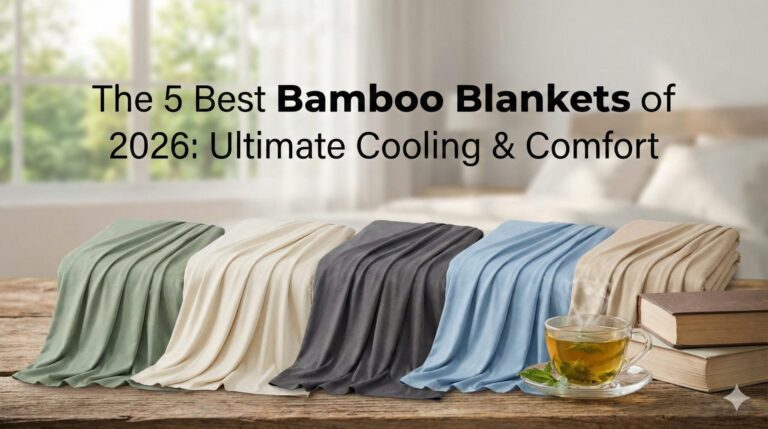
If you are a “hot sleeper,” you know the struggle: kicking off the covers at 2 AM, only to wake up freezing an hour later. The cycle is exhausting. The bedding industry has fully embraced bamboo as the miracle solution for thermal regulation, and for good reason.
Bamboo fabric is naturally breathable, moisture-wicking, and silky soft to the touch. It feels cooler than cotton and is far more sustainable than polyester. But not all bamboo blankets are created equal. Some are blends, some are weighted, and some offer unique textures like waffle weaves for airflow.
In this guide, we have reviewed the 5 best bamboo blankets. We have tested them for cooling efficiency, durability after washing, and overall comfort to help you find the perfect layer for a sweat-free night.
The Science Behind Bamboo Fabric
Before choosing a bamboo blanket, it helps to understand why this material has become the gold standard for temperature regulation. Bamboo fabric is derived from the pulp of the bamboo plant, one of the fastest-growing plants on Earth. A single bamboo stalk can grow up to three feet in 24 hours, requiring no pesticides, fertilizers, or irrigation. This makes it one of the most renewable raw materials available for textile production.
How Bamboo Regulates Temperature
The bamboo plant itself has natural micro-gaps and micro-holes in its fiber structure. When processed into fabric, these microscopic features are preserved, creating a material that is exceptionally breathable. The natural cross-section of bamboo fiber contains numerous gaps and holes, which serve two critical functions:
- Air circulation: The gaps allow air to flow freely through the fabric, preventing heat buildup against your skin.
- Moisture absorption: Bamboo fiber can absorb up to three times its weight in water, pulling sweat away from your body before it can cause discomfort.
This combination of breathability and moisture management is what makes bamboo significantly cooler than cotton, polyester, or even linen. While cotton absorbs moisture well, it tends to hold onto it, becoming heavy and damp. Bamboo, on the other hand, releases moisture quickly into the air, keeping you dry and cool throughout the night.
The Thermoregulation Process
Thermoregulation is the body’s ability to maintain its core temperature despite changes in the external environment. Bamboo fabric supports this process in several ways. First, the fabric’s natural breathability allows excess body heat to escape, preventing the “oven effect” that occurs with synthetic materials. Second, the moisture-wicking properties reduce evaporative cooling from sweat, which can cause chills and disrupt sleep. Third, bamboo has a natural cool-to-the-touch sensation that provides immediate relief when you first get into bed.
Research has shown that bamboo fabric maintains a surface temperature that is approximately 2-3 degrees cooler than cotton under identical conditions. While that may sound like a small difference, even a one-degree reduction in skin temperature can significantly improve sleep quality. Studies published in the journal Sleep have demonstrated that cooler sleeping environments lead to deeper, more restorative sleep cycles.
Natural Properties of Bamboo Fiber
Beyond temperature regulation, bamboo fiber possesses several other properties that make it ideal for bedding. Bamboo contains a natural bio-agent called “bamboo kun,” which gives the fabric natural antibacterial and antifungal properties. This means bamboo blankets resist the growth of bacteria, mold, and mildew far better than cotton or synthetic alternatives. For people who suffer from allergies or skin sensitivities, this natural antimicrobial property is a significant advantage.
Bamboo fabric is also naturally hypoallergenic. Unlike cotton, which can harbor dust mites, bamboo’s smooth fiber surface makes it difficult for allergens to cling to the fabric. Additionally, bamboo is naturally resistant to UV radiation, providing a small but measurable level of sun protection even through bedding.
Did You Know?
Bamboo is 100% biodegradable, and the bamboo plant produces 35% more oxygen than an equivalent stand of trees. Choosing bamboo bedding is not just good for your sleep, it is good for the planet.
Types of Bamboo Fabric: Viscose vs. Lyocell vs. Mechanical
Not all bamboo fabric is the same. There are three main methods of processing bamboo into fabric, each resulting in different properties, price points, and environmental impacts. Understanding these differences is crucial when shopping for bamboo blankets, as they directly affect the feel, durability, and cooling performance of the final product.
Bamboo Viscose (Rayon)
Bamboo viscose, also known as bamboo rayon, is the most common type of bamboo fabric found in bedding. It is produced by dissolving bamboo pulp in a chemical solution (typically sodium hydroxide), extruding the fibers through spinnerets, and then regenerating the cellulose into fiber form. The result is an incredibly soft, smooth fabric with a silk-like drape.
Bamboo viscose accounts for approximately 90% of all bamboo fabric on the market. It is the most affordable option and offers excellent softness and moisture absorption. However, the chemical processing can weaken the fibers slightly compared to mechanical bamboo, and the environmental impact of the chemicals used is a concern for some consumers. That said, modern manufacturing practices have significantly reduced the environmental footprint of viscose production, with many factories now recycling up to 99% of the chemicals used.
Bamboo Lyocell
Bamboo lyocell is a newer, more environmentally friendly alternative to viscose. It is produced using a closed-loop solvent spinning process that recovers and reuses the solvents, reducing waste and pollution. Lyocell fibers are generally stronger, more durable, and have a slightly more natural feel than viscose. The fabric retains all the cooling and moisture-wicking properties of bamboo viscose but tends to be more resistant to pilling and fraying.
Lyocell is often considered the premium choice for bamboo bedding because of its superior durability and lower environmental impact. However, it comes at a higher price point, which is why it is less common in mass-market blankets. If you are looking for the best long-term investment in bamboo bedding, lyocell is worth the extra cost.
Mechanical Bamboo (Bamboo Linen)
Mechanical bamboo, also called bamboo linen, is produced by crushing the bamboo plant and using natural enzymes to break down the cell walls into a mushy mass. The fibers are then mechanically combed out and spun into yarn. This process is similar to how linen is produced from flax, and it results in a fabric that is extremely durable and natural.
However, mechanical bamboo is labor-intensive and expensive, making it rare in the consumer market. The resulting fabric is not as soft as viscose or lyocell, which is why most bamboo blankets use one of the other two methods. Mechanical bamboo is primarily found in specialty products and eco-conscious brands that prioritize the lowest possible environmental impact.
| Feature | Bamboo Viscose | Bamboo Lyocell | Mechanical Bamboo |
|---|---|---|---|
| Softness | Excellent | Excellent | Moderate |
| Durability | Good | Very Good | Excellent |
| Cooling | Very Good | Very Good | Good |
| Environmental Impact | Moderate | Low | Very Low |
| Price | Affordable | Premium | Very Premium |
| Common In | Most blankets | Premium blankets | Specialty products |
Buying Guide: What Makes a Good Bamboo Blanket?
Before you invest in bamboo bedding, there are several key features you need to check on the label. Understanding these factors will help you choose a blanket that meets your specific needs and provides the best value for your money.
1. 100% Bamboo vs. Blends
Many cheaper brands market “bamboo blankets” that are actually 40% bamboo and 60% microfiber (plastic). For maximum cooling and breathability, look for 100% Bamboo Viscose or Lyocell. Blends are more durable but trap more heat. If you see “bamboo blend” on the label, check the percentage. A 70/30 bamboo-to-cotton blend is acceptable, but anything below 50% bamboo is not going to deliver the cooling benefits you are paying for.
It is also worth noting that some brands use misleading labels. “Bamboo fabric” or “bamboo fiber” without specifying the percentage may indicate a blend. Always look for the specific percentage on the product page or tag. Reputable brands like Luxome, Cozy Earth, and Dangtop clearly state the bamboo content of their products.
2. Weave Type
The weave determines airflow and texture. There are several common weave types used in bamboo blankets, each offering distinct advantages:
- Satin weave: Creates a smooth, silky surface that feels cool to the touch. This is the most common weave for luxury bamboo blankets. It offers the best cooling performance and the smoothest feel against skin.
- Sateen weave: Similar to satin but slightly more durable. Sateen has a subtle sheen and a buttery feel. It is excellent for hot sleepers who want a luxurious sleeping experience.
- Waffle weave: Creates a textured, three-dimensional pattern with small pockets of air. Waffle weaves provide excellent ventilation and a unique aesthetic. They are perfect for year-round use because they offer moderate warmth while still allowing heat to escape.
- Jersey knit: A stretchy, casual weave that feels like a soft t-shirt. Jersey bamboo blankets are great for everyday use and are typically more durable than satin weaves, though they do not offer the same level of cooling.
- Flannel weave: A brushed weave that creates a slightly fuzzy surface. While this adds warmth, bamboo flannel is still more breathable than cotton flannel due to the natural properties of bamboo fiber.
3. Weighted Options
Bamboo is an excellent casing for weighted blankets because it counteracts the heat generated by the heavy glass beads. If you want the calming effect of weight without the sweat, bamboo is the only way to go. Weighted blankets work by providing deep pressure stimulation, which triggers the release of serotonin and melatonin while reducing cortisol levels. This can help with anxiety, insomnia, and restlessness.
When choosing a weighted bamboo blanket, the general rule is to select a blanket that is approximately 10% of your body weight. For example, if you weigh 150 pounds, a 15-pound weighted blanket would be ideal. Most weighted bamboo blankets come in increments of 5 pounds, typically ranging from 15 to 25 pounds for adults.
4. Thread Count
Thread count refers to the number of horizontal and vertical threads per square inch of fabric. For bamboo blankets, a thread count between 300 and 500 is ideal. Lower thread counts can feel rough and are less durable, while higher thread counts (above 500) can actually reduce breathability by packing the fibers too tightly together.
However, thread count is not the only indicator of quality. The quality of the individual fibers and the weave type matter just as much. A 300-thread-count blanket made from premium bamboo lyocell will outperform a 600-thread-count blanket made from lower-grade viscose. Always consider the full picture when evaluating quality.
5. Certification and Standards
Look for blankets that carry certifications from recognized organizations. The most important certifications for bamboo bedding include:
- OEKO-TEX Standard 100: Ensures the product has been tested for harmful substances and is safe for human use.
- FSC (Forest Stewardship Council): Verifies that the bamboo was sourced from responsibly managed forests.
- GOTS (Global Organic Textile Standard): Certifies that the product meets strict environmental and social criteria throughout the supply chain.
- USDA Organic: Indicates that the bamboo was grown without synthetic pesticides or fertilizers.
While not all brands carry these certifications, they provide an extra layer of assurance that you are getting a quality product that has been produced responsibly.
Warning: Fake Bamboo Labels
Some manufacturers label their products as “bamboo” when they are actually made from bamboo-derived rayon with significant synthetic blends. Always read the full product description and check the fiber content percentage. If the label simply says “bamboo” without specifying the percentage or processing method, proceed with caution.
Bamboo Blanket Sizes: Finding the Perfect Fit
Choosing the right size bamboo blanket depends on your bed size, how you sleep, and whether you share the blanket with a partner or pet. Bamboo blankets are available in all standard bedding sizes, plus specialty sizes for cribs, toddlers, and throw/couch use.
| Blanket Size | Dimensions (inches) | Dimensions (cm) | Best For |
|---|---|---|---|
| Crib / Toddler | 30 x 40 | 76 x 102 | Cribs, toddler beds, strollers |
| Twin / Single | 66 x 90 | 168 x 229 | Twin beds, daybeds, kids rooms |
| Full / Double | 80 x 90 | 203 x 229 | Full beds, queen beds (less overhang) |
| Queen | 90 x 90 | 229 x 229 | Queen beds, most popular size |
| King / California King | 108 x 90 | 274 x 229 | King beds, couples, pets on bed |
| Throw / Couch | 50 x 60 | 127 x 152 | Living room, couch, office, travel |
When choosing between sizes, it is always better to go one size up rather than down. Bamboo blankets shrink slightly after the first few washes (typically 3-5%), and having a blanket that is slightly too large is far more comfortable than one that barely covers the mattress. If you share your bed with a partner or a pet, choosing a King-sized blanket for a Queen bed ensures full coverage and prevents the dreaded blanket tug-of-war.
For couch and living room use, throw-sized bamboo blankets (50 x 60 inches) are the most popular choice. They are large enough to cover you while lounging but small enough to fold neatly over the arm of a sofa. Many people purchase a full set that includes both a bed-sized blanket and a matching throw for the living room.
Side-by-Side Comparison: Our Top 5 Picks
Before we dive into each individual review, here is a quick comparison table that lets you see how our top five picks stack up against each other across key categories.
| Feature | Luxome | Dangtop | YnM | Bedsure | Cozy Earth |
|---|---|---|---|---|---|
| Best For | Overall | Value / Cooling | Weighted | Texture | Luxury |
| Material | 100% Bamboo Viscose | 100% Bamboo Viscose | 100% Bamboo Shell | 50% Bamboo / 50% Cotton | 100% Bamboo Viscose |
| Weave | Satin | Diamond Pattern | Satin | Waffle | Sateen |
| Cooling | Excellent | Excellent | Very Good | Good | Excellent |
| Softness | Excellent | Very Good | Excellent | Good | Excellent |
| Durability | Very Good | Good | Good | Excellent | Excellent |
| Sizes | Queen, King | Twin, Full, Queen, King | 15-25 lbs | Twin, Queen, King | Queen, King |
| Washable | Machine (gentle) | Machine (cold) | Spot clean | Machine (gentle) | Machine (gentle) |
| Weighted | No | No | Yes | No | No |
| Price | $$$ | $$ | $$ | $$ | $$$$ |

1. Luxome Lightweight Blanket
Verdict: Best Overall.
Luxome has set the standard for high-end bamboo bedding. This blanket is made from 100% Viscose from Bamboo and features a satin binding for a touch of elegance. It is perfectly weighted to feel substantial without trapping heat, making it the ultimate choice for hot sleepers who still want the security of a cover.
What sets the Luxome apart from competitors is its consistency. The fabric feels the same wash after wash, maintaining its signature silkiness even after 50+ cycles. The edges are finished with a premium satin binding that prevents fraying, and the overall construction feels genuinely luxurious in hand. The fabric has a subtle sheen that catches light beautifully, giving it a high-end appearance that justifies the price tag.
The Luxome Lightweight Blanket is available in a range of sophisticated neutral tones that complement any bedroom decor. The color palette includes Classic White, Slate Grey, Blush, Sage, and Navy. Each color is dyed using low-impact, OEKO-TEX certified dyes that are free from harmful chemicals and maintain their vibrancy through repeated washes.
In terms of cooling performance, the Luxome excels. The satin weave creates a surface that feels immediately cool when you slide under it, and the lightweight construction prevents heat from building up. Even in warmer months, this blanket provides just enough coverage without causing overheating. It is an ideal choice for people who sleep hot but do not want to sacrifice the comforting weight of a blanket.
Pros
- 100% Viscose from Bamboo (no blends)
- Silky smooth texture that stays soft wash after wash
- Available in King and Queen sizes
- Satin binding prevents fraying
- OEKO-TEX certified dyes
- Excellent cooling performance year-round
Cons
- Premium price point
- Requires delicate washing cycle
- Limited color selection compared to some brands

2. Dangtop Cooling Blanket
Verdict: Best Value & Cooling.
If budget is a concern, Dangtop offers an incredible cooling experience for a fraction of the price. It uses a unique “diamond pattern” weave that maximizes airflow. It feels almost cold to the touch, making it a lifesaver for night sweats and summer heatwaves.
The Dangtop blanket has earned a cult following among hot sleepers, and for good reason. The diamond weave pattern creates micro-channels across the surface of the blanket that actively pull heat away from your body. Users frequently report that this blanket feels noticeably cooler than any other bamboo blanket they have tried, including premium brands costing three times as much.
One of the standout features of the Dangtop is its versatility. Despite being marketed as a cooling blanket, it provides adequate warmth during cooler months thanks to the natural insulating properties of bamboo fiber. The fabric adjusts to your body temperature, keeping you cool when it is hot and providing gentle warmth when the temperature drops. This makes it a true all-season blanket that can replace your entire bedding collection.
The Dangtop is also remarkably lightweight and portable. It folds down to a compact size that fits easily into a carry-on bag, making it an excellent travel companion. Whether you are staying in a hotel with questionable air conditioning or camping in warm weather, this blanket provides familiar comfort wherever you go. The lightweight construction also makes it easy to wash and dry, and it dries faster than most other bamboo blankets on the market.
It is available in a wide range of sizes, from Twin to King, as well as throw sizes for couch use. The color options include Classic White, Grey, Blue, and Beige, all of which maintain their appearance through regular washing.
Pros
- Extremely cool to the touch
- Very affordable for 100% bamboo
- Lightweight and portable
- Diamond weave for maximum airflow
- Fast drying time
- Available in all standard sizes
Cons
- Sizing runs a bit small (size up!)
- Must hang dry (shrinks in dryer)
- Thinner than premium options
3. YnM Bamboo Weighted Blanket
Verdict: Best Weighted Option.
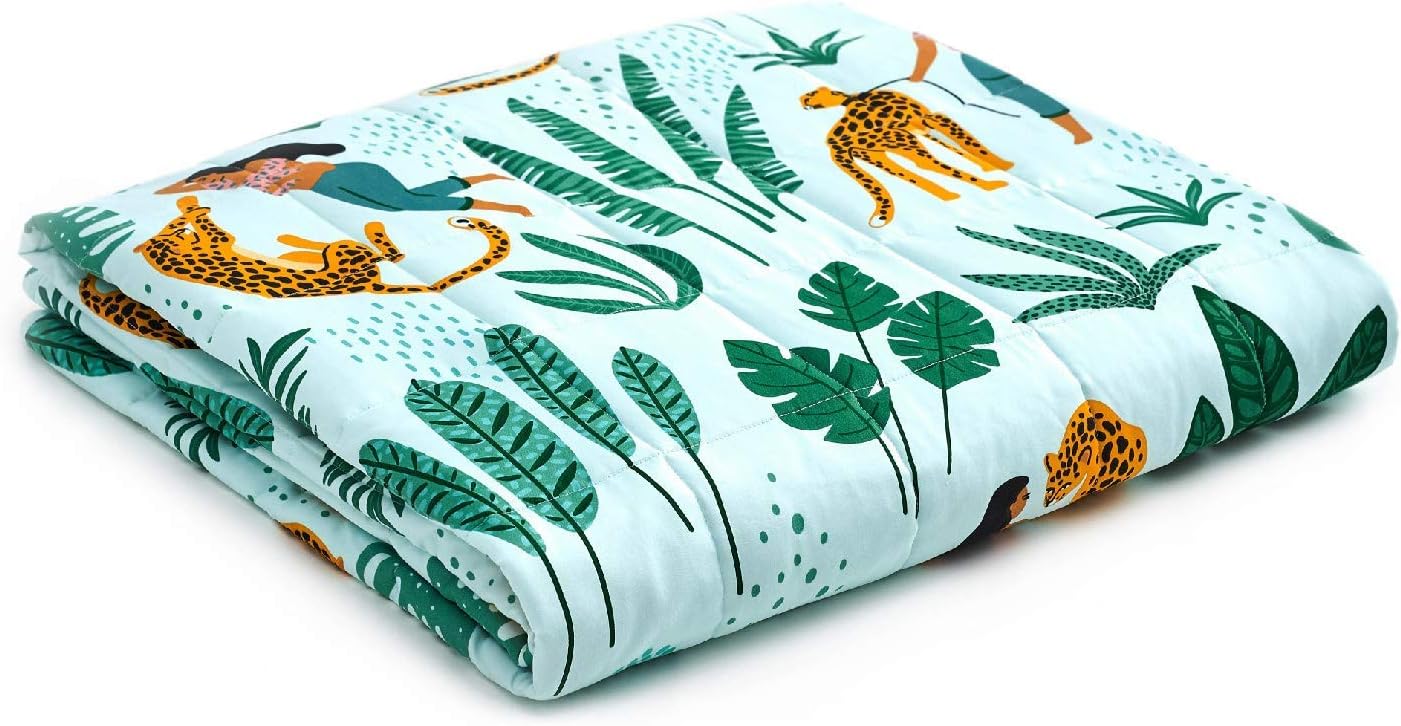
Love the hug of a weighted blanket but hate the heat? YnM solves this by encasing premium glass beads in a 100% bamboo viscose shell. The fabric is cool and slick, preventing the heat retention common with minky or fleece weighted blankets.
Weighted blankets have exploded in popularity due to their ability to reduce anxiety and improve sleep quality through deep pressure stimulation. The problem is that most weighted blankets are made with fleece or minky covers, which trap heat like a sauna. The YnM Bamboo Weighted Blanket solves this problem entirely by pairing the calming weight of glass beads with the cooling properties of bamboo fabric.
The YnM features a 7-layer construction that includes a quilted bamboo outer shell, a polyester inner layer, and a glass bead filling. The 7-layer design ensures even weight distribution and prevents the beads from shifting or leaking. Each square is individually stitched to keep the beads in place, providing consistent pressure across your entire body.
Available in weights ranging from 15 to 25 pounds, the YnM can be customized to your specific needs. The recommended weight is approximately 10% of your body weight, and the brand provides a helpful sizing guide on their product page. The blanket is also available in multiple sizes, so you can choose the coverage that works best for your bed or couch.
It is important to note that weighted blankets require more care than standard blankets. The YnM should be spot cleaned or placed in a duvet cover for machine washing. Direct machine washing is not recommended due to the weight and the potential for bead damage. However, the bamboo cover is easy to remove and wash, and the duvet cover option also allows you to customize the look of your weighted blanket.
Pros
- Calming weighted pressure (15-25 lbs options)
- Cool-to-touch bamboo shell
- 7-layer structure prevents bead leakage
- Even weight distribution
- Available in multiple sizes and weights
Cons
- Spot clean only (requires a duvet cover)
- Heavy to move around
- Not ideal for people who toss and turn

4. Bedsure Bamboo Waffle Blanket
Verdict: Best Texture.
The waffle weave is a classic for a reason, it adds texture and depth to your bedding while regulating temperature. Bedsure combines 50% bamboo with 50% cotton for a blend that is more durable than pure bamboo but softer than pure cotton. It is perfect for layering.
The Bedsure Waffle Blanket stands out for its unique aesthetic and tactile experience. The waffle weave creates a three-dimensional texture that adds visual interest to your bedroom while also serving a functional purpose. The small pockets of air created by the weave pattern provide natural insulation in cooler weather while still allowing heat to escape during warmer months.
The bamboo-cotton blend is a smart choice for people who want the benefits of bamboo without the fragility of 100% bamboo fabric. Cotton adds strength and durability, making this blanket more resistant to pilling and wear. It is also easier to care for than pure bamboo, as it can handle slightly more aggressive washing without damage.
The waffle texture also makes this blanket an excellent choice for people who prefer a more substantial feel. Unlike ultra-smooth bamboo blankets that can feel slippery, the waffle weave provides a gentle grip that keeps the blanket in place throughout the night. This is particularly beneficial for restless sleepers who find themselves waking up tangled in smooth fabrics.
Bedsure offers this blanket in a generous range of sizes, from Twin to King, as well as throw sizes for couch use. The color options include classic neutrals like White, Grey, and Beige, as well as more vibrant options like Blue and Sage Green.
Pros
- Durable blend (Bamboo/Cotton)
- Stylish waffle texture adds decor value
- More affordable than 100% bamboo
- Year-round temperature regulation
- Stays in place on the bed
- Machine washable and easy to care for
Cons
- Not as silky/cool as 100% bamboo
- Can snag on pet claws
- Heavier than pure bamboo options

5. Cozy Earth Bamboo Throw
Verdict: Best Luxury Splurge.
Endorsed by celebrities and sleep experts alike, Cozy Earth is the pinnacle of bamboo bedding. This throw is oversized, ultra-draping, and resists pilling better than any other brand we tested. It is an investment piece that feels like pure indulgence.
Cozy Earth rose to fame after being featured on Oprah’s Favorite Things list, and the brand has lived up to the hype. The bamboo throw is made from 100% bamboo viscose that has been processed to create a fabric with an exceptionally smooth, buttery feel. The sateen weave gives it a subtle sheen that looks and feels luxurious.
What sets Cozy Earth apart from other premium bamboo brands is their proprietary finishing process. The fabric undergoes an additional treatment that enhances its softness and reduces pilling, resulting in a blanket that maintains its like-new appearance even after years of use. This attention to detail is reflected in the price, but for those who prioritize quality and longevity, it is a worthwhile investment.
The oversized dimensions of the throw (50 x 70 inches) make it significantly larger than standard throws. This generous sizing is perfect for curling up on the couch, draping over the foot of the bed, or using as a lightweight travel blanket. The extra length also makes it tall-person friendly, a feature that is often overlooked in throw blanket design.
Cozy Earth stands behind their products with a 10-year warranty, one of the longest in the bedding industry. This warranty covers pilling, fading, and manufacturing defects, giving you peace of mind that your investment is protected. The brand also offers a 100-night sleep trial, allowing you to test the blanket in your own home before committing.
Pros
- Superior durability and anti-pilling
- Temperature regulating perfection
- Oversized for maximum coverage
- 10-year warranty
- 100-night sleep trial
- Buttery smooth sateen finish
Cons
- Very expensive
- Limited color selection
- Premium price may not suit all budgets
Bamboo vs. Other Blanket Fabrics
Understanding how bamboo compares to other popular blanket materials helps you make an informed decision about which fabric is right for you. Each material has distinct characteristics that make it suitable for different needs and preferences.
Bamboo vs. Cotton
Cotton has been the standard for bedding for centuries, and for good reason. It is durable, widely available, and affordable. However, when it comes to cooling and moisture management, bamboo has a clear advantage. Cotton absorbs moisture well but holds onto it, which can make the fabric feel heavy and damp. Bamboo absorbs moisture quickly and releases it into the air, keeping you dry and comfortable throughout the night.
In terms of softness, bamboo typically outperforms cotton, especially after multiple washes. Cotton can become rough and scratchy over time, while bamboo maintains its silky feel. The one area where cotton wins is durability. Cotton fibers are naturally stronger than bamboo, making cotton blankets more resistant to wear and tear. However, the gap is narrowing as modern bamboo processing techniques continue to improve.
Bamboo vs. Polyester / Microfiber
Polyester and microfiber are synthetic materials that are inexpensive and widely used in budget bedding. However, they are fundamentally different from bamboo in almost every way. Polyester does not breathe well, trapping heat and moisture against your skin. This creates the “sauna effect” that makes polyester blankets uncomfortable for hot sleepers.
Polyester is also derived from petroleum, making it a non-renewable resource that contributes to microplastic pollution. Bamboo, on the other hand, is a renewable resource that is fully biodegradable. From both a comfort and environmental perspective, bamboo is the superior choice.
Bamboo vs. Fleece
Fleece is warm, soft, and lightweight, making it a popular choice for blankets. However, fleece is essentially a synthetic material made from polyester, which means it shares many of the same drawbacks. Fleece traps heat, generates static electricity, and pills easily over time. It is also a significant contributor to microplastic pollution.
While fleece is excellent for cold-weather use, it is not suitable for year-round comfort. Bamboo offers similar softness without the heat retention, making it a more versatile choice. For people who sleep hot, fleece is almost always too warm, while bamboo provides comfortable coverage in any season.
Bamboo vs. Linen
Linen is another natural fabric with excellent temperature regulation properties. Both bamboo and linen are breathable, moisture-wicking, and naturally antibacterial. However, they differ significantly in feel. Linen has a textured, slightly rough feel that softens with each wash, while bamboo is silky smooth from the first use.
Linen is generally more durable than bamboo and can last for decades with proper care. It is also naturally resistant to dust mites and other allergens. However, linen is more expensive than bamboo and wrinkles easily, which may be a concern for people who prefer a pristine-looking bed. Bamboo offers a better balance of comfort, performance, and value for most people.
Bamboo vs. Wool
Wool is a natural fiber that excels in cold-weather insulation. It is incredibly warm, moisture-wicking, and naturally fire-resistant. However, wool is too warm for most people during the summer months, and it can be itchy against sensitive skin. Bamboo provides a similar level of moisture management without the warmth, making it more suitable for year-round use.
Wool is also more difficult to care for than bamboo, often requiring hand washing or dry cleaning. Bamboo blankets can typically be machine washed on a gentle cycle, making them much more practical for everyday use. For people who want the benefits of natural fiber without the warmth of wool, bamboo is the clear choice.
| Feature | Bamboo | Cotton | Polyester | Linen | Wool |
|---|---|---|---|---|---|
| Cooling | Excellent | Good | Poor | Very Good | Poor |
| Softness | Excellent | Good | Moderate | Moderate | Varies |
| Breathability | Excellent | Good | Poor | Excellent | Good |
| Durability | Good | Very Good | Very Good | Excellent | Excellent |
| Eco-Friendly | Excellent | Moderate | Poor | Very Good | Moderate |
| Price | Moderate-Premium | Affordable | Budget | Premium | Premium |
| Year-Round | Yes | Yes | Summer only | Yes | Winter only |
Seasonal Use Guide: When to Use Your Bamboo Blanket
One of the greatest advantages of bamboo blankets is their year-round versatility. Unlike wool blankets that are too warm for summer or fleece blankets that are insufficient for winter, bamboo adapts to changing temperatures and provides comfortable coverage in any season. Here is a detailed breakdown of how to use your bamboo blanket throughout the year.
Spring
Spring is a transitional season where temperatures can vary dramatically from day to night. A bamboo blanket is ideal for this unpredictability because it naturally adjusts to your body temperature. During warm spring days, the breathable fabric prevents overheating, while on cool spring nights, it provides just enough warmth to keep you comfortable. The moisture-wicking properties are also beneficial during allergy season, as bamboo resists dust mites and other allergens that can trigger symptoms.
For spring use, a medium-weight bamboo blanket (around 300-400 GSM) is ideal. It provides enough coverage for cooler nights without being too warm for mild evenings. If you tend to sleep hot, opt for a lighter weight option (200-300 GSM) and add an extra layer if needed.
Summer
Summer is where bamboo blankets truly shine. The natural cooling properties of bamboo fiber make it the perfect bedding choice for hot, humid nights. Unlike cotton, which can feel heavy and damp when you sweat, bamboo absorbs moisture quickly and releases it into the air, keeping you dry and comfortable. The breathable fabric also allows air to circulate freely, preventing the “oven effect” that occurs with synthetic materials.
For summer use, a lightweight bamboo blanket (150-250 GSM) is recommended. Many hot sleepers find that a single bamboo blanket is sufficient for summer bedding, eliminating the need for sheets, blankets, and comforters. The Dangtop Cooling Blanket is particularly well-suited for summer use due to its diamond weave pattern and ultra-lightweight construction.
Fall
Fall brings cooler temperatures and the return of layering. A bamboo blanket is an excellent base layer that provides softness and moisture management while a heavier comforter or duvet adds warmth. The smooth surface of bamboo prevents friction between layers, keeping your bedding in place throughout the night.
For fall use, a medium-weight bamboo blanket (300-400 GSM) works well as a standalone layer on warmer nights or as a base layer under a duvet on cooler nights. The waffle weave options, like the Bedsure Bamboo Waffle Blanket, are particularly good for fall because the textured weave provides slightly more insulation than smooth satin weaves.
Winter
While bamboo alone may not provide enough warmth for the coldest winter nights, it excels as a base layer under heavier bedding. The moisture-wicking properties prevent the clammy feeling that often occurs when sleeping under thick comforters, and the breathable fabric prevents overheating under multiple layers.
For winter use, pair a bamboo blanket with a down or down-alternative comforter for maximum warmth without the weight. The bamboo layer provides a comfortable, moisture-free surface against your skin, while the comforter traps body heat to keep you warm. This combination is ideal for people who want the benefits of bamboo year-round without sacrificing warmth during the coldest months.
Pro Tip: The Layering System
The most effective way to use bamboo blankets year-round is to adopt a layering system. Start with a fitted sheet (bamboo sheets work best), add a bamboo blanket as your mid-layer, and top with a season-appropriate comforter or duvet. This system allows you to adjust your warmth level by adding or removing layers, ensuring comfortable sleep in any temperature.
Understanding Bamboo Blanket Weave Types
The weave of a bamboo blanket determines not only its appearance but also its performance. Different weave patterns create different textures, levels of breathability, and cooling effects. Understanding these weave types will help you choose a blanket that matches your specific needs and preferences.
Satin Weave
Satin weave is the most common weave used in premium bamboo blankets. It is created by floating the warp threads over several weft threads, creating a smooth, lustrous surface on one side and a matte finish on the other. This weave maximizes the softness of bamboo fiber, resulting in a silky, slippery feel that is immediately cool to the touch.
Satin weave bamboo blankets are excellent for hot sleepers because the smooth surface allows air to circulate freely, preventing heat buildup. The silky texture also reduces friction against your skin, minimizing hair breakage and skin irritation. However, satin weave can be slippery on certain bed sheets, so you may need to use a blanket with a non-slip backing or choose a fitted sheet that grips the mattress.
Sateen Weave
Sateen weave is similar to satin but uses a different thread arrangement that creates a more uniform, subtle sheen. Sateen has a slightly more substantial feel than satin and is generally more durable. It provides excellent drape, falling gracefully over the edges of your bed for a luxurious appearance.
The sateen weave is particularly popular in high-end bamboo bedding because it combines the softness of satin with added durability. It is less prone to snagging than satin and maintains its appearance better over time. If you are looking for a bamboo blanket that looks as good as it feels, sateen is the way to go.
Waffle Weave
Waffle weave, also known as honeycomb weave, creates a distinctive three-dimensional texture that resembles a waffle pattern. This weave creates small pockets of air that provide natural insulation while still allowing heat and moisture to escape. The result is a blanket that is warm enough for cooler temperatures but breathable enough to prevent overheating.
Waffle weave bamboo blankets have a more casual, relaxed appearance than satin or sateen options. They are excellent for everyday use and are particularly popular for throw blankets and living room decor. The textured surface also provides better grip, preventing the blanket from sliding around on the bed or couch.
Jersey Knit
Jersey knit is a stretchy, casual weave that feels like a soft, oversized t-shirt. This weave is created by interlocking loops of yarn, resulting in a fabric that is flexible, breathable, and easy to care for. Jersey knit bamboo blankets are the most casual option and are ideal for everyday use, especially in households with children or pets.
The main advantage of jersey knit is its stretchiness. It conforms to your body shape, providing a snug, comfortable fit that stays in place throughout the night. Jersey knit is also more durable than satin or sateen, as the interlocking loops are less prone to snagging or pulling. The downside is that jersey knit does not have the same silky smooth feel as other weaves, so it may not be the best choice if softness is your top priority.
Crib Weave
Crib weave is a tighter, more structured weave designed specifically for baby and toddler blankets. It creates a smooth, flat surface that is gentle against delicate skin and reduces the risk of loose threads that could pose a choking hazard. Crib weave bamboo blankets are typically lighter weight and smaller than standard blankets, making them ideal for swaddling, stroller use, and crib bedding.
| Weave Type | Feel | Cooling | Durability | Best For |
|---|---|---|---|---|
| Satin | Silky, smooth | Excellent | Moderate | Hot sleepers, luxury |
| Sateen | Buttery, subtle sheen | Very Good | Good | Year-round luxury |
| Waffle | Textured, substantial | Good | Excellent | Layering, decor |
| Jersey Knit | Casual, stretchy | Good | Excellent | Everyday use, families |
| Crib | Smooth, flat | Good | Very Good | Babies, toddlers |
Understanding GSM and Weight in Bamboo Blankets
GSM stands for “Grams per Square Meter” and is the standard measurement used to determine the weight and thickness of a fabric. Understanding GSM is essential when shopping for bamboo blankets because it directly affects warmth, drape, and overall feel.
What Does GSM Mean?
GSM measures the density of the fabric, not the weight of the blanket itself. A higher GSM means more fiber per square inch, resulting in a thicker, heavier, and warmer blanket. A lower GSM means less fiber, resulting in a thinner, lighter, and cooler blanket. The GSM of bamboo blankets typically ranges from 150 to 500, with each range suited to different uses and preferences.
Low GSM (150-250): Lightweight
Lightweight bamboo blankets in the 150-250 GSM range are ideal for summer use and hot sleepers. They provide minimal warmth while maximizing breathability and moisture management. These blankets feel almost weightless against your skin, making them perfect for people who dislike the heaviness of traditional bedding. Low GSM blankets are also excellent for travel, as they fold down to a compact size that fits easily into luggage.
Medium GSM (250-400): All-Season
Medium-weight bamboo blankets in the 250-400 GSM range are the most versatile option. They provide enough warmth for cool nights while still being breathable enough for warmer weather. This is the “Goldilocks zone” for most people, offering the perfect balance of comfort and temperature regulation. If you are buying your first bamboo blanket, a medium GSM option is the safest choice.
High GSM (400-500): Warm
High GSM bamboo blankets in the 400-500 range are designed for cooler climates and winter use. They provide significant warmth while still benefiting from bamboo’s natural breathability. These blankets feel more substantial and luxurious, with a heavier drape that many people find comforting. However, they may be too warm for hot sleepers, even during winter months.
GSM vs. Thread Count: What Matters More?
While thread count gets most of the marketing attention, GSM is actually a more reliable indicator of blanket quality and performance. A high GSM with a lower thread count will generally outperform a low GSM with a high thread count in terms of warmth, durability, and overall feel. Always check the GSM when comparing bamboo blankets, as it provides a more accurate picture of what to expect.
Bamboo Blankets for Kids and Toddlers
Children have unique bedding needs that differ significantly from adults. Their skin is more sensitive, they regulate temperature differently, and they tend to be rougher on fabrics. Bamboo blankets address all of these concerns naturally, making them an excellent choice for children of all ages.
Why Bamboo is Ideal for Children
Children’s skin is thinner and more sensitive than adult skin, making them more susceptible to irritation from rough fabrics and harsh chemicals. Bamboo’s naturally smooth fiber surface is gentle against delicate skin, reducing the risk of rashes and irritation. The hypoallergenic properties of bamboo also help protect children from dust mites, mold, and other common allergens that can trigger respiratory issues.
Temperature regulation is particularly important for children, as they are less efficient at maintaining their core body temperature. Overheating during sleep is a known risk factor for Sudden Infant Death Syndrome (SIDS) in babies, making breathable bedding a critical safety consideration. Bamboo’s natural breathability helps keep children at a safe, comfortable temperature throughout the night.
Bamboo Blankets for Newborns
For newborns, a lightweight bamboo swaddle blanket (typically 30 x 40 inches) is the safest and most comfortable option. Bamboo swaddles are soft enough to wrap snugly around a baby without restricting movement, and the breathable fabric reduces the risk of overheating. Look for blankets with a tight crib weave that minimizes loose threads and provides a smooth, consistent surface.
When choosing a bamboo blanket for a newborn, always select one that meets the OEKO-TEX Standard 100 certification. This ensures the fabric has been tested for over 100 harmful substances and is safe for direct contact with a baby’s skin. Avoid blankets with decorative elements like ribbons, buttons, or embellishments that could pose a choking hazard.
Toddler and Child Blankets
Toddlers and young children are more active sleepers who tend to kick off blankets and toss and turn throughout the night. A slightly heavier bamboo blanket (250-350 GSM) in a Twin size (66 x 90 inches) provides enough weight to stay in place while remaining light enough for a child to move independently. The moisture-wicking properties are particularly beneficial for children who sweat during sleep, keeping them dry and comfortable.
For older children and pre-teens, a Full or Queen-sized bamboo blanket provides more coverage and allows room for growth. Many children in this age group prefer the texture of waffle weave or jersey knit blankets, which feel more casual and less “babyish” than smooth satin options.
Care Tips for Children’s Bamboo Blankets
Children’s blankets tend to get dirty more frequently than adult bedding, so ease of care is an important consideration. Bamboo blankets can generally be machine washed on a gentle cycle with cold water, making them easy to clean even for busy parents. Use a mild, fragrance-free detergent to avoid irritating sensitive skin, and avoid fabric softeners, which can reduce the natural moisture-wicking properties of bamboo fiber.
For stains, treat them immediately with a gentle stain remover before washing. Bamboo fiber is naturally stain-resistant, but set-in stains can be difficult to remove. For best results, wash stained blankets in cold water and air dry whenever possible.
Safety Note for Infants
For infants under 12 months, loose blankets should not be used in the crib due to SIDS risk. Instead, use a wearable bamboo sleep sack or swaddle that provides warmth without the risk of sufficiency. Always follow safe sleep guidelines from the American Academy of Pediatrics.
Sustainability and Environmental Impact of Bamboo Bedding
As consumers become more environmentally conscious, the sustainability of their bedding choices has become an important consideration. Bamboo stands out as one of the most eco-friendly materials available for textile production, but the picture is more nuanced than many marketing claims suggest.
The Environmental Benefits of Bamboo
Bamboo is one of the fastest-growing plants on Earth, capable of growing up to three feet in a single day. It requires no pesticides, fertilizers, or irrigation, and it regenerates quickly after harvesting without needing to be replanted. A bamboo forest produces 35% more oxygen than an equivalent stand of trees and absorbs significantly more carbon dioxide.
Bamboo also helps prevent soil erosion. Its extensive root system holds soil in place, reducing runoff and preventing degradation. This makes bamboo cultivation beneficial for the land it grows on, unlike cotton farming, which is notorious for depleting soil nutrients and contributing to desertification.
The Processing Concerns
While the bamboo plant itself is highly sustainable, the process of converting it into fabric raises some environmental concerns. The viscose process uses sodium hydroxide and carbon disulfide, both of which are toxic chemicals that can harm workers and the environment if not properly managed. However, modern manufacturing practices have significantly reduced these risks, with many factories now recycling up to 99% of the chemicals used in the process.
Bamboo lyocell represents the most environmentally friendly option, using a closed-loop solvent spinning process that recovers and reuses all solvents. If environmental impact is a top priority for you, choosing a lyocell bamboo blanket is the best way to minimize your ecological footprint.
End-of-Life Considerations
One of the most significant environmental advantages of bamboo bedding is its biodegradability. Unlike polyester or microfiber blankets, which can take hundreds of years to decompose and release microplastics into the environment, bamboo blankets break down naturally within a few years. When your bamboo blanket reaches the end of its life, it can be composted rather than sent to a landfill.
This biodegradability is an often-overlooked advantage that becomes more significant as the environmental impact of textile waste becomes increasingly apparent. The fashion and textile industry is one of the largest contributors to global pollution, and choosing biodegradable materials like bamboo is one way individuals can make a positive difference.
How to Verify Sustainability Claims
Not all brands that claim to be “eco-friendly” are equally sustainable. Look for specific certifications like FSC (Forest Stewardship Council), OEKO-TEX, and GOTS to verify that the bamboo was responsibly sourced and processed. Avoid brands that make vague sustainability claims without providing specific evidence or third-party verification.
How to Wash Bamboo Blankets: The Golden Rules
Bamboo is a delicate natural fiber. Washing it like denim will ruin it. To maintain that silky softness for years, follow these essential care guidelines:
Washing Instructions
- Cold Water Only: Heat breaks down the fibers, causing pilling and shrinking. Always use the cold water setting on your washing machine, and avoid hot water at all costs.
- Gentle Detergent: Use a mild, liquid detergent without bleach, fabric softeners, or optical brighteners. These chemicals can damage the bamboo fibers and reduce the fabric’s natural moisture-wicking properties.
- Gentle Cycle: Set your washing machine to the delicate or gentle cycle to minimize agitation. Aggressive spinning can cause the fibers to stretch and distort.
- Wash Separately: Wash bamboo blankets separately from rough fabrics like jeans, towels, or items with zippers and buttons. These can snag and pill the bamboo surface.
- Full Load Only: Wash bamboo blankets with similar items to prevent them from bunching up and getting damaged during the wash cycle.
Drying Instructions
- Line Dry is Best: Air drying is the gentlest and most effective way to dry bamboo blankets. Hang the blanket on a clothesline or drying rack in a shaded area, and it will dry within a few hours.
- Low Heat if Necessary: If you must use a dryer, set it to the lowest possible heat setting (Air Fluff or Delicate). Remove the blanket while it is still slightly damp to prevent over-drying, which can cause the fibers to become brittle.
- Avoid Direct Sunlight: While air drying is recommended, avoid drying bamboo blankets in direct sunlight for extended periods. UV radiation can weaken the fibers and cause colors to fade.
- No Dryer Sheets: Skip the dryer sheets, as they can coat the bamboo fibers with a residue that reduces breathability and moisture-wicking performance.
Stain Removal
For small stains, treat them immediately with a gentle stain remover. Apply the stain remover directly to the affected area, let it sit for 5-10 minutes, then wash the blanket as usual. Avoid rubbing the stain, as this can damage the fibers and spread the stain further. For stubborn stains, soak the blanket in cold water with a small amount of white vinegar before washing.
Dealing with Pilling
Pilling is a natural occurrence in bamboo fabric, caused by friction between fibers during use and washing. While it is impossible to prevent entirely, you can minimize pilling by following the care instructions above and avoiding rough surfaces. If pilling does occur, use a fabric shaver or sweater stone to gently remove the pills without damaging the underlying fabric.
Never Do These
- Never use bleach or chlorine-based detergents
- Never iron bamboo blankets (the heat will damage the fibers)
- Never dry clean bamboo blankets (the chemicals are too harsh)
- Never wring or twist bamboo blankets to remove water
- Never store bamboo blankets while damp (this promotes mold growth)
Storage and Long-Term Maintenance Tips
Proper storage is essential for maintaining the quality and longevity of your bamboo blanket. Improper storage can lead to moisture damage, mold growth, yellowing, and fiber degradation. Follow these guidelines to keep your bamboo blanket in perfect condition when it is not in use.
Cleaning Before Storage
Always wash and completely dry your bamboo blanket before storing it. Even small amounts of moisture can promote mold and mildew growth, which can cause permanent damage to the fabric. Body oils, sweat, and skin cells can also attract insects and cause yellowing over time. Wash the blanket according to the care instructions above, and ensure it is 100% dry before folding and storing.
Folding vs. Rolling
When storing bamboo blankets, rolling is generally preferable to folding. Folding creates creases that can become permanent over time, especially in thinner bamboo fabrics. Rolling distributes the weight evenly and minimizes creasing. If you must fold the blanket, refold it periodically to prevent permanent crease lines from forming.
Storage Container
Store bamboo blankets in a breathable cotton storage bag or a clean pillowcase. Avoid plastic containers or vacuum-sealed bags, which can trap moisture and cause mildew. Cotton bags allow air to circulate while protecting the blanket from dust, insects, and light exposure. If you need extra protection, place a natural moth repellent like cedar blocks or lavender sachets near the storage area.
Temperature and Humidity
Store bamboo blankets in a cool, dry, and dark location. Avoid attics, garages, or basements where temperature and humidity fluctuations are common. The ideal storage environment is a closet or bedroom with consistent temperature and low humidity. Avoid storing bamboo blankets near windows where sunlight can cause fading, or near heating vents where excessive heat can damage the fibers.
Refreshing After Storage
Before using a bamboo blanket that has been in storage, give it a quick refresh. Shake it out to remove dust and restore its loft, then tumble it on the air fluff setting for 10-15 minutes to remove any musty odors. If the blanket feels stiff after storage, a gentle wash and air dry will restore its softness.
Seasonal Rotation Tip
If you have multiple bamboo blankets, rotate them seasonally. Use lighter blankets during warm months and heavier ones during cooler months. Rotating blankets also extends their lifespan by distributing wear and tear across multiple pieces. Label your storage bags with the blanket’s weight (GSM) and size for easy identification when you need to switch.
Bamboo Blankets and Allergies
Allergies affect millions of people worldwide, and bedding is one of the most common sources of allergen exposure. Dust mites, mold, mildew, and pet dander can all accumulate in blankets, triggering symptoms that disrupt sleep and reduce quality of life. Bamboo blankets offer several natural properties that make them an excellent choice for allergy sufferers.
Natural Antimicrobial Properties
Bamboo contains a natural bio-agent called “bamboo kun,” which provides inherent antibacterial and antifungal properties. This natural antimicrobial agent inhibits the growth of bacteria, mold, and mildew on the fabric, reducing the concentration of allergens in your bedding. Studies have shown that bamboo fabric resists bacterial growth 70% better than cotton, making it a superior choice for people with allergies.
Dust Mite Resistance
Dust mites are microscopic creatures that feed on dead skin cells and thrive in warm, humid environments. They are one of the most common triggers of indoor allergies and asthma. Bamboo’s natural moisture-wicking properties create a dry environment that is inhospitable to dust mites, reducing their population in your bedding. The smooth fiber surface also makes it difficult for dust mites to cling to the fabric, further reducing exposure.
Hypoallergenic Properties
Bamboo is naturally hypoallergenic, meaning it is unlikely to cause allergic reactions. The smooth fiber surface does not harbor allergens like pollen, pet dander, or mold spores, and the fabric can be easily washed to remove any accumulated particles. For people with sensitive skin or contact allergies, bamboo’s gentle, chemical-free fiber is far less likely to cause irritation than synthetic materials.
Reducing Allergens in Your Bedding
While bamboo blankets provide a natural defense against allergens, they are not a complete solution. To maximize the allergy-reducing benefits of bamboo bedding, follow these additional steps:
- Wash regularly: Wash your bamboo blanket at least once every two weeks in hot water (130°F or higher) to kill dust mites and remove allergens.
- Use allergen-proof covers: For severe allergies, encase your pillow and mattress in allergen-proof covers to create a barrier between you and accumulated allergens.
- Control humidity: Keep bedroom humidity below 50% using a dehumidifier or air conditioner. Dust mites and mold thrive in humid environments.
- Vacuum regularly: Vacuum your bedroom floor, curtains, and upholstered furniture regularly to reduce airborne allergens.
Bamboo vs. Hypoallergenic Synthetics
Many synthetic blankets are marketed as “hypoallergenic,” but these claims are often based on the fabric being tightly woven rather than having natural antimicrobial properties. Bamboo provides both the tight weave advantage and the natural antimicrobial benefit, making it a more comprehensive solution for allergy sufferers.
Bamboo Blankets for Sensitive Skin
People with sensitive skin conditions like eczema, psoriasis, or dermatitis often struggle to find bedding that does not aggravate their symptoms. The wrong fabric can cause itching, irritation, and flare-ups that disrupt sleep and reduce quality of life. Bamboo blankets offer several advantages for sensitive skin that make them a preferred choice among dermatologists and allergists.
Why Bamboo is Gentle on Skin
Bamboo fiber has a naturally round, smooth surface that lacks the sharp edges and rough texture found in many other fibers. This smoothness means less friction against your skin, reducing the mechanical irritation that can trigger eczema flare-ups and other skin reactions. The fiber is also naturally moisture-wicking, keeping your skin dry and preventing the irritation that comes from sleeping in damp conditions.
Chemical-Free Processing
Many synthetic fabrics are treated with chemical finishes, dyes, and softeners that can irritate sensitive skin. Bamboo blankets, particularly those with OEKO-TEX certification, have been tested for over 100 harmful substances and are free from formaldehyde, heavy metals, and other skin irritants. This makes them a safer choice for people with chemical sensitivities or skin conditions that are triggered by synthetic treatments.
Temperature Regulation for Skin Health
Overheating during sleep is a common trigger for eczema and other inflammatory skin conditions. The heat and moisture trapped against the skin by non-breathable fabrics can cause itching, redness, and discomfort. Bamboo’s natural cooling properties help maintain a comfortable skin temperature, reducing the likelihood of heat-related flare-ups. The moisture-wicking properties also prevent the damp environment that can promote bacterial growth and skin irritation.
Care Tips for Sensitive Skin
People with sensitive skin should take extra care when washing their bamboo blankets. Use a fragrance-free, hypoallergenic detergent, and avoid fabric softeners, which can leave a residue that irritates sensitive skin. Double-rinse the blanket to ensure all detergent is removed, and use a gentle wash cycle to minimize fiber agitation. Air drying is preferred, as the heat from a dryer can sometimes create static that irritates sensitive skin.
Bamboo Blankets and Pet Owners
Many pet owners struggle with the conflict between wanting their pets on the bed and keeping their bedding clean and comfortable. Bamboo blankets offer several advantages for households with pets, but there are also some considerations to keep in mind.
Advantages for Pet Owners
Bamboo’s natural antimicrobial properties help combat the bacteria and odors that pets inevitably bring into the bedroom. The fabric resists the growth of bacteria that cause pet odors, keeping your bedding fresher for longer between washes. Bamboo is also naturally resistant to dust mites, which can be a problem for people who are allergic to their pets.
The smooth surface of bamboo makes it easy to remove pet hair. Unlike cotton or fleece, which tend to trap hair in their fibers, bamboo’s smooth surface allows hair to be easily shaken off or vacuumed. This is a significant advantage for people with cats or dogs that shed heavily.
Protecting Your Bamboo Blanket
While bamboo is durable, pet claws can snag and damage the fabric, particularly satin and sateen weaves. If your pet likes to knead or dig at bedding, consider using a waffle weave or jersey knit blanket, which are more resistant to snags. You can also use a bamboo blanket with a duvet cover that can be easily removed and washed when it gets dirty.
For pet owners who want to keep their bamboo blanket looking its best, regular maintenance is key. Vacuum the blanket weekly with a handheld upholstery attachment to remove pet hair and dander. Wash the blanket more frequently than you would for human-only use, following the care instructions above.
Bamboo vs. Other Fabrics for Pet Hair
When it comes to pet hair management, bamboo is one of the best fabric choices available. Here is how it compares to other common blanket materials:
- vs. Cotton: Cotton tends to hold onto pet hair, requiring more aggressive cleaning methods. Bamboo’s smooth surface releases hair more easily.
- vs. Polyester/Microfiber: Polyester generates static electricity that attracts and holds pet hair. Bamboo does not generate static, making it much easier to clean.
- vs. Fleece: Fleece is a pet hair magnet that is extremely difficult to clean. Bamboo is far superior for pet hair management.
- vs. Wool: Wool can be difficult to clean and may felt when washed with pet hair. Bamboo is easier to maintain in pet households.
The Best Bamboo Blankets for Hot Sleepers
Hot sleepers face a unique challenge: they need the comforting weight of a blanket but cannot tolerate the heat that most bedding materials trap. Bamboo blankets solve this problem better than any other material on the market. Here is a detailed look at why bamboo is the ultimate solution for people who run hot during sleep, and which of our top picks is best for different types of hot sleepers.
Why Hot Sleepers Need Bamboo
The human body naturally drops in temperature during sleep, and the bedroom should be kept between 60-67°F (15-19°C) for optimal sleep quality. However, non-breathable bedding materials can trap body heat, creating a microclimate around your body that is significantly warmer than the room temperature. This trapped heat disrupts your body’s natural cooling process, leading to restless sleep, night sweats, and frequent waking.
Bamboo’s natural structure addresses this problem at the fiber level. The micro-gaps and micro-holes in bamboo fiber create channels that allow air to flow freely through the fabric, carrying away excess heat and moisture. The moisture-wicking properties also play a crucial role: as sweat evaporates from the fabric surface, it creates a cooling effect that helps regulate your body temperature.
Top Pick for Extreme Hot Sleepers
If you are an extreme hot sleeper who regularly wakes up drenched in sweat, the Dangtop Cooling Blanket is our top recommendation. Its diamond weave pattern creates maximum airflow, and the ultra-lightweight construction provides minimal insulation while still offering the comforting coverage of a blanket. Many users report that this blanket feels cold to the touch, even at room temperature.
Top Pick for Moderate Hot Sleepers
Moderate hot sleepers who need some warmth but want to avoid overheating will find the Luxome Lightweight Blanket to be the perfect balance. The satin weave provides immediate coolness, while the medium weight offers enough substance to feel like a real blanket rather than a thin sheet. This is the best all-around choice for people who want cooling without sacrificing comfort.
Additional Tips for Hot Sleepers
While switching to a bamboo blanket is the most impactful change you can make, these additional tips can further improve your sleep temperature:
- Use bamboo sheets: Pair your bamboo blanket with bamboo sheets for maximum cooling coverage. The entire surface of your bed will then be breathable and moisture-wicking.
- Choose light colors: Light-colored bedding reflects heat rather than absorbing it, providing a slightly cooler sleeping surface.
- Opt for a lower thread count: While higher thread counts are generally considered better quality, they can also reduce breathability. A 300-400 thread count bamboo blanket provides the best balance of softness and airflow.
- Keep the room cool: Maintain your bedroom temperature between 60-67°F for optimal sleep. Use a fan or air conditioner to supplement your bamboo bedding.
- Layer strategically: Instead of one thick blanket, use multiple thin layers that can be added or removed as needed. Bamboo blankets are perfect for this layering approach.
Bamboo Blankets for Night Sweats
Night sweats affect up to 41% of women and 31% of men, according to a study published in the journal Sleep. Whether caused by menopause, medication side effects, sleep disorders, or other medical conditions, night sweats can significantly disrupt sleep quality and overall well-being. Bamboo blankets offer several specific benefits for people who experience night sweats.
How Bamboo Helps with Night Sweats
The primary benefit of bamboo for night sweats is its exceptional moisture absorption. Bamboo fiber can absorb up to three times its weight in water, meaning it can pull large amounts of sweat away from your body in a short period. Unlike cotton, which becomes heavy and saturated when wet, bamboo releases moisture quickly into the air through evaporation. This keeps you dry and prevents the uncomfortable, clammy feeling that accompanies night sweats.
The breathability of bamboo fabric also helps prevent future night sweats by maintaining a stable body temperature throughout the night. When your body overheats, the triggers that cause sweating are more likely to activate. By keeping your skin cool and dry, bamboo helps prevent the temperature spikes that lead to sweating episodes.
Managing Night Sweats with Bamboo
To get the most benefit from bamboo bedding when dealing with night sweats, consider the following strategies:
- Invest in multiple blankets: Night sweats can soak through a single blanket quickly. Having two or three lightweight bamboo blankets allows you to swap them out during the night if needed.
- Choose the lightest weight: A lightweight bamboo blanket (150-250 GSM) will dry faster and provide less insulation, helping to prevent overheating.
- Use a waterproof mattress protector: Pair your bamboo blanket with a breathable waterproof mattress protector to protect your mattress from sweat damage.
- Wash frequently: Wash your bamboo blanket after every 2-3 uses during periods of heavy night sweating to prevent bacteria growth and odor buildup.
When to See a Doctor
While bamboo blankets can help manage the symptoms of night sweats, they are not a cure. If you experience persistent night sweats that disrupt your sleep or are accompanied by other symptoms like fever, weight loss, or fatigue, consult a healthcare professional to rule out underlying medical conditions.
Bamboo Blanket Gift Ideas
A bamboo blanket makes an exceptional gift for anyone on your list. It is a practical, luxurious present that most people would not buy for themselves, making it a thoughtful and memorable choice. Here are some ideas for different occasions and recipients.
Wedding and Housewarming Gifts
A king-sized bamboo blanket is one of the best wedding gifts you can give. Newlyweds are often building their bedding collection from scratch, and a premium bamboo blanket elevates their bedroom in a way that feels both practical and indulgent. The Luxome Lightweight Blanket or the Cozy Earth Bamboo Throw are excellent choices for this occasion, as they look and feel genuinely luxurious.
For housewarming gifts, a throw-sized bamboo blanket is perfect. It is large enough to be useful but small enough to fit in any space. The Bedsure Bamboo Waffle Blanket in a neutral color works beautifully as a decorative throw that also happens to be incredibly comfortable.
Gifts for Hot Sleepers
If someone on your list complains about sleeping hot, a bamboo blanket is the perfect solution. The Dangtop Cooling Blanket is an affordable option that makes a great gift without breaking the bank. Include a handwritten note explaining the cooling properties of bamboo, and they will appreciate both the gift and the thought behind it.
Gifts for New Parents
Bamboo swaddle blankets are a must-have for new parents. They are softer than cotton, naturally antibacterial, and gentle on baby’s delicate skin. Consider gifting a set of 2-3 bamboo swaddle blankets in different colors, along with a gift card for a bamboo crib sheet set. This combination provides practical value while introducing the parents to the benefits of bamboo bedding.
Self-Care Gifts
For someone who deserves a little pampering, create a self-care gift set centered around a bamboo blanket. Include the blanket along with bamboo pillowcases, a sleep mask, lavender pillow spray, and a cozy pair of socks. This thoughtful combination shows that you care about their comfort and well-being.
Gift Wrapping and Presentation
Presentation matters when giving a bamboo blanket as a gift. Roll the blanket instead of folding it, and wrap it in a reusable cotton tote or a decorative gift box. Add a ribbon and a card that explains the benefits of bamboo bedding. Many people are not familiar with bamboo’s cooling and hypoallergenic properties, so a brief explanation can make the gift even more meaningful.
Frequently Asked Questions
Final Verdict
After extensive testing and research, we are confident in our top picks for the best bamboo blankets available. Each blanket excels in a specific area, making it easy to choose the right one for your needs:
For the ultimate combination of luxury, cooling, and quality, the Luxome Lightweight Blanket is our top recommendation. It offers the perfect balance of softness, breathability, and durability that makes it suitable for almost everyone. The satin weave provides immediate coolness, while the medium weight offers enough substance to feel like a real blanket rather than a thin sheet.
If you are looking to stay cool on a budget, you cannot beat the performance of the Dangtop Cooling Blanket. Its diamond weave pattern creates maximum airflow, making it the coolest-feeling bamboo blanket we tested. At its price point, it offers exceptional value and is a great introduction to bamboo bedding for first-time buyers.
For people who love the calming effect of weighted blankets but struggle with the heat, the YnM Bamboo Weighted Blanket is the solution. The combination of deep pressure stimulation and bamboo’s cooling properties creates a uniquely comfortable sleeping experience that neither a standard weighted blanket nor a regular bamboo blanket can match.
The Bedsure Bamboo Waffle Blanket is perfect for those who prefer texture and versatility. The waffle weave adds visual interest to your bedroom while providing year-round temperature regulation. The bamboo-cotton blend makes it more durable and easier to care for than pure bamboo options.
Finally, for those who want only the best and are willing to invest in premium quality, the Cozy Earth Bamboo Throw delivers a genuinely luxurious experience. The oversized dimensions, buttery softness, and 10-year warranty make it an investment that will pay dividends for years to come.
Whatever your choice, switching to a bamboo blanket is one of the best investments you can make for your sleep quality. The cooling, hypoallergenic, and sustainable properties of bamboo make it superior to cotton, polyester, and most other bedding materials. Your body will thank you for the cooler, more comfortable sleep, and the planet will thank you for choosing a renewable, biodegradable material.
Sleep cool and enjoy the silky touch of bamboo!