Table of Contents
- Satin Pillowcase vs Silk Pillowcase: The Ultimate Beauty Sleep Showdown
- Quick Comparison: At a Glance
- The Core Difference: Fiber vs. Weave
- Cotton vs Silk vs Satin Pillowcase: The Three-Way Showdown
- Silk Pillowcase vs Bamboo Pillowcase
- Three-Way Comparison Table
- Round 1: Hair Health and Frizz Control
- Silk vs Satin Pillowcase for Curly Hair
- Silk vs Satin for Braids and Protective Styles
- Silk Pillowcase for Hair Loss and Growth
- Silk Pillowcase for Frizzy Hair Solutions
- Round 2: Skin Benefits and Acne
- Silk Pillowcase for Acne Scars and Hyperpigmentation
- Silk Pillowcase for Wrinkle Prevention
- Silk Pillowcase for Eczema and Sensitive Skin
- Round 3: Temperature Regulation
- Silk vs Satin for Hot Sleepers
- Silk Pillowcase and Sleep Apnea
- Round 4: Durability and Maintenance
- How to Wash a Silk Pillowcase: Complete Guide
- How to Wash a Satin Pillowcase
- Momme Weight Guide: How to Buy Silk
- How to Tell Real Silk from Fake Silk
- Silk Pillowcase Thread Count Myth
- Best Silk Pillowcase Brands (2025 Guide)
- Best Satin Pillowcase Brands (2025 Guide)
- Silk and Satin Pillowcase Sizing Guide
- Pillowcase Color Guide: What to Choose
- Are Silk Pillowcases Good for Sleep Apnea?
- Silk Pillowcase Allergy Test: Are You Allergic?
- Satin vs Polyester Pillowcase: What’s the Difference?
- Silk and Satin Pillowcases for Men
- Eco-Friendly and Sustainable Silk Pillowcase Options
- Silk Pillowcase Before and After: What to Expect
- Integrating Into Your Cozy Home
- Silk Pillowcase Storage Tips
- Which is Better for You?
- Pros and Cons Summary
- Final Verdict
- Frequently Asked Questions (FAQ)
Satin Pillowcase vs Silk Pillowcase: The Ultimate Beauty Sleep Showdown
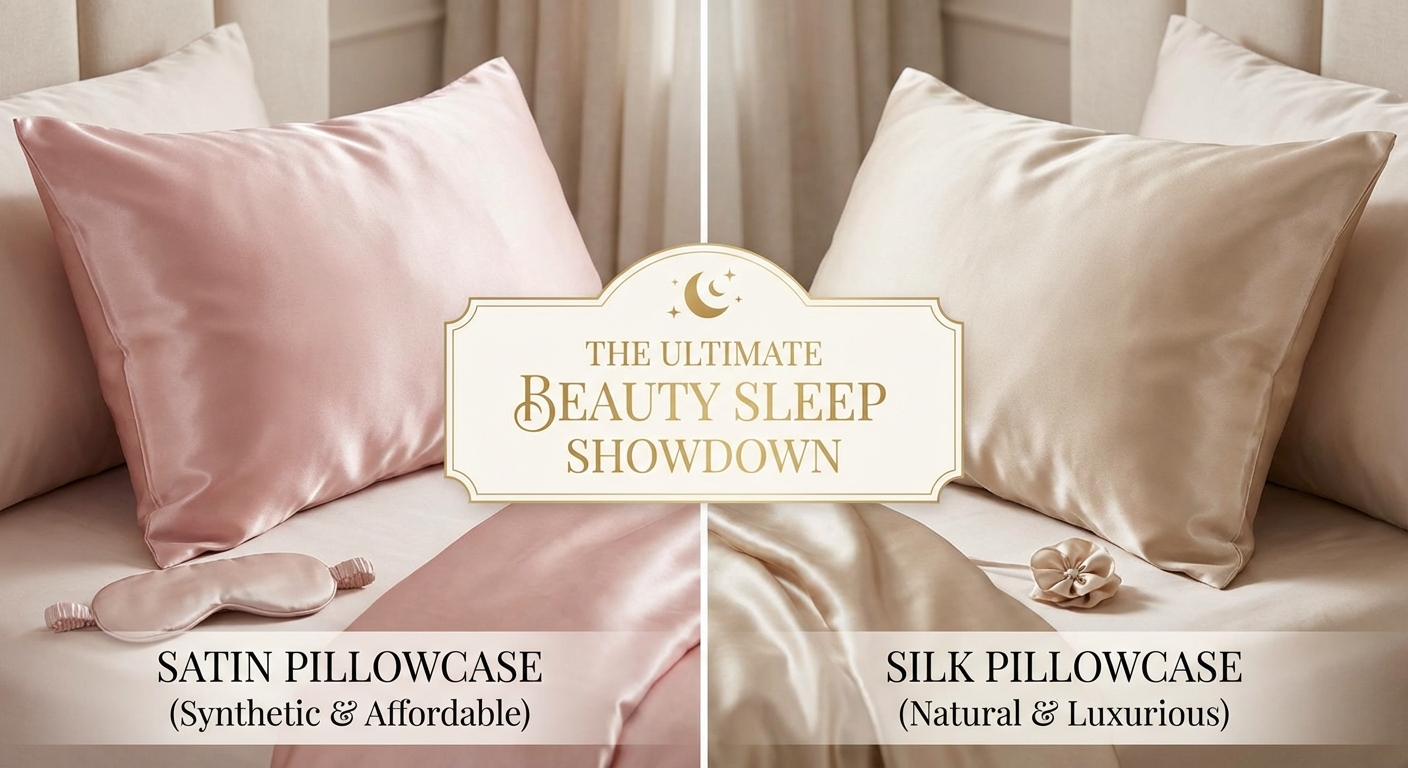
The quest for the perfect night’s sleep often stops at mattresses and blankets, but the surface where you rest your head is arguably the most critical factor for your beauty routine. The debate of the satin pillowcase vs silk pillowcase has raged on beauty blogs and dermatology forums for years. Both promise to banish bedhead, reduce sleep wrinkles, and elevate your bedroom aesthetic, but they are fundamentally different products with vastly different price tags.
While upgrading your bedding with cozy home essentials creates a sanctuary, choosing the right pillowcase material is a science. Are you paying for a brand name, or does the protein structure of silk actually change your skin? Is satin just a cheap imitation, or a durable alternative for the practical sleeper?
In this comprehensive guide, we strip away the marketing fluff to compare these two contenders head-to-head on friction, absorption, temperature regulation, and durability. Whether you are looking for the best silk pillowcase for curly hair, trying to figure out if satin pillowcases cause acne, or simply want to know how to tell real silk from fake silk, this guide covers every angle of the silk vs satin debate.
Quick Comparison: At a Glance
For those in a hurry, here is the breakdown of the key differences between silk and satin.
| Feature | Mulberry Silk | Synthetic Satin |
|---|---|---|
| Material Origin | Natural protein fiber (Silkworm) | Synthetic weave (Polyester, Nylon, Rayon) |
| Breathability | High (Temperature regulating) | Low (Can trap heat) |
| Absorbency | Low-Medium (Good for skin oils) | Non-absorbent (Great for keeping creams on face) |
| Price Range | $20 – $90+ | $5 – $20 |
| Maintenance | Delicate (Hand wash preferred) | Easy (Machine wash durable) |
| Hypoallergenic | Yes (Naturally resistant to mites) | No (Unless specifically treated) |
| Static Resistance | Natural anti-static properties | Can generate static in dry climates |
| Lifespan | 1-3 years with proper care | 6 months – 1 year with regular use |
| Eco-Friendliness | Biodegradable (if not dyed with harsh chemicals) | Not biodegradable; releases microplastics |
| Skin Contact Feel | Warm, smooth, slightly textured | Cool, slippery, plasticky |
The Core Difference: Fiber vs. Weave
To understand the satin pillowcase vs silk pillowcase debate, you must first understand a crucial textile distinction. Silk is a fiber; Satin is a weave.
What is Silk?
Silk is a natural protein fiber produced by silkworms. It is widely regarded as one of the strongest natural fibers in the world. Just as we compare high-end wools in our guide on cashmere wool vs merino wool, silk is the gold standard for luxury. It is breathable, hypoallergenic, and contains amino acids that are compatible with human skin.
The protein structure of silk consists primarily of fibroin (75-80%) and sericin (20-25%). These proteins are remarkably similar to the proteins found in human skin and hair, which is why silk feels so natural against your body. Unlike synthetic materials, silk contains 18 essential amino acids that help maintain moisture balance in both skin and hair follicles.
What is Satin?
Satin is not a raw material. You cannot go out and harvest “satin.” It is a type of weave that creates a glossy surface on one side and a dull surface on the other. While you can technically have “silk satin” (silk threads woven in a satin weave), 99% of “satin pillowcases” on the market are made from synthetic fibers like polyester or rayon. For the purpose of this comparison, we are referring to synthetic polyester satin.
The satin weave technique involves floating several warp threads over a single weft thread (or vice versa), creating that characteristic smooth, lustrous surface. This weaving pattern is what gives satin its signature “slip” — the ability to let hair and skin glide across the surface with minimal friction. However, the fiber underneath the weave matters enormously for breathability and skin health.
Can You Have “Silk Satin”?
Technically, yes. Silk satin refers to silk fiber woven in a satin weave pattern. This combines the benefits of natural silk protein with the enhanced slip of a satin weave. However, silk satin pillowcases are extremely rare on the market and typically very expensive. When you see “satin” marketed alone without specifying the fiber, it is almost certainly polyester satin, not silk satin.
Cotton vs Silk vs Satin Pillowcase: The Three-Way Showdown
Before we dive deep into the satin vs silk pillowcase debate, it is worth considering the third contender: cotton. Most people currently sleep on cotton pillowcases, and understanding how cotton compares to both silk and satin will help you make a more informed decision about upgrading your bedding.
Why Consider Leaving Cotton Behind?
Cotton is the most popular pillowcase material worldwide, and for good reason. It is affordable, widely available, and machine washable. However, cotton has significant drawbacks that silk and satin address:
- High Friction: Cotton fibers are relatively rough at a microscopic level. When you toss and turn at night, cotton grabs and pulls at your hair cuticles, causing breakage, split ends, and frizz. For people with curly, textured, or chemically treated hair, cotton pillowcases can undo hours of styling work.
- Absorbency: Cotton is highly absorbent — it can absorb up to 27 times its weight in water. While this is great for towels, it is terrible for your face. Cotton pillowcases absorb the natural oils your skin produces overnight, along with any expensive night creams, serums, or treatments you apply before bed.
- Wrinkle Formation: The rough texture of cotton creates friction against delicate facial skin. Over time, this repeated nightly friction contributes to sleep wrinkles, particularly around the cheeks, forehead, and chin areas.
- Temperature Regulation: While cotton is more breathable than polyester satin, it does not have the thermoregulating properties of silk. Cotton absorbs moisture but does not release it efficiently, which can leave you feeling clammy on warm nights.
Cotton vs Silk: Head-to-Head
| Factor | Cotton | Mulberry Silk |
|---|---|---|
| Friction Level | High (Rough fibers) | Ultra-Low (Smooth protein surface) |
| Absorbency | Very High (Absorbs oils & creams) | Low-Medium (Retains some moisture) |
| Anti-Aging Benefit | None (Can worsen wrinkles) | Significant (Reduces sleep lines) |
| Hair Protection | Poor (Causes breakage) | Excellent (Preserves hair integrity) |
| Hypoallergenic | Moderate | Excellent (Resists dust mites) |
| Price | $5-$15 | $20-$90+ |
| Durability | High (Machine washable) | Moderate (Delicate care needed) |
Cotton vs Satin: Head-to-Head
| Factor | Cotton | Synthetic Satin |
|---|---|---|
| Friction Level | High | Ultra-Low (Very slippery) |
| Breathability | Good | Poor (Traps heat) |
| Moisture Management | Absorbs too much | Doesn’t absorb at all (Sweat sits on surface) |
| Price | $5-$15 | $5-$20 |
| Care | Easy (Machine wash) | Easy (Machine wash) |
| Eco-Friendly | Yes (Natural fiber) | No (Plastic-based) |
Silk Pillowcase vs Bamboo Pillowcase: Another Natural Rivalry
Bamboo pillowcases have gained significant popularity as a middle-ground option between cotton and silk. But how does bamboo actually compare to silk? Let us break down this often-overlooked comparison.
What is a Bamboo Pillowcase?
Bamboo pillowcases are typically made from bamboo viscose or bamboo lyocell. The bamboo plant is processed into a soft, silky fabric that shares several characteristics with natural silk. Bamboo is naturally moisture-wicking, temperature-regulating, and has a luxurious drape that feels similar to silk against the skin.
Silk vs Bamboo: Key Differences
| Feature | Mulberry Silk | Bamboo Viscose |
|---|---|---|
| Natural Fiber | Yes (Animal protein) | Semi-synthetic (Plant-based, chemically processed) |
| Smoothness | Ultra-smooth | Very smooth (Nearly as smooth as silk) |
| Breathability | Excellent | Excellent (Often better than silk) |
| Hypoallergenic | Yes | Yes (Naturally antimicrobial) |
| Price | $20-$90+ | $15-$40 |
| Durability | Moderate (1-3 years) | Good (1-2 years) |
| Anti-Aging | Superior (Contains amino acids) | Moderate (Smooth but no protein benefit) |
| Eco-Friendly | Yes (Biodegradable) | Moderate (Bamboo grows fast, but processing uses chemicals) |
Who Should Choose Bamboo Over Silk?
Bamboo pillowcases are an excellent choice if you want most of the benefits of silk at a lower price point. They are particularly well-suited for hot sleepers who need maximum breathability, budget-conscious shoppers who want a step up from cotton, and eco-minded consumers who prefer plant-based materials. However, if anti-aging and amino acid benefits are your primary concern, silk remains the superior choice.
Three-Way Comparison Table: Cotton vs Silk vs Satin
For a complete overview, here is how all three major pillowcase materials stack up against each other across every important metric.
| Feature | Cotton | Mulberry Silk | Synthetic Satin |
|---|---|---|---|
| Material | Natural plant fiber | Natural protein fiber | Synthetic plastic weave |
| Friction | High | Ultra-Low | Ultra-Low |
| Breathability | Good | Excellent | Poor |
| Moisture Absorption | Very High | Low-Medium | None |
| Temperature Regulation | Moderate | Excellent | Poor |
| Anti-Aging Benefits | None | Significant | Minimal |
| Hair Protection | Poor | Excellent | Very Good |
| Hypoallergenic | Moderate | Excellent | Poor |
| Static Resistance | Good | Excellent | Poor |
| Price | $5-$15 | $20-$90+ | $5-$20 |
| Care Difficulty | Easy | Delicate | Easy |
| Durability | High | Moderate | High |
| Eco-Friendly | Yes | Yes | No |
| Best For | Budget & durability | Beauty & skin health | Hair protection on a budget |
Round 1: Hair Health and Frizz Control
The primary reason people switch from cotton to smooth surfaces is to reduce friction. Cotton is abrasive; it grabs hair fibers as you toss and turn, leading to breakage and the dreaded “bedhead.”
The Silk Advantage
Silk reduces friction significantly. Because it is a natural fiber, it also reduces static electricity. If you have curly or textured hair, silk helps maintain moisture balance because it doesn’t strip natural oils as aggressively as cotton.
The Satin Advantage
Synthetic satin is actually slippery. It often has a higher slip factor than low-grade silk. For pure frizz reduction, satin is incredibly effective. It allows hair to glide effortlessly. However, because it is plastic-based (polyester), it can sometimes generate static electricity in dry winters, unlike the natural anti-static properties of silk.
Winner: Tie. Both are excellent for hair, though silk wins on static control.
Silk vs Satin Pillowcase for Curly Hair: The Definitive Guide
If you have curly, coily, or wavy hair, choosing the right pillowcase is not just about comfort — it is about preserving your curl pattern and preventing damage. The best pillowcase for curly hair is one that minimizes friction, retains moisture, and reduces frizz. Both silk and satin excel here, but there are important differences.
Why Curly Hair Needs Special Pillowcase Care
Curly hair is structurally different from straight hair. The弯曲 (bend) in each strand creates natural weak points where the hair cuticle is more vulnerable to damage. When you sleep on a cotton pillowcase, the rough fibers catch on these vulnerable points, lifting the cuticle and causing:
- Frizz and flyaways — The lifted cuticle reflects light unevenly, making hair look frizzy
- Breakage — The friction literally snaps weakened curl patterns
- Loss of definition — Your carefully styled curls become a tangled mess by morning
- Dryness — Cotton absorbs the natural oils that keep curls hydrated and defined
Silk for Curly Hair: The Science
Silk contains natural amino acids and sericin proteins that help maintain the moisture balance of curly hair. The smooth surface allows curls to glide across the pillow without catching, while the natural protein structure helps seal the hair cuticle. For 3A-4C curl types, silk pillowcases can reduce overnight moisture loss by up to 43% compared to cotton.
Satin for Curly Hair: The Budget Option
Synthetic satin provides excellent slip for curly hair at a fraction of the cost. Many members of the curly hair community (the “Curly Girl Method” community included) swear by satin pillowcases and satin-lined bonnets. The key advantage of satin is its extreme smoothness — even cheap satin is smoother than expensive cotton. However, satin does not provide any of the protein-based moisture retention benefits that silk offers.
Winner for Curly Hair: Silk wins for curl definition and moisture retention. Satin wins for frizz reduction on a budget. Both beat cotton by a mile.
Silk vs Satin Pillowcase for Braids and Protective Styles
If you wear box braids, cornrows, twists, locs, or other protective styles, your pillowcase choice can make or break the longevity of your hairstyle. Protective styles are an investment of both time and money, and the wrong pillowcase can cause frizz, unraveling, and unnecessary wear on your extensions or natural hair.
Why Protective Styles Need Smooth Pillowcases
Protective styles work by tucking your natural hair away to minimize manipulation and environmental damage. However, when you sleep on a rough surface like cotton, the friction works against the purpose of the style:
- Frizz at the roots — Cotton friction causes new growth to frizz, making the style look aged
- Unraveling — The pulling motion can loosen braids and twists at the ends
- Dryness — Cotton absorbs the oils and products you used to set the style
- Traction stress — The friction creates tension on the scalp, which can contribute to traction alopecia over time
Silk for Braids and Locs
Silk is the gold standard for protecting braids, locs, and twists. The natural protein fiber glides smoothly against synthetic braiding hair and natural hair alike. Silk’s breathability prevents the scalp from sweating and itching under heavy protective styles, while its hypoallergenic properties reduce the risk of scalp irritation from prolonged style wear. For dreadlocks specifically, silk prevents the dreaded “matting” effect that occurs when locs rub against rough surfaces.
Satin for Braids and Protective Styles
Satin is the most popular choice in the braiding community, and for good reason. It is affordable enough to replace frequently (important when you have braiding products and oils that can stain), easy to wash, and provides excellent slip. Many professional braiders actually recommend satin pillowcases to their clients for maintaining braids between appointments. The low cost also means you can keep multiple pillowcases on rotation.
Winner for Protective Styles: Satin for affordability and practicality. Silk for sensitive scalps and long-term style maintenance.
Silk Pillowcase for Hair Loss and Growth
Can a pillowcase actually help with hair loss and hair growth? While no pillowcase can cure medical conditions like alopecia or pattern baldness, the right pillowcase can reduce the mechanical damage that contributes to hair thinning and loss.
How Pillowcases Contribute to Hair Loss
Every night, the average person moves their head 10-40 times during sleep. Each movement creates friction between your hair and the pillowcase surface. On cotton, this friction:
- Causes traction alopecia — gradual hair loss from repeated pulling force
- Breaks fragile vellus hairs (baby hairs) before they can grow into terminal hairs
- Disrupts the hair growth cycle by putting stress on follicles during the telogen (resting) phase
- Damages the hair cuticle, making existing hair more prone to breakage and appearing thinner
How Silk Helps Reduce Hair Loss from Friction
Silk’s ultra-smooth surface eliminates the mechanical friction that contributes to traction-based hair loss. The protein fibers in silk also contain natural amino acids like glycine, alanine, and serine that are building blocks for keratin — the protein your hair is made of. While sleeping on silk will not regrow lost hair, it can:
- Reduce breakage of existing hair by up to 43% (compared to cotton)
- Preserve fragile new growth by providing a friction-free sleeping surface
- Minimize stress on weakened follicles during the critical overnight repair phase
- Maintain moisture balance, keeping hair stronger and more elastic
Satin for Hair Loss Prevention
Synthetic satin provides similar friction-reduction benefits to silk, making it a viable option for those concerned about hair loss on a budget. However, satin lacks the amino acid and protein benefits that silk provides. For people experiencing hair thinning, dermatologists often recommend silk specifically because of its protein-compatible nature.
Silk Pillowcase for Frizzy Hair Solutions
Frizzy hair is one of the most common complaints among people who sleep on cotton pillowcases. If you wake up every morning looking like you stuck your finger in an electrical outlet, the solution might be simpler than you think.
What Causes Morning Frizz?
Frizz occurs when the outer layer of the hair strand (the cuticle) lifts up instead of lying flat. This allows moisture from the air to enter the hair shaft, causing it to swell and appear frizzy. Cotton pillowcases are a major culprit because:
- The rough fibers physically lift the cuticle as you move during sleep
- Cotton absorbs your hair’s natural oils, leaving the cuticle dry and more prone to lifting
- Static electricity from cotton-on-hair friction causes individual strands to repel each other
How Silk Eliminates Frizz
Silk works on three levels to prevent frizz:
Does Satin Help With Frizzy Hair?
Absolutely. Satin’s extreme slip factor makes it arguably the best material for pure frizz reduction. Hair literally slides across satin without any resistance. However, in dry winter months, polyester satin can actually create static electricity, which is counterproductive. If you live in a humid climate, satin is excellent for frizz. If you live in a dry climate, silk is the better choice.
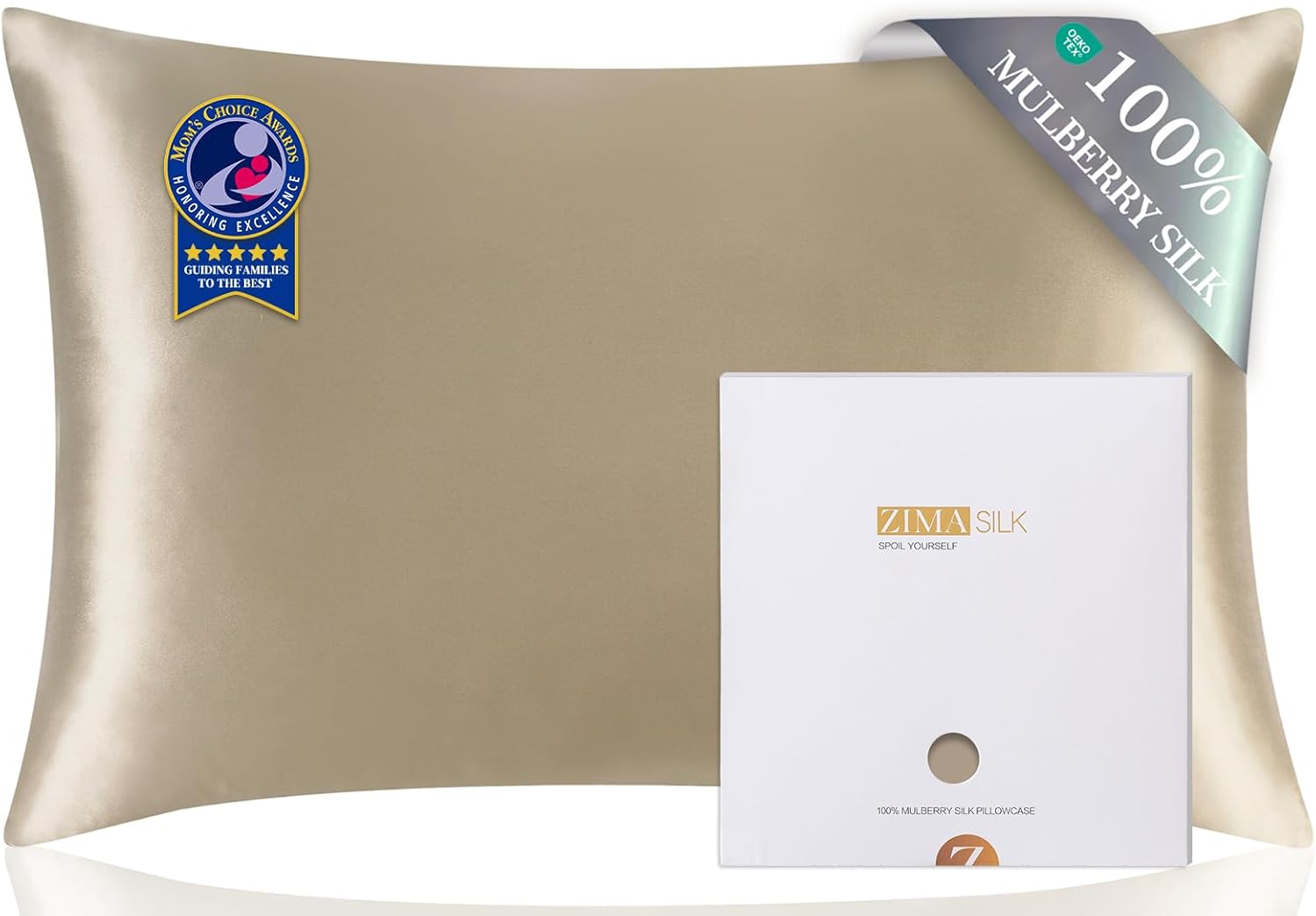
Top Pick: Zimasilk 100% Mulberry Silk Pillowcase
Grade 6A Mulberry Silk for the ultimate anti-frizz experience.
Check Price on AmazonRound 2: Skin Benefits and Acne
If you are investing in expensive night creams, you don’t want your pillowcase drinking them up. The relationship between your pillowcase and your skin health is more complex than most people realize.
Absorbency
Silk is naturally absorbent (though less so than cotton). It can wick away a small amount of moisture, which is good for temperature regulation but means it might absorb some of your retinol or moisturizer.
Synthetic satin is non-absorbent. Your expensive face creams stay on your face, not the pillow. However, this lack of absorbency means that sweat and oils sit on the surface. If you have oily skin, sleeping on a pool of your own oil on a satin pillowcase can potentially trigger breakouts.
Hypoallergenic Properties
Silk is naturally hypoallergenic and resistant to dust mites, mold, and fungus. It is the superior choice for allergy sufferers or those with sensitive skin conditions like eczema. This aligns with the benefits found in other natural bedding, such as the benefits of merino wool or bamboo.
Winner: Silk. Its antimicrobial and breathable nature makes it better for skin health overall.
Silk Pillowcase for Acne Scars and Hyperpigmentation
For those dealing with acne scars, post-inflammatory hyperpigmentation (PIH), or active breakouts, your pillowcase choice can significantly impact your skin’s healing process.
How Cotton Makes Acne Worse
Cotton pillowcases are a breeding ground for bacteria. Studies show that an average pillowcase can harbor over 16,000 bacteria per square inch after just one week of use. For acne-prone skin, this bacterial load is devastating:
- Bacteria from the pillowcase transfers to your skin every night, clogging pores
- Cotton absorbs acne medications and spot treatments, rendering them less effective
- The friction from cotton can spread acne-causing bacteria across your face
- Cotton traps dead skin cells that mix with sebum to create more blackheads and whiteheads
Why Silk is Better for Acne-Prone Skin
Silk’s natural antimicrobial properties make it inherently resistant to bacteria, dust mites, and fungi. The smooth surface prevents bacteria from embedding into the fabric, while silk’s low absorbency means acne treatments stay on your face where they belong. Additionally, silk’s amino acid content supports the skin’s natural repair process, which is crucial for healing acne scars and reducing hyperpigmentation.
Satin and Acne: The Complicated Relationship
Synthetic satin presents a paradox for acne-prone skin. On one hand, the non-absorbent surface means your skin treatments stay on your face. On the other hand, satin’s lack of breathability traps sweat and oil against your skin, creating an ideal environment for acne-causing bacteria. If you use satin for acne-prone skin, wash it every 2-3 days — more frequently than the typical weekly recommendation.
Silk Pillowcase for Wrinkle Prevention
One of the most compelling reasons to switch to a silk pillowcase is its potential to reduce sleep wrinkles — the lines and creases that form on your face from years of pressing your skin against a pillow.
What Are Sleep Wrinkles?
Sleep wrinkles are different from expression wrinkles (like crow’s feet or forehead lines). They form due to the mechanical forces of compression and shear when your face presses against a pillow during sleep. The most common sleep wrinkle patterns include:
- Vertical cheek lines — From sleeping on your side with your cheek compressed
- Forehead horizontal lines — From sleeping face-down with your forehead pressed into the pillow
- Nasolabial fold deepening — From the weight of your face compressing the cheek against the pillow
- Chin creases — From the skin bunching up when sleeping face-down
How Silk Prevents Sleep Wrinkles
Silk pillowcases reduce sleep wrinkles through two mechanisms:
1. Reduced Friction: The ultra-smooth surface of silk allows your skin to glide across the pillow instead of catching and bunching up. This prevents the shear forces that create deep creases. Think of it like the difference between sliding your hand across a sheet of ice versus sandpaper — the smoother surface creates less drag and less skin deformation.
2. Skin Hydration: Unlike cotton, which absorbs your skin’s natural moisture, silk helps maintain your skin’s hydration levels overnight. Well-hydrated skin is more resilient and less prone to forming permanent creases. The amino acids in silk also support collagen production, which helps skin bounce back from compression.
Can Satin Prevent Wrinkles?
Synthetic satin provides similar friction-reduction benefits to silk, making it helpful for reducing sleep wrinkles. However, satin’s lack of breathability can actually counteract some anti-aging benefits by trapping heat and moisture against the skin, which can accelerate the breakdown of collagen and elastin. For true anti-aging benefits, silk remains the superior choice.
Winner for Wrinkle Prevention: Silk, hands down. The combination of low friction, moisture retention, and amino acid content makes silk the clear choice for anti-aging skincare.
Silk Pillowcase for Eczema and Sensitive Skin
For people with eczema, dermatitis, rosacea, or generally sensitive skin, the pillowcase they sleep on can either soothe or aggravate their condition. Silk has been recommended by dermatologists for sensitive skin conditions for decades.
Why Dermatologists Recommend Silk for Eczema
The National Eczema Association has acknowledged silk as a beneficial fabric for people with eczema. Here is why:
- Hypoallergenic Properties: Silk is naturally resistant to dust mites, mold, and fungus — all common eczema triggers
- Smooth Texture: The smooth surface minimizes irritation from friction, which is crucial when your skin barrier is compromised
- Natural Protein: Silk’s protein structure is compatible with human skin and does not cause the irritation that synthetic materials can
- Temperature Regulation: Overheating is a major eczema trigger, and silk’s breathability helps maintain comfortable skin temperature
- Moisture Balance: Silk helps maintain optimal moisture levels without drying out or over-saturating the skin
Why Satin May Not Be Suitable for Eczema
Synthetic satin can be problematic for eczema and sensitive skin because:
- Polyester satin is a plastic-based material that can cause contact irritation in sensitive individuals
- The non-breathable nature of satin can trap heat and sweat, triggering eczema flares
- Chemical treatments and dyes used in polyester production can cause allergic reactions
- Static buildup from synthetic materials can irritate already inflamed skin
Round 3: Temperature Regulation
Are you a hot sleeper? Do you find yourself flipping the pillow to the “cool side” constantly?
Silk is a natural thermoregulator. It allows air to circulate, keeping you cool in summer and warm in winter. It pairs perfectly with best bamboo blankets for a breathable sleep setup.
Satin, being made of polyester, is essentially plastic. It does not breathe. While it feels cool to the touch initially, it traps body heat as the night progresses. If you are already struggling with night sweats and using cooling blankets, adding a polyester satin pillowcase might counteract your efforts.
Winner: Silk, hands down.
Silk vs Satin for Hot Sleepers
If you are a hot sleeper, temperature regulation is probably your top priority when choosing a pillowcase. The material you rest your face on for 7-8 hours a night has a significant impact on your overall sleep temperature.
Understanding Sleep Temperature
Your body temperature naturally drops during sleep, and your head is one of the primary areas where heat dissipates. When you trap heat around your head with an unbreathable pillowcase, it disrupts this natural cooling process and can lead to:
- Night sweats and disrupted sleep cycles
- Increased tossing and turning as your body tries to cool down
- Waking up with damp, uncomfortable pillowcases
- Aggravation of hot flashes in menopausal women
Silk for Hot Sleepers
Silk is one of the best materials for temperature regulation because it is:
- Breathable: The natural protein fibers allow air to circulate freely
- Moisture-wicking: Silk absorbs up to 30% of its weight in moisture before feeling damp
- Thermoregulating: Silk adapts to your body temperature, keeping you cool in summer and warm in winter
- Quick-drying: Silk releases moisture faster than cotton, preventing that clammy feeling
Satin and Night Sweats
Polyester satin is one of the worst materials for hot sleepers. Because polyester is essentially a plastic fiber, it:
- Does not breathe — air cannot pass through the weave
- Traps body heat against your face and scalp
- Does not absorb moisture — sweat sits on the surface, making you feel even hotter
- Can cause you to wake up with a sweaty face and damp pillow
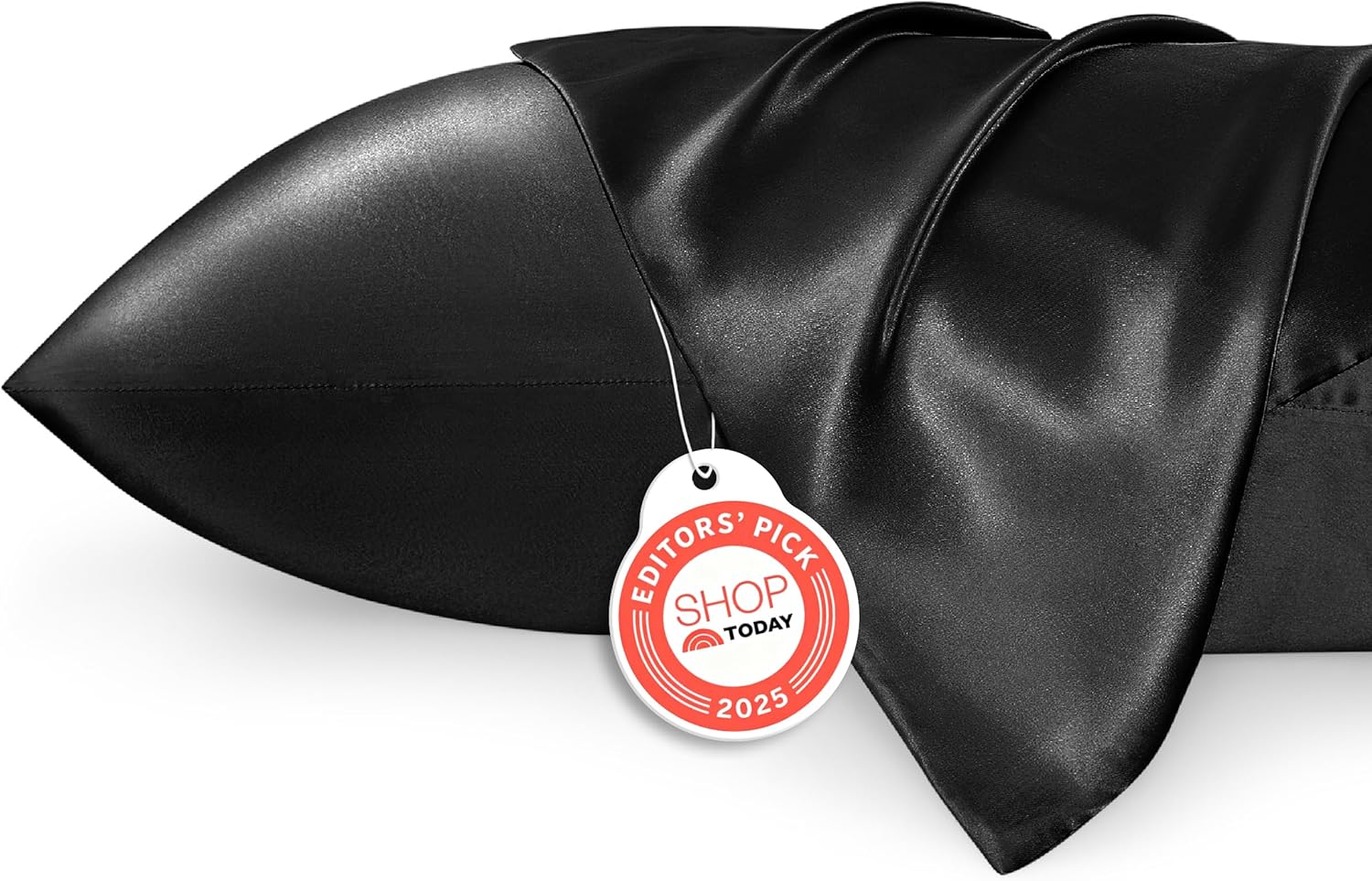
Budget Pick: Bedsure Satin Pillowcase (Set of 2)
Over 200,000 reviews. The durable, affordable choice for great hair.
Check Price on AmazonWinner for Hot Sleepers: Silk, absolutely. If you are a hot sleeper on a budget, consider bamboo pillowcases as an alternative to both silk and satin.
Silk Pillowcase and Sleep Apnea
For the millions of people who use CPAP machines or struggle with sleep apnea, the choice of pillowcase material may seem trivial — but it can actually impact comfort and therapy compliance.
Why Pillowcase Material Matters for Sleep Apnea
People with sleep apnea often experience:
- Night sweats — CPAP masks and airflow can cause facial sweating
- Skin irritation — From mask pressure points and continuous air exposure
- Facial redness and pressure marks — From the mask seal against the skin
- Dry skin — CPAP airflow can dehydrate the skin overnight
How Silk Helps Sleep Apnea Patients
Silk’s properties make it particularly beneficial for sleep apnea patients:
- Cooling Effect: Helps counteract the heat generated by CPAP masks
- Moisture Management: Wicks away sweat from CPAP mask areas
- Gentle Surface: Reduces irritation on already stressed facial skin
- Hypoallergenic: Prevents additional allergic reactions in people already dealing with breathing issues
Winner for Sleep Apnea: Silk, due to its combination of cooling, moisture management, and skin-friendly properties.
Round 4: Durability and Maintenance
This is where satin fights back.
Washing Silk
Silk is delicate. It requires gentle handling—often hand washing or a very delicate machine cycle with specialized pH-neutral detergent. It fades in sunlight and weakens if washed too frequently. It is similar to the care required when you wash a weighted blanket made of premium fabrics.
Washing Satin
Synthetic satin is a workhorse. You can throw it in the washing machine with your regular sheets (though a mesh bag is recommended to prevent snagging). It dries instantly and is incredibly resistant to wear and tear. This makes it ideal for dorm room accessories where ease of care is priority #1.
Winner: Satin for ease of use.
How to Wash a Silk Pillowcase: Complete Care Guide
Proper care is essential for maintaining the benefits of your silk pillowcase. Incorrect washing can damage the protein fibers, reduce the smoothness, and shorten the lifespan of your investment.
Step-by-Step Silk Pillowcase Washing Instructions
- Use bleach or chlorine-based cleaners
- Use regular laundry detergent (enzymes destroy silk protein)
- Wash in hot water
- Put in the dryer
- Wring or twist the fabric
- Dry in direct sunlight
- Use fabric softener (it coats the fibers and reduces smoothness)
How Often Should You Wash Your Silk Pillowcase?
Dermatologists recommend washing your silk pillowcase every 3-4 days, or at minimum once a week. If you have acne-prone skin, oily skin, or use night creams, aim for every 2-3 days. Having two silk pillowcases on rotation makes this schedule much more manageable.
Best Detergents for Silk Pillowcases
- Laundress Delicate Wash: A pH-neutral formula specifically designed for silk and delicates
- Eucalan Fine Fabric Wash: No-rinse formula with natural lanolin that conditions silk
- Soak Wash: Plant-based, pH-neutral, and eco-friendly
- Mrs. Meyer’s Clean Day: A more affordable option that is gentle enough for silk (check label for silk compatibility)
How to Wash a Satin Pillowcase
Synthetic satin is much more forgiving when it comes to washing and maintenance. Here is the complete guide to keeping your satin pillowcase in top condition.
Machine Washing Satin
- Place the pillowcase in a mesh laundry bag to prevent snagging
- Use warm or cool water (avoid hot water, which can melt polyester fibers)
- Use regular laundry detergent — no special formulas needed
- Wash on a gentle or delicate cycle
- Wash with similar colors to prevent dye transfer
Hand Washing Satin (Optional)
If you prefer to hand wash, soak the pillowcase in lukewarm water with a small amount of gentle detergent for 10-15 minutes. Gently agitate the water, then rinse thoroughly. This method is gentler and can extend the life of the fabric.
Drying Satin
- Machine Dry: Use the lowest heat setting or tumble dry on no heat. Remove promptly to prevent wrinkles.
- Air Dry: Hang or lay flat to dry. Satin dries very quickly — usually within 1-2 hours.
- Avoid: High heat can cause polyester to melt or become shiny in spots.
How Often to Wash Satin
Similar to silk, aim to wash your satin pillowcase every 3-4 days if you have acne-prone skin, or at least once a week. Because satin is so easy to wash and dries quickly, keeping a rotation of 2-3 pillowcases is the easiest approach.
Momme Weight Guide: How to Buy Silk Pillowcases
If you have decided to invest in a silk pillowcase, understanding momme weight is essential for making the right purchase. Momme is the standard unit of measurement for silk quality, similar to thread count for cotton — but more reliable.
What is Momme (mm)?
Momme weight measures the weight of silk fabric. One momme equals 3.75 grams per square meter of fabric. The higher the momme number, the heavier, denser, and more durable the silk. This is not just about thickness — higher momme silk has a tighter weave, better drape, and longer lifespan.
Momme Weight Breakdown for Pillowcases
| Momme Weight | Quality Level | Best For | Price Range |
|---|---|---|---|
| 12-16mm | Lightweight / Economy | Temporary use, guest rooms, travel | $15-$30 |
| 19mm | Standard / Entry-Level Luxury | Everyday use, first-time silk buyers | $25-$45 |
| 22mm | Premium / Most Popular | Daily use, best balance of quality and value | $35-$65 |
| 25mm | Luxury / Heavyweight | Maximum durability and luxury feel | $50-$90+ |
| 30mm+ | Ultra-Luxury / Heirloom Quality | Collector pieces, special occasions | $80-$150+ |
What Momme Weight Should You Buy?
For most people, 22mm is the sweet spot. It provides excellent durability (lasting 2-3 years with proper care), a luxurious feel against the skin, and good value for the investment. Here is a quick decision guide:
- Budget-Conscious First-Timer: Start with 19mm to experience silk without the premium price tag
- Daily Use (Best Value): Go with 22mm — the most popular choice for a reason
- Luxury Seeker: Invest in 25mm for the ultimate silk experience
- Gift or Special Occasion: Consider 25mm or 30mm for a truly premium presentation
How to Tell Real Silk from Fake Silk
The silk market is rife with counterfeits. Many products marketed as “silk” are actually polysilk, faux silk, or polyester with a silk-like finish. Here is how to protect yourself from scams and ensure you are buying genuine mulberry silk.
The Burn Test (Most Reliable)
The most definitive way to test if silk is real is the burn test:
- Real Silk: Burns slowly, smells like burning hair (because it is protein), leaves a fine ash that crumbles easily. When the flame is removed, it self-extinguishes.
- Fake Silk (Polyester): Burns quickly, melts, smells like burning plastic, leaves a hard black bead that cannot be crushed. It continues burning after the flame is removed.
The Touch Test
- Real Silk: Feels cool to the touch initially, then warms to body temperature. Has a natural “grip” — it is smooth but not slippery. Slightly textured when you rub it against itself.
- Fake Silk: Feels consistently cool or plasticky. Very slippery with no natural grip. Feels uniformly smooth with no texture.
The Wrinkle Test
- Real Silk: Wrinkles easily when scrunched in your hand. The wrinkles are soft and organic-looking. They smooth out easily with gentle pulling.
- Fake Silk: Resists wrinkling. When it does wrinkle, the creases are sharp and angular. It bounces back to its original shape quickly due to the synthetic fibers.
The Price Test
If a 22mm mulberry silk pillowcase is priced under $25, be suspicious. Real silk production is labor-intensive and expensive. Extremely low prices usually indicate either:
- Very low momme weight (12-16mm) — thin, fragile silk
- Lower quality silk (not Grade 6A mulberry)
- Pure polyester marketed as “silk-like” or “satin”
- Blended fabrics (silk/polyester mix)
The Rubbing Test
Rub the fabric vigorously between your palms for 10-15 seconds, then feel the surface. Real silk will feel slightly warm due to friction on the protein fibers, and the warmth dissipates quickly. Polyester feels the same before and after rubbing.
Look for These Labels
- “100% Mulberry Silk” — The gold standard
- “Grade 6A” — The highest quality silk classification
- “Momme weight listed” — Legitimate silk products always specify momme
- “OEKO-TEX certified” — Indicates the silk has been tested for harmful substances
- “Charmeuse weave” — The most common and luxurious silk weave for pillowcases
- “Silk-like” or “silky smooth” — These are euphemisms for polyester
- No momme weight specified
- Unusually low prices for the stated quality
- “Silk blend” without specifying the silk percentage
- No return policy — legitimate silk sellers always offer returns
Silk Pillowcase Thread Count Myth
One of the most common misconceptions about silk pillowcases is the importance of thread count. Unlike cotton, where thread count is a meaningful quality indicator, thread count is largely irrelevant for silk.
Why Thread Count Doesn’t Matter for Silk
Thread count measures the number of horizontal and vertical threads per square inch of fabric. For cotton, higher thread count generally means softer, more durable fabric. But for silk:
- Silk fibers are naturally fine and strong — they do not need high thread counts to be soft
- Momme weight is a far more accurate measure of silk quality than thread count
- Manufacturers can inflate thread count by using multi-ply threads (twisting multiple thin threads together and counting them as one)
- The weave pattern (charmeuse, habotai, etc.) has a much greater impact on silk’s feel and performance than thread count
What You Should Focus on Instead
When shopping for silk pillowcases, prioritize these metrics over thread count:
- Momme weight: 22mm is ideal for daily use
- Silk type: 100% Mulberry silk (not wild silk or blended)
- Grade: 6A (the highest quality grade)
- Weave: Charmeuse (for maximum smoothness and luster)
- Certifications: OEKO-TEX Standard 100, GOTS (if organic)
Best Silk Pillowcase Brands (2025 Guide)
With so many brands claiming to offer the “best” silk pillowcase, it can be overwhelming to choose. Here is our curated list of the best silk pillowcase brands based on quality, value, and customer satisfaction.
Premium Silk Pillowcase Brands
1. Zimasilk
Zimasilk consistently ranks as the top-rated silk pillowcase brand on Amazon with over 30,000 five-star reviews. Their 22mm mulberry silk pillowcases offer excellent quality at a mid-range price point. They offer a wide variety of colors and sizes, with hidden zipper closures for a clean look. The 6A grade mulberry silk provides a luxurious feel without the luxury price tag.
2. LilySilk
LilySilk is a premium brand that has been featured in Vogue, Harper’s Bazaar, and Elle. They offer a range from 19mm to 25mm momme weights, with options for both envelope and zippered closures. Their silk is OEKO-TEX certified and available in an extensive color palette. LilySilk is a favorite among beauty editors and dermatologists.
3. Slip
Slip is the celebrity-favorite silk pillowcase brand, seen on countless Instagram posts from beauty influencers. Their proprietary “Slipsilk” solution is designed to be the ultimate in smoothness. While they are on the pricier side, Slip pillowcases are made from high-quality mulberry silk and come in trendy colors and patterns. The brand also offers silk eye masks and scrunchies.
4. Fishers Finery
Fishers Finery offers 25mm mulberry silk pillowcases at competitive prices, making them one of the best values in the luxury silk category. Their pillowcases feature a charmeuse weave on one side and a crepe de chine on the other, giving you two textures in one pillowcase. They are a popular choice among skincare professionals.
5. Alaska Bear
Alaska Bear offers affordable 19mm mulberry silk pillowcases that are perfect for first-time silk buyers. While the momme weight is lower than premium options, the quality is consistent and the price point makes silk accessible to everyone. They offer a wide range of colors and are available in standard, queen, and king sizes.
Budget-Friendly Silk Pillowcase Brands
6.GRACE & GLAM
GRACE & GLAM offers 19mm mulberry silk pillowcases at very competitive prices. They are an excellent entry point for anyone curious about silk pillowcases but not ready to invest in premium brands. Quality is solid for the price, though the lower momme weight means they may not last as long as 22mm or 25mm options.
7. Kitsch
Kitsch offers stylish silk pillowcases with a fashion-forward approach. Their designs feature bold colors and patterns that stand out from the typical solid-color silk market. Quality is good for the price point, and they offer convenient features like envelope closures and OEKO-TEX certification.
Best Satin Pillowcase Brands (2025 Guide)
For those who prefer the affordability and durability of satin pillowcases, here are the top brands offering the best quality at various price points.
Top Satin Pillowcase Brands
1. Bedsure
Bedsure is the undisputed king of satin pillowcases on Amazon, with over 200,000 reviews. Their set of 2 pillowcases offers incredible value, available in dozens of colors. The polyester satin is durable, machine washable, and holds up well over time. They offer both zipper and envelope closures. The silky texture provides excellent hair protection at a fraction of silk’s cost.
2. KITSATIN
KITSATIN offers affordable satin pillowcases with a focus on hair health. Their double-sided satin design provides consistent smoothness on both sides. Available in a wide range of colors and sizes, KITSATIN pillowcases are a popular choice in the curly hair community for protecting natural hair overnight.
3. HC Collection
HC Collection offers hotel-quality satin pillowcases at budget-friendly prices. Their pillowcases feature a high thread count synthetic satin weave that feels luxurious despite the affordable price. They offer both standard and king sizes in a variety of colors.
4. YANIBEST
YANIBEST specializes in satin bonnets and pillowcases designed specifically for natural hair protection. Their products are popular in the Black hair care community and offer excellent value for protecting braids, twists, locs, and natural curls.
5. Bare Home
Bare Home offers solid-quality satin pillowcases with a focus on durability. Their double-brushed satin provides a softer feel than standard satin, approaching the luxury feel of silk at a budget price. They are widely available at major retailers.
Silk and Satin Pillowcase Sizing Guide
Choosing the right size for your pillowcase is essential for both comfort and aesthetics. A pillowcase that is too small will stretch and wear out faster, while one that is too large will bunch up and look sloppy.
Standard Pillowcase Sizes
| Pillow Size | Pillow Dimensions | Pillowcase Dimensions | Best For |
|---|---|---|---|
| Standard | 20″ x 26″ | 20″ x 30″ to 21″ x 32″ | Single sleepers, twin beds, most common size |
| Queen | 20″ x 30″ | 20″ x 34″ to 21″ x 36″ | Queen beds, people who move a lot during sleep |
| King | 20″ x 36″ | 20″ x 40″ to 21″ x 42″ | King beds, people who need extra pillow surface area |
| Euro | 26″ x 26″ | 26″ x 26″ to 27″ x 27″ | Decorative pillows, back support while sitting up |
| Body | 20″ x 54″ | 20″ x 58″ to 21″ x 60″ | Side sleepers, pregnancy, full body support |
Tips for Choosing the Right Size
- Measure your pillow first: Don’t assume you know your pillow size. Measure length, width, and depth.
- Consider pillow thickness: A thick pillow needs a deeper pillowcase. Look for “queen size” options that accommodate pillows up to 2″ thick.
- Silk stretches slightly: Pure silk has a small amount of natural stretch, so a slightly snug pillowcase is fine — it will relax after the first wash.
- Satin does not stretch: Polyester satin has very little give, so buy the exact size or slightly larger.
- Envelope closures are more forgiving: If you are between sizes, an envelope-style closure accommodates a wider range of pillow thicknesses.
Pillowcase Color Guide: What to Choose
The color of your pillowcase affects more than just aesthetics — it can also impact durability, stain visibility, and even your sleep quality. Here is what to consider when choosing between colors for silk and satin pillowcases.
Light Colors (White, Ivory, Cream, Light Pink)
- Pros: Classic, luxurious look; easy to see when dirty (encourages regular washing); reflects light and looks clean
- Cons: Shows makeup stains, oil stains, and discoloration more readily; requires more frequent washing
- Best for: People who wash frequently; those who prefer a hotel-like aesthetic; skin care routines without heavy makeup
Dark Colors (Black, Navy, Charcoal, Deep Purple)
- Pros: Hides stains and makeup residue; looks sophisticated and modern; requires less frequent washing to maintain appearance
- Cons: Can show lint and dust; darker dyes may occasionally transfer when new; harder to see if truly clean
- Best for: People who wear makeup to bed; those who prefer low-maintenance aesthetics; darker bedroom color schemes
How Color Affects Silk Quality
For silk pillowcases, the dyeing process can affect the fabric quality:
- Natural/undyed silk has a creamy ivory color and is the purest form
- Lightly dyed silks (pastels, soft tones) retain most of the silk’s natural properties
- Heavily dyed silks (deep blacks, vibrant reds) may have slightly reduced softness due to the intensive dyeing process
- OEKO-TEX certified dyes are tested for harmful substances and are safer for sensitive skin
Are Silk Pillowcases Good for Sleep Apnea? Complete Guide
If you use a CPAP machine or have been diagnosed with obstructive sleep apnea (OSA), you might be wondering whether silk pillowcases are worth the investment for your specific situation.
Benefits of Silk for CPAP Users
Silk pillowcases offer several advantages specifically for people using CPAP therapy:
- Reduced Facial Irritation: CPAP masks create pressure points on the face. Silk’s smooth surface helps the skin glide against the pillow, reducing additional friction on top of mask pressure.
- Temperature Regulation: CPAP airflow can create a warming effect around the face. Silk’s breathability helps dissipate this heat.
- Moisture Management: Many CPAP users experience facial sweating. Silk absorbs a small amount of moisture while maintaining a dry feel, unlike cotton which becomes saturated.
- Skin Healing: The amino acids in silk can help heal the minor skin indentations and redness caused by CPAP mask straps.
Why Satin May Not Be Ideal for CPAP Users
While satin provides a smooth surface, its lack of breathability can trap heat and moisture from CPAP therapy, potentially worsening discomfort. The non-absorbent surface also means sweat sits on your face rather than being wicked away.
Silk Pillowcase Allergy Test: Are You Allergic?
While rare, some people may experience allergic reactions to silk. Before investing in an expensive silk pillowcase, it is wise to understand the potential for silk allergies and how to test for them.
Symptoms of Silk Allergy
True silk allergies are rare but possible. Symptoms may include:
- Skin redness or rash where the silk touches the face
- Itching or irritation of the facial skin
- Localized hives at contact points
- In very rare cases, respiratory symptoms (more common with silk dust exposure in silk workers)
What Causes Silk Allergy?
The allergic reaction is typically caused by sericin, a protein coating on silk fibers. Most commercially available silk has the sericin removed through a process called “degumming,” which significantly reduces the likelihood of allergic reactions. However, trace amounts of sericin may remain in lower-quality silk products.
How to Test for Silk Sensitivity
- Patch Test: Cut a small piece of the silk fabric and tape it to the inside of your forearm for 24-48 hours. If no redness, itching, or irritation develops, you are likely not allergic.
- Face Test: Hold a piece of silk against your cheek for 30 minutes. Check for any reaction.
- Extended Test: Use the silk pillowcase for one night and check for any skin changes in the morning.
Satin vs Polyester Pillowcase: What’s the Difference?
This is one of the most confusing aspects of the pillowcase market: are satin and polyester the same thing? The short answer is: almost, but not quite.
Understanding the Relationship
Satin is a weave pattern. Polyester is a fiber. Almost all satin pillowcases sold today are made from polyester fiber woven in a satin weave pattern. So when you buy a “satin” pillowcase, you are almost certainly buying a “polyester satin” pillowcase.
Are There Non-Polyester Satins?
Yes. You can have:
- Silk satin: Silk fiber woven in a satin weave (very expensive, rare)
- Nylon satin: Nylon fiber woven in a satin weave (slightly more breathable than polyester)
- Rayon/Viscose satin: Plant-based fiber in a satin weave (more breathable, but less durable)
- Acetate satin: Semi-synthetic fiber (used in formal wear, less common for pillowcases)
Which Should You Choose?
If you want the satin weave benefits (smoothness, slip) with better breathability, look for nylon satin or rayon satin rather than polyester satin. However, polyester satin remains the most popular and affordable option, and for most people, the hair benefits outweigh the breathability concerns.
Silk and Satin Pillowcases for Men: The Complete Guide
Silk and satin pillowcases are not just for women. Men can benefit enormously from upgrading their pillowcase material, especially if they have short hair, facial hair, or skin concerns.
Why Men Should Consider Silk or Satin
- Beard and Mustache Care: Cotton pillowcases can snag and break facial hair. Silk and satin allow beards to glide smoothly, reducing split ends and frizz.
- Short Hair Protection: Even short hair benefits from reduced friction. This is especially true for men with curly or wavy short hair.
- Skin Health: Men are less likely to have elaborate skincare routines, making the passive skincare benefits of silk (moisture retention, reduced friction) even more valuable.
- Reduced Razor Irritation: If you shave before bed, sleeping on silk helps soothe irritated skin and prevents the pillowcase from aggravating freshly shaved areas.
- Athletic Recovery: Athletes who train hard need quality sleep for recovery. Silk’s temperature regulation and comfort can improve sleep quality.
Best Colors for Men
While color is a personal choice, these are popular options for men’s pillowcases:
- Black: Sleek, sophisticated, hides stains
- Navy Blue: Classic and masculine, pairs well with most bedroom decors
- Charcoal Grey: Modern and versatile
- White: Clean, hotel-like, encourages regular washing
Practical Considerations for Men
Men may have different priorities when choosing pillowcases:
- Durability: Look for 22mm+ silk or high-quality polyester satin that can withstand rough handling
- Ease of Care: Men may be less inclined to hand wash, making high-quality satin a practical choice
- Value: A set of 2 satin pillowcases for under $15 provides all the benefits without the commitment of silk
Eco-Friendly and Sustainable Silk Pillowcase Options
As consumers become more environmentally conscious, the sustainability of silk and satin pillowcases has become an important consideration. Here is what you need to know about the environmental impact of each option.
The Environmental Impact of Silk
Silk production has both positive and negative environmental aspects:
- Positive: Silk is a natural, biodegradable fiber. It does not release microplastics when washed. Mulberry trees (the primary food source for silkworms) require minimal pesticides and actually improve soil quality.
- Negative: Traditional silk production involves boiling silkworm cocoons, which raises animal welfare concerns. The water and energy requirements for silk production are significant. Chemical dyes used in coloring silk can be harmful to waterways if not properly treated.
The Environmental Impact of Synthetic Satin
Polyester satin is problematic from an environmental perspective:
- Microplastics: Every wash releases thousands of microplastic fibers into waterways
- Non-biodegradable: Polyester can take 200+ years to decompose
- Petroleum-based: Made from fossil fuels, contributing to carbon emissions
- Chemical-intensive: Production involves harmful chemicals including antimony, a heavy metal catalyst
Sustainable Silk Options
For environmentally conscious consumers, these options provide the benefits of silk with reduced environmental impact:
- Peace Silk (Ahimsa Silk): Allows the silkworm to complete its metamorphosis and emerge from the cocoon before the silk is harvested. More ethical but results in shorter silk fibers.
- Organic Silk: Produced without harmful chemicals or pesticides. Look for GOTS (Global Organic Textile Standard) certification.
- OEKO-TEX Certified Silk: Tested for harmful substances throughout the production process.
- Wild Silk: Harvested from wild silkworm cocoons after the moth has naturally emerged. Less processed but often less uniform in texture.
Silk Pillowcase Before and After: What to Expect
One of the most common questions people ask is: “What changes will I actually see after switching to a silk pillowcase?” Here is a realistic timeline of what to expect.
First Night
- You will immediately notice how cool and smooth the silk feels against your skin
- Your hair will feel less tangled when you wake up
- You may need to adjust to the slippery feeling (some people find satin/silk too slippery at first)
First Week
- Noticeably less frizz and flyaways in your hair
- Skin may feel softer and more hydrated in the morning
- You will likely notice less product transfer from your night cream to the pillow
- Sleep quality may improve due to better temperature regulation
First Month
- Significant reduction in hair breakage and split ends
- Skin texture improvement — fewer sleep creases and morning lines
- Existing acne may begin to clear (due to reduced bacteria transfer)
- Hair styling may require less effort in the morning
Three to Six Months
- Noticeable improvement in hair length retention (less breakage means longer hair)
- Reduction in fine lines and sleep wrinkles
- Skin tone more even (reduced hyperpigmentation from friction)
- Hair products and treatments work more effectively (not absorbed by pillow)
One Year
- Dramatic difference in hair health compared to cotton pillowcase days
- Skin appears more youthful and radiant
- Significant cost savings on hair products (less product wasted on pillow absorption)
- Overall improvement in sleep quality and comfort
Integrating Into Your Cozy Home
Whichever you choose, a pillowcase is just one part of the puzzle. If you are curating a bedroom for maximum comfort, consider how the texture of your pillowcase interacts with your other bedding.
Silk pairs wonderfully with best king size blankets made of linen or cotton for a natural, airy vibe. Satin, with its high sheen, looks glamorous alongside plush textures like a sherpa blanket or faux fur.
Bedroom Aesthetics: Silk vs Satin Styling
Silk Pillowcase Styling Tips:
- Pair silk with natural textures like linen duvets, cotton sheets, and wooden furniture for a Japandi-inspired look
- Use silk in neutral tones (ivory, blush, sage) for a calming, spa-like atmosphere
- Mix silk pillowcases with velvet accent pillows for a luxurious contrast
- Layer silk with chunky knit blankets for a cozy, textured bed
Satin Pillowcase Styling Tips:
- Use satin’s high sheen to create a glamorous, Hollywood-inspired bedroom
- Pair deep jewel-tone satin (emerald, sapphire, burgundy) with gold accents
- Mix satin with matte textures like cotton percale or linen for visual contrast
- Use matching satin pillowcases and fitted sheets for a cohesive, luxe hotel look
If you are storing your seasonal bedding, make sure to use best blanket storage bags. Silk, in particular, needs to be stored in breathable cotton bags, not plastic, to prevent yellowing over time.
Silk Pillowcase Storage Tips
Proper storage is often overlooked, but it is essential for maintaining the quality and longevity of your silk and satin pillowcases.
How to Store Silk Pillowcases
- Use breathable cotton bags: Never store silk in plastic bags or containers. Silk needs air circulation to prevent moisture buildup and yellowing.
- Fold gently: Avoid hanging silk pillowcases, as the weight can stretch the fabric over time. Fold them loosely and place them in a drawer or shelf.
- Avoid direct sunlight: UV rays damage silk proteins and cause fading. Store silk away from windows or in a dark closet.
- Add natural repellents: Place cedar blocks or lavender sachets near stored silk to repel moths without using chemical mothballs.
- Clean before storing: Always wash silk pillowcases before long-term storage. Body oils and stains can set permanently over time.
How to Store Satin Pillowcases
Polyester satin is much more forgiving in storage:
- Fold or roll and place in a drawer — no special bags needed
- Can be stored with other bedding without special precautions
- Less susceptible to moths and insects than natural fibers
- Still clean before storing to prevent permanent staining
Which is Better for You?
Choose the Silk Pillowcase If:
- You have the budget to invest in your skin and hair (approx. $25-$50 per pillowcase).
- You are a hot sleeper and need breathability.
- You have acne-prone or sensitive skin.
- You prefer natural, sustainable materials over synthetics.
- You are willing to follow specific care instructions.
- You want anti-aging benefits and amino acid skin nourishment.
- You have eczema, rosacea, or other inflammatory skin conditions.
- You are concerned about dust mite allergies.
Choose the Satin Pillowcase If:
- You are on a budget (approx. $10 for a pair).
- You want the hair benefits (slip) without the price tag.
- You are a vegan (avoiding animal products like silkworms).
- You want low-maintenance bedding that is easy to wash.
- You are outfitting a temporary space, like a dorm or guest room, perhaps alongside a compact dorm setup.
- You want maximum frizz reduction and do not live in a very dry climate.
- You wear protective styles like braids or locs and need an affordable pillowcase solution.
Choose the Bamboo Pillowcase If:
- You want most of silk’s benefits at a lower price point.
- You are a very hot sleeper who needs maximum breathability.
- You want a plant-based, vegan alternative.
- You prefer easy-care bedding that is more durable than silk.
- You are environmentally conscious and want a sustainable option.
Pros and Cons Summary
Silk Pros
- Natural, breathable fiber.
- Hypoallergenic and resistant to mites.
- Reduces sleep creases and wrinkles effectively.
- Luxurious feel and aesthetic.
- Regulates temperature (cool in summer).
- Contains amino acids beneficial for skin and hair.
- Naturally anti-static.
- Biodegradable and eco-friendly.
Silk Cons
- Expensive luxury item.
- Requires delicate care/hand washing.
- Can degrade with UV exposure.
- Not vegan.
- Lower momme weights tear easily.
- Requires pH-neutral detergent.
- May not be suitable for very hot sleepers (consider bamboo instead).
- Counterfeits are common in the market.
Satin Pros
- Very affordable and accessible.
- Extreme “slip” is great for detangling hair.
- Vegan-friendly (synthetic).
- Durable and machine washable.
- Available in a massive variety of colors.
- Easy to care for — no special detergent needed.
- Great for protective styles and braids.
- Widely available online and in stores.
Satin Cons
- Non-breathable; can cause sweating.
- Slippery texture can be annoying to sleep on.
- Not eco-friendly (microplastics).
- Flammable (melts near high heat).
- Can generate static in dry climates.
- Does not provide amino acid or protein benefits.
- May trap bacteria and oils on skin surface.
- Shorter lifespan than quality silk.
Final Verdict
The battle of satin pillowcase vs silk pillowcase ultimately ends in a split decision based on your priorities.
If you are seeking the absolute best for your complexion and sleep quality, Mulberry Silk is the undisputed champion. It is an investment in self-care that pays dividends in cooler sleep and healthier skin. It fits perfectly into a lifestyle valued on quality, much like choosing the best electric blanket for winter comfort.
However, if you simply want to wake up without a bird’s nest on your head and want to save money for other essentials—perhaps a comfortable dorm chair or travel gear—Synthetic Satin is a fantastic, practical solution.
Whichever you choose, your hair will thank you for ditching the cotton.
Ready to Upgrade Your Sleep?
Check out the best-selling options for both Silk and Satin currently available.
Explore Top Rated Pillowcases on AmazonFrequently Asked Questions (FAQ)
What is “Momme” in silk pillowcases?
Momme (mm) is the unit of weight for silk. Think of it like thread count. A higher momme means heavier, more durable silk. For bedding, 19mm is standard, 22mm is premium, and 25mm+ is luxury. Avoid anything under 19mm for pillowcases as it will be too flimsy.
Can satin pillowcases cause acne?
Potentially, yes. Because synthetic satin is not breathable, it traps sweat and bacteria against the skin. If you do not wash the pillowcase frequently (every 3-4 days), this buildup can clog pores. However, satin’s non-absorbent surface does keep skincare products on your face rather than the pillow.
Is silk really worth the money compared to satin?
If you struggle with temperature regulation (night sweats) or have sensitive skin/allergies, silk is absolutely worth the investment. If your only concern is messy hair, satin provides 90% of the benefit for 10% of the cost. For anti-aging benefits, silk is the clear winner due to its amino acid content.
How often should I wash my pillowcase?
Dermatologists recommend washing pillowcases once a week minimum, or every 2-3 days if you have acne-prone skin. This applies to both silk and satin. Having a spare set is always a good idea. For silk, use pH-neutral detergent and hand wash or delicate machine cycle.
Can I use regular detergent on silk?
No. Regular detergents often contain enzymes (proteases) that break down proteins. Since silk is a protein, these detergents will literally eat away at the fiber. Use a pH-neutral, silk-specific detergent. Popular options include The Laundress Delicate Wash, Eucalan, and Soak Wash.
Does satin have a thread count?
Yes, but it is less important than with cotton. Because satin is woven from synthetic filaments, a “high thread count” doesn’t necessarily mean better quality. Look for the “hand feel” and stitching quality instead. For silk, momme weight is the quality indicator, not thread count.
Is there a vegan alternative to silk that breathes?
Yes, Bamboo Lyocell is an excellent middle ground. It is smooth (almost like silk), breathable, plant-based, and usually more affordable than silk but more expensive than polyester satin. Tencel (lyocell made from eucalyptus) is another excellent vegan alternative.
How can I tell if my silk pillowcase is real?
The most reliable test is the burn test: real silk burns slowly and smells like burning hair, leaving ash. Fake silk (polyester) melts and smells like plastic. Other tests include the touch test (real silk warms to body temperature), the wrinkle test (real silk wrinkles easily), and checking for momme weight labeling.
Are silk pillowcases good for curly hair?
Yes, silk is excellent for curly hair. The smooth surface prevents friction that causes frizz and breakage, while silk’s natural moisture retention helps keep curls hydrated and defined. For maximum protection, combine a silk pillowcase with a silk scrunchie and loose pineapple ponytail.
What size silk pillowcase should I buy?
Measure your pillow first. Standard pillows (20×26″) need standard cases (20×30″), queen pillows (20×30″) need queen cases (20×34″), and king pillows (20×36″) need king cases (20×40″). When in doubt, go slightly larger — silk stretches naturally to accommodate.
Can silk pillowcases help with sleep apnea?
Silk pillowcases can help CPAP users by providing a cooler, more breathable sleeping surface that reduces facial irritation from mask pressure points. Silk’s moisture-wicking properties help manage sweating caused by CPAP therapy. However, silk pillowcases are not a treatment for sleep apnea itself.
Is satin or silk better for acne?
Silk is generally better for acne-prone skin. Its natural antimicrobial properties resist bacteria growth, and its breathability prevents the trapped moisture that can worsen breakouts. Satin’s non-absorbent surface keeps skincare products on your face, but its lack of breathability can trap sweat and oil against the skin.
Do silk pillowcases prevent wrinkles?
Silk pillowcases can help reduce the formation of sleep wrinkles by minimizing friction between your skin and the pillow. The smooth surface allows your skin to glide rather than bunch up, and silk’s moisture retention keeps skin hydrated and resilient. Results are cumulative — the longer you use silk, the more noticeable the anti-aging benefits.
What is the difference between satin weave and sateen weave?
Satin weave traditionally uses filament fibers (like silk or polyester) and has a 4-over-1 or 5-over-1 pattern, creating a very smooth, lustrous surface. Sateen weave uses short-staple fibers (like cotton) and typically has a 3-over-1 or 4-over-1 pattern. Sateen is softer than regular cotton but not as smooth as true satin.
Are silk pillowcases worth it for men?
Absolutely. Men benefit from silk pillowcases for beard maintenance (reducing split ends and frizz), short hair protection, skin health (especially after shaving), and improved sleep quality through temperature regulation. A black or navy silk pillowcase is a practical and luxurious upgrade for any man’s bedding.
How long does a silk pillowcase last?
With proper care, a quality silk pillowcase (22mm+) should last 1-3 years. Lower momme weights (12-19mm) may only last 6-12 months. To maximize lifespan, hand wash with silk-specific detergent, avoid direct sunlight, and store in breathable cotton bags. Polyester satin pillowcases typically last 6-12 months with regular use.
Can I put my silk pillowcase in the dryer?
No. Never put silk in the dryer. The heat and tumbling action will destroy the protein fibers, causing the silk to become rough, lose its luster, and potentially shrink. Always hang silk to dry in a shaded area. Polyester satin can go in the dryer on the lowest heat setting, but air drying is preferred.
What is the best momme weight for silk pillowcases?
For most people, 22mm is the ideal momme weight. It provides the best balance of luxury feel, durability, and value. 19mm is a good budget option for first-time silk buyers, while 25mm is for those who want the ultimate luxury experience. Avoid anything below 19mm as it will be too thin and fragile.