What Is an Afghan Blanket? History, Materials, and Modern Styles Explained
Afghan blankets have been warming laps, sofas, and beds for generations, yet the name still confuses plenty of shoppers. Here’s exactly what an afghan is, where the word comes from, and how to pick the right one for your home.
1. What Exactly Is an Afghan Blanket?
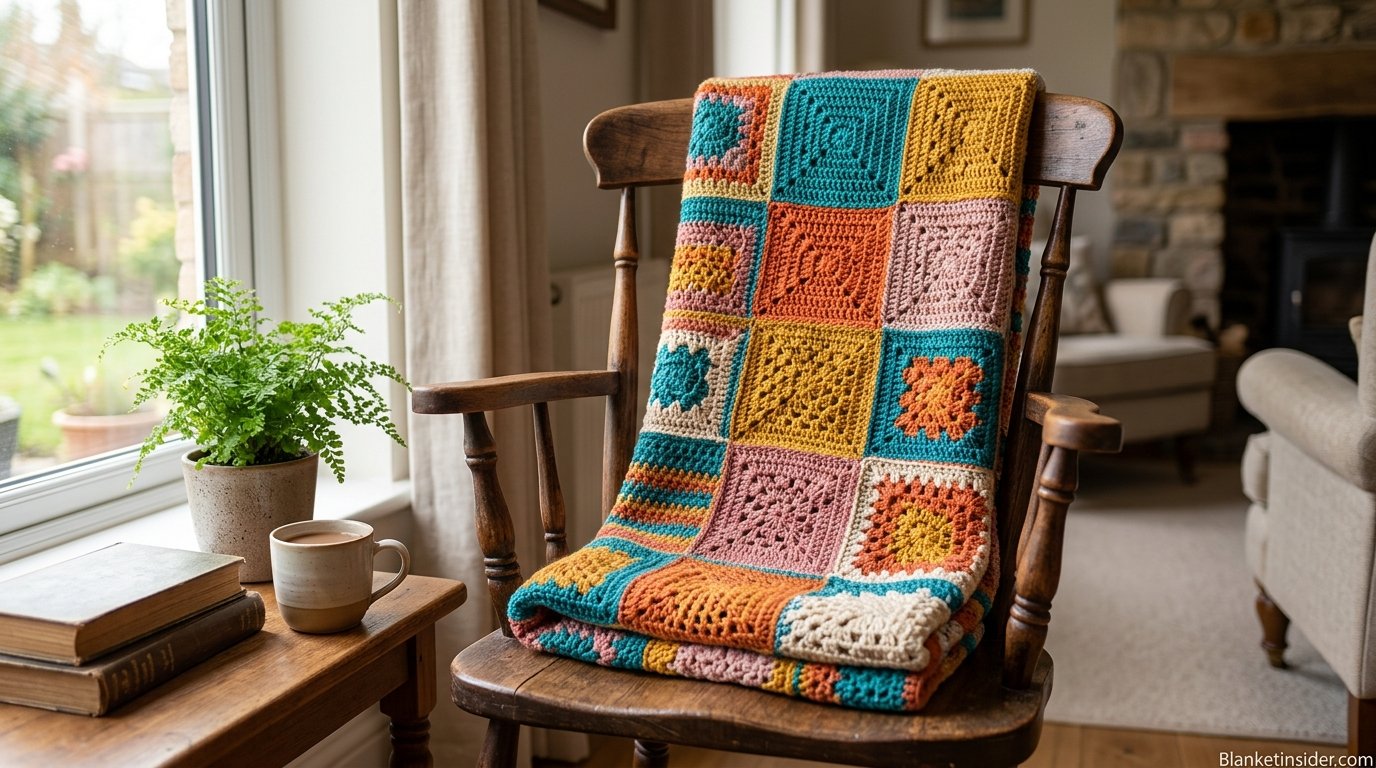
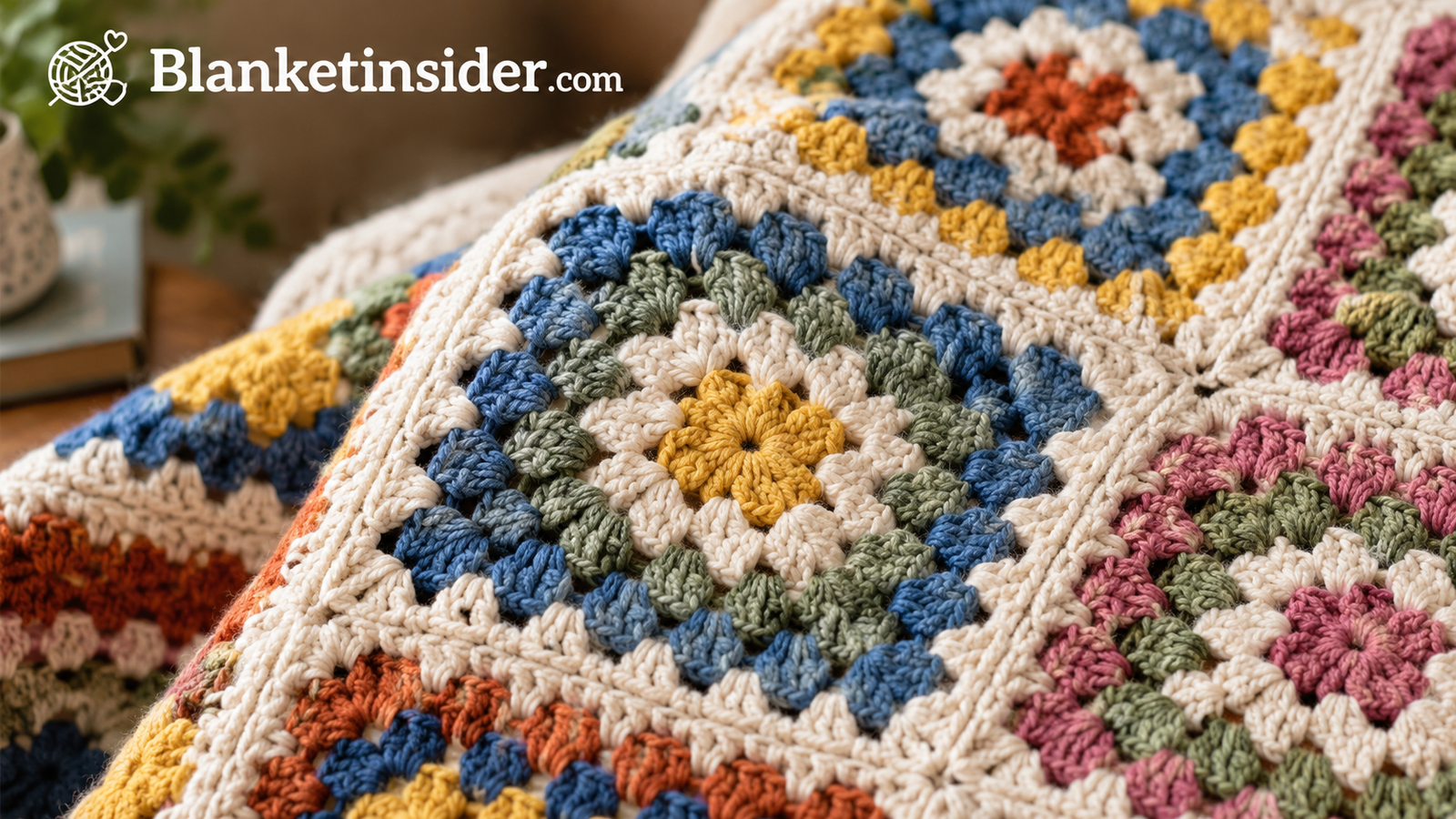
An afghan blanket is a decorative, textured throw traditionally made by hand using crochet or knitting techniques, most often assembled from multiple smaller pieces such as squares, strips, or motifs that are joined together into one larger piece. Unlike a woven throw that comes off a loom in a single continuous sheet, an afghan’s structure is built stitch by stitch, which is exactly why it has that signature raised, ridged, or textured surface you can feel and see.
The word “afghan” today has stretched beyond its original meaning. Walk into almost any home goods store and you’ll see machine-made throws labeled as afghans simply because they mimic the chunky, cable-knit, or granny-square look of the handmade original. Purists will tell you a true afghan is handcrafted, but in everyday retail language, “afghan” now functions as a style category as much as a construction method — it signals a certain look: colorful, textured, cozy, and a little bit nostalgic.
At its core, though, the defining features remain consistent: an afghan is a lap-to-bed-sized blanket, usually rectangular, made of yarn, and built with visible stitch work rather than a flat woven or printed surface. It sits in a specific niche between a decorative throw and a full bedspread, prized as much for the craftsmanship on display as for the warmth it provides.
It also helps to understand what an afghan is not. It isn’t a woven wool rug, even though early confusion with Afghan textile traditions sometimes muddies that distinction online. It isn’t a quilted bedspread, since quilting relies on layered fabric and batting rather than a single continuous piece of yarnwork. And it isn’t automatically “vintage” or old-fashioned — plenty of contemporary designers now produce afghan-inspired pieces in muted, modern colorways specifically to shed the item’s dated reputation while keeping its signature handcrafted texture intact. The common thread across every era and every version, from a 1970s zigzag afghan to a minimalist 2020s cable-knit throw, is that stitch-by-stitch construction rather than a flat woven or printed surface.
See today’s best-selling afghan-style throws on Amazon
Shop Afghan Blankets2. Where Does the Name “Afghan” Come From?
The name has a genuinely debated origin, and most textile historians land on one of two explanations. The more widely cited theory ties the term to Afghanistan, the country, based on the idea that the geometric, richly patterned look of early crocheted and knitted blankets echoed the intricate motifs found in traditional Afghan and Central Asian textiles, particularly hand-knotted rugs and woven tribal patterns. The bold color-blocking and repeating geometric shapes common in vintage afghan patterns do bear a visual resemblance to those regional textile traditions, which lends the theory some credibility.
The second theory is more mundane: “afghan” simply became the generic Victorian-era English term for any thick, warm, knitted or crocheted wrap used as a lap robe or blanket, regardless of any direct connection to Afghanistan. By the mid-to-late 1800s, the word had already entered common usage in needlework magazines and pattern books across the United States and Britain, describing exactly the kind of pieced, textured blanket we still call an afghan today.
What’s clear is that afghans were never a fleeting trend. They came into their own during the Victorian era, when elaborate needlework was both a practical necessity and a respected domestic art form. Crocheting or knitting an afghan was a way to use up leftover yarn, practice technique, and produce something genuinely useful — a combination that helped the craft spread from parlor rooms into nearly every household that owned knitting needles or a crochet hook.
The style saw another major surge in popularity during the 1960s and 1970s, when bold, saturated granny-square afghans in orange, avocado green, and mustard yellow became a signature of that era’s home decor. Pattern books from the period were sold by the millions, and it became common for an afghan to be the very first project a new crocheter or knitter ever completed. That association with home, family, and skill-passing is a big part of why the word “afghan” still carries a warmer, more personal connotation than a generic term like “throw,” even decades later.
3. Crochet vs. Knit Afghans: What’s the Difference?
Both crochet and knitting can produce an afghan, and the two techniques create noticeably different textures, weights, and finished looks. Crochet afghans are made with a single hook that pulls loops of yarn through one another, which allows for dense, sculptural stitches and the kind of intricate motif work seen in granny-square and shell-stitch designs. Because crochet fabric tends to be thicker and less stretchy than knitting, crocheted afghans often hold their shape well and provide a slightly firmer drape.
Knit afghans, on the other hand, are worked with two needles and long continuous rows, producing a smoother, more flexible fabric with more natural stretch. Cable-knit and ribbed afghans — the kind you’ll often see marketed as “chunky knit throws” — fall into this category. Knit fabric generally drapes more fluidly over a sofa arm or the foot of a bed, which is part of why chunky knit throws have become so popular in modern minimalist decor.
Crochet Afghans
- Denser, more structured texture
- Better suited to intricate motif and lace patterns
- Tends to be more durable against pulling
Knit Afghans
- Softer drape and more stretch
- Faster to produce in bulky yarn
- Common in modern chunky-knit home decor styles
Some of today’s most talked-about knit throws use extremely thick, single-ply “jumbo” yarn, sometimes even hand-knit with human arms instead of needles. Whether you gravitate toward the fine detail of crochet or the relaxed bulk of a chunky knit often comes down to the look you’re going for in a room, and it’s worth reading a broader breakdown like this guide to blanket materials if you’re weighing texture and fiber together.
4. Common Afghan Blanket Patterns
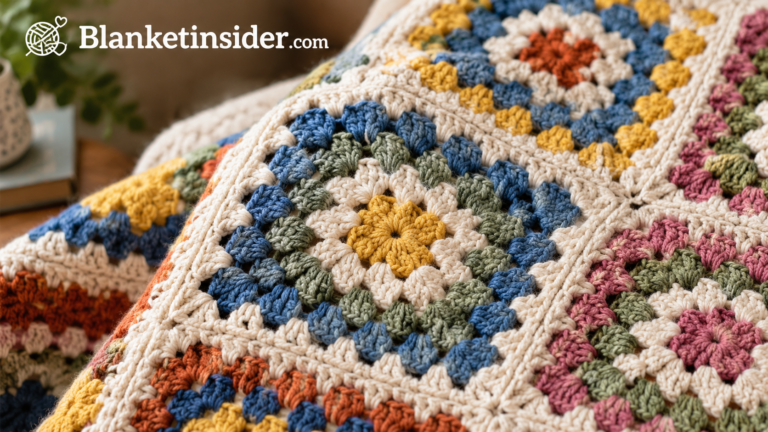
Part of what makes afghans so recognizable is the handful of patterns that have become synonymous with the style itself. The granny square is probably the most iconic: small, concentric squares of contrasting colors, crocheted individually and then stitched or crocheted together into a larger grid. Granny-square afghans are a rite of passage for beginning crocheters because each square is a manageable, portable project.
Ripple (or chevron) afghans use rows of increasing and decreasing stitches to create a continuous zigzag pattern, often in alternating colors that produce a wave-like visual effect across the entire blanket. Shell-stitch afghans rely on clusters of stitches worked into a single point to form fan or scallop shapes, giving the surface a lacy, textured look. Cable-knit afghans borrow the twisted rope motif famous from Aran sweaters, worked in bulky yarn for a thick, tactile blanket that reads as more contemporary and neutral than a traditional granny square.
Ripple and shell patterns tend to use more yarn and take longer to complete than simple granny squares, but they produce a more fluid, less “blocky” finished look. If you’re shopping rather than making your own, pattern name is still a useful shorthand — searching for “ripple afghan” or “granny square throw” will filter results toward a specific aesthetic much faster than searching “afghan blanket” alone.
| Pattern | Visual Style | Typical Skill Level | Best For |
|---|---|---|---|
| Granny Square | Blocky, colorful grid | Beginner | Portable projects, scrap yarn |
| Ripple / Chevron | Wavy, continuous zigzag | Intermediate | Bold color gradients |
| Shell Stitch | Lacy, scalloped texture | Intermediate | Feminine, delicate looks |
| Cable Knit | Twisted rope texture | Intermediate | Neutral, modern decor |
Beyond these four, plenty of afghans mix techniques within a single piece — a granny-square center bordered with a shell-stitch edge, for example, or ripple rows separated by solid bands of single crochet. These hybrid designs are especially common in pattern books aimed at intermediate crafters looking to move beyond a single repeated motif, and they’re part of why no two vintage afghans ever look quite identical even when they share the same base pattern name.
Browse popular granny-square and cable-knit throws
Shop Afghan Patterns5. Materials Used in Afghan Blankets
Yarn choice shapes almost everything about an afghan’s feel, weight, warmth, and care requirements. Acrylic is by far the most common fiber in both vintage and modern afghans, prized for being inexpensive, machine-washable, colorfast, and resistant to moths — all qualities that made it a natural fit for a craft built on using up yarn stash and producing everyday, functional blankets. If you compare acrylic against wool, acrylic wins on easy care and price but loses ground on breathability and that natural, slightly springy hand-feel wool offers.
Wool afghans bring superior warmth-to-weight ratio and natural temperature regulation, but they typically require hand-washing or dry cleaning and can felt or shrink if machine-washed in hot water. Cotton afghans are lighter, more breathable, and better suited to warmer climates or year-round use as a decorative throw rather than pure winter warmth; shoppers wondering whether a plush finish is possible with plant fiber often ask whether Egyptian cotton is worth it for exactly this reason. Chenille yarn produces an especially soft, velvety afghan, and it’s worth reading a dedicated breakdown of what makes chenille blankets distinct if that plush texture is what you’re after.
Blended yarns — often acrylic combined with wool, cotton, or even a touch of cashmere — try to capture the best of multiple worlds: the softness and warmth of natural fiber with the durability and easy care of synthetic. A cashmere-wool blend afghan, for instance, can dramatically improve softness without ballooning the price the way 100% cashmere would; see this comparison of cashmere, wool, and merino wool for a deeper look at how those fibers stack up specifically for blankets.
| Material | Warmth | Care | Typical Price |
|---|---|---|---|
| Acrylic | Moderate | Machine wash, easy | $ |
| Wool | High | Hand wash / dry clean | $$$ |
| Cotton | Low–Moderate | Machine wash, easy | $$ |
| Chenille | Moderate | Gentle cycle recommended | $$ |
| Cashmere Blend | High | Hand wash / dry clean | $$$$ |
If you’re drawn to a particular texture but aren’t sure what to call it, it’s worth browsing side-by-side write-ups such as what makes a sherpa blanket different or what minky fabric actually is, since both fabrics are frequently confused with knit or crocheted afghan textures despite being manufactured quite differently.
Yarn weight — the thickness of the strand itself — also plays a bigger role in the finished afghan than most first-time buyers expect. A “bulky” or “super bulky” weight yarn produces a thick, fast-to-crochet afghan with large, visible stitches, while a “worsted” or “DK” weight yarn creates a finer, denser fabric that takes considerably longer to complete but drapes more like traditional fabric. When you’re shopping rather than making one yourself, stitch size in the product photos is actually a reliable proxy for yarn weight: large, chunky stitches almost always mean a heavier, warmer afghan, while small, tight stitches usually mean a lighter, more refined one.
6. Afghan vs. Throw vs. Quilt vs. Comforter
Shoppers often use “afghan,” “throw,” and “blanket” interchangeably, but each term technically points to a slightly different product. A throw is the broadest category — any smaller decorative blanket meant to be draped over furniture — and an afghan is simply one specific style of throw defined by its handmade, stitched construction. A quilt is built from layered fabric (top, batting, and backing) stitched together in a grid or decorative pattern, giving it a flatter, padded structure rather than an afghan’s open, textured knit or crochet work. A comforter is a thicker, fully enclosed bedding layer stuffed with down or synthetic fill, designed specifically as the main bed covering rather than a decorative accent.
Understanding these distinctions matters most when you’re shopping online, since retailers aren’t always consistent with terminology. For a closer look at how these bedding categories differ in construction and use, this comparison of comforters, duvets, and blankets lays out the practical differences in warmth and layering.
| Type | Construction | Primary Use | Warmth Level |
|---|---|---|---|
| Afghan | Crocheted / knitted | Decorative + lap warmth | Moderate |
| Throw | Woven, knit, or fleece | Decorative accent | Low–Moderate |
| Quilt | Layered, stitched fabric | Light bedding layer | Moderate |
| Comforter | Filled, enclosed shell | Primary bed covering | High |
Compare bestselling throws and afghan-style blankets
Shop Throws & Afghans7. Afghan Sizes: From Baby Afghans to Full-Bed Afghans
Afghans come in a range of standard sizes depending on their intended use. A baby afghan is typically the smallest, sized for a crib or stroller rather than an adult. A lapghan — a portmanteau of “lap” and “afghan” — is a compact size meant to sit across a single person’s lap while reading or watching television, and it’s a popular gift for elderly relatives or anyone who spends a lot of time in one chair. Standard throw-sized afghans are made to drape over the arm of a sofa or a couch back, while full-bed afghans are large enough to serve as the primary top layer on a twin, full, or queen bed.
| Afghan Size | Approx. Dimensions | Typical Use |
|---|---|---|
| Baby Afghan | 30″ x 35″ | Crib, stroller, swaddling |
| Lapghan | 36″ x 48″ | Single-person lap blanket |
| Standard Throw | 50″ x 60″ | Sofa, armchair accent |
| Full-Bed Afghan | 60″ x 80″+ | Bed topper, guest room |
If you’re not sure which size fits your space, this deeper breakdown of the perfect throw blanket size and this comparison of a throw versus a full-sized blanket both walk through how to measure a couch, chair, or bed before you buy. For anyone furnishing a larger room, a king-size blanket guide is also useful context, since oversized afghans are increasingly sold specifically for king beds.
8. How Afghans Are Used Today
Afghans have quietly evolved from a strictly practical, homemade necessity into a full-fledged decor category. In modern living rooms, an afghan draped casually over the back of a sofa or folded at the foot of a bed is a shorthand for the “cozy, lived-in” aesthetic that’s driven so much of current home styling. A well-chosen afghan adds color, pattern, and texture to a room in a way that’s low-commitment compared to reupholstering furniture or repainting walls, which is part of why they show up so often in styling guides for cozy living rooms.
Beyond pure decor, afghans still serve their original functional role: a lightweight extra layer for chilly evenings, a portable blanket for outdoor sports events or picnics, or a practical throw for beach outings where sand and easy washing matter more than delicate fibers. If outdoor use is on your radar, it’s worth checking a dedicated list of blankets built for outdoor sports or beach-ready blanket picks, since not every knit or crochet afghan tolerates sand, sun, and repeated washing equally well.
Afghans have even found a role in gift registries and nursery planning, where a lightweight, breathable afghan is sometimes chosen over a heavier commercial baby blanket specifically for its open, airy stitch structure. That same open-weave quality that makes an afghan feel less claustrophobic than a solid fleece blanket is also why pediatric guidance around loose-weave items in a crib deserves a look before choosing one for very young infants.
Afghans have also found a place in broader “hygge” and slow-living movements, where the visible handwork and imperfect texture are treated as features rather than flaws — a deliberate contrast to the smooth, mass-produced look of most home textiles. This checklist of cozy home essentials is a useful starting point if you’re building out that kind of comfort-focused space from scratch.
Find a cozy afghan throw for your living room
Shop Living Room Throws9. Handmade vs. Machine-Made Afghans
Because “afghan” has become such a recognizable aesthetic, most retailers now sell machine-made versions that replicate the look of hand-crocheted or hand-knit pieces using knitting machines or jacquard looms. These machine-made afghans are considerably cheaper and more consistent in tension and sizing, but they typically lack the slight irregularities and dimensional stitch depth that give a handmade piece its distinctive tactile quality.
Handmade Afghans
- Unique, one-of-a-kind construction
- Deeper stitch texture and dimension
- Often carries sentimental or heirloom value
- Higher price, longer wait times
Machine-Made Afghans
- More affordable and widely available
- Consistent sizing and tension
- Faster to buy and receive
- Flatter texture, less individuality
Neither option is objectively “better” — a machine-made afghan is a perfectly reasonable choice for everyday decor or a guest room, while a handmade afghan tends to matter most when the piece is meant to be kept, gifted, or passed down. If price and consistency matter more than provenance, look closely at fiber content rather than construction method, since a well-made acrylic-blend machine afghan can outperform a poorly made handmade one in day-to-day durability.
There’s also a growing middle category worth knowing about: small-batch or artisan-made afghans sold through independent makers and online craft marketplaces rather than mass retailers. These pieces split the difference — genuinely handmade, but produced with more consistent tension and finishing than a one-off family heirloom, and typically priced somewhere between a mass-market machine afghan and a fully custom commissioned piece. If you want the texture and individuality of handmade work without a months-long custom order, this middle tier is often the most practical entry point.
One more distinction worth knowing: vintage afghans, meaning genuinely old pieces found at estate sales or passed down within a family, occupy their own small collector’s niche separate from both new handmade and new machine-made options. Condition matters enormously here — a vintage acrylic afghan from decades past can still be perfectly usable today thanks to acrylic’s resistance to moths and general wear, while a vintage wool piece is far more likely to show felting, moth damage, or color fading depending on how it was stored.
10. How to Choose the Right Afghan for Your Home
Start with fiber content before pattern or color, since material determines how the afghan will actually perform in your home. If you have kids, pets, or simply want a low-maintenance piece, prioritize machine-washable acrylic or cotton over wool or delicate blends. If warmth is the primary goal — say, for a drafty bedroom or a chilly reading nook — a denser wool or wool-blend afghan will outperform a lighter cotton one even at a similar thickness.
Next, think about scale. A tiny lapghan will look lost draped over a large sectional, while an oversized full-bed afghan can overwhelm a small armchair. Match the afghan’s size to where it will actually live day to day, not just to the bed or sofa it might occasionally cover. Color and pattern should come last in the decision — it’s the easiest variable to change your mind about later, and the one that matters least to how the blanket actually performs.
Finally, consider maintenance realistically. An afghan that requires hand-washing or dry cleaning is a bigger commitment than most people expect once it’s actually part of daily use. If you already know you won’t keep up with delicate care instructions, choose a machine-washable acrylic or cotton-blend afghan from the start rather than fighting your own habits later.
It’s also worth thinking about where the afghan will actually spend most of its time. A piece destined for a sunny window seat should use colorfast, UV-resistant fibers rather than delicate natural dyes that can fade within a season. An afghan headed for a high-traffic family room benefits from a tighter stitch pattern that resists snagging on buttons, zippers, and pet claws, while a purely decorative bedroom afghan can prioritize a looser, lacier pattern purely for looks since it will see far less daily handling.
Shop top-rated afghan blankets by material and size
Shop Now11. Caring for an Afghan Blanket
Care requirements track closely with fiber choice, which is why checking the yarn label before you wash an afghan for the first time is so important. Acrylic afghans are generally the most forgiving, tolerating machine washing on a gentle cycle and low-heat tumble drying without significant shrinkage or felting. Cotton afghans behave similarly, though some tightly stitched cotton pieces can shrink slightly on the first wash, so a cool wash and air-drying is the safer default.
Wool and wool-blend afghans are considerably more sensitive. Hot water and agitation can cause wool fibers to felt — matting together permanently in a way that can’t be reversed — so hand-washing in cool water with a wool-safe detergent, then laying flat to dry, is the standard recommendation. Chenille afghans do best on a gentle machine cycle inside a mesh laundry bag to protect the pile from snagging against zippers or buttons on other items in the wash.
Because “how do I wash this safely” is one of the most common questions afghan owners search for, it’s worth bookmarking fiber-specific guides such as how to properly wash a wool blanket or how to wash a minky blanket without damaging the pile, since the wrong wash cycle is the single most common way a beautiful afghan gets ruined within its first year.
Beyond washing, a few simple habits extend an afghan’s life considerably. Rotating which end faces outward when it’s draped over a sofa arm evens out sun exposure and fading over time. Snipping loose threads immediately rather than pulling them prevents an entire row of stitches from unraveling, and storing a seasonal afghan folded rather than tightly rolled reduces the deep creasing that can permanently distort delicate stitch patterns like shells or lace.
12. Afghans as Gifts and Heirlooms
Few home textiles carry the same sentimental weight as a handmade afghan. Because each one represents real hours of hand labor, an afghan given as a gift communicates a level of care that a store-bought item simply can’t replicate — which is exactly why grandparents, aunts, and family friends have passed down afghans as milestone gifts for baby showers, weddings, graduations, and retirements for well over a century.
Custom-made afghans take this even further. Some makers now create afghans stitched from a family’s own collection of sentimental fabric or yarn, or incorporate a specific color palette tied to a school, team, or wedding theme, turning the blanket into something closer to a personalized keepsake than a generic gift. Even without full customization, choosing a color scheme or pattern that reflects the recipient’s home or personality goes a long way toward making a store-bought afghan feel considered rather than generic.
That same quality makes afghans common heirloom pieces, kept and displayed long after the original maker is gone. Because they’re stored for years or even decades between uses, proper storage matters as much as proper washing: cedar-lined chests, breathable garment bags, and acid-free tissue paper all help prevent yellowing, moth damage, and fiber breakdown in stored yarn. A dedicated look at blanket chests and storage trunks is a good next step if you’re planning to keep an afghan long-term rather than using it in daily rotation.
If you’re choosing an afghan specifically as a gift, this broader blanket gifting guide walks through matching material, size, and pattern to the recipient and occasion, which matters more for a gift meant to be kept than for an everyday household throw.
Find a handmade-style afghan worth passing down
Shop Gift-Worthy AfghansFrequently Asked Questions About Afghan Blankets
Is an afghan the same thing as a blanket?
An afghan is a specific type of blanket — one made with crochet or knitting techniques, often assembled from smaller joined pieces. “Blanket” is the broader umbrella term that also covers woven, quilted, and fleece pieces that aren’t afghans.
Why is it called an afghan blanket?
The most common explanation ties the name to the geometric, patterned look shared with traditional Afghan and Central Asian textiles, though the term also simply became generic Victorian-era shorthand for a knitted or crocheted lap blanket.
What yarn is best for an afghan?
Acrylic is the most popular choice for beginners and everyday use because it’s affordable and machine-washable. Wool offers superior warmth but needs gentler care, while cotton works well for lighter, year-round throws.
Can afghan blankets be machine washed?
It depends entirely on the fiber. Acrylic and most cotton afghans handle a gentle machine cycle well, while wool and delicate blends generally need hand-washing to avoid felting or shrinkage.
What’s the difference between a granny square afghan and a regular throw?
A granny square afghan is pieced together from individually crocheted squares stitched into a grid, giving it a raised, textured surface. A regular throw is usually a single piece of woven or knit fabric without that pieced construction.
How big is a standard afghan blanket?
Most standard afghans measure roughly 50 by 60 inches, sized to drape comfortably over a sofa or armchair, though sizes range from small baby afghans to oversized full-bed versions.
Are afghan blankets warm?
Afghans provide moderate warmth, largely determined by yarn thickness and fiber. A bulky wool afghan can be quite warm, while a lightweight cotton or lace-pattern afghan is closer to a decorative accent than a primary source of warmth.
Is crochet or knitting better for making an afghan?
Neither is objectively better — crochet tends to produce a denser, more structured fabric well-suited to intricate patterns, while knitting produces a softer, stretchier fabric that drapes more fluidly.
Why do afghans use so many different colors?
Historically, afghans were a practical way to use up leftover yarn from other projects, so multi-color designs like granny squares became both a stylistic signature and a genuinely resourceful use of materials.
Can I put an afghan blanket on a bed?
Yes — full-bed-sized afghans are specifically made to serve as a top layer on a twin, full, or queen bed, either as the sole covering in warmer months or as a decorative layer over a comforter.
What is a lapghan?
A lapghan is a smaller afghan sized specifically to cover one person’s lap while sitting, rather than a full sofa or bed, making it a popular gift for people who spend a lot of time seated.
How do I store an afghan blanket long-term?
Clean the afghan fully before storing it, then keep it folded in a breathable cotton bag or cedar-lined chest away from direct sunlight and humidity, which helps prevent yellowing, moth damage, and fiber breakdown over time.
The Bottom Line on Afghan Blankets
An afghan blanket is far more than a decorating trend — it’s a genre of textile craftsmanship with a distinct construction, a debated but fascinating history, and a place in nearly every era of home decor since the Victorian period. Whether you’re drawn to a handmade heirloom piece or a modern machine-made throw that captures the same look, understanding fiber, pattern, and size will help you choose one that actually earns its spot on your sofa or bed.
Shop Today’s Best Afghan Blankets