We sleep under every blanket we recommend, for weeks, before we write a word about it
Blanket Insider is a working library of reviews, size charts, and care guides for anyone furnishing a dorm room, a nursery, a road-trip trunk, or a living room that needs one more layer of warmth. We buy the blankets ourselves, wash them more times than any normal person would, and tell you plainly which ones are worth your money and which ones just photograph well. No blanket is featured here because a brand sent us a free sample — every pick on this site earned its spot after actual use.
Browse every review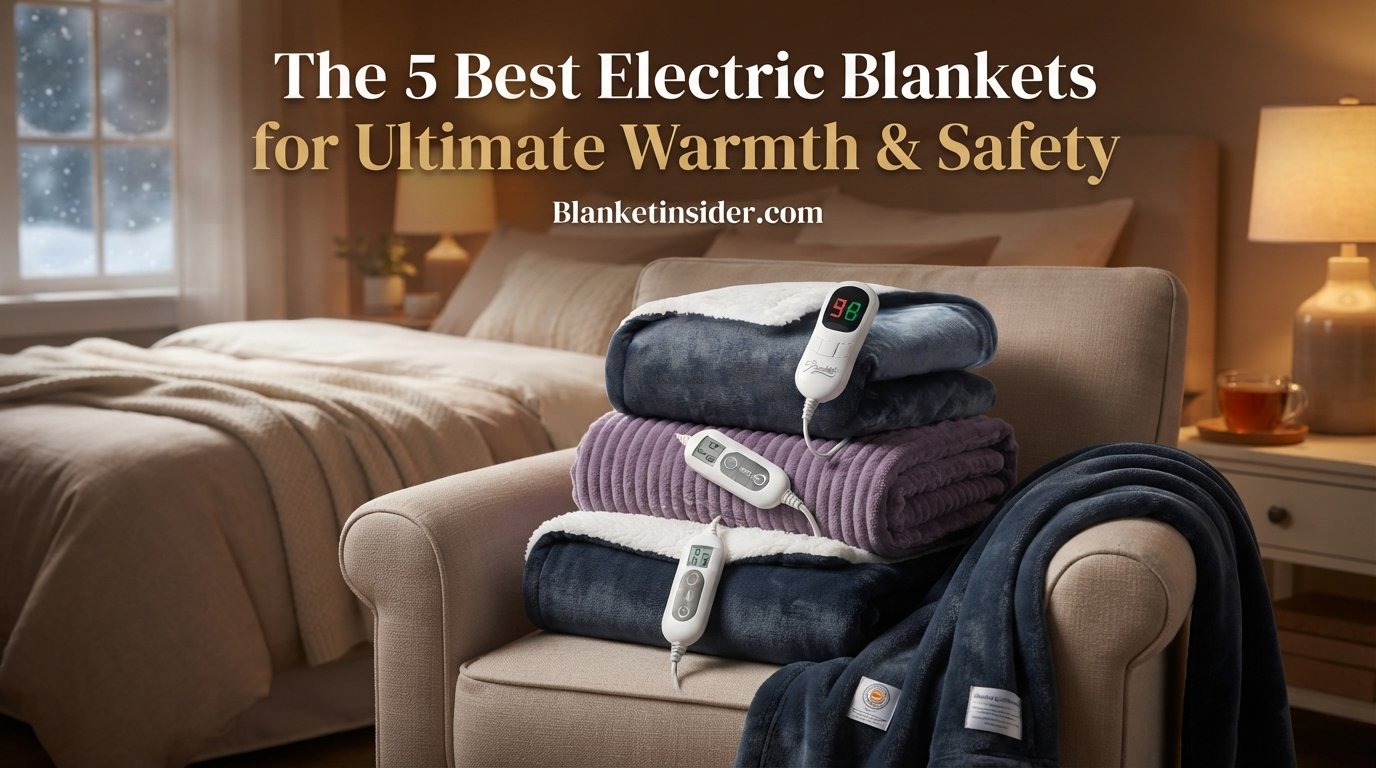
The Best Electric Blankets for Winter Comfort
We ran six electric blankets through a full heating season — tracking how evenly they warmed a bed, how loud the auto-shutoff clicked at 2 a.m., and how much they actually shaved off a winter heating bill. Two failed outright. Here’s what we’d buy again.
Read the full reviewHow We Actually Test a Blanket Before We Recommend It
Most “best blanket” lists online are written from a spec sheet, not a bed. We do it the slower way. When a blanket earns a spot in our testing queue, it goes into regular household rotation for a minimum of three weeks — through at least two full wash-and-dry cycles, because that’s where cheap fill and loose weaves start to show themselves. We’re not looking for a blanket that feels good in the box; we’re looking for one that still feels good after a month of actual use, pets included.
A few of us run warm at night and a few of us run cold, so every blanket gets tested by more than one person, in more than one room temperature. Weighted blankets get checked for even bead distribution after being balled up in a dryer. Electric blankets get their auto-shutoff timed with a stopwatch. Cooling blankets get laid against a laser thermometer next to a plain cotton sheet, because “cooling” is a claim we’ve learned not to take on faith. When we say a blanket runs warm, sheds fibers, or is worth every dollar, it’s because we watched it do that ourselves.
What we check on every single blanket:
- Warmth retention in a room held at a consistent 65°F, measured against a plain cotton baseline
- How the fabric feels and looks after ten machine washes, not one
- Whether the listed dimensions match what actually arrives, corner to corner
- Pilling, shedding, and seam strength under normal weekly use
- Price relative to blankets of comparable weight, fill, and construction
- Whether the blanket does what its category promises — cooling stays cool, weighted stays put, heated heats evenly
Every Blanket Category We’ve Actually Tested
This is the full shelf — from oversized king-size throws built for a shared bed, down to a compact bamboo weave meant for one warm-blooded sleeper. Each review below covers fit, feel, and value, and links out to a full write-up with sizing notes, wash instructions, and the runners-up we didn’t pick.
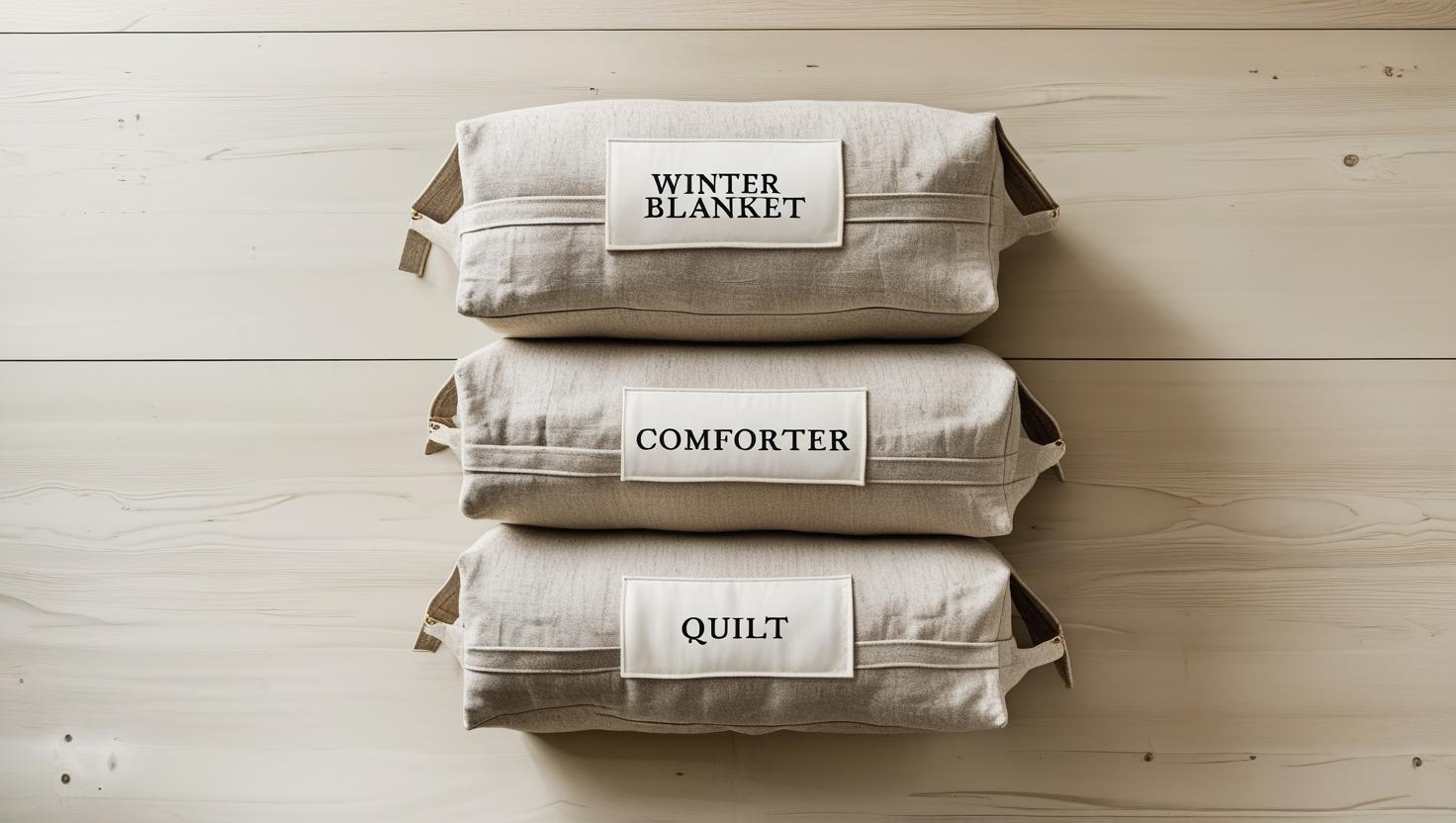
Best Blanket Storage Bags
Off-season bedding takes up more closet space than it needs to. We tested vacuum-seal and zippered options for how well they actually kept moths, dust, and musty smells out over a full summer.
Read the review
Best 12V Heated Blanket
Plugs into a car’s cigarette lighter socket rather than a wall outlet, which makes it the difference between a warm road trip and a miserable one. We checked draw on the battery as much as warmth.
Read the review
Best Blanket for Beach
Sand-proof is a marketing word until you actually shake one out. We rated these on how much sand fell through the weave versus how much rode home in the car.
Read the review
Best Thermal Blankets
Built for trapping body heat in a honeycomb weave rather than sheer bulk, so they pack smaller than a comforter but perform closer to one. Good for layering under a top sheet.
Read the review
Best Pet Blanket
Tested for how a blanket holds up against claws, drool, and the washing machine’s most aggressive cycle. Durability and washability mattered more here than softness alone.
Read the review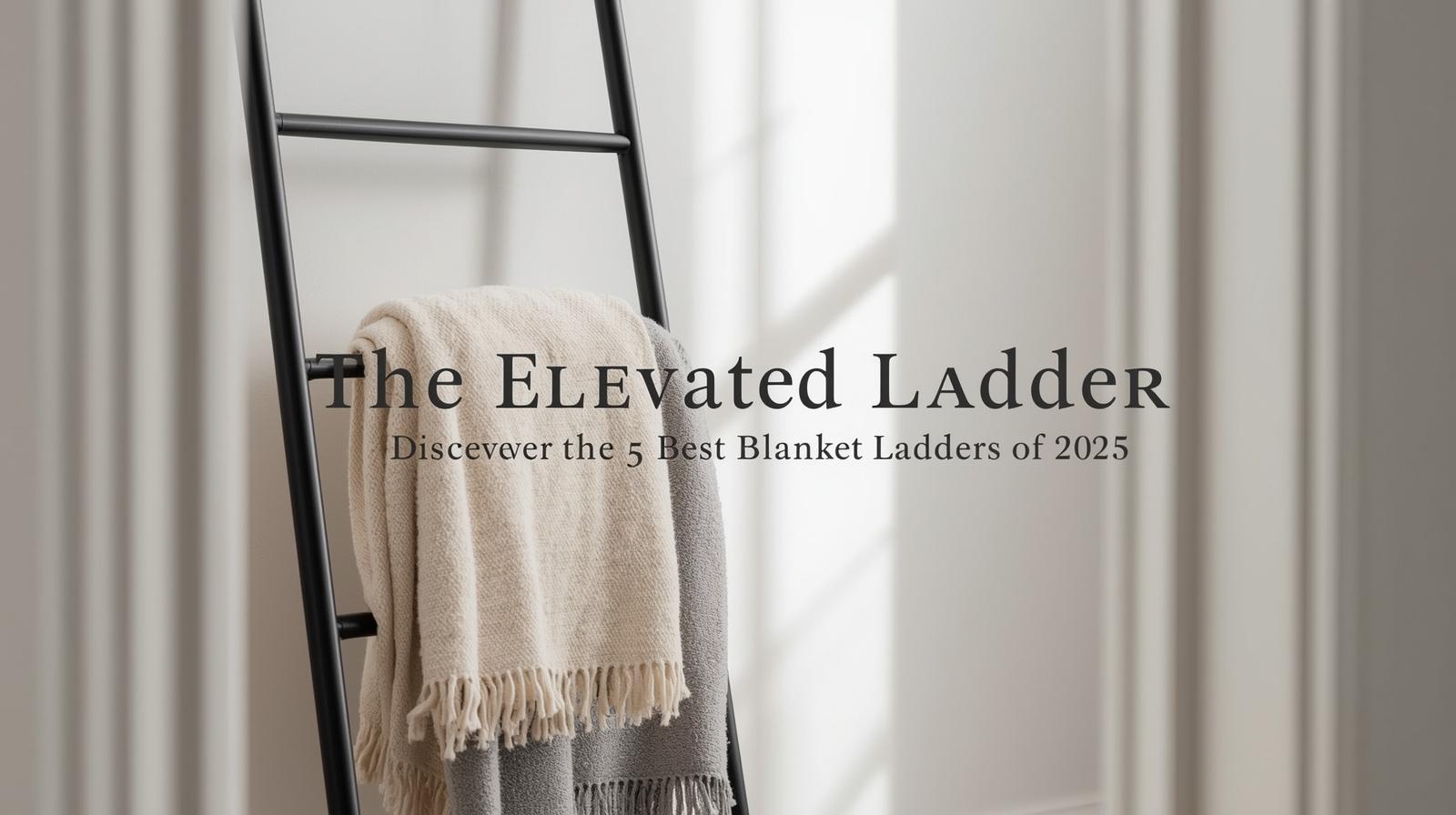
Best Blanket Ladder
The rare storage solution that’s also decor. We compared wood species, joint stability under a full load of throws, and how well each ladder actually leans flat against a wall.
Read the review
Best Blanket Chests
Cedar-lined trunks that double as a bench and keep moths away from wool blankets in storage. We checked hinge quality and whether the “cedar” lining was real cedar or a thin veneer.
Read the review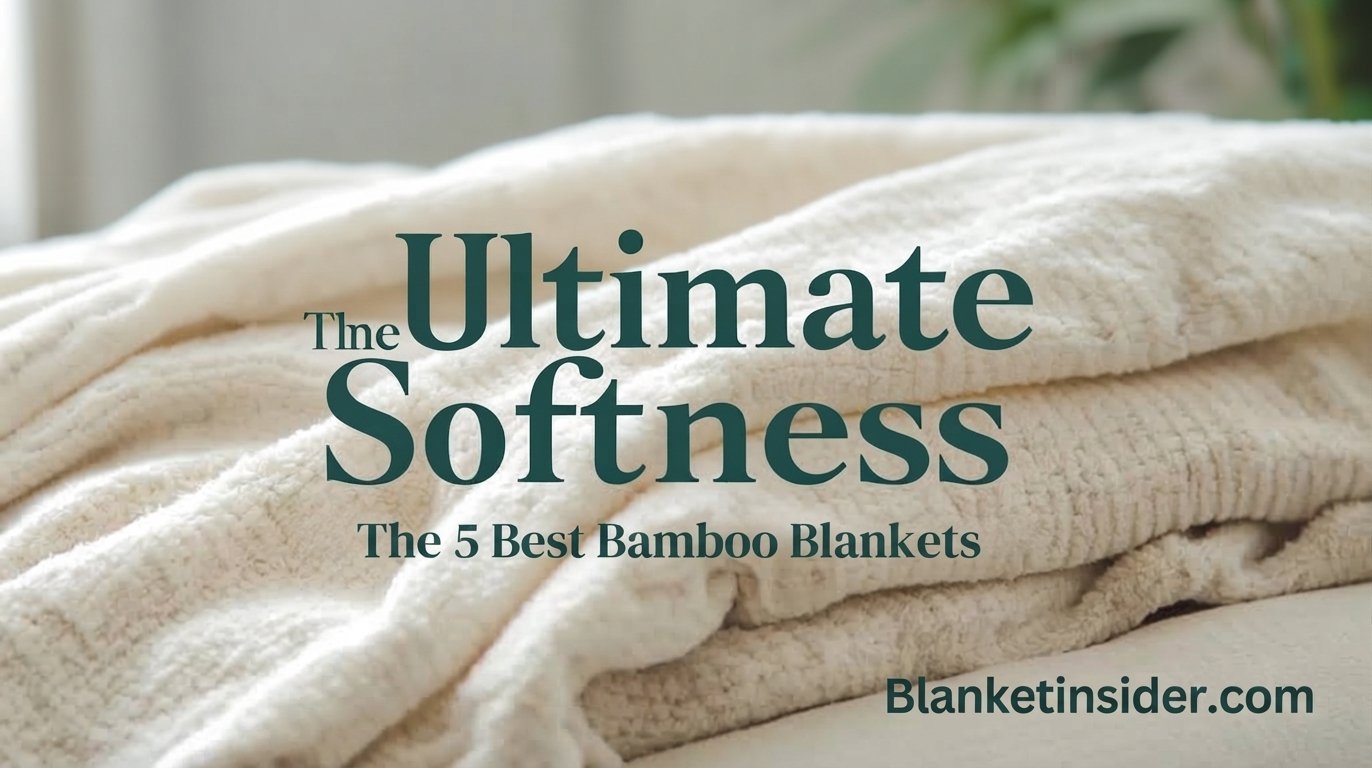
Best Bamboo Blankets
Bamboo-derived rayon drapes cooler than cotton and softens further with every wash. We compared five brands for how quickly that promised cooling effect actually wore off overnight.
Read the review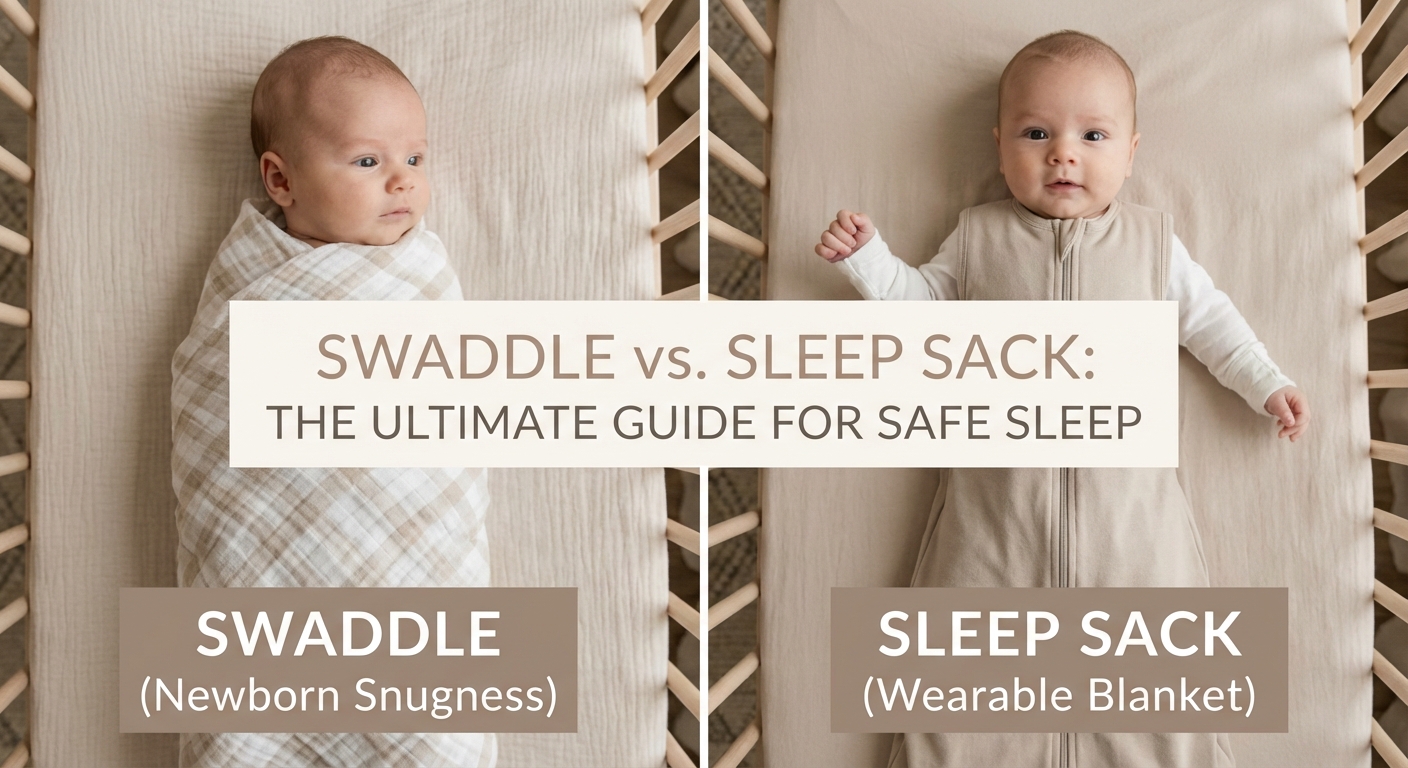
Best Swaddle for Newborns
Two-way zippers, hip-safe fit, and fabric weight suited to a newborn who can’t yet regulate their own temperature. We flag anything with loose fabric that could work its way free.
Read the review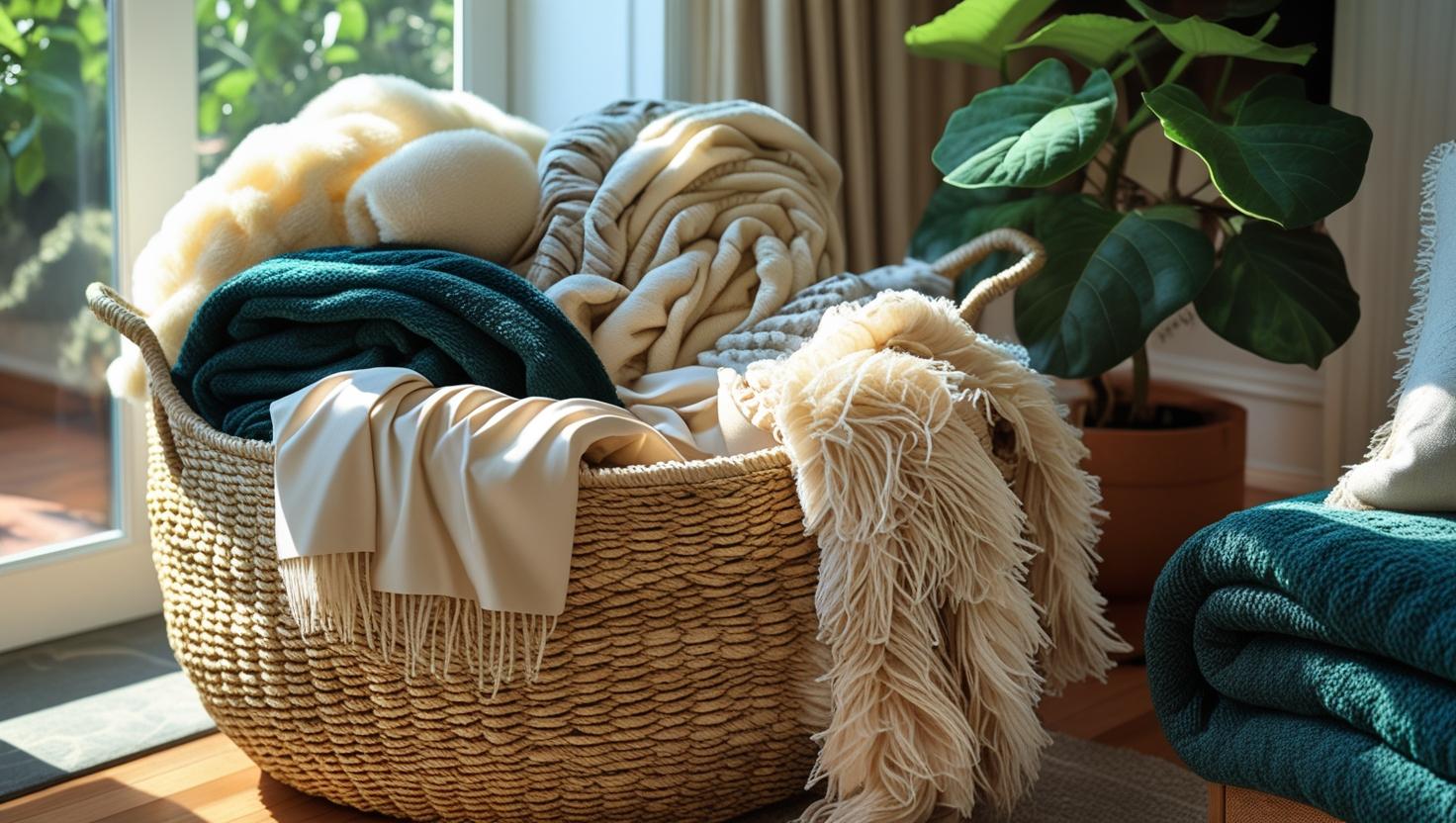
Best Blanket Basket
Woven baskets that hold a season’s worth of throws without sagging out of shape. We loaded each one to its stated capacity and left it that way for a month to see what happened.
Read the review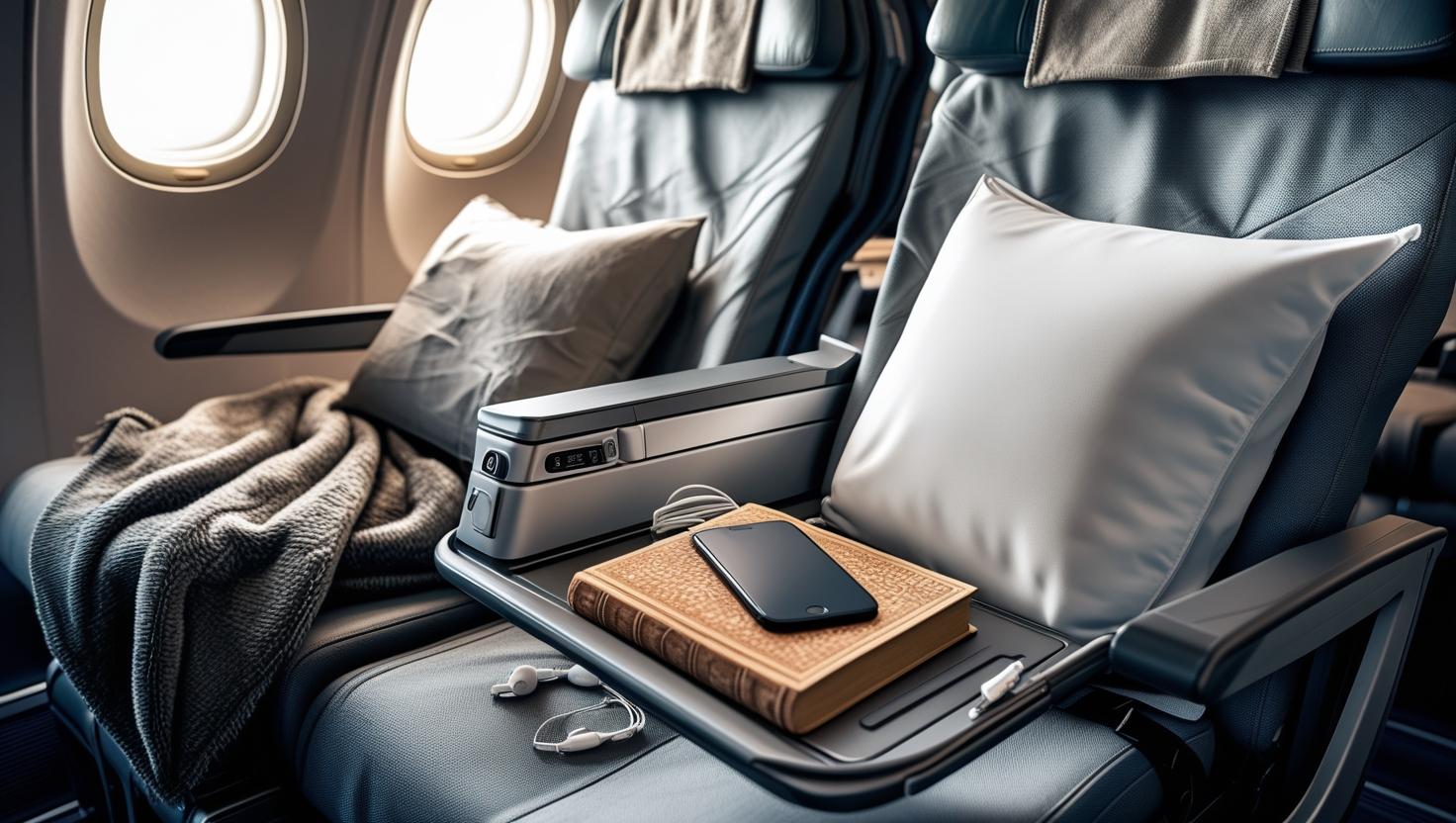
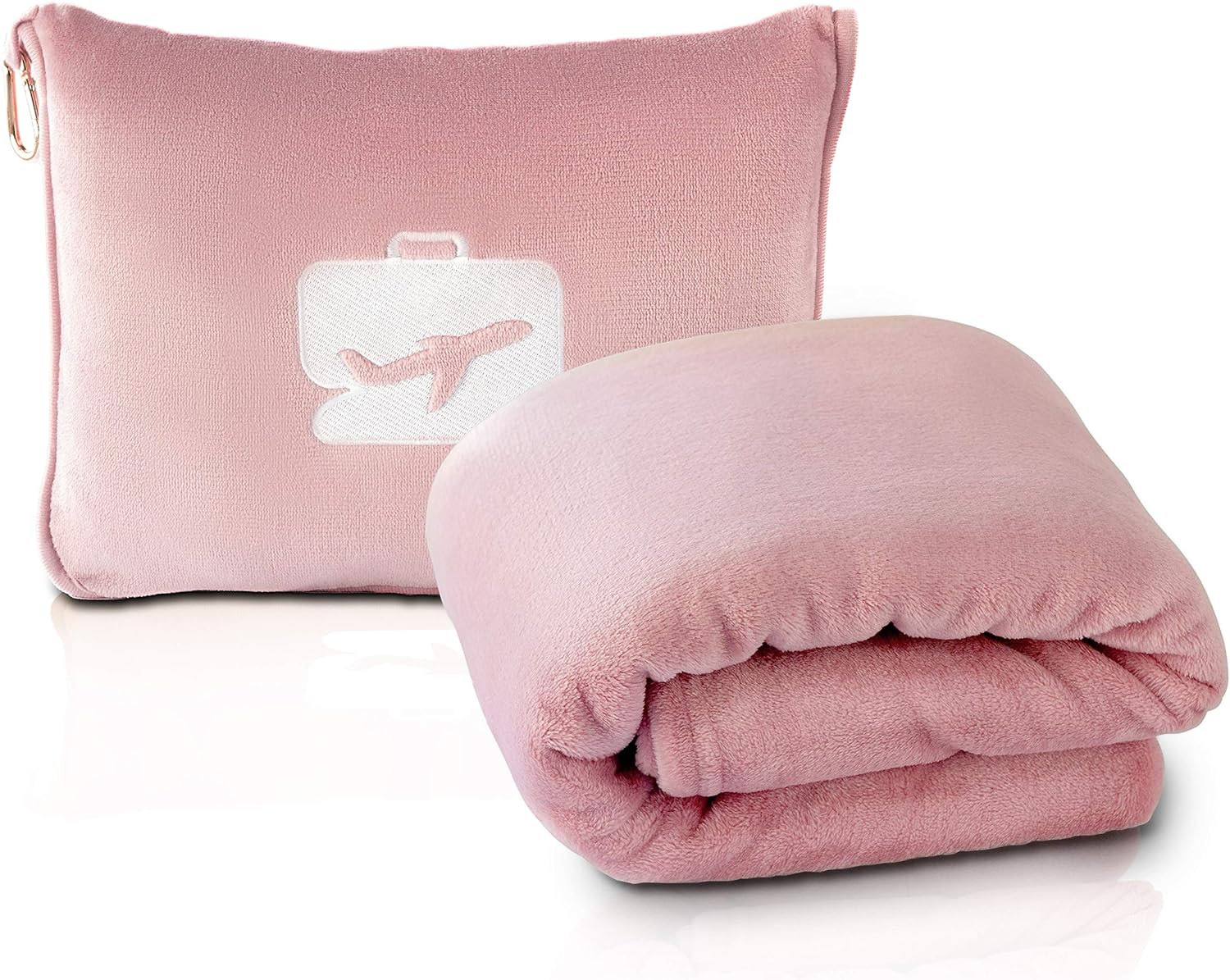
Best Travel Pillow & Blanket Set
Judged on how small it actually compresses, whether the attached strap survives a full round trip, and whether the “pillow” is usable or purely decorative.
Read the review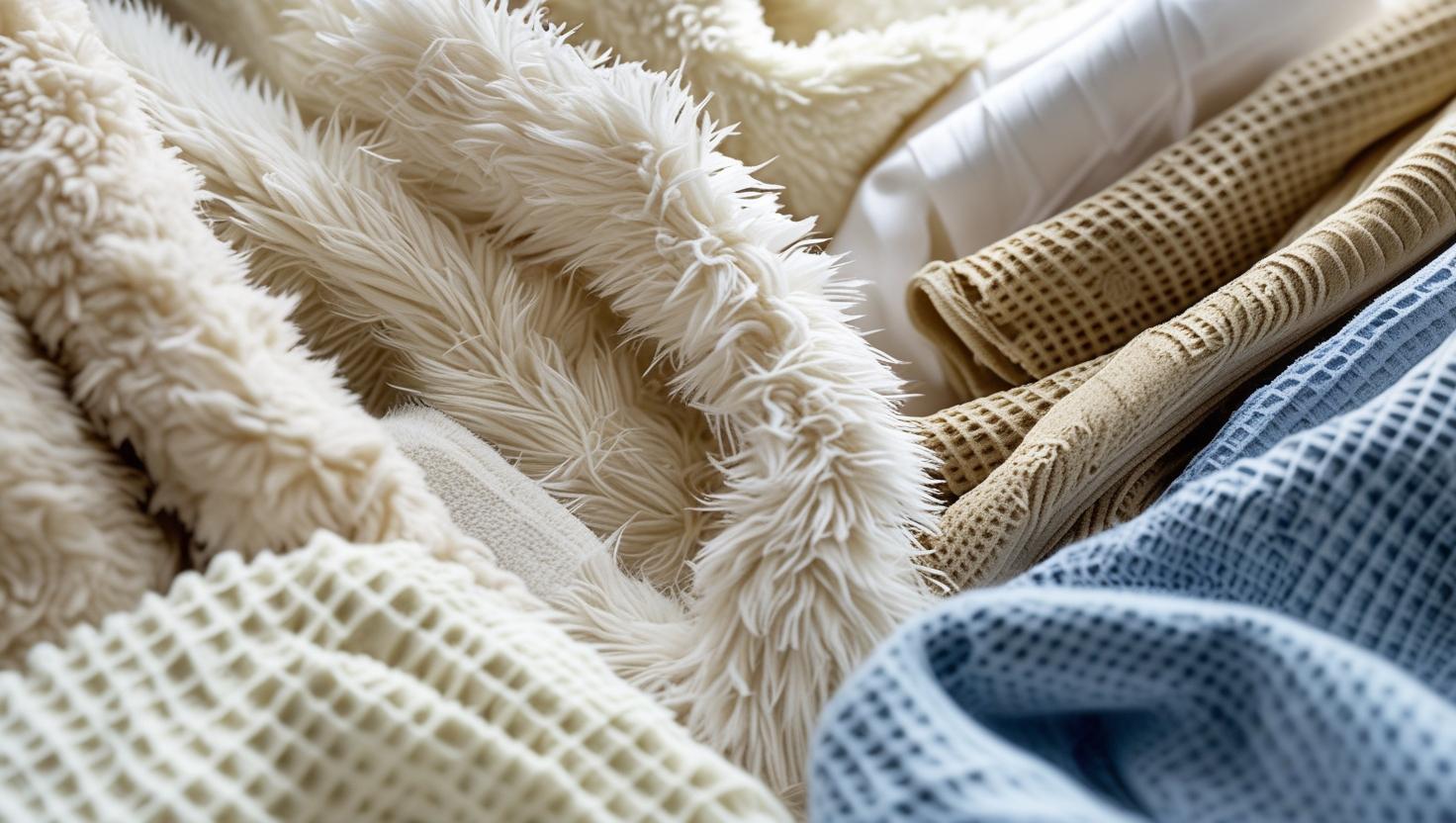
Best King Size Blanket
Enough overhang to stay tucked in when two people, or one person and a dog, pull it in opposite directions all night. We measured actual corner-to-corner coverage, not the label.
Read the review
Best Stroller Blanket
Clips that actually hold in wind, fabric that doesn’t trap heat on a mild day, and a size that covers a car seat without dragging on the sidewalk.
Read the review
Best Emergency Blanket
The kind you hope to never need. We compared heat-retention material and tear resistance against the compact mylar sheets that come free with a race bib.
Read the review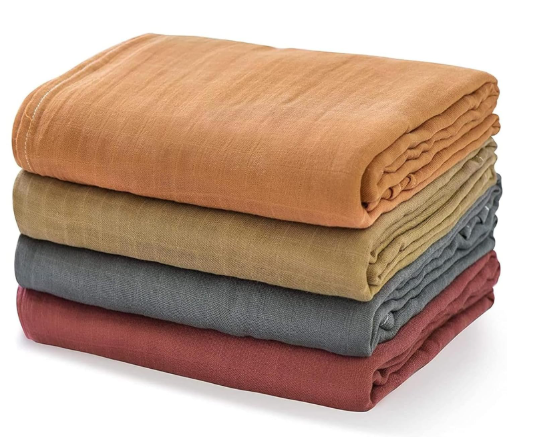
Best Baby Blankets
Muslin, cotton, and minky options judged on breathability and how they held up to the wash cycles a baby blanket goes through in its first year.
Read the review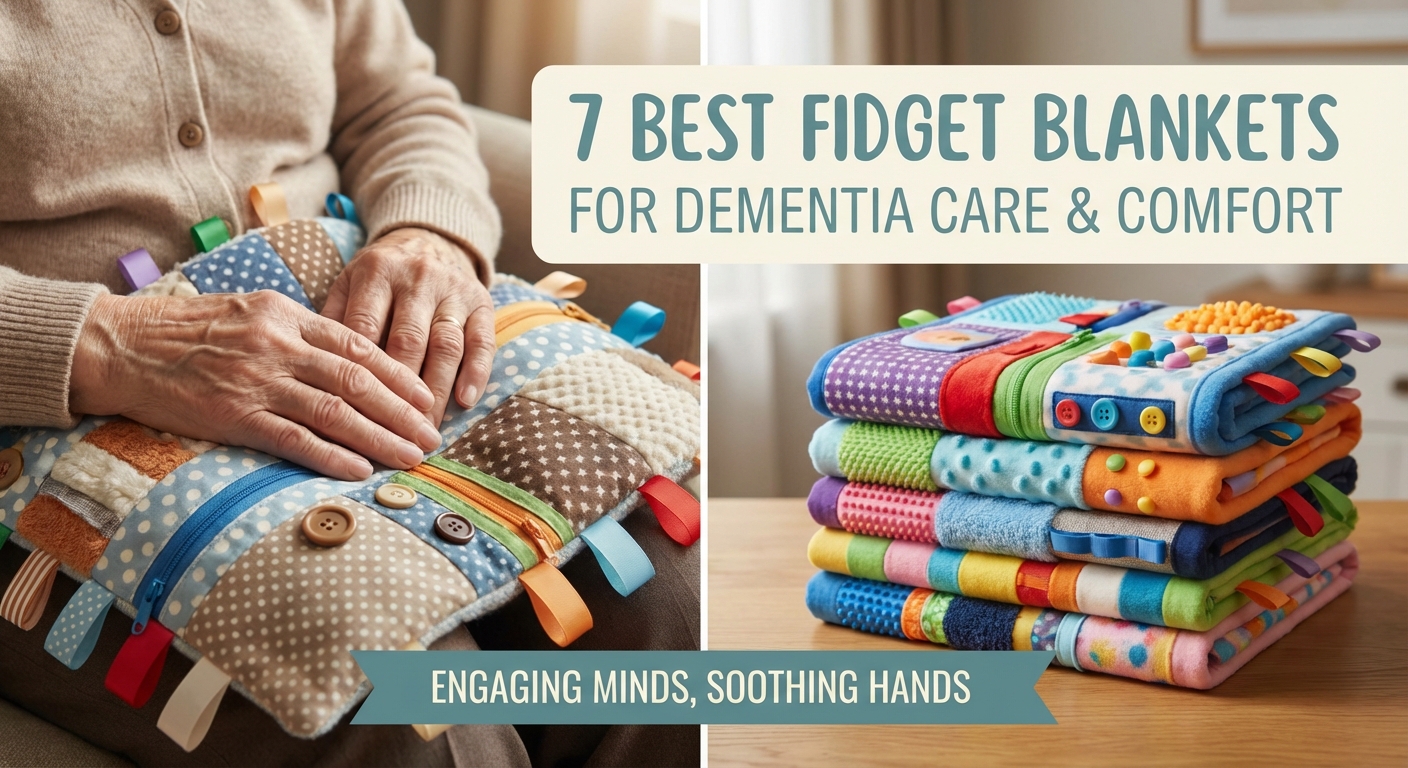
Best Fidget Blanket
Sensory features like zippers, ribbons, and textured patches meant to give restless hands something to do. We asked caregivers, not just reviewers, which details actually got used.
Read the review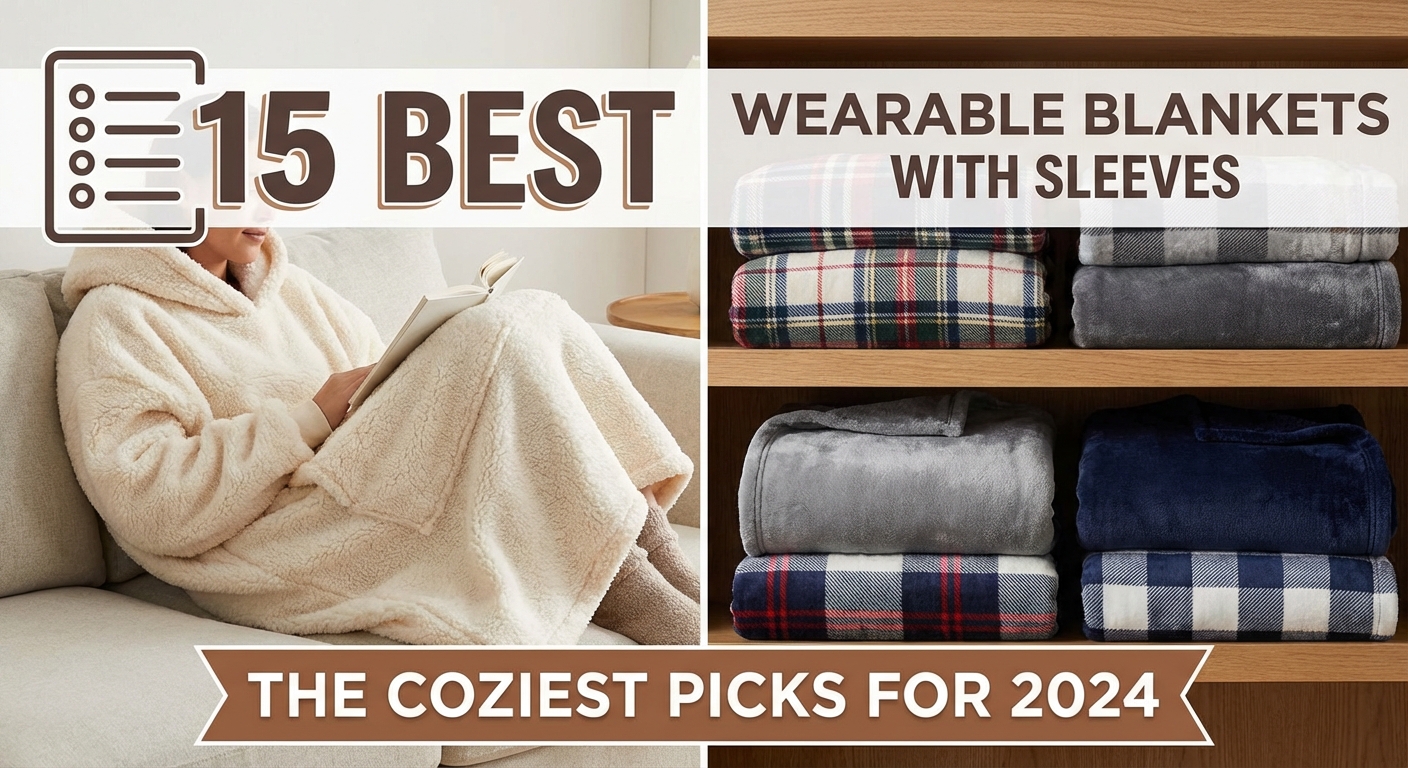
Wearable Blankets with Sleeves
For anyone who wants both hands free while reading or working. We checked sleeve fit, hem drag on the floor, and whether the fabric holds heat as well as a normal throw.
Read the reviewThe Real Buying Guide: What Actually Matters When You Choose a Blanket
Fill and fiber decide almost everything else
Before size or color, the fiber a blanket is made from determines how it will feel, how it will age, and how much work it will be to keep clean. Cotton breathes well and washes easily but offers modest warmth on its own. Wool holds heat even when damp and resists odor naturally, though it usually asks for gentler washing. Down alternative fill — typically a polyester microfiber — gives you loft and warmth at a fraction of the cost and care requirements of real down, which is why it shows up in most budget-friendly comforters and throws. Bamboo-derived rayon and modal fibers drape cool against skin and are worth seeking out if you sleep hot. Sherpa and faux-fur weaves trap the most heat per ounce of fabric but pill the fastest, so they’re a better fit for a couch throw than for nightly bedroom use.
Weight and drape aren’t the same thing as warmth
A heavier blanket isn’t automatically a warmer one — weight and insulation are related but separate properties. Fabric density, or grams per square meter (GSM), is a more honest predictor of warmth than overall weight, since a loosely woven heavy blanket can trap less air, and therefore less heat, than a tightly woven lighter one. Weighted blankets are the clearest exception, since their entire purpose is mass rather than insulation. The commonly cited starting point is a blanket around ten percent of the sleeper’s body weight, though people vary in what feels calming versus restrictive, and a weighted blanket is generally not recommended for young children or anyone who can’t remove it unassisted — check with a pediatrician or physician before choosing one for a child or a person with mobility limitations.
A rough size cheat sheet
- Throw: about 50 × 60 inches — a couch or single-chair layer, not full bed coverage
- Twin: around 66 × 90 inches — fits a twin or twin XL mattress with modest overhang
- Full/Queen: typically 90 × 90 inches — the most common size for a shared bed
- King: usually 108 × 90 inches — sized for overhang on both sides of a king mattress
Exact dimensions vary by brand — always check the listed measurements against your actual mattress before buying.
Matching a blanket to the season
Most people don’t need one blanket, they need a rotation. A lightweight cotton or bamboo weave carries a bedroom through late spring and summer without trapping heat overnight. A mid-weight cotton flannel or a thin wool blend bridges early fall. Heavy sherpa, wool, or an electric blanket earn their keep once temperatures drop for good. Keeping even two blankets in rotation — one light, one heavy — solves more comfort complaints than buying a single “all-season” blanket that compromises on both ends.
Care determines how long it actually lasts
A blanket’s washing instructions should factor into the purchase decision, not just show up as a surprise on the tag afterward. Machine-washable synthetic and cotton blankets are the easiest to maintain and the most forgiving of frequent laundering. Wool and down-alternative pieces often want a gentle cycle and flat drying to avoid clumping. Electric blankets typically can’t be machine washed at all without damaging the internal wiring — check our heated blanket care guide before you run one through a normal cycle.
Color and pattern age differently than fabric does
It’s worth thinking about color the same way you’d think about a kitchen appliance’s finish — not just whether you like it today, but how it holds up under daily wear. Deep, saturated colors like navy or forest green hide pilling and lint far better than pale neutrals, which show every stray pet hair and every wash-worn fiber under bright light. A busy pattern, like a plaid or a jacquard weave, forgives a lot of the minor texture changes a blanket picks up over a year of use, while a solid pale throw will start looking tired well before it’s actually worn out. If you’re buying for a high-traffic spot like a couch or a kid’s bed, weighting your choice toward a darker or more patterned option is a small decision that pays off months later.
Keeping a Blanket in the Shape You Bought It In
The fastest way to shorten a blanket’s life is washing it the way you’d wash a t-shirt. Fill clumps, fibers pill, and elastic-backed weighted inserts can shift or tear under the wrong cycle. These guides walk through the specifics for each material, plus the sizing and fabric questions that come up most often.
How to Wash a Weighted Blanket
Step-by-step instructions for cleaning heavy, bead-filled blankets without damaging the internal baffles or overloading your machine.
Can You Wash Cooling Blankets?
What the specialty cooling fibers are actually made from, and how washing them the wrong way can dull the cooling effect over time.
How to Wash a Heated Blanket
Safely cleaning an electric blanket without soaking the wiring, plus how to tell when a heated blanket has reached the end of its usable life.
Can You Wash a Weighted Blanket?
The short answer, plus how to check your own washer and dryer’s capacity before loading one in.
How Big Is a 40 x 30 Blanket?
A practical, visual sense of scale for crib, lap, and small-throw sizing that spec sheets rarely make clear.
What Is a Sherpa Blanket?
The faux-shearling fabric behind most “ultra plush” throws — how it’s made, and why it pills faster than most other fleece.
The Benefits of Merino Wool
Why this natural fiber costs more than synthetic fill, and where that extra cost actually shows up in daily use.
Washing Cooling Fabrics: A Maintenance Checklist
Detergent, water temperature, and drying choices that keep summer bedding performing the way it did out of the box.
Bedding Comparisons, Settled Plainly
Bedding terminology overlaps more than it should — a duvet cover gets called a comforter cover, a coverlet gets mistaken for a bedspread, and two fibers with very different price tags get compared as if they’re interchangeable. These side-by-sides exist to settle the confusion in plain language before you buy.
Cashmere Wool vs. Merino Wool
Cashmere is lighter and softer to the touch; merino is more durable and far easier to care for at a fraction of the price. Which one wins depends on whether you’re optimizing for feel or for longevity.
Read the comparisonSilk vs. Satin Pillowcase
Both reduce friction on hair and skin overnight, but silk is a natural protein fiber that breathes, while satin is typically a woven synthetic that traps more heat.
Read the comparisonDuvet Cover vs. Comforter Cover
These terms get used interchangeably online, but they refer to different constructions with different closures. We clarify which word actually matches what you’re shopping for.
Read the comparisonSherpa vs. Fleece Blanket
Sherpa runs warmer and plusher; fleece is lighter, cheaper, and dries faster. We compare texture, heat retention, and how each holds up after repeated washing.
Read the comparisonComforter vs. Duvet vs. Blanket
Three different layers with three different jobs, and near-total overlap in how shoppers use the words. This is the plain breakdown of what belongs on your bed and why.
Read the comparisonCoverlet vs. Bedspread vs. Comforter
Weight and drape separate these three top layers more than anything else. We match each to the season and the bedroom it actually suits.
Read the comparisonSham vs. Pillowcase
One is built to be seen, the other to be slept on. We explain the construction differences that make shams a poor everyday pillow cover.
Read the comparisonHeated Blanket vs. Mattress Pad
Heat from above warms you directly; heat from below warms the mattress first. We compare how each affects sleep temperature and energy use over a full night.
Read the comparisonHeated Blanket vs. Space Heater
A heated blanket warms one person for a fraction of the electricity a space heater draws to warm a whole room. We break down the efficiency and safety trade-offs.
Read the comparisonBamboo Sheets vs. Cotton Sheets
Bamboo-derived fabric tends to run cooler and softer over time; cotton is more breathable in its raw form and typically less expensive up front.
Read the comparisonSwaddle vs. Sleep Sack
A swaddle wraps a newborn snugly; a sleep sack replaces it once a baby starts showing signs of rolling. We cover when to make that transition.
Read the comparisonBassinet vs. Crib vs. Pack ‘n Play
Each suits a different age, room, and budget. We lay out the safe-sleep basics for each option side by side.
Read the comparisonIf a comparison you’re looking for isn’t here yet, it’s probably in progress — this section grows every time enough readers ask the same question in our inbox. Bedding vocabulary is inconsistent across brands and regions, so when in doubt, go by the listed dimensions and construction details on a product page rather than the name alone.
Dorm Rooms, Apartments & Other Small Spaces
A dorm room or a studio apartment doesn’t need less comfort — it needs comfort that folds up, stacks flat, or does double duty. This section covers the accessories, furniture, and layering tricks that make a small, often rented space feel considered instead of temporary, without requiring a renovation budget or a landlord’s permission.

Essential Dorm Room Accessories for Guys
A room that came with nothing but a bed frame and a desk, made livable in an afternoon.

Cozy Home Essentials
The small, inexpensive swaps that make a rental feel warmer without touching the walls.
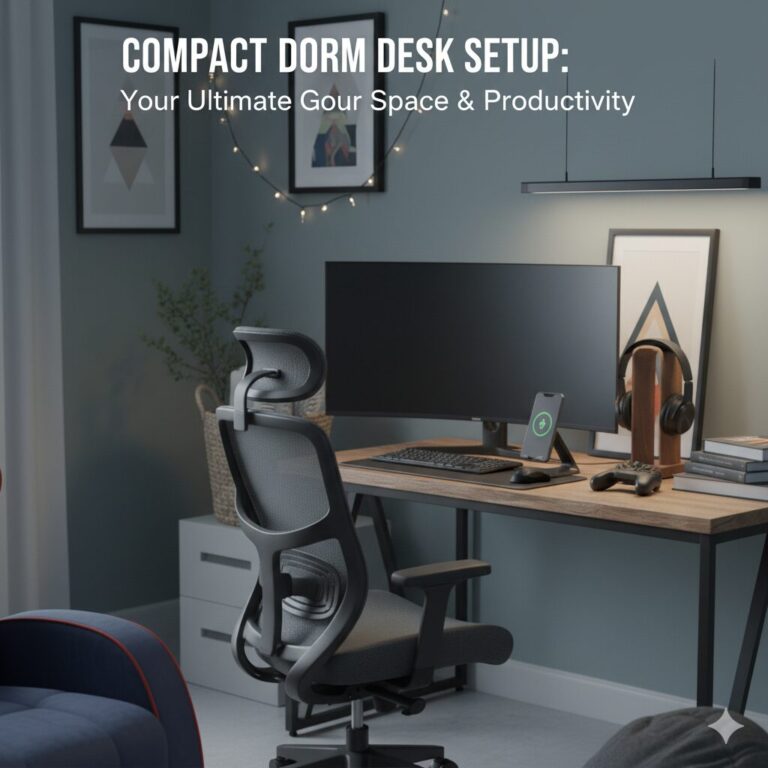
Compact Dorm Desk Setup
Studying somewhere that doesn’t feel like a folding table pushed against a cinderblock wall.
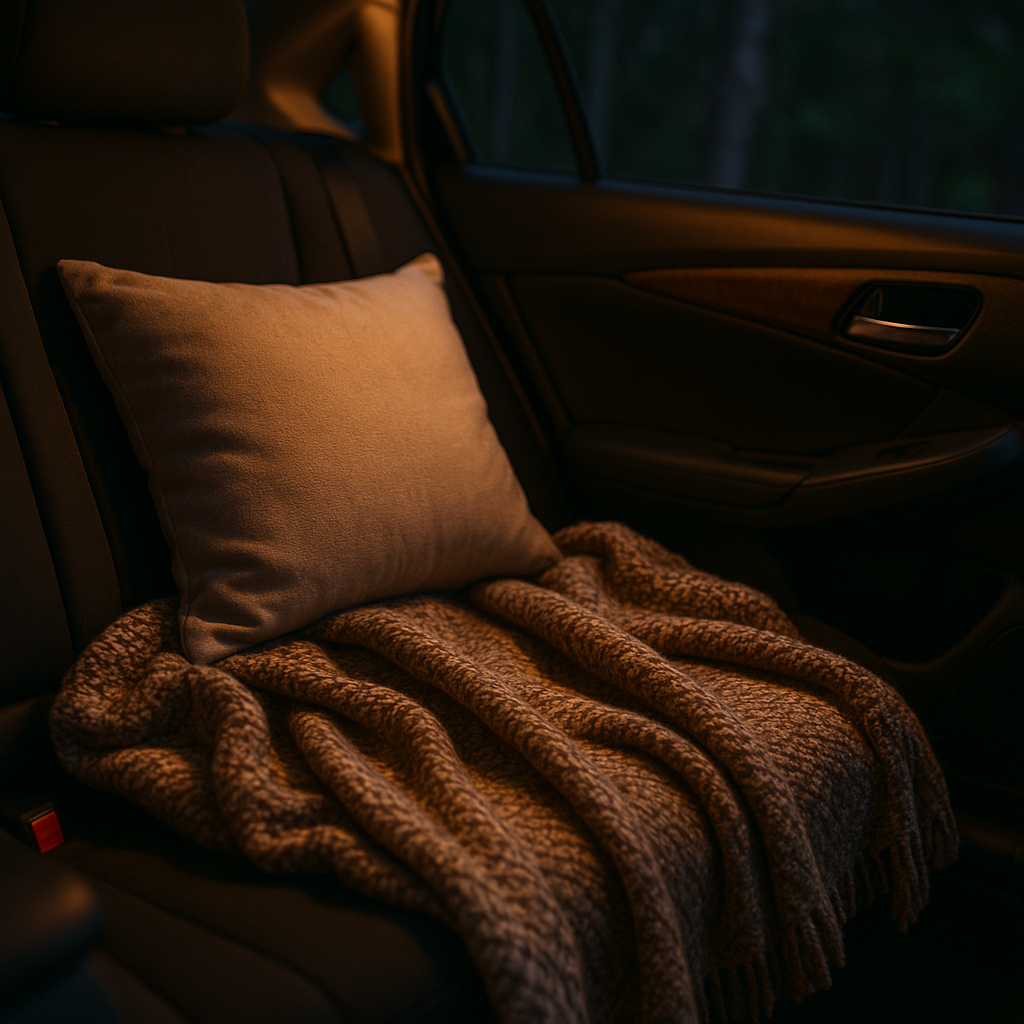
Cozy Road Trip Guide
Everything that makes the back seat bearable on a drive longer than four hours.
A Gentler, More Careful Section
Bedding around infants is one of the only categories on this site where “cozy” takes a back seat to safety, and we treat it that way. Loose blankets, pillows, and bumpers in a crib are consistently linked to an increased risk of sleep-related infant death, which is why major pediatric guidance generally recommends a bare sleep surface — a firm, flat mattress with a fitted sheet and nothing else — for babies under twelve months old.
That doesn’t mean a nursery has to be cold or under-furnished. A wearable blanket or sleep sack is generally considered the safer substitute for a loose blanket, since it can’t be pulled over a baby’s face or bunch up around them during the night. Room-sharing without bed-sharing is another widely cited recommendation — keeping a baby’s sleep space in the same room as a caregiver, on its own separate surface, rather than in the adult bed. None of this is a substitute for your own pediatrician’s guidance, especially if your baby was born early, has a medical condition, or you’re making decisions about your specific sleep setup — when in doubt, ask them directly rather than relying on a general guide like this one.
When Can Baby Sleep with a Blanket?
The age and developmental signs pediatric guidance generally points to before introducing loose bedding into a crib, and what to watch for in the meantime.
Read the safety guideSwaddle vs. Sleep Sack
Which one fits your newborn’s stage, and the specific rolling milestone that signals it’s time to make the switch.
Read the comparisonBest Baby Blankets
Top picks for softness, breathability, and durability, sorted by the specific use — swaddling, stroller, tummy time, or crib-adjacent decor.
See the top picksBest Swaddle for Newborns
Hip-safe, breathable options for wrapping a newborn snugly, with notes on which fasteners hold up best overnight.
Read the reviewBest Stroller Blanket
On-the-go warmth for walks that clips securely and won’t overheat a baby on a mild afternoon.
Read the reviewBassinet vs. Crib vs. Pack ‘n Play
How to choose the safest, most practical sleep environment for your specific space, budget, and baby’s age.
Read the guideQuestions We Get Asked Constantly
A blanket in regular nightly use is reasonable to wash every one to two weeks, similar to sheets. A couch throw used occasionally can usually stretch to once a month. Wool and down-alternative pieces tolerate washing less often and benefit from airing out between cycles instead.
Pilling happens when short, loose fibers rub against each other and tangle into little balls — it’s more common in synthetic fleece and sherpa than in tightly woven cotton or wool. Washing on a gentler cycle, turning the blanket inside out, and avoiding high heat in the dryer all slow it down, though some pilling is close to unavoidable over a blanket’s lifetime.
Not universally. They’re generally not recommended for infants, young children, or anyone who wouldn’t be able to remove the blanket on their own if needed. Adults with certain respiratory or circulatory conditions should also check with a doctor first. For most healthy adults, a weighted blanket in the commonly suggested range is considered low-risk, but “commonly suggested” isn’t the same as “right for you” — when in doubt, ask a physician.
A throw is a small accent blanket, usually 50 x 60 inches, meant for a couch or the foot of a bed rather than full coverage. A bedspread is sized to cover an entire mattress, often reaching the floor, and is typically the top layer in a made bed rather than something you’d sleep under directly.
Static builds up fastest in dry air and synthetic fibers rubbing against each other in the dryer. A dryer sheet or wool dryer balls during the drying cycle cuts most of it, and a room humidifier helps if the problem is really about winter air dryness rather than the blanket itself.
No — always check the care label first. Electric blankets should never go in a dryer, since heat and tumbling can damage the internal wiring. Weighted blankets often need a low, no-heat setting to avoid shifting the fill. Wool generally does better air-dried flat. Cotton and most synthetics tolerate a normal dryer cycle fine.
Generally, no — most heated blankets draw far less power than heating a whole room, since they’re warming one person rather than the air around them. Running one for a few hours nightly through a winter tends to add a modest amount to a monthly bill, usually far less than running a space heater for the same stretch of time.
A few reliable signs: the fill has gone flat or clumped in patches even after fluffing, the seams have started separating along a stress point like a corner, or the fabric has thinned enough to let light through when held up. Persistent pilling that a fabric shaver can’t keep up with is more of a texture issue than a durability one, so that alone isn’t always a reason to replace — but combined with the others, it’s usually a sign the blanket has reached the end of its useful life.
Why This Site Exists
Blanket Insider started because most bedding buying guides online are written from a product feed, not a bed frame. We got tired of “best of” lists that were really just the highest-commission items from a single retailer, rearranged into a new headline every few months. So we built something slower: a small team that actually buys, uses, washes, and eventually wears out the blankets we write about, then tells you honestly which ones are worth replacing and which ones you can skip.
We update reviews as products change — fill quality shifts, manufacturers swap suppliers, and a blanket that impressed us two years ago sometimes doesn’t hold up on a second look. If something we recommend stops performing the way we described it, we go back and say so.
Get one email a month, when the season actually changes
New reviews, care-guide updates, and the occasional seasonal buying checklist. No daily noise — we only send when there’s something worth reading.