
Comforter vs. Duvet vs. Blanket: The Ultimate Bedding Comparison Guide
Walking into the bedding aisle or browsing online for cozy home essentials can quickly become overwhelming. You are bombarded with terms that seem interchangeable but actually refer to distinctly different products. The debate of comforter vs. duvet vs. blanket is more than just semantics—it defines how you sleep, how you wash your bedding, and the overall aesthetic of your bedroom.
Are you looking for the fluffy “cloud-like” experience of a duvet? The convenience of a ready-to-use comforter? or the versatile layering capability of a high-quality blanket? Making the wrong choice can lead to overheating at night, difficult laundry days, or a bedroom style that falls flat.
In this comprehensive guide, we are stripping back the layers. We will define exactly what each item is, compare their pros and cons, and help you decide which top layer deserves a spot on your bed. Whether you are outfitting a dorm room, a nursery, or a master suite, here is everything you need to know.
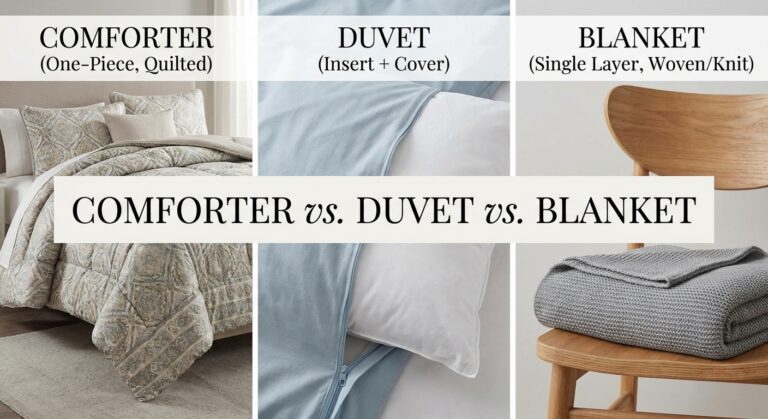
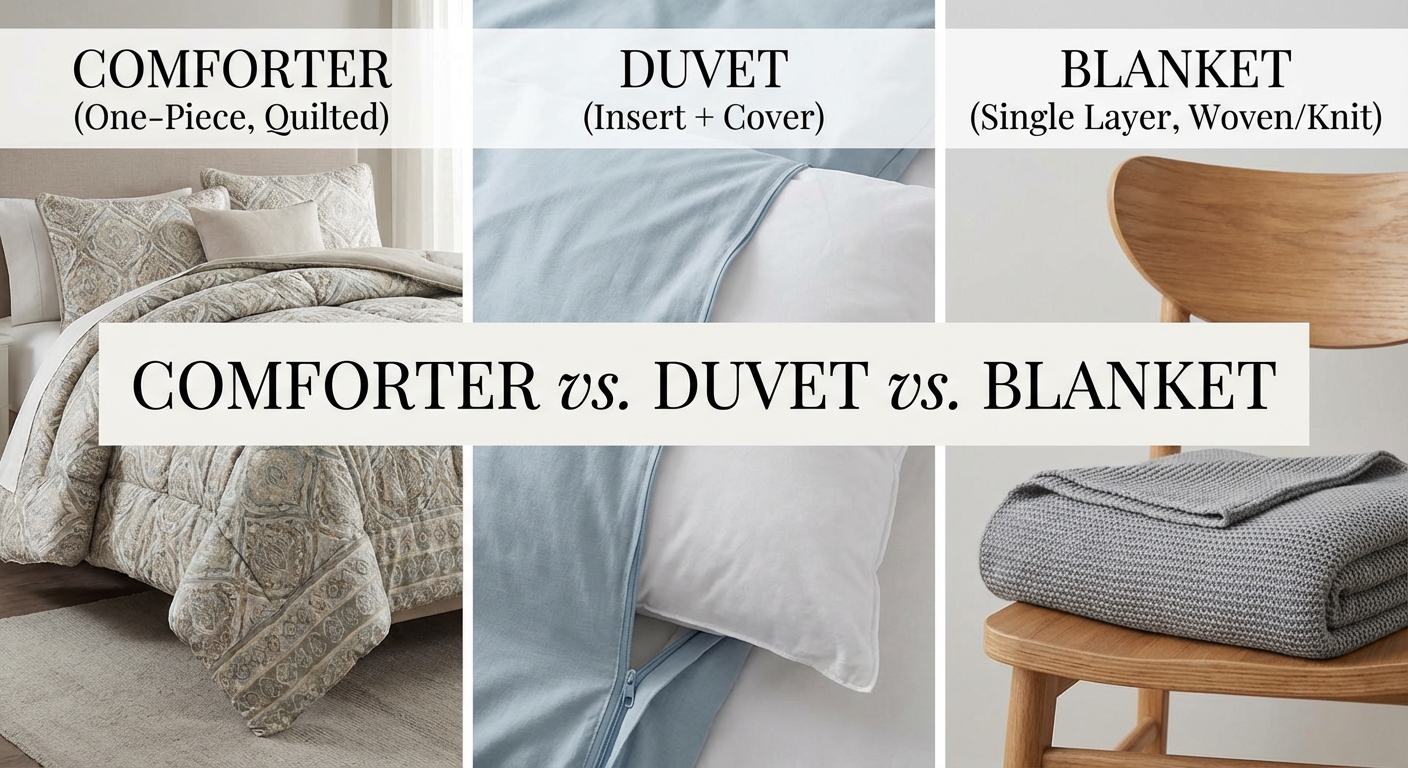
At a Glance: The Key Differences
Before we dive deep, let’s look at the fundamental differences between these three bedding heavyweights.
| Feature | Comforter | Duvet (Insert + Cover) | Blanket |
|---|---|---|---|
| Structure | One piece (shell & filling stitched together). | Two pieces (Insert goes inside a removable cover). | Single layer of fabric (woven, knit, or fleece). |
| Warmth | Medium to High (Fixed warmth). | Adjustable (Switch inserts by season). | Low to Medium (Used for layering). |
| Cleaning | Difficult (Whole unit must be washed). | Easy (Wash just the cover). | Easy (Fits in standard machines). |
| Style | Patterns/colors are permanent. | Versatile (Change cover to change style). | Textural/Decorative accents. |
| Price | Often cheaper (sold in sets). | Higher initial cost (Insert + Cover). | Varies widely based on material. |
What is a Comforter?
A comforter is a thick, quilted, fluffy blanket that is used as the top covering on your bed. The defining characteristic of a comforter is that it is one single piece. The outer fabric (shell) and the inner filling (down or synthetic fibers) are stitched together, usually in a grid or baffle-box pattern, to keep the filling evenly distributed.
Comforters are famously sold as “Bed-in-a-Bag” sets, making them a popular choice for those who want a coordinated look without the hassle of mixing and matching. If you are setting up a student space, check out our guide on compact dorm setups where comforters often reign supreme due to their simplicity.
Key Characteristics
- Construction: The filling is permanently enclosed.
- Sizing: Typically hang over the sides of the bed more generously than duvets.
- Style: Often feature dyed patterns, floral prints, or specific textures directly on the fabric.
Pros of Comforters
- Ready to use: Open the bag and put it on the bed. No assembly required.
- Cohesive design: Often comes with matching shams and bed skirts.
- No shifting: The filling is quilted in place, so you don’t get cold spots.
- Layering: Can be used over a top sheet or a thin thermal blanket.
Cons of Comforters
- Hard to wash: You must wash the entire bulky item. Large sizes (King/Cali King) often require a commercial laundromat.
- Fixed style: If you get bored of the pattern, you have to buy a whole new comforter.
- Flattening: Over time, the filling can compress, and since you can’t replace just the inside, the whole item wears out.

Top Rated: Utopia Bedding Comforter Duvet Insert
A versatile option that works as a standalone comforter or a duvet insert. Box-stitched specifically to keep filling in place.
Check Price on AmazonWhat is a Duvet?
The word “duvet” (pronounced doo-vay) is French for “down.” A duvet system consists of two separate parts: the duvet insert and the duvet cover. Think of it like a pillow and a pillowcase. The insert is usually white and plain, filled with down feathers, wool, or a down alternative. The cover is the decorative fabric shell that goes over it.
Duvets are favored in Europe and by luxury hotels because of their “fluff factor.” They are designed to be used without a top sheet, although many people still use one. If you are confused about the terminology, we have a deep dive on duvet covers vs. comforter covers that explains the nuances further.
Key Characteristics
- Customizable Warmth: You can use a lightweight silk insert in summer and a heavy down insert in winter, keeping the same cover.
- Hygiene: You only need to wash the cover regularly, which is as easy as washing sheets.
- Sizing: Duvets tend to fit the exact dimensions of the mattress top, with less overhang than comforters.
Pros of Duvets
- Easy Cleaning: Remove the cover and toss it in the wash. Great for pet owners (see our best pet blanket guide for more pet tips).
- Style Versatility: Change the look of your room instantly by swapping the cover.
- Fluffiness: Generally provides a loftier, cloud-like sleeping experience.
Cons of Duvets
- The “Wrestle”: Putting the cover back on the insert after washing can be physically frustrating.
- Shifting: If the insert doesn’t have corner ties, it can bunch up inside the cover.
- Price: Buying a high-quality insert and a high-thread-count cover separately is usually more expensive.
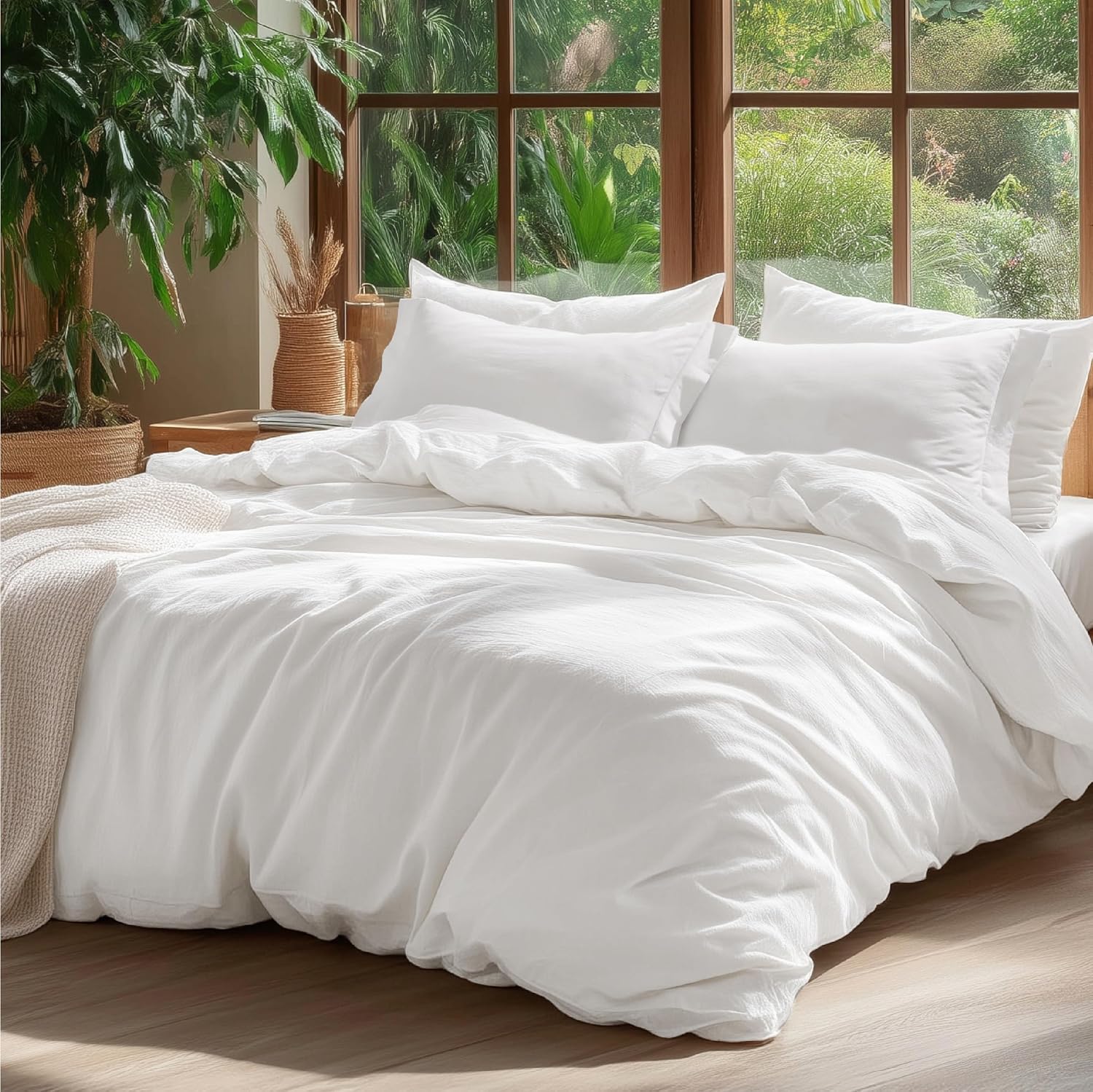
Editor’s Pick: Bedsure 100% Washed Cotton Duvet Cover
Give your bedroom a relaxed, lived-in look with this breathable, button-closure duvet cover set.
Check Price on AmazonWhat is a Blanket?
While comforters and duvets are the “main event,” a blanket is the versatile supporting actor. A blanket is a single layer of fabric, usually woven, knitted, or fleece. They are significantly thinner than duvets or comforters and are rarely used as the sole covering during colder months.
Blankets serve two primary purposes: layering for warmth and decoration. For example, a Sherpa blanket adds texture to a room, while a heated option (see best electric blankets) adds utility.
Common Blanket Materials
- Cotton: Breathable and soft, perfect for summer or layering.
- Wool/Merino: Excellent for temperature regulation. Learn more about merino wool benefits here.
- Fleece/Synthetic: Affordable, warm, and durable. However, you must know Sherpa vs. fleece differences to choose the right texture.
- Weighted: Filled with glass beads for anxiety relief. Hygiene is key here; read our guide on how to wash a weighted blanket.
Pros of Blankets
- Versatility: Use them on the bed, the couch, or even for a cozy car road trip.
- Durability: Woven blankets last for years and often get softer with washing.
- Breathability: Ideal for hot sleepers who feel suffocated by thick duvets.
Cons of Blankets
- Not warm enough alone: In winter, you will need multiple blankets to match the warmth of one duvet.
- Sizing confusion: From throws to king size, getting the right fit matters. (See: How big is a 40×30 blanket?).

Top Pick: Bedsure Fleece Throw Blanket
Velvety soft, lightweight, and perfect for layering or lounging on the sofa.
Check Price on AmazonHead-to-Head Comparisons
Duvet vs. Comforter: The Bedding Battle
This is the most common dilemma. If you value convenience and budget, the comforter wins. It is often cheaper and requires zero assembly. However, if you value longevity, hygiene, and aesthetics, the duvet wins. Washing a duvet cover is much easier than stuffing a King-sized comforter into a washing machine, which can damage the filling over time.
Pro Tip: If you love the look of a duvet but hate the “shifting,” look for covers with 8 internal ties rather than the standard 4.
Blanket vs. The Rest: When to Use Which?
You shouldn’t really choose between a blanket and a comforter; you should usually have both. A blanket is an essential layer.
- Summer: Use a cotton blanket or a bamboo blanket alone.
- Spring/Fall: Use a lightweight comforter.
- Winter: Layer a thermal blanket under your duvet or comforter for maximum heat retention.
For specialized needs, blankets offer solutions that comforters cannot, such as swaddle blankets for newborns or blankets designed for the beach.
Storage and Maintenance
Regardless of what you choose, proper care extends the life of your bedding. Comforters and duvets are bulky. In the off-season, you need proper storage solutions. Vacuum bags are popular, but be careful with natural down, as crushing the feathers can ruin their loft.
We recommend breathable fabric bags. Check out our review of the best blanket storage bags and blanket chests to keep your linens fresh and dust-free.
When it comes to washing, always check the care label. For heated options, reading our guide on how to wash a heated blanket is crucial to avoid damaging the wiring.
Final Verdict: Which Should You Choose?
Choose a Comforter if:
- You want a “one-and-done” purchase.
- You have a limited budget.
- You hate the idea of wrestling a cover onto an insert.
- You are shopping for a guest room or dorm (Link: best dorm gear).
Choose a Duvet if:
- You want that high-end, fluffy hotel look.
- You wash your top bedding frequently (pets/allergies).
- You like to change your bedroom decor seasonally without buying new bulky bedding.
- You want to customize your warmth level (e.g., swapping wool for down).
Choose a Blanket if:
- You need an extra layer for warmth.
- You want a decorative throw for the foot of the bed or the couch.
- You are a hot sleeper who needs something lighter than a comforter in summer.
- You need something portable (Link: travel sets).
Frequently Asked Questions
Ready to Upgrade Your Sleep?
Whether you choose the convenience of a comforter, the luxury of a duvet, or the versatility of a new blanket, the right choice will transform your nights.
Explore Best Sellers on Amazon