The Complete Guide to Best Blanket Materials
Cotton to cashmere, fleece to bamboo — everything you need to know to choose the fabric that matches your sleep style, climate, and budget.
Why Blanket Material Is the Most Important Buying Decision You’ll Make
Walk into any bedding aisle — or scroll through any retailer — and you’ll be confronted with an overwhelming wall of throws, comforters, and weighted blankets. Thread counts, fill weights, GSM ratings, organic certifications. What actually separates a blanket that transforms your sleep from one that ends up shoved in a closet? The answer almost always comes back to one thing: the material it’s made from.
Blanket fabric determines how warm it keeps you, how it feels against bare skin, how well it breathes on a warm night, how it handles washing, how long it lasts, and ultimately whether you’ll reach for it every single evening or forget it exists. Picking the wrong material doesn’t just mean mild disappointment — it can mean broken sleep, overheating, skin irritation, or a blanket that pills into an unrecognizable lump after three washes.
This guide cuts through the marketing language and examines every major blanket material with honesty. You’ll learn what makes each fabric tick at the fiber level, who it’s genuinely best for, and what trade-offs you should expect before you ever hand over your credit card. Whether you’re wrapping a newborn, outfitting a dorm room, or hunting for the finest cold-weather throw your living room has ever seen, the right material is the foundation of everything.
It’s also worth noting that material choices ripple outward. The right fabric for your climate (humid summers in Bangladesh, frigid winters in Canada, or temperate year-round conditions) is completely different. A bamboo blanket that feels like a revelation in July may leave you shivering by November. A heavy wool throw that’s perfect in January can feel suffocating by March. Understanding these dynamics is the real payoff of this guide.
Cotton Blankets: The Gold Standard for Versatility
If you were to name a single blanket material that works for the widest range of people, in the widest range of climates, at the widest range of price points, it would be cotton. Cotton has been woven into blankets for millennia, and it hasn’t endured this long by accident. Its hollow fiber structure makes it naturally breathable, its hydrophilic nature means it can absorb moisture without feeling wet, and its durability means well-made cotton blankets often outlast the furniture they’re draped over.
But “cotton blanket” is a category that spans enormous ground. A lightweight cotton muslin throw at 120 GSM (grams per square meter) behaves almost nothing like a dense thermal-weave cotton blanket at 400 GSM. The weave matters as much as the fiber itself.
Cotton Weave Styles Compared
| Weave Type | GSM Range | Feel | Best For | Warmth |
|---|---|---|---|---|
| Waffle weave | 200–280 | Textured, slightly crisp | Year-round use | ★★★☆☆ |
| Muslin | 100–160 | Soft, airy | Summer, babies, layering | ★★☆☆☆ |
| Thermal (ladder) | 250–360 | Structured, grid-like | Cold nights, camping | ★★★★☆ |
| Jersey knit | 180–240 | Stretchy, t-shirt-soft | Couch naps, toddlers | ★★★☆☆ |
| Percale | 150–200 | Crisp, smooth | Hot climates | ★★☆☆☆ |
| Chenille | 300–450 | Velvety, dense | Luxury throws, décor | ★★★★☆ |
Egyptian Cotton Premium
Egyptian cotton — specifically long-staple cotton from the Nile Delta — commands premium prices because its extra-long fibers spin into finer, stronger yarns with fewer exposed fiber ends. The result is a blanket that grows softer with every wash rather than rough and pilled. If you’re considering whether the premium is worth it, our deep-dive on Egyptian cotton authenticity explains exactly how to verify you’re getting the real thing — because counterfeiting in this space is rampant.
✓ Pros
- Machine washable in most cases
- Highly breathable — great for warm sleepers
- Hypoallergenic (especially organic varieties)
- Wide price range — budget to luxury
- Gets softer with repeated washing
- Suitable for sensitive skin and babies
✗ Cons
- Wrinkles easily (especially percale)
- Heavier than synthetic alternatives
- Can shrink if washed in hot water
- Premium varieties are expensive
- Less insulating than wool or down
For a detailed head-to-head against polyester, we break down the trade-offs across a dozen different metrics. The short version: cotton wins on breathability and longevity; polyester wins on cost and quick-dry performance.

Breathable, machine-washable cotton throws for every season — verified buyer reviews included.
View Cotton Blankets →Fleece Blankets: Affordable, Warm, and Wildly Popular
Polyester fleece is one of the most commercially successful blanket materials ever invented — and it earned that status by being genuinely good at its primary job: delivering soft, reliable warmth at a price almost anyone can afford. Developed in the late 1970s as a synthetic alternative to wool, modern fleece has evolved into several distinct types that behave quite differently from one another.
Understanding the difference between standard polar fleece, anti-pill fleece, Sherpa-backed fleece, and coral fleece will save you considerable disappointment. That $8 fleece blanket on clearance and the $85 anti-pill fleece throw feel completely different after six months of weekly use.
Types of Fleece Blanket Material
Polar fleece is the classic — a dense, brushed polyester fabric with a soft nap on both sides. Excellent warmth-to-weight ratio, fast drying, and genuinely cozy. The problem is that cheap polar fleece pills aggressively, leaving you with a blanket covered in tiny fiber bobbles within months.
Anti-pill fleece uses tighter fiber construction and a different finishing process to resist pilling. If you’re buying a fleece blanket expecting it to last more than a year, anti-pill is the only version worth considering.
Sherpa fleece — not to be confused with actual Sherpa wool — features a smooth outer face and a deep, curly-napped inner face designed to mimic the texture of sheep’s wool. Our full breakdown of Sherpa blankets explains why this construction makes them particularly effective in cold climates. We also compare the two head-to-head in our Sherpa vs fleece guide if you’re deciding between them.
Coral fleece is a microfiber variant with an ultra-dense, velvety pile that’s exceptionally soft against skin — closer to the feel of minky than traditional fleece. It’s become popular for baby blankets and travel throws.
✓ Pros
- Machine washable, quick-drying
- Excellent warmth-to-weight ratio
- Very affordable
- Lightweight and portable
- Doesn’t require ironing
- Wide color and print options
✗ Cons
- Cheap varieties pill rapidly
- Retains static electricity
- Not breathable — traps heat
- Sheds microplastics when washed
- Melts near open flames
One thing fleece does extremely well: warmth retention after washing. Unlike wool, it doesn’t felt or shrink in a standard machine cycle. For a direct material comparison, our wool vs fleece analysis and fleece vs Sherpa comparison go into considerable depth on this.

Soft, durable fleece that resists pilling after dozens of washes — great for everyday use.
Browse Fleece Blankets →Wool Blankets: Nature’s Most Sophisticated Thermal Regulator
Wool is, by almost any objective measure, the most technically impressive blanket material that exists. The hollow core of each wool fiber traps air; the crimp structure creates millions of tiny pockets of insulation; and the natural lanolin coating gives it inherent water resistance. But what makes wool truly remarkable — and different from every synthetic alternative — is its ability to actively regulate temperature. Wool warms you when you’re cold and moderates heat when you’re warm, a property so unique it has its own name: thermoregulation.
Our deep-dive on merino wool’s thermoregulation explains the physiology in detail, but the simple version is this: wool fibers absorb moisture vapor from your skin as you sleep, releasing latent heat in the process, which evens out your body temperature rather than cooking you. No synthetic fiber comes close to replicating this behavior.
The Wool Spectrum: From Merino to Cashmere
| Wool Type | Micron Count | Softness | Warmth | Price Point | Best For |
|---|---|---|---|---|---|
| Merino wool | 17–24µ | Very soft | ★★★★★ | $$–$$$ | All-season, sensitive skin |
| Lambswool | 25–30µ | Soft | ★★★★☆ | $$ | Classic throws, cold winters |
| Shetland wool | 27–33µ | Moderate | ★★★★★ | $–$$ | Rugged outdoor use |
| Cashmere | 14–19µ | Exceptional | ★★★★☆ | $$$$ | Luxury throws, gifting |
| Alpaca | 18–26µ | Very soft | ★★★★★ | $$$ | Allergy-prone users, warmth |
| Virgin wool | 25–40µ | Moderate–rough | ★★★★☆ | $ | Emergency/camping blankets |
One legitimate concern with wool is care requirements. Standard wool can felt irreversibly if washed incorrectly — hot water and agitation cause the scales on the fiber surface to lock together, turning a beautiful blanket into a stiff, shrunken mess. However, proper cold-water washing with gentle detergent makes most merino and lambswool blankets machine-safe. Always check the label first.
For a direct comparison at a slightly lower price point, see our cashmere vs merino wool breakdown — the softness difference is real but the durability trade-off is significant.
✓ Pros
- Exceptional thermoregulation
- Naturally flame-resistant
- Moisture-wicking without feeling wet
- Naturally odor-resistant
- Durable — lasts decades with care
- Biodegradable and sustainable
✗ Cons
- Coarser varieties scratch sensitive skin
- More demanding care requirements
- Heavy compared to synthetics
- Quality varies enormously by brand
- Expensive for premium grades

From classic lambswool throws to fine merino wraps — filter by warmth weight and price.
Shop Wool Blankets →Bamboo Blankets: The Hot Sleeper’s Best Friend
Bamboo fabric has become one of the fastest-growing categories in bedding, and the enthusiasm is largely warranted — particularly for people who sleep hot. Bamboo-derived fibers (primarily bamboo viscose and bamboo lyocell) have a round, smooth fiber structure that creates a surface substantially cooler to the touch than cotton, and significantly more breathable than any polyester-based material.
The catch — and there is a meaningful one — is that most “bamboo” fabric involves a chemical process to convert raw bamboo pulp into spinnable fiber. Bamboo lyocell (sometimes sold as Tencel-bamboo) uses a closed-loop solvent process with minimal environmental impact. Bamboo viscose uses more intensive chemical processing, though it still produces a genuinely soft, breathable fabric. Our bamboo blanket buying checklist helps you identify legitimate lyocell vs viscose labeling before purchase.
Bamboo Viscose vs Bamboo Lyocell — What the Labels Mean
Regardless of processing method, bamboo blankets share several properties that cotton and fleece simply cannot match. The fiber’s natural silica content makes it naturally antibacterial, reducing odor build-up — a meaningful benefit if you share your blanket with pets or children. The thermal conductivity is lower than cotton, meaning it stays cool to the touch even in warm rooms.
Bamboo also tends to have a beautiful drape — it falls softly rather than bunching, making it an excellent choice for living room throws where appearance matters. If you’re comparing bamboo against cotton directly, our bamboo vs cotton blanket guide is worth reading, as is the cooling performance breakdown in our humid climate comparison.
✓ Pros
- Exceptionally cooling and breathable
- Naturally antibacterial and odor-resistant
- Silky-smooth texture
- Eco-friendly (especially lyocell)
- Hypoallergenic — ideal for sensitive skin
- Beautiful drape and appearance
✗ Cons
- More expensive than cotton at equivalent weight
- Viscose labeling can mislead on eco-claims
- Less warm — not ideal for cold climates
- May require gentle washing cycle

Cooling, breathable, and naturally antibacterial — top-rated bamboo throws with verified reviews.
Shop Bamboo Blankets →Cashmere, Alpaca & Silk: Premium Blanket Materials Worth Knowing
There’s a tier of blanket materials where performance and luxury converge — where the fiber itself is so exceptional that the resulting blanket becomes a considered object rather than a commodity purchase. Cashmere, alpaca, and silk occupy this space. They are not the right choice for every buyer or every budget, but understanding what makes them special helps you evaluate whether the investment makes sense for your situation.
Cashmere Blankets
Cashmere comes from the soft undercoat of Kashmir goats, and its fiber diameter (14–19 microns) places it among the finest natural fibers available. A well-made cashmere blanket feels extraordinary against skin — light, warm, and with a surface so smooth it seems to barely exist. The legitimate version of this material is expensive because production is inherently limited: each goat produces only about 150–200 grams of usable cashmere fiber per year.
Alpaca Fiber Blankets
Alpaca is the under-appreciated cousin of cashmere. Fiber from alpacas lacks the lanolin found in sheep’s wool, making it naturally hypoallergenic — ideal for anyone who reacts to standard wool. Baby alpaca (the first shearing from young animals) produces fibers in the 18–23 micron range, which places it in the same softness category as high-grade merino. Crucially, alpaca provides more warmth per unit weight than sheep’s wool, making it an excellent material for cold climates where weight matters.
There’s a reason alpaca blankets appear frequently in high-end gifting guides — they hold up under inspection in a way that most mass-market alternatives don’t.
Silk Blankets and Linings
Pure silk blankets are rare and expensive, but silk is more commonly used as a lining or face fabric in luxury comforters. Silk’s smooth protein fiber structure makes it thermally neutral — it doesn’t trap heat aggressively or radiate cold — creating a uniquely comfortable sleep environment for those who run warm. It’s also naturally hypoallergenic and resistant to dust mites. If you’re exploring silk for pillowcases and sleep accessories, our analysis of silk vs satin pillowcase benefits covers the key comparisons.
✓ Pros — Luxury Fibers
- Extraordinary softness against skin
- Excellent warmth-to-weight performance
- Status and heirloom quality
- Alpaca is naturally hypoallergenic
- Lasts decades with proper care
✗ Cons — Luxury Fibers
- High price point
- Dry-clean recommended for many styles
- Susceptible to moths (wool/cashmere)
- Quality varies enormously by brand
- Limited accessibility
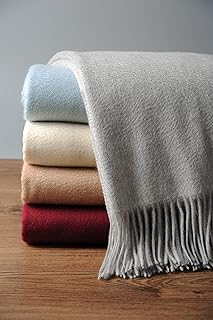
Premium-quality fiber blankets built to last — ideal for gifting or investing in your sleep quality.
View Luxury Blankets →Down and Down-Alternative Blankets: The Warmth-Weight Champions
Down fill isn’t strictly a “blanket material” in the woven sense — it’s a fill, enclosed within an outer shell fabric — but it’s worth covering here because the fill material is the primary determinant of a down comforter or duvet’s thermal performance, just as the fiber is for a woven blanket.
Genuine goose or duck down clusters trap air with exceptional efficiency. The measure used is fill power — a number between roughly 300 and 900 that indicates how many cubic inches one ounce of down occupies when fully lofted. Higher fill power = lighter blanket for equivalent warmth. A 600-fill-power goose down comforter will keep you warmer than a 400-fill-power product at the same weight, or warm you equally at a substantially lower weight.
Understanding Fill Power and Fill Weight
Down-alternative fill (typically polyester microfiber cluster fill) has made major quality improvements in recent years. The best down-alternative blankets now approach the loft and softness of mid-range down, while being fully machine washable, vegan-friendly, and significantly more affordable. For those who want to understand the differences in the context of sleep performance, our down vs weighted blanket comparison is useful reading.
The shell fabric of a down blanket matters nearly as much as the fill. A 300-thread-count cotton percale shell will let some down escape over time and feels crisp and cool. A cotton sateen shell is warmer and softer. For guidance on shell coverings, our duvet cover vs comforter cover breakdown explains how these outer layers interact with the fill.
✓ Pros
- Highest warmth-to-weight ratio of any fill
- Exceptional loft and softness
- Compresses and recovers well
- Lasts 10–20 years if cared for
- Down-alt: machine washable, vegan
✗ Cons
- Expensive (genuine down)
- Clusters shift without baffled construction
- Ethical concerns around live-plucking
- Requires dry cleaning for some products
- Not ideal for allergy sufferers (real down)

From 500FP goose down to premium microfiber alternatives — find the right loft for your climate.
Shop Down Blankets →Minky and Plush: The Softest Blanket Materials Available
If pure tactile softness is your primary criterion — the kind of fabric that makes children (and adults) immediately reach for it and not let go — minky and plush microfiber are in a category of their own. These materials have an almost absurd level of softness that no other blanket fabric matches on first touch.
Minky (also spelled minkee) is a woven polyester fabric with an ultra-dense, short-pile surface that mimics the texture of animal fur. It’s been a staple of baby blanket manufacturing for years, and for good reason: it’s incredibly soft, machine washable, and durable enough to survive the aggressive washing cycles that baby items require. Our comparison between minky vs fleece for baby blankets shows precisely where each material wins, and our guide on what minky fabric is made of explains the fiber construction behind the softness.
Plush fabrics — sometimes sold as “super soft” or “ultra plush” — use a similar woven polyester construction with a longer, denser pile. They’re the material you’ll find in most sherpa-alternative throw blankets sold at mass-market retailers. While not as technically sophisticated as wool or as breathable as bamboo, a good plush blanket delivers immediate sensory comfort that’s hard to argue with on a cold evening.
✓ Pros
- Exceptional tactile softness
- Machine washable and durable
- Holds softness after repeated washing
- Good warmth retention
- Wide design and color options
✗ Cons
- Not breathable — traps heat
- Retains static electricity
- Sheds microplastics
- Can feel clammy in warmer seasons

Ultra-soft throws for babies, kids, and couch-napping adults — machine-washable and long-lasting.
Shop Minky Blankets →Synthetic Blends, Microfiber, and Acrylic: The Everyday Middle Ground
The majority of blankets sold at mid-market price points are blended fabrics — combinations of natural and synthetic fibers, or purpose-engineered synthetic materials, designed to balance cost, durability, and performance. These are not lesser materials; in many applications they outperform single-fiber alternatives because they can be engineered to combine specific properties that no single fiber provides naturally.
Acrylic Blankets
Acrylic was developed as a synthetic wool alternative, and in blanket form it genuinely approximates some of wool’s tactile qualities at a fraction of the cost. A quality acrylic throw is warm, soft, and significantly more machine-washable than most wool options. The comparison in our acrylic vs wool throw guide shows that for buyers who prioritize easy care and affordability, acrylic is a genuinely sensible choice — particularly for decorative throws and gifts.
The principal weakness of acrylic is that it retains heat aggressively without the moisture management that makes wool comfortable. Sleepers who run warm will find acrylic blankets uncomfortable for extended use.
Microfiber Blankets
Microfiber refers to polyester or polyamide fiber with a diameter under one denier — finer than a human hair. When woven into blanket fabric, microfiber creates a surface that’s silky, lightweight, and fast-drying. The material wicks moisture away from skin effectively and dries much faster than cotton, making it popular for beach blankets and travel applications. Our detailed microfiber vs cotton comparison explores the trade-offs across breathability, warmth, and longevity.
Cotton-Polyester Blends
The most common blanket blend in the mass market is 60/40 or 50/50 cotton-polyester. This combination sacrifices some of cotton’s breathability but gains polyester’s wrinkle resistance, shape retention, and faster drying. For everyday use where ease of care matters as much as performance, a well-constructed cotton-poly blend often hits a better practical sweet spot than 100% cotton for many buyers.
| Blend Type | Warmth | Breathability | Wash Ease | Durability | Price |
|---|---|---|---|---|---|
| Cotton-Poly 60/40 | ★★★☆☆ | ★★★☆☆ | ★★★★★ | ★★★★☆ | $ |
| Acrylic | ★★★★☆ | ★★☆☆☆ | ★★★★★ | ★★★☆☆ | $ |
| Microfiber poly | ★★★☆☆ | ★★★☆☆ | ★★★★★ | ★★★★☆ | $ |
| Bamboo-cotton | ★★★☆☆ | ★★★★★ | ★★★★☆ | ★★★★☆ | $$ |
| Wool-acrylic | ★★★★☆ | ★★★★☆ | ★★★★☆ | ★★★★☆ | $$ |
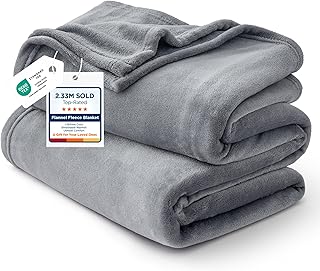
High-performance synthetic blends offering warmth, durability, and easy machine washing.
Shop Blend Blankets →The Complete Blanket Material Comparison Chart
Use this master comparison to evaluate materials side-by-side across the dimensions that matter most for your specific situation. Ratings are based on typical mid-range products within each material category — premium versions of each material will perform better in softness and durability metrics.
| Material | Warmth | Breathability | Softness | Durability | Wash Ease | Price | Eco Score |
|---|---|---|---|---|---|---|---|
| Cotton (standard) | ★★★☆☆ | ★★★★★ | ★★★☆☆ | ★★★★☆ | ★★★★★ | $$ | ★★★★☆ |
| Egyptian cotton | ★★★☆☆ | ★★★★★ | ★★★★★ | ★★★★★ | ★★★★★ | $$$ | ★★★★☆ |
| Merino wool | ★★★★★ | ★★★★☆ | ★★★★☆ | ★★★★★ | ★★★☆☆ | $$$ | ★★★★★ |
| Polar fleece | ★★★★☆ | ★★☆☆☆ | ★★★☆☆ | ★★★☆☆ | ★★★★★ | $ | ★★☆☆☆ |
| Sherpa fleece | ★★★★★ | ★★☆☆☆ | ★★★★☆ | ★★★☆☆ | ★★★★★ | $–$$ | ★★☆☆☆ |
| Bamboo viscose | ★★★☆☆ | ★★★★★ | ★★★★☆ | ★★★★☆ | ★★★★☆ | $$ | ★★★☆☆ |
| Bamboo lyocell | ★★★☆☆ | ★★★★★ | ★★★★★ | ★★★★☆ | ★★★★☆ | $$$ | ★★★★★ |
| Cashmere | ★★★★☆ | ★★★★☆ | ★★★★★ | ★★★☆☆ | ★★☆☆☆ | $$$$ | ★★★☆☆ |
| Alpaca | ★★★★★ | ★★★★☆ | ★★★★☆ | ★★★★★ | ★★★☆☆ | $$$ | ★★★★☆ |
| Down (600+ FP) | ★★★★★ | ★★★★☆ | ★★★★★ | ★★★★★ | ★★★☆☆ | $$$ | ★★★☆☆ |
| Minky / plush | ★★★★☆ | ★★☆☆☆ | ★★★★★ | ★★★★☆ | ★★★★★ | $–$$ | ★★☆☆☆ |
| Acrylic | ★★★★☆ | ★★☆☆☆ | ★★★☆☆ | ★★★☆☆ | ★★★★★ | $ | ★★☆☆☆ |
| Microfiber poly | ★★★☆☆ | ★★★☆☆ | ★★★★☆ | ★★★★☆ | ★★★★★ | $ | ★★☆☆☆ |
For more targeted comparisons between specific pairs, our site covers comforter vs duvet vs blanket, cotton vs polyester blanket, and muslin vs cotton blanket in separate dedicated guides.
Choosing Blanket Material by Use Case
Knowing the properties of each material is useful — but the practical question most buyers face is: “Which is right for my situation?” Here’s a use-case framework that cuts through the analysis paralysis.
For Hot Sleepers and Humid Climates
Your priority is breathability and moisture management above warmth. Bamboo lyocell is the top choice, followed by lightweight linen-cotton blends and organic cotton waffle weave. Avoid fleece, minky, and acrylic entirely — they trap heat and moisture against your skin, making warm nights miserable. Our dedicated guide to blankets for night sweats and the cooling blanket guide have specific product recommendations.
For Cold Winters and Maximum Warmth
Merino wool is the gold standard — it keeps you warm when temperatures drop while actively managing moisture. Alpaca provides even more warmth at lower weight. For budget-conscious buyers, Sherpa-backed fleece delivers excellent insulation at far lower cost. Our thermal blankets guide covers extreme-cold scenarios including emergency preparedness.
For Babies and Young Children
Softness and safety are paramount. OEKO-TEX certified organic cotton, bamboo muslin, and minky are the leading choices. Wool (unless specifically merino) and synthetic fleece should be avoided for newborns due to overheating risk and potential irritation. For a complete overview see our baby blanket materials guide. If you have a specific sleeping safety question, the baby sleep blanket safety timeline is essential reading.
For Weighted Blankets
The outer shell of a weighted blanket is where material choice matters most, since the glass bead or poly pellet fill determines the weight. Cotton and bamboo are the most popular shell materials for weighted blankets — they stay cool and breathable during extended use, which is critical given that the fill itself adds thermal insulation. Our complete weighted blanket guide and care guidance on washing weighted blankets without ruining the fill cover this specialized category in depth.
For Outdoor, Travel, and Emergency Use
Fleece wins on portability, weight, and wash durability. Merino wool wins on performance and odor resistance when you can’t wash frequently. For emergency scenarios, our emergency blanket guide covers mylar and survival options that are a different category entirely. For road trips and car use, a compact travel blanket with pillow set in microfiber or fleece is usually the most practical choice.
For Decorative Throws and Living Room Use
Chunky cotton knit, waffle weave cotton, and chenille provide the visual texture and premium feel that makes a throw blanket a décor statement rather than just a functional object. Drape and appearance matter here. See our curated list of best cozy blankets for the living room and cozy home essentials checklist for pairing ideas.
For Eczema and Sensitive Skin
Anything that scratches or holds moisture is going to aggravate eczema. OEKO-TEX certified organic cotton and bamboo lyocell are the two most-recommended materials by dermatologists. Avoid synthetic fleece and standard acrylic — both can irritate compromised skin. Our dedicated guide to best blankets for eczema covers this topic specifically.

Bamboo and breathable cotton options tested and verified for temperature regulation all night.
View Cooling Blankets →Washing and Care by Material: Keep Your Blanket Performing
Even the finest blanket material will degrade quickly if cared for improperly. The flip side is also true: a modest cotton or fleece blanket washed correctly will outlast a premium cashmere throw that’s been put through a hot-water cycle. Care requirements vary dramatically by material, and understanding them before purchase is as important as understanding the fiber’s performance properties.
Material-by-Material Care Deep Dive
Cotton is the most forgiving material to wash. Standard machine washing on a warm cycle with normal detergent is fine for most cotton blankets. The main risks are shrinkage in very hot water and color fading with harsh detergents. Pre-washing new cotton blankets in cold water before the first use reduces shrinkage in subsequent washes significantly.
Wool and cashmere require the most attention. Cold water, a specialist wool or delicate detergent, and a gentle or hand-wash cycle are essential. Spinning too fast can cause felting. Drying flat rather than hanging prevents stretching. Many premium wool blankets specify dry-clean only — honor this instruction. For heated blanket care instructions, particularly the electrical components, our guide on safely washing heated blankets without damaging wiring is a must-read.
Fleece and minky are among the easiest synthetics to maintain. Cold water, a gentle cycle, and low heat tumble drying are the standard approach. Critically, do not use fabric softener on fleece — it coats the fibers and reduces both softness and moisture-wicking performance over time. Washing synthetic blankets in a laundry bag designed for microfiber capture also reduces microplastic discharge significantly.
Bamboo occupies a middle ground. Most bamboo blankets can handle a gentle machine cycle in cold or lukewarm water, but benefit from air drying to preserve the fiber structure and prevent any shrinkage. Avoid tumble drying on high heat, which can damage the bamboo cellulose structure.
If you’re dealing with a cooling blanket specifically, our guide on washing cooling blankets addresses the specific challenges of phase-change material and gel fiber technology, which require different care approaches than standard woven blankets.

Wool wash detergent, laundry bags, dryer balls, and storage solutions — everything to extend your blanket’s life.
Shop Care Essentials →The Complete Blanket Material Buying Guide: 7 Questions to Ask Before You Buy
With all the material science in hand, here’s the practical decision framework that most buyers need. Answer these seven questions honestly, and the right material will become obvious.
1. What Is Your Primary Climate?
The single most important variable. Hot and humid: bamboo or lightweight cotton. Cold winters: merino wool or down. Variable seasons: cotton, cotton-bamboo blend, or layering system. If you’re buying a blanket for a dorm room, our dorm essentials guide recommends a mid-weight cotton layer plus a fleece overlay for flexible layering.
2. Do You Sleep Hot or Cold?
Hot sleepers need breathable, moisture-managing fibers — bamboo, merino wool, or cotton. Cold sleepers benefit from wool, down, or Sherpa fleece. If you frequently change your preference across the night, merino wool’s thermoregulation makes it uniquely suited to your needs.
3. Who Is the Blanket For?
Adults with no skin sensitivities have the widest material options. Newborns need OEKO-TEX certified organic materials with no chemical finishes. Babies and toddlers benefit from organic cotton or bamboo muslin. Elderly users often benefit from lightweight cashmere or alpaca that provides warmth without weight. Pets? Fleece and microfiber are your most durable and easily washable options — see our roundup of the best pet blankets for machine-washable recommendations.
4. How Often Will You Wash It?
Daily use blankets (sofa throws, pet blankets, children’s blankets) need machine-washable, quick-drying materials — cotton, fleece, or microfiber. Occasional-use items (decorative throws, guest room blankets) can be dry-clean-only luxuries. Weighted blankets require specific washing guidance — refer to our weighted blanket washing guide before attempting to machine wash.
5. Do You Have Any Sensitivities or Allergies?
Wool allergies are common and often severe — though true lanolin allergy is rarer than assumed. If you react to standard wool, try ultrafine merino (under 18 microns) before ruling out wool entirely. Down allergies are typically to dust mites living in old down fill rather than the down itself — fresh, hypoallergenic down is often tolerated. For confirmed respiratory or skin allergies, bamboo lyocell and OEKO-TEX certified organic cotton are the safest choices.
6. What Is Your Budget?
Budget tiers roughly map to material categories: $15–40 (fleece, acrylic, microfiber), $40–80 (cotton, bamboo viscose, synthetic plush), $80–160 (bamboo lyocell, lambswool, down-alternative), $160–300 (merino wool, down), $300+ (cashmere, alpaca, heirloom wool). Price within each tier varies enormously by construction quality — a well-made $60 cotton blanket will outlast a poorly made $150 cashmere imitation.
7. What Size and Weight Do You Need?
Material interacts with size: a king-size cotton thermal blanket is substantially heavier than a twin fleece. Down and wool provide maximum warmth at minimum weight — important if you’re elderly, recovering from illness, or have mobility limitations. Our guide on perfect throw blanket sizing covers dimensions for different use cases, and the best king-size blanket guide addresses specific large-format material recommendations.

Find the perfect material for your specific situation — hot sleepers, cold winters, babies, or décor.
Find Your Perfect Blanket →Frequently Asked Questions About Blanket Materials
For woven or knit blankets, merino wool and alpaca are the warmest natural materials — their hollow fiber structure traps heat exceptionally well while still managing moisture. Sherpa-backed fleece is the warmest synthetic option for the price. For fill-based products (comforters, duvets), high fill-power goose down (700+ FP) provides the greatest warmth at the lowest weight of any material. At extreme cold temperatures, layering two mid-weight blankets usually outperforms a single heavy blanket due to the trapped air layer between them.
Bamboo lyocell is the top recommendation for hot sleepers — its thermal conductivity pulls heat away from the skin rather than retaining it, and its moisture-wicking properties prevent the clammy feeling that polyester fabrics cause. Lightweight organic cotton (particularly waffle weave or percale) is the best natural alternative. Linen-cotton blends are also excellent. Avoid fleece, minky, acrylic, and most polyester blends — these trap heat and moisture against your body throughout the night.
It depends on your priorities. Cotton is more breathable, more sustainable, more durable long-term, and better for people with sensitive skin. Polyester (including fleece) is warmer for its weight, cheaper, faster drying, and more resistant to wrinkles. For year-round use, cotton is generally the better investment. For cold-climate warmth on a tight budget, polyester fleece wins. For a full comparison, see our cotton vs polyester blanket guide.
For immediate first-touch softness, minky fabric and coral fleece are unmatched. For long-term softness that improves with washing, fine cashmere and baby alpaca are exceptional. Among everyday materials, premium bamboo lyocell and Egyptian cotton become progressively softer with use. The “softest” material ultimately depends on your sensitivity to texture: some people find the silky smoothness of bamboo more pleasant than the plush pile of minky, even though minky scores higher on measured fiber softness tests.
OEKO-TEX certified organic cotton and bamboo muslin are the safest, most recommended choices for newborns and infants. Both are free from harsh chemical finishes, breathable enough to prevent overheating, and gentle on sensitive skin. Minky is popular for baby blankets and is generally safe when used appropriately under supervision. Avoid standard polyester fleece for newborns due to overheating risk, and any materials with added fire retardants or dyes of uncertain composition. Our baby blanket guide covers age-specific recommendations in detail.
With proper care: wool and alpaca blankets can last 20–30+ years; high-quality cotton blankets 10–20 years; down comforters 15–25 years; bamboo 8–15 years; fleece 5–10 years; acrylic 3–7 years. The quality of construction matters as much as the fiber itself — a well-made fleece blanket will outlast a poorly constructed wool one. Pilling, one of the most common durability complaints, is primarily a quality-of-construction issue rather than a material property.
Standard and coarser wool (above 30 microns) can absolutely irritate sensitive skin. However, fine merino wool (18–22 microns) and baby alpaca fiber are soft enough for most people to wear directly against bare skin without discomfort. The “itch” response comes from coarse fiber ends pressing against skin — finer fibers simply flex rather than scratch. If you’ve had negative experiences with wool blankets in the past, try a certified ultrafine merino product before ruling out the material category entirely. Alpaca is naturally lanolin-free and often tolerated by those with true wool allergies.
Organic cotton, organic merino wool, alpaca, and bamboo lyocell are the most sustainable choices. Organic certification (GOTS for cotton/wool, OEKO-TEX for all materials) ensures the farming and processing standards are verified. Bamboo lyocell uses a closed-loop production process that recovers over 99% of the solvent used. Conventional cotton and wool without organic certification have environmental concerns around pesticide use and land management respectively. Synthetic materials (polyester, acrylic) are made from petroleum, do not biodegrade, and shed microplastics during washing — they represent the least sustainable category overall.
Bamboo lyocell is considered the most hypoallergenic mainstream blanket material — it’s naturally antimicrobial, resists dust mites, and is processed without harsh chemicals when OEKO-TEX certified. OEKO-TEX certified organic cotton is a close second. Baby alpaca, being lanolin-free, is often better tolerated by those with wool allergies than even fine merino. For respiratory allergies specifically, dust mite resistance is as important as fiber type — frequent washing in hot water, allergen-proof storage, and dry storage conditions matter significantly.
Absolutely, and in cold climates this is often the optimal approach. A useful layering sequence: base layer of breathable cotton or bamboo closest to skin, a mid-weight merino or down-fill blanket for insulation, and a heavier wool or Sherpa throw as the outer layer. The air trapped between layers is itself an insulating medium. This system also allows temperature adjustment without replacing your entire bedding setup — remove or add layers based on the season. For inspiration on building a complete cozy bedroom system, the cozy home essentials checklist is a useful starting point.
The Final Word on Blanket Materials
After thousands of words of fiber science, care guidance, and use-case analysis, what’s the honest takeaway? There is no single “best” blanket material — but there absolutely is a best material for your specific situation, and now you have the knowledge to identify it.
If you run hot: start with bamboo lyocell or lightweight cotton. If you’re in a cold climate and want something that performs night after night for a decade: invest in merino wool. If you want maximum softness for a child or a gift: minky or fine cashmere deliver. If your priority is ease of care and durability on a reasonable budget: anti-pill fleece or cotton-polyester blend will serve you honestly.
The most common mistake buyers make is choosing material based on how a blanket feels in the store — which is almost always a fleece or plush surface, because those are specifically engineered for first-touch softness. The better question is how a blanket feels after three months of regular use, in the season you’ll most use it, on the nights when it actually matters.
Explore more on Blanket Insider — from weighted blanket guides to cooling blanket recommendations, every material type has a dedicated deep-dive waiting for you.
Shop All Blanket Types on Amazon →