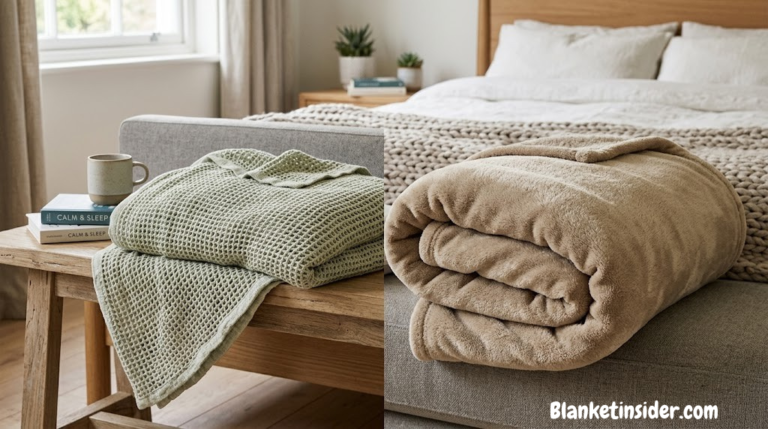
❄ Cooling Blanket
Engineered
to Release Heat
Bamboo, linen, Tencel — open weave, low GSM, moisture-wicking design
🔥 Regular Blanket
to Trap Warmth
Cotton, fleece, wool, microfiber — dense weave, heavier GSM, insulating construction
Every blanket ever made exists to do one thing: manage the temperature around your sleeping body. But “manage temperature” turns out to mean two completely opposite things depending on who you are. For about 60% of adults, a blanket’s job is to hold warmth in — they sleep comfortably cool and want insulation. For the remaining 40% who run warm, overheat during the night, or experience night sweats, the blanket’s job is precisely the reverse: let heat out, move moisture away, and stop the bed from becoming a thermal trap.
That fundamental difference in purpose is what separates a cooling blanket from a regular blanket. This is not a marketing distinction. It is an engineering distinction — one encoded into every choice of fiber, weave, weight, and construction. A regular blanket is optimized for heat retention. A cooling blanket is optimized for heat dissipation. Neither is universally better; they solve different problems for different bodies.
This comparison walks through every dimension — material science, construction, breathability, moisture management, cost, durability, care, and real-world use cases — so you can make a clear-headed decision about which category of blanket you actually need, and what to look for within each category.
What Actually Makes a Blanket a “Cooling Blanket”?
The phrase “cooling blanket” is used so loosely in marketing that it has almost lost meaning. A microfiber throw with “cooling technology” printed on the label can still trap heat aggressively. A plain cotton waffle blanket with no special branding may outperform it dramatically. The distinction is in the engineering, not the label.
A genuine cooling blanket is defined by three characteristics working in combination:
- 1.Breathable fiber: Natural or semi-synthetic cellulose fiber (cotton, bamboo, linen, Tencel) that does not trap air in sealed pockets. Fiber must allow heat to escape rather than contain it.
- 2.Low GSM weight: 150–250 grams per square meter. Less material per square inch means less insulating bulk and faster heat transmission through the fabric.
- 3.Open weave structure: Physical air gaps between yarns (waffle, gauze, mesh, or loose plain weave) that allow ambient airflow through the fabric — continuously exchanging warm trapped air with cooler ambient air.
- 1.Insulating fiber: Material selected for warmth-trapping ability — polyester, fleece, wool, heavy cotton. Fiber traps body heat in small air pockets within the fabric structure.
- 2.Higher GSM weight: 250–600+ grams per square meter. More material provides more insulating mass and a heavier body-conforming drape that holds warmth close.
- 3.Dense weave structure: Tight weave minimizes air exchange between the body microclimate and the room — preserving the warm zone beneath the blanket.
⚠ Greenwashing Alert
Many blankets marketed as “cooling” use polyester or microfiber construction — materials that trap heat and cannot wick moisture effectively. Before buying any blanket labeled “cooling,” check: (1) Is the fiber listed as cotton, bamboo, linen, or Tencel? (2) Is the GSM listed, and is it under 260? (3) Is the weave described as open, waffle, or gauze? If any of these questions produce a vague or unsatisfying answer, treat the “cooling” label as marketing, not engineering.

Shop Verified Cooling Blankets on Amazon
Bamboo, Tencel & cotton — filtered for actual breathability, not just the label.
🛒 Browse Cooling BlanketsMaterials: The Most Important Variable
Material selection is where cooling blankets and regular blankets diverge most fundamentally. Each material category has inherent thermal properties that cannot be fully overcome by clever construction — a polyester fleece blanket will always trap more heat than a cotton waffle blanket at the same weight, because the fiber itself is the problem.
- 🌿Bamboo viscose — Hygroscopic, silky, excellent moisture absorption into fiber. The current top pick for night sweat sufferers. Absorbs 60–70% more moisture than standard cotton.
- 🌱Tencel (Lyocell) — Closed-loop manufactured, premium softness, outstanding moisture management. The most eco-responsible option.
- 🌾Linen — The most breathable natural fiber available. Hollow fiber structure conducts heat away from the body faster than any alternative. Crisp feel; softens over time.
- 🌸Cotton (open weave) — Widely available, affordable, softens beautifully with washing. A lightweight cotton waffle or gauze blanket performs genuinely well for most hot sleepers.
- 🐑Wool — Exceptional natural insulation with surprisingly good moisture management. Heavy but warm. Best for cold climates. Naturally hypoallergenic.
- 🧶Fleece (polyester) — Lightweight synthetic warmth. Very soft initially, dries fast, affordable. Poor breathability; traps heat and moisture significantly. Sheds microplastics.
- 🪢Microfiber — Dense polyester construction. Extremely soft, warm, and wrinkle-resistant. The most heat-retentive common blanket material. Not suitable for hot sleepers.
- 🌿Cotton (dense weave) — Heavy cotton blankets in tight percale or sateen weaves provide warmth alongside cotton’s natural breathability. A versatile middle-ground material.
| Material | Type | Breathability | Moisture-Wicking | Warmth | Best Season |
|---|---|---|---|---|---|
| Bamboo Viscose | Cooling | Excellent | Exceptional | Low–Moderate | Spring–Summer |
| Tencel / Lyocell | Cooling | Excellent | Excellent | Low–Moderate | All seasons |
| Linen | Cooling | Best | Good | Very Low | Summer |
| Cotton (open weave) | Cooling | Very Good | Good | Moderate | Spring–Fall |
| Cotton (dense weave) | Regular | Moderate | Good | Moderate | Fall–Spring |
| Wool | Regular | Moderate | Good | Very High | Fall–Winter |
| Fleece | Regular | Poor | Poor | High | Winter |
| Microfiber | Regular | Poor | Poor | Very High | Winter |
The relationship between material and thermal performance is not accidental — it reflects deep fiber chemistry. Natural cellulosic fibers (cotton, bamboo, linen) are hydrophilic: they attract and absorb water molecules into the fiber itself, which distributes moisture and enables evaporative cooling. Synthetic polyester fibers (fleece, microfiber) are hydrophobic at the core: they repel water, keeping it on the surface where it cannot evaporate effectively when sealed under a blanket. For a deeper look at how this plays out in the most common head-to-head, our microfiber vs cotton comparison covers the fiber science in detail.
Round 1 Winner: Materials
Cooling blanket wins for hot sleepers and breathability. Regular blanket wins for warmth. Neither wins outright — the “correct” material depends entirely on your sleep temperature profile.
Breathability: How Well Does Each Blanket Let Heat Escape?
Breathability measures a fabric’s ability to allow heat and water vapor to pass through it. It is the most critical performance dimension for hot sleepers, and it is where cooling and regular blankets differ most dramatically. A highly breathable blanket allows the warm, humid air generated by your body to escape outward while cooler ambient air flows inward — continuously moderating the temperature trapped between you and the fabric.
A well-designed cooling blanket in a waffle or gauze weave at 180 GSM achieves breathability through two mechanisms simultaneously: the open fiber structure allows individual heat molecules to pass through, and the physical air gaps in the weave create literal chimneys for warm air to escape.
Linen is the benchmark for maximum breathability among all common blanket materials — its naturally stiff, hollow fiber creates an almost mesh-like microstructure even in relatively tight weave counts. Bamboo and Tencel add superior moisture absorption on top of good breathability, making them the choice for humid environments where evaporation alone is insufficient.
Regular blankets vary enormously in breathability, and it is a mistake to assume all regular blankets are equally stifling. A medium-weight cotton blanket in a plain weave can be adequately breathable for mild warm sleepers. The problem is that the most popular regular blanket materials — fleece, microfiber, and heavy polyester — are essentially impermeable to heat vapor, creating a sealed thermal envelope.
Wool is an interesting exception: it is a natural fiber with reasonable moisture management, but its dense structure still makes it significantly warmer and less breathable than an equivalent cotton or bamboo blanket at the same weight.
The breathability gap between a quality cooling blanket and a standard polyester or fleece regular blanket is not marginal — it is fundamental. Studies on textile air permeability have shown that open-weave natural fiber blankets can have 3–8× higher air permeability than dense polyester knit fabrics at comparable weights. For hot sleepers, that difference is the difference between waking up rested and waking up drenched. If you are exploring this topic further, our dedicated guide on cooling blankets for all sleep types gives a full performance breakdown by material and construction.
Round 2 Winner: Breathability
Cooling blanket wins decisively. For hot sleepers, this is the most important category and the most clearcut. No regular-category blanket in polyester, fleece, or microfiber competes. A medium-weight cotton regular blanket is a partial exception.
Warmth & Insulation: Which Keeps You Cozy When You Need It?
This is the category where regular blankets are built to win, and they do. The same properties that make cooling blankets poor insulators — open weave, low mass, breathable fibers — are what make regular blankets excellent ones. This is not a flaw in cooling blanket design; it is a direct consequence of engineering for the opposite goal.
A cooling blanket at 150–200 GSM provides minimal insulation — roughly equivalent to a light cotton sheet. It provides physical coverage and some windbreak but little meaningful heat retention. On cool nights (below 65°F / 18°C), most people find a standalone cooling blanket insufficient.
This is by design, not a defect. A blanket that actively dissipates heat cannot simultaneously be a good insulator. The only partial exception is a cooling blanket at the higher end of its weight range (230–260 GSM) in a denser weave, which provides enough mass to offer light warmth on shoulder-season nights.
Regular blankets are optimized for exactly this — retaining the heat your body generates and creating a stable warm microclimate under the covers. Fleece and microfiber achieve this at very low weight relative to warmth provided. Wool achieves the best warmth-to-weight ratio of any natural fiber and adds natural moisture management on top.
Heavy cotton blankets (300–400 GSM) provide significant warmth with the bonus of natural fiber breathability — making them the most versatile all-season regular blanket material for people who don’t run extremely hot.
💡 The Layering Solution
Many experienced hot sleepers solve the warmth problem by layering: a cooling blanket (lightweight bamboo or cotton) as the primary blanket in direct contact with skin, and a light regular blanket folded at the foot of the bed for cooler nights when more warmth is needed. This gives you independent control of both variables without compromising either. Our guide on comforter vs duvet vs blanket covers how to build a complete sleep layering system.
Round 3 Winner: Warmth
Regular blanket wins clearly. This is its primary reason for existence. Cooling blankets are not cold-weather products and should not be evaluated as such.

Best All-Season Regular Blankets — Cotton & Wool
Medium-weight natural fiber blankets that handle cool nights without overheating.
🛒 Browse Regular Blankets on AmazonMoisture-Wicking: Managing Sweat Through the Night
Moisture-wicking is the fabric’s ability to move sweat away from your skin and allow it to evaporate. For night sweat sufferers, this is arguably more important than breathability — because even a breathable blanket that holds moisture against the skin leaves you waking up damp and uncomfortable. The fiber must actually absorb sweat into its structure, not just let it sit on the surface.
- ✓Bamboo viscose: absorbs up to 60–70% more moisture than regular cotton by weight — industry-leading for a blanket fiber
- ✓Tencel (lyocell): naturally antimicrobial moisture management — resists the odor buildup that night sweats cause in other fabrics
- ✓Cotton open-weave: genuine fiber absorption — moisture goes into the fiber, not just along the surface
- ✓Linen: fast-drying after absorption — critical for recovery time after a hot flash episode
- ✗Fleece & microfiber: polyester-based, moisture moves along surface capillaries only — pooling occurs once channels saturate, no evaporation under sealed blanket
- ✓Wool: surprisingly good for a warm insulating fiber — lanolin-treated wool can absorb 30% of its weight in moisture before feeling wet
- ~Heavy cotton: decent moisture absorption but heavier construction slows evaporation — better than synthetics, not as good as lightweight counterparts
- ✗Sherpa & plush: the worst performers — dense synthetic loops trap sweat against skin, creating a hot, damp microclimate
For night sweat sufferers specifically, the moisture performance gap between a quality cooling blanket and a typical polyester regular blanket is transformative. Waking up damp on a fleece blanket is not just uncomfortable — the moisture-saturated blanket stays damp for extended periods, creating a cold, clammy sensation that disrupts sleep further. A bamboo or Tencel cooling blanket at the same stage will have absorbed that moisture into the fiber and begun evaporating it. For a full guide on this topic, see our dedicated page on best blankets for night sweats.
Round 4 Winner: Moisture-Wicking
Cooling blanket wins clearly — particularly bamboo and Tencel variants. The only regular blanket material that competes is wool, which has genuinely good moisture management properties.
Comfort & Feel: Softness, Drape, and the Pleasure of Touch
Comfort is the most subjective category in this comparison, but it is also the most immediate — it is what you feel the moment you pull a blanket over your body. Both cooling and regular blankets can be extraordinarily comfortable; the sensation differs rather than one being objectively superior.
Bamboo and Tencel cooling blankets have a distinctively silky, smooth-cool feel against skin that many people find immediately luxurious. The sensation is often described as “like sleeping under a soft cloud that doesn’t get hot.” Cotton waffle blankets have a satisfying textured grip that many find comforting. Linen starts crisp and slightly rough but develops a characteristic softness after breaking in that devotees describe as irreplaceable.
The drape of a lightweight cooling blanket is airy and flowing rather than weighty. This pleases light-cover sleepers but can feel inadequate for those who prefer the grounded sensation of substantial weight — the feeling of being fully enveloped.
Regular blankets, particularly fleece and microfiber, offer an immediate, almost overwhelming softness that many find deeply satisfying. Plush and sherpa textures create a cocooning sensation that triggers comfort responses instinctively. The weight of a heavier cotton or wool blanket provides a gentle, grounding pressure that a lightweight cooling blanket cannot replicate.
For people who find weighted or heavy blankets comforting — especially those managing anxiety or stress — a regular blanket’s heft is a genuine comfort feature. If the feeling of being fully swaddled matters to you, a heavier regular blanket wins this category on feel alone, regardless of thermal implications.
🧠 The Weight Factor
If you love the sensation of a heavy blanket but run warm, you do not have to choose between comfort weight and cool sleep. Cooling-specific weighted blankets exist — with breathable cotton or bamboo shells and glass bead fills (which are more thermally neutral than plastic pellets). Our full weighted blanket guide covers how to balance therapeutic weight with thermal comfort, and our review of the Bearaby Tree Napper examines a cotton-based chunky-knit weighted option that delivers both weight and breathability.
Round 5 Winner: Comfort
Tie — context-dependent. Regular blankets win for weight-and-cocooning comfort seekers. Cooling blankets win for the cooling-against-skin sensation that hot sleepers specifically crave. Neither is objectively superior.

Silky-Soft Bamboo Cooling Blankets on Amazon
Luxurious feel that stays cool all night — rated 4.5+ stars by thousands of verified hot sleepers.
🛒 Shop Bamboo Cooling BlanketsDurability: Which Blanket Lasts Longer?
Durability is largely a function of fiber quality and care rather than whether a blanket is cooling or regular. Both categories contain options that last a decade and options that degrade within two years. That said, the materials most commonly used in each category have characteristic aging patterns worth understanding before you invest.
- +Bamboo viscose: Strong structural fiber. Can last 5–10 years with proper care (cold wash, no softener, low-heat dry). Quality degrades if exposed to high-heat washing repeatedly.
- +Tencel: Excellent long-term durability with proper care. Lyocell fibers are among the strongest natural-origin textile fibers. Gets softer with washing, not rougher.
- +Linen: Among the most durable blanket materials available — flax fiber strengthens with repeated washing. A quality linen blanket can last 15+ years.
- +Cotton: Long-staple varieties (Pima, Egyptian) are highly durable and improve with age. Shorter-staple cotton can pill after extensive washing.
- ~Fleece & microfiber: Resists shrinking and fading well short-term. The split-fiber structure degrades after 30–50+ washes — pilling and texture loss are common. Lifespan 2–5 years for typical use.
- +Wool: Excellent natural durability. A quality wool blanket maintained properly can last 10–20 years. Requires careful washing to avoid felting.
- +Heavy cotton: Comparable to cooling cotton in lifespan — 5–10+ years. Benefits from the same long-staple quality premium as cooling cotton.
- ~Acrylic knit: Affordable but pills readily after a year or two of regular use. Lower long-term value than most other options.
Hot sleepers wash their blankets more frequently than average — sometimes weekly. That accelerated wash cycle is the greatest durability stress on a cooling blanket, making the care requirements discussed in the next section directly relevant to longevity. For detailed guidance on preserving natural fiber blankets through frequent washing, our cooling blanket washing guide covers every material type. For weighted blankets specifically, see our guide to washing weighted blankets without damage.
Round 6 Winner: Durability
Tie at the premium tier. Quality linen, Tencel, bamboo, cotton, and wool all offer 8–15+ year lifespans. The relevant difference is at the budget tier: budget synthetic regular blankets (fleece, acrylic) age faster than budget cotton cooling blankets.
Care & Washing: Which Is Easier to Maintain?
Care requirements directly affect how much real-world effort blanket ownership costs you. For hot sleepers washing more often, the time-per-wash and simplicity of requirements matter proportionally more.
| Material | Type | Wash Temp | Cycle | Dryer | Fabric Softener | Shrink Risk |
|---|---|---|---|---|---|---|
| Bamboo Viscose | Cooling | Cold | Gentle | Low heat / air dry | Never | Low |
| Tencel | Cooling | Cold–Warm | Gentle | Low / air dry | Never | Low |
| Linen | Cooling | Cold–Warm | Regular | Low–Medium | Optional | Low |
| Cotton (cooling) | Cooling | Cold–Warm | Regular | Medium | Fine | Moderate (hot wash) |
| Cotton (regular) | Regular | Cold–Warm | Regular | Medium | Fine | Moderate (hot wash) |
| Fleece / Microfiber | Regular | Cold | Gentle | Low only | Never | Very Low |
| Wool | Regular | Cold only | Wool/Delicate | Air dry only | Never | High (hot water) |
The most common care mistake across both categories is using fabric softener on blankets that require moisture-wicking performance. Fabric softener deposits a waxy coating on fiber surfaces that physically blocks the hygroscopic pores — destroying the very property that makes bamboo and Tencel cooling blankets effective at moving sweat. This applies equally to athletic wear, and the principle is the same: if moisture management is the point, fabric softener is the enemy.
For microfiber regular blankets, the environmental care note is also worth highlighting: every wash cycle releases microplastic particles into the wastewater system. Using a Guppyfriend laundry bag or a Cora Ball significantly reduces (by 60–86%) the microplastics released from synthetic blankets. This consideration does not apply to natural fiber cooling blankets, which shed only biodegradable cellulose particles.
Round 7 Winner: Care
Slight advantage to regular cotton blankets — they tolerate the most variation in wash temperature and cycle type. Cooling blankets (bamboo, Tencel) require cold water and no softener, which adds a rule to remember. Fleece/microfiber regular blankets tie on ease but carry the environmental microplastic concern.
Cost & Value: What Do You Pay, and What Do You Get?
Price alone is a poor guide to value in blankets — a $20 fleece blanket that is replaced every two years costs more per night of comfortable sleep than a $90 cotton blanket that lasts eight years. And for hot sleepers, a blanket that makes sleep worse is not valuable at any price point.
- $Budget cotton gauze: $20–$40. Genuine cooling performance at an accessible price point. Durability is reasonable; lifespan 3–5 years with frequent washing.
- $$Mid-range bamboo: $50–$100. Best value intersection of cooling performance, durability, and feel. The category sweet spot for most buyers.
- $$$Premium Tencel / linen: $100–$200+. Exceptional materials with the longest lifespans. Best cost-per-use over 8–12 years of ownership.
- $$$$Phase-change technology: $150–$300+. Active cooling premium. Justified only for severe night sweats or menopause hot flashes where passive cooling is insufficient.
- $Budget fleece / microfiber: $12–$35. Very low upfront cost, high warmth delivery. Lifespan 2–4 years before texture degrades. Often the wrong choice for hot sleepers despite the appeal.
- $$Mid-range cotton: $35–$80. Good all-around value. Suitable for mild warm sleepers. The right choice for people who need a versatile blanket that doesn’t overheat.
- $$$Premium wool: $100–$250. High upfront investment with 10–20-year lifespans. Best cost-per-use among insulating blankets. Exceptional for cold climates.
- $$$Premium weighted: $150–$300. Therapeutic weight option for anxiety and pressure relief. Choose cotton or bamboo shell to avoid overheating.
Round 8 Winner: Cost
Regular blanket wins at the budget tier. Cooling blankets at the mid-range and premium tier offer better cost-per-use over time. For the right buyer (hot sleeper), a $70 bamboo cooling blanket is a far better value than a $20 fleece regular blanket even at 3.5× the price — because it solves the actual problem.
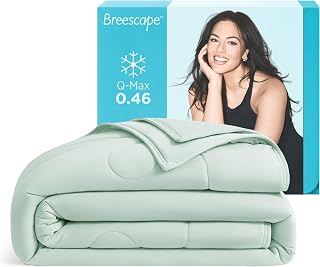
Best Value Cooling Blankets — $40 to $100 Range
Mid-range bamboo and cotton options that deliver genuine cooling without the premium price tag.
🛒 Shop Mid-Range Cooling BlanketsHead-to-Head Results: Category by Category
After eight comparison rounds, here is the definitive verdict for each performance category — displayed as a bilateral rating that shows how each blanket type scores rather than simply declaring a winner.
Left (blue) = Cooling blanket score. Right (orange) = Regular blanket score. Scores reflect typical mainstream products in each category, not premium outliers.
↑ Back to TopWhich Blanket Is Right for You? The Complete Scenario Guide
The correct blanket is the one that solves your actual problem. Use the table below to match your situation to the right choice — no guessing required.
Special Use Cases: Beyond the Bedroom
For Anxiety and Mental Health
The research on weighted blankets for anxiety is well-documented — deep pressure stimulation from heavier blankets reduces cortisol and promotes calm. If you use a weighted blanket for anxiety but run warm, you face the classic cooling-versus-weight dilemma. The solution: a cooling weighted blanket with a bamboo or cotton outer shell and glass bead fill (more thermally neutral than plastic pellets). Our best blankets for anxiety guide covers the full range of options that address both temperature and pressure needs simultaneously. For the specific products reviewed, see our Gravity blanket review, YnM weighted blanket review, and Luna weighted blanket review.
For Eczema and Skin Conditions
Synthetic regular blankets are a significant trigger for eczema flares in many sufferers. The combination of heat accumulation, moisture trapping, and potential chemical finishes in polyester fabrics creates an almost ideal inflammatory environment for reactive skin. Organic cotton or bamboo cooling blankets address all three issues simultaneously. Our best blankets for eczema guide identifies the safest materials and certifications to look for. The key certification to prioritize is OEKO-TEX Standard 100, which certifies freedom from harmful chemical residues in both cooling and regular blanket categories.
For Electric Blanket Users
Some people pre-heat their bed with an electric blanket, then switch to a cooling blanket for actual sleep. This is a valid strategy — but ensure the two blankets are not stacked simultaneously. The cooling blanket’s thermal work is counteracted by the electric blanket above it. See our comparison of heated blanket vs space heater for broader bedroom thermal management strategies, and our heated blanket vs heated mattress pad guide if you’re trying to warm the sleeping surface without affecting your blanket layer.
For Living Room and Decorative Use
Cooling blankets — particularly waffle-weave cotton and linen throws — have become fashionable as living room décor. Their textured, relaxed appearance pairs well with contemporary and minimalist interiors. For a curated selection of throws for both aesthetic and functional purposes, see our best cozy blankets for the living room. If display and storage is a consideration, our guides to blanket ladders and blanket baskets cover how to show both cooling and regular blankets off attractively.
For Outdoor and Travel Use
Lightweight cooling blankets pack down smaller than heavier regular options, making them useful for travel, camping, and stadium use. A 180 GSM cotton waffle throw is genuinely versatile outdoors — providing light windbreak and coverage without the bulk of a regular blanket. Our best beach blanket guide identifies cooling-appropriate outdoor options, and our outdoor sports blanket comparison covers waterproof, fleece, and breathable options across activity types.
Comparing Related Alternatives
If you’re still deciding between cooling and regular, it may help to read some of our closely related comparisons that narrow down specific choices within each category:
- Sherpa vs Fleece Blanket — both are regular-category; which traps more heat?
- Bamboo vs Cotton Blanket — two cooling materials compared head-to-head
- Wool vs Fleece Blanket — within the regular category, natural vs synthetic
- Fleece vs Sherpa — texture and warmth differences within synthetics
- Down vs Weighted Blanket — an unusual comparison that crosses categories
- Cotton vs Polyester — the most common natural vs synthetic head-to-head
- Merino Wool Thermoregulation — a regular material with unusual cooling properties
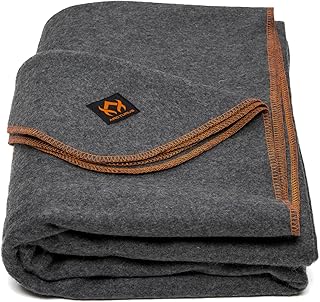
Best Regular Blankets for Cold Sleepers — Wool & Heavy Cotton
Premium warmth options rated 4.5+ stars — perfect for cold climates and winter use.
🛒 Shop Regular Blankets on AmazonFrequently Asked Questions
QWhat is the difference between a cooling blanket and a regular blanket?
A cooling blanket is engineered to dissipate body heat and manage moisture rather than retain warmth. It uses breathable natural fibers (bamboo, cotton, linen, Tencel), open weave structures, and lightweight GSM weights (150–250 GSM). A regular blanket prioritizes warmth retention through denser construction and materials that trap air. The fundamental difference is directional: cooling blankets move heat away from the body; regular blankets keep it in.
QAre cooling blankets worth it?
For hot sleepers, night sweat sufferers, people experiencing menopause, or anyone in a warm climate without reliable air conditioning — yes, absolutely. The sleep quality improvement for genuine hot sleepers switching from a polyester regular blanket to a well-made bamboo or cotton cooling blanket is significant and immediate. For people who sleep at normal or cool temperatures, the additional cost over a quality regular cotton blanket is not justified.
QCan a regular blanket be used as a cooling blanket?
A lightweight cotton or bamboo regular blanket under 250 GSM in an open weave effectively functions as a cooling blanket. The category label matters less than the fiber, weight, and weave. Many products sold as regular blankets — particularly cotton waffle throws — perform just as well as products marketed specifically as “cooling blankets” at similar construction specs. Focus on the engineering, not the label.
QDo cooling blankets keep you warm in winter?
No. Cooling blankets at 150–200 GSM provide minimal insulation — comparable to a light cotton sheet. In cold conditions (below 65°F/18°C), they are insufficient as a sole blanket. In winter, layer a cooling blanket as a base layer against the skin for breathability, with a heavier regular blanket on top for warmth. This gives you the best of both materials in cold weather.
QWhat makes a blanket a “cooling” blanket?
Three engineering features together: (1) breathable, hygroscopic fiber — cotton, bamboo, linen, or Tencel, not polyester; (2) lightweight construction — 150–250 GSM; and (3) open weave structure with physical air gaps. Phase-change materials add active heat absorption for premium products. A product needs all three to genuinely cool rather than merely claim to.
QIs a bamboo blanket considered a cooling blanket?
A lightweight bamboo viscose blanket (150–230 GSM) in an open weave qualifies as a cooling blanket. At heavier weights or tighter weaves, bamboo can still sleep warmer than an equivalent cotton cooling blanket despite having superior fiber properties — because construction overrides fiber chemistry at extreme weights. For details on bamboo vs cotton in different climates, see our bamboo vs cotton in humid climates guide.
QAre cooling blankets good for people with anxiety?
Cooling blankets alone do not provide deep pressure stimulation — that requires a weighted blanket. However, a cooling weighted blanket (cotton or bamboo shell, glass bead fill) addresses both anxiety and heat simultaneously. If anxiety is the primary concern and you also run warm, this dual-purpose option is well worth exploring. See our weighted blanket guide for construction details.
QHow much do cooling blankets cost compared to regular blankets?
Budget cooling blankets (cotton gauze) start around $20–$35 — comparable to budget regular blankets (fleece). Mid-range bamboo cooling blankets run $50–$100; comparable quality regular blankets are $35–$80. Premium Tencel or linen cooling blankets reach $150–$200+; premium wool regular blankets similarly run $100–$250. The price premium for cooling blankets at the mid-range reflects specialized fiber processing. Over a decade of use, the cost-per-night often equalizes.
QCan cooling blankets replace air conditioning?
No. A cooling blanket manages the microclimate directly around your body but cannot reduce room temperature. In very warm environments above 80°F/27°C, a cooling blanket meaningfully reduces discomfort but cannot substitute for environmental temperature control. Think of it as the last line of defense in your sleep temperature system, not the primary one.
QDo cooling blankets work for side sleepers?
Yes, and side sleepers often benefit more than back sleepers from cooling blankets. Side sleeping creates more body surface in simultaneous contact with the mattress and blanket, increasing heat accumulation. A lightweight, moisture-wicking cooling blanket addresses the trapped-heat issue that side sleepers experience more acutely — particularly those on memory foam mattresses, which are heat-retentive.
QIs a regular fleece blanket bad for hot sleepers?
Yes — fleece is one of the worst materials for hot sleepers. It is a dense polyester knit with minimal breathability and no meaningful moisture absorption. Fleece creates an almost impermeable heat barrier around the body and holds sweat against skin rather than wicking it away. Hot sleepers should avoid fleece blankets entirely, regardless of how they are marketed. If you love the soft texture of fleece, a plush cotton jersey blanket can replicate the feel without the thermal trap.
Cooling Blanket vs Regular Blanket: The Bottom Line
This is not a comparison where one category objectively wins. It is a comparison where one category wins for a specific population — and that population is larger than the blanket industry has historically acknowledged.
If you sleep comfortably at normal temperatures, a quality regular blanket in cotton or wool is the right product. It is warmer, often cheaper, more widely available, and genuinely adequate for your needs. Do not let marketing convince you that a cooling blanket you don’t need is a superior product.
If you consistently run warm, wake up overheated, or experience night sweats — a genuine cooling blanket (bamboo, Tencel, or open-weave cotton, 150–250 GSM) is not a luxury item. It is the correct engineering solution to your actual problem. No amount of “sleeping differently” fixes a blanket that traps heat for a person who generates too much of it. The right blanket does not just make you more comfortable — it improves the depth and quality of your sleep by keeping your core temperature in the optimal sleep range throughout the night.
The most versatile household approach: a medium-weight regular cotton blanket for general use, plus a lightweight bamboo or cotton waffle cooling blanket for warm sleepers, summer use, or layering. Together they cover every scenario at a combined cost most people would spend on a single premium option.
Find Your Perfect Blanket on Amazon
Browse both categories — filtered by material, weight, and verified buyer reviews for hot sleepers and cold sleepers alike.