
Satin Pillowcase vs Silk Pillowcase: The Ultimate Beauty Sleep Showdown
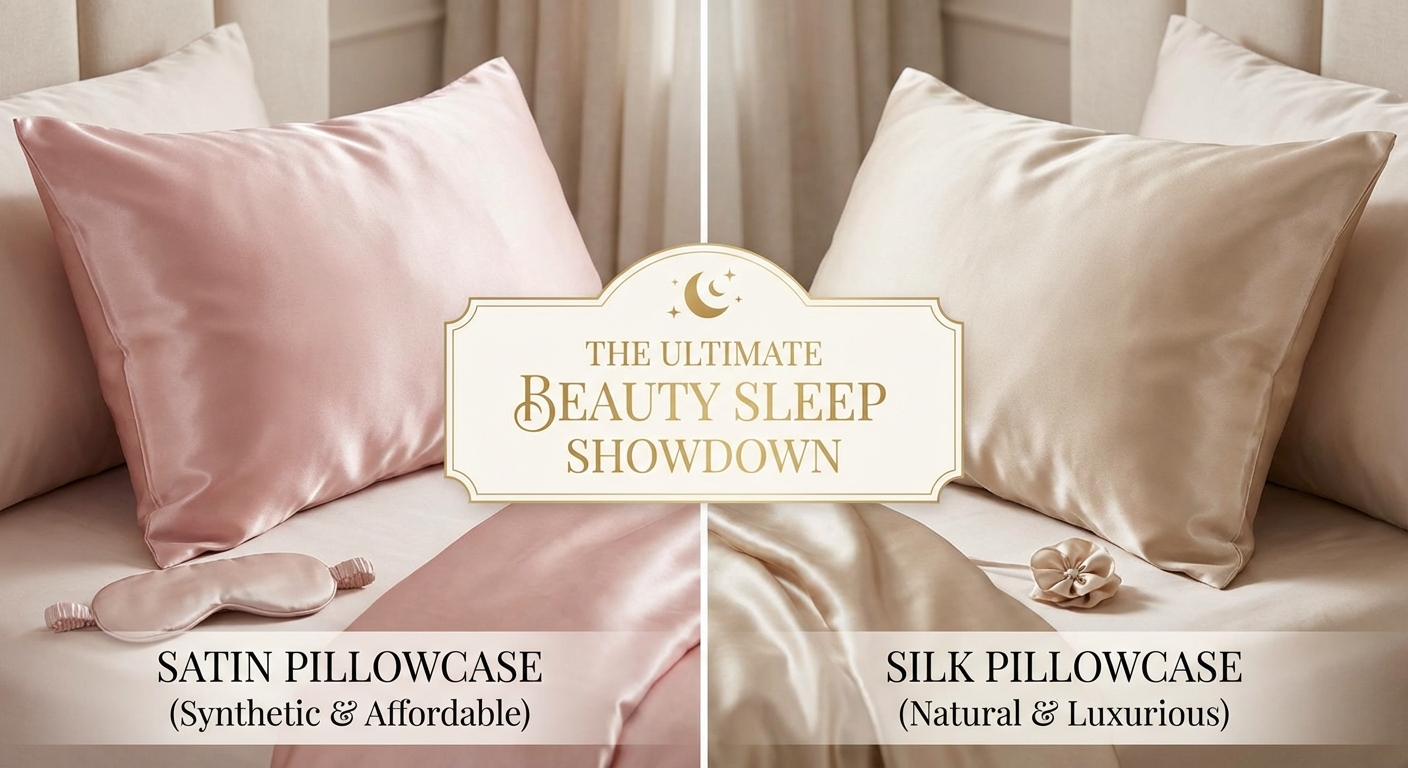
The quest for the perfect night’s sleep often stops at mattresses and blankets, but the surface where you rest your head is arguably the most critical factor for your beauty routine. The debate of the satin pillowcase vs silk pillowcase has raged on beauty blogs and dermatology forums for years. Both promise to banish bedhead, reduce sleep wrinkles, and elevate your bedroom aesthetic, but they are fundamentally different products with vastly different price tags.
While upgrading your bedding with cozy home essentials creates a sanctuary, choosing the right pillowcase material is a science. Are you paying for a brand name, or does the protein structure of silk actually change your skin? Is satin just a cheap imitation, or a durable alternative for the practical sleeper?
In this comprehensive guide, we strip away the marketing fluff to compare these two contenders head-to-head on friction, absorption, temperature regulation, and durability.
Quick Comparison: At a Glance
For those in a hurry, here is the breakdown of the key differences between silk and satin.
| Feature | Mulberry Silk | Synthetic Satin |
|---|---|---|
| Material Origin | Natural protein fiber (Silkworm) | Synthetic weave (Polyester, Nylon, Rayon) |
| Breathability | High (Temperature regulating) | Low (Can trap heat) |
| Absorbency | Low-Medium (Good for skin oils) | Non-absorbent (Great for keeping creams on face) |
| Price Range | $20 – $90+ | $5 – $20 |
| Maintenance | Delicate (Hand wash preferred) | Easy (Machine wash durable) |
| Hypoallergenic | Yes (Naturally resistant to mites) | No (Unless specifically treated) |
The Core Difference: Fiber vs. Weave
To understand the satin pillowcase vs silk pillowcase debate, you must first understand a crucial textile distinction. **Silk is a fiber; Satin is a weave.**
What is Silk?
Silk is a natural protein fiber produced by silkworms. It is widely regarded as one of the strongest natural fibers in the world. Just as we compare high-end wools in our guide on cashmere wool vs merino wool, silk is the gold standard for luxury. It is breathable, hypoallergenic, and contains amino acids that are compatible with human skin.
What is Satin?
Satin is not a raw material. You cannot go out and harvest “satin.” It is a type of weave that creates a glossy surface on one side and a dull surface on the other. While you can technically have “silk satin” (silk threads woven in a satin weave), 99% of “satin pillowcases” on the market are made from synthetic fibers like polyester or rayon. For the purpose of this comparison, we are referring to **synthetic polyester satin**.
Round 1: Hair Health and Frizz Control
The primary reason people switch from cotton to smooth surfaces is to reduce friction. Cotton is abrasive; it grabs hair fibers as you toss and turn, leading to breakage and the dreaded “bedhead.”
The Silk Advantage
Silk reduces friction significantly. Because it is a natural fiber, it also reduces static electricity. If you have curly or textured hair, silk helps maintain moisture balance because it doesn’t strip natural oils as aggressively as cotton.
The Satin Advantage
Synthetic satin is actually slippery. It often has a higher slip factor than low-grade silk. For pure frizz reduction, satin is incredibly effective. It allows hair to glide effortlessly. However, because it is plastic-based (polyester), it can sometimes generate static electricity in dry winters, unlike the natural anti-static properties of silk.
Winner: Tie. Both are excellent for hair, though silk wins on static control.
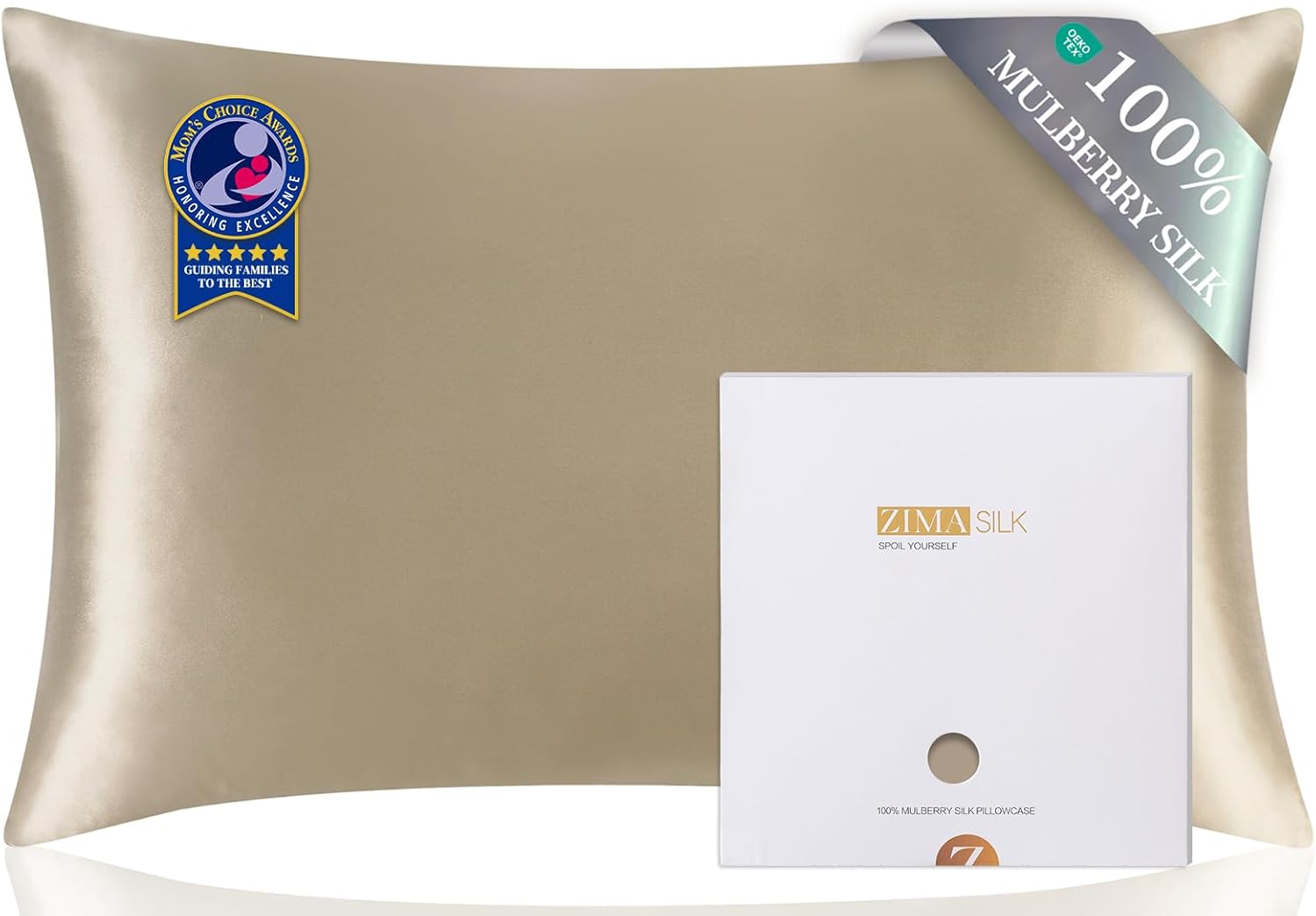
Top Pick: Zimasilk 100% Mulberry Silk Pillowcase
Grade 6A Mulberry Silk for the ultimate anti-frizz experience.
Check Price on AmazonRound 2: Skin Benefits and Acne
If you are investing in expensive night creams, you don’t want your pillowcase drinking them up.
Absorbency
Silk is naturally absorbent (though less so than cotton). It can wick away a small amount of moisture, which is good for temperature regulation but means it might absorb some of your retinol or moisturizer.
Synthetic satin is non-absorbent. Your expensive face creams stay on your face, not the pillow. However, this lack of absorbency means that sweat and oils sit on the surface. If you have oily skin, sleeping on a pool of your own oil on a satin pillowcase can potentially trigger breakouts.
Hypoallergenic Properties
Silk is naturally hypoallergenic and resistant to dust mites, mold, and fungus. It is the superior choice for allergy sufferers or those with sensitive skin conditions like eczema. This aligns with the benefits found in other natural bedding, such as the benefits of merino wool or bamboo.
Winner: Silk. Its antimicrobial and breathable nature makes it better for skin health overall.
Round 3: Temperature Regulation
Are you a hot sleeper? Do you find yourself flipping the pillow to the “cool side” constantly?
Silk is a natural thermoregulator. It allows air to circulate, keeping you cool in summer and warm in winter. It pairs perfectly with best bamboo blankets for a breathable sleep setup.
Satin, being made of polyester, is essentially plastic. It does not breathe. While it feels cool to the touch initially, it traps body heat as the night progresses. If you are already struggling with night sweats and using cooling blankets, adding a polyester satin pillowcase might counteract your efforts.
Winner: Silk, hands down.
Round 4: Durability and Maintenance
This is where satin fights back.
Washing Silk
Silk is delicate. It requires gentle handling—often hand washing or a very delicate machine cycle with specialized pH-neutral detergent. It fades in sunlight and weakens if washed too frequently. It is similar to the care required when you wash a weighted blanket made of premium fabrics.
Washing Satin
Synthetic satin is a workhorse. You can throw it in the washing machine with your regular sheets (though a mesh bag is recommended to prevent snagging). It dries instantly and is incredibly resistant to wear and tear. This makes it ideal for dorm room accessories where ease of care is priority #1.
Winner: Satin for ease of use.
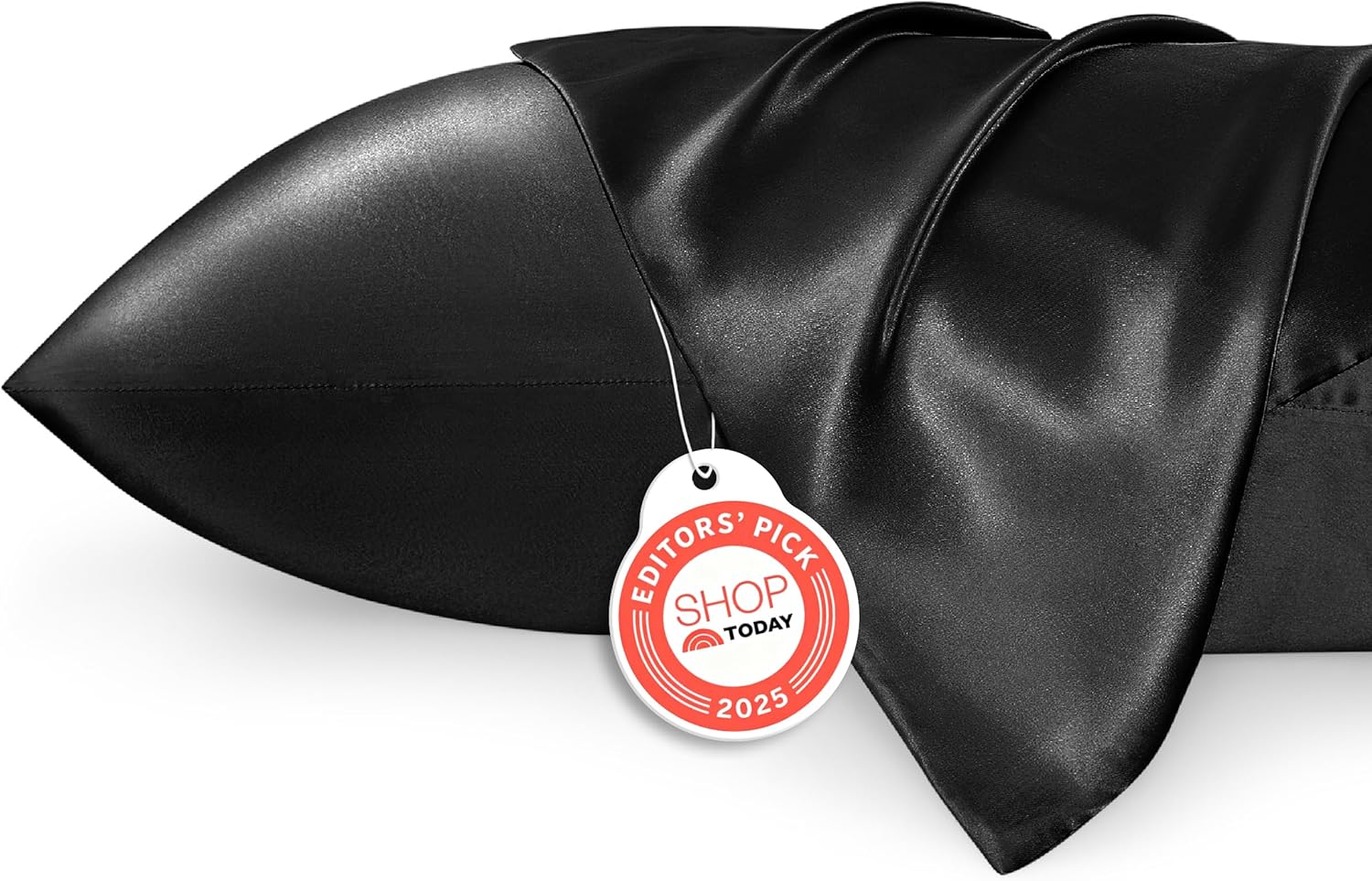
Budget Pick: Bedsure Satin Pillowcase (Set of 2)
Over 200,000 reviews. The durable, affordable choice for great hair.
Check Price on AmazonWhich is Better for You?
Choose the Silk Pillowcase If:
- You have the budget to invest in your skin and hair (approx. $25-$50 per pillowcase).
- You are a hot sleeper and need breathability.
- You have acne-prone or sensitive skin.
- You prefer natural, sustainable materials over synthetics.
- You are willing to follow specific care instructions.
Choose the Satin Pillowcase If:
- You are on a budget (approx. $10 for a pair).
- You want the hair benefits (slip) without the price tag.
- You are a vegan (avoiding animal products like silkworms).
- You want low-maintenance bedding that is easy to wash.
- You are outfitting a temporary space, like a dorm or guest room, perhaps alongside a compact dorm setup.
Pros and Cons Summary
Silk Pros
- Natural, breathable fiber.
- Hypoallergenic and resistant to mites.
- Reduces sleep creases and wrinkles effectively.
- Luxurious feel and aesthetic.
- Regulates temperature (cool in summer).
Silk Cons
- Expensive luxury item.
- Requires delicate care/hand washing.
- Can degrade with UV exposure.
- Not vegan.
Satin Pros
- Very affordable and accessible.
- Extreme “slip” is great for detangling hair.
- Vegan-friendly (synthetic).
- Durable and machine washable.
- Available in a massive variety of colors.
Satin Cons
- Non-breathable; can cause sweating.
- Slippery texture can be annoying to sleep on.
- Not eco-friendly (microplastics).
- Flammable (melts near high heat).
Integrating Into Your Cozy Home
Whichever you choose, a pillowcase is just one part of the puzzle. If you are curating a bedroom for maximum comfort, consider how the texture of your pillowcase interacts with your other bedding.
Silk pairs wonderfully with best king size blankets made of linen or cotton for a natural, airy vibe. Satin, with its high sheen, looks glamorous alongside plush textures like a sherpa blanket or faux fur.
If you are storing your seasonal bedding, make sure to use best blanket storage bags. Silk, in particular, needs to be stored in breathable cotton bags, not plastic, to prevent yellowing over time.
Frequently Asked Questions (FAQ)
What is “Momme” in silk pillowcases?
Momme (mm) is the unit of weight for silk. Think of it like thread count. A higher momme means heavier, more durable silk. For bedding, 19mm is standard, 22mm is premium, and 25mm+ is luxury. Avoid anything under 19mm for pillowcases as it will be too flimsy.
Can satin pillowcases cause acne?
Potentially, yes. Because synthetic satin is not breathable, it traps sweat and bacteria against the skin. If you do not wash the pillowcase frequently (every 3-4 days), this buildup can clog pores.
Is silk really worth the money compared to satin?
If you struggle with temperature regulation (night sweats) or have sensitive skin/allergies, silk is absolutely worth the investment. If your only concern is messy hair, satin provides 90% of the benefit for 10% of the cost.
How often should I wash my pillowcase?
Dermatologists recommend washing pillowcases once a week minimum, or every 2-3 days if you have acne-prone skin. This applies to both silk and satin. Having a spare set is always a good idea.
Can I use regular detergent on silk?
No. Regular detergents often contain enzymes (proteases) that break down proteins. Since silk is a protein, these detergents will literally eat away at the fiber. Use a pH-neutral, silk-specific detergent.
Does satin have a thread count?
Yes, but it is less important than with cotton. Because satin is woven from synthetic filaments, a “high thread count” doesn’t necessarily mean better quality. Look for the “hand feel” and stitching quality instead.
Is there a vegan alternative to silk that breathes?
Yes, Bamboo Lyocell is an excellent middle ground. It is smooth (almost like silk), breathable, plant-based, and usually more affordable than silk but more expensive than polyester satin.
Final Verdict
The battle of satin pillowcase vs silk pillowcase ultimately ends in a split decision based on your priorities.
If you are seeking the absolute best for your complexion and sleep quality, Mulberry Silk is the undisputed champion. It is an investment in self-care that pays dividends in cooler sleep and healthier skin. It fits perfectly into a lifestyle valued on quality, much like choosing the best electric blanket for winter comfort.
However, if you simply want to wake up without a bird’s nest on your head and want to save money for other essentials—perhaps a comfortable dorm chair or travel gear—Synthetic Satin is a fantastic, practical solution.
Whichever you choose, your hair will thank you for ditching the cotton.
Ready to Upgrade Your Sleep?
Check out the best-selling options for both Silk and Satin currently available.
Explore Top Rated Pillowcases on Amazon