
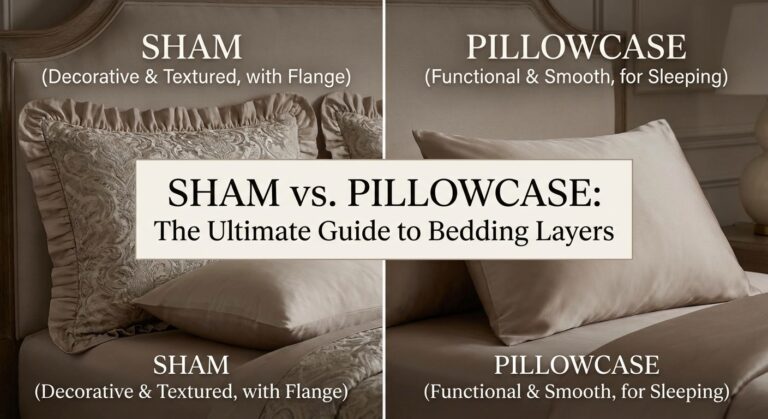
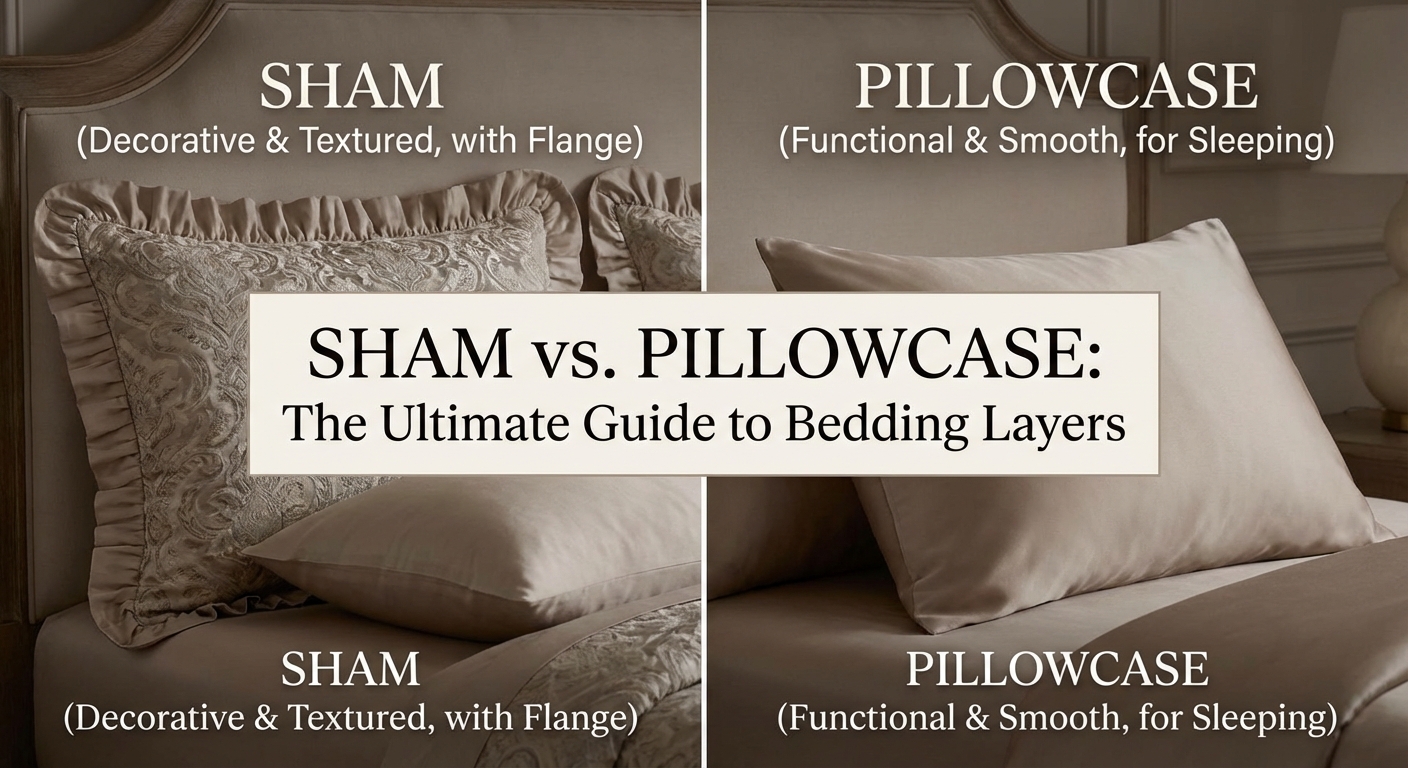
Sham vs. Pillowcase: The Ultimate Guide to Bedding Layers
You’ve just bought a new bedding set. You open the package, and alongside the sheets, you find two thin covers. Then, you open the comforter bag, and out tumble two thicker, more decorative covers. Suddenly, you are staring at four pillow coverings for a bed that only sleeps two people. Welcome to the great debate of sham vs. pillowcase.
While the terms are often used interchangeably by casual shoppers, they refer to two completely different items with distinct functions. One is designed for comfort and hygiene while you sleep; the other is the secret weapon of interior designers to make a room look finished.
If you are trying to upgrade your cozy home essentials or simply figure out what to put on your guest bed, understanding the difference is key. In this guide, we will break down the construction, materials, and styling tips for both, so you never have to guess which pillow goes where again.
At a Glance: The Key Differences
Before we dive into the fabric details, here is a quick cheat sheet to help you identify what you have in your linen closet.
| Feature | Standard Pillowcase | Pillow Sham |
|---|---|---|
| Primary Function | Sleeping (protects pillow & skin). | Decoration (aesthetics). |
| Opening | Open on one side (side hem). | Back envelope closure (often hidden). |
| Material | Soft (Cotton, Silk, Bamboo). | Textured/Heavier (Matches Quilt/Duvet). |
| Design | Simple, minimal borders. | Flanges, ruffles, embroidery. |
| Placement | Under the head while sleeping. | Stacked in front or removed at night. |
What is a Pillowcase?
A pillowcase is a functional sleeve designed to cover your sleeping pillow. Its primary job is to protect the pillow from body oils, sweat, and drool, while providing a soft, clean surface for your face. Because it touches your skin for 8 hours a night, the texture is paramount.
Pillowcases are almost always sold as part of a sheet set. They are typically open on one end, though some high-end versions offer an internal flap to hold the pillow inside. If you are exploring fabric options for better skin and hair health, you might want to read about silk vs. satin pillowcase benefits.
Common Materials
- Cotton: Breathable and crisp (Percale) or smooth (Sateen).
- Bamboo: Excellent for hot sleepers (check out bamboo blankets for a matching cooling setup).
- Silk/Satin: Reduces friction on hair and skin.
- Flannel: Cozy for winter months.
Pros of Pillowcases
- Comfort: Designed specifically for skin contact.
- Hygiene: Easy to wash and replace frequently.
- Cooling: Lighter fabrics allow for better airflow.
Cons of Pillowcases
- Aesthetics: Can look messy or wrinkled if not tucked in.
- Simplicity: Rarely feature decorative trims or heavy textures.
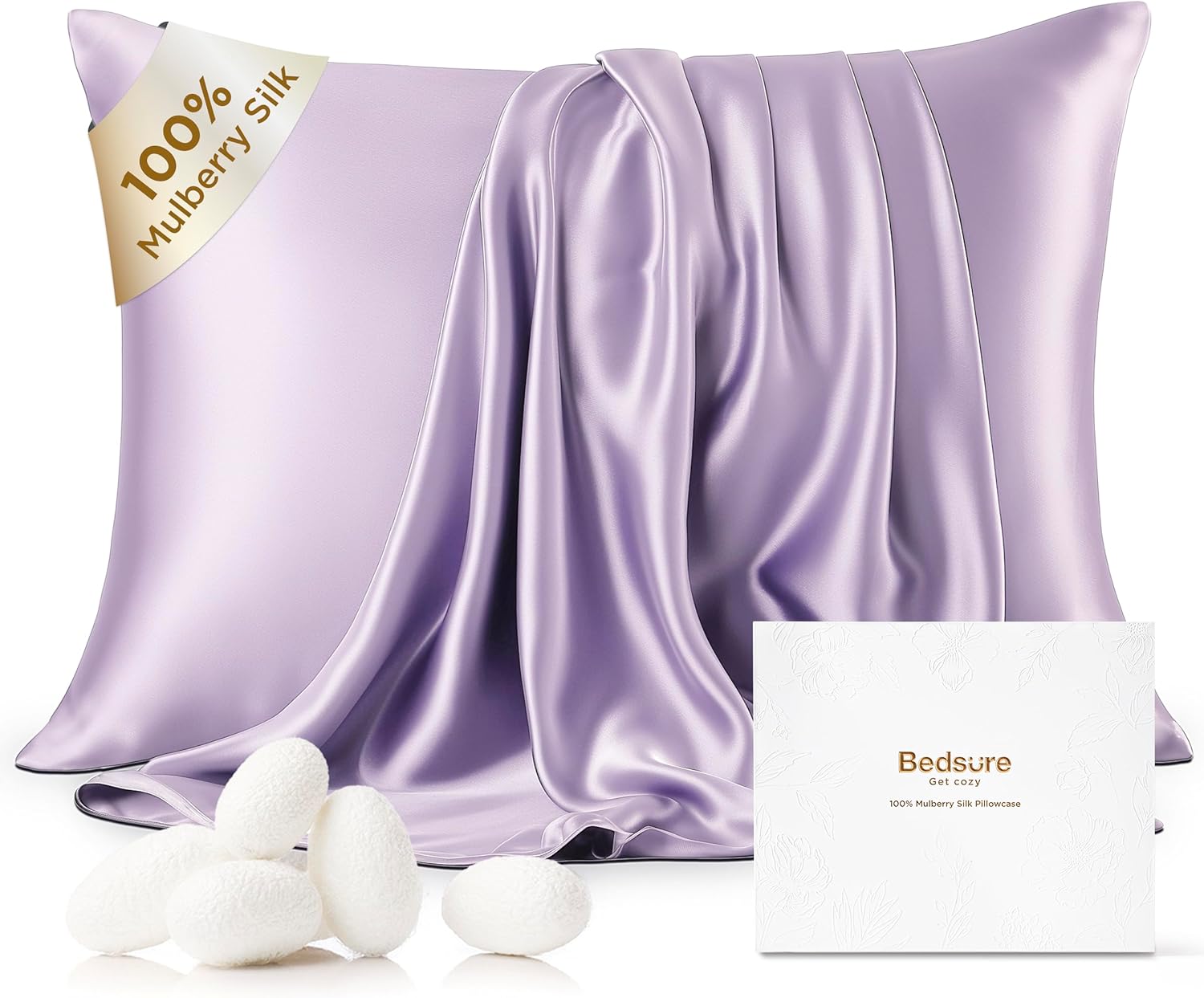
Top Rated: Mulbery Silk Pillowcase for Hair & Skin
Upgrade your sleep with 100% pure mulberry silk. It reduces friction, prevents sleep creases, and keeps you cool all night.
Check Price on AmazonWhat is a Sham?
The word “sham” literally means a “false front.” Historically, a pillow sham was a decorative cover with a “false front” used to disguise a regular sleeping pillow during the day, making the bed look like a piece of furniture rather than a sleeping area.
Today, a pillow sham is a decorative casing that typically matches your comforter, duvet, or quilt. Unlike a pillowcase, a sham usually has an opening in the back (an envelope closure) so that no pillow is visible from the front or sides. They often feature a “flange”—a wide strip of fabric that extends beyond the pillow’s edge—giving it a larger, more substantial look.
Can You Sleep on a Sham?
Technically, yes, but you probably won’t want to. Shams are often made of thicker, textured materials like jacquard, quilted cotton, or heavy linen. They may have embroidery, beads, or raised stitching that can feel rough against the face. Furthermore, because they are heavier, they trap more heat, which isn’t ideal for those who need cooling bedding solutions.
Pros of Shams
- Style: Instantly elevates the look of a bed from “dorm room” to “hotel suite.”
- Structure: The flanges allow the pillows to stand upright without flopping over.
- Protection: Keeps decorative pillows clean during the day.
Cons of Shams
- Comfort: Fabric is often too rough or heavy for sleeping.
- Maintenance: Some require delicate washing or ironing to maintain the flange shape.
- Storage: You have to take them off the bed every night.

Editor’s Pick: Textured Euro Sham Covers
Add height and texture to your bed with these waffle-weave Euro shams. Perfect for leaning against while reading.
Check Price on AmazonStyling 101: How to Arrange Pillowcases and Shams
Now that you know the difference, how do you arrange them? Whether you have a massive master bed or you are figuring out a foldable bed frame setup for a guest, layering is the secret to a polished look.
The Standard Layering Technique (Queen/King Bed)
- The Sleeping Pillows (Back or Bottom): Place your standard pillows with the soft pillowcases flat against the headboard, or propped up if you prefer. These are the ones you actually use.
- The Euro Shams (Back Row – Optional): Euro shams are large square pillows (usually 26×26 inches). They go against the headboard. They add height and are great for leaning against while reading (similar to a lounge chair support).
- The Standard/King Shams (Front Row): Place the decorative shams in front of the sleeping pillows. These usually match your coverlet or bedspread.
- Accent Pillows (Front Center): Finish with a small lumbar pillow or a round throw pillow for a pop of color.
The Minimalist Approach
If you hate the idea of taking ten pillows off the bed every night, simply stack your sleeping pillows flat. Place the pillowcase-covered pillow on the bottom, and the sham-covered pillow on top. When you go to sleep, just move the sham to a chair or a blanket basket.
Size Matters: Dimensions Compared
One common mistake is buying the wrong size insert for your sham. While pillowcases are forgiving because they are open-ended, shams must fit perfectly to look good.
- Standard: Both cases and shams are roughly 20″ x 26″.
- Queen: Roughly 20″ x 30″. (Note: Standard cases often fit Queen pillows, but Standard shams will look too small on a Queen pillow).
- King: Roughly 20″ x 36″. You need specific King pillows for these.
- Euro Sham: The square outlier. These are typically 26″ x 26″. There is no “Euro Pillowcase” equivalent generally used for sleeping; this is purely a decorative category.
Pro Tip: For shams, buy a pillow insert that is 1 or 2 inches larger than the sham cover. This ensures the corners are filled out and the pillow looks plump, not saggy. (See also: How big is a 40×30 blanket? for more sizing help).
Maintenance and Laundry
Pillowcases should be washed every week (or more) along with your sheets. Because they collect oils and dead skin cells, hygiene is critical.
Shams, however, can be washed less frequently—perhaps once a month or whenever you wash your duvet cover. Since you don’t sleep directly on them, they don’t accumulate the same level of grime. However, be careful with shams that have intricate embroidery or tassels; they may require a delicate cycle or air drying. If you have heavy bedding, check our guide on how to wash heavy blankets for similar care principles.
Frequently Asked Questions
Final Verdict: Which Do You Need?
The battle of sham vs. pillowcase isn’t really a battle at all—they are teammates.
- You NEED Pillowcases: They are non-negotiable for hygiene and sleep comfort. Focus on material quality here (Cotton, Bamboo, Silk).
- You WANT Shams: If you care about aesthetics, want to hide your rumpled sleeping pillows, or enjoy reading in bed with extra back support.
To create the ultimate sleep sanctuary, we recommend investing in high-quality sheets and pillowcases first. Once the basics are covered, add a pair of shams to bring that cohesive, designer look to your bedroom.