

When Can a Baby Sleep with a Blanket? An Expert-Backed Guide for Parents
It’s one of the most common questions we hear from new parents. You want your baby to be warm and cozy, but you’ve also heard the safety warnings. We’re here to provide clear, simple, and authoritative answers based on expert recommendations.
As parents and safety-conscious product reviewers at Blanket Insider, we know that the question “when can my baby sleep with a blanket?” comes from a place of love. You see your little one in their crib and have a natural instinct to tuck them in. However, this is one area of parenting where expert guidance is crucial for your baby’s safety.
The primary concern is the risk of suffocation, entrapment, and Sudden Infant Death Syndrome (SIDS) associated with loose bedding in a crib. This guide is built around the safe sleep guidelines from the American Academy of Pediatrics (AAP) to help you make informed decisions and keep your baby safe and comfortable.
THE SHORT ANSWER:
After 12 Months OldThe AAP recommends waiting until your baby is at least 12 months old before introducing any soft bedding, including a lightweight blanket, into the crib.
📋 Table of Contents
- Can a 1-Year-Old Sleep with a Blanket?
- Why Blankets Are Dangerous for Infants
- Understanding the AAP Safe Sleep Guidelines
- Age-by-Age Breakdown: A Timeline
- Full SIDS Risk Factor List Every Parent Should Know
- Developmental Milestones and Blanket Safety
- Sleep Sack vs. Blanket: A Full Comparison
- When to Stop Swaddling & How to Transition to a Sleep Sack
- How to Dress Your Baby for Sleep by Temperature
- What Blanket Is Best for a 1-Year-Old? Fabric & Size Guide
- Baby Lovey Safety: When Comfort Objects Are OK
- Weighted Blankets and Babies: A Clear Warning
- Baby Blankets in Car Seats and Strollers: What’s Safe?
- Blankets During Co-Sleeping: Risks and Guidance
- When Can a Baby Have a Pillow?
- How a Pacifier and Breastfeeding Reduce SIDS Risk
- Blankets During Tummy Time: What’s Safe?
- The Safe Cribs Act 2021: What Parents Need to Know
- Sleep Regression, Night Waking & Blanket Temptation
- Baby Monitor Tips: Keeping Watch Over Sleep Safety
- Checklist for a Toddler’s First Blanket
- How to Introduce a Blanket: Step-by-Step
- Temperature Regulation and Seasonal Considerations
- Safer Alternatives We Recommend
- Special Circumstances: When to Wait Longer
- Common Myths and Misconceptions
- Cultural Perspectives and Historical Context
- Frequently Asked Questions
Can a 1-Year-Old Sleep with a Blanket?
Yes — once your baby turns 12 months old, it is generally considered safe to introduce a small, lightweight blanket into the crib. This is the age threshold supported by the American Academy of Pediatrics and most pediatric sleep experts.
At 12 months, your baby has developed significantly stronger motor skills, better head and neck control, and an increased ability to roll away from or push off objects that get near their face. The peak risk window for SIDS — which is highest between birth and 6 months — has also passed. All of these factors together make the first birthday a meaningful milestone for sleep safety.
That said, “generally safe” is not the same as “always safe.” Every baby develops at their own pace, and a 12-month-old who hasn’t reached key developmental milestones may still be at higher risk. Equally important: not all blankets are the same. A thin, breathable muslin blanket carries very different risks than a thick quilted duvet. The sections below walk through everything you need to know to make this transition safely and confidently.
Understanding the Risks: Why Blankets Are Dangerous for Infants
Before diving into the timeline, it’s essential to understand why experts are so strict about keeping blankets out of cribs during the first year. The risks are very real and backed by decades of research.
Sudden Unexpected Infant Deaths (SUID) occur annually in the United States, many of which are preventable through safe sleep practices.
The Three Primary Dangers:
- Suffocation: Babies lack the head control and motor skills to move a blanket away from their face if it covers their nose and mouth. Unlike adults, infants don’t have the reflexive ability to turn their head or push away obstructions.
- Overheating: Babies have immature temperature regulation systems. A blanket that’s too warm can cause dangerous overheating, which is a known risk factor for SIDS. Their small bodies heat up much faster than adults’.
- Entanglement: Loose blankets can wrap around a baby, potentially restricting movement or circulation. Even a lightweight blanket can become tangled around little arms and legs during normal sleep movements.
Research shows that the risk of sleep-related infant death is significantly higher when soft bedding is present in the sleep environment. This isn’t just about blankets — it includes pillows, crib bumpers, stuffed animals, and any other soft objects.
The “Why”: Understanding the AAP Safe Sleep Guidelines
The ABCs of Safe Sleep
The AAP’s recommendations are the gold standard for infant safety. Their core message is the ABCs of Safe Sleep:
- A – Alone: Your baby should sleep alone in their own designated sleep space.
- B – on their Back: Always place your baby on their back for every sleep, including naps.
- C – in a Crib: Use a crib, bassinet, or play yard that meets current safety standards, with a firm, flat mattress and a fitted sheet. Nothing else.
This means no blankets, pillows, crib bumpers, or soft toys in the sleep area for the entire first year of life.
Full SIDS Risk Factor List Every Parent Should Know
SIDS — Sudden Infant Death Syndrome — is the unexplained death of an apparently healthy baby during sleep. While the precise cause remains unknown, decades of research have identified a clear set of environmental and biological risk factors. Understanding them helps you create the safest possible sleep environment for your child.
Loose blankets and soft bedding are among the most controllable risk factors. But they are not the only ones. Here is a comprehensive overview:
| Risk Factor | Category | What Parents Can Do |
|---|---|---|
| Soft bedding in the crib (blankets, pillows, bumpers, stuffed animals) | Environmental | Keep the crib completely bare — fitted sheet only — for the full first year. |
| Stomach or side sleep position | Positional | Always place baby on their back for every sleep. Once baby rolls independently, it’s safe to let them find their own position. |
| Overheating | Environmental | Maintain room temperature at 68–72°F. Dress baby in appropriate layers. Avoid hats during sleep. |
| Premature birth / low birth weight | Biological | Follow extra-conservative guidelines. Use corrected age, not chronological age, for developmental milestones. |
| Smoking exposure (prenatal or postnatal) | Environmental | Do not smoke during pregnancy. Do not allow smoking in your home or car. Third-hand smoke on clothing is also a risk. |
| Bed-sharing with adults | Environmental | Room-share (baby’s own safe sleep surface in parents’ room) but avoid bed-sharing, especially if you smoke, are exhausted, or have consumed alcohol or sedative medications. |
| Soft sleep surface (couch, armchair, memory foam) | Environmental | Only use certified crib or bassinet mattresses — firm and flat. If baby falls asleep in a car seat or stroller, transfer to their safe sleep surface as soon as possible. |
| Inclined sleep surfaces (bouncers, swings, rockers) | Environmental | Never allow baby to sleep overnight in an inclined device. Inclined products with an angle greater than 10 degrees are not safe for unattended sleep. |
| Age 0–6 months | Biological | This is the highest-risk window. Be especially vigilant about all safe sleep practices during this period. |
| Not breastfeeding | Biological | Breastfeeding for any duration is associated with a reduced risk of SIDS. Even partial breastfeeding provides some protective benefit. |
| Not using a pacifier at sleep | Behavioral | Offering a pacifier at the start of each sleep period (nap and bedtime) has been shown to reduce SIDS risk. |
| Missed vaccinations | Medical | Keeping up with the recommended childhood vaccine schedule has been associated with a reduced risk of SIDS. |
The good news: most of the most significant risk factors are controllable environmental factors. By following the safe sleep guidelines in this article — including keeping blankets out of the crib until 12 months — parents can meaningfully reduce their baby’s risk.
Age-by-Age Breakdown: A Timeline for Blanket Introduction
A baby’s ability to sleep safely with a blanket is tied to their developmental milestones, not just their age. Here’s what to expect at each stage.
Newborn to 12 Months: The No-Blanket Zone
During this high-risk period, the crib should be completely bare except for a fitted sheet. Your baby does not yet have the motor skills or strength to move a blanket away from their face if they get tangled. Safer alternatives are the only option for warmth.
Developmental Milestones to Watch:
- 0-3 months: Minimal head control, can’t roll over, strong startle reflex
- 4-6 months: Beginning to roll, developing stronger neck muscles
- 7-9 months: Rolling both ways, sitting independently, stronger motor skills
- 10-12 months: Pulling to stand, crawling, developing coordination
Seasonal Considerations:
Winter Months: During colder months, parents often worry about their baby being cold. The solution is layering appropriate sleep clothing (like footed pajamas) and maintaining a room temperature between 68-72°F (20-22°C). A wearable blanket (sleep sack) is the safest way to add warmth without risk.
Summer Months: In warmer weather, lightweight cotton sleepers are sufficient. Never use a blanket as a substitute for proper temperature regulation. Overheating is a significant risk factor for SIDS.
12 to 18 Months: The Cautious Introduction
After their first birthday, the risk of SIDS decreases significantly. If you choose to introduce a blanket, it must be small, lightweight, and breathable. At this stage, your toddler should be able to sit, stand, and roll confidently, giving them the ability to move the blanket if needed. Start with naptime so you can supervise.
Signs Your Toddler Is Ready:
- Consistently walks independently
- Can easily push themselves up from lying down
- Demonstrates understanding of basic safety concepts (can be taught “blanket off face”)
- Has transitioned to a toddler bed (though this often happens closer to 18-24 months)
18+ Months: A Safer Transition
By this age, most toddlers can handle a blanket without issue. You can introduce a slightly larger toddler blanket or a lightweight quilt. This is also the age when a small, firm toddler pillow can be considered.
Safety Considerations for Toddlers:
- Ensure the blanket isn’t large enough to be a climbing aid
- Check regularly for loose threads or embellishments
- Teach your child how to use the blanket properly
- Continue to avoid heavy, weighted blankets unless specifically recommended by a healthcare provider
Sleep Sack vs. Blanket: A Full Comparison
For most of the first two years of life, a sleep sack (wearable blanket) is the gold-standard alternative to a loose blanket. But many parents wonder what the real differences are, and whether they can just use a blanket once the 12-month mark arrives. Here is a side-by-side comparison to help you decide what’s right for your child at each stage.
| Feature | Sleep Sack (Wearable Blanket) | Loose Blanket |
|---|---|---|
| Minimum Safe Age | From birth (newborn sizes available) | 12 months minimum; 18+ months preferred |
| Suffocation Risk | Very low — stays on the body, cannot migrate to face | Low after 12 months; higher before 12 months |
| Overheating Risk | Low — choose appropriate TOG for room temperature | Moderate — can trap more heat, especially thick varieties |
| Movement Restriction | Slight — arms are free; legs have room to move in modern designs | None — full freedom of movement |
| Stays in Place All Night | Yes — cannot be kicked off | No — toddlers frequently kick blankets off and may wake up cold |
| Available in Different Warmth Levels | Yes — TOG ratings from 0.5 (summer) to 3.5 (winter) | Yes — thin cotton to thick fleece, but TOG not usually rated |
| Transition to Bed Climbing | Standard sleep sacks can slow crib-climbing attempts (a safety bonus) | Blankets can be used as a climbing aid to exit crib — a risk |
| AAP-Recommended | Yes — explicitly recommended as the safe alternative to loose blankets | Acceptable after 12 months with appropriate type and supervision |
| Comfort Factor | Very high for most babies; some toddlers prefer the freedom of a blanket | Familiar and comforting; many toddlers love having a “big kid” blanket |
| Cost | Higher initial cost ($25–$80); need multiple sizes as baby grows | Lower cost; a single toddler blanket can last years |
When to Stop Swaddling & How to Transition to a Sleep Sack
Swaddling — wrapping a newborn snugly in a thin blanket — is a time-honored technique for helping newborns feel secure and sleep longer. It mimics the snug feeling of the womb and can calm the startle (Moro) reflex that frequently wakes young babies. But swaddling has a clear end date, and knowing when to stop is just as important as knowing how to do it safely.
When to Stop Swaddling
Stop swaddling as soon as your baby shows any signs of attempting to roll over — typically between 2 and 4 months of age. This is not negotiable. A swaddled baby who rolls to their stomach cannot push up or turn their head, placing them at severe risk of suffocation. Once you see your baby attempting to roll — even just rocking side to side — it is time to stop swaddling immediately, regardless of whether they have succeeded in rolling over yet.
🚨 The Rolling-Over Rule Is Non-Negotiable
A swaddled baby who rolls to their stomach and cannot free their arms is in a life-threatening situation. Their arms are pinned to their sides and they cannot push up from the mattress. Do not delay stopping swaddling because your baby “likes it” or “sleeps better.” Once rolling attempts begin — as early as 8 weeks in some babies — swaddling must stop immediately.
How to Transition from Swaddle to Sleep Sack
Many babies resist the change from being swaddled because the feeling of having their arms free can be startling. Here is a gradual transition approach that most parents find effective:
One Arm Out
Begin by swaddling with one arm free for 2–3 nights. Let your baby adjust to the partial freedom. Choose which arm to free based on which side they tend to roll toward during playtime.
Both Arms Out
After 2–3 nights with one arm free, swaddle with both arms out. Some parents use the “arms-out swaddle” style where the swaddle still wraps the torso for comfort but both arms are completely free above it.
Introduce the Sleep Sack
Switch to a sleep sack (wearable blanket) designed for the transition age. Look for options with arms free but a secure wrap around the torso, which can help babies who still want some bodily pressure for comfort.
Full Sleep Sack
Once your baby is comfortable sleeping without the torso wrap, move to a standard sleep sack with both arms fully free and the legs in the sleeping bag portion. This is where you’ll stay until the blanket transition at 12+ months.
How to Dress Your Baby for Sleep by Temperature
One of the main reasons parents want to introduce blankets early is to keep their baby warm. But with the right clothing, your baby can sleep comfortably and safely through even cold nights without a single loose blanket in the crib. Here is a practical guide to dressing your baby for sleep at different temperatures.
The general rule recommended by pediatricians is to dress your baby in one more layer than you would wear to be comfortable in the same room. However, the exact right layers depend on the room temperature. Use this guide as a starting point, and always check your baby’s chest or the back of their neck (not their hands or feet, which are naturally cooler) to assess actual body temperature.
| Room Temperature | Recommended Clothing | Sleep Sack TOG | Signs Baby Is Right Temp |
|---|---|---|---|
| Above 75°F (24°C+) | Diaper only, or lightweight short-sleeve onesie | 0.5 TOG or no sleep sack | Chest feels warm and dry; no sweating; normal breathing |
| 72–75°F (22–24°C) | Short-sleeve cotton onesie | 0.5–1.0 TOG | Chest warm, not sweaty; hands may feel slightly cool (normal) |
| 68–72°F (20–22°C) | Long-sleeve onesie or light footed pajamas | 1.0 TOG | Chest comfortably warm; no visible shivering or sweating |
| 64–68°F (18–20°C) | Footed pajamas over a onesie | 2.5 TOG | Chest warm; may add thin socks if feet feel cold |
| 61–64°F (16–18°C) | Thermal underlayer + footed pajamas | 2.5–3.5 TOG | Chest warm; consider supplemental safe room heating |
| Below 61°F (below 16°C) | Thermal underlayer + footed pajamas + extra sleep sack layer | 3.5 TOG + consider room heater | Warm chest is essential. Room heating strongly recommended at this temperature. |
Signs Your Baby Is Too Hot or Too Cold
Signs of overheating (more dangerous — risk factor for SIDS): Sweating, damp hair, flushed or red cheeks, heat rash, rapid breathing, restlessness. If you see these signs, remove a layer immediately.
Signs of being too cold: Cool chest (not just cool hands), shivering, mottled (blotchy) skin, increased fussiness, difficulty settling. Add a layer and check again in 10 minutes.
Never put a hat on a sleeping baby beyond the newborn stage — hats can easily slide down over the face and cause overheating or suffocation.
What Blanket Is Best for a 1-Year-Old? Fabric & Size Guide
When your baby does reach the 12-month milestone and you’re ready to introduce a blanket, the type of blanket you choose matters enormously. Not all blankets are equally safe for toddlers. Here is what to look for in each key category.
Best Blanket Fabrics for Toddlers
| Fabric | Breathability | Safety Rating | Best For | Notes |
|---|---|---|---|---|
| Muslin Cotton | Excellent | ⭐⭐⭐⭐⭐ | Year-round; first blanket introduction | Open weave allows air to pass through easily. Ideal first blanket for the 12-month transition. |
| 100% Cotton | Very good | ⭐⭐⭐⭐⭐ | Year-round | Soft, durable, washable. Avoid thick quilted cotton — choose a lightweight weave. |
| Bamboo / Bamboo Viscose | Excellent | ⭐⭐⭐⭐⭐ | Year-round; sensitive skin | Naturally temperature-regulating and hypoallergenic. Very soft. Good for eczema-prone babies. |
| Merino Wool | Good | ⭐⭐⭐⭐ | Winter / cold rooms | Naturally temperature-regulating — warm when cold, cool when warm. Avoid if your child is wool-sensitive. |
| Fleece | Moderate | ⭐⭐⭐ | Cold rooms; supervised use for 18+ months | Warm and soft, but less breathable than cotton or muslin. Use only thin fleece; avoid heavy blankets. Not recommended as a first blanket. |
| Polyester / Synthetic | Poor | ⭐⭐ | Not recommended for sleeping | Traps heat and moisture. Can cause overheating. Avoid for sleep, especially in the early toddler stage. |
| Heavy Quilts / Duvets | Poor | ⭐ | Not recommended for under 3 years | Too heavy, too warm, and can’t be easily pushed off. Not appropriate for toddler sleep even after 12 months. |
The Right Blanket Size for Each Age
Blanket size is a frequently overlooked safety factor. A blanket that is too large poses greater risks than a properly sized one — it can be pulled over the face, wrap around the body, and is harder for a small child to manage.
- 12–18 months: Look for blankets approximately 28″ × 36″ or smaller. Some manufacturers call these “security blanket” size. The blanket should be no larger than needed to cover your toddler’s body from feet to chest when lying down.
- 18 months – 3 years: Standard toddler blanket size is approximately 30″ × 40″. This is the most widely available “toddler blanket” size. Still thin and lightweight.
- 3+ years: Full toddler-to-preschool size blankets, approximately 40″ × 50″, are appropriate once your child is in a toddler or twin bed and has strong motor skills and body awareness.
- Avoid adult-sized blankets for any child under 5. They are too large, too heavy, and can pose both entanglement and climbing hazards.
Baby Lovey Safety: When Comfort Objects Are OK
A “lovey” is a small comfort object — typically a tiny stuffed animal, a miniature blanket, or a combination of both — that babies and toddlers use for emotional security during sleep. Many parents wonder when it is safe to introduce one and how to choose one that’s appropriate.
When Can a Baby Have a Lovey?
The same guideline applies as for blankets: 12 months is the minimum age. Before 12 months, any soft object in the crib — even a tiny one — represents a potential suffocation hazard. After 12 months, a small, appropriately sized lovey can be safely introduced.
What Makes a Safe Lovey?
- Small size: No larger than the child’s hand or fist. A lovey should be a comfort companion, not a large stuffed animal.
- No small parts: No button eyes, sewn-on bows, plastic accessories, or any other component small enough to be a choking hazard.
- No strings or ribbons: These are strangulation hazards. Avoid any lovey with decorative ribbons, long tags, or cord-like attachments.
- Breathable fabric: If the lovey should accidentally end up against your toddler’s face, breathable fabric reduces risk. Avoid thick plush material.
- Washable: Loveys get dirty. Choose one that can be machine washed and air dried easily — and buy a backup identical one so you’re not in crisis when the original gets lost.
Weighted Blankets and Babies: A Clear Warning
Weighted blankets must never be used for infants or toddlers. This is not a nuanced guideline with exceptions — it is a firm safety boundary supported by the AAP, the CPSC, and every major pediatric health authority.
Weighted blankets are designed for older children and adults to reduce anxiety and improve sleep quality. They work by providing deep pressure stimulation. For adults, this can be beneficial. For babies and young toddlers, however, a weighted blanket represents a severe suffocation and overheating hazard:
- A weighted blanket is, by definition, heavier than a baby can push off their face. An infant who has a weighted blanket migrate to their face has no ability to remove it.
- The weight also means the blanket traps heat much more effectively than a standard blanket, dramatically increasing overheating risk.
- The CPSC has issued warnings about weighted blankets for infants, and multiple fatalities have been reported. Target recalled children’s Pillowfort weighted blankets in 2023 following two reported deaths.
- Weighted swaddles — marketed as calming products for newborns — are also explicitly banned by the AAP and CPSC for the same reasons.
When might weighted blankets ever be considered for a child? Only when specifically prescribed and supervised by a pediatric occupational therapist or medical professional for a child with diagnosed sensory processing issues or autism spectrum disorder. The minimum age at which weighted blankets may be considered therapeutically, and only under professional guidance, is typically 2 years or older. Even then, the weight should be no more than 10% of the child’s body weight, and the blanket should only be used under direct supervision — never for unsupervised sleep.
Baby Blankets in Car Seats and Strollers: What’s Safe?
Many parents use blankets to keep their baby warm during outings — in a car seat, stroller, or carrier. This is an area where safe sleep principles intersect with everyday life, and there are some important safety distinctions to understand.
Blankets in Car Seats
The safety rules for blankets in car seats are stricter than for cribs, and apply at any age:
- Never place a blanket underneath your baby in a car seat. Anything under the baby — padding, blankets, rolled towels — compresses in a crash and creates slack in the harness straps, dramatically reducing crash protection.
- Never place a blanket over the harness buckle in a way that threads through the harness or is tucked under straps. This changes how the harness performs in a crash.
- A thin blanket placed loosely over the front of a properly harnessed baby — on top of the harness, not under it or threaded through it — is acceptable for keeping a baby warm in the car. However, remove it once you get inside a warm building.
- The safest approach for keeping a baby warm in a car seat is to dress them in appropriate layers and use a car seat cover that attaches directly to the car seat canopy — not a blanket.
- Thick winter coats and snowsuits should also be avoided under a car seat harness. The correct order is: infant in thin layers → harness adjusted to fit → thin blanket over the harness if needed.
Blankets in Strollers
Stroller blanket safety is somewhat more flexible than car seat safety, since strollers are used at low speed and under direct adult supervision:
- A light, breathable blanket is generally fine for a baby in a stroller, provided the parent or caregiver can see the baby’s face at all times and the blanket is not draped over the baby’s face or head.
- In hot weather, avoid using a blanket or any covering over the stroller hood — this can create dangerously high temperatures inside the stroller quickly.
- If your baby falls asleep in the stroller and you are heading indoors, transfer them to their crib or bassinet for continued sleep rather than allowing them to sleep in the stroller for extended periods.
Baby Carriers and Blankets
Never use a separate blanket over a baby in a carrier. The carrier itself provides warmth through body contact, and a blanket draped over a carrier can block the baby’s airway or overheat them rapidly. Purpose-made carrier covers that attach to the carrier’s structure — not to the baby — are the appropriate warmth solution for wearing a baby in cold weather.
Blankets During Co-Sleeping: Risks and Guidance
Co-sleeping — sharing a sleep surface with your baby — is a practice that many families choose, particularly for breastfeeding convenience and parent-infant bonding. However, it is one of the most hotly debated topics in infant sleep safety, and it carries specific risks related to blankets and soft bedding.
The AAP’s position is clear: bed-sharing is not recommended, particularly for infants under 4 months, premature babies, or families where the adult co-sleeping partner smokes, is heavily fatigued, or has consumed alcohol or sedating medications. However, the AAP also acknowledges that many families do co-sleep and that harm-reduction guidance for those families is important.
If You Co-Sleep: Blanket Safety Guidelines
- Remove all adult pillows, duvets, and heavy blankets from the area where the baby will sleep. Adult bedding is far too heavy and bulky for a baby and is one of the primary causes of suffocation in bed-sharing incidents.
- If you use a blanket at all while co-sleeping with an infant, use only a very lightweight, breathable sheet or thin blanket and keep it below the baby’s chest level at all times.
- Firm mattresses only. Memory foam, soft pillow-top mattresses, and airbeds are particularly dangerous because a baby can sink into them or become trapped between the mattress and the bed frame, headboard, or the adult’s body.
- Room-sharing — where the baby’s own safe sleep surface (crib or bassinet) is in the parents’ room — is recommended by the AAP as a safer alternative that maintains close proximity without the risks of sharing the same sleep surface.
- If you bring your baby into your bed for feeding or comfort, commit to returning them to their own safe sleep space before you fall asleep.
When Can a Baby Have a Pillow?
The question of when babies can have a pillow is closely related to the blanket question, and the answer is similar — but the timeline is slightly longer. Most pediatric experts recommend waiting until age 2 before introducing any type of pillow. The AAP advises keeping pillows out of the crib for at least the first year, and many safety organizations extend this to 18 months or 2 years.
The reason for the extended timeline is that pillows — even small, toddler-sized ones — pose a greater suffocation risk per square inch than a thin blanket, because their primary function is to be pushed against the face. A baby’s face pressed against a pillow, even a “breathable” one, represents a greater airway obstruction risk than a thin muslin blanket.
When the Time Comes: What to Look for in a Toddler Pillow
- Toddler-specific size: Toddler pillows are typically 13″ × 18″ — significantly smaller than a standard adult pillow. Never use an adult pillow for a toddler.
- Firm, not soft: A firm pillow is safer than a soft, squishy one. The child’s head should not sink into it deeply.
- Minimal filling: Thin is better. Toddler pillows should provide slight head support, not significant elevation.
- Washable: Pillows for toddlers get dirty quickly. Choose one with a removable, machine-washable cover.
- No extra features: Avoid pillows with decorative buttons, zippers, or any embellishments that could be a choking hazard.
- No memory foam for under 3: Memory foam can conform to a child’s face in a way that creates an airway seal. Standard firm foam or fiberfill is safer.
How a Pacifier and Breastfeeding Reduce SIDS Risk
While most of safe sleep guidance focuses on what to remove from the crib, there are two specific things that research has shown may reduce SIDS risk — making them important complements to the blanket-free approach.
Pacifiers and SIDS
Multiple studies have found an association between pacifier use at sleep time and a reduced risk of SIDS. The protective effect is not fully understood, but theories include that pacifier use helps maintain airway patency, that it may affect arousal thresholds during sleep, and that the position of the pacifier in the mouth may prevent the face-down position that increases SIDS risk.
The AAP recommends offering a pacifier at the start of every nap and bedtime from about one month of age. Key points:
- Do not force the pacifier if the baby refuses it. The protective effect requires the baby to accept it.
- If breastfeeding, consider waiting until breastfeeding is well established (about 1 month) before introducing a pacifier.
- Do not use pacifiers attached to strings, clips, or stuffed animals — these are strangulation and suffocation hazards.
- If the pacifier falls out after the baby is asleep, you do not need to replace it.
Breastfeeding and SIDS
Breastfeeding has been associated with a reduced risk of SIDS in multiple large studies. The protective effect appears to be dose-dependent — meaning more breastfeeding provides more protection — and any amount of breastfeeding is better than none. Exclusive breastfeeding for 2 months has been associated with a 50% reduction in SIDS risk in some studies.
The protective mechanism is thought to involve immune factors in breast milk, the fact that breastfed babies tend to arouse more easily from sleep, and the protective microbiome effects of breast milk. Parents who are unable to breastfeed can take comfort in the fact that the other safe sleep practices — especially keeping the sleep space completely bare — carry very significant protective effects on their own.
Blankets During Tummy Time: What’s Safe?
Tummy time — placing your baby on their stomach while they are awake and supervised — is an essential developmental activity that helps build the neck, shoulder, and arm strength that babies need to roll over, crawl, and eventually walk. It is also important for preventing positional plagiocephaly (flat head syndrome) from too much time on the back.
Many parents wonder whether they can use a blanket during tummy time, and the answer is: yes, with important conditions.
- Tummy time should always be supervised — you should be present and watching your baby the entire time. Never leave a baby unattended during tummy time.
- A thin, clean blanket on the floor is a perfectly acceptable surface for tummy time. It provides some cushioning and warmth for the baby’s belly.
- Tummy time should be on a firm, flat surface — never on a soft bed, sofa, or other padded surface where the baby could sink in or be at risk of rolling into a gap.
- Start with short tummy time sessions — even 30 seconds to 1 minute is valuable for very young babies. Work up to a cumulative total of 30+ minutes per day by the time your baby is 3–4 months old.
- Always move your baby to their back for sleep after tummy time, even if they fall asleep during it. A baby who falls asleep during tummy time on the floor needs to be moved immediately to their safe sleep surface.
The Safe Cribs Act 2021: What Parents Need to Know
In 2021, the United States Congress passed the Safe Cribs Act, a landmark piece of federal legislation that significantly strengthened the legal framework for infant sleep safety. Understanding what this law covers helps parents know which products are now illegal and why.
What the Safe Cribs Act Prohibits
- Crib bumpers: The Safe Cribs Act makes it illegal to manufacture, distribute, or import crib bumpers in the United States. This codifies into law what pediatricians had long advocated — that crib bumpers serve no functional purpose and have been associated with multiple infant deaths from suffocation and entrapment.
- Inclined infant sleepers: Products designed to hold infants in an inclined sleeping position (such as the Fisher-Price Rock ‘n Play Sleeper, which was recalled in 2019 after being linked to over 30 infant deaths) are now federally prohibited. Any product designed for infant sleep must maintain a flat, firm surface with an incline of no more than 10 degrees.
What This Means for Blanket Safety
While the Safe Cribs Act doesn’t directly address blankets, its passage underscores the federal government’s commitment to eliminating preventable infant sleep deaths through product regulation. Parents should treat the AAP’s guidance on blankets — no loose bedding before 12 months — with the same seriousness as they do these now-illegal products. The underlying risk (infant suffocation during sleep) is the same.
The CPSC continues to monitor infant sleep products and issues recalls regularly. Parents are strongly encouraged to register their infant sleep products with the manufacturer to receive recall notifications, and to check SaferProducts.gov periodically to ensure their crib, bassinet, and sleep accessories have not been recalled.
Sleep Regression, Night Waking & the Blanket Temptation
Sleep regressions — periods where a baby who was sleeping well suddenly begins waking frequently — are one of the most exhausting aspects of early parenthood. They typically occur around 4 months, 8 months, 12 months, 18 months, and 2 years, often coinciding with developmental leaps or changes in sleep architecture.
During these periods, desperate parents sometimes consider introducing a blanket earlier than recommended, thinking it might provide the extra comfort their baby needs to sleep through. It is important to understand why this reasoning, while understandable, is unsafe.
Sleep regressions are driven by neurological development, not by physical discomfort. A baby waking during the 4-month sleep regression is doing so because their sleep cycles are maturing — not because they are cold or need more comfort objects. Adding a blanket to the crib does not address the root cause of a sleep regression and carries the same suffocation and SIDS risks regardless of whether the baby seems to be sleeping more restlessly.
Safer Comfort Strategies During Sleep Regressions
- Ensure the sleep environment is optimized: Check that the room temperature is in the 68–72°F range, the room is dark, and white noise is present if your baby responds well to it.
- Upgrade sleep sack warmth: If you suspect your baby is cool, switch to a higher-TOG sleep sack rather than adding a blanket.
- Consistent bedtime routine: A predictable, calm routine signals to the baby’s nervous system that sleep is coming. Bath, feeding, song, dark room — the same sequence every night helps.
- Offer more daytime contact and feeding: During growth spurts that trigger sleep regressions, babies often need more caloric intake during the day. Increasing daytime feeds can reduce nighttime hunger waking.
- Remember it’s temporary: Sleep regressions typically last 2–6 weeks. Staying consistent with safe sleep practices through this period is much safer — and more effective long-term — than introducing unsafe comfort measures.
Baby Monitor Tips: Keeping Watch Over Sleep Safety
A quality baby monitor is one of the most valuable tools a new parent can have, allowing you to observe your baby’s sleep environment without being in the room. During the critical period when blankets and soft bedding must be kept out of the crib, a monitor lets you catch any issues quickly and also gives you peace of mind.
What to Look For in a Baby Monitor
- Video capability: A video monitor is far more informative than an audio-only monitor when it comes to sleep safety. You can see whether your baby has rolled, whether any items have fallen into the crib, and how your baby is positioned.
- Night vision: Infrared night vision is essential since rooms should be dark for sleep. Most modern video monitors include this feature.
- Wide viewing angle: Ensure the camera covers the entire crib. A narrow field of view means you may miss what’s happening at the edges of the sleep space.
- Temperature display: Many monitors include a room temperature sensor, which is extremely useful for keeping the nursery within the recommended 68–72°F range without having to physically check the room.
- Alert features: Some higher-end monitors include alerts for movement cessation. While these can provide peace of mind, they should not replace good sleep environment practices — they can produce false alarms and false reassurances.
💡 An Important Note on Monitoring and Safe Sleep
Baby monitors — including high-tech breathing monitors, pulse oximetry devices, and movement-sensor devices — are not substitutes for a safe sleep environment. They are supplementary tools. No monitor has been proven to prevent SIDS. The AAP explicitly states that there is no evidence that commercially available devices claiming to reduce SIDS risk actually do so. The only proven SIDS risk reduction strategies are the safe sleep practices described throughout this guide.
Special Circumstances: When to Wait Longer
While 12 months is the general guideline, some children may need to wait longer:
Medical Considerations:
- Premature Babies: Use corrected age rather than chronological age. A baby born 2 months early should be treated as 10 months old when they’re chronologically 12 months.
- Developmental Delays: Children with motor skill delays may not have the physical abilities to manage a blanket safely.
- Respiratory Issues: Children with breathing difficulties or sleep apnea may be at higher risk.
- Neurological Conditions: Certain conditions affecting movement or sensation require extra caution.
Behavioral Considerations:
- If your child tends to cover their face with toys or clothing during play
- If they have frequent night terrors or restless sleep
- If they’re going through a phase of putting non-food items in their mouth
Always consult with your pediatrician if you have concerns about your child’s readiness for a blanket.
Developmental Milestones and Blanket Safety
The connection between physical development and blanket safety is critical. Here’s a detailed breakdown of how specific milestones relate to your child’s ability to sleep safely with bedding.
| Developmental Milestone | Typical Age Range | Safety Implications for Blankets |
|---|---|---|
| Head Control | 3-4 months | Can turn head side to side but may not have strength to lift head if blanket covers face |
| Rolling Over | 4-6 months | May become entangled in blanket during rolling; can’t consistently free themselves |
| Sitting Independently | 6-8 months | Stronger trunk control but may fall backward into blanket without ability to right themselves |
| Crawling | 7-10 months | Can move away from blanket but may pull it along, creating entanglement risk |
| Pulling to Stand | 8-12 months | May use blanket to pull up, risking falls; blanket could become twisted around body |
| Walking Independently | 12-15 months | Better coordination and understanding; can step away from or remove problematic blanket |
| Following Simple Instructions | 12-18 months | Can be taught “blanket off face” command; understands basic cause and effect |
Checklist for a Toddler’s First Blanket
When you’re ready to make the transition after 12 months, not just any blanket will do. Use this checklist to ensure you’re choosing a safe option.
-
🌬️
Lightweight & Breathable: Choose materials like thin cotton or muslin. Hold it up to a fan; if air passes through easily, it’s a good choice.
-
📏
Toddler-Sized: Avoid large, adult-sized blankets that can easily overwhelm a small child. Look for blankets specifically labeled for toddlers (often around 30″x40″).
-
🧵
No Embellishments: Ensure the blanket has no ribbons, tassels, buttons, or loose threads that could pose a choking or entanglement hazard.
-
🧼
Easily Washable: Choose a durable blanket that can withstand frequent washing without falling apart. For reviews of top options, see our guide to the best baby blankets.
-
⚠️
Avoid Dangerous Types: Never use weighted or heated blankets for infants or toddlers unless specifically prescribed and supervised by a medical professional. Proper care is also key; learn how to wash a weighted blanket or a heated blanket to understand their special requirements.
-
🏷️
Certification Check: Look for safety certifications like OEKO-TEX Standard 100 (free from harmful substances) or Greenguard Gold (low chemical emissions).
-
🔥
Fire Safety: Ensure the blanket meets flammability standards. Many children’s sleep products must meet specific fire safety regulations.
-
🧪
Hypoallergenic: Choose materials that resist dust mites and mold if your child has allergies or sensitive skin.
-
👶
Age-Appropriate: Verify the manufacturer’s recommended age range matches your child’s developmental stage.
How to Introduce a Blanket: A Step-by-Step Guide
Step 1: The Right Timing
Wait until your child is at least 12 months old and has mastered key developmental milestones like walking independently and following simple instructions. Choose a time when you can be present to monitor, such as during a weekend nap.
Step 2: Select the Perfect First Blanket
Use the checklist above to choose an appropriate blanket. Consider involving your toddler in the selection process — letting them choose between two safe options can increase their comfort with the new item.
Step 3: Practice During Playtime
Before using the blanket for sleep, incorporate it into play. Practice “blanket on” and “blanket off” games. Teach your child to push the blanket away from their face. Make it a positive, fun experience.
Step 4: Supervised Nap Trial
Start with a supervised nap. Place the blanket at the foot of the bed or loosely over your toddler’s legs (not chest or shoulders). Stay nearby to observe how they interact with it.
Step 5: Gradual Nighttime Introduction
Once successful with naps, try at night. Consider using a baby monitor with video to check on them periodically. Some parents find it helpful to tuck the blanket firmly under the mattress sides to prevent bunching.
Step 6: Regular Safety Checks
Inspect the blanket regularly for wear and tear. Wash it frequently according to manufacturer instructions. Observe your child’s sleep patterns to ensure the blanket isn’t causing overheating or discomfort.
Temperature Regulation and Seasonal Considerations
One of the main reasons parents want to use blankets is for warmth. Understanding proper temperature regulation is crucial for your baby’s safety and comfort.
Room Temperature Guidelines
The ideal nursery temperature is between 68-72°F (20-22°C). Use a room thermometer (not just your comfort level) to monitor. Remember that babies lose heat through their heads, so a cool room with appropriate head covering (during awake times) is safer than a warm room with heavy bedding.
How to Check Baby’s Temperature
Feel the back of their neck or chest — these areas should feel warm, not sweaty or cold. Hands and feet are poor indicators as they’re often cooler. Signs of overheating include flushed cheeks, sweating, damp hair, rapid breathing, and heat rash.
Season-Specific Recommendations
Winter Safety (Colder Months)
- Layering: Use multiple thin layers rather than one heavy layer
- Sleep Sacks: Choose appropriate TOG (thermal overall grade) ratings for the temperature
- Avoid: Never put a hat on a sleeping baby after newborn stage (risk of overheating)
- Heating: Use a safe room heater with thermostat control rather than adding blankets
Summer Safety (Warmer Months)
- Light Fabrics: 100% cotton or bamboo are breathable choices
- Minimal Layers: A onesie or light sleeper may be sufficient
- Air Circulation: Use a fan (pointed at wall, not directly at baby) to improve air flow
- Monitor Humidity: High humidity affects perceived temperature
Safer, Cozier Alternatives We Recommend
For the first year, keeping your baby warm is all about wearable bedding. These are the safest and most effective ways to ensure your little one is comfortable without the risks of a loose blanket.

HALO SleepSack Wearable Blanket
The gold standard in wearable blankets. This “sleeping bag” for babies keeps them warm without covering their face. The zipper makes nighttime changes easy.
Check Price on Amazon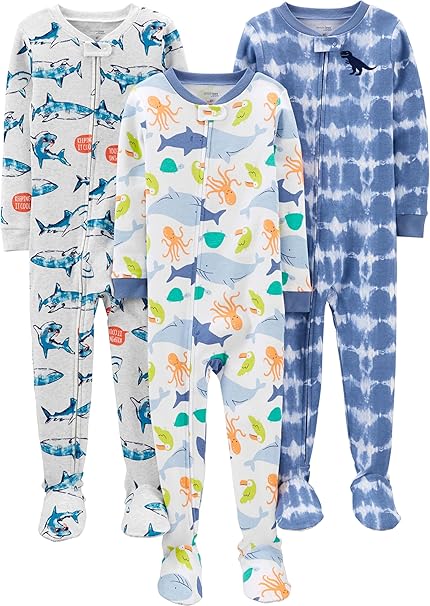
Carter’s Footed Pajamas
A simple and effective solution. Footed PJs are a one-piece outfit that keeps baby’s entire body, including their feet, warm all night long.
Check Price on Amazon
aden + anais Muslin Swaddles
For newborns (0-3 months) before they roll, a proper swaddle provides warmth and security. These are also great as a multi-use lightweight blanket for toddlers. See our guide to the best swaddle blankets.
Check Price on AmazonUnderstanding TOG Ratings for Sleep Sacks
TOG (Thermal Overall Grade) measures thermal insulation. Understanding these ratings helps you choose the right sleep sack for the temperature:
0.5 TOG (Summer Weight)
Ideal for warm rooms above 75°F (24°C) or layered over lightweight clothing in moderately warm conditions.
1.0 TOG (Standard Weight)
Suitable for rooms between 68-75°F (20-24°C). The most commonly used TOG for year-round comfort.
2.5 TOG (Winter Weight)
For cooler rooms between 61-68°F (16-20°C). Provides extra warmth without the risk of loose blankets.
3.5 TOG (Extra Warm)
For very cold rooms below 61°F (16°C). Use with appropriate room heating for optimal safety.
Remember: These ratings assume appropriate sleepwear underneath. Always check your baby’s temperature rather than relying solely on TOG ratings.
Cultural Perspectives and Historical Context
It’s interesting to note that safe sleep recommendations have evolved significantly over time and vary across cultures. Understanding this context helps explain why grandparents or friends from different backgrounds might have different expectations.
Historical Practices
Before the 1990s, babies were often placed on their stomachs to sleep, with blankets, pillows, and crib bumpers considered normal. The “Back to Sleep” campaign (now “Safe to Sleep”) launched in 1994 led to a 50% reduction in SIDS deaths. What was once considered loving care is now understood to be dangerous.
Cultural Variations
In many cultures, co-sleeping and bed-sharing are common practices, often with different approaches to bedding. Scandinavian countries have very low SIDS rates despite different practices, possibly due to firm mattresses and specific sleep environments. Always follow evidence-based guidelines for your specific situation.
Common Myths and Misconceptions
Myth 1: “I slept with blankets as a baby and I was fine.”
Reality: Survivorship bias doesn’t equal safety. Many babies in previous generations did experience sleep-related incidents. We now have better research and understanding of risks.
Myth 2: “My baby seems cold, so they need a blanket.”
Reality: Cool hands and feet are normal. Check the torso temperature. It’s safer for a baby to be slightly cool than overheated.
Myth 3: “A light blanket over the legs is safe.”
Reality: Even a light blanket can migrate during sleep. Babies move surprisingly during the night, and what starts at the feet can end up covering the face.
Myth 4: “My baby rolls over now, so blankets are safe.”
Reality: Rolling is a developmental milestone, but it doesn’t mean your baby can consistently remove a blanket from their face or won’t become entangled.
Myth 5: “Weighted blankets are like swaddling.”
Reality: Weighted blankets are dangerous for infants and should never be used unless specifically prescribed by a healthcare professional for medical reasons. Learn about proper care with our guide on how to wash a weighted blanket.
Myth 6: “My baby sleeps better with a blanket, so it must be okay.”
Reality: A baby sleeping deeply is not evidence of safety — in fact, deep sleep combined with an obstructed airway is precisely the SIDS risk scenario researchers are concerned about. Better apparent sleep does not justify the risk.
Myth 7: “If the baby monitor shows they’re breathing, the blanket is fine.”
Reality: Baby monitors — including movement monitors — do not detect early airway obstruction. By the time an audio or movement monitor would alert you to a problem, it may be too late. A safe sleep environment is the prevention; monitors are for peace of mind, not protection.
Frequently Asked Questions
What about receiving blankets or loveys?
Small security blankets or “loveys” can be introduced around 12 months but should be very small (no larger than a child’s hand) with no loose parts. They’re for comfort, not warmth. Receiving blankets are for swaddling newborns only, not as crib bedding.
Can I use a sleep positioner or wedge to keep the blanket in place?
No. Sleep positioners, wedges, and similar products are not recommended by the AAP as they can increase the risk of suffocation. They should never be used to secure a blanket.
What if my baby pulls the blanket over their face during play?
This is a learning opportunity. Gently remove it and say “blanket off face.” Practice during awake time. If they consistently cover their face intentionally, they may not be ready for a blanket during sleep.
How do I transition from a sleep sack to a blanket?
Gradually. Start by using the sleep sack with legs (if yours has that option) to get them used to having their legs free. Then introduce the blanket during naps while continuing the sleep sack at night. Eventually, phase out the sleep sack entirely. Many parents find this transition happens naturally around the time they move their toddler from a crib to a toddler bed.
Are there any blankets specifically designed for toddler safety?
Yes, some companies make “toddler safety blankets” with features like breathable mesh centers, smaller sizes, and no loose threads. Look for products specifically marketed for toddler transition with safety certifications like OEKO-TEX Standard 100.
What about electric blankets or heating pads?
Never use electric blankets, heating pads, or heated mattress pads for infants or young children. The risk of burns, overheating, and electrical issues is too high. If your home is cold, use a safe room heater instead. Learn about proper maintenance with our guide on how to wash a heated blanket for adult use.
How do I handle daycare or grandparents who use blankets?
Clear communication is key. Provide a sleep sack and explain the safety guidelines. Many daycares follow safe sleep protocols, but it’s important to confirm. With grandparents, share the latest AAP guidelines and explain why practices have changed since they raised their children. Many grandparents are receptive when they understand the research behind the recommendations.
What if my toddler refuses to sleep without a blanket?
If your toddler has become attached to a blanket before they’re developmentally ready, transition gradually. Use the blanket during cuddle time but not sleep, or try a smaller lovey instead. Consistency and patience are key.
Can my baby use a blanket at daycare?
Most licensed daycare centers in the US are required to follow safe sleep guidelines — which means no loose blankets for children under 12 months, regardless of parental preference. After 12 months, individual daycare policies may vary. Bring a sleep sack and discuss their nap policies with your provider. Never pressure a daycare to violate safe sleep guidelines — their compliance actually protects your child.
My baby keeps rolling onto their stomach — should I keep flipping them back?
Once a baby can roll over independently in both directions — from back to stomach and stomach to back — it is no longer necessary (or recommended) to keep repositioning them on their back. The AAP advises that you should always place your baby on their back to start sleep, but if they roll onto their stomach independently, it’s fine to leave them. The key qualifier is “independently in both directions” — if your baby can roll to their stomach but not back yet, continue placing them on their back and consider repositioning early in the night.
Is a crib bumper ever safe if it’s “breathable”?
No. The Safe Cribs Act of 2021 banned the manufacture and sale of crib bumpers in the United States for precisely this reason. “Breathable” crib bumpers were marketed as a safer alternative, but research found they still posed entrapment and suffocation risks. No crib bumper — regardless of how it is marketed — is considered safe by the AAP or the CPSC.
What’s the safest way to keep my baby warm if the heat goes out?
Layer up on clothing — several thin layers are safer than one heavy layer. Use the highest-TOG sleep sack you have. Move the baby’s sleep space to the warmest room. If the temperature drops below 61°F in the sleep environment, prioritize finding supplemental heating rather than adding blankets. A safe portable space heater with an automatic shut-off and thermostat control, placed well away from the crib, is a safer option than adding loose blankets.
| Age Range | Blanket in Crib? | Safer Alternative | Key Developmental Milestones |
|---|---|---|---|
| 0-12 Months | No (High Risk) | Sleep Sacks, Swaddles, Layered PJs | Head control, rolling, sitting, crawling |
| 12-18 Months | Maybe (Use Caution) | Small, lightweight, breathable blanket | Walking, following instructions, climbing |
| 18+ Months | Yes (Low Risk) | Toddler-sized blanket and pillow | Running, jumping, complex play |
Creating a Safe Sleep Environment: Beyond Blankets
While blankets get a lot of attention, creating a completely safe sleep environment involves multiple factors:
Crib Safety Checklist:
- Mattress: Firm, flat, and fits snugly in the crib (no gaps larger than two fingers)
- Fitted Sheet: Tight-fitting only, no loose sheets
- Crib Slats: No more than 2⅜ inches apart (about the width of a soda can)
- No Drop-Sides: Drop-side cribs have been banned since 2011
- Position: Away from windows, blinds, cords, and furniture
- Toys: Remove all soft toys, mobiles (once baby can push up), and decorations
- Monitoring: Use a baby monitor but remember it doesn’t replace safe practices
- Register the crib: Register with the manufacturer to receive recall notifications
Room Environment:
- Temperature: 68-72°F (20-22°C) with proper humidity
- Air Quality: No smoking in the home, good ventilation
- Lighting: Dark room for sleep, consider blackout curtains
- Noise: White noise can help mask household sounds
The Final Word: Trust the Guidelines & Your Instincts
While the 12-month mark is the official guideline, every child is different. Trust the expert recommendations, prioritize safety above all else, and use safer alternatives like sleep sacks for as long as you feel comfortable. There is no rush to introduce a blanket.
Reduction in SIDS deaths since the introduction of safe sleep guidelines in the 1990s, proving that these recommendations save lives.
The transition from safe sleep practices for infants to more typical bedding for toddlers is a significant milestone in your child’s development. By following evidence-based guidelines, monitoring your child’s unique readiness, and choosing appropriate products, you can ensure this transition happens safely.
Remember that safety evolves as your child grows. What’s appropriate for a newborn isn’t right for a toddler, and what works for a toddler may change as they become preschoolers. Stay informed about current recommendations, as guidelines do occasionally update based on new research.
As your family grows, your blanket needs will evolve. From the first swaddle to a cozy throw on your blanket ladder and the perfect blanket for the beach, each serves a purpose. By building a foundation of safety first, you can ensure comfort and peace of mind for years to come.
When to Seek Professional Guidance
Always consult your pediatrician if:
- Your child has special medical needs or developmental delays
- You’re unsure about your child’s readiness for a blanket
- Your child has experienced sleep-related breathing issues
- You’re considering weighted blankets for therapeutic reasons
- You have questions about specific products or safety standards
Your pediatrician knows your child’s unique health profile and can provide personalized guidance that generic advice cannot.
Parenting is filled with decisions, and when it comes to sleep safety, erring on the side of caution is always the right choice. The temporary inconvenience of not using a blanket is far outweighed by the peace of mind that comes from knowing your child is sleeping safely. Those first years pass quickly, and before you know it, you’ll be tucking your big kid in with their favorite blanket, knowing you’ve laid the foundation for a lifetime of safe sleep habits.