
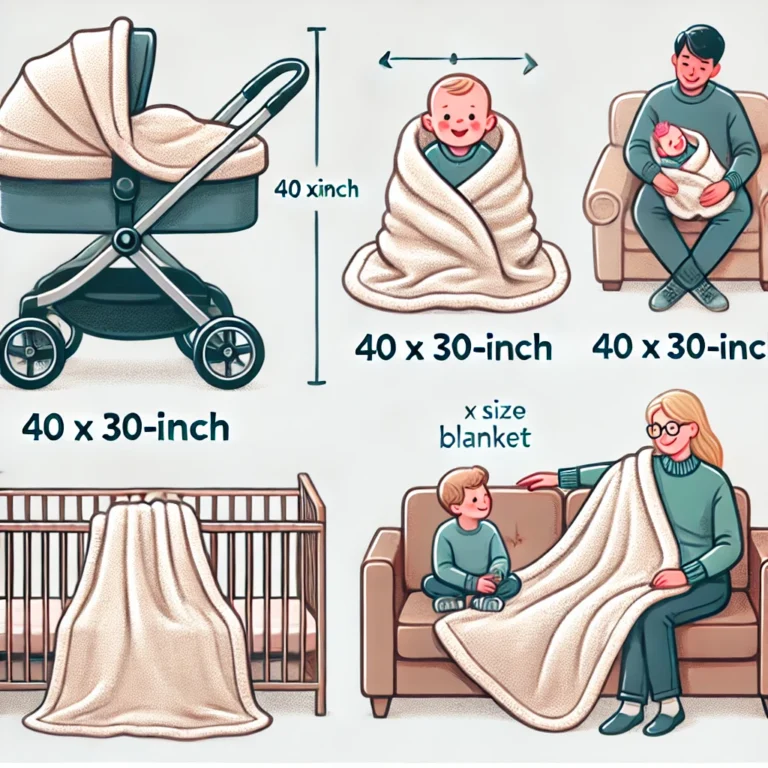
How Big is a 40×30 Blanket? (A Complete Size & Use Guide)
🚀 Key Highlights
- Exact Dimensions: 40 inches long by 30 inches wide (approx. 101cm x 76cm).
- Primary Users: Babies, Toddlers, Small to Medium Pets.
- Adult Uses: Lapghan (lap blanket), Wheelchair throw, Travel essential.
- Portability: Highly compact; fits easily in diaper bags, backpacks, and carry-ons.
Direct Answer: A 40 x 30-inch blanket measures 40 inches long by 30 inches wide. In feet, this is approximately 3.3 feet long by 2.5 feet wide.
While that’s the simple answer, the true meaning of this size lies in its use. This is not a blanket for an adult’s bed; it’s a versatile, personal-sized blanket most commonly used for babies, toddlers, pets, or as a lap throw for adults.
Navigating the world of blanket sizes can feel surprisingly complex. You see numbers like 40×30, 50×60, 90×90, and it’s not always intuitive what those dimensions actually look like in your home. You’re asking “how big is a 40×30 blanket” because you have a specific need in mind, and you want to know if this is the right tool for the job. Is it big enough for your toddler? Will it cover your golden retriever’s bed? Is it a good size for a travel blanket?
Understanding the nuances of blanket sizing is more than just measuring tape work; it is about understanding lifestyle integration. A 40×30 inch blanket represents a specific category of utility textiles often referred to as “receivers” or “stroller blankets” in the parenting world, and “throws” or “lapghans” in the interior design sphere. Unlike bedding which serves the static purpose of covering a mattress, a blanket of this dimension is dynamic—it moves with you. It transitions from the car seat to the park bench, from the pet crate to the washing machine, with ease.
When you consider the surface area, you are working with 1,200 square inches of fabric. This might sound substantial, but in the context of textiles, it is relatively compact. For comparison, a standard Twin blanket offers nearly 4,000 square inches of coverage. This drastic difference highlights that the 40×30 is designed for targeted warmth and protection rather than total immersion. It is designed to cover a specific zone—a baby’s body, an adult’s lap, a pet’s sleeping curl—without the excess fabric that becomes a tripping hazard or a storage nuisance.
This guide will not only give you the dimensions but will also help you visualize the size and explore every common use case for a 40×30 blanket. By the end, you’ll be an expert on this popular and practical blanket size.
The Upside
- Ultra-Portable: Folds down to the size of a notebook.
- Easy Care: Fits in any washer; dries in minutes.
- Safety: Less excess fabric reduces tangling risks for toddlers.
- Versatile: Serves humans and pets equally well.
The Downside
- Limited Coverage: Will not cover an adult’s full body.
- Outgrow Potential: Babies outgrow it quickly as a primary sleep cover.
- Not for Sharing: Strictly a single-user item.
Visualizing a 40×30 Inch Blanket
Let’s move beyond the numbers and translate them into real-world objects to give you a better sense of scale. A 40×30 inch blanket is:
- Slightly larger than a standard crib mattress: A U.S. standard crib mattress is about 52×28 inches. A 40×30 blanket is shorter but slightly wider, making it a perfect size for use within a crib or for tummy time on the floor.
- About the size of a large dog bed: It’s an ideal dimension to cover a bed for a Labrador, Golden Retriever, or German Shepherd, providing them with a soft, washable surface.
- Roughly the width of a standard armchair: The 30-inch width will comfortably cover the seat and back of many armchairs, protecting the upholstery or adding a decorative touch.
- The perfect lap size for a seated adult: When you’re sitting on the couch or in a wheelchair, a 40×30 blanket will cover your lap and legs without dragging on the floor or being overly bulky.
To truly grasp the scale, imagine a standard bath towel. Most bath towels range from 27×52 inches to 30×54 inches. Therefore, a 40×30 blanket is roughly the same width as your bath towel but about a foot shorter in length. If you wrap a bath towel around a baby, you have a good idea of the coverage. If you drape it over your own legs while sitting, you can see exactly where it will fall. This visualization helps prevent the common disappointment of buying a “throw” online only to realize it barely covers your knees.
Another helpful comparison is the standard pillowcase. A standard pillowcase is roughly 20×30 inches. If you were to lay two pillowcases side-by-side (long sides touching), you would have a 40×30 rectangle. This mental image is particularly useful for crafters or sewers who might be looking to make their own DIY blankets; knowing that two yards of fabric can yield multiple blankets of this size helps with material estimation and cost planning.
When visualizing this size for furniture protection, consider the “seat cushion” metric. Most sofa seat cushions are between 22 and 26 inches wide. A 30-inch wide blanket provides enough overhang to tuck into the crevices on either side, securing it in place against the restless paws of a pet or the wiggles of a toddler. However, it will likely not be long enough to drape over the back of a tall sofa and cover the seat simultaneously; for that, you would need a length closer to 60 inches.
The Primary Uses for a 40×30 Blanket
This dimension is rarely chosen by accident. It’s purpose-built for specific applications where larger blankets would be cumbersome. Here are the most popular uses:
1. Baby and Toddler Blanket
This is arguably the most common use for a 40×30 blanket. It’s often marketed as a “crib blanket,” “toddler blanket,” or “receiving blanket.” The size is perfect for little ones, providing enough coverage to keep them warm without being overwhelmingly large. It’s a staple in our list of the best baby blankets for its versatility.
In the context of infant care, the 40×30 blanket is the workhorse of the nursery. Its manageable size means it can be quickly folded into a burp cloth in an emergency or used as a clean changing pad surface in a public restroom. Unlike larger quilts that drag on the dirty ground when you lift a baby, this size stays contained within your arms’ reach. For toddlers transitioning to a “big kid bed,” this size offers a sense of security without the weight and heat of a full-size comforter, which can sometimes cause overheating in young children who haven’t yet mastered thermoregulation.
Common uses include:
- Tummy Time Mat: It provides a clean, soft surface for a baby to play on the floor.
- Stroller Cover: It’s large enough to drape over a stroller to block sun or a cool breeze, but small enough that it won’t get caught in the wheels.
- Swaddling (for newborns): While dedicated swaddles are often preferred, a 40×30 blanket can work for larger newborns.
- Toddler Bed Comforter: It’s a great size for a toddler transitioning from a crib to their first bed.
A Crucial Note on Baby Sleep Safety
It is vital to follow safe sleep guidelines for infants. The American Academy of Pediatrics recommends that babies sleep on a firm, flat surface with no soft bedding, including blankets, pillows, or bumpers. For more detailed information, it’s essential to understand when a baby can sleep with a blanket, which is typically after they are 12 months old and can move freely.
2. Pet Blanket
A 40×30 blanket is a pet owner’s best friend. It’s large enough for most cats and dogs (up to a large breed) and small enough to be easily washed. The durability of materials often used, like fleece or sherpa, makes them ideal for withstanding claws and frequent cleaning.
The “denning instinct” in dogs drives them to create a comfortable, secure nest. A 40×30 blanket allows them to paw, bunch, and circle to create this nest without an excess of heavy fabric that they might get tangled in. For senior pets with arthritis, having a dedicated blanket of this size means you can easily move their “comfort spot” from room to room, or even layer it over an orthopedic bed for added warmth. Furthermore, because this size is so easy to wash, it helps maintain hygiene in the home, trapping dander, hair, and outdoor dirt before it reaches your furniture.
Use it for:
- Crate Liner: Makes a metal or plastic crate cozy and comfortable.
- Furniture Protector: Designate a spot on the couch or bed for your pet and use the blanket to catch fur and dirt.
- Car Seat Cover: Protect your car’s upholstery during trips to the vet or park.
- Dog Bed Topper: Adds an extra layer of softness and is easier to wash than an entire dog bed.
3. Adult Lap Blanket or Throw
For adults, a 40×30 blanket isn’t for sleeping, but for targeted warmth and comfort while sitting. It provides what’s known as a “lapghan” (lap afghan) experience.
In ergonomic settings, particularly for those working from home or in chilly office environments, the 40×30 blanket shines. It warms the lower extremities—often the first part of the body to feel cold due to lower circulation while sitting—without interfering with keyboard use or getting caught in the casters of an office chair. For the elderly or those in assisted living, this size is often preferred because it is lightweight. Heavy blankets can be difficult for individuals with limited mobility to adjust or remove; the 40×30 offers warmth without the weight, promoting independence and comfort.
- Office Comfort: Keep one on your office chair to combat aggressive air conditioning.
- Wheelchair Use: It offers warmth for the lap and legs without the risk of getting tangled in the wheels, a common issue with larger throws.
- Reading Nook: Drape it over your legs while you’re settled in your favorite chair with a book.
4. Travel Blanket
The compact nature of a 40×30 blanket makes it a fantastic travel companion. It can be easily rolled or folded into a backpack or carry-on bag.
Travel creates a unique set of demands: varied temperatures, questionable hygiene standards on public transport, and limited storage space. A 40×30 blanket addresses all three. It provides a barrier between you and the airline seat, offers a layer of warmth when the cabin pressure drops, and yet packs away into a shape smaller than a travel neck pillow. For road trips, it serves as a pillow when folded, a sunshade for a window, or an impromptu picnic mat for a roadside stop. Its versatility per square inch is unmatched by larger, bulkier travel accessories.
- In the Car: Perfect for passengers on a long road trip.
- On a Plane: Much cozier and cleaner than the thin, scratchy blankets sometimes provided by airlines.
- Outdoor Events: Use it to keep your lap warm at a chilly fall football game or an evening concert in the park.
How 40×30 Compares to Standard Blanket Sizes
Context is everything. A 40×30 blanket can seem small or large depending on what you’re used to. Here’s a table comparing it to standard U.S. blanket sizes to give you a clear picture.
Understanding these standard dimensions is critical for managing expectations. Often, consumers purchase a 40×30 blanket expecting it to drape elegantly over the foot of a Queen bed, only to find it looks more like a placemat in that context. Conversely, trying to jam a 50×60 Throw blanket into a diaper bag usually results in a zipper that won’t close. The table below illustrates the hierarchy of sizes, showing where the 40×30 fits as a specialized, rather than general-purpose, textile.
| Blanket Type | Typical Dimensions (Inches) | Primary Use |
|---|---|---|
| 40 x 30 Blanket | 40″ x 30″ | Baby, Toddler, Pet, Lap Throw |
| Crib | 45″ x 60″ | Standard cribs (for older toddlers) |
| Throw | 50″ x 60″ | Adults on a couch, decorative |
| Twin Bed | 66″ x 90″ | Covering a twin mattress |
| Queen Bed | 90″ x 90-100″ | Covering a queen mattress |
| King Bed | 108″ x 90-100″ | Covering a king mattress |
Choosing the Right Material for Your 40×30 Blanket
The material dramatically impacts the blanket’s feel, warmth, and best use case. Not all 40×30 blankets are created equal; a muslin cotton version serves a completely different thermal function than a thick Sherpa fleece version.
When selecting a material, consider the “Breathability vs. Insulation” spectrum. Cotton and bamboo are on the high-breathability end. They allow air to circulate, preventing overheating, which makes them ideal for summer babies or warm climates. On the insulation end, you have polyester fleece and Minky. These synthetic fibers trap body heat effectively, creating a warm microclimate perfect for winter walks or drafty rooms. Understanding this distinction ensures you choose a blanket that not only fits the physical space but also meets the physiological needs of the user, whether human or animal.
- Fleece: Lightweight, soft, and durable. Excellent for pets and travel as it’s easy to wash and dries quickly.
- Sherpa/Faux Shearling: Features a smooth side and a fluffy, wool-like side. It’s incredibly warm and cozy, making it a great choice for a winter lap blanket.
- Cotton: Breathable and hypoallergenic. A perfect choice for baby blankets, as it’s gentle on sensitive skin.
- Minky: An ultra-soft, plush polyester fabric often used for baby products. It has a luxurious feel but requires gentle washing to maintain its texture.
Washing and Caring for a 40×30 Blanket
One of the best features of this size is its ease of care. It fits comfortably in any home washing machine. For most materials like fleece, cotton, or polyester, a simple wash on a gentle cycle with cold water and a low-heat tumble dry is all that’s needed.
However, longevity depends on proper technique. Small blankets tend to get lost in large loads of laundry, sometimes ending up inside the leg of a pair of pants or twisted inside a fitted sheet. To prevent this, and to protect the fabric surface from pilling (those annoying little balls of fuzz), it is highly recommended to wash these blankets in a mesh laundry bag. This is especially true for Minky fabrics, whose embossed textures can be flattened by friction against rougher fabrics like denim. Avoiding fabric softeners is another pro tip; softeners coat the fibers and can actually make them less soft and less absorbent over time, creating a waxy buildup that attracts dirt.
This simple process stands in stark contrast to the care required for more specialized blankets. For instance, cleaning a high-tech cooling blanket involves specific steps to protect its fibers, as we detail in our guide on if you can you wash cooling blankets. Similarly, items with integrated electronics require extreme caution; our walkthrough on how to wash a heated blanket outlines the crucial safety steps. And if you’re dealing with a much heavier item, our instructions on how to wash a weighted blanket explain how to do so without damaging your washing machine.
Pro Tip: Always check the care label on your specific blanket before the first wash. Some materials, like Minky or those with delicate trim, may have specific requirements like air-drying to maintain their softness and shape.
Our Top Picks for 40×30 Blankets on Amazon
Here are a few highly-rated examples of 40×30 blankets that showcase the variety available for different needs.
As an Amazon Associate, we earn from qualifying purchases. This helps us create helpful guides like this one!

PAVILIA Fleece Baby Blanket
This super-soft fleece blanket comes in many colors and patterns. At 30×40 inches, it’s the perfect size for strollers, cribs, and tummy time. A great, affordable choice for parents.
Check Price on Amazon
Bedsure Fleece Pet Blanket
Specifically designed for pets, this durable fleece blanket protects your furniture and keeps your furry friend cozy. It’s machine washable and stands up to regular use.
Check Price on Amazon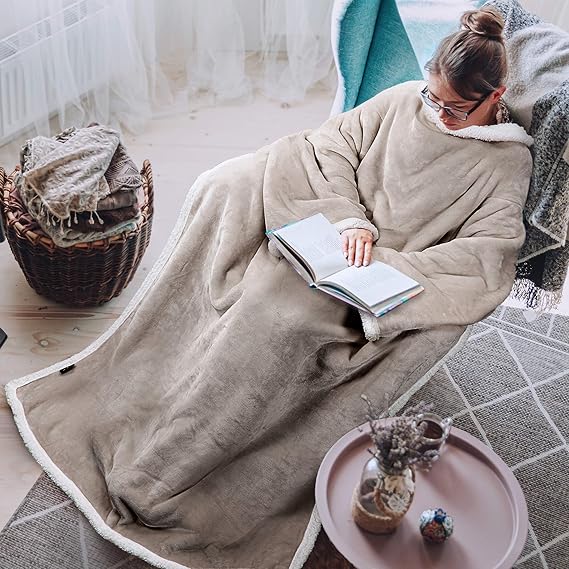
Tirrinia Sherpa Lap Blanket
While slightly larger, this 40×50 is a great lap blanket with a pocket for your feet! It showcases the ultra-warm sherpa material perfect for cozying up on the couch.
Check Price on Amazon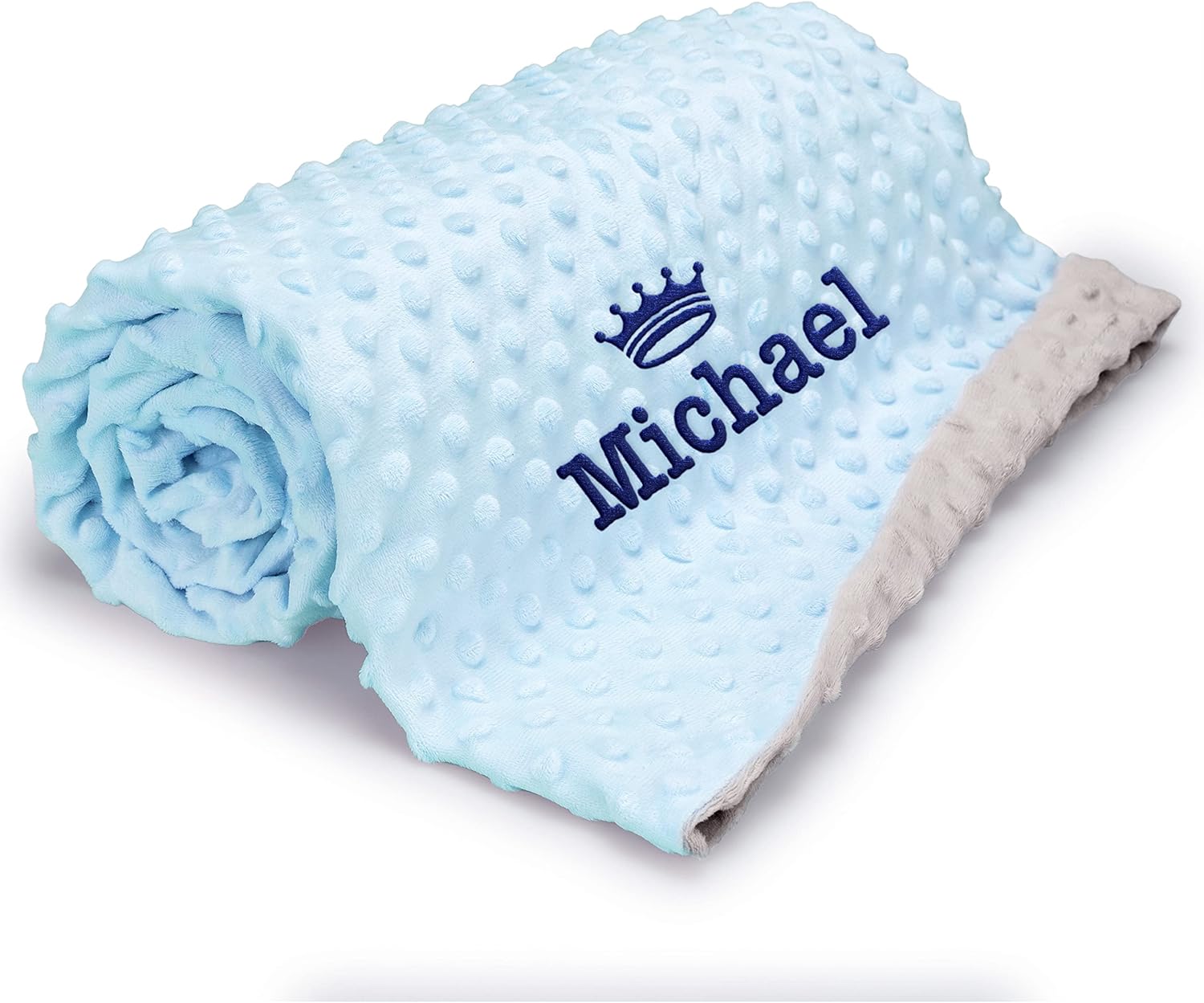
Custom Catch Minky Baby Blanket
This is a perfect example of a personalized Minky blanket, a popular baby shower gift. At 30×40 inches, it’s ideal for a keepsake that’s also practical for daily use.
Check Price on AmazonFrequently Asked Questions (FAQ)
No, it’s generally considered a perfect size for a toddler (ages 1-3). It will fully cover them in a crib or toddler bed and is easy for them to handle and carry around as a “lovey” or security blanket.
It doesn’t have one single official name. Depending on the material and marketing, it can be called a “baby blanket,” “crib blanket,” “stroller blanket,” “pet blanket,” or “lap throw.”
Yes, but not for full-body coverage. It is strictly for use as a lap blanket while seated. For sleeping or lounging on a sofa, a standard throw (50×60 inches) is a much better choice. The only exception might be a travel blanket where compact size is the most important feature.
Yes, it is an excellent size for swaddling larger newborns or draping over a car seat or stroller. It provides ample coverage without dragging on the ground.
Yes, for lying down. A 40×30 blanket fits perfectly in a large dog crate (typically 42 inches long) and covers the main sleeping area of a large dog bed, though it won’t offer much overhang.
Absolutely. It is one of the easiest DIY projects. You can buy 1 to 1.5 yards of fabric (fleece is easiest as it doesn’t fray) and trim it to size. It’s a great beginner sewing or no-sew tie blanket project.
Fold it in half lengthwise, then roll it tightly from one end to the other. This creates a compact cylinder that fits easily into water bottle pockets on backpacks or small tote bags.
Receiving blankets (often 30×30 or 40×30) are slightly thicker and used for burping, warmth, or mats. Swaddle blankets are often larger (47×47) and made of thinner, stretchier muslin to wrap tight around a baby.
It depends on the material. 100% cotton can shrink significantly if washed in hot water. Polyester fleece and Minky are synthetic and generally hold their size well, provided they aren’t exposed to high heat which can melt fibers.
Yes, it works well draped over the arm of a chair or folded at the foot of a child’s bed. However, it is too small to look substantial draped across the back of a large sofa.
Conclusion: The Small But Mighty Blanket
So, how big is a 40×30 blanket? It’s 3.3 by 2.5 feet of versatile, functional comfort. While it won’t be the star of your master bedroom, it shines in its specific roles. It’s the perfect companion for a napping toddler, a cozy spot for a beloved pet, or a comforting lap warmer on a chilly day.
Understanding that its value lies not in its size, but in its application, is the key. It’s a testament to the fact that in the world of blankets, there’s a perfect size for every purpose, and the 40×30 has firmly carved out its essential niche. Whether you are packing for a flight, preparing a nursery, or creating a sanctuary for a new puppy, this unassuming rectangle of fabric is likely exactly what you need.