
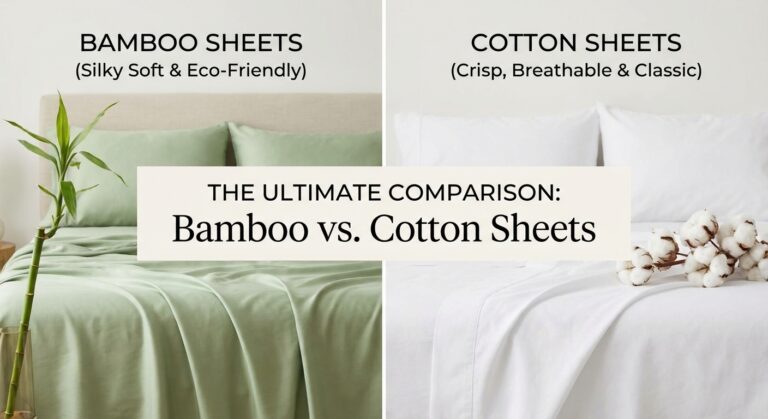
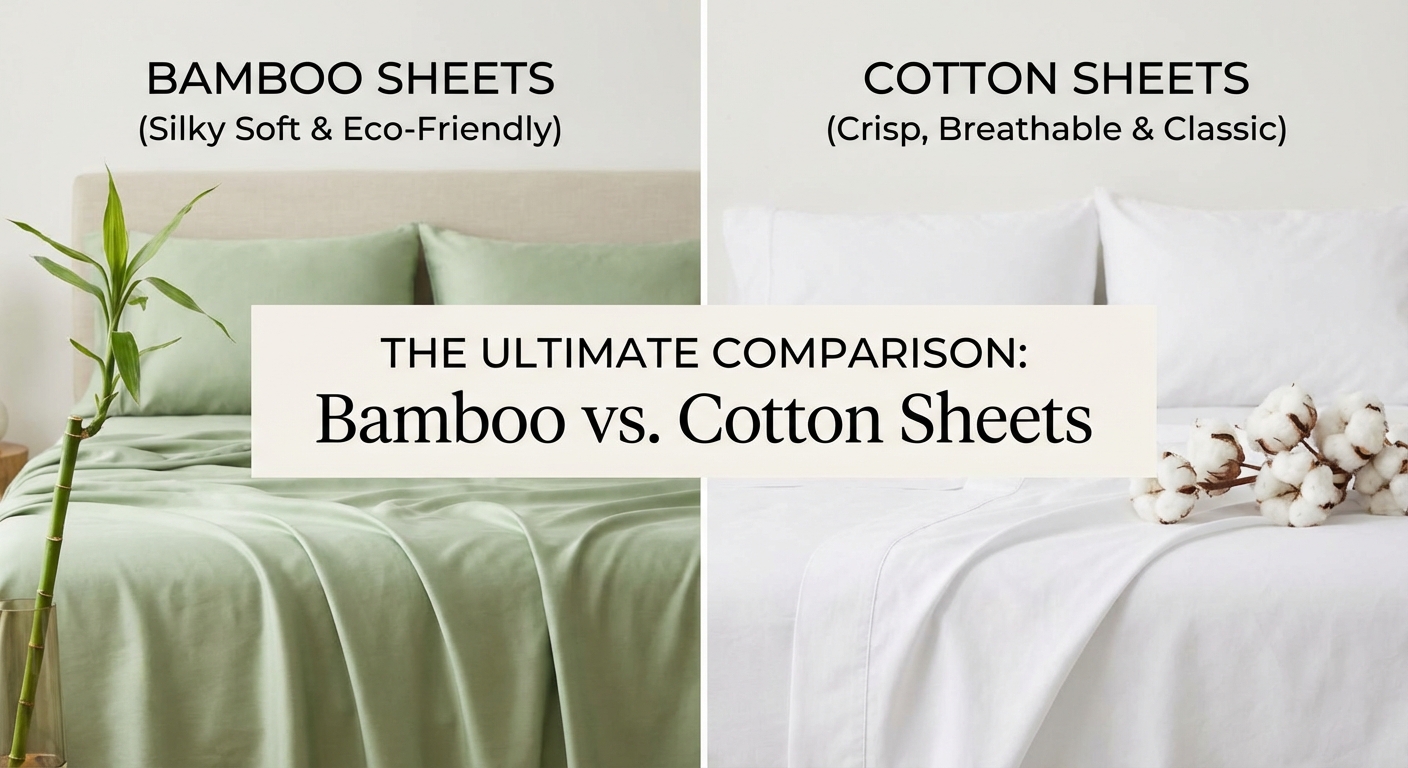
Bamboo Sheets vs. Cotton Sheets: Which Fabric Reigns Supreme?
Choosing the right bedding is arguably one of the most important decisions for your home. You spend roughly one-third of your life in bed, yet many of us treat sheets as an afterthought. For decades, cotton was the undisputed king of linens. It was reliable, crisp, and widely available. But in recent years, a challenger has emerged: bamboo.
The debate of bamboo sheets vs. cotton sheets has divided sleepers, dermatologists, and eco-conscious shoppers alike. Cotton offers that classic hotel-style crispness and durability, while bamboo promises a silky, cooling touch that feels luxurious against the skin. But which one is actually better for your sleep quality, your wallet, and the planet?
At Blanket Insider, we dive deep into the fibers. Whether you are looking for the best cozy blankets for your living room or outfitting a master suite, the foundation starts with your sheets. In this comprehensive comparison, we break down breathability, durability, maintenance, and environmental impact to help you make the right choice.
At a Glance: Bamboo vs. Cotton
Short on time? Here is the rapid breakdown of how these two textile titans compare.
| Feature | Bamboo Sheets (Viscose/Lyocell) | Cotton Sheets (Percale/Sateen) |
|---|---|---|
| Feel & Texture | Silky, smooth, buttery soft (similar to silk) | Crisp (Percale) or Soft (Sateen), gets softer with time |
| Temperature Regulation | Excellent cooling; wicks moisture aggressively | Breathable, but holds moisture longer |
| Durability | High, but prone to pilling if washed incorrectly | Very High; can last for decades with care |
| Price Point | Moderate to High ($50 – $200+) | Wide Range ($20 – $500+) |
| Eco-Friendliness | Renewable plant, but chemical heavy processing | Water-intensive crop, high pesticide use (unless organic) |
| Best For | Hot sleepers, sensitive skin | Traditionalists, those who like “crisp” bedding |
The Challenger: Bamboo Sheets Explained
When we talk about “bamboo sheets,” we aren’t talking about rough plant fibers. We are usually referring to rayon, viscose, or lyocell derived from bamboo pulp. The plant itself is incredibly sustainable—bamboo is the fastest growing plant on Earth—but the transformation into fabric is where things get complex.
The Feel and Experience
Bamboo sheets are instantly soft right out of the package. They drape over the body like a heavy fluid, similar to silk but without the slippery texture that causes pillows to slide off the bed. If you have ever looked into the benefits of silk vs satin pillowcases for hair and skin, bamboo offers a similar friction-free experience for your whole body.
Cooling Capabilities
One of the biggest selling points for bamboo is its thermal regulation. Bamboo fibers have micro-gaps that allow for superior ventilation. They don’t just breathe; they actively pull moisture away from the skin. For hot sleepers or those living in humid climates, this can be a game-changer, functioning similarly to best bamboo blankets designed for summer use.
✅ Pros of Bamboo
- Hypoallergenic: Resists dust mites and mildew naturally.
- Thermal Regulation: Stays cooler than most cottons.
- Silky Texture: Gentle on sensitive skin and hair.
- Eco-Source: Bamboo grows without pesticides or excessive water.
❌ Cons of Bamboo
- Wrinkles Easily: Hard to keep looking crisp without ironing.
- Care Requirements: Can pill if washed with rough fabrics (like towels).
- Chemical Processing: Converting bamboo to viscose requires harsh chemicals (unless it’s Lyocell).

The Champion: Cotton Sheets Explained
Cotton has been the gold standard for centuries. From affordable Upland cotton to luxurious Egyptian and Pima varieties, this natural fiber is versatile. Cotton sheets are categorized not just by the fiber length (staple), but by the weave.
Understanding Weaves: Percale vs. Sateen
When shopping for cotton, you’ll encounter two main terms:
- Percale: A one-over, one-under weave that creates a matte, crisp, and cool feel. Think of a freshly pressed dress shirt.
- Sateen: A three-over, one-under weave that exposes more thread surface, creating a silky feel and a slight sheen. It is heavier and warmer than percale.
Durability and Aging
High-quality cotton sheets are incredibly robust. Unlike synthetic blends that pill and degrade, long-staple cotton gets softer with every wash. It’s the same principle behind why we love old t-shirts. If you are outfitting a room that needs to withstand wear and tear—like a student dorm (check out our dorm room accessories guide)—cotton is often the pragmatic choice.
✅ Pros of Cotton
- Durability: Can last 10+ years with proper care.
- Variety: Options for every budget, from $20 to $500.
- Easy Care: Can withstand hotter wash cycles than bamboo.
- Crispness: Nothing beats the “snappy” feel of fresh Percale.
❌ Cons of Cotton
- Environmental Cost: Conventional cotton uses massive amounts of water and pesticides.
- Initial Roughness: Cheaper cotton can feel scratchy until broken in.
- Heat Retention: Can retain body heat more than bamboo (especially Sateen).

Head-to-Head: The Decision Factors
1. Temperature Regulation (The Cooling Factor)
For those who wake up sweating, this is the tie-breaker. Bamboo is naturally hydrophilic; it wicks moisture away from the skin faster than cotton. Cotton is breathable, meaning air passes through it, but it absorbs sweat and holds it. If you are comparing cooling blankets or cooling sheets, bamboo is generally superior for extreme heat.
Winner: Bamboo
2. Durability and Maintenance
Cotton fibers are stronger than bamboo rayon fibers. You can wash white cotton sheets in hot water to sanitize them without much fear. Bamboo requires gentle cycles and cool water to prevent the fibers from weakening or pilling. If you hate reading laundry labels (we have a guide on washing weighted blankets that applies here too), cotton is more forgiving.
Winner: Cotton
3. Health and Hygiene
Bamboo is frequently marketed as antibacterial. While the raw plant is, the chemical processing strips some of these properties. However, because bamboo manages moisture better, it creates a less hospitable environment for bacteria and dust mites compared to a damp cotton sheet. For allergy sufferers, bamboo or high-end swaddle-soft fabrics are often recommended.
Winner: Bamboo (Slight Edge)
4. Environmental Impact
This is complicated. Bamboo grows fast with no pesticides, but turning it into fabric is chemically intensive (Viscose process). Cotton uses tons of water and pesticides, but Organic Cotton (GOTS certified) mitigates this. If you buy standard generic sheets, bamboo is likely slightly better. If you buy certified Organic Cotton, cotton wins.
Winner: Tie (Depends on certification)
Which Should You Buy?
Choose Bamboo Sheets If:
- You are a “hot sleeper” or experience night sweats.
- You love the slippery, silky feel of luxury bedding.
- You have sensitive skin, eczema, or hair that tangles easily.
- You want a modern look that drapes elegantly over the bed.
Choose Cotton Sheets If:
- You love the crisp, starched feel of hotel linens (go for Percale).
- You want bedding that lasts for a decade.
- You are on a budget (Upland cotton) or want ultra-luxury (Giza cotton).
- You layer your bed with heavy items like a Sherpa vs Fleece blanket and need a sturdy base layer.
Completing Your Cozy Bed Setup
Sheets are just the first layer. To truly upgrade your sleep experience, you need to consider what goes on top. The debate between a duvet cover vs comforter cover often comes down to the same preference: do you want easy washing (duvet) or simplicity (comforter)?
Furthermore, if you are styling a smaller room, space efficiency matters. Pair your new sheets with space-saving storage solutions or tuck extra linens into blanket chests and trunks to keep your bedroom clutter-free.
Don’t forget the aesthetic touches. A blanket ladder displaying your collection of merino wool throws can make even a simple cotton sheet set look like a designer showroom.
Frequently Asked Questions
1. Do bamboo sheets really keep you cooler than cotton?
Yes. Bamboo fibers are more porous and absorbent than cotton. They wick moisture away from your body faster, which facilitates evaporation and cooling. This makes them ideal for summer or for people who sleep hot.
2. What is thread count, and does it matter for bamboo?
Thread count is a massive marketing myth for bamboo. While important for cotton (where 300-600 is the sweet spot), bamboo fibers are naturally softer. A 250-thread count bamboo sheet feels softer than a 1000-thread count cotton sheet. Don’t chase high numbers with bamboo.
3. Can I wash bamboo sheets with my towels?
Avoid this! Towels are abrasive and heavy. Washing delicate bamboo sheets with rough towels causes friction, leading to pilling (those annoying little fuzzballs). Wash sheets separately or with similar lightweight fabrics.
4. Why are bamboo sheets so expensive?
The manufacturing process to turn tough bamboo grass into soft viscose is complex. Additionally, the demand for eco-friendly alternatives has driven up the market price. However, they are often comparable in price to high-end Egyptian cotton.
5. Which is better for allergies?
Bamboo generally wins here. Its moisture-wicking properties reduce the humidity in your bed, which discourages dust mites and mold growth. If you suffer from allergies, pair bamboo sheets with a hypoallergenic pet blanket if you sleep with animals.
6. Do cotton sheets get softer over time?
Yes, particularly high-quality long-staple cotton. With every wash, the fibers loosen and relax, making the fabric softer. Bamboo starts soft but stays relatively consistent, whereas cotton evolves.
Final Verdict
The battle of bamboo sheets vs cotton sheets doesn’t have a single winner because it depends entirely on what you value most in your sleep environment.
If you crave that luxurious, slippery, cool-to-the-touch feeling and don’t mind spending a bit more for temperature regulation, Bamboo is your winner. It is the modern choice for comfort and skin health.
If you prefer the classic, crisp, clean feeling of a freshly made bed and want a product that is low-maintenance and incredibly durable, Cotton (specifically Percale) is your champion. It is the timeless choice that withstands the rigors of daily life.
Whichever path you choose, ensure you invest in quality. Cheap bamboo feels like plastic, and cheap cotton feels like sandpaper. Your sleep is an investment—make it a good one.
Ready to Transform Your Sleep?
Browse the highest-rated sheets loved by thousands of sleepers.
Explore Best Selling Sheets on Amazon