15 Best Wearable Blankets with Sleeves: The Ultimate Ranking
Wrap yourself in luxury. From the original Shark Tank hits to modern Sherpa masterpieces, we test the coziest gear on the market.
Why You Need a Wearable Blanket in Your Life
There is a specific kind of frustration that comes with traditional throw blankets. You get perfectly settled on the couch, perhaps with a cup of tea or a remote in hand, and the moment you reach for something, your arms are exposed to the cold air. Enter the wearable blanket with sleeves.
This genius invention bridges the gap between a robe and a blanket. Unlike a robe, it’s designed for lounging while seated or lying down, often featuring an oversized fit that lets you tuck your legs in. It is the ultimate evolution of cozy home essentials.
Whether you are a student looking for dorm room accessories to survive a drafty hall, or simply someone who wants to lower their heating bill, these 15 picks represent the pinnacle of comfort engineering.
The History and Evolution of Wearable Blankets
The concept of a blanket with sleeves is far older than most people realize. Long before the Snuggie became a pop culture phenomenon in the late 2000s, various cultures around the world had their own versions of wraparound garments designed for warmth while keeping the hands free. Ancient Roman togas, Korean hanboks, and Middle Eastern bishts all shared this fundamental design principle: a loose, draped garment that provides warmth without restricting movement.
However, the modern wearable blanket as we know it truly began to take shape in the early 2000s. The first major commercial success was the Slanket, which was created by a college student in Maine who wanted to stay warm while reading in his dorm room. He cut arm holes into a regular blanket, and the concept was born. The Slanket hit the market in 2003 and quickly gained a following among college students and homebodies alike.
The real explosion came in 2008 when the Snuggie launched with one of the most memorable infomercial campaigns in television history. The Snuggie was essentially a blanket worn backward, with sleeves added for convenience. While critics mocked the concept, consumers embraced it in droves. The Snuggie sold over 30 million units in its first few years, proving that there was an enormous market for this type of product.
The Shark Tank appearance of The Comfy in 2017 marked the next major evolution. Brothers Brian and Michael Speciale pitched their oversized hoodie blanket to the sharks, and the product’s meteoric rise following that appearance demonstrated that the market was hungry for innovation in this space. The Comfy brought a new level of quality and design to the wearable blanket category, moving beyond the simple “blanket with sleeves” concept to create a genuine garment that people were proud to wear.
Today, the wearable blanket industry has expanded into dozens of sub-categories. There are heated versions with built-in warming elements, travel-specific designs that fold into pillows, eco-friendly options made from recycled materials, and even high-fashion interpretations that look like luxury loungewear rather than oversized blankets. The market has matured from a novelty item into a legitimate segment of the comfort apparel industry, with annual sales now exceeding hundreds of millions of dollars worldwide.
Buying Guide: Materials & Features
Before we dive into the list, it’s crucial to understand what separates a cheap novelty item from a durable comfort staple.
- Material Composition: Most quality wearable blankets utilize a dual-layer design. The outer layer is typically a microfiber fleece (smooth to the touch), while the inner lining is often Sherpa. If you aren’t familiar with the terminology, check out our guide on what a Sherpa blanket actually is. For those who overheat easily, a single-layer flannel or bamboo option might be better.
- Length & Size: Are you looking for a “walking sleeping bag” or a hoodie? Floor-length options provide maximum coverage but can be tripping hazards. Hoodie styles (like The Comfy) end around the knees, offering mobility.
- Maintenance: These items get heavy use. You need something that won’t pill or matte after one cycle. Always check if you can wash these blankets easily.
Understanding Wearable Blanket Materials: A Complete Guide
The material of your wearable blanket will determine everything from warmth level to durability to how it feels against your skin. Let’s break down the most common materials used in today’s wearable blankets and help you understand which one is right for your needs.
Microfiber Fleece
Microfiber fleece is the most common outer material for wearable blankets. It’s made from ultra-fine polyester fibers that are woven together to create a soft, plush surface. The benefit of microfiber is that it’s incredibly soft to the touch, lightweight, and relatively inexpensive to produce. It also dries quickly and resists wrinkles, making it ideal for everyday use. The downside is that lower-quality microfiber can pill over time, especially after repeated washing. Look for microfiber with a weight of at least 300 GSM (grams per square meter) for a quality feel.
Sherpa Lining
Sherpa is a synthetic fabric designed to mimic the look and feel of sheep’s wool. It has a bumpy, textured surface that creates tiny air pockets, which trap heat effectively. Sherpa-lined wearable blankets are among the warmest options available, making them perfect for cold sleepers and people who live in chilly climates. The texture of Sherpa also adds a luxurious feel that many people find comforting. However, Sherpa can be heavy and may shed initially. High-quality Sherpa lining should be tightly woven to minimize shedding after the first few washes.
Flannel
Flannel is a soft, woven fabric that’s been used for pajamas and bedding for centuries. Flannel wearable blankets offer a middle ground between the warmth of Sherpa and the lightness of regular fleece. They’re breathable enough for year-round use and have a classic, homey feel. Flannel is also more durable than many synthetic alternatives and develops a softer feel over time. The main drawback is that flannel can shrink if not washed properly, so always follow care instructions carefully.
Bamboo Viscose
For those who prioritize sustainability and temperature regulation, bamboo viscose is an excellent choice. Bamboo-based fabrics are naturally hypoallergenic, moisture-wicking, and temperature-regulating. A bamboo wearable blanket will keep you warm in winter without overheating in summer. Bamboo is also an eco-friendly material that grows quickly without pesticides or excessive water. The main consideration is that bamboo fabrics can be more expensive than their synthetic counterparts, but many users find the comfort and environmental benefits worth the investment.
Micro-Mink
Micro-mink is a ultra-soft synthetic fabric that has a silky, luxurious feel. It’s commonly used as the outer layer of premium wearable blankets, giving them a smooth, elegant appearance. Micro-mink is lightweight yet warm, and it resists static and pilling better than many other materials. It’s an excellent choice for people who want their wearable blanket to look as good as it feels. The smooth surface also makes micro-mink blankets easy to layer over clothing without catching or bunching.
Merino Wool
Merino wool represents the premium end of wearable blanket materials. Derived from Merino sheep, this natural fiber offers unmatched temperature regulation, moisture management, and odor resistance. Merino wool can absorb up to 30% of its weight in moisture before feeling damp, making it ideal for people who tend to sweat. It’s also naturally flame-resistant and biodegradable. The main drawback is cost—Merino wool wearable blankets are significantly more expensive than synthetic options. However, for those who value natural materials and long-term durability, Merino wool is hard to beat.
How to Wear a Wearable Blanket: Styles and Tips
One of the most common questions we receive is about the different ways to wear a wearable blanket. Unlike a simple throw, these versatile garments can be styled and worn in multiple configurations depending on your activity and preference. Here’s a comprehensive guide to getting the most out of your wearable blanket.
The Classic Hoodie Style
The most popular way to wear a wearable blanket is the hoodie style, where you slip it on like an oversized sweatshirt. This keeps your arms covered while allowing full hand access for holding a remote, eating snacks, or working on a laptop. For the best results, choose a size that’s at least two sizes larger than your normal clothing size. The extra material creates that signature “cocoon” effect that makes wearable blankets so cozy. Pair this with comfortable loungewear pants or leggings for the ultimate relaxation outfit.
The Wrap Style
Some wearable blankets, particularly poncho-style designs, can be wrapped around your body like a shawl. This is perfect for those moments when you just want to grab a blanket quickly and wrap up on the couch. The wrap style is also great for wearing while sitting in a rocking chair or glider, as it provides warmth without restricting your arm movements. This style works particularly well with the Catalonia Poncho and similar designs that have a wide, open front.
The Cocoon Style
For maximum warmth, you can pull the wearable blanket down to cover your legs completely while sitting or lying down. This is where the oversized designs really shine—you can tuck your knees up and pull the blanket down to create a complete cocoon of warmth. This style is ideal for watching movies, reading, or napping. Models like the Winthome with foot pockets take this concept to the extreme, allowing you to create a complete sleeping bag-like environment while remaining fully mobile.
The Layered Look
Don’t be afraid to layer your wearable blanket over other clothing. In particularly cold environments, wearing a thin long-sleeve shirt underneath your wearable blanket adds an extra layer of insulation without adding bulk. This layered approach is also great for transitioning between indoor and outdoor settings—you can keep your wearable blanket on while stepping outside briefly, with the underlying layer providing additional warmth and wind protection.
Styling Tips for Different Body Types
Wearable blankets are designed to be universally flattering, but there are some styling tricks that can help different body types get the most comfort and style. If you’re petite, consider rolling up the sleeves slightly to prevent them from hanging over your hands. For taller individuals, look for extended-length options like the AmyHomie that provide full coverage without riding up. If you’re plus-sized, most wearable blankets are designed with generous proportions, but it’s worth checking the specific measurements to ensure comfortable coverage. Many brands now offer size-specific options that cater to a wider range of body types.
1. The Original Comfy | The Shark Tank Sensation
Best Overall
The product that started the modern craze. The Comfy is essentially a giant, double-layered hoodie. The outer material is a velvety plush, while the inside is a high-quality Sherpa that traps heat instantly. It’s perfect for camping trips or cozy car road trips where space is at a premium but warmth is non-negotiable.
Expert Insight: What sets The Comfy apart is the density of the fabric. Many knock-offs feel thin; this feels like a weighted hug.
- Incredible heat retention.
- Large marsupial pocket for phones/snacks.
- Ribbed cuffs keep sleeves up when typing/eating.
- Can be too warm for mild climates.
- Takes up significant storage space (consider specialized storage bags).
See The Concept in Action
If you are wondering how practical these oversized hoodies really are, check out this deep dive.
2. Bedsure Wearable Blanket Hoodie
Best Value
Bedsure has made a name for itself in the bedding industry, and their entry into the wearable market is stellar. It is slightly lighter than The Comfy, making it more versatile for year-round use. It’s an excellent choice if you are setting up a compact dorm desk setup and need something to keep you warm while studying late at night.
- More affordable than the premium brands.
- Huge color variety fits any aesthetic.
- Does not shed after washing.
- Sleeves can be slightly long for shorter individuals.
- Sherpa lining is thinner than The Comfy.
3. The Snuggie Original
Classic Choice
We cannot write this list without respecting the elder statesman of the genre. The Snuggie is fundamentally different from the hoodies above—it is a blanket with sleeves worn backward. This means your back is open. While less practical for walking around, it is superior for temperature regulation while seated in cozy recliners because you don’t get that “suffocating” heat.
4. Catalonia Sherpa Wearable Blanket (Poncho Style)
Best For Mobility
Not everyone likes the bulk of a hoodie or the length of a robe. The Catalonia poncho offers a happy medium. It has a large neck opening and hangs loosely over the shoulders with defined sleeves. It’s elegant enough to wear while drinking wine near cozy fireplace accessories without looking like a shapeless blob.
The micro-mink fleece face gives it a luxurious sheen, distinguishing it from matte fleece competitors.
5. Winthome Blanket with Sleeves & Foot Pockets
Full Coverage
The fatal flaw of many wearable blankets is cold feet. Winthome solves this by integrating foot pockets into the bottom of the gown. This is the closest you will get to a human cocoon. It is exceptionally long, making it a great alternative to a king-size blanket when you want that level of coverage just for yourself.
- Foot pockets eliminate the need for socks.
- Velcro at the back prevents it from slipping off.
- Dangerous to walk in due to length and foot pockets.
6. Pavilia Premium Fleece Robe Blanket
Best Texture
Pavilia focuses heavily on texture. Their waffle-texture fleece options add a tactile element that feels higher-end than standard flat fleece. This is a great gift item; pair it with a decorative blanket basket for a complete housewarming present.
7. The Comfy Dream
Best for Summer/Spring
If the original Comfy is a furnace, the Comfy Dream is a gentle breeze. Made of a single layer of microfiber, it lacks the heavy Sherpa lining. This makes it much lighter and easier to pack, perhaps even serving as a beach blanket alternative for chilly evenings by the ocean where you don’t want heavy wool.
8. AmyHomie Blanket Sweatshirt (Extra Long)
Tall Friendly
For those over 6 feet tall, standard “one size fits all” often means “one size fits up to your shins.” The AmyHomie oversized sweatshirt offers extended length, reaching the ankles of average-height adults and well past the knees of taller users.
9. Degrees of Comfort Heated Wearable Blanket
Electric Option
Sometimes body heat isn’t enough. This poncho-style blanket includes internal heating elements powered by a USB battery pack (sold separately or included depending on the bundle). It operates on similar principles to a 12v heated blanket but gives you the freedom to move around the house. Just remember to read up on how to wash heated textiles safely.
10. Huggle Hoodie
Budget Pick
A direct competitor to The Comfy, often found at a lower price point. While the material is slightly thinner, it offers the same fundamental utility. It’s a great option to buy in bulk for the family or to keep as a spare in your dorm storage.
11. Tirrinia Poncho Blanket
Stylish
This item features a kangaroo pocket and a cowl neck rather than a hood, which some users find less suffocating. It sits nicely over the shoulders and is easier to fold, fitting well on a blanket ladder without looking bulky.
12. Richie House Plush Hybrid
Kid Friendly
Richie House makes adorable designs that blur the line between a dressing gown and a wearable blanket. If you are looking for baby or toddler options, their smaller sizes are incredibly soft and durable against spills.
13. Northwest Company Character Wearables
Best Gift
The Northwest Company holds licenses for NFL, Disney, and Harry Potter. These wearable blankets allow you to dress like a Jedi or a Hogwarts student while staying warm. They make excellent gifts and pair well with other themed items like cool dorm lamps.
14. FINE DÉCOR 3-in-1 Travel Blanket
Travel Ready
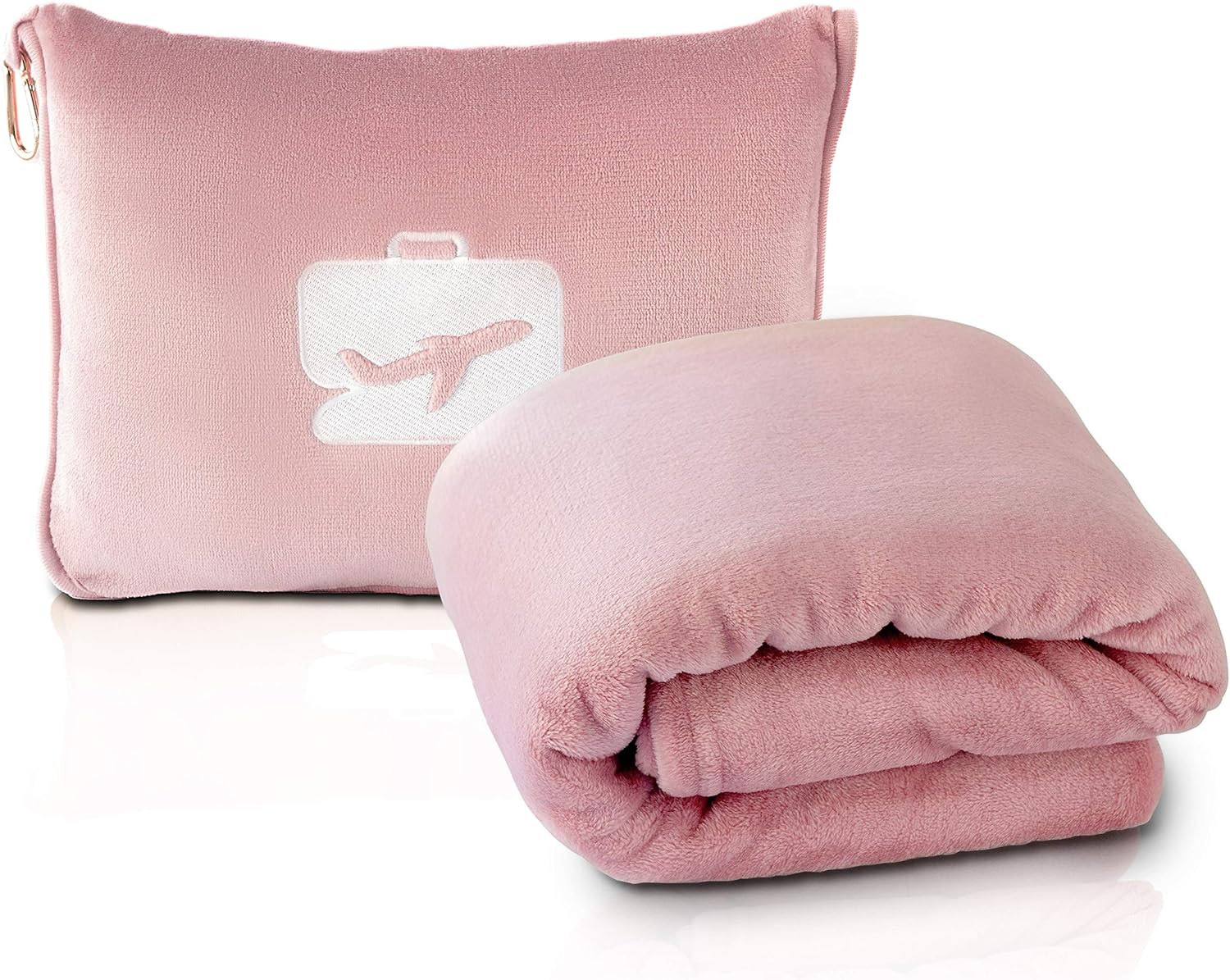
This is a transformer. It packs into a pillow, unfolds into a blanket, and has snaps to create sleeves/poncho functionality. It is the ultimate travel pillow and blanket set hybrid for long-haul flights.
15. Merino Tech Wool Poncho
Luxury Natural Fiber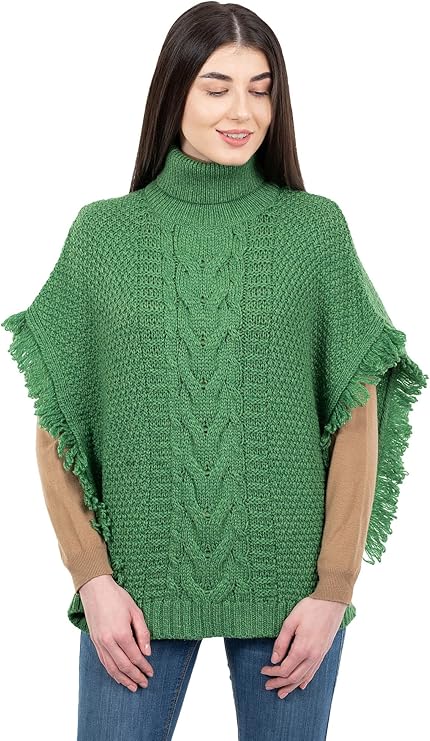
Finally, for those who despise synthetic fabrics. While rare, there are poncho-style wearables made of Merino wool. These offer superior temperature regulation and odor resistance compared to polyester. To understand why this price tag is higher, read about Merino wool benefits.
Quick Comparison: Top 5 Wearable Blankets
| Product | Style | Material | Best For |
|---|---|---|---|
| The Comfy Original | Oversized Hoodie | Microfiber/Sherpa | Maximum Warmth |
| Bedsure Wearable | Oversized Hoodie | Flannel/Sherpa | Value & Color Options |
| The Snuggie | Backwards Robe | Fleece | Lounging on Sofa |
| Catalonia Poncho | Poncho | Micro-mink | Mobility & Style |
| Winthome | Full Body Gown | Fleece | Total Coverage (Feet) |
Wearable Blanket vs Regular Blanket: Which Is Better?
The debate between wearable blankets and regular blankets has been raging since the Snuggie first hit airwaves. While both serve the fundamental purpose of keeping you warm, they excel in different scenarios. Understanding these differences will help you decide whether you need one, the other, or both in your home comfort arsenal.
Warmth and Coverage
Regular blankets excel at providing full-body coverage when you’re lying down. A quality queen-size blanket can wrap around you completely, eliminating cold spots. However, the moment you need to move your arms—to reach for a drink, grab a snack, or change the channel—you expose yourself to cold air. This is where wearable blankets shine. By keeping your arms covered while allowing full mobility, they provide consistent warmth even when you’re active on the couch.
In terms of raw warmth, a well-made wearable blanket with Sherpa lining is often warmer than a standard throw blanket of similar thickness. The hoodie design traps warm air more effectively around your upper body, and the double-layer construction provides insulation from all angles.
Mobility and Practicality
If you need to get up frequently—a reality for parents with young children, pet owners, or anyone who likes to snack while watching TV—wearable blankets offer a clear advantage. You can stand up, walk to the kitchen, and return to your seat without losing your warmth. Regular blankets require you to wrap and unwrap yourself with every movement, which becomes tedious quickly.
However, regular blankets win when it comes to sharing. A large throw blanket can easily cover two people on the couch, while wearable blankets are individual garments. If cozy movie nights with a partner are your thing, you might want both options available.
Storage and Aesthetics
Regular blankets are easier to fold and store. They can be draped over a blanket ladder, stacked in a basket, or folded neatly on a shelf. Wearable blankets, with their sleeves, hoods, and pockets, are bulkier and less attractive when not in use. If you’re concerned about your living room’s aesthetic, a decorative throw might be the better choice for display purposes.
The Verdict
For solo lounging sessions, especially during cold weather, a wearable blanket is almost always the more comfortable option. For shared spaces, households with multiple people, or when you want a decorative element, regular blankets remain essential. The smart approach is to own both—a quality wearable blanket for personal comfort and a selection of decorative throws for when guests arrive or when you want that classic “blanket fort” experience.
Wearable Blankets for Kids: Safety and Comfort Guide
Children love wearable blankets, and for good reason—the combination of warmth, fun designs, and the feeling of being wrapped in a hug makes them irresistible to kids of all ages. However, there are important safety considerations and design features to look for when choosing a wearable blanket for your little ones.
Age-Appropriate Designs
For toddlers and young children (ages 2-6), look for wearable blankets with shorter lengths that won’t create tripping hazards. The Richie House Plush Hybrid is an excellent choice for this age group, as it’s designed with proportionally smaller sleeves and a length that won’t drag on the floor. Avoid hooded designs for very young children, as hoods can obscure vision and create a suffocation risk if the child falls asleep in certain positions.
For older children (ages 7-12), you have more flexibility with design choices. Kids in this age range often love character-themed wearable blankets from companies like The Northwest Company. NFL team blankets, Disney princess designs, and superhero themes are hugely popular and can make bedtime or couch time feel special. Just make sure the sizing is appropriate—many “one size fits all” designs are too large for children under 4 feet tall.
Safety Considerations
When choosing a wearable blanket for children, prioritize these safety features:
- No drawstrings or loose cords: These present strangulation hazards for young children. Choose designs with elastic or velcro closures instead.
- Flame-resistant materials: Look for labels that indicate the fabric meets CPSC flammability standards. This is especially important for children who might wear their wearable blanket near fireplaces or space heaters.
- Non-toxic dyes and materials: Children often chew on fabric, so ensure the materials are free from harmful chemicals. OEKO-TEX certification is a good indicator of safety.
- Proper sizing: An oversized wearable blanket can be a tripping hazard for small children. Choose age-appropriate sizes and consider measuring your child before purchasing.
Educational and Developmental Benefits
Believe it or not, wearable blankets can support children’s development. The act of putting on and taking off a wearable blanket helps develop fine motor skills and independence. For children who are transitioning from swaddling or who need comfort objects for anxiety, the gentle pressure of a wearable blanket can provide a sense of security similar to a weighted blanket. Additionally, wearing a special blanket can become part of a calming bedtime routine, helping children wind down and prepare for sleep.
Wearable Blankets for Working from Home: Stay Warm Without Losing Productivity
The work-from-home revolution has created a new category of wearable blanket demand: the professional who needs to stay warm while maintaining productivity. Whether you’re on video calls, typing reports, or attending virtual meetings, the right wearable blanket can keep you comfortable without compromising your professional appearance or productivity.
The Remote Worker’s Dilemma
Working from home presents a unique temperature challenge. Your home office might be in a drafty room, near a window that lets in cold air, or simply lack the heating efficiency of a commercial office building. Traditional blankets are impractical for work because they restrict your hands and arms, making typing, using a mouse, or handling documents difficult.
Wearable blankets solve this problem elegantly by keeping your arms covered while allowing full dexterity. The key is choosing a design that’s professional enough for video calls while being comfortable enough for all-day wear. Oversized hoodie designs like The Comfy and Bedsure are popular choices because they look like (very large) sweatshirts on camera.
Best Features for Remote Workers
When shopping for a work-from-home wearable blanket, prioritize these features:
- Thumb holes or fitted cuffs: These keep sleeves from sliding over your hands when typing. The Original Comfy’s ribbed cuffs are particularly good for this purpose.
- Professional colors: While fun patterns are great for weekends, neutral colors like gray, navy, or black look more professional on camera. The Bedsure Wearable Blanket Hoodie comes in a wide range of colors including several professional options.
- Pockets for work essentials: A large front pocket that can hold your phone, pens, or small notepad is invaluable when you’re working. Most hoodie-style wearable blankets include kangaroo pockets of varying sizes.
- Breathable materials: Working from home often means sitting for extended periods, which can cause overheating. Look for materials that balance warmth with breathability, such as bamboo viscose blends or single-layer fleece options.
Creating a Cozy Home Office
A wearable blanket is just one element of a comfortable home office setup. Consider pairing it with other cozy essentials to create an environment that helps you stay warm and productive. A good ergonomic chair, a warm desk lamp, and perhaps a small space heater can complement your wearable blanket and create the perfect work-from-home comfort zone.
Many remote workers have reported that investing in comfort items like wearable blankets has actually improved their productivity. When you’re warm and comfortable, you’re less distracted by physical discomfort and more able to focus on your work. It’s a small investment that can pay significant dividends in both comfort and output.
Wearable Blankets for Outdoor Use: Camping, Sports, and Beyond
While wearable blankets are primarily designed for indoor use, their portability and warmth make them surprisingly versatile outdoor companions. From camping trips to outdoor sporting events to backyard bonfires, the right wearable blanket can keep you warm in situations where traditional blankets are impractical.
Camping and Backpacking
The Original Comfy has become something of a cult favorite in the camping community. Its oversized design works perfectly as an extra layer inside a tent, and the Sherpa lining provides genuine warmth in cold weather camping situations. For backpackers, lighter options like The Comfy Dream are more practical, as they pack down smaller and weigh less.
When camping with a wearable blanket, consider pairing it with a road trip comfort kit that includes other warm essentials. A wearable blanket in the car means you’re always prepared for unexpected cold, whether you’re sleeping in your vehicle or sitting around a campfire.
Outdoor Sporting Events
Football games, soccer matches, and outdoor concerts often mean hours of sitting in cold weather. Traditional blankets are impractical in stadium seating because they slip off, get caught on chairs, and require constant adjustment. Wearable blankets solve all of these problems by staying securely on your body while keeping your hands free for holding drinks, eating stadium food, or cheering for your team.
For sporting events, look for wearable blankets in team colors or with licensed logos. The Northwest Company’s character wearables are popular choices, and many sports teams now offer their own branded wearable blankets. These combine functionality with team spirit, making them both practical and fun.
Backyard Gatherings
Outdoor dinner parties, backyard movie nights, and casual gatherings are perfect opportunities to showcase your wearable blanket. Unlike wrapping yourself in a throw blanket (which can look a bit sloppy), a well-chosen wearable blanket can look intentional and stylish. Poncho-style designs like the Catalonia Poncho are particularly good for social situations because they look more like fashion than loungewear.
Weather Considerations
Most wearable blankets are designed for cool to cold weather, not extreme conditions. In temperatures below 30°F (-1°C), you’ll likely need additional layers even with a Sherpa-lined wearable blanket. Wind is another factor—while the fabric provides warmth, it doesn’t block wind effectively. For windy outdoor conditions, consider wearing your wearable blanket over a wind-resistant jacket for maximum protection.
Rain and moisture are the enemies of most wearable blanket materials. Microfiber and fleece absorb water and lose their insulating properties when wet. If you’re planning to use your wearable blanket outdoors regularly, look for water-resistant treatments or consider keeping a waterproof shell handy for unexpected weather changes.
Wearable Blankets for Gaming: The Gamer’s Ultimate Comfort Guide
Gaming marathons can stretch for hours, and temperature regulation during long gaming sessions is a real concern. Many gamers find that their hands get cold during extended play, especially in winter months, which can affect reaction time and overall comfort. A wearable blanket is the perfect solution, keeping your body warm while leaving your hands free for controllers, keyboards, and mice.
Controller-Friendly Features
For console gamers, the key consideration is sleeve design. Sleeves that are too long or too loose will get caught on controllers, creating an annoying distraction during gameplay. Look for wearable blankets with fitted cuffs or thumb holes that keep the fabric out of the way. The Original Comfy’s ribbed cuffs are excellent for this purpose, as they grip the wrists without being too tight.
PC gamers have slightly different needs. The keyboard and mouse require more hand movement than a controller, so loose sleeves can be even more problematic. Some gamers prefer poncho-style wearable blankets for PC gaming because they leave the arms completely free while still providing body warmth.
Staying Cool Under Pressure
Intense gaming sessions can raise your body temperature, especially if you’re playing competitive or fast-paced games. This is why breathable materials are important for gaming wearable blankets. Single-layer fleece options like The Comfy Dream provide warmth without the overheating risk of heavy Sherpa-lined designs.
Temperature regulation is also important for the console or PC itself. Make sure your wearable blanket doesn’t block ventilation on your gaming equipment, and avoid wearing it in a way that traps heat near the console. Good airflow is essential for both your comfort and your hardware’s longevity.
The Ultimate Gaming Setup
Combine your wearable blanket with other gaming comfort essentials for the ultimate setup. A comfortable gaming chair, a headset that doesn’t get tangled in your blanket, and strategically placed snacks and drinks can create a gaming environment that’s both comfortable and functional. Many gamers also use wearable blankets as part of their streaming setup, where the cozy aesthetic adds personality to their on-camera presence.
Wearable Blankets for Nursing and Pregnancy: Comfort for New and Expecting Moms
Pregnancy and breastfeeding bring unique comfort challenges that wearable blankets are uniquely positioned to address. The need for warmth, the desire for easy access for nursing, and the general discomfort that comes with changing body shapes all make wearable blankets an excellent choice for new and expecting mothers.
Pregnancy Comfort
During pregnancy, body temperature regulation can become more challenging. Many pregnant women experience hot flashes followed by chills, making traditional blankets impractical. A wearable blanket provides consistent warmth without the need to constantly adjust or remove layers. The oversized design accommodates a growing belly comfortably, and the ability to keep arms covered while reaching for things is especially valuable during the later stages of pregnancy when mobility is limited.
Look for wearable blankets with front closures (buttons or zippers) that will be easy to manage as your belly grows. Poncho-style designs are particularly good for pregnancy because they don’t have restrictive waistbands or closures that might become uncomfortable.
Nursing-Friendly Designs
For nursing mothers, wearable blankets offer a practical alternative to traditional nursing covers. The open front or button-up designs of many wearable blankets provide easy access for breastfeeding while keeping both mother and baby warm. This is especially valuable during nighttime feedings when you don’t want to fully wake up or expose yourself to cold air.
The Snuggie’s backward design is actually popular among nursing mothers because it provides front access while keeping the back covered. However, more modern designs with front zippers or buttons are often more practical for frequent nursing sessions.
Postpartum Recovery
After delivery, comfort becomes paramount. Hospital rooms can be cold, and new mothers often spend long hours sitting in chairs or on couches during feeding sessions and recovery. A soft, warm wearable blanket can provide genuine comfort during this challenging time. Many hospitals now allow patients to bring their own blankets, and a wearable blanket is an excellent choice because it stays in place while you’re resting and allows easy movement when you need to get up.
For gifts, consider pairing a wearable blanket with other postpartum comfort items like nursing pillows, cozy socks, and a good water bottle. This combination creates a care package that addresses multiple comfort needs during the recovery period.
Eco-Friendly and Sustainable Wearable Blankets: Green Comfort Choices
As environmental awareness grows, many consumers are seeking sustainable alternatives in every product category, including wearable blankets. Fortunately, the market has responded with eco-friendly options that provide the same comfort and warmth as traditional designs while minimizing environmental impact.
Recycled Materials
Several manufacturers now produce wearable blankets from recycled polyester, often sourced from recycled plastic bottles. This process diverts waste from landfills while creating a soft, durable fabric that performs identically to virgin polyester. The recycled material is typically blended with other fibers to achieve the desired softness and warmth, resulting in a product that’s both comfortable and environmentally responsible.
When shopping for recycled wearable blankets, look for certifications like GRS (Global Recycled Standard) that verify the recycled content claims. Some brands are transparent about the percentage of recycled material used, which can range from 30% to 100% depending on the product.
Organic and Natural Fibers
For those who prefer natural materials, organic cotton and bamboo viscose are excellent choices. Organic cotton is grown without synthetic pesticides or fertilizers, reducing the environmental impact of cultivation. Bamboo, as mentioned earlier, is a rapidly renewable resource that requires minimal water and no pesticides to grow.
Merino wool, while expensive, is another natural option that’s gaining popularity in the wearable blanket market. Merino sheep produce wool that’s naturally renewable, biodegradable, and requires less chemical processing than synthetic alternatives. The durability of Merino wool also means longer product lifespans, which reduces the frequency of replacements and the associated environmental impact.
Ethical Manufacturing
Sustainability extends beyond materials to include manufacturing practices and labor conditions. When researching eco-friendly wearable blankets, look for brands that are transparent about their supply chains and manufacturing processes. Certifications like Fair Trade and B Corp indicate that a company meets high standards for both environmental and social responsibility.
Some brands go further by partnering with environmental organizations, planting trees for every product sold, or implementing take-back programs that recycle old blankets into new products. These initiatives demonstrate a genuine commitment to sustainability that goes beyond marketing claims.
Care and Longevity
One of the most sustainable things you can do is extend the life of your products. Proper care of your wearable blanket—following washing instructions, avoiding excessive heat, and storing it properly—can significantly extend its lifespan. A well-maintained wearable blanket can last for years, reducing the need for replacements and minimizing waste.
When your wearable blanket eventually reaches the end of its life, consider donating it rather than throwing it away. Many charitable organizations accept gently used blankets, and your warm, cozy garment can bring comfort to someone in need. Some brands also offer recycling programs for their products, ensuring that the materials are properly processed at end of life.
Wearable Blanket Myths Debunked: Separating Fact from Fiction
Despite their growing popularity, wearable blankets are still surrounded by misconceptions and myths. Let’s address the most common ones and set the record straight with facts and evidence.
Myth: Wearable Blankets Are Just a Gimmick
This was perhaps true in the early days of the Snuggie, when the concept seemed novelty and the products were often low-quality. However, the modern wearable blanket industry has matured significantly. Major brands invest in research and development, use high-quality materials, and design products that solve real comfort problems. The fact that wearable blankets have maintained and grown their market presence for over a decade suggests they provide genuine value beyond novelty appeal.
Customer reviews consistently highlight the practical benefits of wearable blankets, from staying warm during TV watching to providing comfort during illness or recovery. This is not the behavior of a gimmick product—it’s the behavior of a product that solves a real problem.
Myth: They’re All the Same
Nothing could be further from the truth. As this guide demonstrates, wearable blankets vary dramatically in materials, design, warmth level, and intended use. From lightweight summer options to heavy-duty heated versions, from hooded designs to open-back styles, from budget picks to luxury natural fiber options—the category offers genuine variety that caters to different needs and preferences.
Choosing the right wearable blanket requires understanding your specific needs, just like choosing any other clothing or comfort item. The “one size fits all” mentality doesn’t apply to wearable blankets any more than it applies to jackets or shoes.
Myth: They’re Only for Cold Weather
While wearable blankets are most popular during winter months, many designs are suitable for year-round use. Single-layer fleece options like The Comfy Dream provide just enough warmth for cool summer evenings or air-conditioned environments. Poncho-style designs can serve as light layers in spring and fall. Even Sherpa-lined models can be comfortable in cooler summer nights, especially in northern climates or at higher elevations.
The key is choosing the right material and weight for your climate and intended use. A bamboo viscose wearable blanket, for example, provides temperature regulation that makes it comfortable in a wide range of conditions.
Myth: They’re Difficult to Clean
Most modern wearable blankets are designed to be machine washable, making care simple and convenient. The key is following the care instructions—typically washing on a gentle cycle with cold water and tumble drying on low heat. Avoiding fabric softeners and bleach will help maintain the fabric’s softness and color over time.
While some heavy-duty models may require larger washing machines, the vast majority can be cleaned in standard home machines. The idea that wearable blankets require special cleaning is outdated and doesn’t reflect the reality of modern fabric technology.
Myth: They Make You Look Ridiculous
Aesthetics are subjective, but the wearable blanket market has evolved far beyond the original Snuggie’s somewhat unflattering design. Modern options include stylish ponchos, elegant robe-style designs, and hoodie models that look like oversized loungewear rather than blankets. With careful selection, it’s possible to find a wearable blanket that looks intentional and even fashionable.
Moreover, the comfort benefits often outweigh aesthetic concerns. Many users report that once they experience the warmth and convenience of a wearable blanket, they care less about how it looks and more about how it feels. In the privacy of your own home, comfort should take priority over fashion.
Wearable Blanket Gift Guide: Perfect Presents for Every Occasion
Wearable blankets make excellent gifts for a wide range of occasions and recipients. Their universal appeal, practical utility, and “treat yourself” nature make them a safe yet thoughtful choice for birthdays, holidays, housewarmings, and more.
For the Tech Enthusiast
Someone who spends hours at a computer will appreciate a wearable blanket that keeps them warm without interfering with their setup. The Original Comfy with its fitted cuffs is a great choice, as it keeps sleeves out of the way of keyboards and mice. Pair it with a cozy desk mat and a warm mug for a complete comfort package.
For the Movie Buff
For someone who loves movie marathons, a premium wearable blanket like The Comfy Original is the ultimate accessory. The Sherpa lining provides maximum warmth during extended viewing sessions, and the large pocket is perfect for holding remote controls and snacks. Add a popcorn bowl and some movie-themed accessories for a complete movie night gift set.
For the Outdoor Enthusiast
Campers, hikers, and outdoor lovers will appreciate a wearable blanket for their adventures. The Comfy Dream’s lighter weight makes it more packable, while The Original Comfy provides genuine warmth for cold-weather camping. Pair it with a camping mug and a headlamp for a practical outdoor gift package.
For New Parents
New parents are chronically sleep-deprived and often cold during those long nighttime feeding sessions. A soft, warm wearable blanket can provide genuine comfort during these challenging times. Choose a design with easy front access for nursing, and consider pairing it with other postpartum comfort items.
For Students
College students living in drafty dorm rooms are prime candidates for wearable blanket gifts. The Bedsure Wearable Blanket Hoodie offers great value and comes in a wide range of colors to match any dorm aesthetic. It’s also practical for studying, as the sleeves don’t interfere with typing or writing.
For the Elderly
Older adults often struggle with temperature regulation and may find traditional blankets difficult to manage. A lightweight wearable blanket with easy closures can provide warmth without the hassle of constantly adjusting a throw. Choose designs without complex fasteners and ensure the sizing is appropriate for their frame.
Budget-Friendly Gift Options
You don’t need to spend a fortune to give a thoughtful wearable blanket gift. The Huggle Hoodie and The Snuggie Original offer excellent value at lower price points. For a more personalized touch, consider pairing a budget wearable blanket with a cozy mug, some hot chocolate mix, or a gift card for a streaming service.
Wearable Blanket Sizing Guide: Finding Your Perfect Fit
While most wearable blankets are marketed as “one size fits all,” the reality is more nuanced. Understanding sizing can help you choose the most comfortable option for your body type and intended use.
Understanding “Oversized” Dimensions
Wearable blankets are intentionally oversized, but the degree of oversizing varies between brands and models. A typical hoodie-style wearable blanket measures approximately 40-45 inches in width and 50-60 inches in length. This provides ample room for most adults to move comfortably while seated.
The width is particularly important because it determines how much of your body is covered when you’re sitting or lying down. A wider design allows you to tuck your legs inside for maximum warmth, while a narrower design provides a more tailored fit that’s easier to move in.
Fit by Height
Height is the most significant factor in wearable blanket comfort. For individuals under 5’4″ (163 cm), standard wearable blankets may be excessively long, creating tripping hazards and making it difficult to walk. Look for petite-specific designs or be prepared to roll up the bottom hem.
For individuals between 5’4″ and 5’10” (163-178 cm), standard sizing should work well, providing knee-to-calf coverage depending on the specific design. This is the “sweet spot” where most wearable blankets are designed to fit best.
For individuals over 5’10” (178 cm), standard designs may feel short, barely reaching the knees. Extended-length options like the AmyHomie provide additional coverage that’s more proportional to taller frames.
Fit by Body Type
Wearable blankets are designed with generous proportions that accommodate a wide range of body types. However, there are some considerations for different builds. If you’re plus-sized, most wearable blankets will fit comfortably due to their oversized nature, but it’s worth checking specific measurements to ensure adequate coverage.
If you’re slim or petite, the excess fabric in a standard wearable blanket can feel overwhelming. Poncho-style designs like the Catalonia Poncho may be more flattering because they drape rather than envelop. Alternatively, choosing a smaller size or a more fitted design can provide warmth without the feeling of being lost in fabric.
Sizing for Activities
Your intended use should also influence your sizing choice. For sedentary activities like watching TV or reading, a larger, more enveloping design provides maximum comfort. For activities that require mobility—like working from home or light housework—a slightly more fitted design prevents the fabric from getting caught on furniture or equipment.
For sleeping, many people prefer the largest wearable blanket they can find, as the extra fabric allows them to move and reposition without losing coverage. However, very large designs can be cumbersome for active sleepers who toss and turn frequently.
Wearable Blanket Color Trends 2024: What’s Hot This Year
The wearable blanket market has evolved far beyond basic solid colors. 2024 sees a diverse palette of trends that cater to every aesthetic preference, from minimalist neutrals to bold statements.
Earth Tones and Neutrals
Earth tones continue to dominate the wearable blanket market in 2024. Sage green, warm terracotta, soft taupe, and dusty rose are among the most popular color choices. These muted, natural hues blend seamlessly with modern home décor and provide a sophisticated alternative to the bright, saturated colors that characterized earlier wearable blanket designs.
Neutral options like charcoal gray, navy blue, and classic black remain perennial favorites because they’re versatile and hide stains well. These colors also tend to look more “grown-up” on camera, making them popular choices for remote workers who need to appear professional during video calls.
Bold and Vibrant
On the opposite end of the spectrum, bold, saturated colors are making a strong statement in 2024. Electric blue, vivid coral, bright mustard, and deep emerald green are all trending. These colors make a wearable blanket a focal point of your loungewear rather than blending into the background.
Bold colors are particularly popular among younger consumers who view their wearable blanket as a fashion statement as much as a comfort item. Brands like Bedsure have responded by expanding their color ranges to include dozens of vibrant options.
Patterns and Prints
While solid colors remain dominant, patterns are gaining traction in 2024. Subtle patterns like herringbone, small-scale checks, and abstract geometrics add visual interest without being overwhelming. Character prints—particularly those featuring popular franchises like Disney, Star Wars, and NFL teams—continue to be popular, especially in the gift market.
Tie-dye patterns, which peaked in 2022-2023, are still present but declining in popularity. They’re being replaced by more sophisticated patterns that feel intentional rather than trendy.
Texture as Color
An interesting trend in 2024 is the use of texture as a design element rather than color. Waffle-weave fleece, sherpa with contrasting smooth fleece, and quilted designs create visual interest through tactile variation rather than color contrast. This approach appeals to consumers who want their wearable blanket to look sophisticated without relying on bright colors or busy patterns.
Matching Sets
Some brands now offer matching wearable blankets and throw blankets, allowing consumers to create coordinated comfort sets. This trend reflects the growing emphasis on home décor cohesion and the desire for products that look intentional rather than random.
Machine Washable Wearable Blankets: Care and Maintenance Guide
One of the most important considerations when purchasing a wearable blanket is how easy it is to clean. Given that these items receive heavy use and are often worn while eating, drinking, and snacking, they need to withstand frequent washing without losing their softness, color, or structural integrity.
Washing Basics
Most wearable blankets are machine washable, but there are some important guidelines to follow for the best results. Always check the care label before washing, as some materials require special handling. In general, washing on a gentle or delicate cycle with cold water is the safest approach for most wearable blankets.
Use a mild detergent without bleach or fabric softeners. Fabric softeners can actually damage Sherpa and fleece fabrics by coating the fibers and reducing their softness and absorbency. If you want to reduce static cling, try adding a quarter cup of white vinegar to the rinse cycle instead.
Drying Tips
Tumble drying on low heat is the most common drying method for wearable blankets. Remove the blanket from the dryer while it’s still slightly damp and allow it to air dry the rest of the way. This helps prevent over-drying, which can damage fibers and cause pilling.
For Sherpa-lined blankets, avoid high heat at all costs. Excessive heat can cause the Sherpa fibers to mat and lose their fluffy texture. If your Sherpa lining does become matted, try running the blanket through a wash cycle with a few tennis balls or dryer balls, which can help restore the pile.
Stain Removal
For stains, treat them promptly before they set. Blot liquid stains with a clean cloth rather than rubbing, which can spread the stain and damage fibers. For food stains, scrape off any solid residue before washing. A paste of baking soda and water can be effective for stubborn stains—apply it to the stain, let it sit for 15-30 minutes, then wash as usual.
For ink stains (a common problem for remote workers), rubbing alcohol applied to a cotton ball can be effective. Test in an inconspicuous area first to ensure the alcohol doesn’t damage the fabric or remove color.
Storage Between Uses
Proper storage helps maintain your wearable blanket’s condition between uses. Fold it neatly rather than stuffing it into a drawer or closet, which can cause wrinkles and compression marks. If you’re storing it for an extended period, place it in a breathable cotton storage bag rather than plastic, which can trap moisture and cause mildew.
Avoid storing wearable blankets in direct sunlight, which can fade colors and weaken fibers over time. A cool, dry closet or shelf is ideal for long-term storage.
Frequency of Washing
How often you should wash your wearable blanket depends on how frequently you use it and what you do while wearing it. If you wear it daily and eat while wearing it, weekly washing is recommended. If you only wear it occasionally and keep it clean, washing every 2-4 weeks is sufficient.
Between washes, you can freshen your wearable blanket by hanging it outside on a breezy day or running it through a no-heat dryer cycle with a fabric refresher sheet. This can help eliminate odors and freshen the fabric without the wear and tear of a full wash cycle.
Best Wearable Blankets for Plus Sizes: Comfort Without Compromise
Plus-size individuals deserve wearable blankets that provide genuine comfort and full coverage without feeling restrictive or inadequate. The good news is that most wearable blankets are designed with generous proportions that accommodate larger body types, but some models stand out as particularly well-suited for plus-size wearers.
Why Standard Sizing Works
Wearable blankets are intentionally designed to be oversized, which means they naturally accommodate a wide range of body types. A “one size fits all” wearable blanket that measures 40-45 inches in width will comfortably fit individuals up to 2X or even 3X in conventional clothing sizes. The key measurement is width, as this determines how much of your body is covered when seated or reclined.
However, “fits” and “fits well” are different things. While a standard wearable blanket may technically fit a plus-size individual, the proportions may not be ideal. Sleeves may be too short, the overall length may be insufficient, and the coverage may not extend as far as desired.
Models That Excel for Plus Sizes
The Original Comfy is a popular choice among plus-size users because its oversized hoodie design provides generous coverage without relying on length. The wide body accommodates larger frames comfortably, and the kangaroo pocket is large enough to be genuinely useful.
The Winthome Blanket with Sleeves and Foot Pockets is another excellent choice, particularly for plus-size individuals who want full-body coverage. The foot pockets and generous length ensure that even taller or larger users are fully covered.
For those who prefer poncho-style designs, the Catalonia Poncho’s loose, draped fit is particularly flattering and comfortable for plus-size wearers. The open design doesn’t cling or restrict, and the wide arm openings provide plenty of room for larger arms.
Tips for Plus-Size Comfort
When shopping for a wearable blanket as a plus-size individual, consider these tips:
- Check the sleeve length: Some wearable blankets have proportionally shorter sleeves that may not provide adequate coverage for larger arms. Look for designs with generous sleeve lengths.
- Consider the pocket size: Larger kangaroo pockets are more useful for plus-size wearers because they can accommodate larger phones and more snacks.
- Look for stretch: Some materials, particularly those with spandex or elastane blends, provide more give and flexibility than rigid fabrics.
- Read reviews from plus-size users: Customer reviews from people with similar body types can provide valuable insights into real-world fit and comfort.
Wearable Blanket Pocket Guide: Storage Solutions for Your Essentials
One of the most beloved features of wearable blankets is their pockets. From kangaroo pockets to side pockets to hidden compartments, the pocket design can significantly impact the functionality and convenience of your wearable blanket.
Kangaroo Pockets
The kangaroo pocket is the most common pocket style on hoodie-style wearable blankets. This large, front-facing pocket provides easy access to your essentials and doubles as a hand warmer. The best kangaroo pockets are at least 10 inches wide and 8 inches deep—large enough to hold a phone, remote control, and a snack simultaneously.
The Original Comfy features one of the largest kangaroo pockets on the market, which is frequently cited in customer reviews as a major selling point. For remote workers, a kangaroo pocket large enough to hold a phone and a small notepad can be surprisingly practical.
Side Pockets
Some wearable blankets, particularly robe-style designs, feature side pockets similar to those found on jackets. These pockets are more secure than kangaroo pockets because items are less likely to fall out when you move. Side pockets are ideal for carrying valuables like wallets or keys when you’re wearing your wearable blanket around the house.
Specialty Pockets
Innovative designers have added specialty pockets to address specific needs. Some models include headphone cord ports that allow you to thread earphone cables through the fabric without tangling. Others feature phone-specific pockets with elastic openings that keep your device secure. A few premium designs even include insulated pockets designed to keep beverages warm.
Pocket Placement
The placement of pockets affects both comfort and functionality. Front kangaroo pockets are the most common because they’re accessible from both sides and double as hand warmers. However, they can add bulk to the front of the garment, which some users find uncomfortable when sitting or lying down.
Side pockets provide a slimmer profile but may be less accessible when you’re wrapped up in your wearable blanket. Some designs include both front and side pockets, giving you the best of both worlds.
What to Keep in Your Wearable Blanket Pocket
Common items that people store in their wearable blanket pockets include:
- Phones and tablets
- Remote controls
- Snacks and candy
- Tissues and handkerchiefs
- Small books or e-readers
- Chapstick and hand lotion
- Glasses and sunglasses
- Small wallets or card holders
Layering with Wearable Blankets: Advanced Comfort Techniques
While wearable blankets are designed to be standalone comfort solutions, layering them with other garments can extend their usability and enhance comfort in extreme conditions. Here are some advanced layering techniques for getting the most out of your wearable blanket.
Under-Layer Strategies
The most common layering approach is wearing a thin base layer under your wearable blanket. This adds warmth without bulk and can help regulate temperature in fluctuating conditions. Long-sleeve thermal shirts are ideal base layers because they provide warmth without adding bulk that might make the wearable blanket feel tight.
For maximum warmth, consider a merino wool base layer under a Sherpa-lined wearable blanket. The combination of merino’s temperature regulation with Sherpa’s heat retention creates a formidable defense against even the coldest conditions.
Over-Layer Options
In some situations, wearing something over your wearable blanket makes sense. For outdoor use, a wind-resistant jacket can block the breeze that would otherwise cut through the porous fabric of most wearable blankets. For extreme cold, a heavy coat worn over a hoodie-style wearable blanket provides double insulation.
When layering over a wearable blanket, choose outer layers that are at least one size larger than your normal size to accommodate the bulk of the blanket underneath. Zip-front jackets are easier to manage than pullover styles because they don’t require you to pull fabric over your head.
Activity-Specific Layering
Different activities benefit from different layering approaches. For reading or studying, a thin long-sleeve shirt under your wearable blanket keeps your arms warm without adding bulk that might interfere with holding a book or typing.
For watching TV, the layering strategy depends on your movement level. If you’re mostly stationary, a single layer of clothing under the wearable blanket is sufficient. If you tend to get up frequently for snacks or bathroom breaks, a slightly warmer base layer helps maintain comfort during the transitions between warm and cool areas.
For sleeping, layering should prioritize temperature regulation. Many people find that a lightweight long-sleeve shirt under their wearable blanket provides the right balance of warmth and breathability for comfortable sleep.
Long-Term Care Tips: Making Your Wearable Blanket Last for Years
A quality wearable blanket is an investment in your comfort, and with proper care, it can provide warmth and coziness for many years. Here are some expert tips for extending the life of your wearable blanket and keeping it looking and feeling like new.
Preventing Pilling
Pilling—the formation of small fabric balls on the surface—is one of the most common complaints about wearable blankets. Pilling occurs when friction causes fibers to break and tangle together. To minimize pilling:
- Wash your wearable blanket inside out to reduce surface friction.
- Use a gentle or delicate cycle with cold water.
- Avoid washing with rough items like jeans or towels.
- Use a fabric shaver or pill remover to address pills as they form, before they become more pronounced.
Preserving Softness
The softness of your wearable blanket is one of its primary appeals, and maintaining that softness requires some care. Avoid fabric softeners, which can coat fibers and reduce their natural softness over time. Instead, try adding a cup of white vinegar to the rinse cycle, which helps remove detergent residue and restore softness.
For an extra-soft finish, remove your wearable blanket from the dryer while it’s still slightly damp and give it a few shakes before laying it flat to finish drying. This helps separate the fibers and maintain a fluffy texture.
Maintaining Color
Color fading is a common issue, especially with dark or vibrant colors. To maintain your wearable blanket’s color:
- Wash in cold water, as hot water can cause dyes to bleed and fade.
- Turn the blanket inside out before washing to protect the outer surface.
- Avoid direct sunlight when drying, as UV rays can cause significant fading.
- Use color-safe detergent formulated for dark or vibrant fabrics.
Dealing with Odors
Over time, wearable blankets can develop odors from regular use, especially if worn while eating or around pets. To address odors:
- Air out your wearable blanket regularly by hanging it in a well-ventilated area.
- For persistent odors, soak the blanket in a solution of water and baking soda before washing.
- White vinegar is effective at neutralizing odors—add a cup to the wash cycle.
- For strong odors like smoke, consider professional cleaning.
Repair and Restoration
Small tears or loose threads are inevitable with regular use, but they’re usually easy to repair. Keep a needle and thread that matches your wearable blanket’s color for quick fixes. For larger tears or damage to zippers and buttons, a local tailor or seamstress can often make repairs for a reasonable price.
If your Sherpa lining becomes matted, you can often restore it by washing the blanket with tennis balls or dryer balls, which help separate and fluff the fibers. For severely matted Sherpa, a fabric brush designed for pet hair can help lift the pile and restore texture.
The Science of Comfort: Why Wearable Blankets Make You Feel So Good
The comfort that wearable blankets provide isn’t just about warmth—there’s genuine science behind why these garments make us feel so good. Understanding the science can help you appreciate why wearable blankets have become such a beloved comfort item and can guide you in choosing the features that matter most.
Deep Pressure Stimulation
One of the key reasons wearable blankets feel so comforting is a phenomenon called deep pressure stimulation (DPS). This is the same principle that makes weighted blankets effective for anxiety and sleep. The gentle, consistent pressure of a wearable blanket around your body activates your parasympathetic nervous system, which promotes relaxation and reduces stress.
Unlike weighted blankets, which provide uniform pressure across the body, wearable blankets create pressure primarily around the torso and arms. This creates a “hugging” sensation that many people find deeply comforting. It’s the same reason why babies are swaddled and why many adults find comfort in being held.
Temperature Regulation
The human body maintains a core temperature of approximately 98.6°F (37°C), and even small deviations from this temperature can cause discomfort. When your body temperature drops, even by a degree or two, your body responds with stress responses that can affect mood, concentration, and sleep quality.
Wearable blankets help maintain optimal body temperature by trapping warm air around your body while allowing enough breathability to prevent overheating. This stable temperature environment reduces the stress responses associated with cold exposure and promotes a feeling of calm and well-being.
Sensory Comfort
The soft, plush textures of most wearable blankets provide sensory comfort that goes beyond simple warmth. Soft fabrics activate nerve endings in the skin that are associated with pleasure and comfort. This sensory input is processed by the brain and contributes to feelings of safety and well-being.
Studies have shown that soft, tactile experiences can reduce cortisol levels (the stress hormone) and increase oxytocin levels (the “feel-good” hormone). This is why touching something soft—whether it’s a pet’s fur, a baby’s skin, or a plush wearable blanket—can have an immediate calming effect.
Pavlovian Association
Over time, your brain creates associations between wearing your wearable blanket and the comfort it provides. This is a form of classical conditioning—your brain learns that putting on the blanket signals relaxation and comfort. This is why many people reach for their wearable blanket automatically when they sit down on the couch, even before they consciously feel cold.
These associations can become powerful comfort rituals. The act of putting on your wearable blanket can become a signal to your brain that it’s time to relax, decompress, and transition from the stress of daily life to a state of rest and recovery.
Frequently Asked Questions
1. Can I sleep in a wearable blanket?
Yes, especially the oversized hoodie types. However, items with buttons or heavy zippers might be uncomfortable for stomach sleepers. For infants, please refer to safety guidelines on when a baby can sleep with a blanket.
2. How do I wash these massive blankets?
Most are machine washable on a cold, gentle cycle. Avoid fabric softeners as they can ruin the water-wicking properties of Sherpa. If you have a weighted version, check how to wash a weighted blanket properly.
3. Are they one-size-fits-all?
Generally, yes. They are designed to be massively oversized. However, if you are petite, you might trip on the longer “robe” styles. If you are exceptionally tall, look for “extended” versions like the AmyHomie listed above.
4. Is Sherpa or Fleece better?
Sherpa (the wool-like lining) is warmer but heavier. Fleece is lighter and breathes better. If you live in a very cold climate, go for the dual-layer Sherpa. If you just want to take the chill off, stick to single-layer fleece.
5. Can I wear these outside?
Absolutely. The Comfy and similar hoodie designs are popular for camping, outdoor sporting events, and bonfires.
6. What size wearable blanket should I buy if I’m between sizes?
Always err on the side of larger. The oversized nature of these garments is part of their appeal, and a slightly too-large wearable blanket is much more comfortable than one that’s too small. If you’re between sizes or unsure, measure your chest and hips and compare to the manufacturer’s size chart.
7. Are wearable blankets safe for children?
For children over age 2, wearable blankets are generally safe when chosen appropriately for the child’s size. Avoid designs with drawstrings or loose cords, and ensure the length doesn’t create a tripping hazard. For babies and toddlers under 2, consult your pediatrician about safe sleep practices, as wearable blankets may not be appropriate for very young children.
8. Can I customize or personalize a wearable blanket?
Some manufacturers offer monogramming or custom color options. You can also add patches or iron-on designs to personalize a plain wearable blanket. However, avoid modifying the structure (adding pockets, altering sleeves) as this can compromise the garment’s integrity and warmth.
9. How long do wearable blankets typically last?
With proper care, a quality wearable blanket should last 3-5 years of regular use. Budget options may last 1-2 years, while premium brands with high-quality materials can last even longer. The most common reasons for replacement are pilling, color fading, and loss of softness—all of which can be delayed with proper care.
10. Are heated wearable blankets safe?
Heated wearable blankets from reputable manufacturers are generally safe when used according to instructions. Look for models with automatic shut-off features, overheat protection, and UL certification. Never use a heated wearable blanket while sleeping, and avoid folding or bunching it while the heating elements are active.
11. Can I use a wearable blanket as a gift?
Absolutely! Wearable blankets make excellent gifts for almost anyone. Consider the recipient’s size, color preferences, and intended use when choosing. The Original Comfy and character-themed designs from The Northwest Company are particularly popular gift choices.
12. What’s the difference between a wearable blanket and a blanket hoodie?
These terms are often used interchangeably, but technically a blanket hoodie is a specific type of wearable blanket that’s designed like an oversized hoodie. Other wearable blanket styles include ponchos, robes, and gowns. All blanket hoodies are wearable blankets, but not all wearable blankets are hoodies.
Final Verdict: Which One Should You Buy?
If you want the absolute warmest option and don’t mind looking a bit like a marshmallow, The Original Comfy remains the undefeated champion of coziness. It is durable, thick, and undeniably warm.
However, if you need your hands free for cooking or working and want to look a bit more dignified, the Catalonia Poncho is a fantastic, stylish alternative.
Whichever you choose, ensure you have the right setup to enjoy it—grab a hot drink, sink into your favorite spot in the living room, and enjoy the warmth.