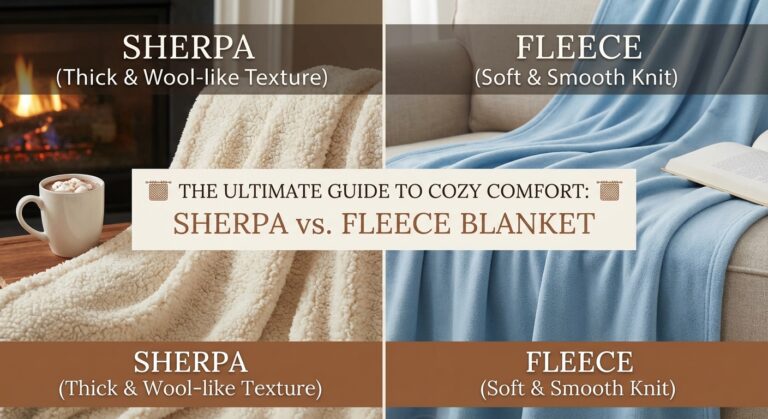
Sherpa vs. Fleece Blanket: The Ultimate Guide to Cozy Comfort
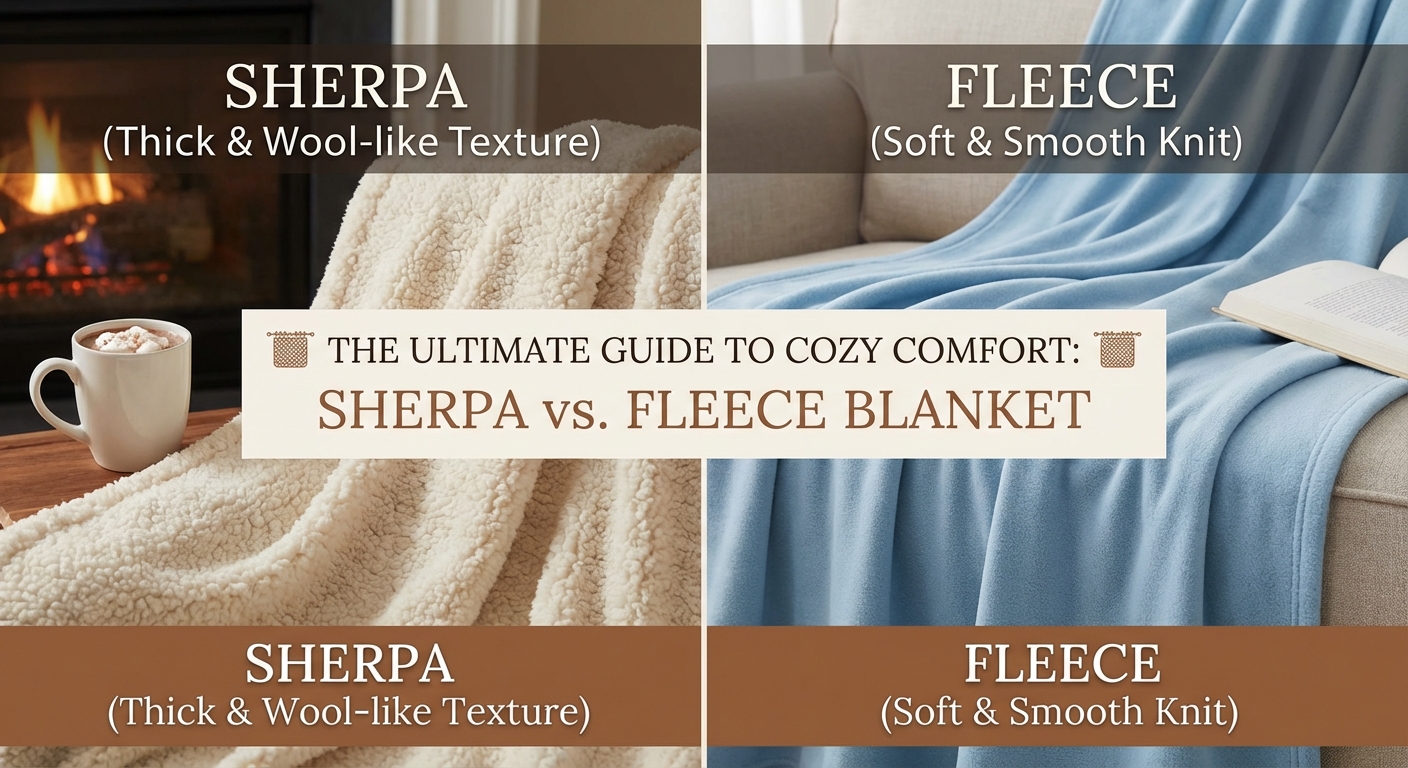
When the temperature drops and the wind starts howling outside, nothing beats the feeling of curling up on the sofa with a warm drink and a high-quality blanket. But when you are shopping for that perfect layer of warmth, you are often faced with a common dilemma: Sherpa vs. Fleece.
Both materials are synthetic, affordable, and incredibly popular, yet they offer distinctly different experiences. One mimics the rugged warmth of sheep’s wool, while the other offers a sleek, lightweight softness perfect for layering. Choosing the wrong one can lead to overheating in the summer or shivering in the winter.
In this comprehensive comparison, we will break down the differences in texture, warmth, durability, and maintenance. Whether you are looking for cozy home essentials for your master suite or durable gear for a dorm room, this guide will help you decide which fabric deserves a spot on your bed.
At a Glance: Sherpa vs. Fleece
Don’t have time to read the full breakdown? Here is the cheat sheet to help you decide quickly.
| Feature | Fleece Blanket | Sherpa Blanket |
|---|---|---|
| Primary Texture | Smooth, soft, velvet-like | Fluffy, bumpy, wool-mimicking |
| Material | 100% Polyester (brushed) | 100% Polyester (high pile) |
| Warmth Level | Medium (Breathable) | High (Insulating) |
| Weight | Lightweight | Medium to Heavy |
| Best For | Layering, Travel, Mild Cold | Deep Winter, Cozy Aesthetics |
| Durability | Prone to pilling | Prone to matting/shedding |
What is a Fleece Blanket?
Standard fleece (often called Polar Fleece) is a magical fabric born from polyester fibers. It was originally designed to mimic the warmth of wool without the itchiness, weight, or complex care requirements. To create fleece, polyester is woven into a light fabric and then brushed aggressively to increase its volume.
This brushing process creates pockets of air that trap body heat, keeping you warm. However, because the fibers are cut short, the resulting texture is smooth and soft, similar to velvet or flannel.
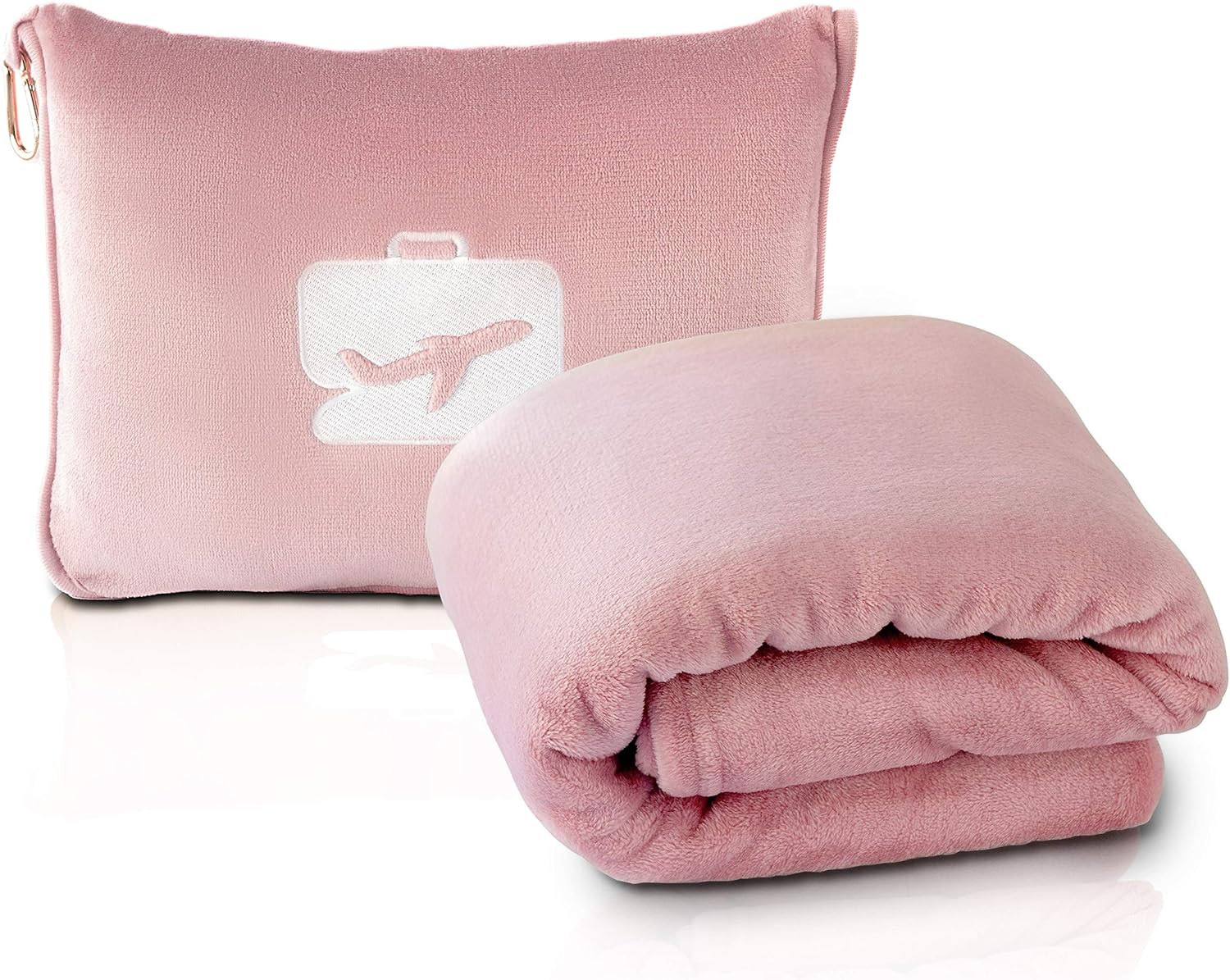
Fleece is the “workhorse” of the blanket world. It is what you typically find in travel pillow and blanket sets because it rolls up tightly and weighs next to nothing.
Key Characteristics of Fleece:
- Moisture Wicking: It pulls moisture away from the body, making it great for active situations.
- Breathable: It keeps you warm but allows air to circulate, preventing the “sweat box” effect.
- Design Versatility: Because the surface is smooth, it prints very well. This is why you see fleece blankets in complex patterns, tie-dye, and logos.

Our Top Pick: The Classic Microplush Fleece
Lightweight, breathable, and perfect for year-round layering.
Check Price on AmazonWhat is a Sherpa Blanket?
If you have ever wondered what is a sherpa blanket, think of it as the ultimate faux-sheepskin. Named after the Sherpa people of Nepal (who wear wool-lined clothing to survive freezing temperatures), this fabric is designed to replicate the bumpy, curly texture of raw wool.
Technically, Sherpa is a type of fleece. It is also made from polyester, but the fibers are left longer and processed to create a high-pile, fluffy texture on one side. Most Sherpa blankets are actually dual-sided: they feature a smooth knit or suede-like fabric on the outside (the display side) and the fluffy Sherpa material on the underside (the skin-contact side).
Key Characteristics of Sherpa:
- Superior Insulation: The lofty, fluffy fibers trap significantly more air than standard fleece, making it much warmer.
- Tactile Comfort: It feels like hugging a cloud or a teddy bear.
- Aesthetic Appeal: The white, fluffy lining gives a rustic, cabin-like look that pairs perfectly with cozy fireplace accessories.

Our Top Pick: Dual-Sided Sherpa Throw
The ultimate winter warmer with a velvety face and fluffy sherpa backing.
Check Price on AmazonVideo Comparison: Seeing the Texture
Sometimes it is hard to visualize the difference in “fluffiness” just by reading. In a popular comparison by Sleepopedia, they highlight several key physical differences that you can spot instantly.
Key Takeaways from the experts:
- The Shedding Factor: Sherpa is noted to be more prone to shedding and matting over time because of its loose, high-pile structure.
- The Static Issue: Smooth fleece blankets tend to generate more static electricity, which can be annoying in dry winter months.
- Visual Interest: Sherpa adds texture to a room, whereas fleece adds color and pattern.
Detailed Comparison: Which One Wins?
1. Warmth and Insulation
If your primary goal is surviving a blizzard, Sherpa wins. The thickness of the fabric provides a heavy barrier against the cold. It is often comparable to the warmth you might get from the best thermal blankets, without the industrial feel.
Fleece is better for “active warmth.” It keeps you warm without overheating. If you are looking for best cozy blankets for living room lounging where the heating is already on, fleece is often sufficient.
2. Durability and Maintenance
Fleece is generally more durable in the wash. It dries incredibly fast and resists shrinking. However, cheap fleece is notorious for “pilling” (forming those little annoying balls of fabric) after a few washes.
Sherpa requires more care. If you wash it in hot water or dry it on high heat, the fluffy texture will “melt” or mat down, losing its softness forever. It acts similarly to how you must be careful when you wash a weighted blanket.
3. Style and Decor
For a modern, sleek look, fleece is great. It drapes easily over cozy recliners and lounge chairs without adding bulk.
Sherpa is a statement piece. It adds volume and texture. A Sherpa blanket thrown over the end of a bed can make the whole room feel softer. It pairs beautifully with natural textures like wood or the best blanket ladder displays.
4. Pet Friendliness
This is a big one. Pets love Sherpa because it mimics animal fur. It effectively becomes a best pet blanket instant favorite. However, Sherpa traps pet hair like velcro, and it is very hard to remove.
Fleece is smoother, so pet hair shakes off more easily. If you have a long-haired dog, fleece might save your vacuum cleaner some work.
How to Wash a Sherpa Blanket: Complete Care Guide
One of the most frequently searched topics related to Sherpa blankets is proper washing technique. Because Sherpa has a high-pile texture, improper care can permanently damage the soft, fluffy fibers. Learning how to wash a Sherpa blanket correctly will extend its lifespan and keep it feeling luxurious for years.
Step-by-Step Washing Instructions
Step 1: Check the Label — Always start by reading the manufacturer’s care label. Some Sherpa blankets are machine washable, while others require hand washing. Most quality Sherpa blankets can go in the washing machine, but always confirm first.
Step 2: Use Cold Water — This is the golden rule. Wash your Sherpa blanket in cold water only. Hot water causes the polyester fibers to contract and mat together, resulting in a rough, scratchy texture that cannot be reversed. Set your washing machine to the delicate or gentle cycle with cold water.
Step 3: Choose the Right Detergent — Use a mild, liquid detergent. Avoid powder detergents, as they can leave residue trapped in the fluffy fibers. Skip the fabric softener entirely — it coats the fibers and reduces the blanket’s ability to trap air, which is what makes it warm and soft in the first place.
Step 4: Wash Alone or with Similar Items — Sherpa blankets should be washed separately or with other soft items like towels. Avoid washing with heavy items like jeans, as the friction can cause excessive shedding. If possible, place the blanket in a large mesh laundry bag for added protection.
Step 5: Drying — The Make-or-Break Step — Never use high heat to dry a Sherpa blanket. Tumble dry on the lowest heat setting or, even better, use the “air fluff” or “no heat” setting. Some experts recommend adding a few tennis balls to the dryer to help fluff the fibers without heat damage. The drying process will take longer on low heat, but your blanket will thank you.
Step 6: Shake and Fluff — Once dry, give the blanket a good shake to restore the pile. If any areas look slightly matted, gently brush them with your fingers or a wide-tooth comb to separate the fibers.
Common Washing Mistakes to Avoid
- Using hot water: This is the number one mistake. Heat destroys the texture permanently.
- Overloading the washing machine: The blanket needs room to agitate freely. A packed machine leads to uneven cleaning and excessive friction.
- Using bleach: Bleach weakens polyester fibers and can cause discoloration, especially on white Sherpa lining.
- Ironing the blanket: Never iron a Sherpa blanket. The direct heat will melt the synthetic fibers.
- Dry cleaning: Unless the label specifically says “dry clean only,” this is usually unnecessary and can be harsh on the fibers due to the chemicals used.
How to Wash a Fleece Blanket: Care Instructions
Fleece blankets are generally easier to care for than Sherpa, but they still require some attention to prevent pilling, shrinking, and static buildup. Here is how to wash a fleece blanket to keep it in top condition.
Fleece Blanket Washing Instructions
Water Temperature: Like Sherpa, fleece performs best in cold water. While fleece is more forgiving than Sherpa with temperature, hot water can still cause shrinkage and accelerate pilling.
Cycle Settings: Use a gentle or delicate cycle. The high agitation of a regular cycle can cause the polyester fibers to break down faster, leading to those dreaded fabric pills.
Detergent: A mild liquid detergent works best. Avoid fabric softeners, as they leave a residue that can reduce the moisture-wicking properties of fleece. If your fleece blanket has developed a slight odor, add a half-cup of white vinegar to the rinse cycle — it neutralizes odors without leaving a scent.
Drying: Fleece dries incredibly fast. Tumble dry on low heat or air dry. Unlike Sherpa, fleece can tolerate slightly higher heat without melting, but low heat is still recommended to prevent pilling. Remove the blanket from the dryer while it is still slightly damp and let it air dry completely.
De-Pilling Your Fleece Blanket
Pilling occurs when friction causes short fibers to tangle and form small balls on the surface. This is common with fleece, especially lower-quality options. To remove pills:
- Fabric shaver or lint remover: These electric devices gently trim pills off the surface without damaging the fabric.
- Razor method: A clean, sharp razor can be used carefully to shave off pills. Always go with the grain of the fabric.
- Sticky lint roller: For minor pilling, a lint roller can pick up loose fibers and pills.
To prevent future pilling, always wash fleece blankets inside out, avoid washing with rough fabrics like denim, and skip the dryer when possible.
Sherpa Blanket vs. Wool Blanket: Which is Better?
Many shoppers wonder how Sherpa compares to traditional wool blankets. Both are designed to provide warmth, but they differ significantly in material composition, care requirements, and overall feel. Understanding the difference between a Sherpa blanket vs. a wool blanket can help you make a more informed purchase.
Material Differences
Sherpa is made from 100% polyester. It is a synthetic material designed to mimic the look and feel of wool without the associated costs or maintenance challenges. Traditional wool blankets are made from natural sheep’s wool (or sometimes merino wool, alpaca, or cashmere blends).
The key difference is that wool is a natural fiber with inherent properties that synthetic materials cannot fully replicate. Wool is naturally flame-resistant, moisture-wicking, and odor-resistant. It can absorb up to 30% of its weight in moisture before feeling damp, making it excellent for regulating body temperature.
Warmth Comparison
Both Sherpa and wool provide excellent warmth, but they achieve it differently. Wool’s natural crimp creates air pockets that trap heat, while Sherpa’s synthetic high-pile fibers do the same through physical loft. In terms of raw warmth, a high-quality wool blanket is generally warmer than a Sherpa blanket of similar thickness.
However, Sherpa is often preferred for its plush, cozy feel against the skin. Wool, while warm, can be itchy for some people, especially if it is not merino grade. This makes Sherpa a better choice for those with sensitive skin or who prioritize tactile comfort.
Durability and Lifespan
Wool blankets can last for decades if properly cared for. Natural wool fibers are incredibly resilient and can be bent over 20,000 times without breaking. Sherpa, while durable, typically has a lifespan of 3-7 years with regular use before the pile begins to mat and thin.
That said, wool requires more maintenance than Sherpa. It needs to be aired out regularly, stored with cedar blocks to prevent moth damage, and occasionally professionally cleaned. Sherpa, despite its care requirements, is overall lower maintenance.
Price Comparison
Sherpa blankets are significantly more affordable than wool blankets. A quality Sherpa throw can cost between $20-50, while a comparable wool blanket can range from $100-300 or more. For budget-conscious shoppers, Sherpa offers excellent value for the warmth and comfort it provides.
| Feature | Sherpa Blanket | Wool Blanket |
|---|---|---|
| Material | 100% Polyester (Synthetic) | Natural Sheep Wool |
| Warmth | Excellent | Superior |
| Weight | Medium | Heavy |
| Skin Feel | Ultra-soft, non-itchy | Can be itchy (unless merino) |
| Moisture Management | Low (synthetic) | Excellent (natural) |
| Lifespan | 3-7 years | 10-20+ years |
| Price Range | $20-50 | $100-300+ |
| Care Difficulty | Easy-Moderate | Moderate-Difficult |
Which Should You Choose?
Choose a Sherpa blanket if you want the softest possible feel, are on a budget, or need something easy to wash at home. Choose a wool blanket if you want the highest level of warmth, natural temperature regulation, and a product that will last for decades.
For those who want the best of both worlds, consider a wool blanket with a Sherpa lining. This combination gives you the natural benefits of wool with the cozy comfort of Sherpa against your skin.
Fleece Blanket vs. Microfiber: What’s the Difference?
The terms “fleece” and “microfiber” are often used interchangeably, but they are actually different materials with distinct properties. Understanding the difference between a fleece blanket vs. microfiber blanket can help you choose the right product for your needs.
What is Microfiber?
Microfiber is a synthetic material made from extremely thin fibers — typically polyester or a polyester-nylon blend. These fibers are less than one denier in diameter, which is finer than a strand of silk. The ultra-fine fibers create a dense, smooth fabric that feels silky to the touch.
Unlike fleece, microfiber is not brushed to create loft. Instead, the tight weave of the ultra-fine fibers creates a smooth, almost slippery surface. This makes microfiber blankets lighter and thinner than fleece blankets, but also less warm.
Key Differences
Texture: Fleece has a soft, plush texture with visible pile. Microfiber is smooth and silky with no visible pile. If you run your hand across fleece, you will feel the softness of the brushed fibers. Microfiber feels almost like a very fine satin.
Warmth: Fleece is warmer than microfiber due to its lofted fibers that trap air. Microfiber is better suited for mild conditions or as a lightweight layer. If you are looking for serious warmth, fleece is the better choice.
Absorbency: Microfiber is more absorbent than fleece. This makes it popular for cleaning cloths and towels, but less ideal for a blanket where you want moisture to wick away rather than be absorbed.
Durability: Both materials are durable, but microfiber is generally more resistant to pilling than fleece. The tight weave of microfiber prevents the fibers from working loose and forming pills.
Static: Both fleece and microfiber can generate static electricity, but microfiber tends to produce less static due to its tighter weave structure.
Best Sherpa Blankets: Top Picks for Every Budget
Finding the best Sherpa blanket depends on your specific needs — whether you want maximum warmth, a specific size, or a particular style. Here are our top recommendations across different categories.
Best Overall Sherpa Blanket
The best Sherpa blanket for most people is a dual-sided design with a soft minky or velvet face and a thick Sherpa lining. Look for brands that use high-density polyester with a weight of at least 300 GSM (grams per square meter). The higher the GSM, the thicker and warmer the blanket will be. For a queen or king bed, aim for dimensions of at least 60×80 inches.
Our top pick for the best Sherpa blanket is the Dual-Sided Sherpa Throw — it combines a velvety smooth exterior with a plush Sherpa interior, providing both aesthetic appeal and incredible warmth. It is available in multiple sizes and over 15 color options.
Our Top Pick: Dual-Sided Sherpa Throw
The ultimate winter warmer with a velvety face and fluffy sherpa backing.
Check Price on AmazonBest Sherpa Blanket Under $50
You do not have to spend a fortune to get a quality Sherpa blanket. Many excellent options are available for under $50. When shopping on a budget, focus on blankets with at least a 250 GSM weight and positive reviews mentioning softness after washing. Avoid the cheapest options (under $15), as they often have thin, sparse pile that mats quickly.
Best Sherpa Blanket for Allergies
For allergy sufferers, Sherpa blankets offer some advantages over natural wool. Because Sherpa is synthetic, it does not harbor dust mites as easily as natural fibers. However, the fluffy texture can trap dust and pollen. Look for hypoallergenic Sherpa blankets that are machine washable, so you can regularly clean them to reduce allergen buildup. Some brands also offer Sherpa blankets treated with antimicrobial finishes for additional protection.
Best Sherpa Blanket for Couch
When choosing a Sherpa blanket for your couch, size and style matter. A throw-sized Sherpa blanket (50×60 inches) is perfect for draping over a sofa arm or folding at the end. For larger couches or sectional sofas, consider an oversized Sherpa throw (60×80 inches) that provides full coverage. Choose a color that complements your existing decor — neutral tones like cream, gray, and taupe work well in most living rooms.
Best Sherpa Blanket for Bed
For bed use, you will want a larger Sherpa blanket that covers the entire mattress. A queen-size Sherpa blanket should be at least 90×90 inches, while a king-size should be 108×90 inches. Many people use a Sherpa blanket as a top layer over their comforter for added warmth and texture during the coldest months.
Best Fleece Blankets: Top Picks for Every Need
The best fleece blanket for you depends on how you plan to use it. Here are our top recommendations across different categories.
Best Overall Fleece Blanket
Our top pick for the best fleece blanket is the Classic Microplush Fleece — it offers the perfect balance of softness, warmth, and durability. At 300 GSM, it is thick enough to provide cozy warmth without being too heavy. The brushed surface resists pilling better than cheaper alternatives, and it dries in under 30 minutes on a low-heat setting.
Our Top Pick: The Classic Microplush Fleece
Lightweight, breathable, and perfect for year-round layering.
Check Price on AmazonBest Fleece Blanket for Travel
When traveling, weight and packability are key. The best fleece blanket for travel should be lightweight (under 1.5 pounds for a throw size), fold into a compact size, and resist wrinkles. Look for fleece blankets with a slightly tighter weave, as these pack down smaller and are less likely to snag in luggage. Many travel fleece blankets also come with carrying straps or compression sacks for easy transport.
Best Fleece Blanket for Summer
Yes, fleece can be used in summer — but you need the right type. The best fleece blanket for summer is a lightweight microfleece with a lower GSM (under 200). These thin fleece blankets provide just enough warmth for air-conditioned rooms without causing overheating. Look for brands that specifically market their products as “year-round” or “lightweight” fleece.
Best Fleece Blanket for Camping
For camping, you need a fleece blanket that can handle the outdoors. The best camping fleece blankets are made from high-density polar fleece that resists moisture and dries quickly. Look for blankets with reinforced edges that resist fraying and a tight weave that prevents snagging on branches or rocks. Some camping fleece blankets also feature water-resistant coatings for added protection against morning dew or light rain.
Best Fleece Blanket for Baby
For babies, safety and softness are paramount. The best fleece blanket for babies should be free of loose fibers, flame-retardant (meeting CPSC standards), and ultra-soft against delicate skin. Avoid fleece blankets with embroidery or attached decorations, which can pose choking hazards. Look for blankets labeled as “baby-safe” or “infant-friendly” and always supervise while the blanket is in use.
Sherpa Blanket for Pets: The Ultimate Guide for Pet Owners
If you have a furry family member, you have probably noticed that pets are irresistibly drawn to Sherpa blankets. The fluffy, wool-like texture mimics the feeling of snuggling with their mother or littermates, making it an instant favorite for cats and dogs alike. However, owning a Sherpa blanket with pets comes with its own set of challenges and considerations.
Why Pets Love Sherpa
Pets are naturally attracted to soft, warm surfaces that provide comfort and security. Sherpa blankets check all the boxes — they are warm, soft, and provide a sense of enclosure that makes animals feel safe. The texture is similar to the fur of other animals, which triggers a natural nesting instinct in both cats and dogs.
For senior pets or those with joint issues, the cushioning effect of Sherpa can provide relief from hard surfaces. The insulation also helps keep elderly pets warm, which is especially important for short-haired breeds or animals with thinning fur.
The Pet Hair Problem
The biggest challenge with using Sherpa blankets with pets is the pet hair. The fluffy, textured surface acts like a magnet for fur, dander, and debris. Unlike smooth fleece, where hair can be easily shaken off, pet hair becomes embedded in the Sherpa pile and requires more effort to remove.
Solutions for Pet Hair on Sherpa
- Lint roller: Keep a lint roller near the blanket and use it regularly to pick up surface hair.
- Rubber gloves: Damp rubber gloves run over the surface can attract and lift pet hair from the pile.
- Vacuum with upholstery attachment: A handheld vacuum or the upholstery attachment on your regular vacuum can remove embedded hair.
- Pet hair remover brush: Specialized brushes designed for pet hair can be effective on Sherpa, though they require more effort than on smooth surfaces.
- Washing: Toss the blanket in the washing machine on a gentle cycle — most pet hair will wash away. Add a cup of white vinegar to help loosen hair from the fibers.
Fleece vs. Sherpa for Pet Owners
If pet hair is a major concern, fleece is the more practical choice. The smooth surface of fleece allows pet hair to sit on top of the fabric rather than becoming embedded, making it much easier to remove with a quick shake or a single pass of a lint roller. Many pet owners designate a specific fleece blanket as the “pet blanket” that goes on the couch when pets are allowed up.
However, if your pet loves the feel of Sherpa and you do not mind the extra maintenance, you can use a Sherpa blanket with a waterproof liner underneath to protect the mattress or furniture from accidents.
Creating a Pet-Friendly Sherpa Setup
For pet owners who want both the luxury of Sherpa and practicality, consider this setup: place a smooth fleece blanket on top of the furniture surface, then layer a Sherpa throw on top. This way, pet hair collects on the fleece layer (which is easy to clean) while your pet enjoys the Sherpa texture. Wash both blankets regularly to keep them fresh and hygienic.
Sherpa Blanket vs. Faux Fur: Texture, Warmth, and Style Compared
Another common comparison is between Sherpa and faux fur blankets. Both materials aim to replicate the luxurious feel of animal fur, but they achieve it in different ways. Understanding the differences between a Sherpa blanket vs. faux fur can help you choose the right texture for your home.
Texture Differences
Sherpa has a bumpy, curly texture that mimics the look of sheep’s wool. The fibers are tightly packed but have a slightly rougher feel compared to faux fur. Faux fur, on the other hand, uses longer, straighter fibers that create a smooth, silky surface similar to mink or fox fur.
In terms of tactile feel, faux fur is generally smoother and silkier against the skin. Sherpa is cozier and has more “grip” — it does not slide around as much as faux fur. For snuggling, Sherpa is often preferred because it provides a more secure, enclosed feeling. For pure luxury and elegance, faux fur wins.
Warmth Comparison
Both materials provide excellent warmth, but Sherpa typically edges out faux fur in terms of insulation. The dense, high-pile structure of Sherpa traps more air than the longer, more spread-out fibers of faux fur. However, high-quality faux fur with a thick backing can come very close in warmth.
Durability and Maintenance
Faux fur requires more careful maintenance than Sherpa. The long fibers can become matted or tangled if not properly cared for. Sherpa, while also prone to matting, is generally more forgiving because its shorter pile hides imperfections better. Both materials should be washed in cold water on a gentle cycle.
Aesthetic Appeal
Faux fur blankets make a stronger visual statement. They add a touch of glamour and sophistication to any room, making them popular choices for luxury home decor. Sherpa blankets have a more casual, rustic charm that works well in cozy, farmhouse-style interiors.
The choice between Sherpa and faux fur ultimately comes down to personal preference and the aesthetic you want to create. For a casual, cozy vibe, Sherpa is hard to beat. For a more polished, luxurious look, faux fur is the way to go.
Fleece Blanket vs. Weighted Blanket: Understanding the Difference
Weighted blankets have gained massive popularity in recent years for their therapeutic benefits, including reduced anxiety and improved sleep quality. But how does a standard fleece blanket compare to a weighted blanket? And can you combine them?
What is a Weighted Blanket?
A weighted blanket is a heavy blanket filled with materials like glass beads, plastic pellets, or metal chains. The added weight provides deep pressure stimulation, which is similar to the feeling of being held or hugged. This pressure triggers the release of serotonin and melatonin while reducing cortisol, promoting relaxation and better sleep.
Weighted blankets typically weigh between 5-25 pounds, with the recommended weight being approximately 10% of your body weight. They are designed to be used alone, without additional blankets on top.
Fleece as a Weighted Blanket Cover
Many weighted blankets come with removable covers, and fleece is one of the most popular cover materials. Fleece covers are lightweight, soft, and easy to clean — important qualities since weighted blankets themselves are often difficult to wash. If you have a weighted blanket, a fleece cover can add extra warmth and make the blanket more comfortable against your skin.
Can You Use a Fleece Blanket with a Weighted Blanket?
Yes, but with some considerations. If you use a fleece blanket under a weighted blanket, the combined weight may be too heavy for comfort. If you use it on top, it may interfere with the deep pressure stimulation that makes weighted blankets effective. The best approach is to use a fleece-lined weighted blanket that combines both benefits in one product.
Fleece Blanket vs. Cotton Blanket: Which is Right for You?
Cotton and fleece are two of the most popular blanket materials, but they serve very different purposes. Understanding the differences between a fleece blanket vs. cotton blanket will help you make the right choice for your sleeping style and climate.
Material Properties
Cotton is a natural fiber harvested from the cotton plant. It is breathable, absorbent, and soft against the skin. Fleece is a synthetic polyester fabric that is designed to trap heat and wick moisture. The fundamental difference is that cotton absorbs moisture while fleece repels it.
This means cotton blankets feel cool and crisp against the skin, making them ideal for warm weather. Fleece blankets feel warm and cozy, making them better suited for cooler temperatures. In hot climates, cotton is the clear winner. In cold climates, fleece provides more warmth per pound.
Breathability
Cotton is one of the most breathable fabrics available. It allows air to circulate freely, which helps regulate body temperature. This breathability makes cotton blankets excellent for hot sleepers who tend to overheat at night. Fleece, while breathable for a synthetic, does not match cotton’s air circulation.
However, cotton’s breathability means it does not retain heat as well as fleece. If you are a cold sleeper or live in a chilly climate, cotton alone may not provide enough warmth. In this case, a fleece blanket is the better choice.
Durability and Care
Both cotton and fleece are durable materials, but they age differently. Cotton tends to soften with each wash, becoming more comfortable over time. Fleece, on the other hand, can develop pills and lose its softness if not properly cared for. Cotton can be washed in hot water and dried on high heat without damage, while fleece requires more gentle treatment.
Environmental Considerations
Cotton is a natural, biodegradable fiber, which makes it more environmentally friendly than fleece. However, conventional cotton farming uses significant amounts of water and pesticides. Organic cotton is a more sustainable option, though it comes at a higher price. Fleece is made from polyester, which is derived from petroleum and is not biodegradable. However, some fleece products are now made from recycled plastic bottles, which reduces their environmental impact.
Best Uses
Choose cotton blankets for: summer sleeping, hot climates, allergy sufferers who prefer natural fibers, and situations where easy care is important. Choose fleece blankets for: winter warmth, cool climates, travel (due to lightweight and quick-drying properties), and active use where moisture-wicking is beneficial.
Sherpa Blanket vs. Mink Blanket: Luxury Textures Compared
Mink blankets and Sherpa blankets are both premium options for those seeking a luxurious sleeping experience. While they share some similarities, there are distinct differences that make each suitable for different preferences.
What is a Mink Blanket?
A mink blanket is a type of plush blanket made from ultra-fine polyester or acrylic fibers that mimic the soft, silky feel of real mink fur. The fibers are incredibly dense and smooth, creating a velvet-like surface that is among the softest of any blanket material. Mink blankets are heavier than standard fleece and have a distinctive sheen that adds to their luxurious appearance.
Key Differences
Softness: Mink blankets are generally softer than Sherpa. The ultra-fine fibers create a silkier feel against the skin. Sherpa, while very soft, has a more textured, wool-like feel. If pure softness is your priority, mink wins.
Warmth: Both provide excellent warmth, but Sherpa’s high-pile structure typically provides more insulation. Mink blankets are slightly cooler due to their smoother surface, which allows heat to escape more easily.
Weight: Mink blankets tend to be heavier than Sherpa due to their dense fiber construction. This added weight can feel more substantial and comforting for some people, while others prefer the lighter weight of Sherpa.
Durability: Mink blankets are generally more durable than Sherpa. The dense, tightly-packed fibers resist matting and maintain their softness longer. Sherpa’s high-pile fibers are more prone to flattening over time.
Price: Mink blankets are typically more expensive than Sherpa, reflecting their premium materials and construction. If budget is a concern, Sherpa offers similar luxury at a lower price point.
Fleece Blanket vs. Plush Blanket: Understanding the Categories
The terms “fleece” and “plush” are often used to describe blankets, but they represent different categories of fabric. Understanding the relationship between fleece blankets and plush blankets can help you navigate the sometimes confusing world of blanket shopping.
What is a Plush Blanket?
“Plush” is a general term used to describe any blanket with a soft, fuzzy surface. This includes many types of fleece (microplush, plush fleece), Sherpa, mink blankets, and faux fur. Essentially, all fleece blankets are plush, but not all plush blankets are fleece. The term “plush” refers to the texture rather than a specific material.
Types of Plush Fleece
Within the fleece category, there are several “plush” variations:
- Microplush: Extra-fine fibers that create an ultra-soft, velvet-like surface. Very lightweight and smooth.
- Plush Fleece: A medium-weight fleece with a soft, fuzzy surface. More textured than microplush but still very comfortable.
- High-Pile Plush: Thicker, longer fibers that create a more substantial, fluffy feel. Closer to Sherpa in texture but with a smoother finish.
Which is Better: Fleece or Plush?
Since fleece is a type of plush fabric, this comparison is really about specific fleece types rather than fleece vs. plush as separate categories. When shopping, focus on the GSM weight, fiber quality, and intended use rather than getting caught up in marketing terms. A high-quality fleece will outperform a low-quality “plush” blanket every time, regardless of what it is called.
Sherpa Blanket for Baby: Safety, Comfort, and Recommendations
Using a Sherpa blanket for a baby requires extra consideration for safety while still providing the comfort and warmth that makes Sherpa so popular. Here is everything parents need to know about using Sherpa blankets for their little ones.
Is Sherpa Safe for Babies?
Sherpa blankets can be safe for babies when used appropriately. The soft, fluffy texture is gentle on delicate skin, and the synthetic material is hypoallergenic, which is important for babies with sensitive skin or eczema. However, following safe sleep guidelines is essential.
Best Uses for Sherpa Baby Blankets
- Tummy time: A soft Sherpa blanket provides a comfortable, cushioned surface for supervised tummy time sessions.
- Stroller cover: Draping a Sherpa blanket over the stroller keeps baby warm during outdoor walks. Ensure proper ventilation and always check that baby is not overheating.
- Nursing cover: The warmth and privacy of a Sherpa blanket make it a comfortable option for nursing in public.
- Swaddling (for newborns): Some parents use a lightweight Sherpa blanket for swaddling, though traditional muslin wraps are generally recommended for newborns.
- Play mat: A Sherpa blanket spread on the floor provides a soft, warm surface for play time.
Choosing the Right Sherpa Blanket for Baby
When selecting a Sherpa blanket for your baby, look for the following features:
- Size: A smaller throw size (30×40 inches or 36×48 inches) is more manageable for baby use.
- Weight: Choose a lighter-weight Sherpa (under 300 GSM) to prevent overheating.
- Color: While white Sherpa looks beautiful, it shows stains easily. Consider a light gray or cream that is easier to maintain.
- Washability: Babies are messy, so choose a machine-washable Sherpa that can handle frequent washing.
Sherpa Blanket for Baby Shower Gifts
A Sherpa blanket makes an excellent baby shower gift. It is practical, luxurious, and can be used for years as the child grows. Consider pairing a Sherpa baby blanket with other cozy home essentials like a matching pillow or a soft stuffed animal for a thoughtful gift set.
Fleece Blanket for Baby: A Practical Parent’s Guide
Fleece blankets are a popular choice for babies due to their lightweight warmth, easy care, and affordability. Here is everything you need to know about choosing and using a fleece blanket for your baby.
Why Choose Fleece for Baby?
Fleece offers several advantages for baby use. It is lightweight, which reduces the risk of overheating. It wicks moisture away from the skin, keeping baby dry. It dries quickly after washing, which is essential for parents who deal with frequent spills and messes. And it comes in a wide range of colors and patterns, making it easy to find something that matches your nursery decor.
Fleece Blanket Safety Tips for Babies
- Avoid loose blankets in the crib: The same safe sleep guidelines apply to fleece as to any other blanket.
- Check for flame resistance: Look for fleece blankets that meet CPSC (Consumer Product Safety Commission) flammability standards.
- Avoid blankets with embellishments: Sequins, buttons, ribbons, and other decorations can detach and pose choking hazards.
- Choose the right weight: A lightweight fleece (under 200 GSM) is safer for babies than a heavy, thick fleece.
Best Fleece Blanket Sizes for Baby
The ideal fleece blanket size for a baby depends on the intended use:
- Burp cloth size (12×18 inches): Perfect for burping and quick cleanups.
- Stroller size (30×40 inches): Great for covering baby in the stroller or car seat.
- Crib size (36×48 inches): Good for supervised play time on the floor.
Sherpa Blanket vs. Faux Sheepskin: Natural vs. Synthetic Warmth
Since Sherpa blankets are designed to mimic the look of sheep’s wool, many people wonder how they compare to faux sheepskin products. Both materials aim to provide the cozy, rustic feel of natural wool, but they differ in composition, texture, and maintenance.
Understanding Faux Sheepskin
Faux sheepskin is a synthetic material designed to replicate the appearance and feel of real sheepskin. It typically features a smooth, suede-like backing with a curly, wool-like pile on the surface. Unlike Sherpa, which has a uniform pile structure, faux sheepskin often has a more irregular, natural-looking curl pattern.
Texture Comparison
Sherpa blankets have a more uniform, consistent pile that feels soft and fluffy across the entire surface. Faux sheepskin tends to have a more varied texture, with some areas feeling denser than others. This irregularity gives faux sheepskin a more authentic, natural appearance, while Sherpa provides a more even, predictable softness.
In terms of warmth, both materials perform similarly, trapping air within the pile to insulate against cold. However, faux sheepskin is often used in smaller items (throws, rugs, pillow covers) rather than full-size blankets, while Sherpa is more commonly available in larger blanket formats.
Care and Maintenance
Sherpa blankets are generally easier to care for than faux sheepskin. The uniform pile structure makes Sherpa more resistant to matting and easier to restore after washing. Faux sheepskin requires more delicate handling to preserve its irregular curl pattern and suede-like backing.
Fleece Blanket vs. Polar Fleece: Are They the Same?
One of the most common questions in the blanket world is whether “fleece” and “polar fleece” are the same thing. The short answer is: yes, mostly. Polar fleece is a specific type of fleece, but not all fleece is polar fleece. Here is a deeper look at the differences.
What is Polar Fleece?
Polar fleece is the original synthetic fleece fabric, developed in 1979 by Malden Mills (now Polartec). It was created as a lightweight, warm alternative to wool for outdoor enthusiasts. Polar fleece is made from polyester that is knitted and then brushed on both sides to create a soft, napped surface. The name “polar” reflects its original use in cold-weather outdoor activities.
Types of Fleece
Today, the term “fleece” encompasses a wide range of polyester fabrics, each designed for different purposes:
- Polar Fleece: The classic, mid-weight fleece. Good all-around warmth and durability.
- Microfleece: Thinner, lighter, and softer than polar fleece. Better for layering in mild conditions.
- Microplush: An ultra-soft variation with extra brushing for a velvet-like feel.
- Anti-Pill Fleece: Treated to resist pilling, maintaining a smooth surface longer.
- Performance Fleece: Engineered for specific activities (running, hiking, skiing) with features like moisture-wicking and wind resistance.
Which is Best for Blankets?
For blankets, polar fleece remains the most popular choice because it offers the best balance of warmth, softness, and durability at an affordable price. Microplush is a close second for those who want an ultra-soft feel. The choice between polar fleece and other fleece types comes down to your priorities — warmth, softness, weight, or resistance to pilling.
Sherpa Blanket vs. Cashmere: Luxury Blankets Compared
Cashmere represents the pinnacle of luxury in the blanket world, while Sherpa offers a more accessible option for those seeking warmth and comfort. Understanding the differences between a Sherpa blanket vs. cashmere can help you decide if the premium price of cashmere is worth it for your needs.
What is Cashmere?
Cashmere is a natural fiber obtained from the soft undercoat of cashmere goats. It is finer, softer, and lighter than regular sheep’s wool, with a fiber diameter of only 14-19 microns (compared to 25-40 microns for regular wool). This incredible fineness gives cashmere its signature silky feel and excellent insulation properties.
Softness Comparison
Cashmere is significantly softer than Sherpa. The ultra-fine fibers create a fabric that feels almost weightless against the skin, with a smoothness that synthetic materials cannot fully replicate. Sherpa, while very soft, has a more textured feel due to its high-pile construction. For pure tactile luxury, cashmere is unmatched.
Warmth-to-Weight Ratio
Cashmere provides exceptional warmth while remaining remarkably lightweight. A cashmere blanket can provide the same warmth as a Sherpa blanket at a fraction of the weight. This makes cashmere ideal for those who want warmth without the heaviness. Sherpa blankets are generally heavier, which some people prefer for the “weighted” feeling it provides.
Price and Value
The most significant difference between Sherpa and cashmere is price. A quality cashmere blanket can cost anywhere from $200 to over $1,000, while a comparable Sherpa blanket typically costs $30-100. For most consumers, Sherpa offers the best value, providing excellent warmth and comfort at a fraction of the cost.
Cashmere requires more careful maintenance than Sherpa. It should be hand-washed or dry-cleaned, stored with cedar blocks to prevent moth damage, and folded (never hung) to prevent stretching. If you invest in a cashmere blanket, be prepared to give it the care it deserves.
How to Make a Sherpa Blanket Soft Again: Restoration Guide
Over time, even the best Sherpa blankets can lose their signature softness. The fluffy pile may become matted, flattened, or rough to the touch. Fortunately, there are several techniques you can use to restore your Sherpa blanket’s original softness without damaging the fabric.
Why Sherpa Blankets Lose Softness
Sherpa blankets lose their softness primarily due to heat damage, improper washing, and regular use. When exposed to high temperatures (hot water, high-heat dryer, or iron), the polyester fibers contract and fuse together, creating a matted, rough texture. This damage is sometimes reversible, depending on its severity.
Restoration Methods
Method 1: The Vinegar Soak — Mix one cup of white vinegar with a basin of cold water. Submerge the Sherpa blanket and let it soak for 30-60 minutes. The vinegar helps break down residue from detergents and fabric softeners that may be weighing down the fibers. After soaking, wash on a cold, gentle cycle and air dry.
Method 2: The Tennis Ball Trick — Place the blanket in the dryer with two or three clean tennis balls or dryer balls. Set the dryer to the lowest heat or air-fluff setting. The tumbling action of the balls helps separate and fluff the matted fibers. Run the dryer for 20-30 minutes, checking periodically to see if the softness is returning.
Method 3: The Brush Method — Use a wide-tooth comb or a pet slicker brush to gently brush the matted areas of the Sherpa blanket. Work in the direction of the pile, using short, gentle strokes. This helps separate the tangled fibers and restore the fluffy texture. Be careful not to pull too hard, as this can damage the fabric.
Method 4: The Steam Method — Hang the blanket in a bathroom and run a hot shower to create steam. The moisture and gentle heat can help relax matted fibers without direct heat damage. Alternatively, use a garment steamer held several inches from the blanket’s surface.
Fleece Blanket Pilling: Causes, Prevention, and Solutions
Pilling — those small, annoying balls of fabric that form on the surface of fleece blankets — is one of the most common complaints among fleece owners. Understanding why pilling happens and how to prevent it can help you keep your fleece blanket looking and feeling its best.
Why Does Fleece Pill?
Pilling occurs when friction causes the short polyester fibers in fleece to break free from the fabric and tangle together into small balls. This is a natural consequence of the brushing process used to create fleece’s soft texture. The brushing that makes fleece so soft also creates shorter, looser fibers that are more prone to tangling.
Several factors contribute to pilling:
- Friction: Rubbing against rough surfaces (jeans, furniture) causes fibers to break free.
- Washing with rough fabrics: Denim, towels, and zippers can accelerate pilling.
- Hot water and high heat: Weakens fibers, making them more prone to breaking.
- Quality of fleece: Cheaper fleece with shorter fibers pills more easily than higher-quality options.
- Overuse: The more a blanket is used, the more friction it experiences.
Preventing Pilling
- Wash inside out: This reduces friction on the outer surface during washing.
- Use a gentle cycle: Less agitation means less fiber breakage.
- Wash separately: Keep fleece away from rough fabrics and items with zippers or hooks.
- Use cold water: Hot water weakens fibers and accelerates pilling.
- Buy quality fleece: Higher-GSM fleece with longer fibers is more resistant to pilling.
Removing Existing Pills
Once pills have formed, you can remove them using several methods:
- Fabric shaver: The most effective tool for removing pills. Electric shavers trim pills cleanly without damaging the underlying fabric.
- Disposable razor: A clean, sharp razor can shave off pills, but use caution to avoid cutting the fabric.
- Pumice stone: A gentle pumice stone can lift pills, though this method requires a light touch.
- Sticky lint roller: Effective for minor pilling and loose fibers.
Sherpa Blanket for Couch: Styling and Protection Tips
A Sherpa blanket for your couch serves a dual purpose: it adds warmth and comfort for cozy evenings while also protecting your furniture from wear, pet hair, and spills. Here is how to choose, style, and maintain a Sherpa blanket on your couch.
Choosing the Right Size
The size of your Sherpa blanket for the couch depends on your furniture and how you plan to use it. A standard throw size (50×60 inches) works well for draping over a single seat or folding at the end of a sofa. For larger couches or sectional sofas, consider an oversized throw (60×80 inches) that provides full coverage and plenty of room to share.
Styling Ideas
- The Casual Drape: Fold the Sherpa blanket in thirds lengthwise and drape it over the arm of the couch. This creates a casual, inviting look while keeping the blanket within easy reach.
- The Neat Fold: Fold the blanket into a square and place it in the corner of the couch. This works well in more formal living rooms where you want a tidy appearance.
- The Layered Look: Combine a Sherpa blanket with other textures — a knitted throw, a faux fur pillow — for a rich, layered aesthetic. Mixing textures adds visual interest and depth to your seating area.
- The End-of-Couch Fold: Fold the blanket in half and drape it over the back of the couch, letting it hang over the front of the seat. This is a classic, hotel-inspired look that adds warmth and style.
Protecting Your Couch
Using a Sherpa blanket as a couch protector is a smart strategy, especially if you have pets or children. The thick pile provides a barrier against spills, stains, and daily wear. To maximize protection, place a waterproof liner between the blanket and the couch, and secure the Sherpa with furniture clips or tucks to prevent it from sliding around.
Fleece Blanket for Couch: A Practical Choice
While Sherpa makes a beautiful statement piece, a fleece blanket for your couch offers practical benefits that many households appreciate. Here is why fleece might be the better choice for your living room.
Why Choose Fleece for Your Couch?
Fleece blankets are lighter, easier to wash, and more versatile than Sherpa. If your couch sees heavy daily use — from kids, pets, or frequent lounging — fleece can handle the wear and tear better. It dries faster after washing, resists stains more easily, and can be tossed in the laundry without special care instructions.
Fleece Blanket Styling for Couch
Because fleece comes in a wide range of colors and patterns, it is easy to find one that matches your decor. For a modern look, choose a solid-color fleece in a neutral tone. For a more playful vibe, look for fleece blankets with geometric patterns, abstract designs, or seasonal themes.
Best Fleece Blanket Colors for Couch
Some popular color choices for fleece blankets on the couch include:
- Charcoal Gray: A versatile neutral that hides stains and pairs with almost any color scheme.
- Navy Blue: Adds depth and sophistication without being too dark.
- Forest Green: Brings a natural, calming element to the living room.
- Blush Pink: Adds warmth and softness to modern, feminine interiors.
- Cream or Ivory: Creates a clean, airy feel but requires more frequent washing.
Sherpa Blanket for Winter: Maximum Warmth Guide
When winter arrives and temperatures plummet, a Sherpa blanket becomes an essential tool for staying warm and comfortable. Here is why Sherpa is the ultimate choice for winter and how to get the most warmth from your blanket.
Why Sherpa is Perfect for Winter
Sherpa blankets are designed to provide maximum insulation in cold conditions. The high-pile fibers create thousands of tiny air pockets that trap body heat, creating a warm cocoon around you. This insulation technology is similar to what professional mountaineers use in their gear, adapted for home comfort.
Maximizing Warmth
- Layer strategically: Place a Sherpa blanket over a thinner blanket for added insulation. The layers create additional air pockets that enhance warmth.
- Cover exposed areas: Make sure your feet and shoulders are covered, as these are the areas where heat escapes most quickly.
- Use on a warm base: A Sherpa blanket on a leather couch can feel cold initially because leather conducts heat away from your body. Place a fleece or cotton layer underneath to create a warm base.
- Pre-warm the blanket: If your Sherpa blanket feels cold when you first sit down, drape it over a radiator for a few minutes (on low heat) to warm it up.
Sherpa Blanket Layering for Extreme Cold
For extreme cold conditions, consider this layering system:
- Base layer: A thin cotton or fleece blanket to absorb moisture and provide a comfortable base.
- Insulating layer: Your Sherpa blanket, which traps heat and provides the primary warmth.
- Outer layer: A heavier wool or down blanket on top to prevent heat from escaping upward.
This three-layer system creates maximum warmth by combining the moisture-wicking properties of cotton, the insulation of Sherpa, and the heat retention of wool or down.
Fleece Blanket for Summer: Staying Comfortable in Warm Weather
Using a fleece blanket in summer might seem counterintuitive, but for those who sleep in air-conditioned rooms or live in climates with cool summer nights, fleece can be the perfect solution. Here is how to use a fleece blanket for summer comfort.
Why Fleece Works in Summer
The key to using fleece in summer is choosing the right weight. A lightweight microfleece blanket (under 200 GSM) provides just enough warmth for air-conditioned bedrooms without causing overheating. The breathability of fleece allows air to circulate, preventing the “suffocating” feeling that heavier blankets can cause.
Best Fleece Options for Summer
- Microfleece: The lightest option, perfect for mild summer nights.
- Performance fleece: Designed for outdoor activities, these fleece blankets wick moisture and dry quickly, making them ideal for warm, humid conditions.
- Bamboo-fleece blend: Some blankets combine bamboo fibers with fleece for enhanced breathability and moisture-wicking properties.
Summer Fleece Blanket Uses
Beyond sleeping, fleece blankets are useful in summer for several other purposes:
- Picnics: A lightweight fleece blanket makes a great picnic blanket that resists moisture and dries quickly.
- Beach cover-up: Fleece’s moisture-wicking properties make it useful as a quick-drying beach towel alternative.
- Airplane travel: Airplane cabins are notoriously cold, and a lightweight fleece blanket fits easily in a carry-on.
- Outdoor movies and events: Summer evenings can be cool, and a fleece throw provides just enough warmth without being bulky.
Sherpa Blanket Weight and Thickness: Finding the Right GSM
When shopping for a Sherpa blanket, the weight and thickness are important factors that affect both warmth and comfort. Understanding GSM (grams per square meter) will help you choose a blanket that meets your specific needs.
Understanding GSM
GSM stands for grams per square meter and measures the density of the fabric. A higher GSM means a heavier, thicker blanket with more pile. For Sherpa blankets, GSM ranges from about 200 (lightweight) to over 500 (ultra-plush).
GSM Guide for Sherpa Blankets
- 200-280 GSM (Lightweight): Good for mild weather or as a layering piece. Light and easy to fold.
- 280-350 GSM (Medium): The most popular range. Provides good warmth without being too heavy. Ideal for year-round use.
- 350-450 GSM (Heavy): Very warm and cozy. Best for cold climates or those who prefer a heavier blanket.
- 450+ GSM (Ultra-Plush): The thickest, warmest Sherpa blankets available. Provides maximum insulation but can be too warm for some people.
Choosing the Right Thickness
The right thickness depends on several factors:
- Your climate: Colder climates call for higher GSM blankets.
- Your sleeping temperature: Hot sleepers should choose lower GSM options.
- Intended use: A throw for the couch can be lighter than a blanket for the bed.
- Layering: If you plan to layer your Sherpa with other blankets, a lighter option may be sufficient.
Fleece Blanket Weight and Thickness: Choosing the Right Option
Just like Sherpa blankets, fleece blankets come in various weights and thicknesses. Understanding these differences will help you select a fleece blanket that provides the right balance of warmth and comfort for your needs.
Fleece Weight Categories
- Lightweight (150-200 GSM): Thin and airy, perfect for summer use or as a travel blanket. Easy to fold and pack.
- Medium weight (200-300 GSM): The most versatile option. Provides good warmth for year-round use without being too heavy.
- Heavyweight (300+ GSM): Thick and warm, similar to a light Sherpa. Best for cold weather or those who prefer a heavier feel.
Factors Affecting Fleece Thickness
Several factors influence how thick and warm a fleece blanket feels:
- GSM: Higher GSM means more material per square inch, resulting in a thicker, warmer blanket.
- Fiber length: Longer fibers create more loft and softness, making the blanket feel thicker.
- Brushing: More aggressive brushing creates a loftier, fluffier texture.
- Weave density: A tighter weave creates a denser, more substantial fabric.
Best Fleece Weight for Different Uses
Travel: Lightweight (under 200 GSM). Easy to pack and won’t add excess weight to luggage.
Everyday use: Medium weight (200-300 GSM). The best all-around option for most households.
Winter: Heavyweight (300+ GSM) or consider switching to Sherpa for maximum warmth.
Sherpa Blanket Size Guide: Dimensions for Every Need
Choosing the right Sherpa blanket size ensures optimal comfort and functionality. Here is a comprehensive guide to Sherpa blanket dimensions and how to choose the perfect size for your needs.
Standard Sherpa Blanket Sizes
| Size Name | Dimensions | Best For |
|---|---|---|
| Throw | 50″ x 60″ | Couch, reading nook, single person |
| Twin | 66″ x 90″ | Twin beds, dorm rooms |
| Full/Queen | 90″ x 90″ | Full or queen beds |
| King | 108″ x 90″ | King beds, master bedrooms |
| Oversized King | 120″ x 120″ | California king beds, maximum coverage |
How to Choose the Right Size
When selecting a Sherpa blanket size, consider the following:
- For couch use: A throw (50×60 inches) is the most popular choice. It provides enough coverage for one person and is easy to fold and store when not in use.
- For bed use: The blanket should be large enough to cover the mattress with some overhang on the sides. A queen-size blanket on a queen bed provides a 15-18 inch drop on each side.
- For sharing: If you plan to share the blanket with a partner, go up one size from your bed size for comfortable coverage.
- For children: A smaller throw (40×50 inches) is easier for kids to handle and won’t overwhelm their smaller beds.
Fleece Blanket Size Guide: Finding the Perfect Fit
Fleece blankets come in a wider range of sizes than Sherpa, from compact travel blankets to king-size bed covers. Here is how to choose the right fleece blanket size for your needs.
Fleece Blanket Size Options
- Small/Travel (30″ x 40″): Perfect for kids, car use, or as a lap blanket at the office.
- Throw (50″ x 60″): The most popular size for couch use and general lounging.
- Twin (66″ x 90″): Fits twin beds with minimal overhang.
- Full/Queen (80″ x 90″): Provides good coverage for full or queen beds.
- King (108″ x 90″): Designed for king-size beds with generous overhang.
- Emperor/Oversized (120″ x 120″): Maximum coverage for the largest beds or for wrapping multiple people.
Specialty Fleece Sizes
Fleece blankets also come in unique sizes for specific purposes:
- Baby (30″ x 40″): Sized for cribs, strollers, and tummy time.
- Camping (60″ x 80″): Large enough to cover a sleeping bag or provide warmth around a campfire.
- Stadium (60″ x 80″): Extra-large for sports events and outdoor activities.
Sherpa Blanket Color Guide: Choosing the Right Hue
The color of your Sherpa blanket affects not only its appearance but also its practicality. Some colors are better at hiding stains, while others create specific moods in a room. Here is a guide to choosing the right Sherpa blanket color.
Most Popular Sherpa Blanket Colors
- White/Cream: Classic and elegant, white Sherpa looks luxurious but shows every stain. Best for adult bedrooms where spills are less likely.
- Gray: The most versatile option. Gray Sherpa works in modern, minimalist, and traditional interiors alike. It also hides minor stains better than white.
- Beige/Taupe: A warm neutral that creates a cozy, inviting atmosphere. Pairs well with natural wood and earth tones.
- Navy/Dark Blue: Adds depth and sophistication. Darker colors hide stains and pet hair effectively.
- Charcoal: A dramatic, modern choice that works well in masculine or industrial-style rooms.
- Pink/Blush: Adds warmth and femininity. Popular for bedrooms and nurseries.
- Green/Sage: Brings a natural, calming element to any room. Pairs well with botanical themes.
Color Psychology for Sherpa Blankets
The color of your blanket can affect the mood of a room:
- Warm tones (cream, beige, blush): Create a cozy, inviting atmosphere.
- Cool tones (gray, blue, sage): Promote calm and relaxation.
- Dark tones (charcoal, navy, black): Add drama and sophistication but can make a space feel smaller.
- Light tones (white, cream, light gray): Brighten a room and make it feel more spacious.
Fleece Blanket Color Guide: Endless Options
One of fleece’s greatest advantages is its ability to be produced in virtually any color and pattern. This versatility makes it easy to find a fleece blanket that matches your personal style and decor.
Popular Fleece Blanket Colors
While the color options for fleece are virtually limitless, some colors remain consistently popular:
- Solid neutrals (gray, navy, black, cream): Timeless choices that work in any setting.
- Bright colors (red, yellow, teal, coral): Add energy and personality to a room.
- Pastels (lavender, mint, blush, baby blue): Soft and soothing, popular for nurseries and bedrooms.
- Nature-inspired (forest green, sky blue, sunset orange): Bring the outdoors in.
Patterned Fleece Blankets
Fleece’s smooth surface makes it ideal for printing patterns and designs. Popular patterns include:
- Geometric patterns: Modern and clean, perfect for contemporary interiors.
- Plaid/Tartan: Classic and cozy, especially popular for fall and winter.
- Animal prints: Fun and playful, popular for kids’ rooms and casual spaces.
- Floral: Feminine and romantic, great for bedrooms and reading nooks.
- Abstract designs: Artistic and unique, perfect for those who want a statement piece.
Sherpa Blanket Gift Ideas: Perfect Presents for Every Occasion
A Sherpa blanket makes an excellent gift for virtually any occasion. Its combination of luxury, practicality, and universal appeal makes it a thoughtful choice for birthdays, holidays, weddings, housewarmings, and more.
Best Occasions for Gifting a Sherpa Blanket
- Weddings: A high-quality Sherpa blanket in a neutral color makes a luxurious wedding gift that the couple will use for years.
- Housewarmings: Help new homeowners add warmth and comfort to their new space.
- Holidays: Sherpa blankets are popular Christmas gifts, especially when paired with hot cocoa, a mug, and a book.
- Birthdays: A Sherpa blanket is a practical yet luxurious gift that people rarely buy for themselves.
- Baby showers: A small Sherpa baby blanket makes a thoughtful and useful gift for new parents.
- Mother’s/Father’s Day: Show your parents you care with a cozy blanket they can enjoy every day.
Sherpa Blanket Gift Sets
For a more complete gift, consider pairing a Sherpa blanket with complementary items:
- Coffee/Hot Cocoa Set: A Sherpa blanket with gourmet hot cocoa, a mug, and marshmallows makes a cozy winter gift.
- Movie Night Set: Pair a Sherpa blanket with popcorn, candy, and a streaming gift card for the ultimate movie night package.
- Reading Nook Set: Combine a Sherpa blanket with a good book, a bookmark, and a reading light for book lovers.
- Self-Care Set: Include a Sherpa blanket with candles, bath bombs, and essential oils for a relaxing spa experience at home.
Personalizing Your Sherpa Blanket Gift
Many companies offer personalized Sherpa blankets that can be customized with names, initials, monograms, or special messages. A personalized Sherpa blanket adds a thoughtful touch that makes the gift even more meaningful. Consider embroidering a special date, quote, or inside joke to create a truly unique present.
Fleece Blanket Gift Ideas: Affordable and Thoughtful
Fleece blankets are popular gift options because they are affordable, practical, and come in endless designs. Whether you are shopping for a friend, family member, or colleague, a fleece blanket is a gift that will be appreciated and used.
Best Fleece Blanket Gifts
- Personalized photo blanket: Many services allow you to print custom photos on a fleece blanket, creating a unique and sentimental gift.
- Sports team blankets: Fleece blankets featuring NFL, NBA, MLB, or college team logos make great gifts for sports fans.
- Custom text blankets: Add a name, date, or special message to create a one-of-a-kind gift.
- Matching family blankets: Buy matching fleece blankets for the whole family in different sizes or colors.
Budget-Friendly Gift Options
Fleece blankets are one of the most affordable gift options available. High-quality fleece throws can be found for under $30, making them perfect for Secret Santa exchanges, teacher gifts, or stocking stuffers. Despite their low price point, fleece blankets are perceived as thoughtful, practical gifts that recipients actually use.
Sherpa Blanket vs. Mongolian Lamb Fur: Authentic vs. Synthetic Luxury
Mongolian lamb fur is known for its distinctive curly, voluminous texture. Many Sherpa blankets are designed to mimic this exact look. Understanding the differences between Sherpa and authentic Mongolian lamb fur can help you decide if the real thing is worth the premium.
Authentic Mongolian Lamb Fur
Real Mongolian lamb fur comes from the long, curly fleece of lambs raised in Mongolia. The fur is known for its dramatic curls, incredible softness, and natural luster. Authentic Mongolian lamb fur products are significantly more expensive than Sherpa alternatives, but they offer a unique texture and appearance that synthetic materials cannot perfectly replicate.
Sherpa as a Mongolian Fur Alternative
Sherpa blankets designed to mimic Mongolian lamb fur typically feature a longer pile with a more pronounced curl pattern than standard Sherpa. While they cannot perfectly replicate the irregular, natural curl of real lamb fur, they come impressively close at a fraction of the price.
Making the Choice
Choose authentic Mongolian lamb fur if you want a truly unique, luxury product and do not mind the higher price and maintenance requirements. Choose Sherpa if you want a similar look and feel at a more accessible price point, with easier care and maintenance.
Are Sherpa Blankets Warm Enough for Winter?
This is one of the most common questions shoppers ask about Sherpa blankets. The answer depends on several factors, including your personal temperature preference, your climate, and how you use the blanket.
Sherpa Warmth in Different Climates
Mild Winter Climates (40-60°F / 4-15°C): A medium-weight Sherpa blanket (280-350 GSM) is more than sufficient for most people in these conditions. You may even find it too warm if your home is well-heated.
Moderate Winter Climates (20-40°F / -6-4°C): A heavy Sherpa blanket (350-450 GSM) provides excellent warmth for these temperatures. Layering it with a cotton or fleece blanket underneath adds extra insulation for the coldest nights.
Extreme Winter Climates (Below 20°F / Below -6°C): Sherpa alone may not be sufficient in extreme cold, especially in poorly insulated homes. Consider using Sherpa as an insulating layer under a heavier wool or down blanket for maximum warmth.
Factors Affecting Sherpa Warmth
- GSM: Higher GSM blankets are warmer. For winter, aim for at least 300 GSM.
- Size: A blanket that is too small leaves exposed areas that lose heat. Choose a blanket large enough to cover your entire body.
- Layering: Sherpa works well as part of a layering system. A cotton base layer plus Sherpa plus a heavier top layer creates maximum warmth.
- Bedding: If using a Sherpa blanket on a bed, ensure the mattress and sheets also provide adequate insulation.
Do Fleece Blankets Shed? Understanding Fiber Loss
Shedding is a common concern for fleece blanket owners, especially when the blanket is new. Understanding why fleece sheds and how to minimize fiber loss will help you maintain your blanket’s appearance and performance.
Why Fleece Sheds
Fleece blankets shed because the brushing process used to create their soft texture leaves some fibers loosely attached to the fabric. When the blanket is new or when it experiences friction (from washing, use, or even sitting on it), these loose fibers can work free and shed.
The amount of shedding depends on the quality of the fleece. Higher-quality fleece with longer fibers and tighter construction sheds less than cheaper alternatives. Anti-pill fleece, which is treated to resist pilling and fiber loss, also sheds less than standard fleece.
Reducing Fleece Shedding
- Pre-wash the blanket: Washing a new fleece blanket before first use removes many of the loose fibers that would otherwise shed during regular use.
- Use a gentle cycle: High agitation breaks more fibers free, increasing shedding.
- Wash with similar items: Other fabrics can pull loose fibers from the fleece, increasing shedding.
- Buy quality fleece: Invest in higher-GSM, anti-pill fleece for less shedding over time.
Comparing Shedding: Fleece vs. Sherpa
When it comes to shedding, fleece generally sheds less than Sherpa. Sherpa’s high-pile structure means more fibers are exposed and more prone to working free. However, high-quality Sherpa with a dense pile can minimize this issue. For those who want minimal shedding, fleece is the safer choice.
Are Sherpa Blankets Hypoallergenic? A Guide for Allergy Sufferers
For people with allergies, choosing the right bedding materials is essential. Many wonder whether Sherpa blankets are hypoallergenic and whether they are suitable for allergy sufferers.
Sherpa and Allergies
The good news is that most Sherpa blankets are made from 100% polyester, which is naturally hypoallergenic. Unlike natural wool, which can trigger allergies in some people, synthetic Sherpa does not contain animal proteins that cause allergic reactions.
However, Sherpa’s fluffy texture can trap dust, pollen, pet dander, and other allergens. This means that while the material itself is hypoallergenic, the blanket can accumulate allergens over time. Regular washing (at least once every two weeks for allergy sufferers) is essential to keep Sherpa blankets clean and allergen-free.
Tips for Allergy Sufferers
- Wash regularly: Wash your Sherpa blanket every 1-2 weeks in cold water to remove trapped allergens.
- Use hypoallergenic detergent: Choose a fragrance-free, hypoallergenic detergent to avoid skin irritation.
- Dry thoroughly: Moisture can promote mold and dust mite growth. Ensure the blanket is completely dry before using it.
- Consider antimicrobial treatments: Some Sherpa blankets are treated with antimicrobial finishes that inhibit the growth of bacteria, mold, and dust mites.
Fleece vs. Sherpa for Allergy Sufferers
Both fleece and Sherpa are made from hypoallergenic polyester, so the material itself is equally suitable for allergy sufferers. However, fleece’s smooth surface is easier to clean and less likely to trap allergens than Sherpa’s fluffy pile. For allergy sufferers who want the easiest care routine, fleece may be the better choice.
Fleece Blanket Static: Why It Happens and How to Fix It
Static electricity is one of the most annoying aspects of fleece blankets, especially during dry winter months. Understanding why fleece generates static and how to reduce it can make your fleece blanket much more enjoyable to use.
Why Fleece Creates Static
Static electricity occurs when electrons build up on the surface of a material through friction. Fleece’s smooth, synthetic fibers are excellent conductors of static charge. When you move against the blanket, slide in and out from under it, or rub it against other fabrics, electrons accumulate and create that familiar static “shock.”
Dry air makes static worse because moisture in the air helps dissipate electrical charges. This is why static is more common in winter when indoor heating dries out the air.
Ways to Reduce Static in Fleece Blankets
- Use a humidifier: Adding moisture to the air helps reduce static buildup. A humidifier in your bedroom can make a noticeable difference.
- Anti-static spray: Commercial anti-static sprays can be applied to fleece blankets to reduce static. Lightly mist the blanket and allow it to dry before use.
- Dryer sheets: Rubbing a dryer sheet over the surface of a fleece blanket can reduce static. Some people also add a dryer sheet to the wash cycle.
- Tennis balls in the dryer: Adding tennis balls to the dryer helps reduce static by physically separating the fibers and dissipating charge.
- Avoid fabric softener: While it might seem counterintuitive, some fabric softeners can actually increase static on fleece. Skip the softener and use vinegar instead.
Sherpa Blanket vs. Down Blanket: Synthetic Warmth vs. Natural Luxury
Down blankets filled with goose or duck feathers are often considered the gold standard for warmth and luxury. How does a Sherpa blanket compare to a down blanket? Here is a detailed comparison.
Warmth Comparison
High-quality down provides exceptional warmth with minimal weight. A down blanket with a fill power of 700 or higher is incredibly warm yet feels almost weightless. Sherpa blankets achieve warmth through their pile structure rather than fill, resulting in a heavier blanket that feels more substantial.
For pure warmth-to-weight ratio, down wins. For cozy, substantial warmth that feels like a warm hug, Sherpa wins.
Moisture and Hypoallergenic Properties
Down loses its insulating ability when wet and takes a long time to dry. Sherpa, being synthetic, maintains its warmth even when damp and dries much faster. For allergy sufferers, Sherpa is the clear winner — down is a common allergen that can trigger reactions in sensitive individuals.
Price and Ethics
Down blankets are significantly more expensive than Sherpa, especially high-quality goose down. There are also ethical considerations, as some down is sourced through practices that raise animal welfare concerns. Sherpa, being synthetic, avoids these ethical issues entirely.
When to Choose Each
Choose a down blanket if you want maximum warmth with minimal weight, do not have allergies, and are willing to invest in a premium product. Choose Sherpa if you want hypoallergenic warmth, easy care, and a cozy feel at a more affordable price.
Sherpa Blanket for All Seasons: Year-Round Comfort Guide
While Sherpa is often associated with winter, a versatile Sherpa blanket can be enjoyed throughout the year with the right approach. Here is how to use your Sherpa blanket in every season.
Spring: Transitional Warmth
Spring weather is unpredictable, making Sherpa a great choice for those cool mornings and evenings. Use a medium-weight Sherpa blanket (280-350 GSM) as a light layer over your sheets, removing it as the day warms up. A throw-sized Sherpa on the couch provides just enough warmth for spring evenings without being too heavy.
Summer: Air-Conditioned Comfort
While Sherpa might seem too warm for summer, air-conditioned bedrooms can get chilly at night. A lightweight Sherpa throw (under 280 GSM) provides just enough warmth to keep you comfortable without causing overheating. Keep it at the foot of the bed and pull it up when the AC makes the room too cold.
Fall: The Perfect Sherpa Season
Fall is arguably the best season for Sherpa blankets. The cooling temperatures create ideal conditions for curling up with a warm, fluffy blanket. This is the time to break out your heaviest Sherpa and enjoy its full cozy potential. Pair it with hot cocoa and a good book for the ultimate fall experience.
Winter: Maximum Coziness
In winter, Sherpa becomes an essential survival tool. Use a heavy Sherpa blanket (350+ GSM) as your primary source of warmth. Layer it with other blankets for extreme cold, and consider a full-size Sherpa blanket for your bed to ensure you stay warm through the longest, coldest nights.
Sherpa Blanket vs. Duvet: Which is Better for Your Bed?
The duvet vs. blanket debate is a common one in the bedding world. Here is how a Sherpa blanket compares to a duvet and which is better suited for different sleeping preferences.
What is a Duvet?
A duvet is a type of flat, soft quilt filled with down, feathers, or synthetic alternatives. It is typically used with a removable cover that can be washed separately. Duvets are designed to be the primary bedding layer, replacing sheets and blankets in many European-style bedding setups.
Sherpa Blanket vs. Duvet: Key Differences
- Warmth: A high-quality duvet with a high fill power provides more warmth than a Sherpa blanket of similar weight. However, a heavy Sherpa blanket can rival a medium-weight duvet in warmth.
- Weight: Duvets are generally lighter than Sherpa blankets for the same level of warmth. This makes them more comfortable for people who do not like heavy bedding.
- Maintenance: Duvets with removable covers are easier to keep clean — just wash the cover. Sherpa blankets require washing the entire blanket, which can be more cumbersome.
- Feel: Sherpa provides a more textured, cocooning feel, while a duvet feels smoother and more cloud-like. The choice comes down to personal preference.
Using a Sherpa Blanket with a Duvet
Many people combine a Sherpa blanket with a duvet for the ultimate sleeping setup. Use the duvet as your primary bedding layer and add a Sherpa blanket on top for extra warmth on cold nights. Alternatively, use a Sherpa blanket as a decorative throw at the foot of the bed and pull it up for additional warmth when needed.
Sherpa Blanket vs. Flannel Blanket: Warmth Showdown
Both Sherpa and flannel are popular choices for cold-weather bedding, but they offer very different experiences. Here is how these two warm blanket options compare.
What is Flannel?
Flannel is a soft, woven fabric traditionally made from cotton or wool. It is brushed on one or both sides to create a fuzzy, napped surface that traps air and provides warmth. Flannel is known for its classic, plaid patterns and its association with cozy winter cabins.
Material Differences
Flannel is typically made from natural fibers (cotton or wool), while Sherpa is 100% synthetic polyester. This fundamental difference affects everything from warmth and breathability to care and durability.
Cotton flannel is breathable and moisture-absorbing, making it comfortable against the skin. It gets softer with each wash and provides a crisp, warm feel. Sherpa is more insulating but less breathable, trapping more heat but potentially causing overheating for hot sleepers.
Warmth and Weight
Sherpa is generally warmer than flannel due to its high-pile structure, which traps more air. However, flannel’s lighter weight makes it more comfortable for people who do not like heavy blankets. For extreme cold, Sherpa wins. For mild cold or those who prefer a lighter feel, flannel may be better.
Durability and Care
Flannel, especially high-quality cotton flannel, is extremely durable and gets better with age. It can be washed in warm water and dried on medium heat without damage. Sherpa requires more careful handling — cold water only, low heat or air dry. Over time, flannel maintains its softness while Sherpa may begin to mat.
How to Make a Sherpa Blanket Feel Like New: Complete Restoration Guide
Even the best Sherpa blankets can lose their luxurious softness over time. Whether your blanket has become matted from improper washing or simply feels less plush after years of use, here are proven methods to restore its cozy feel.
Assessing the Damage
Before attempting restoration, assess the current state of your Sherpa blanket. Lightly matted areas can often be restored with simple techniques. Severely matted or melted areas (from heat damage) may be permanently damaged and beyond restoration.
Restoration Techniques
Vinegar Soak: Soak the blanket in a solution of one cup white vinegar per gallon of cold water for 30-60 minutes. This helps break down residue and relax fibers. Follow with a cold-water gentle wash and air dry.
Washing Soda Treatment: Add a half-cup of washing soda (sodium carbonate) to your wash cycle. Washing soda is a natural fiber softener that can help restore pile without the residue of commercial softeners.
Boiling Water Trick (for small items): For small Sherpa items, briefly dipping them in boiling water and immediately plunging them into ice water can help restore some pile. However, this method is risky and should only be attempted on items you are willing to lose.
Professional Cleaning: For valuable Sherpa blankets, professional cleaning services may be able to restore the pile using specialized equipment and techniques.
Maintenance to Prevent Future Matting
- Always wash in cold water on a gentle cycle
- Skip fabric softener entirely
- Dry on the lowest heat setting or air dry
- Shake and fluff the blanket after each wash
- Brush the pile gently with a wide-tooth comb periodically
- Store loosely folded, never compressed under heavy items
Sherpa Blanket vs. Plush Blanket: Understanding the Categories
The term “plush” is used to describe a wide range of soft, fuzzy blankets, including Sherpa. Understanding the relationship between these categories will help you navigate the sometimes confusing world of blanket shopping.
What Makes a Blanket “Plush”?
“Plush” is a general term for blankets with a soft, fuzzy surface created by brushing, shearing, or weaving techniques that raise the fiber pile. This includes microplush, plush fleece, Sherpa, mink blankets, and faux fur. All Sherpa blankets are plush, but not all plush blankets are Sherpa.
Sherpa vs. Other Plush Types
- Sherpa vs. Microplush: Microplush has a shorter, denser pile that feels more like velvet. Sherpa has a longer, fluffier pile that mimics wool. Sherpa is warmer and more textured; microplush is smoother and lighter.
- Sherpa vs. Mink: Mink blankets have an ultra-soft, silky feel that is smoother than Sherpa. Mink is heavier and more luxurious but also more expensive.
- Sherpa vs. Faux Fur: Faux fur has longer, more spread-out fibers that create a different texture. Faux fur is often more visually striking but less practical for everyday use.
Choosing Between Plush Types
When choosing between different plush blankets, consider your priorities:
- For maximum warmth: Sherpa
- For maximum softness: Mink or microplush
- For visual impact: Faux fur
- For easy care: Microplush or anti-pill plush
- For budget: Standard plush fleece
Sherpa Blanket for Couch Comfort: Creating the Ultimate Lounging Spot
Your couch is likely the most-used piece of furniture in your home, and adding a Sherpa blanket transforms it from ordinary seating to a luxurious lounging experience. Here is how to choose, style, and maintain a Sherpa blanket for your couch.
Choosing the Right Sherpa Throw for Your Couch
The ideal Sherpa throw for your couch depends on your furniture size, style, and how you plan to use it. For a standard sofa, a 50×60 inch throw provides good coverage without overwhelming the space. For sectional sofas, consider an oversized throw (60×80 inches) that can be shared among multiple people.
Color Coordination
When choosing a Sherpa throw for your couch, consider your existing color palette:
- Neutral sofas (gray, beige, white): Almost any Sherpa color works. Add a pop of color with a bold hue or keep it classic with cream or gray.
- Dark sofas (navy, black, charcoal): Light-colored Sherpa creates contrast and brightens the space.
- Colorful sofas: Choose a neutral Sherpa to balance the existing color rather than competing with it.
Protecting Your Couch
A Sherpa blanket not only adds comfort but also protects your couch from daily wear, pet hair, and spills. For maximum protection, consider using a non-slip pad underneath the blanket to keep it in place, and wash it regularly to prevent dirt and stains from setting.
Fleece Blanket for Outdoor Use: Camping, Beach, and Beyond
While Sherpa is the king of indoor coziness, fleece is the champion of outdoor adventures. Its lightweight, moisture-resistant, and quick-drying properties make it the perfect blanket for outdoor activities. Here is how to use fleece blankets for outdoor use.
Fleece for Camping
A fleece blanket is an essential camping accessory. It provides warmth around the campfire, serves as an extra layer in your sleeping bag, and can even be used as a makeshift pillow when rolled up. Look for camping-specific fleece blankets with reinforced edges that resist fraying and a tight weave that prevents snagging.
Fleece for the Beach
While cotton and Turkish towels are popular beach choices, fleece has some unique advantages. It repels sand (sand falls off rather than sticking), dries quickly, and provides warmth when the ocean breeze picks up. A lightweight fleece blanket is perfect for evening beach outings when the temperature drops.
Fleece for Sporting Events
Cold bleachers and stadium seats are no match for a fleece blanket. A large fleece throw can keep you warm at outdoor sporting events, concerts, and festivals. Choose a darker color that won’t show dirt, and consider a blanket with a waterproof backing for added protection from damp seats.
Fleece for Picnics
A fleece blanket makes an excellent picnic blanket, especially on cooler days. It provides a soft, comfortable surface to sit on and keeps you warm while you enjoy your meal. Look for fleece blankets with a water-resistant underside that prevents moisture from seeping through from damp grass.
Sherpa Blanket Care Myths: Separating Fact from Fiction
There is a lot of conflicting advice out there about caring for Sherpa blankets. Let us separate the myths from the facts so you can keep your blanket in the best possible condition.
Myth 1: “You Can Machine Wash Sherpa on Any Cycle”
Fact: While many Sherpa blankets are machine washable, they should always be washed on a gentle or delicate cycle with cold water. Hot water and high agitation will damage the pile, causing it to mat and lose its softness permanently.
Myth 2: “Fabric Softener Makes Sherpa Softer”
Fact: Fabric softener is actually harmful to Sherpa blankets. It leaves a waxy residue on the fibers that reduces their ability to trap air, making the blanket less warm and less fluffy over time. Use white vinegar as a natural alternative if you want to soften the fabric.
Myth 3: “Tumble Drying on High Heat is Fine”
Fact: High heat is the number one enemy of Sherpa blankets. The synthetic polyester fibers will melt and fuse together at high temperatures, causing permanent damage. Always dry Sherpa on the lowest heat setting or air dry.
Myth 4: “Dry Cleaning is Best for Sherpa”
Fact: Dry cleaning chemicals can be harsh on Sherpa’s synthetic fibers. Most Sherpa blankets are best cleaned at home with cold water and gentle detergent. Only choose dry cleaning if the care label specifically recommends it.
Myth 5: “You Should Never Wash a Sherpa Blanket”
Fact: Regular washing is important for hygiene and to remove trapped dust, allergens, and odors. The key is to wash properly — cold water, gentle cycle, mild detergent — not to avoid washing altogether.
Fleece Blanket Care Myths: What You Need to Know
Like Sherpa, fleece blankets are surrounded by care myths that can lead to premature wear and damage. Here are the most common fleece care myths debunked.
Myth 1: “Fleece Can’t Go in the Washing Machine”
Fact: Fleece is fully machine washable. The key is to use cold water, a gentle cycle, and mild detergent. Washing fleece properly keeps it soft and prevents pilling.
Myth 2: “Fabric Softener is Necessary for Fleece”
Fact: Fabric softener actually damages fleece by coating the fibers and reducing their moisture-wicking properties. Skip the softener and add a half-cup of white vinegar to the rinse cycle instead.
Myth 3: “Fleece Needs to be Ironed”
Fact: Never iron fleece. The high heat will melt the synthetic fibers and ruin the soft texture. If your fleece blanket is wrinkled, it will smooth out on its own after a few minutes of hanging or use.
Myth 4: “All Fleece is the Same”
Fact: There are significant quality differences between fleece blankets. Higher-GSM fleece with longer fibers and anti-pill treatment will last much longer and feel softer than cheap, thin fleece. Invest in quality for the best long-term value.
Sherpa Blanket vs. Mink Blanket: Which Luxury Blanket is Right for You?
Both Sherpa and mink blankets are premium options that provide exceptional comfort and warmth. Here is a detailed comparison to help you decide which is the better choice for your needs.
Texture and Feel
Mink blankets have an ultra-smooth, silky texture that feels incredibly luxurious against the skin. The fibers are finer and more densely packed than Sherpa, creating a surface that feels almost like cashmere. Sherpa, with its curly, wool-like pile, has a more textured, cozy feel that is less silky but equally comforting in a different way.
Weight and Warmth
Mink blankets tend to be heavier than Sherpa, which some people find comforting (similar to the effect of a weighted blanket). However, Sherpa’s high-pile structure often provides more insulation, making it warmer for its weight. For pure warmth, Sherpa has a slight edge. For that luxurious weighted feel, mink wins.
Durability
Mink blankets are generally more durable than Sherpa due to their dense, tightly-packed fiber construction. They resist matting and maintain their softness longer, especially with proper care. Sherpa’s longer pile is more prone to flattening, but high-quality Sherpa can still last for several years.
Price and Value
Mink blankets are typically more expensive than Sherpa, reflecting their premium materials and construction. If you want the ultimate luxury experience and are willing to invest more, mink is the way to go. If you want excellent comfort and warmth at a more accessible price, Sherpa offers outstanding value.
Sherpa Blanket for Living Room: Creating a Cozy Atmosphere
The living room is the heart of the home, and a Sherpa blanket can transform it into a warm, inviting retreat. Here is how to incorporate Sherpa into your living room decor for maximum comfort and style.
Placement Ideas
- Draped over the sofa arm: The classic look. Fold the Sherpa blanket in thirds and drape it over one arm of your sofa for easy access.
- Folded at the end of the sofa: Neat and tidy, this works well in more formal living rooms.
- Over the back of a chair: Add warmth and texture to an accent chair with a draped Sherpa throw.
- In a basket: Keep a basket of rolled Sherpa blankets near the seating area for a cozy, accessible display.
- On the floor: A large Sherpa blanket on the floor creates a soft play area for kids or pets.
Color Coordination Tips
When choosing a Sherpa blanket for your living room, consider the following color strategies:
- Match your pillows: Choose a Sherpa blanket that coordinates with your throw pillows for a cohesive look.
- Complement the walls: A Sherpa blanket in a complementary color to your walls can tie the room together.
- Add contrast: If your living room is mostly neutral, a bold-colored Sherpa blanket can be a focal point.
- Layer textures: Combine a Sherpa blanket with other textures — knitted throws, velvet pillows, linen curtains — for a rich, layered look.
Maintaining the Aesthetic
To keep your living room looking polished, fluff and straighten your Sherpa blanket daily. A quick shake restores the pile and keeps it looking fresh. Wash it regularly (every 2-4 weeks for a living room blanket) to prevent dust and odor buildup.
Sherpa Blanket for Bedroom: Elevating Your Sleep Experience
Your bedroom should be a sanctuary of rest and relaxation, and a Sherpa blanket can play a key role in creating that atmosphere. Here is how to incorporate Sherpa into your bedroom for optimal comfort and style.
Using Sherpa as Bedding
A Sherpa blanket can serve as either a standalone blanket or as an additional layer over your existing bedding. For colder climates, place a Sherpa blanket over your comforter or duvet for extra warmth. For a lighter option, use the Sherpa blanket as your primary cover and add a thin cotton sheet underneath.
Sherpa at the Foot of the Bed
One of the most popular ways to use a Sherpa blanket in the bedroom is to fold it at the foot of the bed. This adds visual interest, texture, and warmth. It also provides an extra layer that you can pull up if you get cold during the night.
Creating a Cozy Reading Nook
If you have a bench, window seat, or chair in your bedroom, add a Sherpa blanket to create a cozy reading nook. Drape the blanket over the seat and add a couple of pillows for a comfortable spot to curl up with a good book.
Bedroom Color Palettes with Sherpa
Some popular bedroom color palettes that work beautifully with Sherpa blankets include:
- All-White: White walls, white bedding, and a cream Sherpa blanket create a serene, spa-like atmosphere.
- Gray and Blush: Gray walls with a blush pink Sherpa blanket add warmth and femininity.
- Navy and Gold: Dark blue walls with a gold or mustard Sherpa blanket create a rich, luxurious feel.
- Earth Tones: Beige, brown, and sage green create a natural, grounding environment.
Final Verdict
The battle of Sherpa vs. Fleece doesn’t have a single winner; it comes down to what you value most.
If you want a blanket that is lightweight, easy to clean, acts as a great travel companion, and comes in fun prints, Fleece is your best bet. It is the practical choice for active families and students.
However, if you are looking to turn your home into a sanctuary of warmth and want a blanket that feels like a warm hug on a snowy day, Sherpa is the way to go. Its aesthetic appeal and superior insulation make it the king of cozy.
Ready to upgrade your comfort level?
Shop the Best of Both Worlds
Can’t decide? Get a reversible blanket that features smooth fleece on one side and plush sherpa on the other!
Explore Reversible Blankets on AmazonAdditional Frequently Asked Questions
Can you put a Sherpa blanket in the dryer?
Yes, but always use the lowest heat setting or the “air fluff” option. High heat will melt the polyester fibers and permanently damage the fluffy texture. Adding clean tennis balls to the dryer can help fluff the pile without heat damage.
How long do Sherpa blankets last?
With proper care, a quality Sherpa blanket can last 3-7 years with regular use. The pile will gradually thin over time, but gentle washing and drying can significantly extend the blanket’s lifespan.
What is the difference between Sherpa and teddy bear fabric?
Teddy bear fabric (also called “teddy fleece”) is very similar to Sherpa — both have a fluffy, textured pile made from polyester. The main difference is that teddy fleece typically has a slightly shorter, denser pile, while Sherpa has a more open, curly texture. Both are excellent for warmth and comfort.
Are fleece blankets eco-friendly?
Traditional fleece is made from polyester (petroleum-based), which is not biodegradable. However, many manufacturers now produce fleece from recycled plastic bottles, which reduces waste and environmental impact. Look for “recycled polyester” or “recycled fleece” labels when shopping for eco-friendly options.
Can you dye a Sherpa blanket?
Dyeing Sherpa blankets is possible but challenging due to their polyester composition. Polyester requires special dyes (disperse dyes) and high heat to absorb color, which can damage the pile. For best results, use fabric dye specifically designed for polyester and follow the instructions carefully.
How do you remove stains from a Sherpa blanket?
For fresh stains, blot (don’t rub) with cold water and a mild detergent. For tougher stains, make a paste of baking soda and water, apply it to the stain, and let it sit for 30 minutes before washing. Always test any cleaning solution on an inconspicuous area first.
Can Sherpa blankets be used as weighted blankets?
Sherpa blankets can provide some of the comfort associated with weighted blankets, but they are not designed as weighted blankets. The warmth and coziness of Sherpa can be comforting, but it does not provide the deep pressure stimulation that therapeutic weighted blankets offer.
What is the best fleece blanket for cold sleepers?
Cold sleepers should look for heavyweight fleece blankets (300+ GSM) with a high-pile construction. Microplush fleece with extra brushing provides additional warmth. For the warmest fleece experience, consider a fleece blanket with a Sherpa lining — this combination provides both the warmth of fleece and the insulation of Sherpa.
Do Sherpa blankets attract dust mites?
Like any fabric, Sherpa blankets can harbor dust mites. However, regular washing (every 1-2 weeks) in cold water effectively removes dust mites and their allergens. Unlike natural wool, synthetic Sherpa does not provide a food source for dust mites, which helps keep their population lower.
What is the warmest type of blanket?
The warmest blankets are typically down-filled (with high fill power), heavy wool, or thick Sherpa. For synthetic options, Sherpa is among the warmest due to its high-pile structure. The warmest blanket for any individual depends on their personal temperature preferences, the ambient temperature, and any health conditions that affect their sensitivity to cold.
Can I use a Sherpa blanket outdoors?
Sherpa blankets can be used outdoors, but they are not ideal for rugged outdoor use. The fluffy pile traps dirt, leaves, and debris that can be difficult to remove. For outdoor activities, a fleece blanket is a better choice — it is more resistant to dirt, dries faster, and is easier to clean after exposure to the elements.
How do I choose between Sherpa and fleece for a gift?
Choose Sherpa for a luxurious, cozy gift that feels premium and special. It is ideal for homebodies, cold sleepers, and anyone who appreciates plush textures. Choose fleece for a practical, versatile gift that works for travel, outdoor activities, and everyday use. Fleece is also better for people with pets, as it is easier to keep clean.
Are Sherpa blankets good for hot sleepers?
Heavy Sherpa blankets (350+ GSM) are generally too warm for hot sleepers. However, lightweight Sherpa throws (under 280 GSM) can be comfortable for hot sleepers in air-conditioned rooms. Fleece is typically a better choice for hot sleepers due to its breathability and lighter weight.
Can I personalize a Sherpa blanket?
Yes! Many companies offer personalized Sherpa blankets with custom embroidery, printing, or monogramming. You can add names, initials, dates, or special messages to create a unique, meaningful gift. Some services also allow you to print custom photos on Sherpa blankets.
What is the best way to store Sherpa blankets?
Store Sherpa blankets loosely folded in a breathable cotton bag or pillowcase. Avoid vacuum-sealed bags or plastic containers, which compress the pile and can trap moisture. Add a cedar block or lavender sachet to keep the blanket fresh and protected from moths. Store in a cool, dry place away from direct sunlight.