
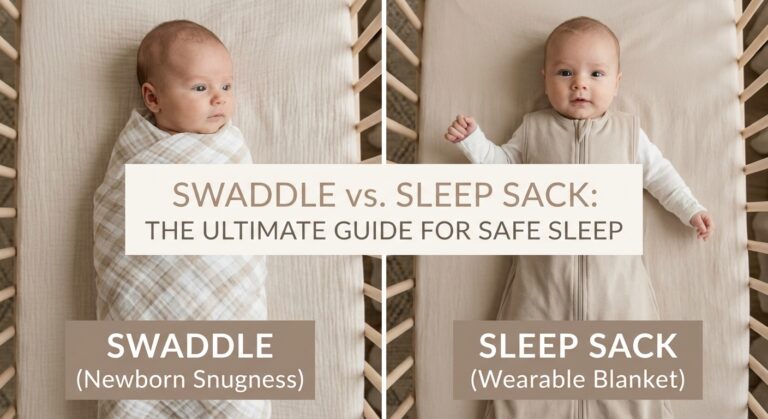

Swaddle vs. Sleep Sack: Which Is Safer for Your Baby?
Bringing a newborn home is a blur of joy, exhaustion, and an endless stream of decisions. One of the most critical choices you’ll make in those early days concerns sleep safety. The debate of swaddle vs. sleep sack confuses many new parents. Should you wrap them up like a tight little burrito, or zip them into a wearable blanket?
The answer isn’t just about preference—it’s about developmental stages, safety guidelines, and the elusive quest for a full night’s sleep. Both swaddles and sleep sacks are designed to keep your baby warm without the suffocation risks associated with loose bedding, which is why they are top recommendations at Blanket Insider.
In this comprehensive guide, we will break down the differences, the safety implications, and the perfect timeline for transitioning from one to the other so you—and your baby—can rest easy.
At a Glance: Swaddle vs. Sleep Sack
Before diving into the deep details, here is a quick reference guide to help you understand the core differences.
| Feature | Swaddle | Sleep Sack (Wearable Blanket) |
|---|---|---|
| Primary Function | Restricts arm movement to prevent startle reflex. | Keeps baby warm without loose blankets; allows movement. |
| Age Range | Newborn to ~2-3 months (until rolling). | Newborn to Toddlerhood (safe indefinitely). |
| Fit | Tight compression around torso and arms. | Loose around hips/legs, fitted at neck/arms. |
| Safety Concern | Risk if baby rolls over; hip dysplasia if too tight. | Must be sized correctly to prevent slipping over face. |
| Mobility | Low (Arms are bound). | High (Arms free, legs free to kick). |
Contender 1: The Swaddle
Swaddling is an ancient practice that involves wrapping a baby snugly in a blanket or a specialized cloth. The goal is to mimic the tight, cozy environment of the womb. For a newborn who has spent nine months in a confined space, the freedom of an open crib can feel overwhelming and insecure.
Why Parents Love It
The primary benefit of the swaddle is its ability to suppress the Moro reflex (or startle reflex). Newborns often jerk their arms involuntarily during sleep, which can wake them up. A swaddle pins the arms gently against the body, preventing this disruption. It is often the first line of defense for soothing a fussy infant.
Types of Swaddles
- Traditional Blanket: A large square of muslin or cotton that you fold manually. Check out our guide on best baby blankets to find the perfect material for this.
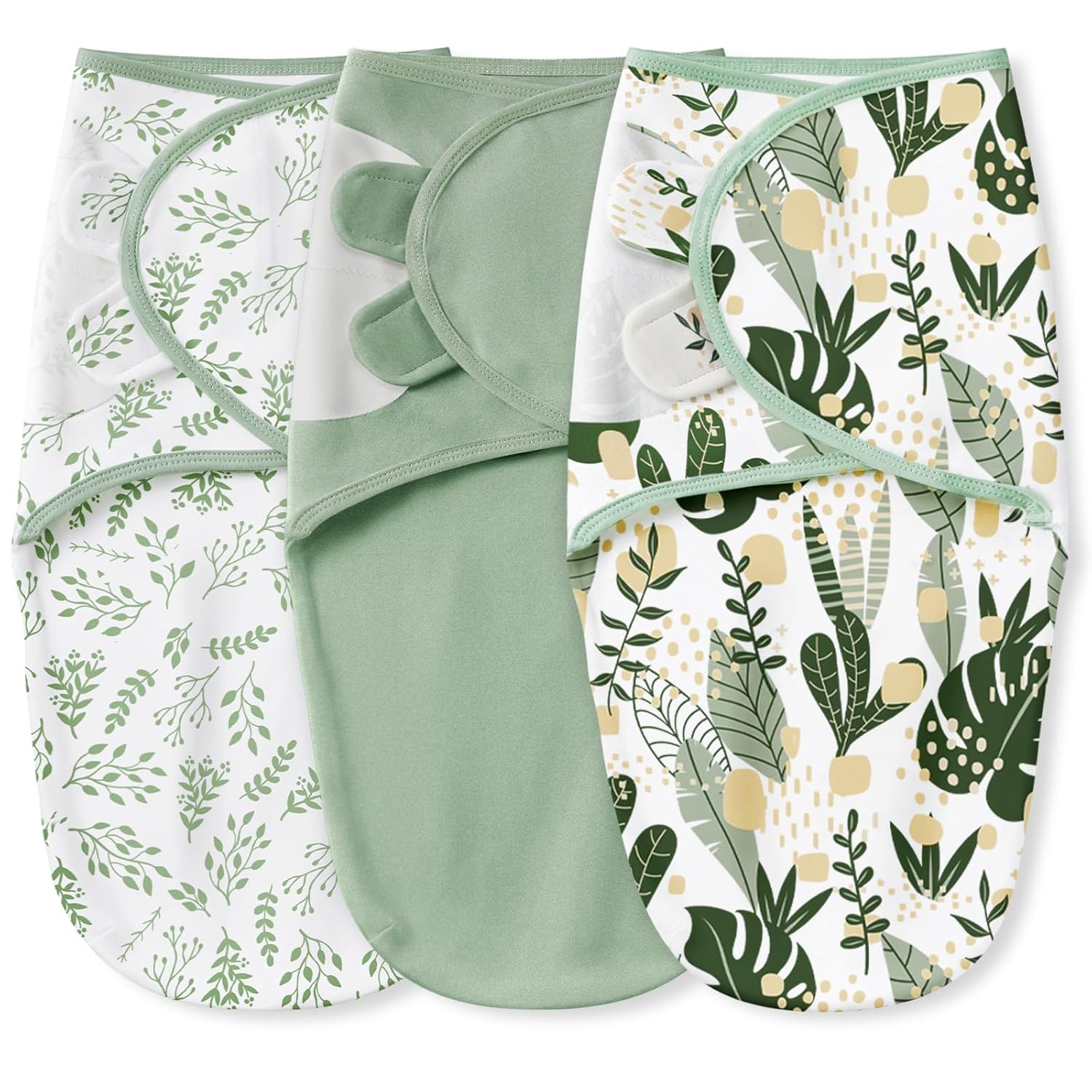
- Two-in-One / Velcro Swaddles: These have “wings” with fasteners that make it impossible for the baby to wiggle free. They are much easier for sleep-deprived parents to use at 2 AM.
- Pod/Cocoon Swaddles: Zip-up versions that provide compression without complex wrapping.
✅ Pros of Swaddles
- Prevents startle reflex, leading to longer sleep stretches.
- Calms colicky babies by mimicking the womb.
- Keeps baby on their back (the safest sleep position).
- Prevents scratching of the face.
❌ Cons of Swaddles
- Safety Limit: Must stop IMMEDIATELY once baby shows signs of rolling.
- Hip Health: Improper swaddling can cause hip dysplasia.
- Overheating: Too many layers can raise body temp dangerously.
Contender 2: The Sleep Sack
A sleep sack, often called a wearable blanket, is essentially a sleeping bag for your baby with armholes and a neck opening. Unlike a swaddle, it does not confine the arms. It is designed to be worn over pajamas to add a layer of warmth without the risk of loose bedding covering the baby’s face.
The Safer Alternative to Blankets
The American Academy of Pediatrics (AAP) strongly advises against loose blankets, pillows, or bumpers in the crib to reduce the risk of SIDS (Sudden Infant Death Syndrome). A sleep sack solves the “cold baby” problem by staying on the baby securely all night. It’s a staple of cozy home essentials for any new parent.
When to Use It
Sleep sacks are generally introduced when the swaddle is no longer safe—usually around 2 to 3 months of age when the baby starts trying to roll over. However, many parents use them from birth if their baby dislikes being swaddled. They are spacious at the bottom, allowing for “frog leg” positioning which is excellent for hip development.
✅ Pros of Sleep Sacks
- Safe Long-Term: Can be used well into toddler years.
- Hip Healthy: Allows legs to move and bend freely.
- Easy Diaper Access: Most have inverted zippers.
- Temperature Control: Available in different TOG ratings (thickness).
❌ Cons of Sleep Sacks
- No Reflex Control: Doesn’t stop the startle reflex in newborns.
- Sizing Critical: If neck hole is too big, it can slip over the face.
- Mobility: While safer, an older baby can stand up in the crib while wearing one.

Swaddle vs. Sleep Sack: The Detailed Showdown
1. Safety and SIDS Prevention
Both products are safer than loose blankets. However, the swaddle has a “safety expiration date.” Once a baby can roll from back to stomach, a swaddle becomes dangerous because the baby cannot use their arms to push up or reposition their head, increasing suffocation risks. A sleep sack allows full arm freedom, making it the only safe choice for rolling babies.
2. Ease of Use (Diaper Changes)
Imagine it’s 3 AM. You need to change a diaper in the dark—perhaps lit only by a soft glow (check out our recommendations for lamps that provide soft ambient light, which work great in nurseries too).
Swaddle: You usually have to unwrap the entire burrito, waking the baby up fully.
Sleep Sack: Most modern sacks have zippers that open from the bottom up, allowing you to change the diaper while keeping the baby’s upper body warm and sleepy.
3. Temperature Regulation
Overheating is a risk factor for SIDS. Swaddles involve wrapping layers around the baby, which can trap heat if not monitored. Sleep sacks come with specific TOG ratings (Thermal Overall Grade) that tell you exactly how warm they are.
Tip: Just like you verify care instructions when learning how to wash specialized blankets, always check the TOG rating of a sleep sack to match your room’s temperature.
4. The Transition Phase
The hardest part is the bridge between the two. When the baby rolls but still has the startle reflex, sleep suffers. To bridge this gap, parents often use:
- Transitional Swaddles: Sacks with “wings” that zip off, allowing one arm out at a time.
- Sleep Suits: Padded suits that dampen the startle reflex without pinning the arms.
Verdict: Which One Should You Buy?
Phase 1: The Newborn Stage (0–2 Months)
Winner: The Swaddle.
Newborns crave containment. The swaddle is the most effective tool for getting long stretches of sleep during the “fourth trimester.” Unless your baby absolutely hates it, start here.
Phase 2: The Roller (3 Months+)
Winner: The Sleep Sack.
Once the rolling begins, the swaddle must go. The sleep sack becomes the new bedding standard. It provides the sleep association (“when I put this on, it’s time to sleep”) without the danger.
Phase 3: The Toddler (12 Months+)
Winner: The Sleep Sack (with feet).
Toddlers move a lot. Traditional sleep sacks are great to prevent them from climbing out of the crib, but “walker sacks” with foot holes allow them to walk around safely in the morning.
Building Your Nursery?
Ensure you have both swaddles for now and sacks for later.
Shop All Baby Sleep GearFrequently Asked Questions
You must stop swaddling as soon as your baby shows signs of trying to roll over. This can happen as early as 8 weeks but typically occurs around 3 to 4 months. If you see them rocking onto their side, it is time to switch to a sleep sack immediately.
Yes! If your newborn dislikes the swaddle or if you prefer not to swaddle, a sleep sack is perfectly safe from day one. Just ensure the neck and armholes are fitted correctly so the baby doesn’t slip down inside the sack.
This depends on the room temperature and the TOG rating of the sack. Generally, a cotton onesie or footed sleeper is sufficient. Avoid overheating; the baby’s chest should feel warm, not hot or sweaty.
The AAP updated their guidelines in 2022 to advise against weighted swaddles and sleep sacks. The weight can potentially restrict breathing or impair the baby’s arousal mechanism. Stick to non-weighted, standard wearable blankets.
Yes. The International Hip Dysplasia Institute acknowledges sleep sacks as “hip-healthy” products because they allow ample room for the baby’s legs to bend up and out at the hips, unlike tight swaddles that straighten the legs.
No. The purpose of a sleep sack is to replace loose blankets. Adding a blanket on top reintroduces the suffocation risk. If the baby is cold, switch to a higher TOG (thicker) sleep sack or add a layer of clothing underneath.
Babies are messy. Aim for at least 3 of the current stage: one in use, one in the wash, and one backup for those inevitable middle-of-the-night blowouts.
Not strictly necessary, but very helpful. Going from “arms bound” to “arms free” cold turkey can cause sleep regression. A transitional product softens the change.
Final Thoughts
The swaddle vs. sleep sack debate isn’t really a debate at all—it’s a timeline. The swaddle is your best friend for the first few months of life, helping your newborn feel secure and sleep longer. The sleep sack is the trusty successor that keeps your growing baby safe and warm for years to come.
Understanding when to switch is the key to safe sleep. Trust your instincts, watch for rolling signs, and enjoy those precious moments of quiet slumber—however fleeting they may be.
Don’t Compromise on Safety
Find the highest-rated, pediatrician-approved sleepwear for every stage.
Explore Best Selling Baby Sleepwear