Minky vs. Fleece Differences: The Ultimate Fabric Showdown
You’re standing in the fabric aisle (or scrolling online), trying to pick the perfect material for a cozy blanket, and you’re stuck. They are both synthetic, they are both soft, and they both claim to be warm. So, what is the actual difference between Minky vs. Fleece?
While they are cousins in the polyester family, they serve very different purposes. One is a rugged outdoor workhorse; the other is a high-maintenance luxury item. In this guide, we’ll break down the textures, warmth, durability, and care requirements so you can choose the right fabric for your project.
Whether you are a first-time crafter making a baby blanket, an experienced sewer looking for your next throw project, or simply someone trying to understand why one blanket feels like heaven and another feels like a basic department store throw, this comprehensive guide covers everything you need to know. We’ll explore the history, manufacturing process, fabric weight, project ideas, sewing tips, washing instructions, cost comparisons, and dozens of alternative fabric comparisons to help you make the most informed decision possible.
Quick Decision: Which Should You Buy?
Don’t have time for the deep dive? Here is the cheat sheet:
- Choose FLEECE if: You need a breathable layer for outdoor activities, you want something affordable, or you want a blanket that can survive rough washing cycles.
- Choose MINKY if: You prioritize extreme softness (sensory/tactile), you are making a baby blanket, or you want a luxurious, heavy throw for the couch.
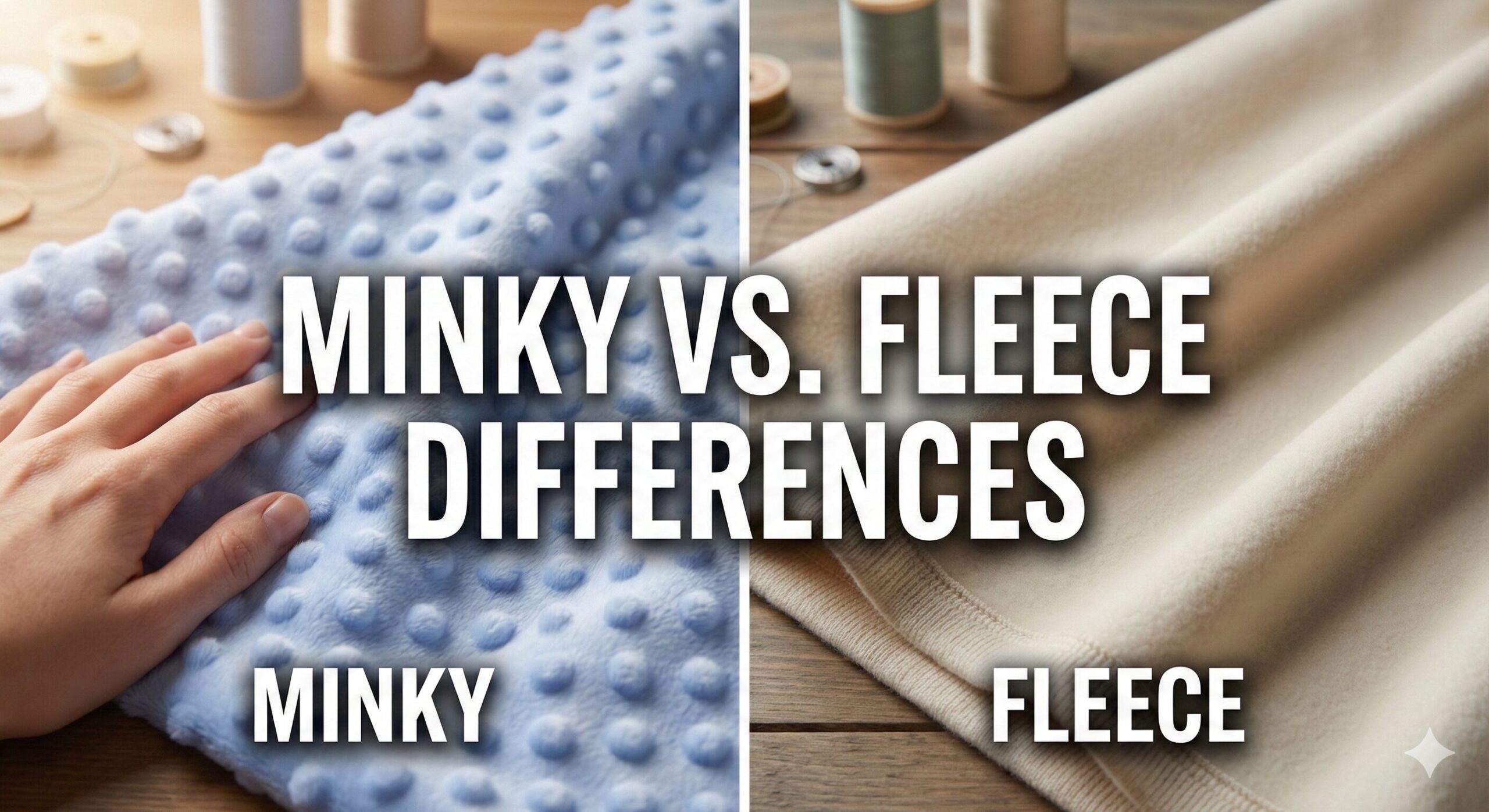
- The Main Difference: Fleece feels like soft wool (matte). Minky feels like silky fur (shiny).
The History and Origins of Fleece and Minky Fabric
The Story of Polar Fleece
The story of modern fleece begins in 1979 with an Austrian-born inventor named Malden M. Mills. At the time, Malden Mills was a textile company based in Methuen, Massachusetts, that primarily manufactured fabrics for the military. The company’s factory had tragically burned down in 1964, but it had been rebuilt and was thriving by the late 1970s.
Malden Mills and his team set out to create a synthetic fabric that could replicate the insulating properties of wool but without the weight, itchiness, or moisture retention. The result was Polar Fleece, a soft, lightweight, quick-drying polyester fabric that would change the outdoor clothing industry forever.
The timing was perfect. In 1981, the outdoor clothing company Patagonia became one of the first brands to use Polar Fleece in its product line, replacing traditional wool in its jackets and pullovers. Patagonia’s founder, Yvon Chouinard, loved the fabric because it was warm when wet, dried quickly, and weighed significantly less than wool. Patagonia marketed the fleece jacket aggressively, and it quickly became a staple of outdoor enthusiasts, hikers, and eventually the general public.
By the mid-1980s, fleece had exploded in popularity. It was no longer just for hikers and campers. Office workers wore fleece vests, college students wore fleece pullovers, and families discovered that fleece blankets were an affordable way to stay warm on the couch. The fabric became synonymous with comfort and practicality.
However, Malden Mills himself never patented Polar Fleece. He believed that the technology should be freely available to any manufacturer. This decision meant that hundreds of textile mills around the world, particularly in China and Southeast Asia, began producing their own versions of fleece. The flood of cheap fleece onto the market drove prices down dramatically, but it also led to widely varying quality. Today, you can find a fleece blanket for as little as $5 at a big-box store, or you can spend $50+ on a premium anti-pill fleece that looks and feels significantly better.
Tragically, Malden Mills’ factory burned down again in 1995 in a devastating fire. Instead of taking the insurance money and relocating, Malden Mills promised to keep his workforce employed and rebuilt the factory on the same site. He continued to operate the business until his retirement, and the company (now known as Polartec) continues to innovate in synthetic fabrics to this day.
The Story of Minky Fabric
Minky fabric has a much more recent and less well-documented origin story. Unlike polar fleece, which has a clear inventor and timeline, minky emerged from the quilting and crafting community in the early 2000s. The name “minky” is a direct reference to mink fur, which it was designed to emulate in softness and appearance.
The fabric was originally developed by textile manufacturers who were looking for a way to create a polyester fabric that was significantly softer than standard fleece. While polar fleece was designed for warmth and breathability in outdoor clothing, minky was designed specifically for tactile luxury. The goal was to create a fabric that felt as soft and smooth as real fur without the ethical concerns of using animal products.
The brand name “Cuddle” became closely associated with minky fabric, and many quilters still refer to the fabric as “Cuddle” even when they are using a different brand. The Cuddle line, produced by Shannon Fabrics, became the gold standard for minky and helped popularize it across the crafting community.
Minky’s rise in popularity was driven largely by the baby blanket market. New parents and gift-givers discovered that minky’s incredibly soft texture was perfect for babies with sensitive skin. The famous “minky dot” fabric, which features raised bumps on one side, became a bestseller because of its sensory benefits for infants. Pediatric occupational therapists even began recommending minky dot blankets as sensory tools for babies and toddlers.
By the 2010s, minky had expanded beyond baby blankets. Home decor enthusiasts started using it for throw pillows, plush toys, pet beds, and luxurious couch throws. Sewing YouTubers and bloggers demonstrated minky projects that showcased the fabric’s beautiful drape and sheen, and it quickly became one of the most popular fabrics in the quilting world.
Today, minky is available in dozens of textures, hundreds of colors, and thousands of prints. From plain solid minky to minky with embossed swirls, roses, waves, and geometric patterns, the options are nearly endless. Premium minky from brands like Shannon Fabrics and Robert Kaufman can cost $15–$25+ per yard, while budget minky from online retailers can be found for $6–$10 per yard.
Key Takeaway
Fleece was born out of military textile research and the outdoor clothing revolution of the 1980s. Minky was born out of the crafting and quilting community in the 2000s. Both are polyester fabrics, but they were designed for fundamentally different purposes from the very beginning.
What is Fleece? The Outdoor Workhorse
Traditional fleece (often called Polar Fleece) is a knit fabric that has been brushed on one or both sides to loosen the fibers and create a raised nap. It was originally invented to be a lightweight, synthetic alternative to wool.
Key Characteristics of Fleece:
- Breathable: It allows moisture to escape, making it ideal for clothing.
- Matte Finish: It does not shine. It has a dull, wool-like appearance.
- Double-Sided: Usually soft on both sides.
- Pilling: Lower quality fleece tends to form small balls of fiber (pills) over time.
- Moisture-Wicking: Fleece moves sweat away from the body, which is why it’s popular for activewear and base layers.
- Quick-Drying: Fleece dries significantly faster than natural fibers like wool or cotton.
- Lightweight: Despite its warmth, fleece is surprisingly light, making it ideal for layering.
- UV Resistance: Polyester fleece offers moderate UV protection, which adds to its outdoor utility.
Fleece is available in various weights and thicknesses. The lightest fleece, often called micro fleece, is used for base layers and lightweight clothing. Medium-weight fleece is the most common for blankets and jackets. The heaviest fleece, sometimes called heavyweight or 300-weight fleece, is used for extreme cold-weather gear and thick blankets.
One of fleece’s greatest strengths is its affordability. Because it is produced in massive quantities worldwide, fleece is one of the cheapest fabrics available. You can often find fleece by the yard at fabric stores for $5–$10 per yard, and pre-made fleece blankets are widely available for $10–$30. This affordability makes fleece the go-to fabric for budget-conscious crafters, no-sew blanket projects, and large-scale productions like pet shelters and disaster relief blankets.
If you are looking for something even fluffier than standard fleece, you might be interested in our comparison of Sherpa vs Fleece blankets.
Types of Fleece: A Complete Breakdown
Not all fleece is created equal. Understanding the different types of fleece will help you choose the right one for your specific project.
Polar Fleece (Standard)
The original and most common type. Polar fleece is a medium-weight fabric with a soft, brushed nap on both sides. It’s the fabric you’ll find in most fleece jackets, pullovers, and blankets at retail stores.
- Weight: 200–300 GSM
- Best for: Jackets, blankets, general-purpose sewing
- Feel: Soft, wooly, matte
- Cost: $5–$10 per yard
Micro Fleece
A thinner, lighter version of polar fleece with a finer denier fiber. Micro fleece has a smoother surface and is less bulky than standard fleece. It’s commonly used for lightweight base layers, linings, and baby items.
- Weight: 100–180 GSM
- Best for: Base layers, baby blankets, linings, lightweight throws
- Feel: Smoother, thinner, softer than polar fleece
- Cost: $4–$8 per yard
Anti-Pill Fleece
A specially treated fleece designed to resist pilling (those annoying little fuzz balls). The fibers are treated to lock together more tightly, preventing them from breaking free and forming pills. This is the preferred fleece for blankets that will be washed frequently.
- Weight: 200–300 GSM
- Best for: High-use blankets, children’s items, gifts
- Feel: Slightly denser than standard polar fleece
- Cost: $7–$12 per yard
Coral Fleece
A newer type of fleece with a longer, shaggier nap that gives it a more luxurious feel than standard polar fleece. Coral fleece is often compared to minky because of its softness, but it retains fleece’s breathability and durability. It’s named for its coral-like texture.
- Weight: 250–350 GSM
- Best for: Baby blankets, plush throws, loungewear
- Feel: Fluffier and softer than polar fleece
- Cost: $6–$12 per yard
Velboa Fleece
A short-pile fleece with a smooth, velvety surface. Velboa is sometimes confused with minky because of its softness, but it has a shorter pile and a more uniform texture. It’s often used for stuffed animals and plush toys.
- Weight: 200–350 GSM
- Best for: Stuffed animals, doll hair, costume making
- Feel: Smooth, velvety, short pile
- Cost: $5–$10 per yard
Heavyweight Fleece (300 Weight)
The thickest and warmest type of fleece available. Heavyweight fleece is typically used for extreme cold-weather gear, thick blankets, and heavy-duty outdoor clothing. It provides maximum insulation but is also the bulkiest.
- Weight: 300+ GSM
- Best for: Heavy blankets, cold-weather jackets, winter gear
- Feel: Very thick, dense, warm
- Cost: $8–$15 per yard
What is Minky? The Luxury “Cuddle” Fabric
Minky (often referred to by the brand name “Cuddle”) is a specialized form of fleece made from 100% polyester microfiber. It is engineered specifically for softness and tactile sensation.
Key Characteristics of Minky:
- Silky Texture: It feels slick and cool to the touch, similar to mink fur (hence the name).
- One-Sided: Minky is usually printed/textured on one side and has a rougher mesh backing on the other.
- Directional Nap: If you brush it one way, it’s smooth; brush it the other, and it stands up.
- Textures: Comes in dots (dimple), swirls, and embossed patterns.
- Sheen: Minky has a noticeable sheen or luster that standard fleece lacks. The light catches the fibers and creates a subtle shine that gives the fabric a premium look.
- Density: Minky is typically denser than standard fleece, with a tighter knit that creates a heavier, more substantial feel.
- Shedding: When cut, minky sheds fine polyester fibers. This “minky dust” can be messy and requires careful handling during sewing projects.
Minky is incredibly popular for nurseries. If you are shopping for a little one, check out our guide to the best baby blankets to see why minky tops the list. For a full breakdown of this material, read what is a minky blanket.
One of the most important things to understand about minky is that it is not a generic fabric name in the way that “fleece” is. While many manufacturers produce minky-like fabrics, the term “minky” is most closely associated with a specific category of high-quality, plush polyester fabrics with a distinctive nap. The best minky fabrics are produced by companies like Shannon Fabrics and Robert Kaufman Fabrics, and they command a premium price because of their superior softness, durability, and color accuracy.
Budget minky fabrics exist, and they can be found at discount fabric stores and online marketplaces for significantly less. However, cheaper minky often has a thinner backing, a less consistent pile, and a tendency to shed more aggressively. If you’re making a gift blanket or a heirloom-quality project, it’s worth investing in premium minky.
Types of Minky: From Dots to Roses
Minky comes in a wide variety of textures and finishes. Here’s a breakdown of the most popular types:
Minky Dot (Dimple)
The most iconic and popular type of minky. Minky dot features raised bumps (dots) on one side that create a tactile, sensory experience. These dots are embossed into the fabric using heat and pressure. Minky dot is particularly popular for baby blankets because the raised texture provides sensory stimulation for infants.
- Texture: Raised dots on a smooth base
- Best for: Baby blankets, sensory items, throw pillows
- Sensory benefit: Excellent for tactile development
Swirl Minky (Rose Swirl)
Features a swirling pattern embossed into the surface that resembles a rose in bloom. Swirl minky is one of the most visually striking minky varieties and is popular for decorative throws and accent pillows. The swirls create a three-dimensional texture that adds depth and visual interest.
- Texture: Embossed swirl or rose pattern
- Best for: Decorative throws, accent pillows, photo props
- Visual appeal: High — creates shadows and highlights
Smooth Minky (Plush)
The simplest form of minky — a smooth, uniformly soft surface without any embossed patterns. Smooth minky has the classic silky feel and beautiful sheen that minky is known for. It’s the most versatile type because it works well as both a standalone fabric and as a backing for quilts.
- Texture: Smooth, consistent pile
- Best for: Quilt backing, blanket backs, general sewing
- Versatility: Highest — works for almost any project
Printed Minky
Smooth minky fabric with designs printed onto the surface using digital or screen printing technology. Printed minky comes in thousands of patterns — from floral and geometric designs to characters, landscapes, and abstract art. The print quality on premium minky is excellent, with vibrant colors and crisp details.
- Texture: Same as smooth minky, but with printed designs
- Best for: Custom baby blankets, themed projects, personalized gifts
- Customization: Many retailers offer custom print-on-demand services
Wave Minky
Features a wavy, rippled texture that adds a unique tactile dimension. Wave minky is less common than dot or swirl but is gaining popularity for its distinctive look and feel. The waves create a subtle, organic pattern that works well for both baby items and adult throws.
- Texture: Wavy, rippled embossing
- Best for: Unique blanket projects, decorative items
- Availability: Less common — may require specialty ordering
Shaggy Minky (Long Pile)
A longer-pile version of standard minky that creates a more dramatic, fur-like appearance. Shaggy minky is sometimes called “flokati” or “faux fur” minky. It’s thicker and heavier than standard minky and provides maximum warmth and luxury.
- Texture: Long, shaggy pile (up to 1 inch)
- Best for: Ultra-luxury throws, winter blankets, costume making
- Warmth: Maximum — traps significant body heat

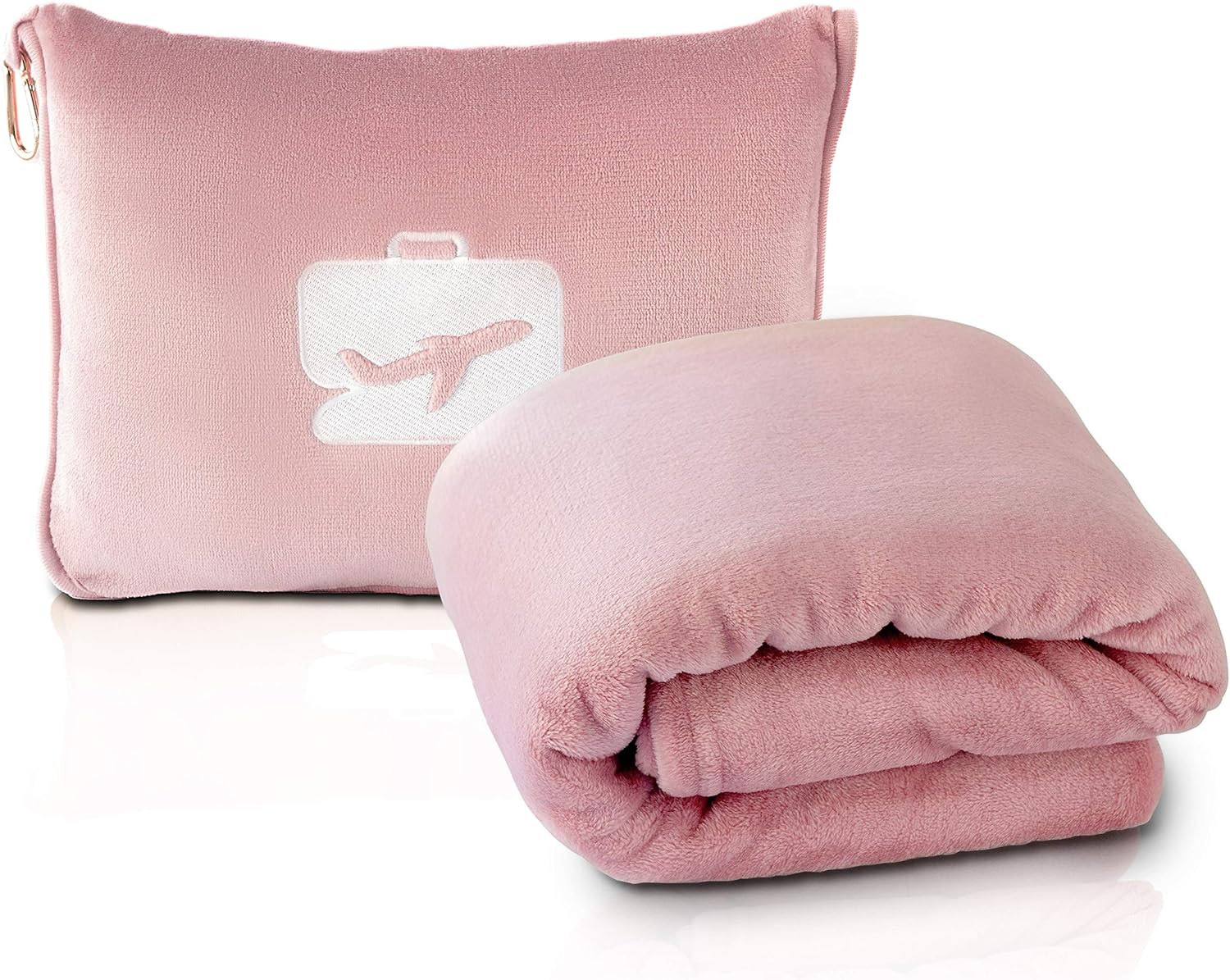
The Classic Choice: The Bedsure Fleece Blanket is lightweight, durable, and perfect for layering on cold nights.
Check Price on AmazonHow Fleece and Minky Are Made: The Manufacturing Process
Understanding how these fabrics are manufactured helps explain why they feel and perform so differently, even though they’re both made from polyester.
How Polar Fleece Is Made
The manufacturing process of polar fleece involves several steps:
- Fiber Production: Polyester chips are melted and extruded through spinnerets to create tiny polyester fibers. For standard fleece, these fibers are typically 1–3 denier (a unit of fiber thickness). For micro fleece, the fibers are much finer — often less than 1 denier.
- Knitting: The polyester fibers are knitted into a fabric on large circular or flat knitting machines. The knit structure provides the base fabric with its shape and stretch characteristics.
- Napping (Brushing): This is the critical step that gives fleece its characteristic soft, fuzzy texture. The knitted fabric is passed through a machine with wire brushes that pull at the fibers, loosening them from the knit structure and creating a raised, fuzzy surface called a “nap.” The fabric may be napped on one side or both sides.
- Shearing: After napping, the raised fibers are trimmed to a uniform height using a shearing machine. This creates the consistent, smooth surface that fleece is known for.
- Anti-Pill Treatment (optional): For anti-pill fleece, the fabric undergoes an additional treatment where the fibers are heat-set to lock them in place. This prevents them from breaking free and forming pills during washing.
- Dyeing and Finishing: The fabric is dyed (either before or after knitting, depending on the process) and may receive additional treatments like water repellency, static resistance, or UV protection.
How Minky Is Made
Minky uses a similar base process to fleece but with significant differences in the finishing stages:
- Fiber Production: Minky uses ultra-fine polyester microfiber fibers, typically 0.5–1 denier. These much finer fibers are what give minky its silky, luxurious feel compared to the woolier feel of standard fleece.
- Knitting: The microfiber is knitted into a fabric, but the knit structure is different from standard fleece. Minky typically uses a tighter, denser knit that creates a more substantial base fabric.
- Napping: The napping process for minky is more aggressive and precise than for fleece. The goal is to create a longer, more uniform pile that stands upright rather than lying flat. This upright pile is what gives minky its distinctive silky texture and sheen.
- Embossing (for textured minky): For dot, swirl, wave, and other textured minky varieties, the fabric is passed through heated embossing rollers that press patterns into the pile. The heat sets the pattern permanently into the fibers.
- Backing: Most minky fabrics have a mesh or knit backing that provides stability and prevents the fabric from stretching excessively. This backing is visible on the reverse side of the fabric and is typically smoother and less soft than the front.
- Quality Control: Premium minky undergoes rigorous quality control to ensure consistent pile height, color accuracy, and texture uniformity. This quality control is a major reason why premium minky costs significantly more than budget alternatives.
Why the Difference Matters
Even though both fabrics start with the same raw material (polyester), the differences in fiber thickness, knit structure, and finishing processes create two fundamentally different fabrics. Fleece is designed for durability, breathability, and practicality. Minky is designed for softness, luxury, and sensory experience. Understanding this helps explain why one fabric is $5 per yard and the other is $15+ per yard.
Head-to-Head Comparison: Minky vs. Fleece
Here is how they stack up in the most critical categories.
| Feature | Fleece (Polar/Anti-Pill) | Minky (Cuddle) |
|---|---|---|
| Softness | Soft, wooly, matte | Silky, slick, extremely plush |
| Warmth | Warm but breathable | Very warm (traps heat) |
| Durability | High (great for outdoors) | Moderate (indoor only) |
| Stretch | Minimal stretch | Significant stretch (2-way or 4-way) |
| Sewing Ease | Easy (doesn’t slip) | Hard (slippery & sheds) |
| Cost | $ – $$ | $$ – $$$ |
| Weight | Lightweight to medium | Medium to heavy |
| Sheen | Matte (no shine) | Silky sheen/luster |
| Nap Direction | Minimal directional nap | Strong directional nap |
| Shedding | Minimal shedding | Sheds when cut (“minky snow”) |
| Water Resistance | Slightly water-resistant | Absorbs water more readily |
| Pilling | Prone to pilling (unless anti-pill) | Resistant to pilling |
| UV Resistance | Moderate | Low |
| Odor Resistance | Moderate | Lowers (denser fibers trap odors) |
| Available Textures | Limited (smooth, napped) | Extensive (dots, swirls, waves, roses) |
| Print Quality | Good | Excellent (vibrant colors) |
| Best Season | All seasons | Fall/Winter |
| Machine Washable | Yes (warm/cool) | Yes (cold only) |
| Dryer Safe | Yes (low heat) | Air dry only (no heat) |
| Ironing | Low heat okay | Never iron (melts fibers) |
GSM and Fabric Weight: Understanding the Numbers
GSM stands for Grams per Square Meter and is the standard measurement for fabric weight. Understanding GSM helps you compare fabrics accurately and choose the right weight for your project.
Fleece GSM Ranges
- Micro Fleece: 100–180 GSM — Ultra-lightweight. Great for base layers and lightweight blankets.
- Standard Polar Fleece: 200–300 GSM — Medium weight. The most common weight for blankets and jackets.
- Heavyweight Fleece: 300–400 GSM — Thick and warm. Used for heavy blankets and cold-weather gear.
Minky GSM Ranges
- Lightweight Minky: 200–280 GSM — Thinner minky used for linings and lightweight items.
- Standard Minky: 300–380 GSM — The most common weight. Dense, plush, and luxurious.
- Premium/Heavyweight Minky: 400+ GSM — Ultra-dense and heavy. Maximum softness and warmth.
What This Means for You
At comparable GSM levels, minky will feel denser and heavier than fleece because its pile stands upright rather than lying flat. A 300 GSM minky blanket will feel more substantial and luxurious than a 300 GSM fleece blanket. However, the fleece blanket will be more breathable and better suited for year-round use.
How to Test Fabric Weight at the Store
If you don’t have the GSM specification (which is common at fabric stores), here’s a quick test:
- The Drape Test: Hold a corner of the fabric and let it hang. Heavy fabrics drape with more weight and fewer folds. Light fabrics flutter and create many small folds.
- The Pinch Test: Pinch the fabric between your thumb and forefinger. Thicker, heavier fabrics will feel more substantial and harder to compress.
- The Light Test: Hold the fabric up to a light source. Thinner fabrics will allow more light through, while heavier fabrics will block more light.
- The Weight Comparison: If you’re comparing fabrics at the store, hold equal-sized pieces in each hand. The heavier one will have a higher GSM.
Warmth and Breathability: The Climate Factor
One of the most important differences between minky and fleece is how they handle warmth and airflow. This distinction often determines which fabric is better for a specific use case.
How Fleece Provides Warmth
Fleece traps warm air between its raised fibers, creating an insulating layer close to the body. However, the open structure of the brushed fibers also allows air to circulate, which is what makes fleece breathable. This balance between insulation and airflow is why fleece is so popular for active wear — it keeps you warm during low-intensity activities but doesn’t overheat you when you’re moving and generating body heat.
Fleece is also moisture-wicking. When you sweat, the polyester fibers pull moisture away from your skin and move it to the outer surface of the fabric where it can evaporate. This is a critical feature for outdoor activities because staying dry is essential for staying warm. Wet fabric loses its insulating properties rapidly, but fleece continues to insulate even when damp.
How Minky Provides Warmth
Minky provides warmth differently. Its dense, upright pile creates a thicker insulating layer that traps body heat very effectively. However, because the pile is denser and more tightly packed than fleece’s, there is less airflow through the fabric. This means minky is warmer but less breathable than fleece.
For someone sitting on the couch watching a movie on a cold winter evening, minky’s heat-trapping properties are perfect. The blanket wraps around you like a warm cocoon. But for someone who tends to sleep hot or who is using the blanket in a warm room, minky can quickly become uncomfortably warm.
| Climate Factor | Fleece | Minky |
|---|---|---|
| Insulation Level | Medium-High | High-Very High |
| Breathability | High | Low-Medium |
| Moisture Wicking | Excellent | Poor |
| Heat Retention | Moderate | High |
| Cooling Effect | Light cooling when wet | None |
| Best Temperature Range | 40°F – 65°F (4°C – 18°C) | 30°F – 55°F (-1°C – 13°C) |
| Overheating Risk | Low | High |
Hot Sleepers, Beware
If you are a hot sleeper or you live in a warm climate, minky may not be the best choice for a bed blanket. The fabric’s heat-trapping properties can make it uncomfortable in temperatures above 65°F (18°C). For hot sleepers, a lightweight fleece or a natural fiber like cotton is a better option.

Sensory Softness: This Minky blanket features the famous “dot” texture that helps soothe babies (and adults!).
Check Price on AmazonTexture and Touch: What They Feel Like
Since fabric choice is deeply personal and tactile, let’s break down the exact sensation of each fabric in detail.
The Fleece Experience
When you touch standard polar fleece, the first thing you notice is its wooly softness. The brushed fibers create a slightly fuzzy, matte surface that feels warm and inviting. Running your hand across fleece produces a gentle, consistent friction — not slippery, not sticky, just a soft, wool-like resistance.
Polar fleece has a low sheen — it doesn’t reflect light, which gives it a more casual, everyday appearance. The surface feels uniform and consistent, with no directional preference. You can run your hand across it in any direction and it feels the same.
Micro fleece feels even softer and smoother than polar fleece, with a finer, almost velvety texture. Anti-pill fleece feels slightly denser and firmer than standard polar fleece due to the heat-setting treatment that locks the fibers in place.
The Minky Experience
When you touch minky, the sensation is dramatically different. The first thing you notice is the silk-like smoothness. Unlike fleece’s wooly texture, minky’s fine microfiber pile creates a slick, almost liquid feeling under your fingertips.
Minky has a pronounced directional nap. When you brush your hand in one direction (usually with the grain), the fabric feels incredibly smooth and cool, almost like stroking a cat’s fur. When you brush against the grain, the fibers stand up and the texture becomes rougher and more textured. This directional quality adds a sensory dimension that fleece simply doesn’t have.
The sheen of minky is another distinguishing feature. The fine microfiber pile reflects light, creating a subtle luster that gives the fabric a luxurious appearance. In certain lighting, minky appears to glow softly, while fleece looks flat and matte by comparison.
Textured minky varieties add even more tactile dimension. Minky dots provide a bumpy, playful texture that is satisfying to touch. Swirl minky creates a subtle ridged pattern under your fingers. These textures make minky an excellent choice for items where the tactile experience is important — baby blankets, comfort items, and sensory products.
Which Feels Better?
There’s no objective answer to this question — it depends entirely on personal preference. Many people find minky’s silky texture to be the pinnacle of softness. Others prefer fleece’s wooly warmth because it feels more natural and less synthetic. The best approach is to visit a fabric store and touch both fabrics side by side to determine which you prefer.
Durability and Pilling: Which Lasts Longer?
Durability is an important consideration, especially if you’re making something that will be used frequently and washed often.
Fleece Durability
Standard polar fleece is a highly durable fabric. It resists tearing, holds its shape well through many wash cycles, and maintains its insulating properties for years. The main durability concern with fleece is pilling — the formation of small fuzz balls on the surface caused by fibers breaking free and tangling together.
Pilling is most common in lower-quality fleece and is exacerbated by:
- Washing with rough fabrics like towels or denim
- Using high heat in the dryer
- Frequent washing without turning the fabric inside out
- Friction from Velcro, zippers, or rough surfaces
Anti-pill fleece significantly reduces this problem. The heat-setting treatment locks fibers in place, making them much less likely to pill. If pilling is a concern for your project, always choose anti-pill fleece over standard polar fleece.
Minky Durability
Minky’s durability story is more nuanced. On the positive side, minky is highly resistant to pilling because of its tightly packed, upright pile. The fibers don’t break free as easily as fleece fibers because they’re more securely anchored in the knit base.
However, minky has other durability concerns:
- Heat damage: Minky’s fine microfiber pile is extremely sensitive to heat. Even low dryer heat can melt the fiber tips, turning the fabric from silky to scratchy. This is the most common way minky blankets are ruined.
- Pile crushing: Heavy items placed on minky for extended periods can crush the pile, creating flat spots that don’t bounce back. This is why minky blankets stored under heavy objects may develop permanent creases.
- Chemical sensitivity: Fabric softener and harsh detergents can coat minky’s fine fibers with a waxy residue that destroys the silky texture and attracts dirt.
- Fading: Lower-quality minky may fade more quickly than fleece, especially when exposed to direct sunlight or washed with bleach.
| Durability Factor | Fleece | Minky |
|---|---|---|
| Tear Resistance | Excellent | Good |
| Pilling Resistance | Moderate (excellent if anti-pill) | Excellent |
| Shape Retention | Excellent | Good (may stretch over time) |
| Heat Resistance | Good (low heat is fine) | Poor (heat destroys fibers) |
| Color Retention | Good | Good to Excellent (premium brands) |
| Overall Lifespan | 5–10+ years with proper care | 3–7+ years with proper care |
Color, Appearance, and Visual Appeal
Beyond texture and feel, the visual appearance of these fabrics is another important factor in choosing between them.
Fleece Colors and Prints
Fleece is available in a wide range of solid colors, typically spanning the full spectrum from pastels to brights to darks. However, fleece colors tend to appear more muted and less vibrant than minky colors because of the fabric’s matte surface. The brushed fibers scatter light rather than reflecting it, which softens the appearance of the color.
Fleece prints range from simple geometric patterns to licensed characters and novelty designs. Print quality on fleece is generally good, though the matte surface can make fine details appear slightly less crisp than on minky. Fleece is widely available with prints for seasonal themes (holidays, sports teams, etc.) and is the go-to fabric for licensed character blankets.
Minky Colors and Prints
Minky’s silky pile surface reflects light, which makes colors appear richer, deeper, and more vibrant than the same color on fleece. A navy blue minky will appear more luxurious and jewel-toned than a navy blue fleece blanket. This enhanced color depth is one of the reasons minky is preferred for decorative items and gift-quality projects.
Printed minky offers exceptional print quality. The smooth, light-reflective surface allows for sharp details and vivid colors. Digital printing technology has made it possible to produce minky with virtually any design, from photorealistic images to intricate geometric patterns. Custom printed minky is available from several online retailers, allowing crafters to create one-of-a-kind projects with personalized designs.
Minky’s color range is extensive, with premium brands like Shannon Fabrics offering hundreds of solid colors in their product lines. These solids are carefully color-matched across different textures, so you can combine dot minky with smooth minky in the same color for a coordinated look.
Which Looks Better?
For casual, everyday items — a throw for the car, a blanket for camping, a pet bed — fleece’s understated, matte appearance is perfectly appropriate. For items where visual impact matters — a gift blanket, a decorative throw for the living room, a baby shower centerpiece — minky’s rich colors and luxurious sheen make a stronger impression.
Stretch and Drape: How They Move
Understanding how each fabric stretches and drapes is important for both sewing projects and everyday use.
Fleece Stretch
Standard polar fleece has minimal stretch. It’s a stable fabric that holds its shape well, which is one reason it’s so easy to sew. The fabric feeds through a sewing machine smoothly, stays aligned under the presser foot, and doesn’t shift or distort during stitching.
Fleece’s drape is moderate — it’s flexible enough to fold and wrap around the body but firm enough to hold its shape when hung or displayed. A fleece blanket draped over a couch will hold its folds without sliding or pooling.
Minky Stretch
Minky has significant stretch, particularly in the crosswise direction (perpendicular to the selvage). Many minky fabrics exhibit 2-way stretch, and some premium minky offers 4-way stretch. This stretchiness is a result of the fabric’s knit base and the way the pile fibers are anchored.
While stretch can be an advantage for certain projects (like fitted clothing or body-conforming items), it creates challenges for sewing. Minky tends to shift, slide, and stretch under the presser foot, making it difficult to achieve straight, even seams. Heavy pinning, walking feet, and tissue paper stabilizers are common techniques used to manage minky’s stretch during sewing.
Minky’s drape is excellent. The fabric falls in smooth, elegant folds that look luxurious and inviting. This superior drape is one of the reasons minky is preferred for throws and decorative items — it hangs beautifully and has a natural, flowing appearance that fleece can’t quite match.
Pros & Cons Cheat Sheet
Fleece Pros
- Affordable and widely available.
- Wicks moisture (good for sweat).
- Easy to sew for beginners.
- Breathable and suitable for all seasons.
- Quick-drying and low-maintenance.
- Excellent UV resistance for outdoor use.
- Machine washable and dryer safe.
- Available in hundreds of prints and patterns.
- Lightweight yet warm.
- Durable and long-lasting.
Minky Pros
- Unmatched “luxury” softness.
- Beautiful sheen and vibrant colors.
- Textured options (dots/swirls/waves/roses).
- Does not pill easily.
- Superior drape for elegant projects.
- Excellent for baby blankets and sensory items.
- Heavyweight and substantial feel.
- Available in custom prints.
- Directional nap adds sensory interest.
- Doesn’t attract lint or pet hair as easily.
Fleece Cons
- Can look cheap if low quality.
- Prone to pilling after washing.
- Hair and lint stick to it aggressively.
- Less visually luxurious than minky.
- Matte appearance may look flat in photos.
- Lower quality versions feel thin and flimsy.
- Can develop static electricity.
- Doesn’t drape as elegantly as minky.
- Not ideal for formal or decorative use.
Minky Cons
- Very slippery to sew.
- “Messy” cut (creates “minky snow”).
- Traps heat (can be too warm).
- Ruined by heat/ironing.
- Significantly more expensive than fleece.
- One-sided (back is not soft).
- Directional nap requires careful cutting.
- Requires cold wash and air dry only.
- Fabric softener ruins the texture.
- Less available in local fabric stores.
Minky vs. Sherpa: Which Plush Fabric Wins?
Sherpa is another popular plush fabric that’s often compared to minky. While they share some similarities — both are synthetic, both are soft, both are polyester — they have distinct differences in texture, warmth, and use cases.
What Is Sherpa Fabric?
Sherpa is a knit fabric with a smooth backing and a fluffy, textured pile on one side that mimics the appearance of sheep’s wool (Sherpa wool from the Himalayan region). The pile is typically curly, bumpy, and slightly rougher than minky’s smooth pile. Sherpa is commonly used as a lining material for jackets, hoodies, and blankets, and it’s also available as a standalone fabric for throws and bedding.
| Feature | Minky | Sherpa |
|---|---|---|
| Texture | Smooth, silky, uniform pile | Curly, bumpy, wool-like pile |
| Appearance | Sleek, shiny, luxurious | Fluffy, casual, cozy |
| Softness | Silky soft | Fluffy soft (slightly coarser) |
| Warmth | Very warm | Extremely warm |
| Breathability | Low | Very Low |
| Weight | Medium-Heavy | Medium |
| Sewing Ease | Difficult (slippery) | Moderate (less slippery than minky) |
| Shedding | Sheds when cut | Minimal shedding |
| Cost | $$ – $$$ | $ – $$ |
| Best For | Baby blankets, luxury throws | Jacket linings, casual throws |
| Drape | Excellent | Moderate (stiffer) |
The bottom line: minky is softer and more luxurious, while sherpa is warmer and more affordable. If you want a premium sensory experience, choose minky. If you want maximum warmth at a lower price point, choose sherpa.
Some blanket designs combine both fabrics — minky on one side for luxurious softness and sherpa on the other for maximum warmth. These dual-sided blankets offer the best of both worlds and are increasingly popular as premium throw blankets.
Minky vs. Velvet: Luxury Fabrics Compared
Both minky and velvet are associated with luxury and elegance, but they are fundamentally different fabrics with different properties.
What Is Velvet?
Velvet is a woven fabric with a dense, short pile that creates its characteristic smooth, plush surface. Traditional velvet is made from silk, but modern velvet is most commonly made from polyester, nylon, or rayon. Velvet has been associated with royalty and luxury for centuries and is still used for formal clothing, upholstery, curtains, and decorative items.
| Feature | Minky | Velvet |
|---|---|---|
| Material | 100% polyester microfiber (knit) | Silk, polyester, or blend (woven) |
| Texture | Silky, plush, upright pile | Smooth, dense, short pile |
| Sheen | Moderate sheen | High sheen (especially silk velvet) |
| Softness | Very soft | Very soft (slightly less plush than minky) |
| Warmth | Warm | Moderate (not as warm as minky) |
| Weight | Medium-Heavy | Light-Medium |
| Drape | Excellent | Excellent |
| Washability | Machine wash (cold) | Dry clean recommended (machine wash risky) |
| Cost | $$ – $$$ | $$ – $$$$ (silk velvet very expensive) |
| Use Cases | Blankets, baby items, crafts | Formalwear, upholstery, curtains |
The key difference is that minky is a knit fabric while velvet is a woven fabric. This makes minky stretchier, more flexible, and easier to use for blankets and soft goods. Velvet is more structured and formal, making it better suited for clothing and home decor applications where a refined appearance is desired.
For blankets and comfort items, minky is almost always the better choice. It’s warmer, easier to care for, more affordable, and available in more textures and colors. Velvet is the better choice for formal clothing, upholstery, and decorative applications where its structured drape and high sheen create an elegant effect.
Minky vs. Flannel: Softness Face-Off
Flannel is one of the most popular cozy fabrics, especially for pajamas and bed sheets. But how does it compare to minky?
What Is Flannel?
Flannel is a woven fabric that has been brushed on one or both sides to create a soft, fuzzy nap. It can be made from cotton, wool, or synthetic fibers. Cotton flannel is the most common type and is widely used for pajamas, bed sheets, blankets, and shirts. Flannel’s brushing process is similar to fleece’s napping process, but flannel uses a woven base rather than a knit base.
| Feature | Minky | Cotton Flannel |
|---|---|---|
| Material | 100% polyester (knit) | 100% cotton (woven) |
| Texture | Silky, plush | Soft, fuzzy, slightly rough |
| Warmth | Very warm | Warm |
| Breathability | Low | High (natural fiber) |
| Moisture | Doesn’t absorb moisture | Absorbs moisture |
| Durability | Good | Excellent (gets softer with washing) |
| Shrinkage | Minimal | Can shrink (pre-wash recommended) |
| Static | Can be static-prone | Minimal static |
| Cost | $$ – $$$ | $ – $$ |
| Best For | Luxury blankets, baby items | Pajamas, sheets, casual blankets |
The biggest difference is that flannel is cotton while minky is polyester. This makes flannel more breathable, more absorbent, and better for warm-weather use. Minky is warmer, softer, and more luxurious but less breathable. For summer pajamas and sheets, flannel is the clear winner. For winter luxury throws, minky takes the crown.
Another notable difference is that cotton flannel gets softer and more comfortable with every wash, while minky’s softness peaks when new and requires careful maintenance to preserve. Flannel also develops a characteristic lived-in quality that many people find appealing, while minky maintains its “like new” appearance for longer.
Minky vs. Plush: What’s the Difference?
The terms “minky” and “plush” are often used interchangeably, but there are subtle differences between them.
Plush Fabric Defined
“Plush” is a broad category that refers to any fabric with a raised, soft pile. Plush fabrics can be made from polyester, nylon, or other synthetic fibers, and they come in a wide range of pile heights and textures. Velboa, ultrasuede, and faux fur are all types of plush fabric. In everyday language, “plush” is often used as a catch-all term for any soft, fuzzy fabric.
Minky is technically a specific type of plush fabric. What distinguishes minky from generic plush is its particular combination of characteristics: ultra-fine polyester microfiber, a tightly knit base, an upright pile with a silky feel, and a distinctive sheen. Not all plush fabrics have these qualities.
Key Differences
- Pile Height: Minky typically has a medium pile height (3–6mm). Generic plush can range from very short (1–2mm) to very long (25mm+).
- Fiber Quality: Minky uses consistently fine microfiber (0.5–1 denier). Generic plush may use thicker, coarser fibers.
- Base Fabric: Minky has a specific knit base that provides stretch and stability. Generic plush may have various base fabrics.
- Softness Consistency: Premium minky offers a very consistent softness across the entire surface. Generic plush may have variations in pile density and softness.
- Brand Recognition: Minky is associated with specific brands (Shannon Fabrics, Robert Kaufman) that maintain quality standards. Generic plush has no brand association or quality guarantee.
When shopping, look for the term “minky” specifically if you want the premium silky texture. If you see “plush” on the label, it may or may not be comparable to minky in softness and quality. Always touch the fabric before buying if possible.
Fleece vs. Wool: The Original vs. The Replica
Polar fleece was originally designed as a synthetic alternative to wool. So how does the imitation compare to the original?
| Feature | Polar Fleece | Natural Wool |
|---|---|---|
| Material | 100% polyester (synthetic) | 100% wool (natural animal fiber) |
| Softness | Soft, no itch | Can be itchy (depends on wool type) |
| Warmth | Warm | Very warm (superior insulation) |
| Breathability | Good | Excellent (regulates temperature) |
| Moisture Handling | Wicks moisture | Absorbs up to 30% of its weight in water while staying dry |
| Odor Resistance | Moderate | Excellent (naturally antimicrobial) |
| Flammability | Melts (can cause burns) | Naturally flame-resistant |
| Weight | Lightweight | Heavier for equivalent warmth |
| Durability | Good | Excellent (can last decades) |
| Care | Easy (machine wash) | Delicate (hand wash or dry clean) |
| Cost | $ – $$ | $$ – $$$$ (merino, cashmere very expensive) |
| Environmental | Plastic (microplastic shedding) | Biodegradable, renewable |
Wool remains superior in several important categories — breathability, temperature regulation, odor resistance, and environmental impact. However, fleece wins on affordability, ease of care, and itch-free comfort. For most blanket and throw applications, fleece is the practical choice. For premium base layers and cold-weather gear, merino wool remains the gold standard.
Fleece vs. Cotton: Synthetic vs. Natural
Cotton is the world’s most popular natural fiber, and it’s the benchmark against which all other blanket fabrics are often compared.
| Feature | Polar Fleece | Cotton |
|---|---|---|
| Material | Polyester (synthetic) | Cotton (natural plant fiber) |
| Softness | Soft out of the box | Softens with washing |
| Warmth | Warm (insulates even when wet) | Moderate (loses insulation when wet) |
| Breathability | Good | Excellent |
| Moisture | Wicks moisture away | Absorbs and holds moisture |
| Drying Speed | Fast | Slow |
| Durability | Good (5-10 years) | Excellent (can last decades) |
| Environmental | Plastic (microplastic concerns) | Biodegradable (but water-intensive to grow) |
| Static | Can be static-prone | Minimal static |
| Cost | $ – $$ | $ – $$$ |
Cotton’s main advantage is its breathability and natural feel. It’s the better choice for people who prefer natural fibers, have sensitive skin, or live in warm climates. Fleece’s main advantage is its warmth-to-weight ratio and quick-drying properties. It’s the better choice for cold weather, outdoor activities, and budget-conscious buyers.
Fleece vs. Microfiber: They’re Closer Than You Think
This comparison is interesting because minky is technically a type of microfiber fabric, and both fleece and microfiber are polyester-based. Understanding the relationship between these terms helps clarify the differences.
Understanding the Terminology
- Polyester: The base material. All fleece and minky are polyester.
- Microfiber: A term for polyester fibers that are extremely thin (less than 1 denier). Minky uses microfiber.
- Fleece: A knit polyester fabric that has been brushed to create a nap.
- Minky: A knit microfiber polyester fabric with a denser, silkier pile than fleece.
So the simplest way to think about it: minky is a specialized type of fleece made from microfiber. Standard fleece uses thicker polyester fibers, while minky uses ultra-fine microfiber. This difference in fiber thickness is the primary reason minky feels silkier and looks shinier than standard fleece.
Microfiber Cleaning Cloths vs. Minky
When people hear “microfiber,” they often think of the flat, tightly-woven microfiber used for cleaning cloths and towels. These microfiber fabrics are woven (not knit) and have a very short pile. They’re designed for absorption and cleaning, not for softness or warmth. Minky is a completely different product despite sharing the “microfiber” label.
The key distinction: minky is a plush, napped microfiber fabric, while cleaning-cloth microfiber is a flat, tightly-woven fabric. They share the same base material (polyester microfiber) but are manufactured in completely different ways to serve completely different purposes.
Best Projects for Each Fabric
Now that you understand the properties of each fabric, let’s look at which projects are best suited for each one.
Best Projects for Fleece
No-Sew Tie Blanket
The classic fleece craft project. Cut two layers of fleece to size, cut fringe along the edges, and tie the fringes together. No sewing machine required. Fleece’s stability makes it perfect for this project.
Camping Blanket
Fleece’s durability, breathability, and moisture-wicking properties make it ideal for camping. A medium-weight fleece blanket won’t be damaged by rough outdoor use and dries quickly if it gets wet.
Pet Bed
Fleece is easy to wash, doesn’t trap pet hair as badly as some fabrics, and is durable enough to withstand claws and chewing. It’s the go-to fabric for DIY pet beds.
Fleece-Lined Jacket
Use fleece as a lining for a windbreaker or rain jacket to add warmth without bulk. Fleece’s breathability prevents the jacket from becoming a sauna.
Sleeping Bag Liner
A fleece sleeping bag liner adds warmth to a sleeping bag without the weight. It can also be used alone on warm nights as a lightweight blanket.
Halloween Costume
Fleece is easy to sew, holds its shape, and comes in many colors. It’s the standard fabric for making stuffed animal costumes, character costumes, and披风.
Best Projects for Minky
Baby Blanket
Minky’s silky softness and sensory dot texture make it the gold standard for baby blankets. The fabric is gentle on delicate skin and provides comforting tactile stimulation.
Luxury Couch Throw
A minky throw draped over a couch or armchair adds instant elegance to a living room. The fabric’s beautiful drape and sheen make it a decorative statement piece.
Quilt Backing
Minky is one of the most popular fabrics for quilt backing because it adds a luxurious feel to any quilt. The stretch and slipperiness make it challenging, but the result is worth the effort.
Stuffed Animal
Minky’s beautiful sheen and soft texture make stuffed animals look and feel premium. Many professional toy makers use minky for their highest-quality products.
Pillow Cover
A simple envelope-style pillow cover in minky fabric is a quick project that adds a touch of luxury to any room. The fabric’s stretch makes it forgiving for beginners.
Weighted Blanket Cover
Minky makes an excellent cover for weighted blankets. The silky texture provides a luxurious feel against the skin while the dense fabric helps distribute the weight evenly.

Protect Your Fabric: Skip the liquid softener. Use Wool Dryer Balls to naturally soften and reduce static in your blankets.
Check Price on AmazonSewing with Minky: Tips, Tricks, and Techniques
Minky is notoriously difficult to sew. If you’ve never worked with it before, the experience can be frustrating. But with the right techniques and preparation, you can achieve professional results.
Why Minky Is Hard to Sew
Minky presents several challenges during sewing:
- Slipperiness: The silky pile surface slides against itself and against the sewing machine’s feed dogs, causing layers to shift during stitching.
- Stretch: Minky’s knit base stretches easily, which can cause wavy seams and distorted seams.
- Shedding: Cutting minky creates a blizzard of fine polyester fibers (“minky snow”) that get everywhere — on your clothes, in your sewing machine, and all over your workspace.
- Nap direction: Minky has a strong directional nap, and pieces must be cut with all nap running the same direction or the finished project will look uneven.
- Thickness: Minky is thicker than most fabrics, which can cause bulk at seam intersections and make it difficult to feed through the sewing machine.
Essential Tips for Sewing Minky
- Pre-wash with care: Wash minky in cold water and air dry before cutting. This pre-shrinks the fabric and removes loose fibers. Do NOT use fabric softener.
- Use a rotary cutter and mat: Scissors cause more shedding than a sharp rotary cutter. Cut minky on a self-healing cutting mat with a fresh rotary blade for cleaner cuts.
- Cut with the nap: Always check the nap direction before cutting. Mark the nap direction with chalk or a fabric pen on the back of each piece so you don’t accidentally sew pieces with opposing nap directions.
- Pin generously: Use lots of pins (or wonder clips) to hold layers together. Place pins perpendicular to the seam line so they’re easy to remove as you sew. Some sewists pin every 1–2 inches.
- Use a walking foot: A walking foot (even-feed foot) is essential for sewing minky. It feeds the top and bottom layers through the machine at the same rate, preventing shifting and stretching.
- Use tissue paper or water-soluble stabilizer: Place strips of tissue paper or water-soluble stabilizer under the presser foot to reduce friction and prevent the minky from sticking to the machine. Tear or dissolve it away after sewing.
- Increase stitch length: Use a longer stitch length (3.0–3.5mm) to accommodate the thick pile. A standard 2.5mm stitch can cause the fabric to bunch.
- Use a stretch or ballpoint needle: A size 90/14 stretch needle works well for minky. The rounded tip slides between the knit fibers rather than piercing them, which prevents holes and skipped stitches.
- Reduce presser foot pressure: If your machine allows it, reduce the presser foot pressure to prevent the fabric from being pushed forward and stretching.
- Clean your machine frequently: Minky sheds a lot of lint. Stop every few minutes to brush away lint from the bobbin area and needle plate to prevent thread breakage and tension issues.
- Seam finishing: Minky doesn’t fray, so you don’t need to finish raw edges. However, serging or zigzag stitching the seams will help them lie flat and look more professional.
- Press seams carefully: Never iron directly on minky’s pile — the heat will melt the fibers. Instead, finger-press seams open or use a pressing cloth with the lowest heat setting. Steam can also damage minky.
The Minky Snow Warning
Before you start cutting minky, prepare for the mess. Cover your workspace with a drop cloth or old sheet, wear dark clothing (the light fibers show up dramatically on dark fabric), and have a lint roller nearby. Some sewists cut minky outdoors or in a garage to contain the mess. Vacuum thoroughly after cutting.
Sewing with Fleece: A Beginner-Friendly Guide
Compared to minky, fleece is a dream to sew. Its stability, minimal stretch, and non-slippery surface make it one of the easiest fabrics for beginners to work with.
Why Fleece Is Easy to Sew
- Stable: Fleece doesn’t shift or slide under the presser foot.
- Minimal stretch: The fabric holds its shape during sewing.
- Doesn’t fray: Raw edges can be left unfinished without worry.
- Forgiving: Minor mistakes are hidden by the brushed nap.
- Affordable: If you make a mistake, it’s cheap to start over.
Fleece Sewing Tips
- Use a polyester thread: Cotton thread can break under the stress of fleece’s stretch. Polyester thread is stronger and more flexible.
- Use a ballpoint or stretch needle: A size 90/14 ballpoint needle works well for most fleece weights.
- Use a longer stitch length: A 3.0–3.5mm stitch length works better than the standard 2.5mm for medium to heavyweight fleece.
- Don’t backstitch at the beginning: Backstitching can cause bulk and thread nesting in fleece. Instead, hold both thread tails for the first few stitches to secure the seam.
- Use wonder clips instead of pins: Clips are easier to handle with thick fleece and don’t leave permanent holes.
- Pre-wash to pre-shrink: While fleece doesn’t shrink much, pre-washing ensures that the blanket will maintain its size after the first wash.
- Consider a walking foot for thick fleece: While fleece is easier to sew than minky, a walking foot can still help with thicker fleece weights by ensuring even feeding.
Common Fleece Sewing Mistakes
- Using too tight a stitch: Tight stitches can cause the fleece to pucker and bunch along the seam.
- Not accounting for nap direction: While fleece’s nap is less pronounced than minky’s, cutting pieces with different nap directions can cause color variations in the finished project.
- Using scissors instead of a rotary cutter: A rotary cutter gives cleaner, more accurate cuts and produces less lint than scissors.
- Skipping the pre-wash: Even though fleece is relatively stable, skipping the pre-wash can result in a blanket that shrinks or distorts after the first wash.
No-Sew Blanket Options: Fleece Wins Here
If you don’t have a sewing machine or prefer not to sew, fleece is the clear choice. No-sew blanket techniques work beautifully with fleece but are nearly impossible with minky.
No-Sew Fleece Tie Blanket
The no-sew tie blanket is one of the most popular craft projects in America. Here’s how it works:
- Choose two complementary fleece fabrics (same size, typically 1.5–2 yards each).
- Layer the fabrics with the right sides (the soft sides) facing out.
- Trim the selvage edges and cut both fabrics to the same size (typically 50″ x 60″ for a throw).
- Cut a 4″ x 4″ square from each corner to remove the bulk.
- Cut fringe along all four edges, cutting through both layers at the same time. Each fringe strip should be about 1″ wide and 4″ deep.
- Tie the fringe by knotting the top and bottom layers together with a double knot. Work your way around the entire blanket.
- Enjoy! The result is a warm, cozy, reversible blanket with no sewing required.
This technique works because fleece doesn’t fray and is stable enough to hold a knot. Minky, by contrast, is too slippery to hold knots securely and sheds aggressively when cut, making it impractical for no-sew projects.
Other No-Sew Fleece Techniques
- Fleece Rag Quilt: Sew (or tie) squares of fleece together with the seam allowances on the outside, creating a “ragged” edge that fluffs up in the wash.
- Fleece Blanket with Iron-On Hem: Use iron-on hem tape to create finished edges on a single layer of fleece. Quick, easy, and no sewing required.
- Fleece Snuggle Sack: A tube of fleece tied at one end, creating a sleeping-bag-like sack for kids. Another no-sew classic.
Baby Blankets: Minky vs. Fleece for Infants
Baby blankets are one of the most common applications for both minky and fleece. Here’s a detailed comparison to help you choose the best fabric for your little one.
Why Minky Is the Top Choice for Baby Blankets
Minky has become the dominant fabric for baby blankets, and for good reason:
- Extraordinary softness: Minky’s silky pile is gentler on a baby’s delicate skin than almost any other fabric. The ultra-fine microfiber fibers create a surface that feels like being caressed by a cloud.
- Sensory stimulation: Minky dot (dimple) fabric provides tactile stimulation that helps babies develop their sense of touch. The raised dots are fascinating for tiny hands to explore, and occupational therapists recommend textured fabrics for sensory development.
- Visual appeal: Minky’s vibrant colors and beautiful sheen make baby blankets look photo-ready. Many parents use minky blankets as props for newborn photography.
- Durability: High-quality minky doesn’t pill, which means the blanket stays beautiful even after many washes. This is important for a blanket that will be washed frequently.
- Versatility: Minky comes in hundreds of prints specifically designed for baby items — from subtle pastels to bold nursery themes.
When Fleece Is Better for Baby
Despite minky’s popularity, fleece has some advantages for baby blankets:
- Breathability: Fleece is more breathable than minky, which reduces the risk of overheating. Overheating is a risk factor for SIDS (Sudden Infant Death Syndrome), so breathability is an important consideration for infant sleep environments.
- Easier to clean: Baby blankets get dirty frequently. Fleece’s machine-wash-and-dry simplicity makes it easier to maintain than minky’s cold-wash-air-dry requirement.
- No-sew options: If you’re making a quick gift, a no-sew fleece tie blanket is much faster and easier than a sewn minky blanket.
- Cost: Fleece is significantly cheaper, which matters when you’re making multiple blankets for daycare, grandparents’ houses, and diaper bags.
Safety Note
The American Academy of Pediatrics recommends that infants sleep on a firm, flat surface with no loose bedding, blankets, or soft objects in the crib. Blankets are appropriate for supervised tummy time, stroller walks, and cuddling, but should not be placed in a sleeping infant’s crib. Always follow current safe sleep guidelines.
Combining Minky and Fleece for Baby Blankets
One popular technique is to combine both fabrics in a single blanket: minky on one side for luxurious softness and fleece on the other for breathability and easy care. This gives you the best of both worlds and creates a beautiful two-tone effect. The fleece side faces the baby’s skin during supervised use, while the minky side provides the visual and tactile “wow factor.”
Pet Blankets: Which Fabric Is Best for Your Furry Friend?
Pets love soft, warm blankets just as much as humans do. But choosing the right fabric for your pet requires some different considerations.
Fleece for Pets: The Practical Choice
Fleece is generally the better choice for pet blankets because:
- Easy to wash: Pet blankets need frequent washing. Fleece can be tossed in the washer on warm and dried on low without worry.
- Durable: Fleece can withstand claws, chewing, and rough treatment better than minky.
- Less expensive: If your pet destroys the blanket (and many pets do), replacing a fleece blanket is much less painful than replacing minky.
- Doesn’t trap pet hair: While fleece does attract some hair, it’s generally easier to remove hair from fleece than from minky’s dense pile.
- Quick-drying: Pets often come in from the rain or with wet paws. Fleece dries quickly, which means the blanket is ready to use again soon.
Minky for Pets: The Luxury Choice
Minky works well for pet blankets if you’re willing to accept the maintenance requirements:
- Incredibly soft: Pets love the silky texture, and minky provides a premium sleeping surface for your furry companion.
- Warm: Minky’s heat-trapping properties are perfect for senior pets or pets in cold climates.
- Beautiful appearance: If the pet blanket will be visible in your living room, minky looks much more elegant than fleece.
The main concern with minky for pets is the care requirement. Cold-wash-only and air-dry-only are significant inconveniences for a pet blanket that needs frequent cleaning. Additionally, minky’s higher cost means it’s a bigger investment if your pet decides to chew or claw it.
Seasonal Use Guide: When to Use Each Fabric
Different seasons call for different fabric properties. Here’s a guide to using minky and fleece throughout the year.
Spring (March – May)
Best choice: Fleece. Spring weather is unpredictable — warm days can turn cold in the evening. Fleece’s breathability and moderate warmth make it ideal for this transitional season. A lightweight fleece throw is perfect for chilly spring evenings without being too warm for mild afternoons.
Summer (June – August)
Best choice: Neither (use cotton or linen). Both minky and fleece are too warm for summer use. If you need a synthetic option, micro fleece is the lightest and most breathable option, but cotton or linen blankets are better choices for hot weather.
Fall (September – November)
Best choice: Both work well. Early fall is fleece territory — lightweight, breathable, and warm enough for cool evenings. As temperatures drop in late fall, minky becomes a great option for the first heavy throws of the season. Many people bring out their minky blankets when the first real cold weather arrives.
Winter (December – February)
Best choice: Minky for indoor warmth, Fleece for outdoor layering. Winter is minky’s season for indoor use. The fabric’s exceptional warmth and luxurious feel make it perfect for cuddling on the couch. For outdoor activities, fleece is the better choice because of its breathability and moisture-wicking properties — you’ll stay warm without overheating when you’re active.
Air-Conditioned Spaces (Year-Round)
Best choice: Fleece. Air-conditioned rooms can be surprisingly chilly, especially in offices and movie theaters. A lightweight fleece throw is perfect for these environments because it provides warmth without the bulk or heat-trapping properties of minky.
Allergies and Skin Sensitivity: Which Is Gentler?
If you or someone you’re sewing for has sensitive skin or allergies, the choice of fabric matters significantly.
Fleece and Skin Sensitivity
Standard polar fleece is generally well-tolerated by people with sensitive skin because the polyester fibers are smooth and don’t irritate. However, some people may experience:
- Static cling: Fleece generates static electricity, which can cause a tingling or prickling sensation on sensitive skin.
- Heat rash: Fleece’s moderate breathability can cause sweating in warm environments, which may trigger heat rash or eczema flare-ups.
- Contact irritation: In rare cases, the chemicals used in dyeing or finishing fleece may cause contact dermatitis.
Minky and Skin Sensitivity
Minky’s ultra-fine microfiber pile is generally considered the softer and gentler option for sensitive skin. The fibers are so fine that they create a nearly frictionless surface against the skin. However, there are some considerations:
- Heat sensitivity: Minky’s heat-trapping properties can cause sweating and overheating, which may worsen conditions like eczema or heat rash.
- Chemical sensitivity: Like all synthetic fabrics, minky is made from polyester, which is processed with various chemicals. People with extreme chemical sensitivities may react to residual chemicals in the fabric.
- Static: Minky can also generate static, though typically less than fleece due to its denser pile.
For Eczema and Extremely Sensitive Skin
If you’re dealing with severe skin conditions, neither polyester fabric may be ideal. Natural fibers like organic cotton, bamboo, or silk are often recommended for people with eczema or extreme sensitivity. However, between minky and fleece, minky’s silkier texture is generally less irritating. Always wash new fabric before use to remove residual chemicals, and use fragrance-free, dye-free detergent.
For Babies
Babies have particularly sensitive skin, and both fabrics need to be properly prepared before use:
- Always wash new fabric before sewing it into a baby item.
- Use fragrance-free, dye-free detergent.
- Avoid fabric softener, which can irritate baby skin.
- Choose high-quality fabrics from reputable brands to minimize chemical exposure.
- Test the fabric against your own inner forearm before sewing — if it irritates your skin, it will likely irritate a baby’s more sensitive skin.
Environmental Impact: The Polyester Problem
Both minky and fleece are made from polyester, which means they share the same environmental concerns. This is an important factor to consider when choosing between them.
The Environmental Issues with Polyester
- Microplastic shedding: Every time you wash a polyester fabric, thousands of microscopic plastic fibers are released into the water supply. These microplastics are too small to be filtered by wastewater treatment plants and eventually end up in oceans, rivers, and soil. Studies have found that a single load of laundry can release over 700,000 microplastic fibers.
- Petroleum-based: Polyester is made from petroleum, a non-renewable fossil fuel. The manufacturing process generates significant CO2 emissions and requires large amounts of energy.
- Non-biodegradable: Polyester can take 200+ years to decompose in a landfill. Unlike natural fibers like cotton or wool, it doesn’t break down naturally.
- Chemical processing: The dyeing and finishing of polyester fabrics involves various chemicals, some of which can be harmful to the environment if not properly managed.
Is One More Eco-Friendly Than the Other?
Since both are polyester, their base environmental impact is similar. However, there are some nuanced differences:
- Fleece sheds more: Fleece’s looser fiber structure tends to shed more microplastics during washing than minky’s tighter pile. Using a Guppyfriend washing bag or similar microplastic-catching device can help reduce this.
- Minky lasts longer (with care): If properly maintained, minky’s resistance to pilling means it may maintain its appearance and functionality longer than standard fleece, reducing the frequency of replacement.
- Fleece requires less care energy: Fleece’s ability to be washed warm and dried in a dryer means less energy consumption during the care phase. Minky’s cold-wash-only requirement is actually more energy-efficient (less heating), but the air-drying requirement may lead some people to use a dryer anyway (with potentially damaging results).
Reducing Your Environmental Impact
- Buy quality: Higher-quality fabrics last longer and need to be replaced less frequently.
- Wash less often: Spot-clean when possible and air out blankets between washes.
- Use a microplastic filter: A Guppyfriend bag or similar product catches microfibers before they enter the water supply.
- Cold wash: Washing in cold water reduces energy consumption and minimizes microplastic shedding.
- Air dry when possible: This saves energy and extends the life of the fabric.
- Donate or repurpose: When you’re done with a blanket, donate it to an animal shelter or repurpose it into smaller items rather than throwing it away.
- Consider recycled polyester: Some manufacturers now offer fleece and minky made from recycled plastic bottles. These fabrics have a significantly lower environmental footprint than virgin polyester.
Cost Breakdown: How Much Does Each Fabric Cost?
Understanding the cost difference between minky and fleece helps you budget for your project and set realistic expectations.
Fleece Cost Ranges
| Type | Price per Yard (Fabric Store) | Price per Yard (Online Bulk) | Finished Blanket Cost |
|---|---|---|---|
| Budget Polar Fleece | $4 – $7 | $2 – $4 | $5 – $15 |
| Standard Polar Fleece | $6 – $10 | $4 – $7 | $10 – $25 |
| Anti-Pill Fleece | $8 – $14 | $6 – $10 | $15 – $35 |
| Micro Fleece | $5 – $9 | $3 – $6 | $8 – $20 |
| Heavyweight Fleece | $10 – $16 | $20 – $40 |
Minky Cost Ranges
| Type | Price per Yard (Fabric Store) | Price per Yard (Online) | Finished Blanket Cost |
|---|---|---|---|
| Budget Minky | $6 – $10 | $5 – $8 | $12 – $25 |
| Standard Smooth Minky | $12 – $18 | $9 – $14 | $25 – $45 |
| Minky Dot (Dimple) | $14 – $22 | $10 – $16 | $30 – $55 |
| Printed Minky | $15 – $25 | $12 – $20 | $35 – $60 |
| Premium (Shannon/Robert Kaufman) | $18 – $28 | $14 – $22 | $40 – $70 |
| Custom Printed Minky | N/A | $18 – $35 | $45 – $90 |
Cost Summary
A standard fleece throw blanket typically costs $10–$30 in materials. A standard minky throw blanket typically costs $25–$60 in materials. That’s roughly a 2x to 3x price premium for minky over fleece. The premium is justified by minky’s superior softness, appearance, and pilling resistance, but fleece remains the clear winner for budget-conscious projects.
Where to Buy Fleece and Minky Fabric
Physical Stores
- Joann Fabrics: The largest fabric chain in the US. Both fleece and minky are available in-store. Joann frequently offers sales and coupons (40–50% off) that can significantly reduce the cost of both fabrics.
- Hobby Lobby: Carries a good selection of both fabrics. Weekly sales rotate between different departments, so check their weekly ad for deals.
- Walmart: Carries affordable fleece (often in the craft section or with the bedding). Minky selection is limited but available.
- Target: Occasionally carries fleece blankets and fabric. Limited selection but convenient for quick purchases.
- Local quilt shops: Often carry premium minky from brands like Shannon Fabrics. Staff can provide expert advice on project planning.
Online Stores
- Fabric.com (Amazon): One of the largest online fabric retailers. Extensive selection of both fleece and minky with detailed product descriptions, reviews, and color photos.
- Shannon Fabrics (direct): The premier source for premium minky/Cuddle fabric. Available in hundreds of colors and textures. Higher prices but unmatched quality.
- JOANN Online: Full selection of both fabrics with frequent online-exclusive deals and free shipping thresholds.
- Etsy: Great for finding custom printed minky, unique fleece prints, and specialty fabrics from independent sellers.
- Fat Quarter Shop: Specializes in quilting fabrics and carries a curated selection of premium minky.
- Amazon: Wide range of both fabrics, though quality varies significantly. Read reviews carefully and check fabric weight/GSM before purchasing.
Tips for Buying Fabric Online
- Order swatches first: Many online retailers offer swatch sets for a small fee. This lets you feel the fabric before committing to yards.
- Check the GSM: If the listing doesn’t include GSM, look for reviews that mention weight or thickness.
- Read reviews for color accuracy: Colors can look different on screen than in person. Reviews often mention whether the color matches the photo.
- Buy extra: Order 10–15% more than you think you need to account for shrinkage, cutting errors, and nap direction.
- Check return policies: Some fabric stores don’t accept returns on cut fabric. Make sure you’re confident in your selection before ordering.
Maintenance & Washing: The Critical Difference
This is where many people accidentally ruin their blankets. While both are polyester, Minky is far more sensitive.
Washing Fleece
Fleece is robust. You can wash it warm and tumble dry it low. The biggest risk is pilling (little fuzz balls). To prevent this, wash it inside out and avoid washing it with towels or heavy denim.
Fleece Washing Step-by-Step
- Turn inside out to protect the nap and reduce pilling.
- Wash on a gentle or delicate cycle with cool to warm water (not hot).
- Use a mild detergent. Avoid detergents with added softeners or brighteners.
- Do not use bleach. Chlorine bleach can damage polyester fibers.
- Tumble dry on low heat or air dry. Remove from the dryer promptly to prevent wrinkles.
- Do not iron fleece. High heat can melt the polyester fibers.
Washing Minky
Minky is high-maintenance. Heat is the enemy.
- Wash: Cold water only. No fabric softener (it clogs the fibers and ruins the silkiness).
- Dry: Air dry or Tumble Dry “Air Fluff” (NO heat). Even low heat can melt the tips of the synthetic fibers, turning your soft blanket into a scratchy, crusty mess.
Minky Washing Step-by-Step
- Turn inside out to protect the pile.
- Wash on a gentle cycle with cold water only. Hot water damages the pile.
- Use a mild, fragrance-free detergent. Avoid anything with softeners, brighteners, or enzymes.
- Do NOT use fabric softener. This is the most common mistake. Fabric softener coats minky’s fine fibers with a waxy residue that destroys the silky texture.
- Do NOT use bleach.
- Air dry is best. Hang or lay flat to dry. If you must use a dryer, use the “Air Fluff” or “No Heat” setting. Check frequently.
- Do NOT iron minky. Even low iron heat will melt the microfiber pile.
- Do NOT dry clean minky. The chemicals used in dry cleaning can damage the fabric.
Just like you need to be careful with how to wash a weighted blanket, treat Minky with care to preserve its lifespan.
The #1 Way People Ruin Minky Blankets
The most common way minky blankets are destroyed is by putting them in the dryer on any heat setting. Even “low” heat is enough to melt the tips of minky’s ultra-fine microfiber pile, turning the once-silky fabric into a rough, scratchy mess. There is no way to reverse this damage. Always air dry minky or use the “Air Fluff” (no heat) setting.
Stain Removal Guide for Fleece and Minky
Accidents happen. Here’s how to deal with stains on each fabric without damaging the material.
Fleece Stain Removal
Fleece is relatively stain-resistant because the polyester fibers don’t absorb liquids as readily as natural fibers. Most stains can be treated successfully:
- Food and drink stains: Blot (don’t rub) with cold water immediately. Apply a small amount of dish soap or liquid laundry detergent, gently work it in, and wash as normal.
- Grease and oil stains: Sprinkle cornstarch or baking soda on the stain and let it sit for 30 minutes to absorb the grease. Brush off the powder and treat with a grease-cutting dish soap before washing.
- Ink stains: Dab with rubbing alcohol using a cotton ball. Work from the outside of the stain inward to prevent spreading. Wash immediately after treatment.
- Blood stains: Soak in cold water (never hot — hot water sets blood stains). Apply hydrogen peroxide for stubborn stains, but test on an inconspicuous area first.
- Pet stains: Blot up as much as possible, then treat with an enzyme-based pet stain remover. Wash on warm with extra rinse cycles to remove odor.
Minky Stain Removal
Minky requires more careful stain treatment because harsh chemicals and heat can damage the delicate pile:
- Always blot, never rub: Rubbing pushes the stain deeper into the pile and can damage the microfiber fibers.
- Use cold water only: Hot water sets stains and damages minky’s pile.
- Mild soap only: Use a gentle, fragrance-free liquid detergent or a specialized fabric stain remover. Avoid bleach, harsh chemicals, and abrasive cleaners.
- Test first: Always test any cleaning solution on an inconspicuous area of the blanket before treating the stain.
- Professional cleaning: For stubborn stains on expensive minky blankets, consider professional cleaning. Explain that the fabric is polyester microfiber and cannot be exposed to heat.
Preventing Stains
- Use a blanket during meals and snack time rather than allowing food directly on the blanket.
- Apply a fabric protector spray (designed for synthetic fabrics) to create a barrier against spills.
- Keep stain removal supplies handy for immediate treatment.
- Treat stains as soon as they happen — fresh stains are much easier to remove than set-in stains.
Troubleshooting Common Problems
Here are solutions to the most common issues people encounter with minky and fleece fabrics.
Solution: Remove pills with a fabric shaver or sweater comb. Prevent future pilling by washing inside out, using a gentle cycle, and avoiding rough fabrics like towels in the same load. Upgrade to anti-pill fleece for future projects.
Solution: This is almost always caused by heat damage from the dryer. Unfortunately, heat-damaged minky cannot be fully restored. Try washing in cold water and gently brushing the pile with a soft pet brush to lift the fibers. For future washes, air dry only.
Solution: Some shedding is normal, especially when the fabric is new or freshly cut. Wash the item once (cold water, gentle cycle) to remove loose fibers. Use a lint roller on the surface. Over time, shedding decreases significantly.
Solution: Use a lint roller, rubber glove (dampen it and run it over the surface), or static brush to remove hair. Wash with white vinegar in the rinse cycle to reduce static. Consider switching to minky for pet blankets — it attracts less hair.
Solution: Wavy seams are caused by the fabric stretching during sewing. Use a walking foot, reduce presser foot pressure, pin every 1–2 inches, and use tissue paper under the presser foot. Consider starching the fabric before sewing to add stability.
Solution: Tumble dry with a damp washcloth for 10 minutes (no heat). Use wool dryer balls instead of dryer sheets. Spray with a static guard spray designed for synthetic fabrics. Hang dry instead of using the dryer.
Solution: Flat spots are caused by the pile being crushed under weight. Gently steam the affected area (hold the iron above the fabric, don’t touch it) and brush the pile with a soft pet brush to lift the fibers. Avoid storing minky under heavy objects.
Solution: Odor is often caused by detergent buildup or mildew from incomplete drying. Re-wash with half the normal amount of detergent and an extra rinse cycle. Ensure the fabric is completely dry before storing. Add 1/2 cup of white vinegar to the rinse cycle to neutralize odors.
Solution: Use polyester thread (not cotton). Increase stitch length to 3.0–3.5mm. Clean lint from the bobbin area. Ensure the needle is new and the correct size (90/14 ballpoint). Check that the thread isn’t twisted or tangled on the spool.
Solution: If only the tips are slightly melted, you can try gently steaming and brushing to partially restore the texture. If the damage is severe (hard, crunchy patches), the fabric is permanently damaged. There is no way to un-melt polyester fibers.
Bedding and Home Use: Which Fabric Works Best?
Both minky and fleece can be used for bedding and home decor, but they serve different roles in the bedroom and living room.
Fleece for Bedding
Fleece works well as a top layer or throw for bedding. Its breathability makes it comfortable for use on the bed without causing overheating. Common fleece bedding uses include:
- Throw blanket at the foot of the bed: A lightweight fleece throw adds warmth without bulk and is easy to wash.
- Blanket for kids’ beds: Fleece is durable enough to handle children’s rough use and frequent washing.
- Blanket for guest rooms: Affordable, easy to clean, and appropriate for a wide range of guests.
- Fleece sheets (micro fleece): Some brands offer micro fleece fitted sheets for winter use. These are incredibly warm but may be too hot for some sleepers.
Minky for Bedding
Minky excels as a luxury throw or comforter cover for the bed. Its beautiful appearance and silky texture elevate any bedroom. Common minky bedding uses include:
- Luxury throw blanket: A minky throw draped over the bed adds a hotel-quality feel to the bedroom.
- Comforter cover: Minky comforter covers are available from several bedding brands and offer a plush, luxurious sleeping surface.
- Pillow covers: Minky pillow covers add texture and softness to any bedding arrangement.
- Bed skirt or dust ruffle: Minky’s beautiful drape makes it an elegant choice for bed skirts.
For the Living Room
Both fabrics make excellent couch throws, but they create different aesthetics:
- Fleece throws create a casual, cozy, family-friendly vibe. They’re perfect for everyday use and can be washed after movie-night popcorn spills without worry.
- Minky throws create a more elegant, put-together appearance. They’re ideal for formal living rooms, adult spaces, and homes where the throw is more decorative than functional.
For the Couch
If the blanket will be used daily on the couch — by kids, pets, or the whole family — fleece is the more practical choice. It’s easier to clean, more durable, and less expensive to replace. If the blanket is for an adult-only space and will be treated with care, minky adds a luxurious touch that elevates the room.
Custom Printing Options: Creating Unique Fabrics
Both minky and fleece can be custom printed, but the results and options differ significantly.
Custom Printed Fleece
Custom printed fleece is widely available and relatively affordable. Several online services allow you to upload a design and have it printed on fleece fabric:
- Spoonflower: Offers custom fleece printing with thousands of independent designer patterns available. Upload your own design or choose from their marketplace.
- Contrado: Provides custom fleece printing with high-quality sublimation printing.
- Printful: Offers custom fleece blankets with your designs, ideal for gifts or small businesses.
Print quality on fleece is good, though the matte surface can make fine details appear slightly softer than on minky. Colors are vibrant but not as saturated as on minky due to the light-scattering properties of the brushed nap.
Custom Printed Minky
Custom printed minky has become increasingly popular and accessible. The fabric’s smooth, light-reflective surface produces exceptional print quality:
- Spoonflower: Offers custom minky printing alongside their fleece options. Minky is a popular choice for their custom fabric service.
- Shannon Fabrics: Offers custom color matching and can produce custom minky in specific Pantone colors for commercial orders.
- Etsy sellers: Several Etsy shops specialize in custom printed minky, offering both pre-designed patterns and fully custom options.
The print quality on minky is generally superior to fleece. The smooth pile surface allows for sharper details, more vibrant colors, and a more professional appearance. This makes custom printed minky particularly popular for personalized baby blankets, memorial items, and photo gifts.
Which Is Better for Custom Printing?
If print quality and visual impact are priorities, minky is the better choice. The colors are more vibrant, the details are sharper, and the overall appearance is more polished. If budget is a concern or the item will be washed frequently, fleece offers good print quality at a lower price point.
Final Verdict: Minky vs. Fleece
The choice between Minky vs. Fleece comes down to utility vs. luxury.
If you are making a no-sew tie blanket for a teenager, a camping layer, or budget-friendly bedding, Fleece is the practical winner. It breathes well and handles abuse.
If you want to create a sensory experience, a high-end baby gift, or a cozy blanket for the living room that guests will fight over, Minky is worth the extra cost and care. Once you touch high-quality Minky, standard fleece will never feel quite the same.
Quick Decision Matrix
| If You Need… | Choose This Fabric |
|---|---|
| Budget-friendly blanket | Fleece |
| Baby blanket (luxury gift) | Minky |
| No-sew project | Fleece |
| Camping or outdoor blanket | Fleece |
| Decorative couch throw | Minky |
| Pet blanket | Fleece (practical) or Minky (luxury) |
| Summer blanket | Fleece (lightweight) or cotton |
| Winter blanket (max warmth) | Minky |
| Quilt backing | Minky |
| Beginner sewing project | Fleece |
| Maximum softness | Minky |
| Maximum durability | Fleece |
| Active outdoor wear | Fleece |
| Sensory/stim blanket | Minky (dot) |
| Easy care (wash & dry) | Fleece |
Ultimately, both fabrics have earned their place in the sewing and crafting world. Neither is universally “better” than the other — they simply serve different purposes. Understanding their strengths and weaknesses allows you to choose the right fabric for each specific project, and many experienced crafters keep both fabrics in their stash for different applications.