
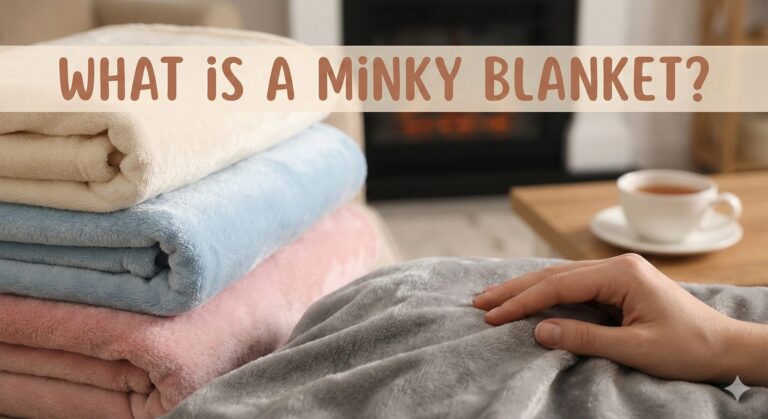
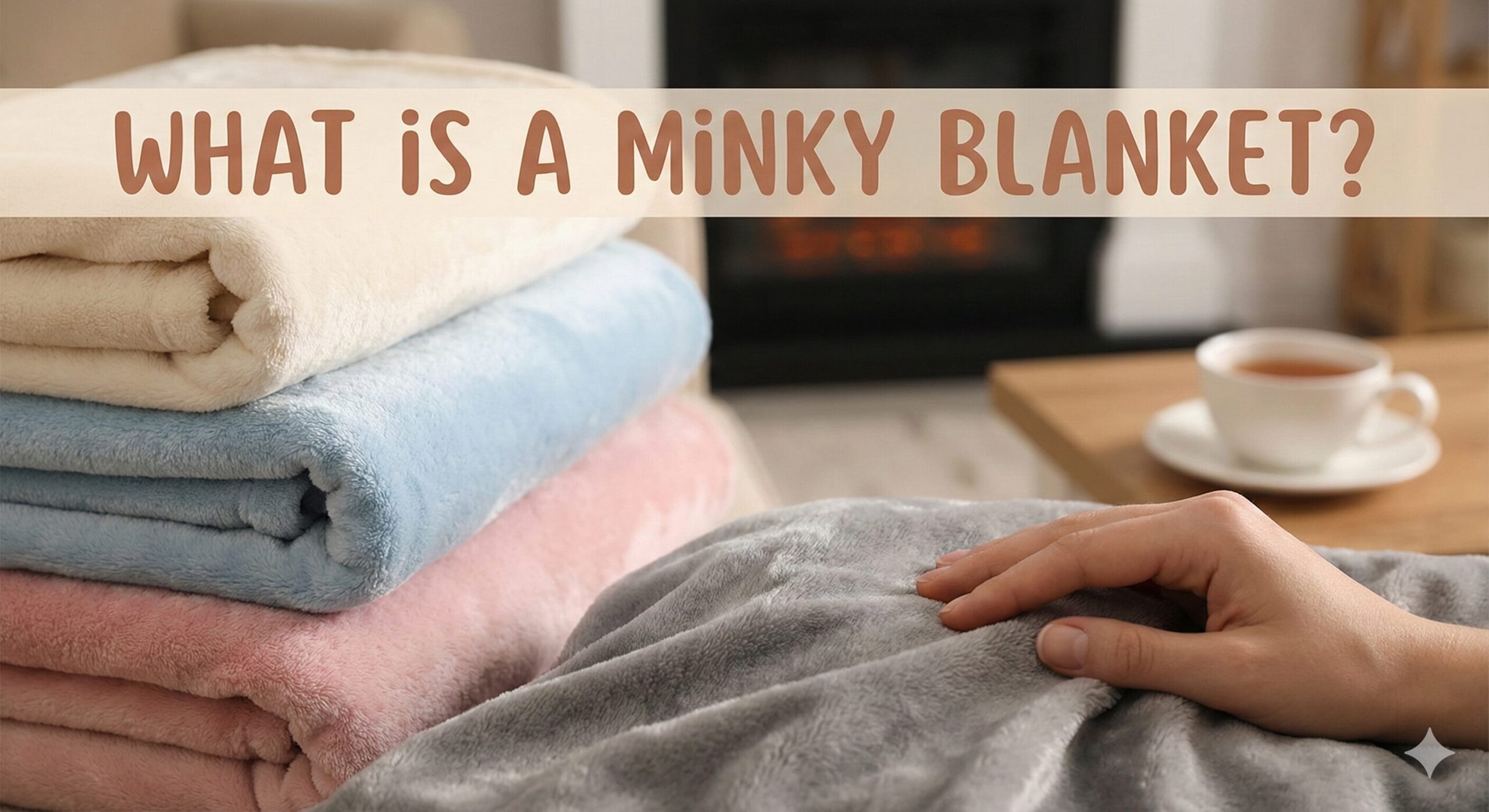
What is a Minky Blanket? The Ultimate Guide to the Softest Fabric on Earth
If you have ever touched a baby blanket that felt like silky clouds or petted a high-end throw that was impossibly soft, chances are you were touching Minky. Minky blankets have exploded in popularity, transitioning from a niche baby shower gift to a must-have luxury item for adults.
But what is it, exactly? Is it real fur? (No). Is it hard to wash? (Sometimes). In this comprehensive guide, we will break down everything you need to know about Minky fabric, from how it is made to how to keep it soft for years to come. Whether you are a first-time buyer, a parent shopping for a baby blanket, or someone looking to upgrade your couch throw, this guide covers it all.
Quick Decision: Is Minky Right For You?
Short on time? Here is the cheat sheet to determine if this is the right blanket for your home:
- Best For: People who crave texture. If you love petting soft things, sensory blankets, or need a gift for a new baby, Minky is the gold standard.
- Avoid If: You overheat easily (it is very warm because it is polyester) or if you refuse to follow strict laundry rules. One hot wash cycle can ruin it forever.
- The Touch Test: Minky feels like a mix between cashmere and mink fur, but it is 100% synthetic and vegan.
- Budget Reality: Quality Minky costs more than standard fleece but lasts significantly longer when properly maintained.
- Year-Round Use: Best suited for fall and winter. If you are a hot sleeper, use it as a decorative throw or lightweight layer rather than your primary blanket.
What Exactly is Minky Fabric?
Despite the name, Minky fabric has nothing to do with the mink animal. It is a special type of plush fabric made from 100% polyester fibers. It is technically a variety of fleece, but it is processed differently to achieve a much softer, silkier texture.
The secret lies in the microfiber technology. Minky is knitted, allowing for a slight stretch, and the fibers are cut to a specific pile height (length). High-quality Minky (often called “Cuddle” fabric) has a density that prevents you from seeing the mesh backing when you brush the fibers apart.
It was originally developed for baby blankets due to its extreme softness and durability, but adults quickly realized they wanted in on the comfort, leading to the rise of adult-sized “monster” minky throws.
The Science Behind the Softness
Minky fabric achieves its signature feel through a process called microfiber engineering. Each individual polyester fiber is split into extremely thin strands, sometimes as fine as 1/100th the diameter of a human hair. These ultra-fine fibers are then knitted into a base fabric and sheared to create a uniform pile. The result is a fabric that traps air between the fibers, creating insulation while remaining incredibly soft to the touch.
The pile height of Minky typically ranges from 1mm to 6mm, with most commercial blankets using a 3mm to 4mm pile. The density of the fibers per square inch is what separates premium Minky from cheap alternatives. Premium Minky contains approximately 300 to 400 grams of fiber per square meter, while budget versions may contain as little as 180 grams.
Minky vs Regular Polyester Fleece
While both Minky and standard fleece are made from polyester, the manufacturing process is fundamentally different. Regular fleece is brushed mechanically to raise fibers from a woven base, creating a fuzzy surface. Minky, on the other hand, uses a knitting process that creates loops, which are then sheared to produce a denser, more uniform pile. This knitting technique gives Minky its characteristic stretch and drape that standard fleece lacks.
The difference is immediately noticeable when you touch both fabrics side by side. Standard fleece feels warm and fuzzy, while Minky feels silky, cool, and almost wet to the touch. This “wet silk” sensation is the hallmark of genuine high-quality Minky fabric.
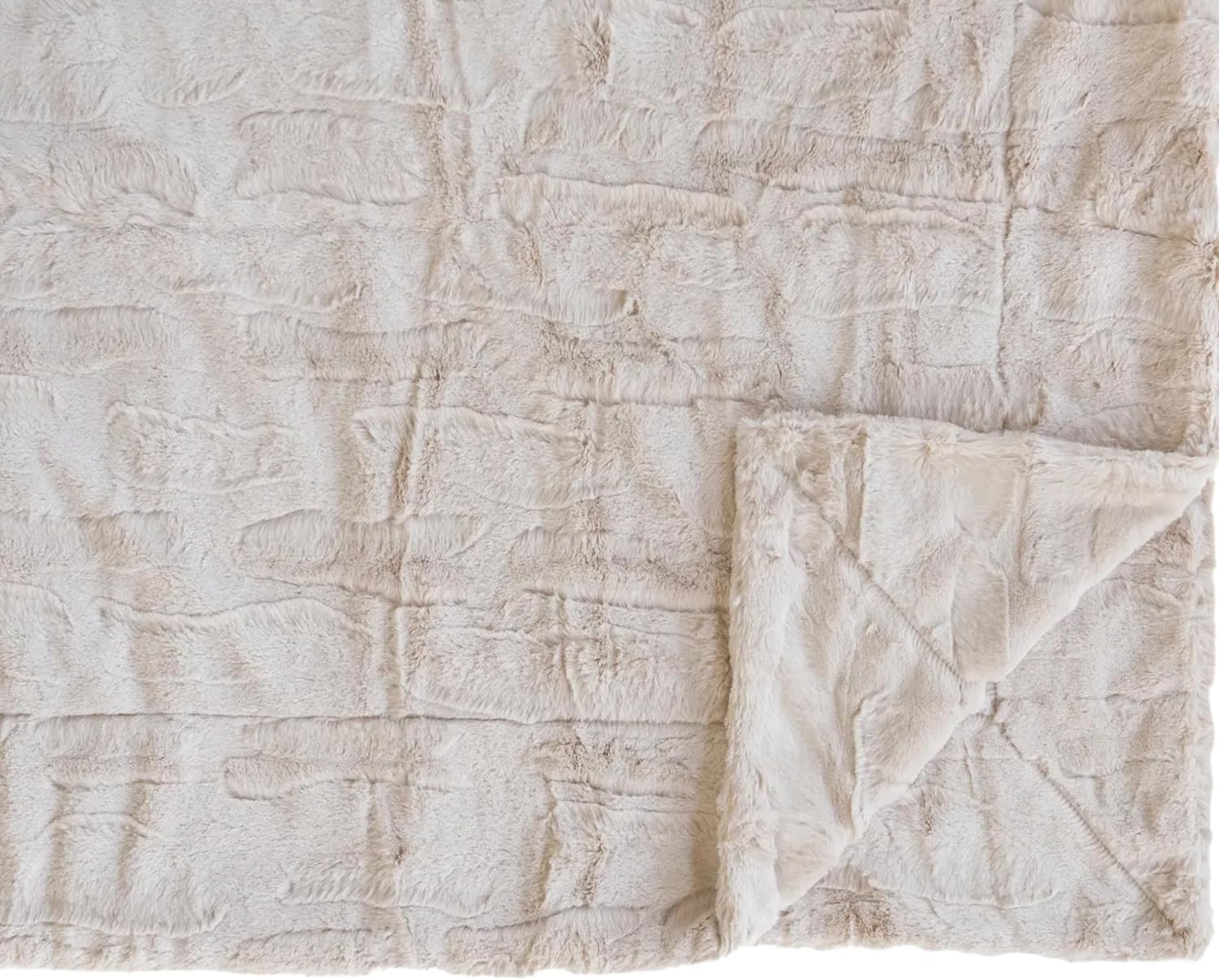
Experience the Hugging Sensation: The Minky Couture Premium Blanket is the gold standard for adult-sized luxury softness.
Check Price on AmazonHistory and Origins of Minky Fabric
The story of Minky fabric begins in the textile mills of Asia during the late 1980s. Japanese textile engineers were experimenting with new ways to create ultra-soft synthetic fabrics that could replicate the feel of natural fur without using animal products. The result was a new category of plush fabric that would eventually become known as Minky.
The Name “Minky”
The name “Minky” was coined by American fabric distributors in the early 1990s who wanted to market the fabric as a cruelty-free alternative to real mink fur. The name was a clever marketing choice: it evoked the luxurious softness of mink while clearly signaling that no animals were involved. The trademark “Minky” is actually owned by a specific fabric manufacturer, which is why you sometimes see the fabric referred to as “minky-style” or “plush microfiber” from other producers.
Rise in Popularity
Minky fabric first gained widespread popularity in the quilting community during the mid-1990s. Quilters discovered that Minky made an incredibly soft backing for quilts, and the fabric quickly became a favorite for baby blankets. The tactile qualities of Minky made it particularly appealing for infant products, as babies respond strongly to soft textures.
By the early 2000s, Minky had expanded beyond quilting and baby products into the broader home textile market. Companies began producing full-sized Minky blankets, throws, and even bedding sets. The fabric gained a devoted following among people with sensory processing disorders, anxiety, and autism spectrum conditions, who found the texture deeply calming.
Today, Minky is a multi-billion dollar segment of the global plush fabric market. It is sold in every major fabric retailer, online marketplace, and home goods store. The fabric continues to evolve, with new textures, patterns, and blends being developed regularly. Some manufacturers now offer Minky blended with bamboo viscose, cotton, or even cashmere for enhanced properties.
How Minky Fabric is Manufactured
Understanding how Minky is made helps you appreciate why quality varies so dramatically between brands and why premium Minky costs more. The manufacturing process is more complex than standard fleece production.
- Fiber Production: The process begins with raw polyester pellets that are melted and extruded through spinnerets to create ultra-fine filaments. These filaments are drawn (stretched) to align the polymer chains, increasing strength and softness. The filaments are then split into microfibers, each measuring less than 1 denier (approximately 0.01mm in diameter).
- Yarn Spinning: The microfibers are spun into yarn using a high-twist process that bundles thousands of filaments together. The yarn is then heat-set to stabilize its structure and ensure consistent performance during the knitting process.
- Knitting: Unlike regular fleece which is woven, Minky is knitted on circular or warp knitting machines. The knitting process creates a base fabric with loops on one side. The density of the knit determines the final density of the pile. Premium Minky uses a tighter knit with more loops per square inch.
- Dyeing: The fabric is dyed using a disperse dye process, which bonds color molecules to the polyester fibers at high temperatures. This creates fade-resistant colors that maintain vibrancy through hundreds of washes. Some manufacturers use digital printing for patterned Minky, which allows for more detailed and varied designs.
- Napping and Shearing: The knitted fabric passes through napping machines with rotating wire brushes that lift and separate the fibers, creating the plush pile. The fabric is then sheared to a uniform height using precision blades. Multiple passes through napping and shearing create a denser, more luxurious pile.
- Embossing (for Dotted Minky): For Minky Dot fabric, the sheared fabric passes through heated embossing rollers that press the characteristic raised dots into the pile. The heat and pressure permanently reshape the fibers, creating the textured pattern that is both decorative and tactile.
- Quality Control: The finished fabric is inspected for pile density, color consistency, texture uniformity, and any defects. Premium manufacturers perform additional tests for colorfastness, shrinkage, and pilling resistance before the fabric is rolled, packaged, and shipped to customers.
Quality Tip
The best way to assess Minky quality in person is the “brush test.” Use your fingers to brush the pile against the grain. If you can see the mesh backing through the fibers, it is lower-quality Minky with insufficient pile density. Premium Minky should maintain full coverage regardless of how you brush it.
Different Types of Minky
Not all Minky looks the same. The manufacturing process allows for various textures and patterns pressed directly into the fibers. Understanding the different types helps you choose the right Minky for your specific needs.
Minky Dot (Dimple)
The most recognizable type of Minky. It has raised “dots” embossed into the fabric, typically arranged in a uniform grid pattern. The dots are approximately 1cm in diameter and rise 2-3mm above the base pile. Minky Dot is incredibly popular for sensory stimulation, baby blankets, and nursery decor. The raised texture provides tactile feedback that many people find soothing.
Smooth Minky
A flat, uniform pile that is incredibly shiny and silky. Smooth Minky has the highest sheen of all Minky types and feels like liquid silk when you run your hand across it. Often used for quilt backings, it provides a luxurious contrast to the textured tops of quilts. Smooth Minky is also popular for clothing linings and loungewear.
Rose Swirl Minky
The fibers are longer and swirled into a pattern that looks like roses or spirals. This type is thicker and more luxurious than smooth Minky, with pile heights ranging from 4mm to 6mm. Rose Swirl Minky creates a dramatic visual effect and is often used for decorative throws, pillows, and high-end baby blankets.
Print Minky
Smooth Minky with designs printed on it using digital or sublimation printing. Common prints include animals, geometric shapes, florals, and seasonal motifs. Print Minky maintains the same softness as smooth Minky while adding visual interest. The printing process uses heat transfer, which bonds the ink to the polyester fibers for long-lasting color.
Curry Combed Minky
A less common type where the pile is combed in specific directions to create a two-tone effect. When you brush the pile one direction, it appears lighter; brushing the other direction reveals a darker shade. This creates a dynamic, almost holographic appearance that changes with the light and viewing angle.
Swirl Dot Minky
A combination of rose swirl and dot patterns, creating a textured surface with both raised dots and swirl patterns. This hybrid type offers enhanced tactile stimulation and is popular for sensory blankets and weighted blankets.
Crinkle Minky
A textured Minky with a deliberately wrinkled or crinkled appearance. The crinkle effect is permanent and does not wash out. Crinkle Minky is often used for baby blankets because the texture provides additional sensory input, and many babies find the crinkly sound soothing.
Bone Minky
Features a pattern of raised bone-shaped shapes, popular for pet blankets and dog beds. The raised pattern provides massage-like stimulation for pets while adding visual appeal.
Minky Blanket Sizes and Dimensions
Choosing the right Minky blanket size depends on how you plan to use it. Below is a comprehensive size guide covering everything from baby receiving blankets to king-sized bed covers.
Receiving Blanket
The smallest standard Minky size. Perfect for swaddling newborns, using as a stroller cover, or as a play mat for tummy time. This size fits easily in a diaper bag and is ideal for on-the-go parents.
Stroller Blanket
Slightly longer than a receiving blanket, this size works well for covering a baby in a stroller or car seat. It provides enough coverage without being too bulky to fold and store.
Baby Blanket
The classic baby blanket size, large enough to use in a crib (for babies over 12 months), as a tummy time mat, or as a toddler blanket. This is the most popular size for baby shower gifts.
Throw / Lap Blanket
The most versatile Minky size. Large enough to cover one adult on the couch, but not so large that it overwhelms a chair. Perfect for movie nights, reading, or keeping warm at a desk. This is the bestselling Minky size for adults.
Twin / Single
Fits a standard twin bed with a 12-inch drop on each side. Ideal for kids’ rooms, dorm rooms, or single sleepers. This size provides full bed coverage without excessive overhang.
Full / Double
Fits a standard full-size bed. Provides moderate coverage on the sides and is suitable for single adults who want a more generous blanket or couples who do not mind sharing closely.
Queen
Fits a standard queen bed with adequate drop on the sides. This is the most popular size for couples and provides comfortable coverage for two adults. Popular as a bedspread or top layer.
King / California King
The largest standard Minky size. Designed for king and California king beds, providing generous coverage with a substantial drop on all sides. Some manufacturers offer oversized king Minky blankets at 120″ x 100″ for extra-long beds or those who prefer maximum coverage.
Sizing Consideration
When choosing a Minky blanket size, consider that Minky has a slight stretch due to its knitted construction. A throw-sized Minky blanket may stretch an additional 2-3 inches in both directions after the first few uses. Factor this into your size selection, especially if you need a precise fit for a specific application.
Minky Weight, GSM, and Pile Height
Understanding Minky weight specifications helps you choose the right blanket for your needs. Weight affects warmth, drape, and overall feel.
What is GSM?
GSM stands for Grams per Square Meter and measures the density of the fabric. It is the most reliable indicator of Minky quality and warmth. Higher GSM means more fiber per square inch, resulting in a denser, warmer, and more luxurious blanket.
| GSM Range | Quality Level | Typical Use | Warmth Level | Price Range |
|---|---|---|---|---|
| 180-220 GSM | Budget / Light | Light throws, summer blankets | Light | $15-30 |
| 220-280 GSM | Standard | Everyday throws, baby blankets | Moderate | $30-60 |
| 280-350 GSM | Premium | Luxury throws, bed blankets | Warm | $60-120 |
| 350-400+ GSM | Ultra-Premium | High-end throws, heavy bed covers | Very Warm | $120-300+ |
Pile Height Explained
Pile height refers to the length of the individual fibers standing up from the base fabric. It directly affects the texture and warmth of the Minky.
- Short Pile (1-2mm): Very flat and silky. Found in smooth Minky and is ideal for quilt backings where you want minimal bulk. Feels cool to the touch and has a satin-like sheen.
- Medium Pile (3-4mm): The most common pile height for commercial Minky blankets. Provides a good balance of softness, warmth, and durability. This is what you will find in most mid-range Minky products.
- Long Pile (5-6mm): Creates a plush, fur-like appearance. Found in Rose Swirl and some premium Minky products. Provides maximum warmth and a luxurious, dramatic look. Longer pile requires more careful maintenance.
- Extra-Long Pile (7mm+): Rare and found only in specialty or artisanal Minky products. Creates an almost fur-like appearance with extreme plushness. Requires delicate care and is not suitable for heavy use.
How Weight Affects Feel
The relationship between weight and feel is not always intuitive. A heavier Minky blanket is not necessarily softer. Some lightweight Minky with high-quality microfibers can feel softer than a heavier blanket made with lower-grade fibers. The key factors affecting softness are fiber diameter, fiber density, and pile height.
For a weighted Minky blanket, the total weight includes both the Minky cover and the internal weighting material (usually glass beads or plastic pellets). A typical weighted Minky blanket weighs between 5 and 20 pounds, with the most popular weight being 15 pounds for adults. For more information on weighted blankets, check our guide on how to wash a weighted blanket.
Minky vs Fleece vs Sherpa
It is easy to get confused between these synthetic fabrics. Here is how Minky stacks up against its cousins.
| Feature | Minky | Standard Fleece | Sherpa |
|---|---|---|---|
| Texture | Silky, slick, plush | Matte, wool-like feel | Fluffy, sheep-like texture |
| Sheen | High Sheen (Shiny) | Low Sheen (Dull) | No Sheen |
| One-Sided? | Yes (Single-sided) | Usually double-sided | Single-sided |
| Warmth | High | Moderate | Very High |
| Durability | Excellent (if washed cold) | Good (prone to pilling) | Moderate (mats over time) |
| Weight | Moderate to Heavy | Light to Moderate | Heavy |
| Stretch | Good (knitted) | Moderate (woven) | Low to Moderate |
| Price | Higher | Budget-friendly | Moderate |
For a deeper dive into the specific differences regarding warmth and weight, check out our guide on Minky vs Fleece differences. If you prefer the rugged, wooly look, you might want to learn what is a sherpa blanket instead.
Minky vs Other Popular Blanket Fabrics
Beyond fleece and Sherpa, there are several other blanket materials worth comparing to Minky. Each has its own strengths and weaknesses.
Minky vs Microfiber
Microfiber is a broader category that includes Minky, but most “microfiber blankets” refer to a different construction. Standard microfiber blankets use a flat weave without raised pile. They are lighter, less expensive, and easier to wash, but they lack the plush texture and warmth of Minky. Microfiber is better for warm climates or as a lightweight travel blanket, while Minky excels in cold weather and sensory applications.
Verdict: Choose Minky for texture and warmth; choose microfiber for lightweight convenience and budget.
Minky vs Chenille
Chenille is a woven fabric with a fuzzy, caterpillar-like texture. It is softer than standard cotton but not as silky as Minky. Chenille has a more matte appearance and a thicker, more substantial feel. It drapes beautifully and is often used for throw blankets and upholstery. Chenille is more breathable than Minky and works well in three-season use. However, it is more prone to pilling and shedding over time.
Verdict: Choose Minky for silky softness; choose chenille for a more substantial, matte texture.
Minky vs Cotton
Cotton blankets are natural, breathable, and easy to care for. They are cooler than Minky and work well in warm weather. Cotton is hypoallergenic and gets softer with each wash, but it never reaches the plush softness of Minky. Cotton blankets are heavier per unit of warmth compared to Minky, as polyester traps heat more efficiently. For eco-conscious buyers, cotton is biodegradable while polyester is not.
Verdict: Choose Minky for plush softness and warmth; choose cotton for breathability and easy care.
Minky vs Faux Fur
Faux fur is designed to replicate the look and feel of real animal fur. It is typically heavier and denser than Minky, with longer pile that creates a more dramatic visual effect. Faux fur is warmer than Minky but less practical for everyday use due to its bulk. It is best used as a decorative throw rather than an everyday blanket. Minky is more versatile and easier to care for than faux fur.
Verdict: Choose Minky for everyday use; choose faux fur for decorative impact and maximum warmth.
Minky vs Bamboo Viscose
Bamboo viscose is a natural fiber known for its cooling properties and silky feel. It is more breathable than Minky and naturally hypoallergenic. Bamboo blankets are ideal for hot sleepers and summer use. However, bamboo is less warm than Minky and does not have the same plush, fuzzy texture. Bamboo is also more expensive than Minky and requires more careful washing. Some manufacturers now offer bamboo-Minky blends that combine the breathability of bamboo with the plushness of Minky.
Verdict: Choose Minky for plush warmth; choose bamboo for cooling and breathability.
Minky vs Cashmere
Cashmere is a natural luxury fiber from goats, prized for its incredible softness and lightweight warmth. Real cashmere is significantly softer than Minky and lighter per unit of warmth. However, cashmere is extremely expensive (a quality cashmere throw costs $200-500+) and requires delicate hand washing. Minky provides a similar softness at a fraction of the cost and is more durable for everyday use. For budget-conscious buyers who want a cashmere-like experience, premium Minky is an excellent alternative.
Verdict: Choose cashmere for ultimate luxury; choose Minky for similar softness at a practical price.
Minky vs Velvet
Velvet is a woven fabric with a dense, short pile that creates a luxurious sheen. It is stiffer and heavier than Minky, with less stretch and drape. Velvet is more formal in appearance and is often used for upholstery and high-end home decor. Minky is softer, more flexible, and more casual than velvet. Velvet is also more prone to crushing and marking, while Minky maintains its pile better with regular use.
Verdict: Choose Minky for casual comfort; choose velvet for formal elegance.
Minky vs Plush (Generic)
The term “plush” is used broadly for any soft, fuzzy fabric. Generic plush blankets are usually made from lower-grade polyester with less dense pile than Minky. They feel soft initially but tend to mat and flatten quickly. Minky uses higher-quality microfibers and tighter construction, resulting in better longevity and a more consistent feel over time. When shopping, look for specific “Minky” labeling rather than generic “plush” to ensure quality.
Verdict: Choose Minky for lasting quality; generic plush is a budget option with shorter lifespan.
Pros & Cons of Minky
The Good
- Unmatched Softness: It is widely considered the softest synthetic fabric available.
- Durable: It does not fade or shrink over time if cared for properly.
- Sensory Benefits: The dot textures are excellent for soothing anxiety or helping babies sleep.
- Warmth: Being 100% polyester, it retains heat very well.
- Color Retention: Minky holds dye exceptionally well, maintaining vibrant colors through hundreds of washes.
- Quick Drying: Polyester fibers dry faster than natural fibers, reducing drying time.
- Wrinkle Resistant: Minky naturally resists wrinkles and does not require ironing.
- Anti-Pilling: Quality Minky resists pilling better than standard fleece.
The Bad
- Heat Sensitive: Heat destroys the fibers. No ironing, no hot water.
- Cost: True high-quality Minky is significantly more expensive than standard fleece.
- Shedding (Sewing): If you are making your own, cutting Minky creates a snowstorm of fluff.
- Static: Like most synthetics, it can generate static electricity in dry winters.
- Not Breathable: Being polyester, it does not breathe as well as natural fibers.
- Single-Sided: Most Minky has the plush texture on one side only.
- Pet Hair Magnet: The plush texture attracts and holds pet hair, requiring frequent cleaning.
- Potential for Matting: Lower-quality Minky can mat and flatten over time with heavy use.
Sensory and Therapeutic Benefits of Minky
One of the most significant advantages of Minky blankets is their therapeutic value. The unique texture of Minky fabric provides measurable sensory benefits that have been recognized by occupational therapists, psychologists, and special needs educators.
Anxiety and Stress Relief
The act of stroking a soft, textured surface like Minky activates the parasympathetic nervous system, which promotes relaxation and reduces stress hormones. Studies on tactile stimulation have shown that repetitive touching of soft textures can lower cortisol levels, reduce heart rate, and promote a sense of calm. This is why Minky blankets are frequently recommended for anxiety management.
The raised dots on Minky Dot fabric provide particularly effective sensory input. The rhythmic motion of running fingers over the dots creates a meditative focus that can interrupt anxious thought patterns. Many people with generalized anxiety disorder report that a Minky blanket helps them fall asleep faster and stay asleep longer.
Autism Spectrum and Sensory Processing
Children and adults with autism spectrum disorder (ASD) often have unique sensory needs. Some are hypersensitive to certain textures, while others are hyposensitive and seek out strong tactile input. Minky fabric is particularly well-suited for sensory regulation because:
- The consistent, predictable texture provides reliable sensory input without unexpected variations.
- The softness is gentle enough for hypersensitive individuals who cannot tolerate rough textures.
- The raised dots provide deep pressure stimulation similar to a weighted blanket but in a lighter, more portable form.
- The visual appeal of the shiny, plush surface provides additional sensory engagement.
Occupational therapists often recommend Minky blankets as part of a sensory diet, a prescribed routine of sensory activities designed to help individuals maintain optimal arousal levels throughout the day. A Minky blanket on a couch or bed provides a readily available source of calming sensory input.
ADHD and Focus
People with ADHD often benefit from fidget tools and sensory objects that help maintain focus during tasks that require sustained attention. A Minky blanket or Minky-textured fidget pad can provide subtle tactile stimulation that helps regulate attention without causing distraction. The key is that the texture is familiar and predictable, allowing the brain to process it in the background while focusing on the primary task.
Pediatric Use
Babies and toddlers are naturally drawn to soft textures, and Minky provides an ideal sensory experience for developing minds. The different textures available (dots, swirls, smooth) offer varied tactile input that supports sensory development. Minky blankets are commonly used in pediatric therapy settings for:
- Tummy time mats with different Minky textures to encourage reaching and exploration.
- Comfort objects for children undergoing medical procedures.
- Sensory integration activities for children with developmental delays.
- Calming tools for children with emotional regulation challenges.
Sleep Quality
The tactile comfort of Minky fabric can significantly improve sleep quality. The softness reduces the physical discomfort that can keep people awake, while the warmth helps maintain optimal body temperature for sleep onset. For people who struggle with racing thoughts at bedtime, the repetitive motion of stroking a Minky blanket can serve as a sleep ritual that signals to the brain that it is time to rest.
Therapist Recommended
Many occupational therapists recommend Minky blankets for sensory regulation. If you or your child has specific sensory needs, consult with a licensed OT to determine the best Minky texture and weight for your situation.
Minky Blankets for Babies and Newborns
Minky blankets have become the go-to choice for baby blankets, and for good reason. The fabric offers an ideal combination of softness, warmth, durability, and safety that makes it perfect for infants.
Why Minky is Perfect for Babies
Babies have extremely sensitive skin that is more prone to irritation than adult skin. Minky fabric is hypoallergenic, meaning it is unlikely to cause allergic reactions or skin irritation. The smooth fibers do not have the rough edges that can scratch delicate skin, and the synthetic material does not harbor dust mites or other allergens the way natural fibers can.
The durability of Minky is another key advantage for baby products. Babies spit up, drool, and make messes that require frequent washing. Minky maintains its softness and appearance through hundreds of wash cycles, unlike cotton or fleece which can become rough or pilled over time.
Safe Sleep Considerations
While Minky blankets are soft and comfortable, it is critical to follow safe sleep guidelines for infants. The American Academy of Pediatrics (AAP) recommends that babies under 12 months should not have loose blankets in their sleep space due to the risk of suffocation. Instead, use Minky blankets for:
- Tummy time on the floor (supervised)
- Stroller or car seat covers
- Swaddling (for newborns, using a proper swaddling technique)
- Comfort objects for babies over 12 months
- Nursery decor and photo props
For older babies and toddlers, Minky blankets make excellent comfort objects. The soft texture provides security and can help with the transition to independent sleeping. Many parents report that their toddlers form strong attachments to specific Minky blankets, using them as a transitional object similar to a security blanket.
Minky for Baby Shower Gifts
A Minky blanket is one of the most appreciated baby shower gifts you can give. Unlike clothing that babies quickly outgrow, a quality Minky blanket can be used for years. It transitions from a swaddling blanket to a stroller cover to a toddler comfort blanket, making it a gift that keeps on giving.
When choosing a Minky baby blanket as a gift, consider the following:
- Size: A 30″ x 40″ stroller blanket is the most versatile choice.
- Texture: Minky Dot is最受欢迎 for babies due to its sensory benefits.
- Color: Neutral colors (gray, white, cream) work for both boys and girls.
- Quality: Look for brands known for quality, such as Hudson Baby, Minky Couture, or Shannon Fabrics.
Minky Blankets for Adults
While Minky started as a baby fabric, adult-sized Minky blankets have become enormously popular. There is something universally appealing about wrapping yourself in the softest fabric on earth, regardless of age.
Why Adults Love Minky
Adults are drawn to Minky for several reasons beyond simple softness. The fabric provides a form of tactile comfort that many adults find lacking in their daily lives. In a world of screens and hard surfaces, the plush softness of Minky provides a sensory reset that promotes relaxation and well-being.
Many adults also appreciate the aesthetic qualities of Minky. The fabric has a luxurious sheen and drape that elevates the look of any room. A well-chosen Minky throw can make a couch look more inviting and add a touch of luxury to a bedroom.
Best Uses for Adult Minky Blankets
- Couch Throw: A 50″ x 60″ Minky throw is perfect for snuggling on the couch during movie nights. The softness encourages relaxation and makes the couch feel more inviting.
- Bed Blanket: A queen or king-sized Minky blanket provides warmth and luxury to any bed. It can be used as a top layer over sheets or as the primary blanket in cooler months.
- Reading Blanket: For book lovers, a Minky throw provides the perfect cozy companion for long reading sessions. The softness reduces physical discomfort and helps create a dedicated reading atmosphere.
- Office Blanket: A small Minky throw at your desk provides warmth during cold office days and can serve as a quick nap blanket during breaks.
- Meditation Blanket: The calming texture of Minky makes it an excellent companion for meditation practice. The softness promotes relaxation and can help ground you during mindfulness exercises.
Minky for Couples
A queen or king-sized Minky blanket can enhance couple time. The shared warmth and softness create a cozy atmosphere for watching movies, talking, or simply relaxing together. Some couples find that a Minky blanket becomes a ritual object, associated with quality time together.
For couples who disagree on temperature, Minky offers a compromise: one partner can be covered while the other remains uncovered, and the Minky blanket retains heat efficiently enough to keep the covered partner warm without overheating the uncovered partner.
Minky Blankets for Your Home
Beyond personal use, Minky blankets can enhance the comfort and appearance of your living spaces. Here is how to incorporate Minky into different rooms.
Living Room
A Minky throw draped over a couch or armchair instantly signals comfort and invitation. The plush texture contrasts beautifully with leather, wood, and metal furniture, softening hard lines and making the space feel more welcoming. Consider using Minky throws in coordinating colors to tie together your living room decor.
For homes with pets, Minky throws can serve a dual purpose: protecting your furniture from pet hair and providing a comfortable spot for your furry friends. Choose a Minky throw in a color that matches your pet to minimize the appearance of shed hair.
Bedroom
Minky blankets work beautifully as decorative bed throws, adding color, texture, and warmth to your bedroom. A Minky throw at the foot of the bed creates a layered, luxurious look that elevates your bedroom decor. For maximum impact, choose a Minky blanket that complements your existing bedding color scheme.
Minky blankets are also excellent for guest rooms. The universal appeal of the softness ensures that any guest will appreciate the comfort, regardless of their personal bedding preferences.
Nursery
Minky is the quintessential nursery fabric. Its softness, warmth, and washability make it ideal for the demands of a baby environment. Use Minky for crib sheets, changing pad covers, nursing pillows, and decorative wall hangings. The wide range of available colors and patterns allows you to create a cohesive, beautiful nursery theme.
Home Office
A small Minky throw at your desk provides warmth during cold workdays and can serve as a quick comfort tool during stressful moments. The tactile stimulation of stroking a Minky blanket can help manage work-related anxiety and promote focus.
Three-Season Porch or Sunroom
Minky blankets are perfect for cool evenings on a porch or sunroom. They provide warmth without the bulk of heavy winter blankets, making them ideal for transitional weather. Keep a basket of Minky throws near outdoor seating for easy access.
Minky Blankets for Travel
Minky blankets are surprisingly effective travel companions, despite being slightly bulkier than dedicated travel blankets. Here is why they work and how to use them on the go.
Airplane Travel
Airlines are notorious for providing thin, scratchy blankets that do little to combat the freezing cabin air. A compact Minky throw folded into a carry-on bag provides dramatically better comfort. The 50″ x 60″ throw size is large enough to cover your upper body while fitting in most carry-on bags when rolled tightly.
For long-haul flights, the sensory comfort of Minky can help with relaxation and sleep. The familiar softness creates a sense of home that can reduce travel anxiety. Many frequent flyers report that bringing their own Minky blanket has transformed their flying experience.
Road Trips
Minky blankets are ideal for road trips, providing comfort for passengers during long drives. The softness makes rest stops more comfortable, and the warmth is welcome during early morning or late evening travel. A Minky throw also serves as an emergency pillow when rolled up, adding versatility to your travel kit.
Hotel Stays
If you are particular about the feel of your bedding, a Minky throw ensures you have a familiar, comfortable blanket wherever you stay. The compact size fits easily in luggage, and the polyester material resists wrinkles, so it looks fresh even after being packed.
Camping and Outdoor Events
While not waterproof, Minky blankets are excellent for cool evenings around a campfire or outdoor concerts. The warmth-to-weight ratio makes them practical for backpacking, and the comfort is unmatched by standard camping blankets. For outdoor use, consider a Minky blanket in a darker color that hides dirt and stains.
Travel Tip
When traveling with a Minky blanket, roll it rather than folding it to minimize wrinkles and save space. Place it in a large ziplock bag to protect it from dirt and moisture during transit.
Minky Blankets for Pets
Pets love Minky as much as humans do. The soft, warm texture makes it a favorite resting spot for dogs, cats, and other furry companions. Here is what you need to know about using Minky for pets.
Why Pets Love Minky
The warmth and softness of Minky mimic the feeling of nesting with other animals. Dogs and cats are instinctively drawn to soft, warm surfaces for sleeping, and Minky provides an ideal nesting material. The plush texture also provides cushioning for joints, which is particularly beneficial for older pets with arthritis.
Choosing Minky for Pets
When selecting a Minky blanket for pet use, consider the following:
- Durability: Choose a heavier-weight Minky (280+ GSM) that can withstand claws and repeated washing.
- Color: Select a color that matches your pet to minimize the appearance of shed fur.
- Size: A 50″ x 60″ throw works well for most dogs and cats. Larger breeds may need a twin-sized blanket.
- Texture: Smooth Minky is easier to clean than dotted or swirled varieties, as pet hair releases more easily from flat surfaces.
Pet Hair Management
The biggest challenge with Minky pet blankets is hair accumulation. Fortunately, polyester Minky is relatively easy to clean:
- Use a lint roller before washing to remove loose hair.
- Wash on a delicate cycle with cold water and mild detergent.
- Use a pet hair catching laundry ball in the wash cycle.
- Air dry when possible to prevent hair from baking into the fibers.
Many pet owners designate specific Minky blankets as pet blankets, keeping human-use blankets separate. This extends the life of your human blankets while still providing your pets with luxury comfort.
Minky Pet Beds
Several manufacturers now offer Minky-covered pet beds that combine the comfort of Minky with supportive foam or filling. These beds are particularly beneficial for senior pets, pets recovering from surgery, or breeds prone to joint issues. The Minky cover is typically removable and machine washable, making maintenance easy.
Top Minky Blanket Brands Reviewed
Not all Minky blankets are created equal. Here is an overview of the most popular Minky brands and what they offer.
Minky Couture
Known for: Premium adult-sized Minky throws and blankets. They use high-GSM Minky with excellent pile density and a wide range of colors and textures. Their blankets are often considered the gold standard for Minky quality.
Best for: Adults looking for luxury throws. Their products are heavier and more substantial than budget alternatives.
Price Range: $60-150 depending on size and texture.
Hudson Baby
Known for: Affordable, high-quality baby Minky blankets. Hudson Baby offers classic Minky Dot blankets in a wide range of colors and prints. Their products are a baby shower favorite due to the excellent quality-to-price ratio.
Best for: Baby shower gifts and nursery blankets. Consistent quality at a reasonable price point.
Price Range: $15-30.
Shannon Fabrics
Known for: The original Minky fabric manufacturer. Shannon produces the “Cuddle” brand of Minky fabric that is used by many other blanket manufacturers. Their fabric is available by the yard for DIY projects.
Best for: DIY sewers and quilters who want to make their own Minky blankets. Also supplies fabric to many major retailers.
Price Range: $15-25 per yard depending on type.
Burt’s Bees Baby
Known for: Organic and natural baby products with Minky options. Their Minky blankets combine the softness of Minky with the brand’s commitment to natural materials.
Best for: Parents who prioritize organic and natural materials. Slightly higher price point reflects the organic positioning.
Price Range: $20-40.
Aden + Anais
Known for: Premium muslin and Minky baby products. While primarily known for muslin, their Minky offerings combine both fabrics for unique textured blankets.
Best for: Parents who want designer baby blankets. High-quality construction and stylish designs.
Price Range: $30-60.
Bedsure
Known for: Budget-friendly Minky and Minky-style blankets available in a wide range of sizes. While not as premium as Minky Couture, Bedsure offers solid quality at accessible prices.
Best for: Budget-conscious shoppers who want Minky softness without the premium price tag.
Price Range: $20-60 depending on size.
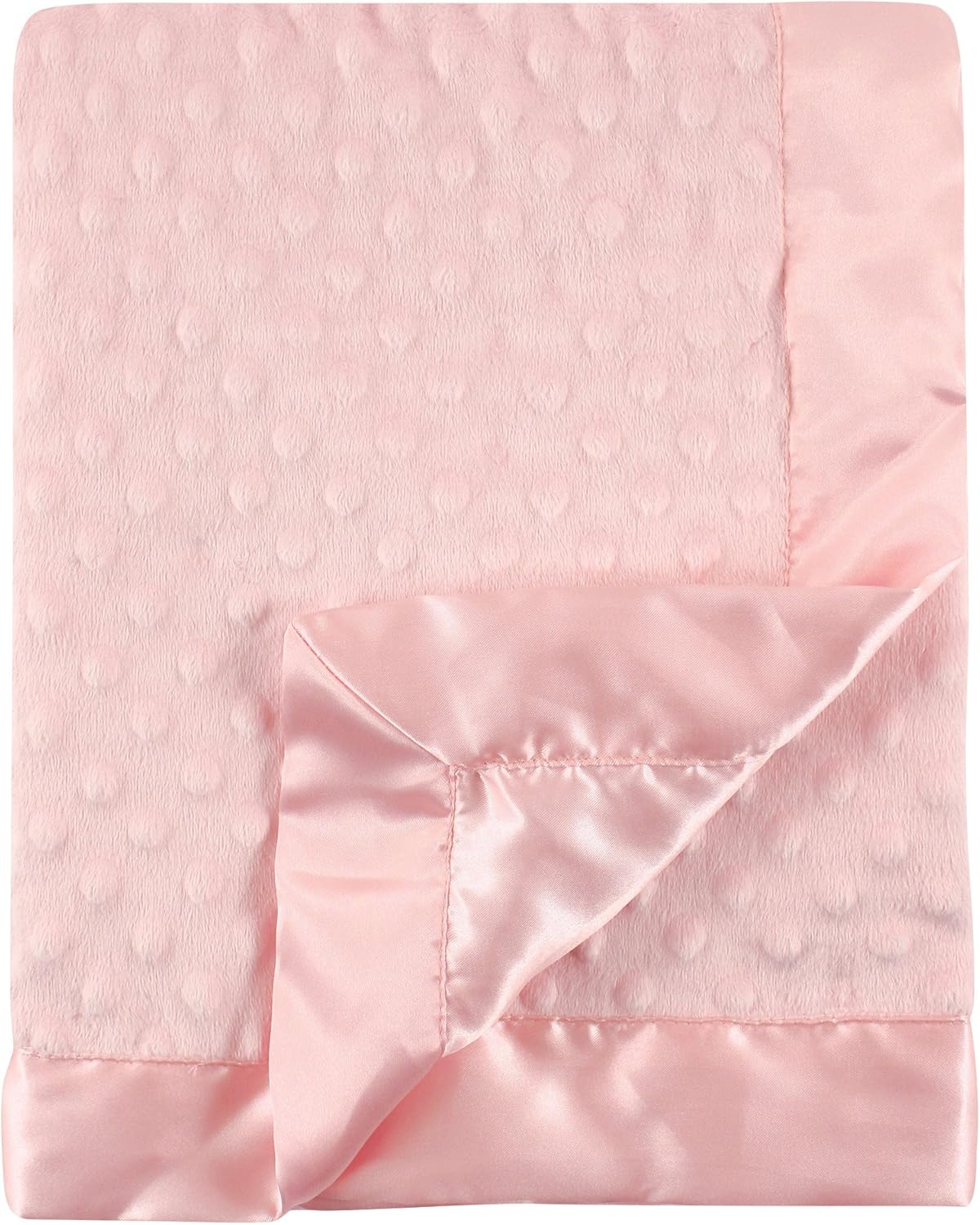
Best for Baby: The Hudson Baby Plush Minky Blanket features the classic Dot texture that infants love for self-soothing.
Check Price on AmazonColors, Patterns, and Trend Guide
Minky fabric is available in an extraordinary range of colors and patterns. Choosing the right color and pattern can make the difference between a blanket that blends in and one that makes a statement.
Popular Minky Colors
Minky fabric takes dye exceptionally well, resulting in rich, vibrant colors that maintain their intensity over time. Here are the most popular color families:
- Neutrals: Gray, cream, ivory, taupe, and chocolate brown are perennial favorites. These colors work in any decor scheme and are easy to match with existing bedding and furniture.
- Pastels: Soft pink, lavender, mint green, and baby blue are popular for nursery items and spring decor. These colors create a gentle, calming atmosphere.
- Bold Colors: Navy blue, burgundy, emerald green, and deep purple make dramatic statements. These colors work well as accent throws in neutral rooms.
- Jewel Tones: Sapphire blue, ruby red, and amethyst purple provide rich, luxurious color that elevates any space. These colors are particularly popular for holiday gifts.
- Earth Tones: Sage green, terracotta, warm gray, and sandy beige create a natural, organic feel. These colors are trending in modern farmhouse and bohemian decor styles.
Minky Patterns and Prints
Beyond solid colors, Minky is available in a wide range of printed designs:
- Animal Prints: Leopard, zebra, and giraffe prints add wild flair to any space. These are popular for both children’s rooms and adult accent pieces.
- Geometric Patterns: Stripes, chevrons, polka dots, and hexagons provide modern visual interest. Geometric Minky works well in contemporary decor schemes.
- Floral Designs: Roses, daisies, and abstract floral prints bring nature indoors. Floral Minky is popular for spring and summer decor refreshes.
- Seasonal Motifs: Snowflakes, pumpkins, hearts, and stars allow you to rotate Minky throws with the seasons. These make excellent holiday gifts.
- Character Prints: Licensed characters from popular movies, TV shows, and books are available from various manufacturers. These are particularly popular for children’s blankets.
Current Trends
Minky trends follow broader home decor trends. Currently popular styles include:
- Monochromatic Layering: Using multiple shades of the same color family to create depth and visual interest.
- Texture Mixing: Combining different Minky textures (smooth, dotted, swirled) in coordinating colors.
- Gender-Neutral Nursery: Soft grays, greens, and yellows replacing traditional pink and blue for baby items.
- Maximalist Color: Bold, saturated colors that make a statement, often in jewel tones.
- Natural and Organic: Earthy tones and nature-inspired prints reflecting the growing interest in biophilic design.
Seasonal Guide: When to Use Minky
Minky blankets are often associated with winter, but with the right selection, they can be used year-round.
Winter
Best Season for Minky. The insulating properties of polyester make Minky ideal for cold weather. A high-GSM Minky blanket provides exceptional warmth without excessive weight. Use a heavy Minky throw on the couch or a Minky bed blanket for maximum winter comfort.
Recommended GSM: 300-400+
Fall
Perfect Transitional Season. A medium-weight Minky throw is ideal for cool autumn evenings. The warmth is welcome as temperatures drop, but not so heavy that it causes overheating. Fall is also a great time to refresh your decor with new Minky colors that reflect the season.
Recommended GSM: 250-350
Spring
Lighter Options Work. A lightweight Minky throw (180-220 GSM) works well during cool spring mornings and evenings. Pair with pastel colors to reflect the season. Spring is also a good time to wash and store heavy Minky blankets in preparation for summer.
Recommended GSM: 180-250
Summer
Use with Caution. Standard Minky is too warm for most summer sleeping. However, lightweight Minky throws (180 GSM or less) can work in air-conditioned spaces or for summer evening outdoor activities. Consider storing heavy Minky blankets during the hottest months.
Recommended GSM: 150-200 maximum
Temperature Regulation Tips
If you love Minky but tend to overheat, try these strategies:
- Choose a lower GSM (under 250) for year-round use.
- Use Minky as a layering piece rather than your primary blanket, allowing you to adjust warmth by adding or removing layers.
- Pair Minky with breathable cotton sheets to balance temperature regulation.
- Use a fan or open window to maintain air circulation when using Minky in warmer weather.
- Choose smooth Minky over dotted or swirled varieties, as the lower pile height reduces insulation.
Sewing and Crafting with Minky Fabric
Minky is a favorite among quilters, sewers, and crafters, but it requires specific techniques to work with successfully. Here is everything you need to know about sewing with Minky.
Why Sewers Love Minky
Minky adds a luxurious, professional finish to any sewing project. As a quilt backing, it provides unmatched softness. As a standalone fabric, it creates beautiful blankets, pillows, clothing linings, and home decor items. The wide range of colors and textures available by the yard gives crafters unlimited creative possibilities.
Challenges of Sewing Minky
Minky presents several unique challenges that can frustrate inexperienced sewers:
- Shedding: Cutting Minky creates an enormous amount of loose fibers. A single cut can produce enough fluff to cover your entire sewing area. This is normal and not a sign of poor quality.
- Slipping: The smooth backing of Minky tends to slip against itself and against the sewing machine feed dogs. This can cause uneven seams and misaligned fabric.
- Stretch: Because Minky is knitted, it has inherent stretch that woven fabrics do not. This stretch can cause distortion if not properly managed.
- Bulk: Minky is thicker than most fabrics, which can cause problems with seam allowances, zipper installations, and layering.
Tips for Successful Minky Sewing
- Pre-Wash Your Fabric: Always pre-wash Minky before cutting to account for any shrinkage. Use cold water and air dry.
- Use Sharp Rotary Cutters: A fresh rotary blade cuts cleaner than scissors, reducing fraying and shedding.
- Pin Generously: Use more pins than you would for other fabrics, placing them perpendicular to the seam line to prevent shifting.
- Use Walking Foot: A walking foot (even feed foot) helps feed the Minky evenly through the machine, preventing the layers from shifting.
- Increase Stitch Length: Use a longer stitch length (3.0-3.5mm) to accommodate the thickness of the fabric and reduce puckering.
- Use polyester Thread: Match the thread to the fabric content. Polyester thread has slight stretch that works well with Minky’s knitted construction.
- Seam Allowance: Use a generous seam allowance (at least 5/8 inch) to ensure the seams are secure and the pile does not pull through.
- Clean Your Machine: Minky sheds fibers that can accumulate in your sewing machine. Clean frequently during your project.
- Work in a Well-Ventilated Area: The fibers released during cutting can irritate respiratory systems, so ensure good airflow.
- Use a Lint Roller: Keep a lint roller handy to clean your sewing surface and fabric between steps.
Minky by the Yard
Minky fabric is sold by the yard at most fabric stores and online retailers. A standard bolt of Minky is 58-60 inches wide. Pricing varies by quality and type:
- Budget Minky: $8-12 per yard. Suitable for practice projects and pet blankets.
- Standard Minky: $12-18 per yard. Good quality for everyday projects.
- Premium Minky (Cuddle): $18-25 per yard. High-density, luxurious feel for special projects.
- Designer Minky: $25-35+ per yard. Licensed prints and exclusive patterns.
Popular DIY Minky Projects
- Simple Minky Throw: The easiest project: cut two pieces of Minky to the desired size, place right sides together, sew around the edges leaving a gap, turn right side out, and hand-stitch the gap closed.
- Minky-Backed Quilt: Use Minky as the backing for a patchwork quilt top. The softness of Minky makes the quilt cozier than traditional cotton backing.
- Minky Baby Blanket with Satin Binding: A single layer of Minky with satin binding creates a classic, high-end baby blanket.
- Minky Pillow Covers: Use Minky to create plush pillow covers that add texture and comfort to your couch or bed.
- Minky Pet Bed: Create a custom pet bed by sewing a Minky cover over a foam insert. Add a zipper for easy removal and washing.
Weighted Minky Blankets: Combining Comfort and Therapy
Weighted blankets have gained enormous popularity for their therapeutic benefits, and combining the weight with Minky fabric creates an exceptionally comforting product.
What is a Weighted Minky Blanket?
A weighted Minky blanket combines the sensory benefits of Minky fabric with the deep pressure stimulation of a weighted blanket. The Minky cover provides the soft, tactile comfort, while glass beads or plastic pellets sewn into internal pockets provide evenly distributed weight.
The combination is particularly effective for people with anxiety, insomnia, ADHD, or sensory processing disorders. The Minky cover adds an additional layer of sensory input beyond the weight alone, creating a multi-sensory calming experience.
Benefits of Weighted Minky Blankets
- Deep Pressure Stimulation: The weight activates the parasympathetic nervous system, promoting relaxation and reducing anxiety.
- Tactile Comfort: The Minky texture adds sensory input that enhances the calming effect of the weight.
- Improved Sleep: Many users report falling asleep faster and experiencing deeper, more restful sleep.
- Mood Regulation: The combination of weight and texture can help regulate mood and reduce emotional volatility.
- Non-Medication Approach: Weighted Minky blankets provide a drug-free alternative for managing anxiety and sleep issues.
Choosing the Right Weight
The general recommendation for weighted blankets is approximately 10% of your body weight. However, personal preference plays a significant role:
- Children (under 50 lbs): 2-5 pounds. Always consult a pediatrician before using weighted blankets with young children.
- Small Adults (100-150 lbs): 10-12 pounds.
- Medium Adults (150-200 lbs): 15-18 pounds.
- Large Adults (200+ lbs): 20-25 pounds.
When using a weighted Minky blanket for the first time, start with a lighter weight and gradually increase if needed. Most people find that 15 pounds is the sweet spot for adult use.
Care Considerations
Weighted Minky blankets require additional care considerations beyond standard Minky blankets. The internal weighting material (usually glass beads) must be protected during washing. Most weighted Minky blankets have a removable Minky cover that can be washed separately from the weighted insert. Always follow the manufacturer’s care instructions, as improper washing can damage the internal pockets and cause bead leakage.
For detailed washing instructions, see our guide on how to wash a weighted blanket. If you are unsure whether you can wash your weighted blanket, check our article on can you wash a weighted blanket.
Critical Care Instructions
Owning a Minky blanket is a responsibility. Unlike cotton throws that can take a beating, Minky requires specific care to stay soft. The number one enemy of Minky is heat.
The Golden Rules of Washing Minky
- Cold Water Only: Wash on a delicate cycle using cold water. Hot water can relax the embossed patterns (like dots) and flatten them out permanently. Water temperature above 100°F (38°C) begins to affect polyester fibers.
- No Fabric Softener: Never use liquid fabric softener. It coats the fibers with a waxy residue that ruins the silky feel, making it feel greasy or rough. This is the most common cause of Minky losing its softness.
- Hang Dry: Ideally, hang the blanket to air dry. If you must use a dryer, use the Air Fluff or No Heat setting. Even low heat can melt the tips of the synthetic fibers, creating a scratchy, burnt texture. Temperature above 120°F (49°C) causes permanent damage.
- No Pods: Use standard liquid or powder detergent. Detergent pods often contain built-in softeners or brighteners that can damage the fabric.
- Wash Separately: Wash Minky blankets separately from other items, especially during the first few washes when shedding is most likely.
- Turn Inside Out: Washing Minky inside out protects the pile from abrasion against other items in the wash.
Step-by-Step Washing Guide
- Pre-Treat Stains: Apply a small amount of mild detergent directly to stains and gently rub with your fingers. Do not scrub aggressively.
- Load the Machine: Place the Minky blanket in the washing machine alone or with very few similar items. Do not overload the machine.
- Add Detergent: Use 1-2 tablespoons of mild liquid detergent. Add it to the dispenser or directly to the drum before adding the blanket.
- Select Cycle: Choose the delicate or gentle cycle with cold water. Reduce spin speed to the lowest setting.
- Start Wash: Begin the cycle and allow it to complete fully.
- Remove Promptly: Remove the blanket from the machine as soon as the cycle ends to prevent wrinkles and mildew.
- Dry: Lay flat or hang to air dry. If using a dryer, use the no-heat or air-fluff setting only.
If you are also managing other specialty bedding in your home, you might find our guide on best cozy blankets for living room helpful for mixing and matching textures.
Recommended Care Products for Minky
Using the right products can significantly extend the life and softness of your Minky blanket. Here are our recommendations:
Best Detergents for Minky
- Free & Clear Detergents: Fragrance-free, dye-free detergents are ideal for Minky. They clean effectively without leaving residue that can affect softness. Look for brands like All Free Clear, Seventh Generation Free & Clear, or Tide Free & Gentle.
- Plant-Based Detergents: Gentle plant-based formulas work well for Minky and are better for the environment. Brands like Mrs. Meyer’s, Method, and ECOS are good options.
- Baby Detergents: Since Minky was originally developed for baby products, baby detergents like Dreft or babyganics are formulated to be gentle on soft fabrics.
What to Avoid
- Fabric Softener: The number one product to avoid. Coats fibers with residue that ruins softness.
- Dryer Sheets: Same problem as liquid softener. The coating affects the pile and sheen.
- Bleach: Chlorine bleach can weaken polyester fibers and cause discoloration.
- Enzyme Stain Removers: Strong enzyme-based products can damage polyester fibers.
- Hot Water: Always use cold water, regardless of the product used.
Static Control
Static is a common issue with Minky, especially in dry winter months. Since you cannot use dryer sheets, try these alternatives:
- Wool Dryer Balls: Natural wool balls reduce static in the dryer without chemicals.
- White Vinegar Rinse: Add 1/2 cup of white vinegar to the rinse cycle to reduce static.
- Anti-Static Spray: Lightly mist the blanket with a fabric-safe anti-static spray.
- Metal Hanger Trick: Run a metal wire hanger over the blanket to discharge static electricity.
Troubleshooting Common Minky Issues
Cause: Fabric softener buildup or melted fibers from heat exposure.
Fix: Wash with 1/2 cup of white vinegar and NO detergent to strip the buildup. Repeat if necessary. If fibers are melted from heat, the damage is permanent and cannot be reversed.
Prevention: Never use fabric softener or dryer sheets. Always air dry or use no-heat dryer setting.
Cause: Dry air and friction from synthetic fibers.
Fix: Since you cannot use dryer sheets, try using wool dryer balls or simply rubbing the blanket with a metal wire hanger to discharge the static. A humidifier in the room also helps reduce static.
Prevention: Use a vinegar rinse during washing and maintain adequate humidity in your home during dry months.
Cause: Compression, improper washing, or lower-quality Minky.
Fix: After washing (and while still damp), gently brush the fabric with a soft-bristle baby brush to fluff the pile back up. A clean pet brush also works well.
Prevention: Avoid sitting on the same spot repeatedly. Rotate the blanket regularly and wash according to care instructions.
Cause: Friction from washing with rough items or normal wear on lower-quality Minky.
Fix: Use a fabric shaver or defuzzer to remove pills. Be gentle to avoid cutting the underlying fabric.
Prevention: Wash Minky separately from rough items like jeans, towels, or items with zippers and hooks.
Cause: Sun exposure or harsh detergents.
Fix: Unfortunately, significant fading is permanent. For minor fading, washing with a color-safe brightener can help restore some vibrancy.
Prevention: Avoid prolonged direct sunlight exposure. Use Free & Clear detergents and cold water.
Cause: Hot water or high heat drying that relaxes the embossed pattern.
Fix: Minor dot flattening may be partially restored by steaming the fabric and gently reshaping while damp. Severe flattening is permanent.
Prevention: Always wash in cold water and air dry. Never iron embossed Minky.
Minky Blanket Price Ranges and Value
Understanding Minky pricing helps you make informed purchasing decisions and avoid overpaying for low-quality products.
Price Breakdown by Category
| Category | Budget Range | Mid-Range | Premium Range |
|---|---|---|---|
| Baby Blanket | $10-20 | $20-40 | $40-80 |
| Throw (50×60) | $15-30 | $30-60 | $60-150 |
| Twin | $25-40 | $40-70 | $70-130 |
| Queen | $30-50 | $50-90 | $90-200 |
| King | $35-60 | $60-120 | $120-300 |
| Weighted Minky | $40-70 | $70-150 | $150-400 |
What Determines Price?
- GSM (Density): Higher GSM means more fiber per square inch, increasing both material cost and manufacturing time.
- Pile Height: Longer pile requires more fiber and more processing, increasing cost.
- Brand Premium: Established brands like Minky Couture command higher prices due to brand reputation and quality consistency.
- Print/Pattern: Printed Minky costs more than solid colors due to additional printing processes.
- Size: Larger blankets use more material, proportionally increasing cost.
- Construction: Double-sided Minky (rare) or Minky combined with other fabrics costs more than single-layer Minky.
Is Premium Minky Worth It?
The short answer is yes, for most use cases. Premium Minky (300+ GSM) lasts significantly longer than budget options, maintains its softness through more wash cycles, and provides a noticeably better tactile experience. If you are buying a Minky blanket for daily use, the premium investment pays off over time.
However, budget Minky is perfectly fine for decorative throws, pet blankets, or situations where the blanket will not see heavy use. The key is matching the quality level to your intended use.
How Long Do Minky Blankets Last?
With proper care, a quality Minky blanket can last 5-10 years or more. Here are the factors that affect longevity.
Lifespan by Quality Level
- Budget Minky (under 220 GSM): 2-4 years with regular use. May start showing wear (matting, thinning) after 1-2 years.
- Standard Minky (220-280 GSM): 4-7 years with proper care. Maintains softness and appearance through hundreds of washes.
- Premium Minky (280-350 GSM): 7-10+ years. Retains plush feel and structural integrity even with heavy use.
- Ultra-Premium Minky (350+ GSM): 10+ years. These blankets often become family heirlooms, passed down through generations.
Factors That Reduce Lifespan
- Heat Exposure: The single biggest factor. Each exposure to hot water or high heat permanently damages fibers.
- Fabric Softener: Chemical buildup degrades fiber quality over time.
- Heavy Use: Daily use on a couch or bed causes more wear than occasional use as a decorative throw.
- Pet Traffic: Pets with claws can snag and pull fibers, accelerating wear.
- Improper Storage: Storing Minky in damp or compressed conditions can cause mildew and permanent fiber damage.
Signs Your Minky Needs Replacing
- The pile has become permanently flat and cannot be fluffed.
- Visible thinning or bald spots where the backing is exposed.
- Permanent matting that does not respond to brushing.
- A rough, scratchy texture that washing does not improve.
- Significant fading that affects the appearance.
Environmental Impact and Sustainability
As environmental awareness grows, many consumers want to understand the ecological footprint of Minky fabric.
The Polyester Question
Minky is made from 100% polyester, which is a petroleum-based synthetic fiber. This means it is not biodegradable and contributes to microplastic pollution when washed. Each wash cycle releases tiny polyester fibers into the water system, which eventually reach oceans and waterways.
Mitigating Environmental Impact
While Minky is not the most eco-friendly fabric choice, there are ways to minimize its environmental impact:
- Buy Quality: A premium Minky blanket that lasts 10 years has a lower lifetime environmental impact than three budget blankets that last 3 years each.
- Wash Less Frequently: Minky does not absorb odors the way cotton does, so it often needs less frequent washing. Spot cleaning and airing out between washes reduces microplastic release.
- Use a Microfiber Filter: Washing machine filters like the Guppyfriend bag can capture microfibers before they enter the water system.
- Cold Water Wash: Cold water washing uses less energy and is better for the fabric, extending its lifespan.
- Air Dry: Air drying uses zero energy and is better for the fabric than machine drying.
Recycled Polyester Minky
Some manufacturers are now producing Minky fabric from recycled PET bottles. This reduces the demand for virgin petroleum and gives existing plastic a second life. While recycled polyester Minky is still not biodegradable, it has a significantly lower carbon footprint than virgin polyester. Look for products labeled as “recycled polyester” or “rPET” when eco-friendliness is a priority.
The Longevity Argument
One environmental advantage of Minky is its durability. A Minky blanket that lasts 10 years replaces multiple cheaper blankets that would need to be replaced more frequently. Over a lifetime, a single quality Minky blanket may result in less total waste than a series of cheaper alternatives.
Minky Blankets and Allergies
For allergy sufferers, choosing the right blanket material is important. Here is what you need to know about Minky and allergies.
Is Minky Hypoallergenic?
Yes, Minky is considered hypoallergenic. Being made from 100% polyester, it does not contain natural allergens found in wool, down, or cotton. Polyester fibers do not provide a food source for dust mites, making Minky a better choice for people with dust mite allergies.
Advantages for Allergy Sufferers
- No Natural Allergens: Unlike wool (which can cause irritation) or down (which can cause reactions), polyester Minky does not contain animal-derived allergens.
- Dust Mite Resistant: Dust mites cannot feed on polyester fibers, reducing their population in your bedding.
- Easy to Wash: Minky can be washed frequently in cold water, removing allergens without damaging the fabric.
- Quick Drying: Fast drying reduces the opportunity for mold and mildew growth.
Potential Concerns
- Microplastic Sensitivity: Some people are sensitive to microplastic particles released from synthetic fabrics. While this is rare, it is worth considering.
- Chemical Sensitivity: Some people react to the chemicals used in polyester manufacturing or dyeing. Choosing OEKO-TEX certified Minky reduces this risk.
- Pet Allergens: While Minky does not cause allergies itself, the plush texture can trap pet dander and pollen. Regular washing is important for allergy sufferers in homes with pets.
Allergy Tip
If you have severe allergies, choose OEKO-TEX Standard 100 certified Minky, which is tested for harmful substances. Also consider washing your new Minky blanket before first use to remove any manufacturing residues.
Minky Blankets in Interior Design
Minky blankets can be powerful tools in interior design, adding texture, color, and comfort to any space.
Texture Layering
Professional interior designers use texture layering to create depth and visual interest in a room. Minky blankets add a soft, plush texture that contrasts beautifully with harder surfaces like wood, metal, and glass. Pair a Minky throw with woven baskets, wooden furniture, and metal accents for a balanced, inviting space.
Color Psychology
The color of your Minky blanket can influence the mood of a room:
- Blue Minky: Creates a calming, serene atmosphere. Ideal for bedrooms and reading nooks.
- Green Minky: Promotes balance and harmony. Works well in living rooms and offices.
- Red/Burgundy Minky: Adds warmth and energy. Best as an accent rather than a dominant color.
- Gray Minky: Provides neutral sophistication. Works in any room and with any color scheme.
- Yellow/Cream Minky: Brightens a space and creates a cheerful, optimistic feel.
Styling Tips
- The Casual Drape: Toss a Minky throw over one arm of a couch for an effortless, inviting look.
- The Folded Stack: Fold Minky blankets and stack them in a decorative basket for both storage and display.
- The Bed Runner: Place a Minky throw across the foot of a bed for a hotel-inspired layered look.
- The Chair Accent: Drape a Minky throw over an accent chair to tie it into the room’s color scheme.
- The Basket Display: Roll Minky blankets and display them in a woven basket for a cozy, organized look.
Minky Blanket Gift Guide
A Minky blanket makes an exceptional gift for nearly any occasion. Here is a guide to choosing the perfect Minky gift.
Best Occasions for Minky Gifts
- Baby Showers: A Minky baby blanket is one of the most appreciated baby shower gifts. Choose a neutral color and Minky Dot texture for maximum appeal.
- Holidays: A Minky throw makes a luxurious holiday gift. Jewel-toned Minky is particularly appropriate for Christmas gifts.
- Weddings: A queen or king-sized Minky blanket as a wedding gift provides the newlyweds with comfort and luxury.
- Birthdays: A high-quality Minky throw is a birthday gift that will be used and appreciated for years.
- Mother’s Day / Father’s Day: A Minky blanket says “relax and take care of yourself.” Pair with a mug and tea for a complete comfort package.
- Get Well Soon: Minky blankets provide comfort during illness recovery. The softness is particularly welcome during periods of physical discomfort.
- Housewarming: A Minky throw in a versatile color helps new homeowners feel cozy in their new space.
Gift Presentation Tips
- Roll the blanket rather than folding it for a more attractive presentation.
- Tie with a satin ribbon that complements the Minky color.
- Include a small card with care instructions to help the recipient maintain their gift.
- Consider pairing with a complementary item (candle, mug, book) for a curated gift set.
Where to Buy Minky Blankets
Minky blankets are available from a wide range of retailers, both online and in physical stores.
Online Retailers
- Amazon: The largest selection of Minky blankets at every price point. Look for brands with high ratings and verified reviews.
- Etsy: Handmade and custom Minky blankets from independent sellers. Great for personalized or unique designs.
- Brand Websites: Direct from manufacturers like Minky Couture, Shannon Fabrics, or Hudson Baby for the full product range.
- Fabric Stores Online: Joann.com, Fabric.com, and similar retailers sell Minky fabric by the yard for DIY projects.
Physical Stores
- Target and Walmart: Carry a selection of affordable Minky blankets, particularly baby blankets.
- Joann Fabrics: Sells Minky fabric by the yard for sewing projects.
- Baby Specialty Stores: Stores like Buy Buy Baby carry premium baby Minky blankets.
- Home Goods Stores: Stores like HomeGoods, T.J. Maxx, and Marshalls often have discounted Minky throws.
Minky Fabric by the Yard
For DIY enthusiasts, Minky fabric is available by the yard at fabric stores and online retailers. A standard bolt is 58-60 inches wide. You can expect to pay $12-25 per yard depending on quality and type. Shannon Fabrics, the maker of “Cuddle” Minky, is available at most major fabric retailers.
How to Identify Quality Minky
Not all products labeled as “Minky” are genuine high-quality Minky. Here is how to identify the real deal.
The Brush Test
Use your fingers to brush the pile against the grain. If you can see the mesh backing through the fibers, it is lower-quality Minky with insufficient pile density. Premium Minky should maintain full coverage regardless of how you brush it.
The Sheen Test
Hold the fabric under a light source. Quality Minky has a noticeable sheen that comes from the microfiber construction. Dull, matte Minky is typically lower-quality with larger fiber diameters.
The Stretch Test
Gently stretch the fabric in both directions. Quality Minky has a slight, even stretch due to its knitted construction. If it does not stretch at all, it may be woven rather than knitted. If it stretches excessively, the knit may be too loose.
The Touch Test
Quality Minky feels cool and silky, almost wet to the touch. It should feel distinctly different from standard fleece. The fibers should feel uniform and dense, without thin or rough patches.
The Weight Test
Hold the fabric in your hand. Quality Minky has a substantial weight that indicates high fiber density. Flimsy, lightweight Minky typically has lower GSM and will not last as long.
Red Flags to Watch For
- “Plush” Instead of “Minky”: Generic “plush” blankets may use lower-quality construction.
- Extremely Low Price: If a Minky throw seems too cheap, it likely uses lower-GSM fabric.
- Visible Backing: If you can easily see through the pile to the backing, the density is insufficient.
- Uneven Pile: Quality Minky should have uniform pile height across the entire surface.
- Chemical Smell: Strong chemical odors may indicate poor-quality dyes or finishing chemicals.
Final Verdict
A Minky blanket is more than just a cover; it is an investment in comfort. While the price tag is higher and the laundry rules are stricter, the reward is a blanket that feels luxurious for years. Whether you are buying for a newborn, treating yourself to a movie-night upgrade, or looking for the perfect gift, Minky is the king of cozy.
The key to getting the most out of your Minky blanket is choosing the right quality level for your needs and following the care instructions religiously. A premium Minky blanket treated with proper care will reward you with years of unmatched softness and comfort.
Remember: the enemy of Minky is heat. Cold water, no fabric softener, and air drying will keep your Minky feeling like new for years. Invest in quality, care for it properly, and you will understand why Minky has earned its reputation as the softest fabric on earth.
Ready to upgrade your comfort game further? Check out our list of best baby blankets for gifting ideas, or explore our weighted blanket calculator to find your ideal weight.




[…] than cheap fleece, but also more heat-sensitive than either. For a deeper look at the fiber itself, this breakdown of what minky fabric is made from and why it feels the way it does is worth a read before you wash anything for the first time. And if you’re deciding between […]