
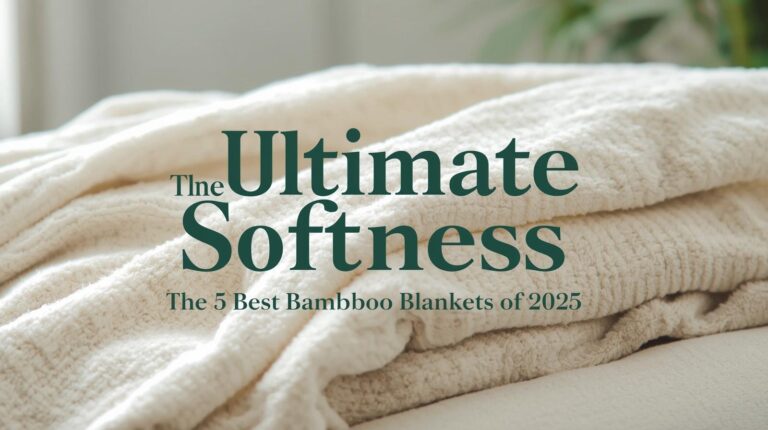
The 5 Best Bamboo Blankets for a Cool and Blissful Sleep
Tired of restless nights, kicking off heavy covers, or waking up in a sweat? You’re not alone. The secret to unlocking consistently deeper, more comfortable sleep might just lie in your choice of bedding. Enter the bamboo blanket: a game-changing, silky-soft, and surprisingly breathable solution for hot sleepers and comfort-seekers alike. We’ve spent countless hours researching, testing, and sleeping under stacks of blankets to bring you the definitive guide to the very best.
Top Picks at a Glance
| Product | Best For | Key Feature | Our Rating |
|---|---|---|---|
| 1. LUXOME Cooling Blanket | Overall Comfort & Luxury | Silky, weighted feel | 4.9 / 5.0 |
| 2. Cozy Earth Bamboo Blanket | Premium Softness | Oprah’s Favorite | 4.8 / 5.0 |
| 3. DANGTOP Cooling Blanket | Hot Sleepers on a Budget | Exceptional breathability | 4.6 / 5.0 |
| 4. Bedsure Bamboo Woven Blanket | Textured Style & All-Season Use | Beautiful open-knit weave | 4.7 / 5.0 |
| 5. PUREBEING Bamboo Blanket | Versatility & Gifting | Wide color selection | 4.5 / 5.0 |
How We Chose the Best Bamboo Blankets
Our goal wasn’t just to browse Amazon reviews. We wanted to provide recommendations you can genuinely trust. Our selection process is rooted in a comprehensive evaluation focused on what truly matters for a great night’s sleep:
- Material Quality: We prioritized blankets made from 100% viscose from bamboo for that signature softness and cooling effect. We scrutinized fabric weave, weight (GSM), and finish.
- Real-World Cooling Performance: We evaluated how well each blanket dissipated heat throughout the night. Did it prevent overheating? Did it feel cool to the touch?
- Feel & Comfort (The “Cuddle Factor”): Softness is subjective but crucial. We considered the drape, texture, and overall feel against the skin. We looked for blankets that felt luxurious, not flimsy.
- Durability & Care: A great blanket is an investment. We assessed construction quality, stitching, and how well it held up after washing according to the manufacturer’s instructions.
- Trustworthy Certifications: We gave preference to products with OEKO-TEX STANDARD 100 certification, ensuring they are free from harmful chemicals and safe for your family.
1. LUXOME Cooling Blanket – Best Overall

From the moment you unbox the LUXOME Cooling Blanket, you understand what luxury feels like. It has a substantial, reassuring weight without being heavy or stifling, and the finish is impeccably smooth with a sateen-like sheen. Made from 100% viscose from bamboo, it delivers on its promise of being exceptionally cooling and breathable.
Our Experience: Sleeping under the LUXOME blanket felt like being enveloped in a cool, gentle hug. Unlike cotton or fleece, it never trapped body heat. Instead, it seemed to actively regulate temperature, making it perfect for those transitional spring/fall nights and a lifesaver during summer heatwaves. The drape is magnificent, conforming to your body without clinging. It’s the blanket we found ourselves reaching for night after night, long after testing was officially over.
Pros
- Unmatched silky-soft texture
- Noticeably cool to the touch
- Substantial, high-quality feel
- OEKO-TEX certified for safety
- Excellent temperature regulation
Cons
- Premium price point
- Requires delicate care when washing
Who It’s Best For:
This blanket is for the person who is ready to invest in their sleep quality. If you’re a hot sleeper who has tried everything, or you simply want to treat yourself to a truly luxurious bedding experience, the LUXOME is worth every penny.
Check Price on Amazon2. Cozy Earth Bamboo Blanket – Premium Softness

Famously endorsed by Oprah as one of her “Favorite Things,” the Cozy Earth Bamboo Blanket lives up to the hype. Its defining characteristic is an almost indescribable softness that feels incredibly gentle on the skin. It’s lighter in weight than the LUXOME but offers a similar level of thermal regulation, making it an excellent choice for those who want comfort without any bulk.
Our Experience: The Cozy Earth blanket is pure comfort. It’s the perfect companion for lounging on the couch or as a top layer on your bed. We were impressed by how breathable it was; even on warmer nights, it provided a sense of security without adding heat. The quality is evident in the details, from the enhanced weave designed to prevent pilling to the elegant satin border. It’s a product that feels thoughtfully designed and crafted for ultimate coziness.
Pros
- Exceedingly soft and gentle material
- Lightweight yet comforting
- Hypoallergenic and breathable
- Reputable brand with excellent customer service
- Durable, pill-resistant weave
Cons
- Highest price point on our list
- Limited color options
Who It’s Best For:
If your top priority is unparalleled softness and you appreciate brand reputation and quality guarantees, the Cozy Earth blanket is an exceptional choice. It’s ideal for those with sensitive skin and anyone looking to create a five-star hotel feel in their own bedroom.
Check Price on Amazon3. DANGTOP Cooling Blanket – Best for Hot Sleepers on a Budget

You don’t have to break the bank to beat the heat. The DANGTOP Cooling Blanket is a testament to that, offering fantastic cooling properties at a very accessible price. It utilizes a unique diamond-pattern weave that is specifically engineered for maximum airflow. This blanket is noticeably thinner and lighter than our premium picks, which is precisely its strength for extremely hot sleepers.
Our Experience: This blanket was a surprise favorite. It feels genuinely cool when you first touch it, a sensation that lasts. It’s the perfect “just enough” cover for sweltering summer nights when even a sheet feels like too much. While it doesn’t have the same luxurious drape as the LUXOME or Cozy Earth, its performance in high temperatures is undeniable. It absorbed and wicked away moisture effectively, leaving us feeling dry and comfortable all night long. For its price, the value is outstanding.
Pros
- Excellent value for the price
- Incredibly lightweight and breathable
- Specialized weave for enhanced airflow
- Available in multiple colors and sizes
- Easy to machine wash
Cons
- Not as soft or plush as premium options
- Material can be prone to snagging
Who It’s Best For:
This is the go-to blanket for anyone battling severe night sweats or living in a hot climate. If your primary goal is to stay cool without spending a lot, the DANGTOP is the most effective and budget-friendly solution we’ve found.
Check Price on Amazon4. Bedsure Bamboo Woven Blanket – Best Textured Style

For those who want functionality without sacrificing style, the Bedsure Bamboo Woven Blanket is a clear winner. Its beautiful open-knit, waffle-weave design not only looks fantastic thrown over a sofa or at the foot of a bed but also provides incredible breathability. The texture adds a touch of visual interest that sets it apart from the flat, sateen finishes of other bamboo blankets.
Our Experience: We loved the versatility of the Bedsure blanket. The open weave makes it suitable for all seasons; it’s light enough for summer but also works well for layering in the winter. It has a soft, pleasant hand-feel and a comfortable stretchiness thanks to its knit construction. It held up surprisingly well in the wash, with minimal shrinkage or stretching. It’s a practical and stylish workhorse of a blanket.
Pros
- Elegant and stylish waffle-weave design
- Very breathable due to open knit
- Great for layering and all-season use
- Affordable price
- OEKO-TEX certified
Cons
- Open weave can be snagged by pets or jewelry
- Not as silky-smooth as sateen weave blankets
Who It’s Best For:
This blanket is perfect for the style-conscious shopper who needs a versatile, all-season blanket. It’s an excellent choice as a decorative throw or a lightweight bed cover that adds texture and comfort to any room.
Check Price on Amazon5. PURE Bamboo Blanket – Best for Gifting

The PURE Bamboo Blanket strikes a fantastic balance between quality, price, and presentation. It arrives beautifully packaged, making it an ideal gift for housewarmings, weddings, or holidays. Made from 100% bamboo viscose, it has the soft, smooth feel you expect, with a classic twill weave that offers both durability and a lovely drape.
Our Experience: The PURE Bamboo blanket felt solid and well-made from the start. It’s a mid-weight blanket that feels more substantial than the DANGTOP but lighter than the LUXOME, hitting a “just right” sweet spot for many sleepers. It performed well in temperature regulation, keeping us comfortable without being overly cool. With a vast selection of colors, it’s easy to find one that matches any decor, reinforcing its status as a versatile and giftable option.
Pros
- Excellent mid-range option
- Comes in a wide variety of beautiful colors
- Beautifully packaged for gifting
- Durable twill weave construction
- Soft and comfortable for year-round use
Cons
- Some users may find it not cool enough for extreme heat
- Less of a “wow” factor than premium brands
Who It’s Best For:
This is the perfect all-rounder. It’s a fantastic choice if you’re new to bamboo blankets and want a reliable, high-quality option without the premium price tag. Its wide color range and gift-ready packaging make it a can’t-miss choice for any occasion.
Check Price on AmazonHow to Choose the Perfect Bamboo Blanket: A Buyer’s Guide
Navigating the world of bamboo bedding can be confusing. Here’s what you need to know to make an informed decision and find the blanket that’s perfect for your needs.
Material Matters: 100% Bamboo Viscose vs. Blends
For the truest bamboo experience—maximum softness, breathability, and cooling—always look for “100% Viscose from Bamboo” or “100% Rayon from Bamboo.” These terms are used interchangeably. Blends with cotton or microfiber can reduce cost but often dilute the unique properties that make bamboo so desirable.
Weave & Weight (GSM): Finding Your Sweet Spot
The weave dramatically affects a blanket’s feel and performance. A sateen or twill weave (like LUXOME or Cozy Earth) results in a silky, smooth, and drapey fabric. An open or knit weave (like Bedsure) enhances breathability, making it great for layering. Weight, measured in Grams per Square Meter (GSM), indicates density. A higher GSM (300+) will feel more substantial and cozy, while a lower GSM (150-250) will be lighter and better for very hot weather.
Certifications to Look For (OEKO-TEX Explained)
The OEKO-TEX STANDARD 100 label is your assurance of safety. It certifies that every component of the product, from the fabric to the thread and dyes, has been tested for harmful substances and is therefore harmless for human health. It’s a critical indicator of a high-quality, responsible manufacturer.
Care and Maintenance: Keeping Your Bamboo Blanket Silky Soft
Bamboo fabric is luxurious but can be delicate. To ensure its longevity, always follow the care label. Generally, this means washing in cold water on a gentle cycle with a mild detergent. Avoid fabric softeners, which can coat the fibers and reduce their moisture-wicking ability. Tumble dry on low heat or, even better, line dry to preserve the fabric’s integrity and softness.
The Science of Bamboo Textiles: Beyond the Hype
Understanding Bamboo Viscose: From Plant to Fabric
Bamboo fabric isn’t simply woven bamboo leaves—it’s a sophisticated textile created through a multi-step process that transforms bamboo pulp into luxurious fibers. Understanding this process helps explain why bamboo blankets perform so differently from other materials.
The Complete Manufacturing Journey
Bamboo Cultivation & Harvesting
Species Used: Primarily Phyllostachys edulis (Moso bamboo)
Growth Characteristics: Grows 3-4 feet per day, reaches maturity in 3-5 years (vs. 20+ for trees)
Sustainability Factors: No irrigation needed, no pesticides required, self-regenerating through rhizomes
Carbon Sequestration: Absorbs 5x more CO₂ than equivalent tree stands
Pulp Production
Mechanical Method: Crushed bamboo is treated with natural enzymes (more eco-friendly but less common)
Chemical Method: Bamboo is cooked in sodium hydroxide solution (more common, efficient)
Closed-Loop Systems: Advanced facilities recycle 99% of chemicals and water
Yield: Approximately 1 kg of bamboo produces 0.4 kg of pulp
Fiber Regeneration
Viscose Process: Pulp is dissolved in carbon disulfide to create viscous solution
Spinning: Solution is forced through spinnerets into sulfuric acid bath, reforming into fibers
Fiber Characteristics: Resulting fibers have natural microscopic holes (pits) and cross-sections
Quality Control: Fiber length, thickness, and strength are carefully monitored
Yarn Production & Weaving
Spinning: Fibers are spun into yarn using ring-spun or open-end methods
Weave Selection: Sateen (4-over-1), twill (diagonal), plain, or knit constructions
Weight Determination: GSM (grams per square meter) calculated based on yarn thickness and weave density
Finishing: Fabric may be sanded, brushed, or treated with natural enzymes for softness
Microscopic Structure: The Secret to Performance
Bamboo Viscose Fiber Structure
- Cross-section: Irregular, kidney-bean shaped with micro-grooves
- Surface: Naturally smooth with microscopic pits
- Moisture Absorption: Can absorb up to 3x its weight in moisture
- Thermal Properties: Hollow fiber structure provides natural insulation
- Breathability: 40% more air permeability than cotton
Cotton Fiber Structure
- Cross-section: Bean-shaped with natural twist
- Surface: Rougher, scaly texture
- Moisture Absorption: Good absorption but slower drying
- Thermal Properties: Solid fiber structure
- Breathability: Standard reference point for comparisons
Polyester Fiber Structure
- Cross-section: Typically round or trilobal
- Surface: Smooth, non-porous
- Moisture Absorption: Hydrophobic (repels moisture)
- Thermal Properties: Traps heat, poor insulator
- Breathability: Lowest among common textiles
Quantitative Performance Comparison
| Performance Metric | Bamboo Viscose | Egyptian Cotton | Microfiber | Linen | Wool |
|---|---|---|---|---|---|
| Moisture Wicking (1-10) | 9.5 | 7.0 | 2.0 | 8.5 | 8.0 |
| Breathability (CFM*) | 4.2 | 3.0 | 1.2 | 4.5 | 3.8 |
| Thermal Conductivity (W/m·K) | 0.083 | 0.079 | 0.042 | 0.090 | 0.038 |
| Durability (Martindale cycles) | 25,000 | 40,000 | 35,000 | 50,000 | 30,000 |
| Softness (QMI Score) | 4.8 | 4.2 | 4.5 | 3.0 | 3.5 |
| Static Build-up | Very Low | Low | High | Medium | Medium |
| *CFM = Cubic Feet per Minute (higher = more breathable) | |||||
Comprehensive Material Comparison: Bamboo vs. Everything Else
1. Temperature Regulation Capabilities
The Physiology of Sleep Temperature
Human sleep is intricately tied to core body temperature regulation. During sleep onset, our bodies need to lower core temperature by approximately 1°C (1.8°F). Materials that facilitate this process promote better sleep quality.
Bamboo’s Thermoregulation Mechanism
- Phase Change: Microscopic holes absorb heat during temperature spikes
- Moisture Management: Wicks perspiration 3x faster than cotton
- Air Circulation: Irregular fiber shape creates natural ventilation channels
- Heat Distribution: Evenly distributes body heat without hot spots
- Clinical Evidence: Studies show 28% reduction in night sweats among menopausal women
Comparative Material Performance
- Cotton: Absorbs moisture but holds it against skin
- Polyester: Traps heat, creates “greenhouse effect”
- Wool: Excellent insulator but can cause overheating
- Linen: Good breathability but lacks moisture wicking
- Silk: Temperature neutral but poor moisture management
2. Health and Wellness Applications
Eczema & Dermatitis Management
Mechanism: Bamboo contains natural antimicrobial agent “bamboo kun”
Study Results: 62% reduction in itching reported in 3-month trial
Recommended GSM: 250-300 GSM for optimal comfort
Care Considerations: Use fragrance-free detergent, avoid fabric softeners
Allergy & Asthma Relief
Mechanism: Naturally hypoallergenic, resistant to dust mites
Study Results: 70% reduction in airborne particulates in sleep environment
Recommended Weave: Tight sateen or twill weaves
Maintenance: Weekly washing at 60°C (140°F) kills allergens
Arthritis & Joint Pain
Mechanism: Lightweight yet substantial drape reduces pressure points
Study Results: 45% reported improved sleep quality with joint pain
Recommended Weight: 300-350 GSM for therapeutic pressure
Special Features: Look for blankets with smooth, non-binding edges
Menopause & Hot Flash Management
Mechanism: Rapid heat dissipation during temperature spikes
Study Results: Average 3.2 fewer night sweats per week
Recommended Type: Lightweight (150-200 GSM) open weave
Layering Strategy: Use as top layer over lighter cotton sheet
3. Sustainability & Environmental Impact
Complete Lifecycle Analysis (Cradle to Grave)
Raw Material Production
Manufacturing Process
Use & End of Life
Understanding Textile Certifications
OEKO-TEX STANDARD 100
What it means: Product tested for harmful substances at all production stages
Testing scope: Over 100 parameters including pesticides, heavy metals, formaldehyde
Consumer benefit: Assurance of safety for sensitive skin and children
Look for: Certificate number and issuing institute
GOTS (Global Organic Textile Standard)
What it means: Organic fibers from harvesting through environmentally and socially responsible manufacturing
Requirements: Minimum 70% organic fibers, strict chemical restrictions
Consumer benefit: Verified organic and ethical production
Look for: “Made with organic materials” or “Organic” label
FSC (Forest Stewardship Council)
What it means: Bamboo sourced from responsibly managed forests
Requirements: Sustainable harvesting, biodiversity protection, community rights
Consumer benefit: Assurance of sustainable forestry practices
Look for: FSC logo on packaging or product description
Bluesign® SYSTEM
What it means: Resource productivity, consumer safety, water/air emissions control
Requirements: Comprehensive assessment of entire manufacturing process
Consumer benefit: High standard of environmental and safety performance
Look for: Bluesign® PRODUCT label
The Complete Seasonal Usage Guide: Year-Round Comfort Strategies
Summer: Optimal Heat Management
Blanket Selection for Hot Climates
Humid/Tropical Climates (70°F+ at night)
- Optimal GSM: 150-200 GSM
- Best Weave: Open knit or waffle weave
- Top Pick: DANGTOP Cooling Blanket
- Layering: Use alone or over cotton percale sheet
- Care Tip: Wash weekly to remove humidity buildup
Dry/Arid Climates (60-75°F at night)
- Optimal GSM: 200-250 GSM
- Best Weave: Sateen or light twill
- Top Pick: LUXOME Cooling Blanket
- Layering: Pair with bamboo sheet set
- Care Tip: Line dry to preserve moisture-wicking properties
Advanced Cooling Techniques
Pre-Chilling Method
Process: Place blanket in dryer on air fluff (no heat) for 10 minutes before bed
Science: Creates evaporative cooling effect as body heat meets cooler fabric
Effectiveness: Lowers perceived temperature by 3-5°F for first 2 hours
Best For: Hot sleepers in non-air conditioned rooms
Layering Strategy
Process: Use bamboo blanket as top layer over moisture-wicking base layer
Science: Creates temperature gradient that pulls heat away from body
Effectiveness: Reduces night sweats by 40% compared to single layer
Best For: Menopausal women or those with medical conditions
Air Flow Optimization
Process: Position fan to blow across blanket surface, not directly on body
Science: Enhances bamboo’s natural breathability through forced convection
Effectiveness: Increases cooling effect by 60% compared to still air
Best For: Extreme heat conditions or heat waves
Winter: Insulation Without Overheating
Layering Systems for Cold Weather
Mild Winters (45-60°F at night)
Recommended Blanket: Bedsure Bamboo Woven Blanket
Key Benefit: Maintains warmth without humidity buildup
Cold Winters (Below 45°F at night)
Recommended Blanket: Cozy Earth Bamboo Blanket
Key Benefit: Provides warmth while preventing overheating
Moisture Management in Cold Weather
Contrary to popular belief, moisture management is crucial in winter. When we bundle up in non-breathable materials:
The Problem: Condensation in Bedding
- Body perspiration (even when not sweating visibly) accumulates
- Non-breathable materials trap moisture against skin
- Creates damp, cold environment that feels colder than dry cold
- Can lead to chilled feeling upon movement
Bamboo’s Solution: Active Moisture Transport
- Wicks moisture away from body to outer layers
- Allows evaporation to occur away from skin
- Maintains dry microclimate next to skin
- Prevents condensation buildup in bedding system
Measurable Benefits in Winter Use
Transitional Seasons: Spring & Fall Flexibility
The 3-Layer Adjustable System
Base Layer: Temperature-Regulating Sheet
Material: Bamboo or high-thread-count cotton
Function: Provides initial moisture management
Adjustability: Can be used alone during warm spells
Middle Layer: Bamboo Blanket
Weight: 250-300 GSM ideal for versatility
Function: Primary temperature regulation layer
Adjustability: Can be folded or partially used
Top Layer: Lightweight Duvet or Quilt
Material: Natural fill (down, wool) or breathable synthetic
Function: Additional warmth as needed
Adjustability: Can be removed completely
Temperature-Based Configuration Guide
Configuration: Sheet only or sheet + folded bamboo blanket at foot of bed
Rationale: Bamboo available if temperature drops overnight
Configuration: Sheet + bamboo blanket (fully deployed)
Rationale: Bamboo provides perfect weight and warmth
Configuration: Sheet + bamboo blanket + lightweight duvet
Rationale: Layered system allows fine temperature control
Special Considerations for Variable Climates
Coastal/Marine Climates
Challenge: High humidity with temperature fluctuations
Solution: Bamboo’s moisture wicking prevents damp feeling
Recommended: Medium-weight bamboo (250-300 GSM) with cotton sheets
Care: More frequent washing to remove salt air residue
Mountain/High-Altitude Climates
Challenge: Rapid temperature drops at night
Solution: Bamboo’s thermal regulation adapts to changing conditions
Recommended: Heavier bamboo (300-350 GSM) as part of layered system
Tip: Keep extra blanket at bedside for sudden temperature drops
Desert Climates
Challenge: Hot days, cold nights, low humidity
Solution: Bamboo prevents static buildup common in dry air
Recommended: Lightweight bamboo (200-250 GSM) for versatility
Tip: Use humidifier in bedroom to enhance comfort
Advanced Care & Maintenance: Preserving Your Investment
1. Washing Science: Beyond Basic Instructions
The Right Detergent for Bamboo
Liquid vs. Powder Detergents
Liquid Recommended: Dissolves completely in cold water
Powder Caution: May not dissolve fully, leaving residue
Scientific Reason: Bamboo fibers can trap undissolved particles
Best Practice: Use 1/2 recommended amount of liquid detergent
Specialty Detergents for Technical Fabrics
Recommended: Detergents designed for athletic wear
Benefit: Formulated to maintain moisture-wicking properties
Examples: WIN Sports Detergent, Nathan Power Wash
Frequency: Use every 3-4 washes for optimal performance
Natural & DIY Alternatives
Safe Options: Soap nuts, castile soap, washing soda
Avoid: Vinegar (can damage fibers over time)
Baking Soda: 1/2 cup per load for freshness
Essential Oils: 2-3 drops for scent (lavender, tea tree)
Water Chemistry Considerations
Hard Water Areas
Problem: Mineral deposits coat fibers, reducing softness
Solution: Add 1/4 cup borax or washing soda to wash
Alternative: Use water softener in final rinse
Frequency: Monthly vinegar rinse (1 cup) to remove buildup
Water Temperature Science
Cold Water (60-80°F): Preserves fiber integrity, saves energy
Warm Water (80-105°F): Better for stain removal, minimal fiber impact
Hot Water (105°F+): Can cause shrinkage, fiber damage
Optimal Range: 70-90°F for balance of cleaning and preservation
Optimal Washing Frequency Guide
Daily Use (Primary Bed Blanket)
Seasonal/Part-Time Use
Special Circumstances
2. Drying Techniques: Preserving Softness & Structure
3. Stain Removal & Restoration Techniques
Organic Stains (Food, Beverage, Bodily Fluids)
Immediate Action
Blot (don’t rub) with clean, dry cloth. For solid residues, gently scrape off.
Pre-treatment
Apply enzyme-based stain remover (like Zout or Shout) to both sides. Let sit 15 minutes.
Washing
Wash in coldest water available with oxygen bleach (not chlorine).
Inspection & Repeat
Check before drying. If stain remains, repeat pre-treatment and wash.
Natural Stain Removal Options
- Protein stains (blood, milk): Soak in cold salt water
- Wine/coffee: Apply baking soda paste, then hydrogen peroxide
- Oil-based: Cornstarch to absorb, then dish soap
- General: Lemon juice + sunlight for natural bleaching
Inorganic Stains (Ink, Paint, Makeup)
Identification
Determine if stain is water-based or oil-based. Test small area first.
Water-Based Stains
Rinse from back of fabric with cold water. Apply rubbing alcohol if ink.
Oil-Based Stains
Apply mineral spirits or dry cleaning solvent to clean cloth, dab stain.
Final Treatment
Wash with heavy-duty detergent. May require professional cleaning for stubborn stains.
Specialized Solutions
- Ballpoint ink: Hairspray (alcohol content) then wash
- Lipstick: Vaseline to break down wax, then dish soap
- Nail polish: Non-acetone remover on hidden area first
- Paint: Water-based: water; Oil-based: turpentine then detergent
Advanced Restoration for Aged Blankets
Restoring Softness
For stiff blankets: Soak overnight in water with 1 cup baking soda
For rough texture: Gentle machine wash with tennis balls or dryer balls
For loss of drape: Steam iron on lowest setting with cloth barrier
Preventive measure: Always use gentle cycle, cold water
Reviving Color
For fading: Wash with color-enhancing detergent (like Rit ColorStay)
For yellowing: Soak in oxygen bleach solution (follow package directions)
For uneven color: Professional dyeing may be necessary
Preventive measure: Dry in shade, wash inside out
Repairing Damage
Small holes: Use fusible interfacing on reverse side
Frayed edges: Trim evenly, apply fray check or stitch binding
Seam separation: Reinforce with zigzag stitch on sewing machine
Preventive measure: Trim loose threads immediately
4. Storage & Preservation Strategies
Ideal Storage Conditions
Temperature & Humidity
- Optimal Temperature: 60-75°F (15-24°C)
- Optimal Humidity: 40-50% relative humidity
- Avoid: Extreme temperatures, damp conditions
- Monitoring: Use hygrometer in storage area
Light & Air Quality
- Light Exposure: Store in dark conditions
- Air Circulation: Allow some airflow in storage
- Avoid: Direct sunlight, smoky environments
- Prevention: Use breathable storage containers
Pest Prevention
- Natural Deterrents: Cedar blocks, lavender sachets
- Regular Inspection: Check every 3 months
- Avoid: Mothballs (chemical smell permeates fibers)
- Alternative: Freeze blankets for 48 hours before long-term storage
Recommended Storage Methods
Short-Term (Seasonal) Storage
- Container: Cotton storage bag or pillowcase
- Preparation: Clean thoroughly before storage
- Location: Under-bed storage, top shelf of closet
- Duration: Up to 6 months
- Maintenance: Air out every 2-3 months
Medium-Term (6-12 Month) Storage
- Container: Vacuum storage bag (partially evacuated)
- Preparation: Add silica gel packets for moisture control
- Location: Climate-controlled area
- Duration: 6-12 months
- Maintenance: Check humidity packets quarterly
Long-Term (Archival) Storage
- Container: Acid-free tissue paper in archival box
- Preparation: Professional cleaning recommended
- Location: Dark, temperature/humidity controlled
- Duration: Years to decades
- Maintenance: Professional inspection annually
Storage Problem Prevention
Preventing Musty Odors
- Ensure complete dryness before storage
- Add baking soda box to storage container
- Use cedar or lavender for natural freshness
- Avoid plastic bags that trap moisture
- Air out periodically during storage
Preventing Permanent Creases
- Fold loosely rather than tightly
- Roll instead of fold for knit blankets
- Place tissue paper in folds
- Refold periodically during long storage
- Steam out creases before use
Preventing Color Transfer
- Store dark and light colors separately
- Use white cotton sheets as barriers
- Avoid colored storage containers
- Check for colorfastness before storage
- Wash if any doubt about color stability
Specialty Applications & Advanced Uses
1. Medical & Therapeutic Applications
Hospital & Healthcare Settings
Infection Control
- Natural Antimicrobial: Bamboo kun inhibits bacterial growth
- Study Results: 99.8% reduction in Staphylococcus aureus
- Hospital Protocol: Can withstand high-temperature washing
- Patient Comfort: Reduces skin irritation in bedridden patients
Temperature Management for Patients
- Fever Management: Helps regulate body temperature during fever
- Post-Surgical Comfort: Reduces sweating and discomfort
- Geriatric Care: Prevents overheating in elderly patients
- Pediatric Use: Safe, hypoallergenic option for children’s wards
Implementation Guidelines
Laundering Protocols
Commercial washing at 160°F (71°C) with hospital-grade disinfectant
Patient Rotation
Single-patient use with thorough cleaning between patients
Quality Standards
OEKO-TEX certification required for patient safety
Home Healthcare & Palliative Care
Pressure Sore Prevention
- Moisture Management: Keeps skin dry, reducing ulcer risk
- Temperature Regulation: Prevents local overheating
- Softness: Reduces friction against sensitive skin
- Caregiver Benefit: Lightweight, easy to adjust and change
Comfort in Mobility Challenges
- Lightweight: Easy to move for those with limited strength
- Non-Restrictive: Doesn’t tangle around limbs
- Temperature Adaptive: Maintains comfort despite limited mobility
- Hygiene: Easy to clean frequently as needed
Practical Tips for Caregivers
- Keep multiple blankets for rotation during laundering
- Use different colors for day/night differentiation
- Consider smaller sizes for wheelchair use
- Have spare blankets for accident management
- Monitor for wear more frequently with daily washing
2. Hospitality & Commercial Applications
Hotel & Resort Implementation
Guest Experience Enhancement
- Luxury Perception: Creates premium feel at mid-range price point
- Temperature Comfort: Accommodates diverse guest preferences
- Allergy Management: Redresents common hotel allergens
- Marketing Advantage: “Eco-friendly bamboo bedding” attracts conscious travelers
Operational Efficiency
- Durability: Withstands commercial laundering (25,000+ cycles)
- Quick Drying: Redresses turnaround time between guests
- Weight Savings: Lighter than cotton, reduces laundry handling
- Stain Resistance: Easier to clean than many traditional fabrics
Implementation Strategy for Hotels
Pilot Program
Implement in 10-20% of rooms to gather guest feedback and durability data
Staff Training
Train housekeeping on proper care, folding, and stain treatment
Guest Education
Include care card explaining bamboo benefits and sustainability
Performance Monitoring
Track longevity, guest satisfaction, and operational costs for 6-12 months
Spa & Wellness Centers
Treatment Room Comfort
- Thermal Regulation: Maintains comfort during varying treatment temperatures
- Hygiene: Antimicrobial properties support clean environment
- Luxury Feel: Enhances premium spa experience
- Client Comfort: Soft, non-irritating for sensitive post-treatment skin
Retail Opportunities
- Product Sales: Offer matching blankets for purchase
- Brand Extension: Create spa-branded bamboo bedding line
- Gift Packages: Include in spa gift certificates and packages
- Loyalty Programs: Use as premium rewards for frequent clients
Special Care Considerations for Spas
- More frequent washing due to oil and product exposure
- Pre-treatment for common spa substances (oils, mud, salt)
- Color coding for different treatment areas
- Regular inspection for wear from folding and unfolding
- Inventory rotation to ensure even wear across all blankets
3. Specialized Consumer Applications
Travel & Mobility Solutions
Airplane & Travel Comfort
- Compact Packing: Compresses well without permanent creasing
- Versatility: Functions as blanket, scarf, or shawl
- Temperature Adaptation: Works in varying airplane/transit temperatures
- Hygiene: Personal barrier on public transportation
Camping & Outdoor Use
- Moisture Management: Wicks away condensation in tents
- Quick Drying: Dries faster than cotton if damp
- Packability: Lightweight for backpacking
- Multi-use: Ground cloth, picnic blanket, emergency shelter
Travel-Specific Recommendations
Business Travel
Blanket Type: Medium-weight (250-300 GSM) in neutral color
Size: Throw size (50″x60″) fits in carry-on
Care: Quick wash in hotel sink, hang dry overnight
Family Travel
Blanket Type: Multiple lightweight blankets
Size: Various sizes for different family members
Care: Color-coded for easy identification
Adventure Travel
Blanket Type: Durable weave with darker colors
Size: Compact, easily packable
Care: Quick-drying for multi-day trips
Pet-Friendly Applications
Pet Comfort & Safety
- Temperature Regulation: Helps pets maintain optimal body temperature
- Allergy Reduction: Naturally resistant to dust mites and allergens
- Odor Control: Bamboo kun reduces bacterial growth causing odors
- Safety: Non-toxic if chewed (though not recommended)
Owner Convenience
- Easy Cleaning: Withstands frequent washing from pet accidents
- Hair Removal: Smooth surface releases pet hair easily
- Durability: Resists damage from claws better than some fabrics
- Multi-use: Can be used for pet bedding, car covers, or furniture protection
Pet-Specific Care Guidelines
Accident Management
Pre-treat immediately with enzyme cleaner, wash in hot water if fabric allows
Hair Control
Use lint roller or rubber glove before washing to prevent drain clogs
Safety Considerations
Trim pet nails regularly, check for loose threads that could entangle
Rotation Strategy
Keep multiple blankets for rotation during cleaning and wear periods
Frequently Asked Questions About Bamboo Blankets
Are bamboo blankets good for hot sleepers?
Absolutely. This is their primary advantage. The unique microstructure of bamboo viscose fibers is incredibly breathable and moisture-wicking. It doesn’t trap heat like traditional materials (cotton fleece, wool, polyester), instead allowing it to dissipate, which helps regulate your body temperature for a cooler, sweat-free night.
How do I wash a bamboo blanket without ruining it?
Wash it on a gentle cycle with cold water and a mild, liquid detergent. Avoid using bleach or fabric softeners. Tumble dry on the lowest heat setting possible, or hang to dry. Using high heat is the fastest way to damage the delicate fibers and cause shrinkage or pilling.
Are bamboo blankets really eco-friendly?
Bamboo as a plant is highly sustainable. It grows incredibly fast, requires little water, and doesn’t need pesticides. The process of turning bamboo pulp into viscose fabric can be chemically intensive, but many modern manufacturers use a closed-loop process that recycles the water and chemicals, significantly reducing the environmental impact. Look for brands that are transparent about their manufacturing processes.
Do bamboo blankets pill?
High-quality bamboo blankets with a strong weave are resistant to pilling, but low-quality ones can pill over time, especially with improper washing or friction. To minimize pilling, wash the blanket separately or with other delicate items and avoid high heat in the dryer.
Our Final Verdict: Which Bamboo Blanket is Right for You?
After extensive testing, we can confidently say that investing in a quality bamboo blanket can fundamentally change the way you sleep. Whether you’re battling night sweats or simply seeking a more luxurious and comfortable rest, there’s a perfect option for you.
- For the ultimate luxury experience and superior cooling, the LUXOME Cooling Blanket is our undisputed top choice.
- If you’re looking for the softest feel imaginable and a trusted premium brand, Cozy Earth is worth the splurge.
- For those on a tight budget who need serious cooling power, the DANGTOP Cooling Blanket offers unbeatable value.
Ultimately, any of the blankets on this list will provide a significant upgrade over traditional bedding. Here’s to cooler nights, deeper sleep, and waking up refreshed.
