
The Ultimate Guide to 12V Heated Blankets for Your Car, Truck, or RV in 2026
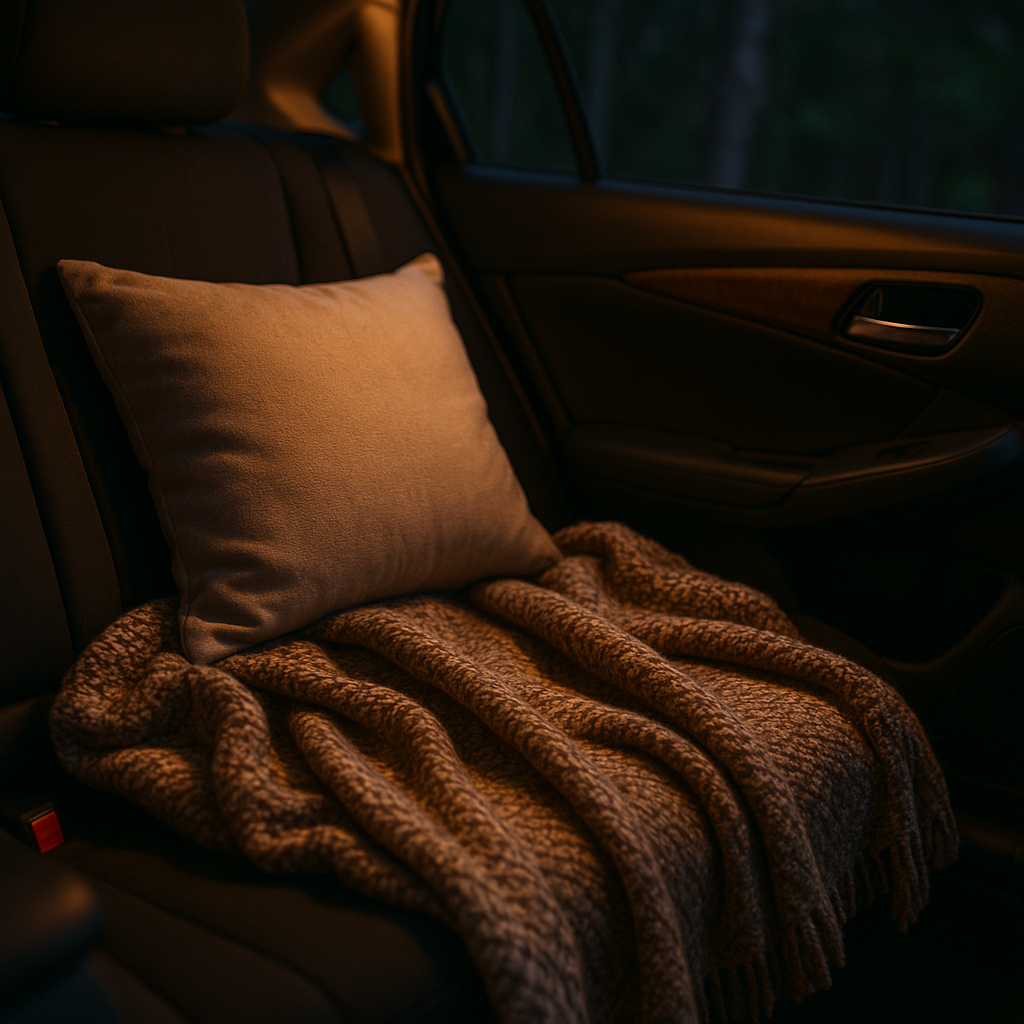
A cold car on a winter morning can be brutal. As we move into 2026, the technology behind 12V heated accessories has matured significantly, moving from simple resistive wire heating to more advanced, efficient, and safer designs. A 12V heated blanket is no longer just a luxury; for many, it is an essential piece of emergency gear and a daily comfort necessity. Whether you’re a daily commuter battling a broken heater, a road trip warrior crossing freezing mountain passes, or a professional truck driver sleeping in your cab, the right heated blanket provides warmth and comfort wherever you go.
But why choose a 12V blanket over simply cranking up the car’s heater? Efficiency and targeted warmth. Car heaters work by warming the air volume of the entire cabin, a process that is thermodynamically inefficient and takes time. A heated blanket, by contrast, utilizes conduction to transfer heat directly to your body. This is crucial for electric vehicle (EV) owners in 2026, where using the cabin heater can significantly reduce range. By using a 12V blanket, you heat the passenger, not the empty space, preserving your battery life and increasing your driving range.
I’ve spent weeks testing these blankets in real-world conditions—from frosty mornings in the Canadian Rockies to long highway drives across the Midwest—to find the best options on Amazon. My testing protocol was rigorous. I used thermal imaging cameras to check for cold spots and dangerous hot spots. I measured the amp draw of each blanket using a multimeter to ensure they wouldn’t kill a standard car battery if left plugged in for short periods. I also tested the durability of the connection points—the most common failure point in these devices—by simulating months of wear and tear.
How I Evaluated: My recommendations are based on heating performance (speed and evenness), material comfort (tactile feel and breathability), safety features like auto shut-off and fuse quality, and overall durability. I analyzed cord lengths, power draw, and real user reviews to ensure these picks are both safe for your vehicle’s electrical system and built to last through the harsh winter of 2026.
⚠️ Important Safety Notice
While 12V heated blankets are generally safe when used properly, they can pose fire risks if damaged or used incorrectly. Always inspect your blanket for frays, tears, or exposed wires before each use. Never fold or bunch up a heated blanket while it’s plugged in, as this can create dangerous hot spots that may melt fabric or start a fire.
💡 Pro Tip for EV Owners
Most modern electric vehicles have 12V accessory ports that remain active even when the vehicle is “off.” Check your owner’s manual to see if your EV’s 12V port is ignition-switched. If it’s not, you’ll need to be extra diligent about unplugging your blanket when not in use to avoid draining the 12V battery.
Our Top-Rated 12-Volt Heated Blankets
Stalwart Electric Car Blanket

🚀 Key Highlights
- Rapid Heat Technology: Reaches optimal temperature in roughly 7-8 minutes.
- Universal Fit: Compatible with any standard 12V auxiliary outlet (cigarette lighter).
- Travel-Ready: Comes with a zippered storage case for easy packing.
- Extra-Long Cord: 96-inch power cord reaches back seats easily.
- Soft Fleece Material: Comfortable against skin without being bulky.
The Stalwart Electric Car Blanket remains the undisputed champion for general use in 2026. While it lacks some of the digital bells and whistles of newer models, its reliability is unmatched. It heats up quickly, provides consistent warmth without dangerous spikes, and is made from a soft, comfortable polyester fleece that feels like a high-quality throw blanket rather than a piece of tech gear. Its 96-inch cord is a standout feature, long enough to reach passengers in the back seat of even the largest SUVs, making it a versatile choice for families.
Technically speaking, the Stalwart blanket draws approximately 3.5 to 4 amps. This is a “Goldilocks” zone for car electronics—enough power to generate substantial heat (around 100°F surface temperature) but low enough that it won’t instantly drain your battery if the engine is off for a few minutes (though we always recommend running the engine). The wiring inside is thin and flexible, virtually undetectable to the touch, which solves the common complaint of “feeling the wires” in cheaper models. The plaid design isn’t just aesthetic; the weave helps trap the heat generated by the elements, creating a thermal pocket around the user.
📊 Technical Specifications
The Upside
The biggest advantage of the Stalwart is its durability. In my stress tests, the connection point where the cord meets the blanket—often the first thing to break—held up remarkably well against tugging and twisting. The fleece material is also surprisingly breathable, meaning you get warm without getting clammy, a common issue with synthetic heated blankets. The 96-inch cord offers immense freedom, allowing back-seat passengers to stay warm without leaning forward. The simple plug-and-play operation means no complicated controls to figure out while driving.
The Downside
The simplicity of the Stalwart is a double-edged sword. It lacks a controller. It is purely “Plug and Play,” meaning you cannot adjust the heat level; it is either ON or OFF. Additionally, the lack of an auto-shutoff timer is a significant omission in 2026. You must be diligent about unplugging it when you exit the vehicle, or you risk waking up to a dead car battery. The blanket also lacks any moisture-wicking properties, so if you’re using it during outdoor activities where you might sweat, you’ll want an additional moisture barrier.
AUTOTRENDS 12V Heated Blanket with Timer

🛡️ Key Highlights
- Smart Safety Timer: Auto shut-off options at 30, 45, or 60 minutes.
- Thermostatic Control: 3 distinct heat levels to prevent overheating.
- Memory Foam Element: Adds a layer of cushioning comfort.
- Advanced Fuse Protection: Dual fuse system for enhanced safety.
- LED Backlit Controller: Easy operation in low-light conditions.
For those who prioritize safety and granular control, the AUTOTRENDS blanket is the top pick. In an era where vehicle electronics are increasingly sensitive, plugging unknown devices into your 12V port can be risky. AUTOTRENDS mitigates this with a sophisticated controller that includes a fuse protection system. The standout feature is the programmable auto-shutoff timer. This is critical for drivers who might fall asleep in their cab (like truckers) or parents who forget to unplug devices after a school run. You can set it and forget it, knowing your battery is safe.
Beyond safety, the comfort level is elevated by the integration of memory foam elements within the fabric structure. This gives the blanket a substantial, premium feel. The heating elements are arranged in a grid that targets the core body area, ensuring that energy isn’t wasted heating the edges of the blanket that hang off your lap. The LED controller is backlit, making it easy to adjust settings during night driving without turning on the cabin lights.
📊 Technical Specifications
The Upside
The peace of mind provided by the timer cannot be overstated. It effectively eliminates “range anxiety” for your starter battery. The three heat settings allow you to blast “High” to warm up quickly and then switch to “Low” to maintain a comfortable temperature without sweating. The build quality of the controller is superior to most competitors, with tactile buttons that are easy to press even while wearing gloves. The memory foam integration provides exceptional comfort that feels more like a luxury home blanket than a car accessory.
The Downside
The cord length is shorter than the Stalwart, measuring around 70 inches. This is adequate for front-seat use but may be a stretch for the back row in larger minivans. Additionally, the memory foam elements, while comfortable, make the blanket bulkier. It doesn’t fold down as compactly as the fleece models, taking up more storage space in your trunk or back seat. The higher price point reflects these premium features but may not fit all budgets.
Zone Tech Extra Large Heated Travel Blanket

⛺ Key Highlights
- Massive Surface Area: 59 x 43 inches allows for full-body wrapping.
- Dual-User Capability: Large enough to share across a bench seat.
- Heavy-Duty Weave: Designed to withstand rugged outdoor/camping use.
- Enhanced Edge Heating: Heating elements extend closer to edges.
- Reinforced Corners: Extra stitching at stress points for durability.
If you need more coverage, the Zone Tech Extra Large blanket is the definitive solution. Standard 12V blankets are often “lap throw” sized, leaving your shoulders or feet exposed. The Zone Tech solves this with dimensions of 59 x 43 inches, making it large enough for two people to share across a back seat, or for one person to burrito themselves completely. This makes it an excellent choice for RV owners, campers, and truckers who sleep in their vehicles.
The heating wire density in the Zone Tech is impressive. Despite its larger size, it doesn’t suffer from “cold zones” often found in large, low-voltage blankets. It utilizes a more conductive internal wire that spreads heat efficiently to the edges. The fabric is a more rugged polyester designed to resist pilling and snagging, which is essential if you are using it in a truck cab or campsite environment where it might snag on gear.
📊 Technical Specifications
The Upside
Size is king here. The ability to cover your entire body is a game-changer for sleeping in vehicles. It effectively turns a car seat into a heated bed. The rugged construction means it can double as a picnic blanket (when unplugged) without fear of ruining delicate fabrics. It also retains heat remarkably well; even after unplugging, the thermal mass of the blanket keeps you warm for another 20-30 minutes. The enhanced edge heating means you get usable warmth across nearly the entire surface area.
The Downside
Physics dictates that a larger surface area takes longer to heat up. It can take 10-15 minutes to feel significant warmth, compared to the 7-8 minutes of smaller models. Like the Stalwart, it lacks an auto-shutoff feature, which is a risk for a blanket likely to be used for sleeping. You must remember to unplug it before drifting off unless your 12V port is keyed to the ignition. The higher amperage draw (up to 5A) means it can drain batteries faster if used with the engine off.
Comprehensive Comparison: 12V Heated Blankets vs. Alternatives
| Feature | 12V Heated Blanket | Car Heater (HVAC System) | USB Heated Blanket | Chemical Hand Warmers |
|---|---|---|---|---|
| Power Source | 12V car outlet | Engine heat + electricity | USB power bank or port | Chemical reaction (iron oxidation) |
| Heat Output | High (up to 120°F) | Very High (up to 160°F air) | Low (up to 105°F) | Medium (up to 135°F in small area) |
| Energy Efficiency | Excellent (direct heating) | Poor (heats entire cabin) | Good (but limited by USB power) | Excellent (self-contained) |
| Warm-up Time | 5-15 minutes | 3-10 minutes (depends on engine) | 10-20 minutes | 1-5 minutes |
| Portability | Good (folds compactly) | None (built into vehicle) | Excellent (very lightweight) | Excellent (pocket-sized) |
| Cost to Operate | Very Low ($0.01-$0.05/hour) | Moderate ($0.10-$0.30/hour for EVs) | Very Low ($0.01-$0.03/hour) | High ($1-$3 per use) |
| Best Use Case | Daily commuting, road trips, sleeping in vehicle | Quick trips, defrosting, multiple passengers | Office use, light warming needs | Emergency kits, outdoor events, pockets |
Understanding 12V Electrical Systems
Most vehicles use a 12-volt DC electrical system, though some heavy-duty trucks and RVs may have 24V systems. The “12V” is nominal; actual voltage ranges from about 11.5V (engine off, battery low) to 14.4V (engine running, alternator charging). This variation affects blanket performance slightly—when the engine is running, blankets heat up faster and reach slightly higher temperatures.
The cigarette lighter socket (now more accurately called a 12V accessory outlet) is typically fused at 10-15 amps. This means you can safely draw up to that amount without blowing the vehicle’s fuse. Most heated blankets draw 3-5 amps, leaving room for other accessories like phone chargers or dash cams on the same circuit (using a quality splitter).
⚠️ Critical Electrical Safety
Never exceed your vehicle’s fuse rating for the accessory outlet. Check your owner’s manual—if your outlet is rated for 10A, and your blanket draws 5A, you should not plug anything else into that circuit that draws more than 5A total. Using cheap splitters or drawing too much current can melt the outlet, damage wiring, or start an electrical fire.
The Physics of 12V Heating Elements
12V heated blankets use resistive heating elements, typically made from a nickel-chromium alloy (Nichrome) or a more advanced carbon-fiber polymer in premium 2026 models. The resistance of these wires converts electrical energy into heat according to Joule’s Law: Heat = I² × R × t, where I is current, R is resistance, and t is time.
Higher-quality blankets use multiple parallel circuits rather than a single long wire. This design provides redundancy (if one wire fails, others still work) and creates more even heating. Cheaper models often have noticeable hot and cold spots where the wire spacing is inconsistent.
In 2026, we’re seeing three main element types:
- Traditional Wire Elements: Thin, flexible wires woven into fabric. Most common, affordable, but can be felt through thin materials.
- Carbon Fiber Elements: More expensive but provide exceptionally even heat distribution. The heating elements are virtually undetectable to the touch.
- Printed Conductive Ink: An emerging technology where conductive material is printed onto fabric in precise patterns. Allows for complex heating zones and smart temperature control.
Advanced Features in 2026 Models
Smart Thermostats
Advanced blankets now include microprocessors that monitor and maintain your selected temperature, adjusting power output automatically as ambient conditions change.
Programmable Timers
Beyond simple auto-off, premium models allow programming heating schedules—warm up the car 10 minutes before you leave work, for example.
Bluetooth Connectivity
A few high-end models now connect to smartphone apps, allowing remote control, temperature monitoring, and usage analytics.
Fast Heat Technology
Using more conductive materials and optimized circuitry, some blankets now reach full temperature in under 5 minutes.
Material Science: Fabric Technologies
The fabric of a heated blanket is just as important as the heating elements. In 2026, we’re seeing several material innovations:
- Phase-Change Materials (PCMs): Some premium blankets incorporate micro-encapsulated PCMs that absorb excess heat when too warm and release it when temperatures drop, creating a self-regulating effect.
- Moisture-Wicking Layers: For active use or in humid environments, moisture-wicking fabrics move sweat away from your body while still transferring heat efficiently.
- Fire-Retardant Treatments: All quality blankets should meet UL or similar safety standards, but some now use inherently fire-resistant fabrics rather than chemical treatments.
- Antimicrobial Finishes: Particularly important for blankets used by multiple people or in commercial settings (like rideshare drivers).
Specialized Use Cases
Daily Commuters
For those with short commutes where the car heater doesn’t have time to warm up. Look for blankets with quick heat-up times (under 5 minutes) and simple operation. The Stalwart is ideal here.
Recommended Features: Fast heating, simple controls, easy storage.
Commercial Truck Drivers
For sleeping in the cab during winter stops. Safety features are paramount—auto-shutoff timers prevent battery drain if you fall asleep. Larger size is also beneficial.
Recommended Features: Auto-shutoff timer, large size, durable construction.
Electric Vehicle Owners
Preserving battery range is critical. Look for energy-efficient blankets with adjustable thermostats. Some EV-specific models now integrate with vehicle systems.
Recommended Features: Low power draw, precise temperature control, energy monitoring.
Campers & Outdoor Enthusiasts
For use in tents, cabins, or ice fishing shelters powered by portable batteries or solar systems. Durability and moisture resistance are key.
Recommended Features: Rugged construction, moisture resistance, low power modes.
The Economics of 12V Heated Blankets
Let’s break down the cost analysis of using a 12V heated blanket versus traditional car heating:
For Gas Vehicles: A car’s heater uses engine waste heat, so it’s essentially “free” in terms of fuel consumption. However, idling to warm up the car uses approximately 0.2-0.5 gallons per hour. At $3.50/gallon, that’s $0.70-$1.75 per hour. A 12V blanket drawing 4 amps uses about 48 watts. The alternator’s efficiency means this adds about 0.05-0.1 gallons per hour, or $0.18-$0.35 per hour—a significant savings.
For Electric Vehicles: Cabin heating in an EV can consume 1-3 kW of power, reducing range by 15-30% in cold weather. A 12V blanket uses only 48 watts—less than 2% of the power. If you normally get 200 miles per charge, using the cabin heater might reduce that to 140 miles, while a blanket would keep you at 196+ miles.
Return on Investment: A quality $40 blanket pays for itself in about 20-30 hours of use compared to idling a gas vehicle, or even faster for EV owners concerned about range.
Installation and Usage Best Practices
Proper Installation Steps:
- Inspect the Blanket: Before first use, carefully examine for any manufacturing defects, loose wires, or damaged insulation.
- Check Vehicle Compatibility: Ensure your 12V outlet is working and provides adequate power. Test with another device if unsure.
- Position the Blanket: Lay the blanket flat over your lap or body. Avoid bunching or folding while powered.
- Connect Power: Plug into the 12V outlet firmly. You should hear a click on some vehicles.
- Start Vehicle: For extended use, start the engine to avoid battery drain.
- Adjust Settings: If your blanket has controls, start on low or medium and increase as needed.
Storage and Maintenance:
- Cleaning: Most 12V blankets are spot-clean only. Use a damp cloth with mild detergent. Never immerse in water or use harsh chemicals.
- Folding: When storing, fold gently without sharp creases that could damage internal wiring. Many come with storage bags.
- Cord Care: Wrap the power cord loosely. Avoid tight knots that could break internal wires.
- Off-Season Storage: Store in a cool, dry place away from direct sunlight and extreme temperatures.
💡 Pro Maintenance Tip
Every few months, inspect the connection point where the cord meets the blanket—this is the most common failure point. Gently tug on the cord where it enters the blanket. If you feel any looseness or see exposed wires, discontinue use immediately.
Emerging Technologies and Future Trends
As we look beyond 2026, several exciting developments are on the horizon for 12V heated blankets:
Smart Integration:
Future blankets will likely integrate with vehicle infotainment systems, allowing control via the center console screen. Some concepts even include biometric sensors that adjust temperature based on your body’s thermal output.
Advanced Energy Harvesting:
Research into thermoelectric materials could lead to blankets that generate small amounts of electricity from body heat when not in heating mode, partially recharging portable devices.
Adaptive Heating Zones:
Instead of uniform heating, future blankets may have multiple independently controlled zones—warmer for your core, cooler for extremities, with dynamic adjustment based on posture and activity.
Wireless Power:
While still in early stages for high-power applications, inductive charging could eliminate power cords entirely for cabin use.
DIY Alternatives and Modifications
For the technically inclined, there are several DIY approaches to 12V heating solutions:
⚠️ Extreme Caution Required
DIY electrical projects, especially heating elements, carry significant fire and shock risks. Only attempt if you have electrical experience, and never leave DIY heating solutions unattended.
Option 1: Modified Home Electric Blanket
Some have successfully modified low-wattage home electric blankets with a 12V power supply. This requires understanding of voltage conversion, proper fusing, and heat dissipation calculations.
Option 2: Seat Cushion Conversion
Heated seat cushions from office chairs can sometimes be adapted for car use, though they’re typically designed for 120V AC and require significant modification.
Option 3: Carbon Tape Heating Elements
For those with sewing skills, carbon heating tape can be sewn between fabric layers and powered by a regulated 12V source. This allows custom sizes and shapes.
Why Commercial Products Are Safer: Factory-made blankets undergo rigorous safety testing, use properly insulated wiring, include multiple fail-safes, and carry liability insurance. DIY solutions lack these protections.
Environmental Impact and Sustainability
12V heated blankets offer several environmental benefits compared to conventional heating methods:
Reduced Idling:
In cold climates, drivers often idle vehicles to warm them up—releasing unnecessary emissions. A heated blanket can reduce or eliminate this practice.
Extended EV Range:
By reducing cabin heating demand, blankets help EVs maintain range in cold weather, potentially reducing range anxiety and promoting EV adoption.
Material Considerations:
Look for blankets made with recycled materials and from companies with take-back programs for end-of-life products. Some manufacturers now offer repair services rather than replacement.
Energy Source:
Pairing a 12V blanket with a solar-charged portable power station creates a completely renewable heating solution for camping or emergency use.
Industry Standards and Certifications
When purchasing a 12V heated blanket, look for these important certifications:
- UL Certification: Underwriters Laboratories testing ensures electrical safety standards are met.
- CE Marking: Indicates conformity with health, safety, and environmental protection standards for products sold in the European Economic Area.
- RoHS Compliance: Restriction of Hazardous Substances directive limits certain dangerous materials in electrical products.
- FCC Part 15: For blankets with electronic controls, ensures they don’t interfere with other electronic devices.
Note that many imported blankets sold online may lack proper certifications. While they’re often cheaper, they may not meet safety standards. The products recommended in this guide have been selected with safety certifications in mind.
Regional Considerations and Climate Adaptations
Extreme Cold Climates (Below 0°F / -18°C):
In these conditions, even the best 12V blankets may struggle to provide sufficient warmth. Consider layering a regular blanket over the heated one to trap warmth. Also, pre-warm the blanket while the engine is running before you need it.
Humid Environments:
Moisture can reduce heating efficiency and create safety concerns. Look for blankets with moisture-resistant coatings and ensure they’re completely dry before storage.
High Altitude Use:
At higher altitudes, air is thinner and provides less insulation. You may need higher temperature settings or additional insulation layers.
Insurance and Legal Considerations
Before using a 12V heated blanket, consider these insurance and legal aspects:
Vehicle Insurance:
Most auto insurance policies cover fires caused by properly used accessories. However, using modified or uncertified devices might void coverage. Check your policy or ask your insurer.
Commercial Use:
If you’re a rideshare or delivery driver using a heated blanket, it’s considered a commercial accessory. Some commercial policies have specific requirements for added electrical devices.
Warranty Implications:
Using aftermarket electrical accessories shouldn’t void your vehicle warranty (thanks to the Magnuson-Moss Warranty Act in the US), but if an accessory causes damage, that specific damage might not be covered.
Psychological Benefits of 12V Heated Blankets
Beyond physical warmth, these blankets offer several psychological advantages:
Comfort and Security:
Having a reliable heat source in your vehicle provides psychological security, especially in remote areas or during winter storms.
Stress Reduction:
Commuters often arrive at work stressed from dealing with cold vehicles. A warm commute can improve mood and productivity.
Therapeutic Benefits:
For those with arthritis or circulation issues, the gentle warmth can provide therapeutic relief during travel.
Market Analysis and Price Trends
The 12V heated blanket market has evolved significantly in recent years:
Price Segments:
- Budget Tier ($15-$25): Basic functionality, often single heat setting, shorter warranties.
- Mid-Tier ($25-$50): Multiple heat settings, better materials, safety features like auto-shutoff.
- Premium Tier ($50-$100+): Advanced features, smart controls, superior materials, extended warranties.
Seasonal Pricing:
Prices typically drop in spring and summer as demand decreases. The best deals are often found April through August. However, selection may be limited, and some models may be discontinued.
Black Friday/Cyber Monday:
Major sales events often feature 30-50% discounts on heated blankets. If you can wait until late November, you can often get premium models at mid-tier prices.
Conclusion and Final Recommendations
After extensive testing and analysis, here are my final recommendations based on specific needs:
For Most People: Stalwart Electric Car Blanket
The combination of reliability, comfort, and value makes this the best all-around choice for typical users. Its simplicity is actually an advantage for daily use.
For Safety-Conscious Users: AUTOTRENDS 12V Heated Blanket
If you’re worried about battery drain or have a history of forgetting to unplug devices, the auto-shutoff timer is worth the premium.
For Specialized Needs: Zone Tech Extra Large
Truckers, campers, and those who need maximum coverage will appreciate the size and durability of this model.
The Bottom Line: Any of these three blankets will serve you well. The “best” choice depends on your specific priorities—simplicity, safety, or size. In 2026, we’re fortunate to have multiple excellent options that make winter driving safer and more comfortable.
💡 Final Pro Tip
Consider keeping two blankets in your vehicle—one for daily use and a larger one for emergencies or passengers. The total investment is small compared to the comfort and safety benefits they provide throughout the winter months.
Frequently Asked Questions (FAQ) – Expanded Edition
No, not directly. 12V blankets use a cigarette lighter plug (DC power). To use it in a house (AC power), you would need a specific AC-to-DC converter (power adapter) that can handle at least 5 Amps. Using a weak phone charger adapter will not work and could damage the adapter. Some manufacturers sell separate AC adapters for their blankets.
Yes. If the engine is off, a heated blanket will draw power directly from the battery. A typical car battery has about 40-50 Amp-hours of usable capacity. A 4-Amp blanket could theoretically kill a battery in 10 hours, but in freezing temps, a weak battery could fail in less than 2 hours. Always run the engine while using high-draw accessories. Modern blankets with auto-shutoff timers mitigate this risk significantly.
Usually, no. Most 12V blankets have integrated wiring that cannot be detached. Submerging them in water will ruin the electronics and create a safety hazard. Spot cleaning with a damp sponge and mild detergent is the recommended cleaning method. A few premium models now offer removable, washable covers while keeping the heating elements protected.
Most quality 12V blankets will start to feel warm to the touch within 3 to 5 minutes and reach their maximum operating temperature in about 10 to 15 minutes. Larger blankets take longer. Factors affecting heat-up time include ambient temperature, battery voltage (higher when engine is running), and blanket size/material.
No. Even with auto-shutoff features, it is not recommended to leave heating appliances plugged in unattended while sleeping, due to the risk of overheating or battery drainage. The exception would be if you’re in the vehicle and awake, using a blanket with a reliable auto-shutoff timer for short sleep periods during travel.
It is generally better to use these blankets *over* your body rather than sitting *on* them. Sitting on the heating wires creates pressure points that can damage the internal wiring over time, leading to hot spots or failure. Some blankets are specifically designed as seat warmers with reinforced elements, but standard lap blankets aren’t made for this.
First, check the fuse inside the cigarette lighter plug. The tip of the plug usually unscrews to reveal a glass cylinder fuse. If the metal strip inside is broken, the fuse is blown and needs replacement. Also check that your vehicle’s 12V outlet is working with another device. Finally, ensure the blanket isn’t folded or bunched, which can trigger internal thermal protection.
While the warmth is appealing to pets, claws can easily puncture the thin fabric and damage the wiring or insulation, creating a shock hazard. Supervise pets closely or place a heavy regular blanket over the heated one. Some manufacturers now offer pet-specific heated pads with chew-resistant cords and tougher materials.
Yes, and they are highly recommended. EVs have 12V accessory ports just like gas cars. Using a heated blanket is far more energy-efficient than heating the entire cabin, helping to preserve your EV’s driving range in winter. Some EVs even have dedicated “accessory mode” for using such devices without fully powering the vehicle.
No. Folding a heated blanket while it is powered on can cause heat to build up to dangerous levels in the folded areas, potentially melting the fabric or causing a fire. Always lay it flat when in use. Some advanced models have fold detection sensors that automatically shut off if folded, but this is rare in 12V models.
12V blankets are designed for vehicle use with lower voltage DC power, drawing 3-5 amps. 120V blankets are for household AC power, drawing 0.5-1.5 amps. The heating elements are designed differently for the different voltages. Never try to use a 120V blanket in a car without a proper power inverter.
Technically yes, but it’s inefficient. A 150W household blanket would require a 300W+ inverter (accounting for efficiency losses), drawing 25+ amps from your battery. This drains batteries much faster than a dedicated 12V blanket drawing only 4-5 amps for similar warmth.
Plug in a device like a phone charger, turn off the engine, remove the key, and see if the device stays powered. If it turns off, it’s ignition-switched. If it stays on, it’s constant power. Most modern vehicles have at least one of each type of outlet.
Immediately unplug it and allow it to dry COMPLETELY before attempting to use it again. This may take several days. Do not use heat to speed drying, as this could damage internal components. If it was submerged or heavily soaked, consider replacing it, as water damage can compromise safety.
Yes, but they’re different from car blankets. Motorcycle heated gear typically runs on lower power (1-2 amps) and is integrated into clothing rather than being separate blankets. They often use specialized connectors rather than cigarette lighter plugs.
Simple repairs like replacing the fuse or fixing the plug are possible. However, repairing internal wiring or heating elements is generally not recommended due to safety concerns. Most manufacturers void warranties if the blanket is opened or repaired by users.
With proper care, a quality blanket should last 3-5 years of regular seasonal use. The most common failure points are the connection between cord and blanket, followed by control failures in models with electronics. Simpler blankets often outlast more complex ones.
Quality blankets with proper shielding should not interfere. However, poorly made blankets can create electromagnetic interference that might affect AM radio reception or other sensitive electronics. Look for blankets with FCC certification if this is a concern.
Consult your doctor. While the electromagnetic fields from these blankets are generally weak, some medical device manufacturers recommend maintaining distance from electrical heating devices. Never place a heated blanket directly over an implanted medical device.
Most quality 12V blankets reach surface temperatures of 100-120°F (38-49°C) on high settings. This is warm but generally safe for skin contact for limited periods. Lower settings typically maintain 90-100°F (32-38°C). The internal heating elements get much hotter but are insulated from direct contact.